Russian Scientist: Baikal School of BRICS Students Explore Science through Games
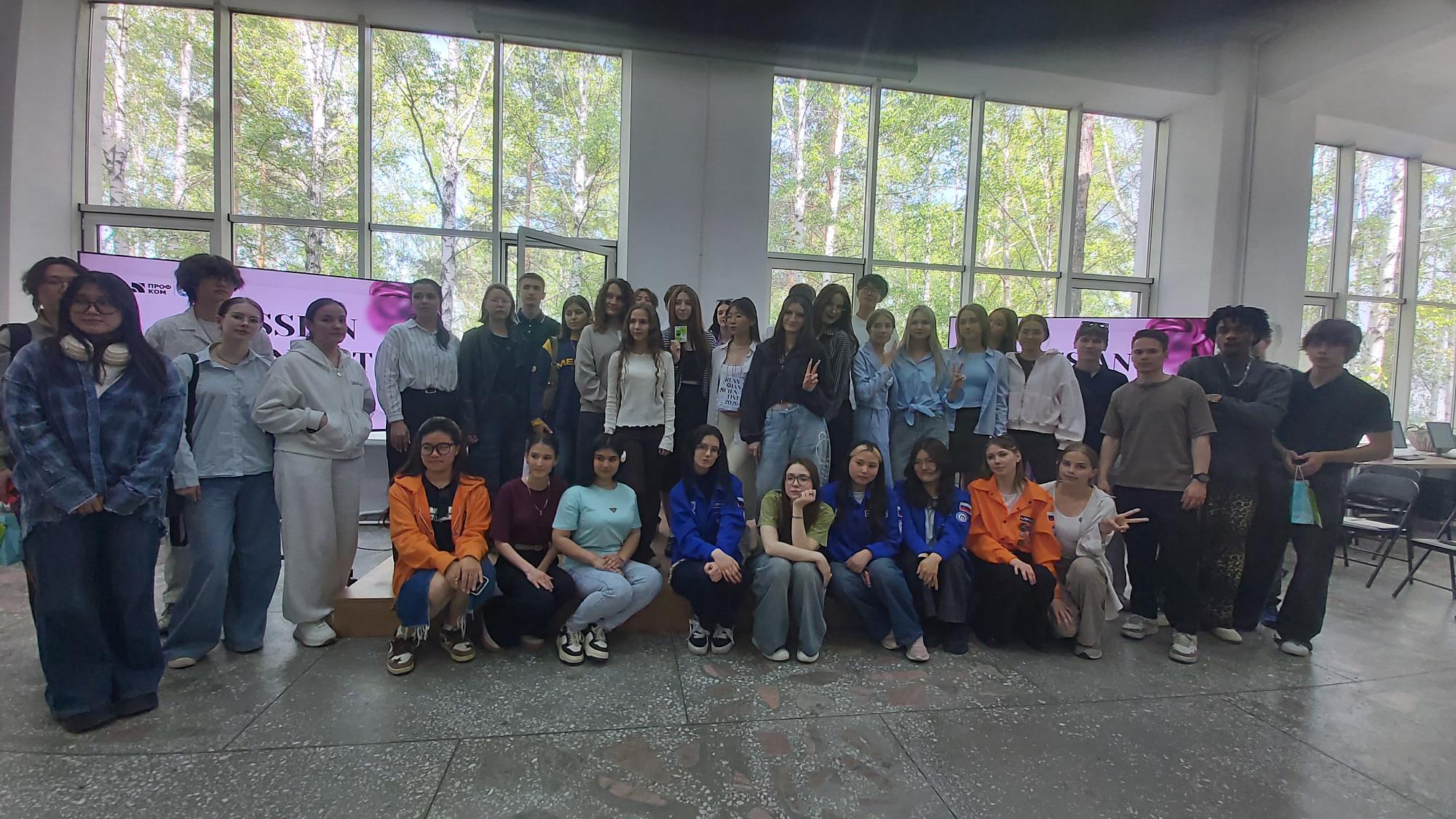
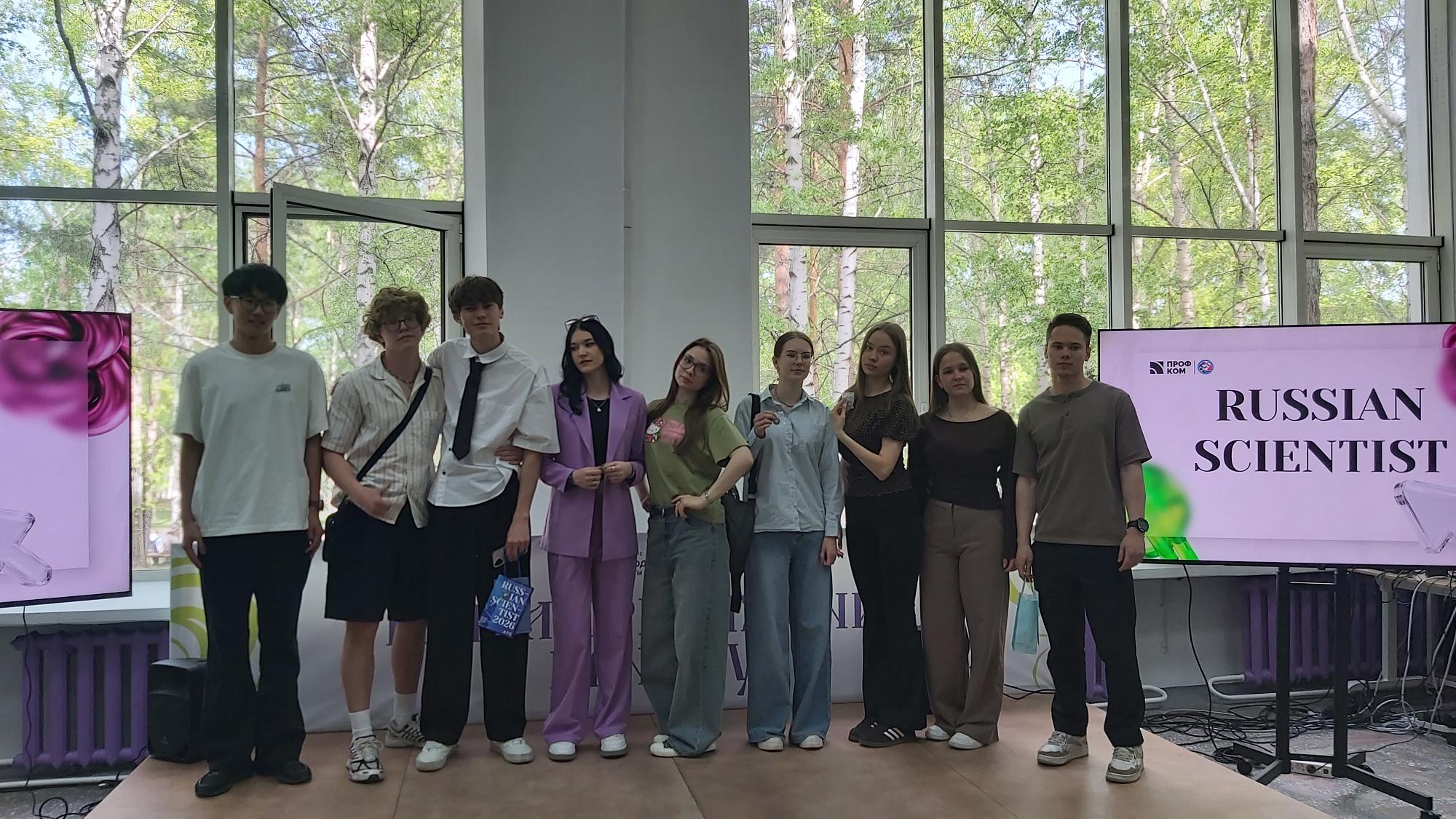
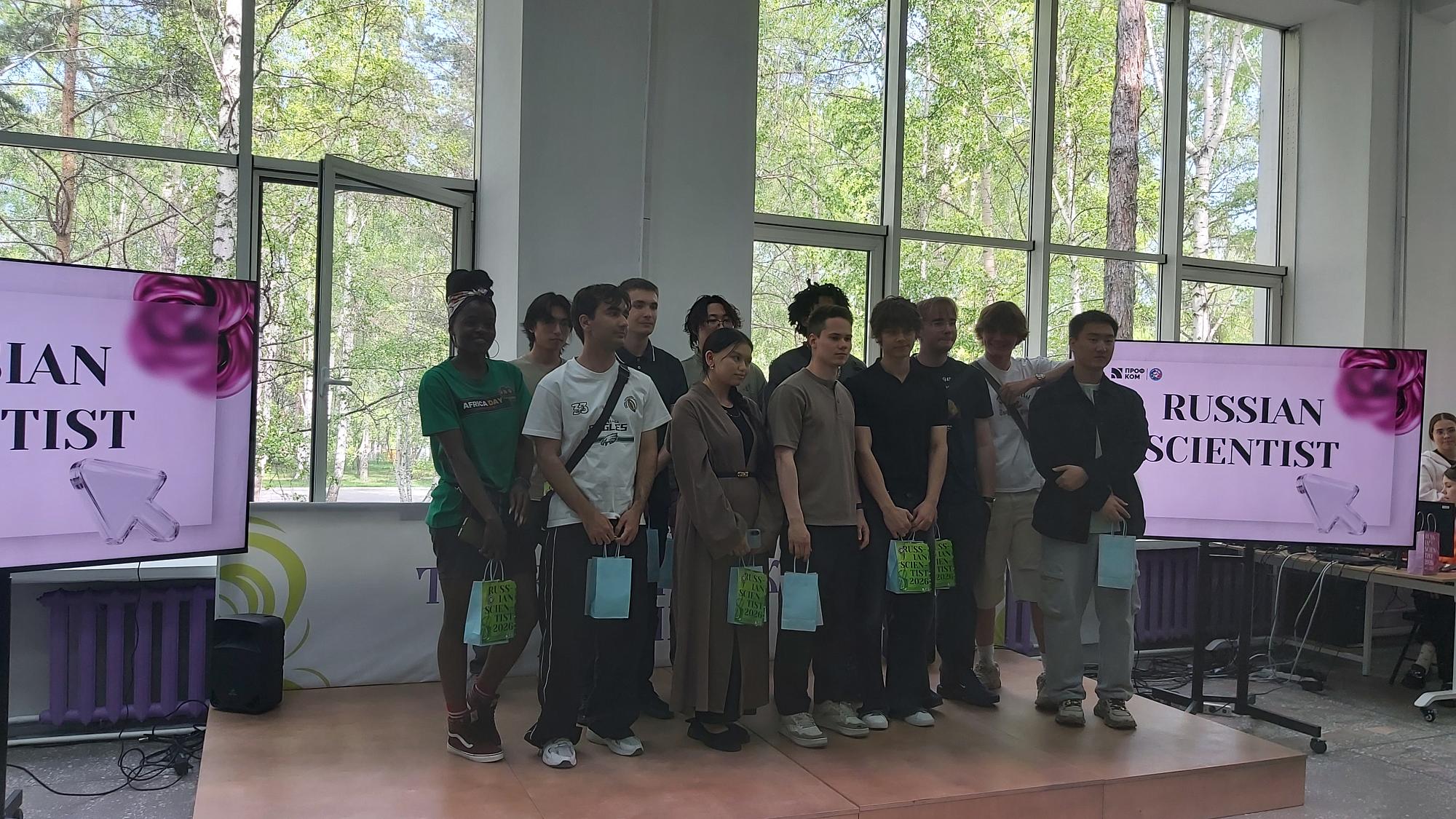
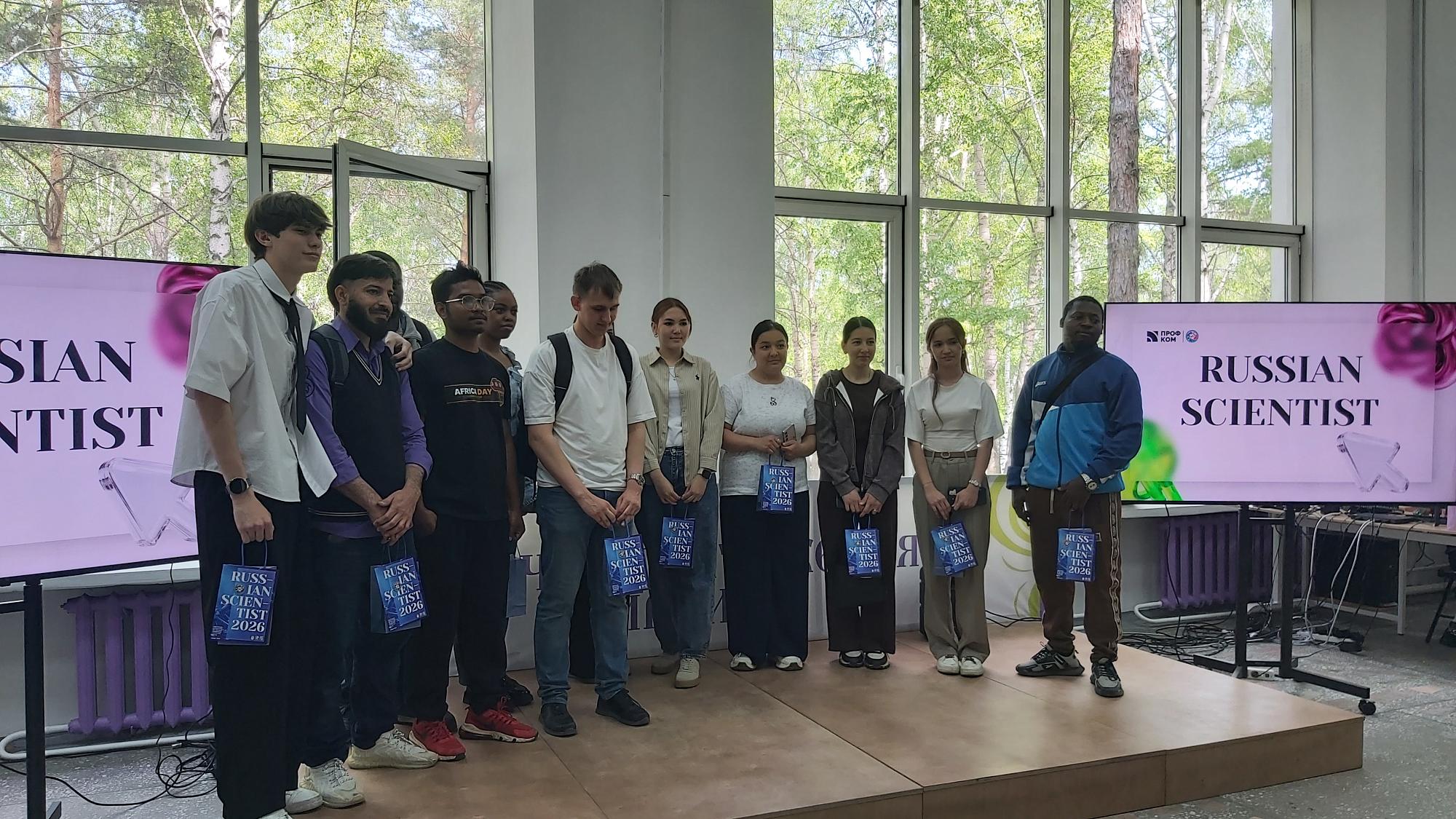
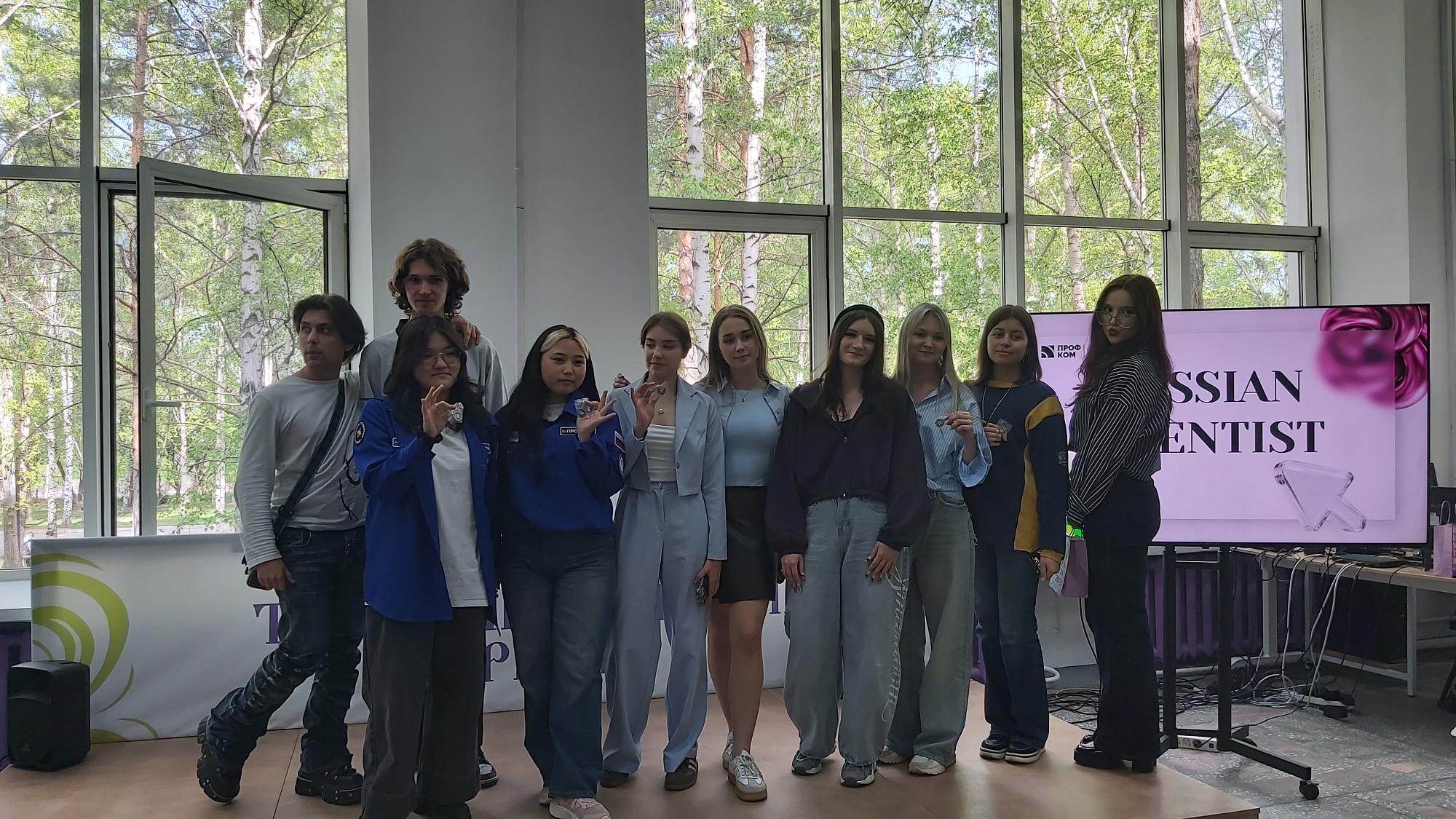
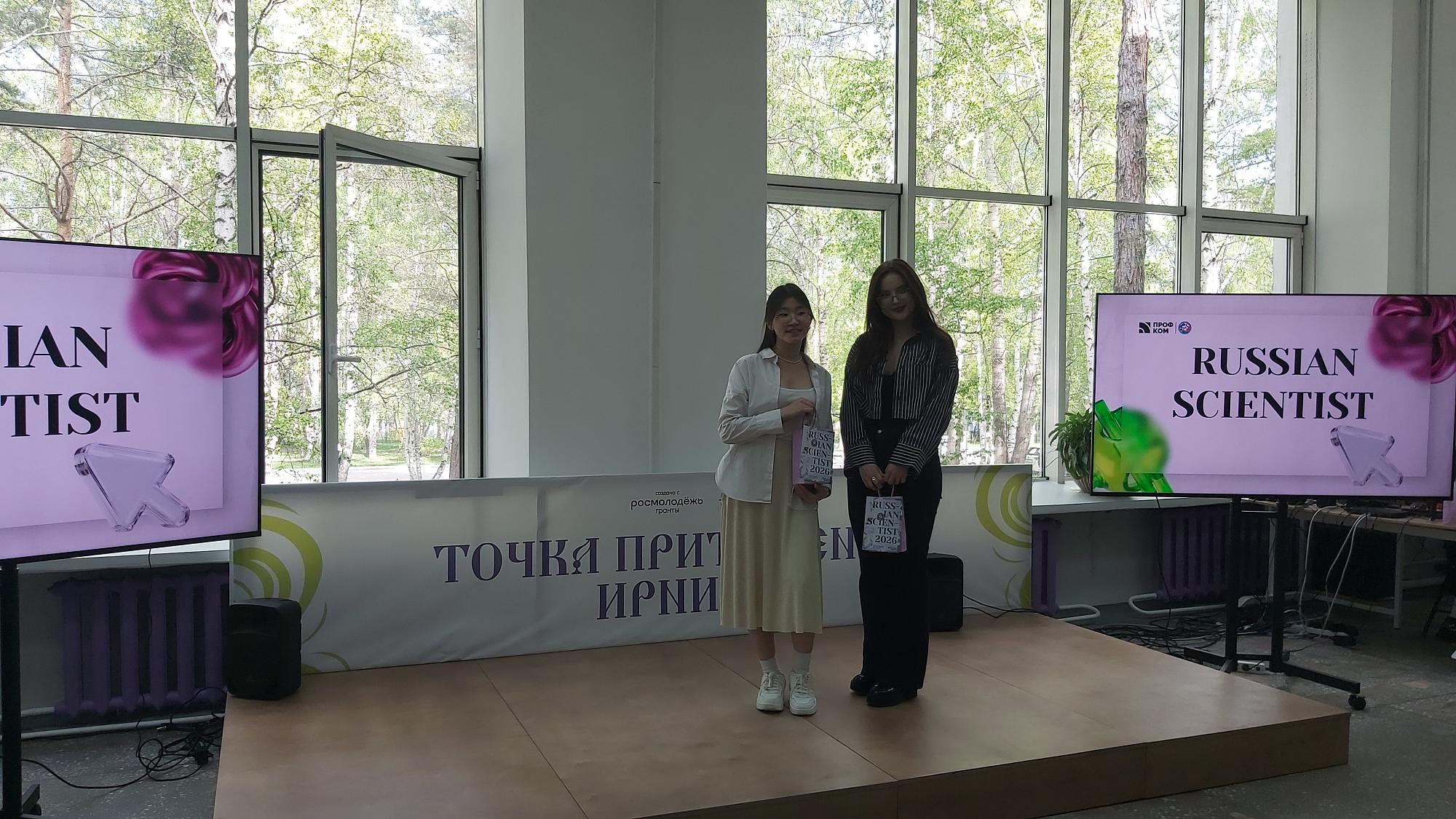
More than 100 students of the Baikal School of BRICS took part in the interactive game “Russian Scientist” at INRTU. Aimed primarily at international students, the event offered an excellent opportunity to get acquainted with Russian science and culture in an engaging format.
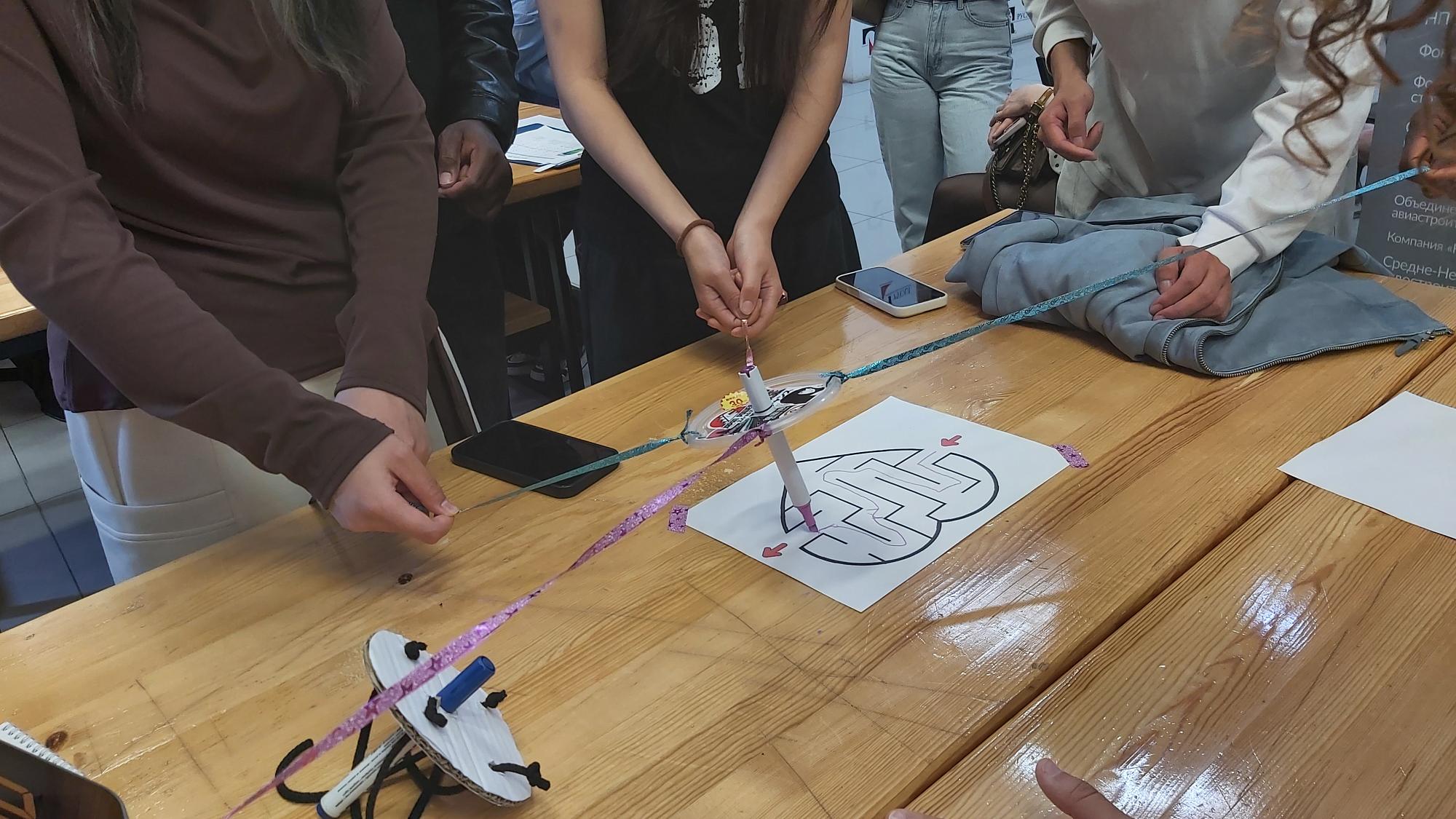
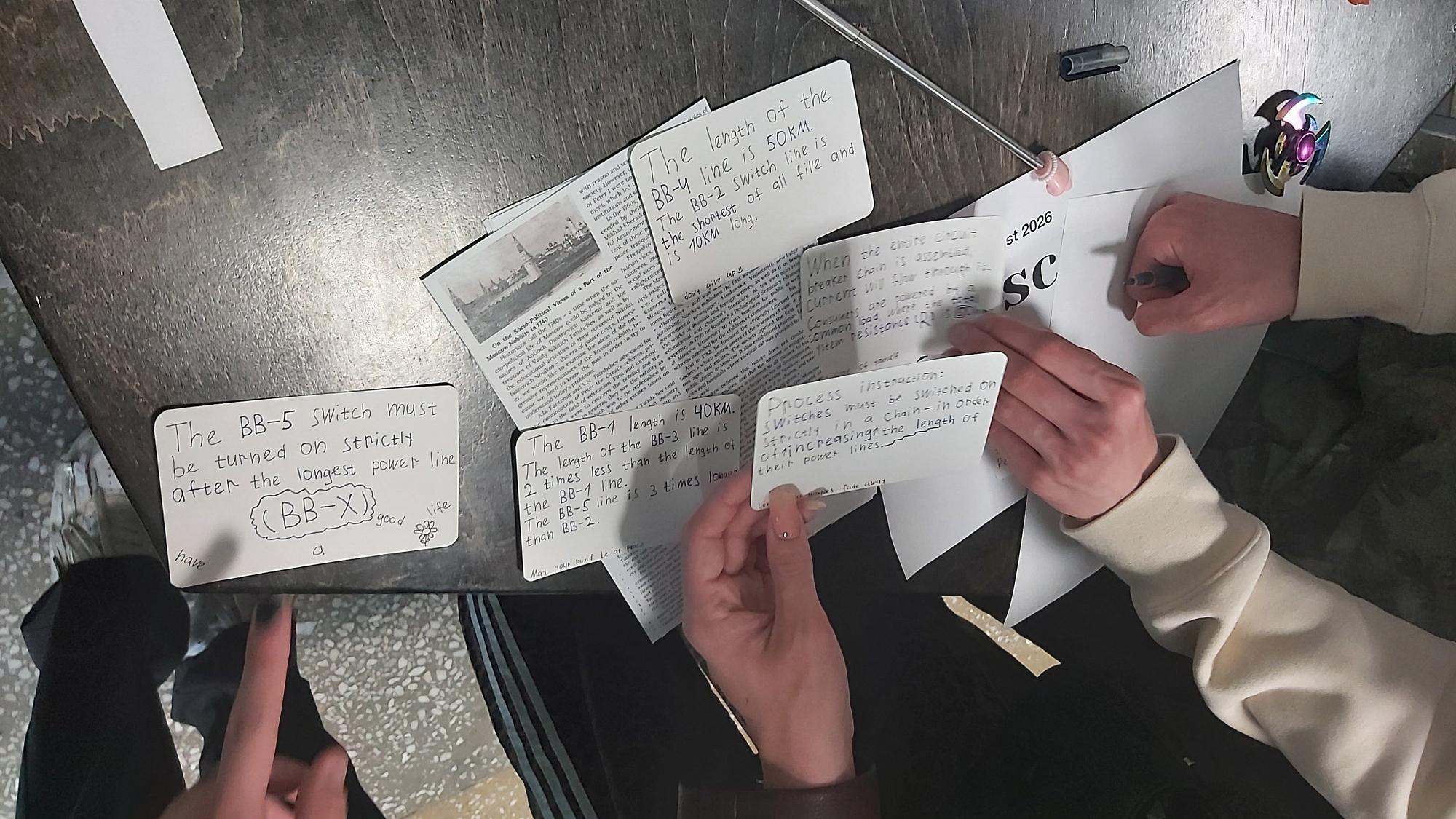
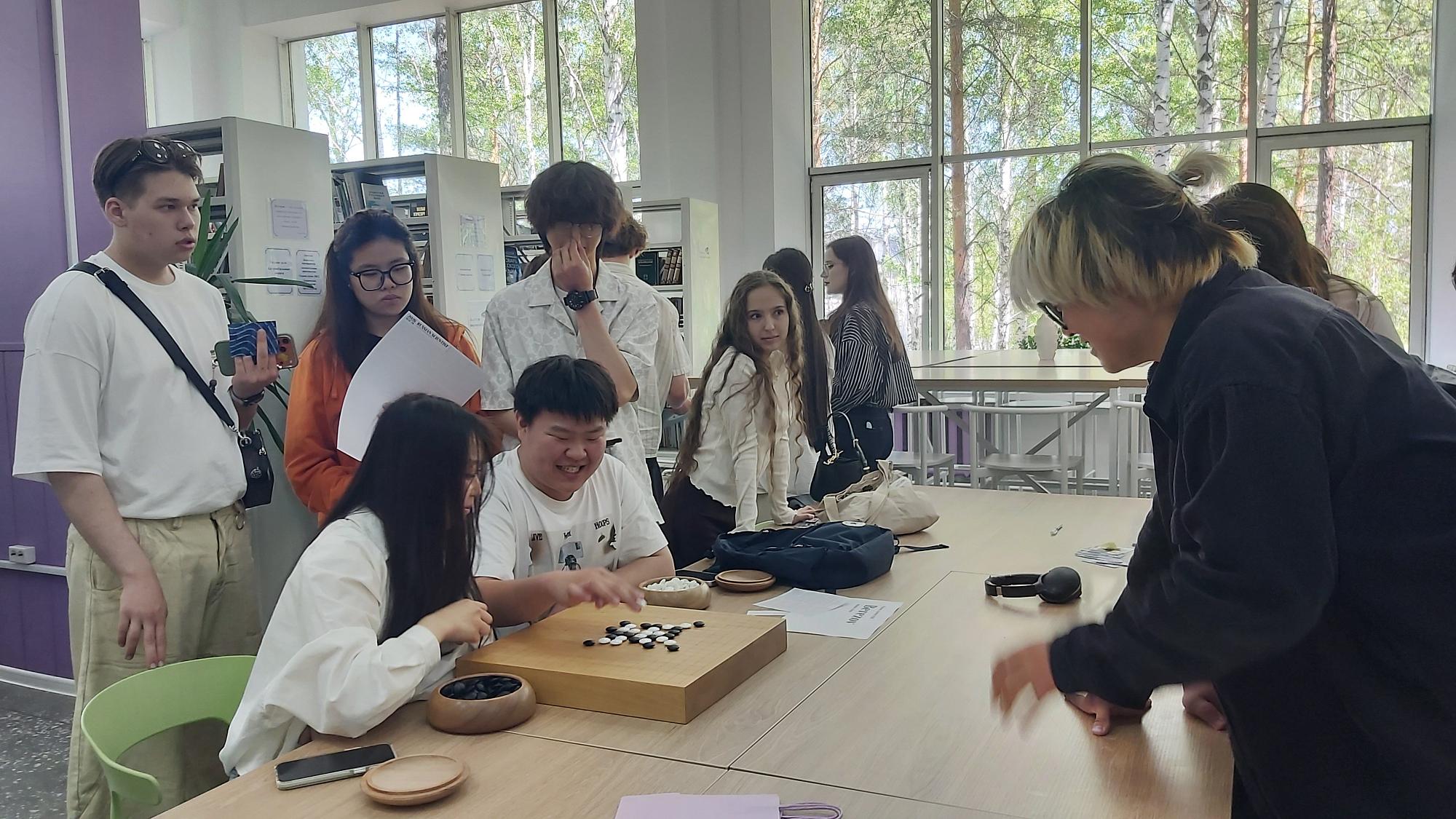
Ten themed stations with a variety of tasks were set up in the university’s main building. Participants could try their hand at the board games Go and Uno, test their wits in the “Hat” game, learn the traditional Buryat dice game “Shagai Naadan”, and more.
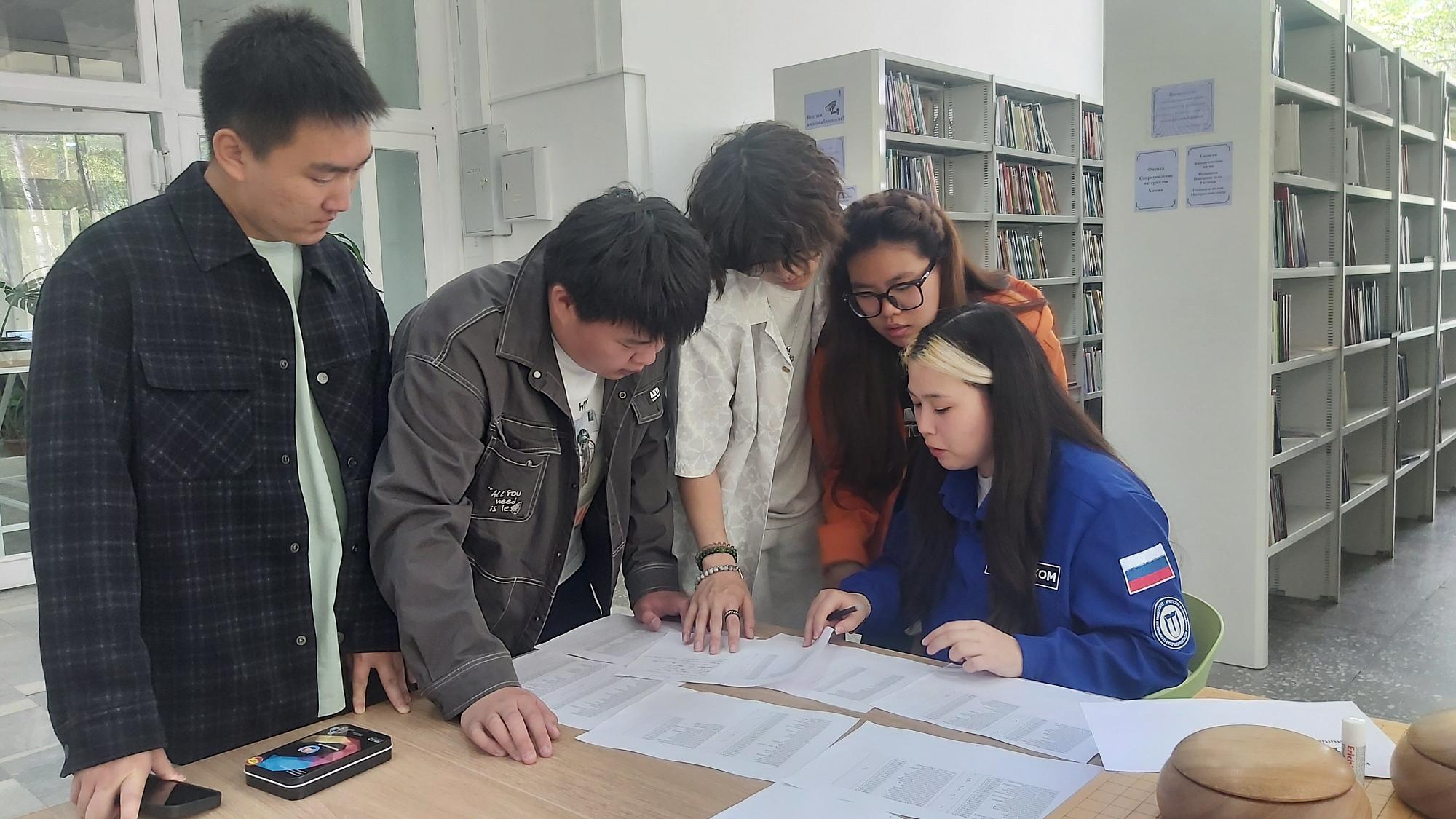
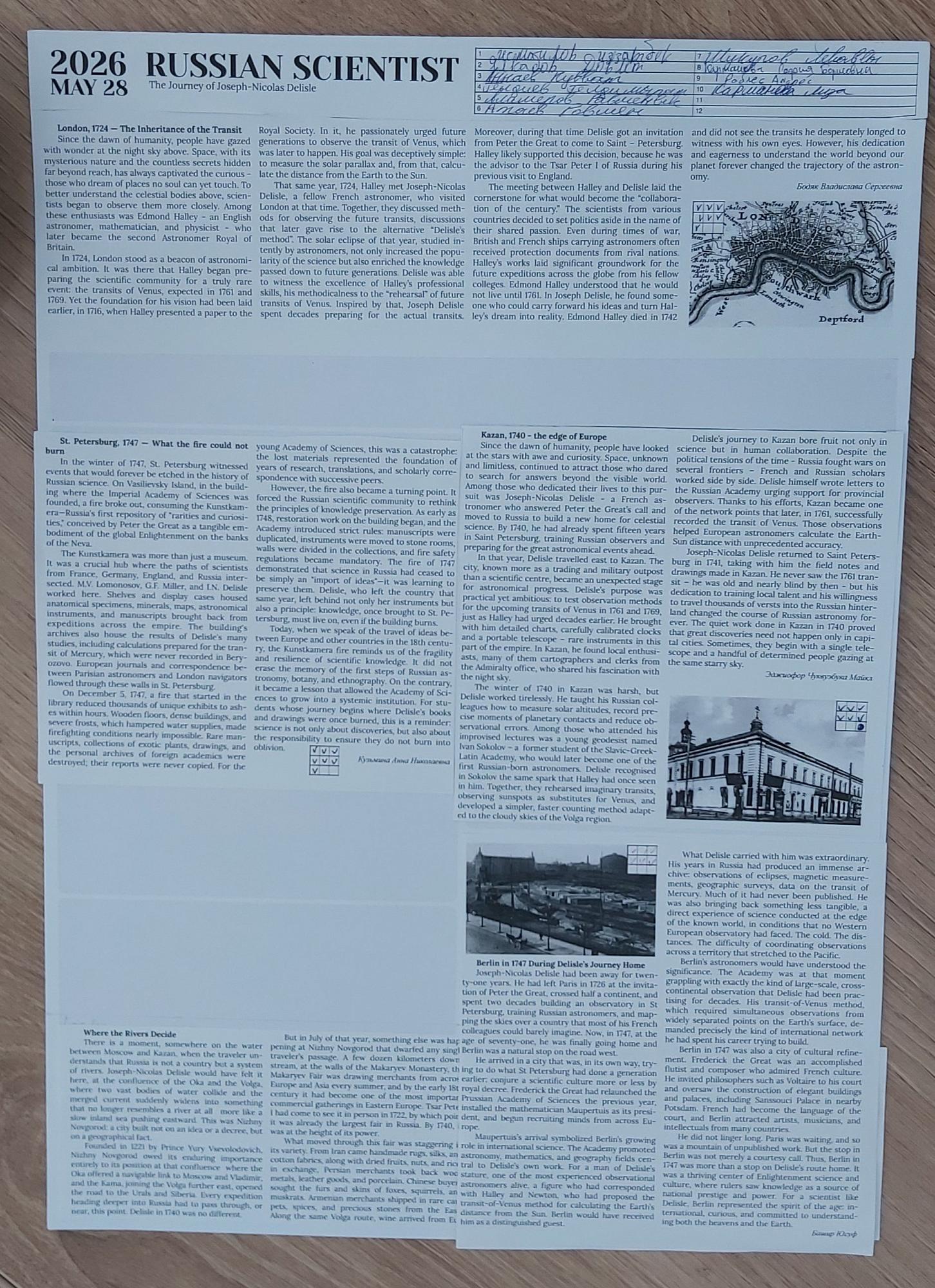
Students were randomly divided into groups, each receiving an A3 newspaper mock‑up. As teams moved fr om station to station, their task was to gather short reports and compile them into a full‑fledged, informative newspaper.
Ilia Kruchinin, a member of the Educational Work Council and a lecturer at the Baikal School of BRICS, organized the event. He noted that “Russian Scientist” has been held for the fourth time:
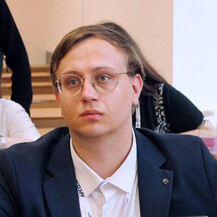
“This year, the game is dedicated to the work of the French scientist Joseph‑Nicolas Delisle. This renowned astronomer spent a significant part of his life in Russia and was a professor at the St. Petersburg Academy of Sciences. Many stations symbolize a city that Delisle visited or a place wh ere he conducted research.
The game “Russian Scientist” is designed not only to awaken patriotic feelings but also to present Russian science to foreign INRTU students in a new and interesting light.
Students also had the opportunity to relax at the end of the academic year, get into a positive mood, and socialize outside the classroom.”
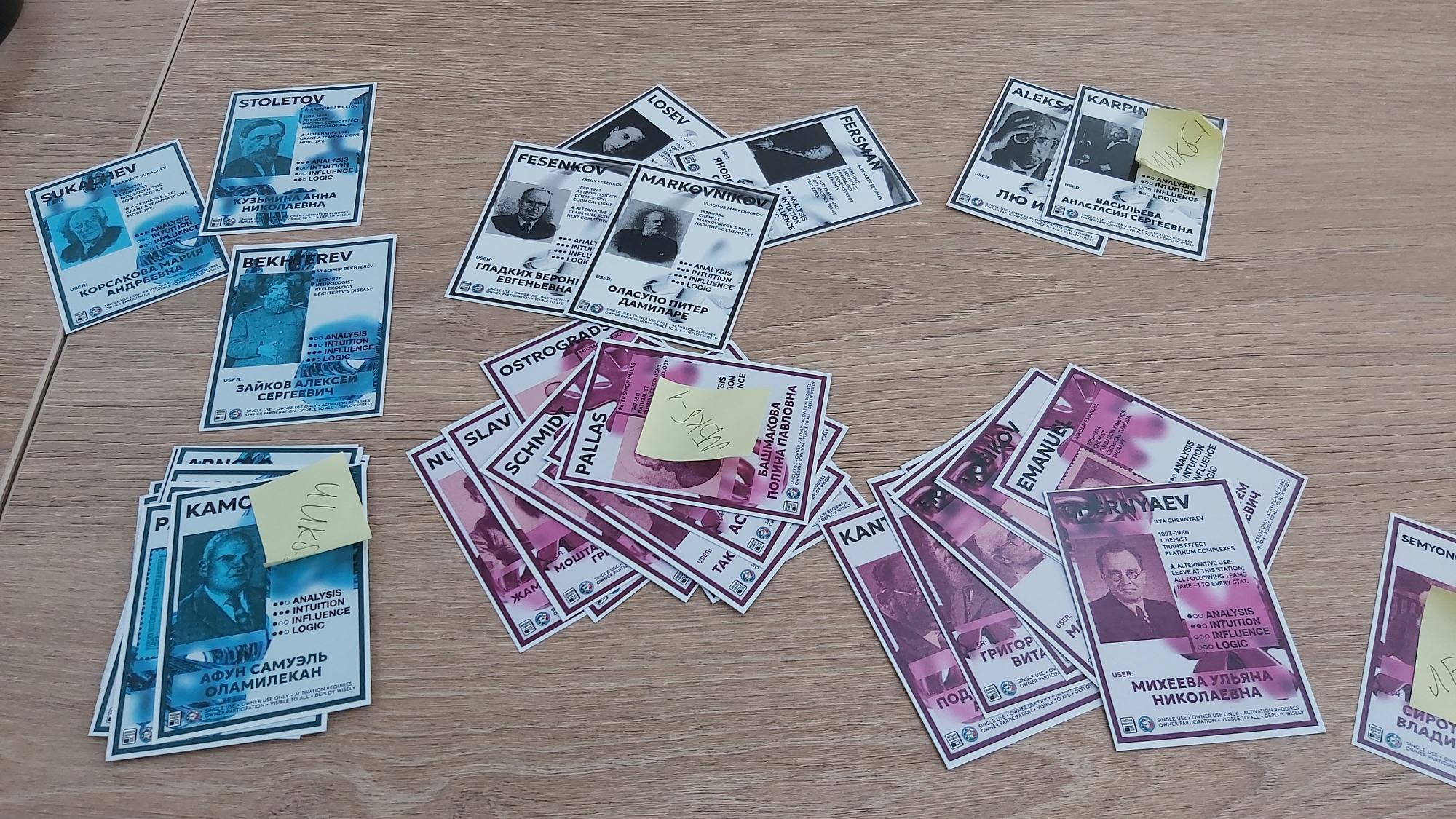
An additional element of the game was a card system. Each participant received a personalized card with information about a famous scientist. These cards served as a tool for getting acquainted and interacting among students, helping them determine their role and tasks at the stations.
The event concluded with a quiz on historical facts related to Delisle, an evaluation of the newspapers, and an awards ceremony for the winners. Prizes were awarded to the two best teams and the most active station.