
Stories from Abroad
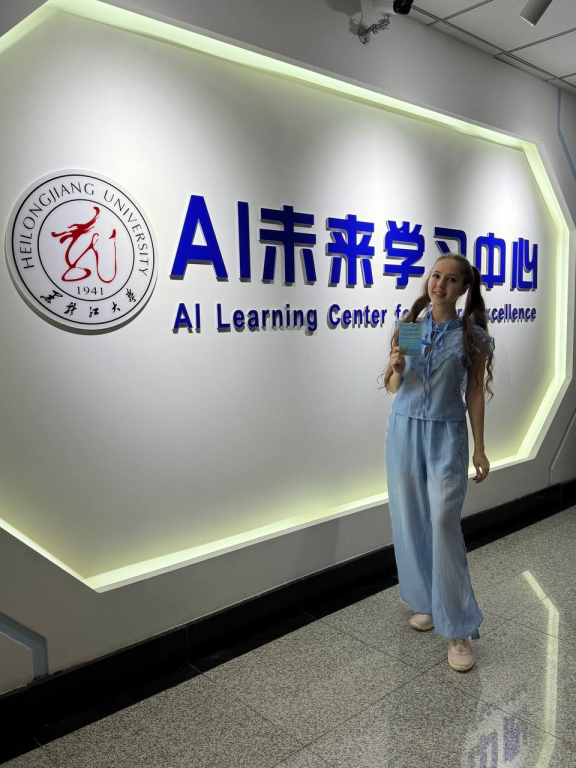
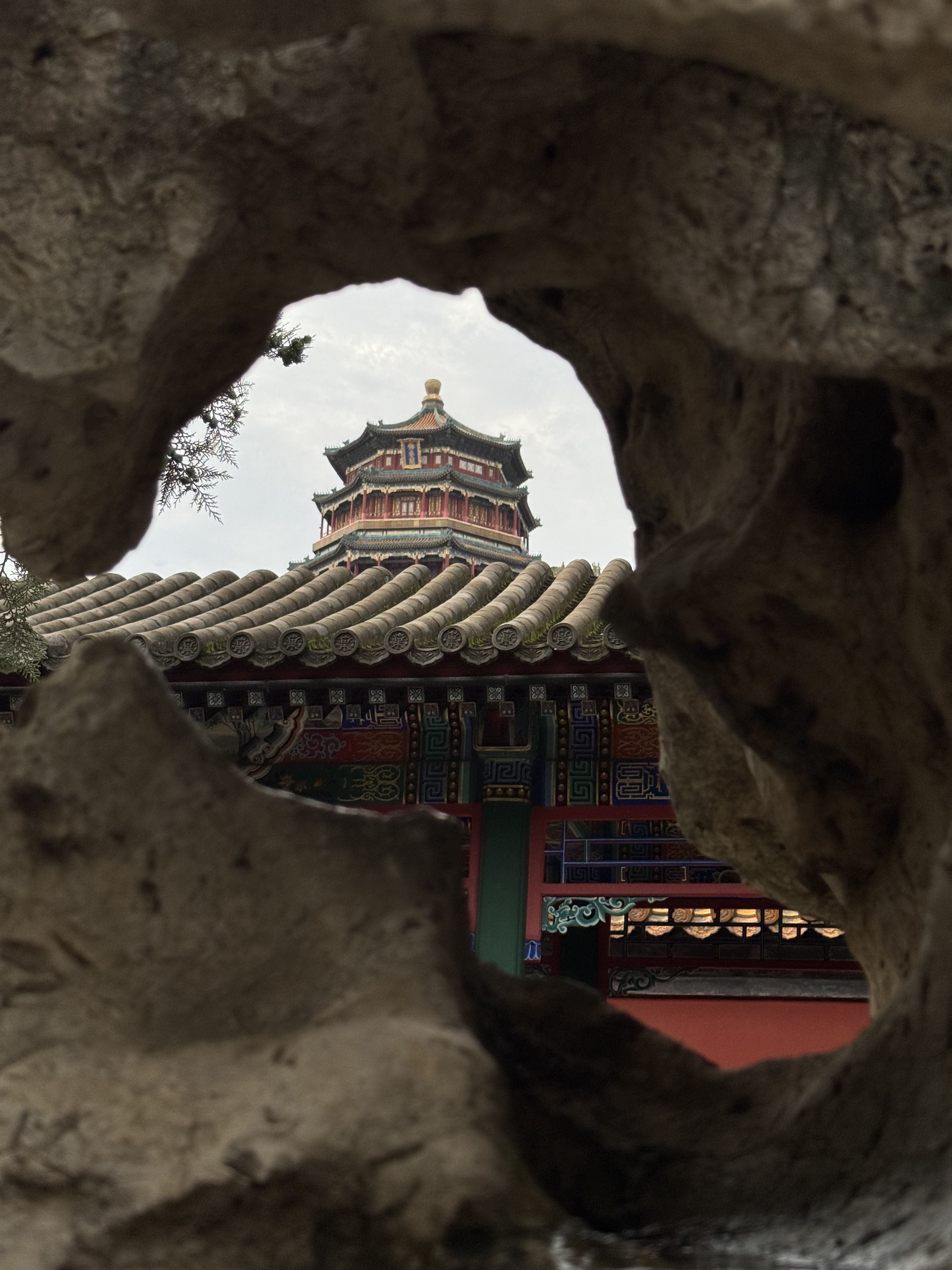
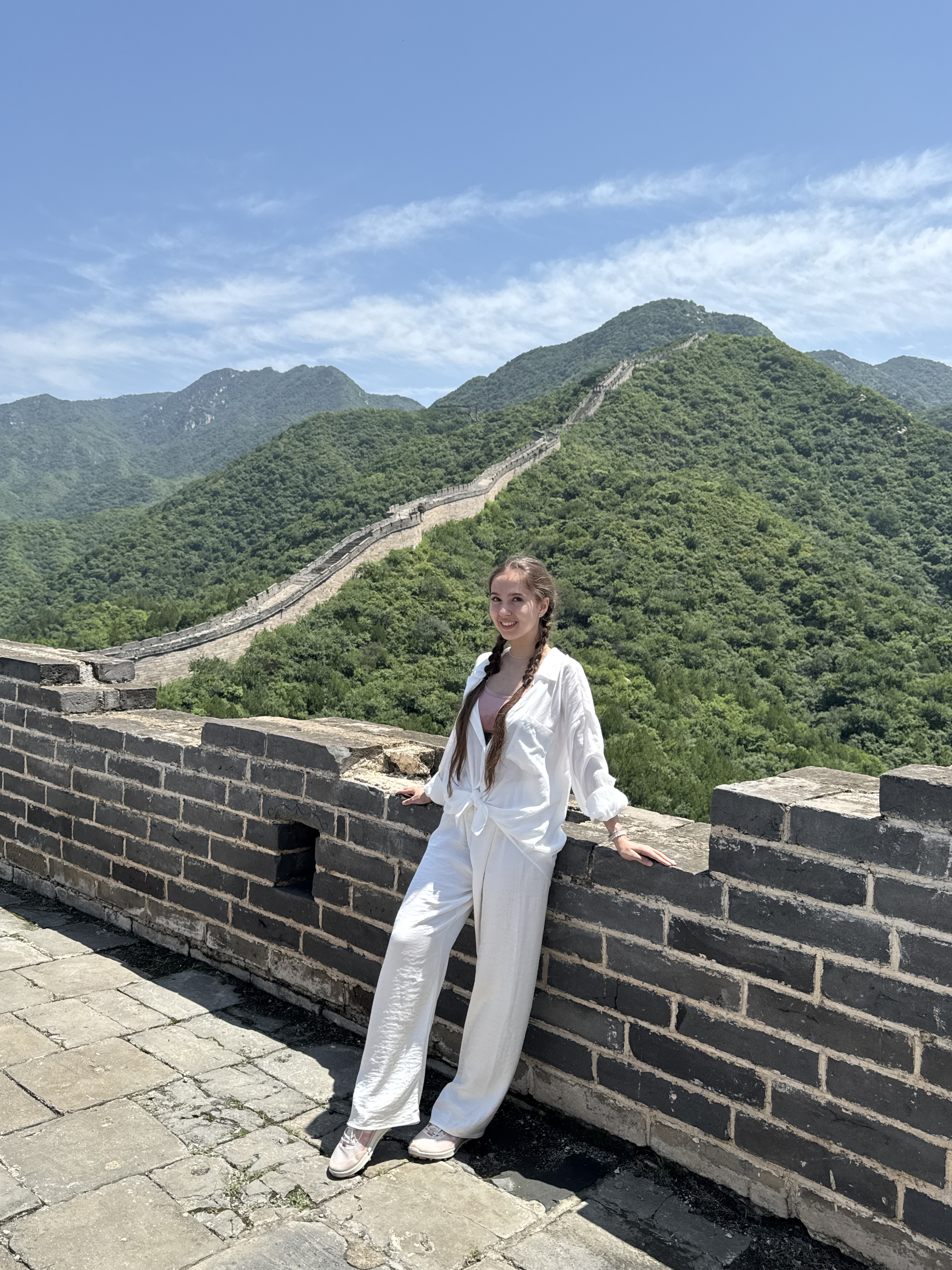

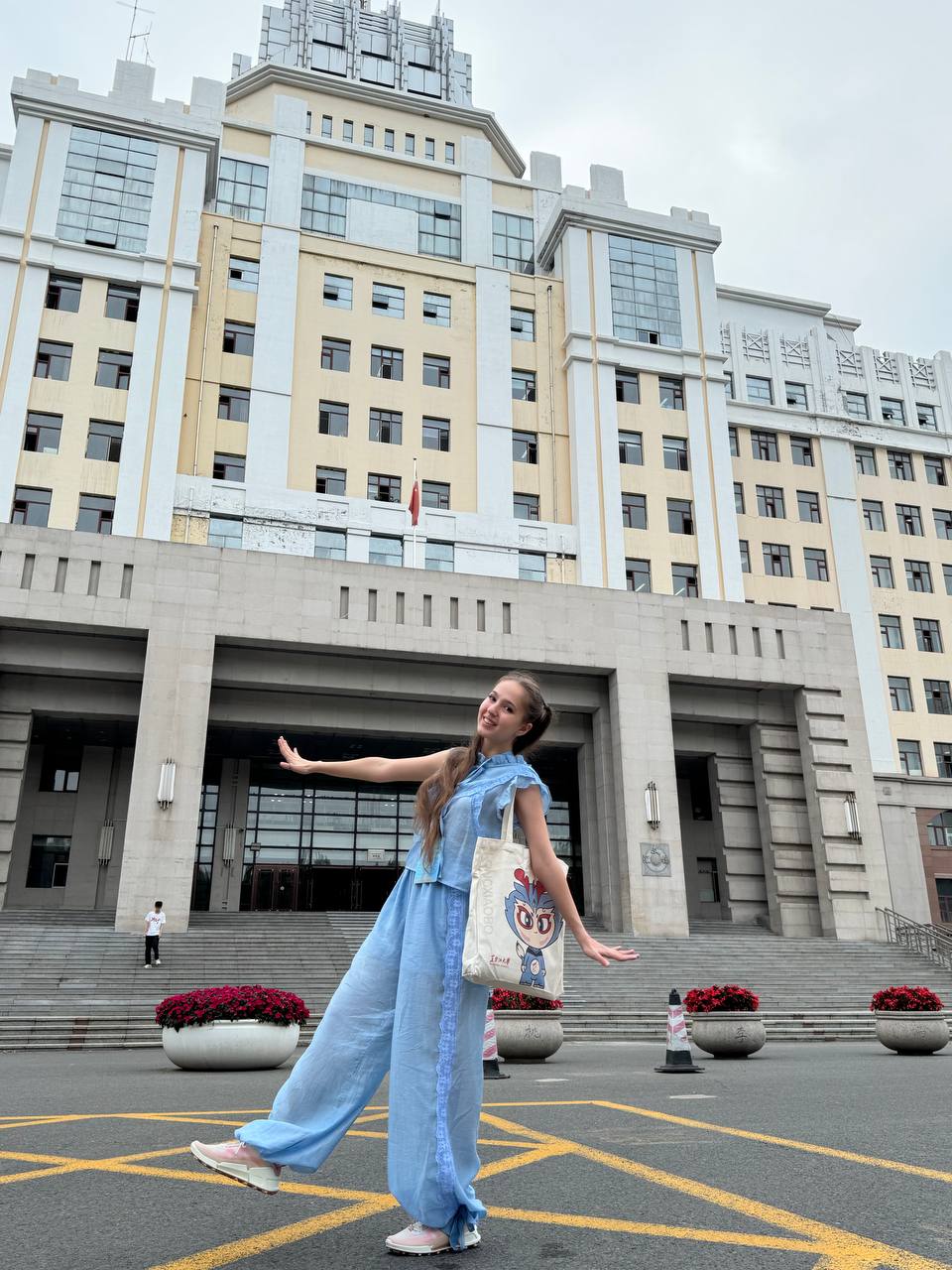
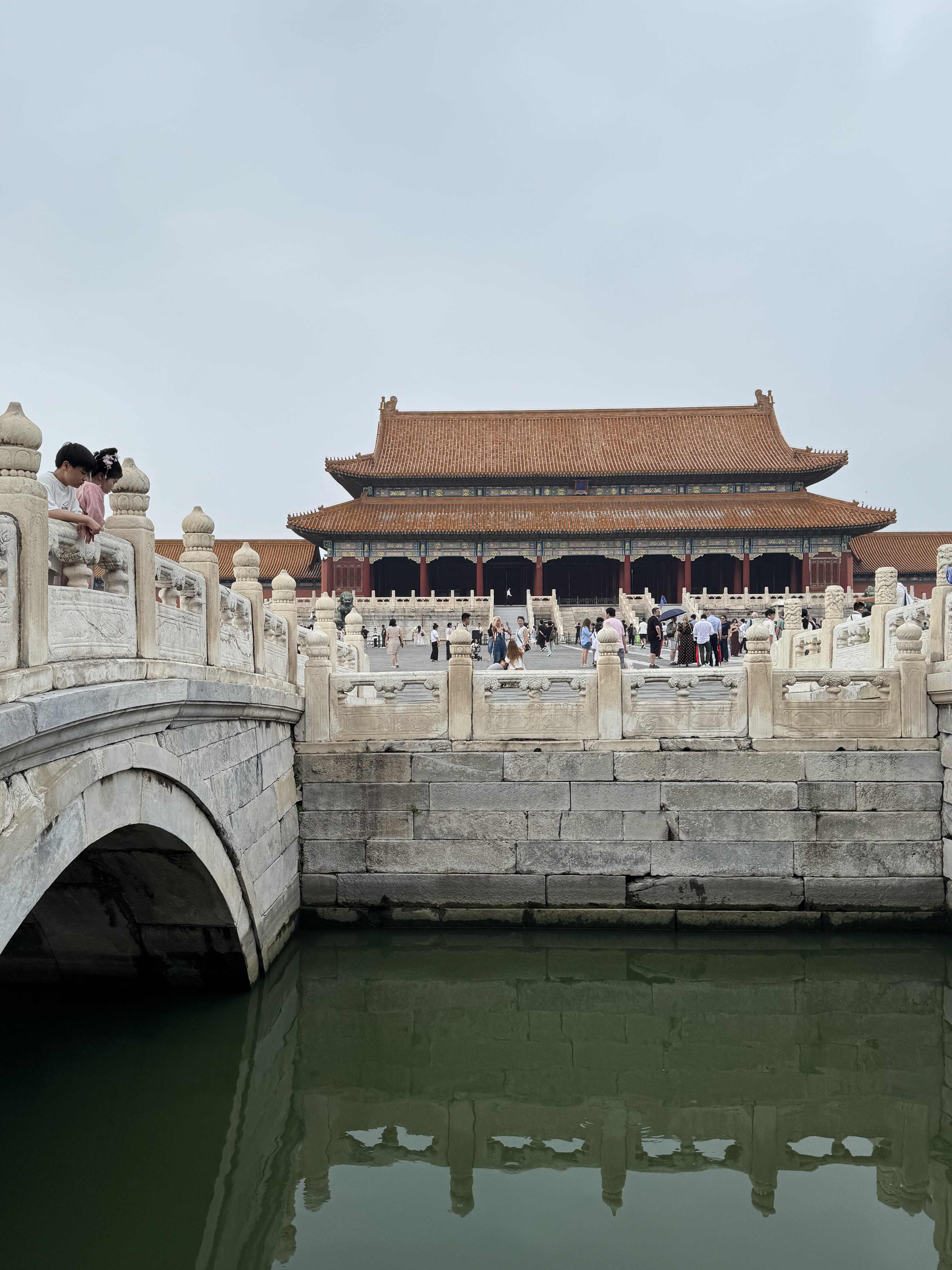
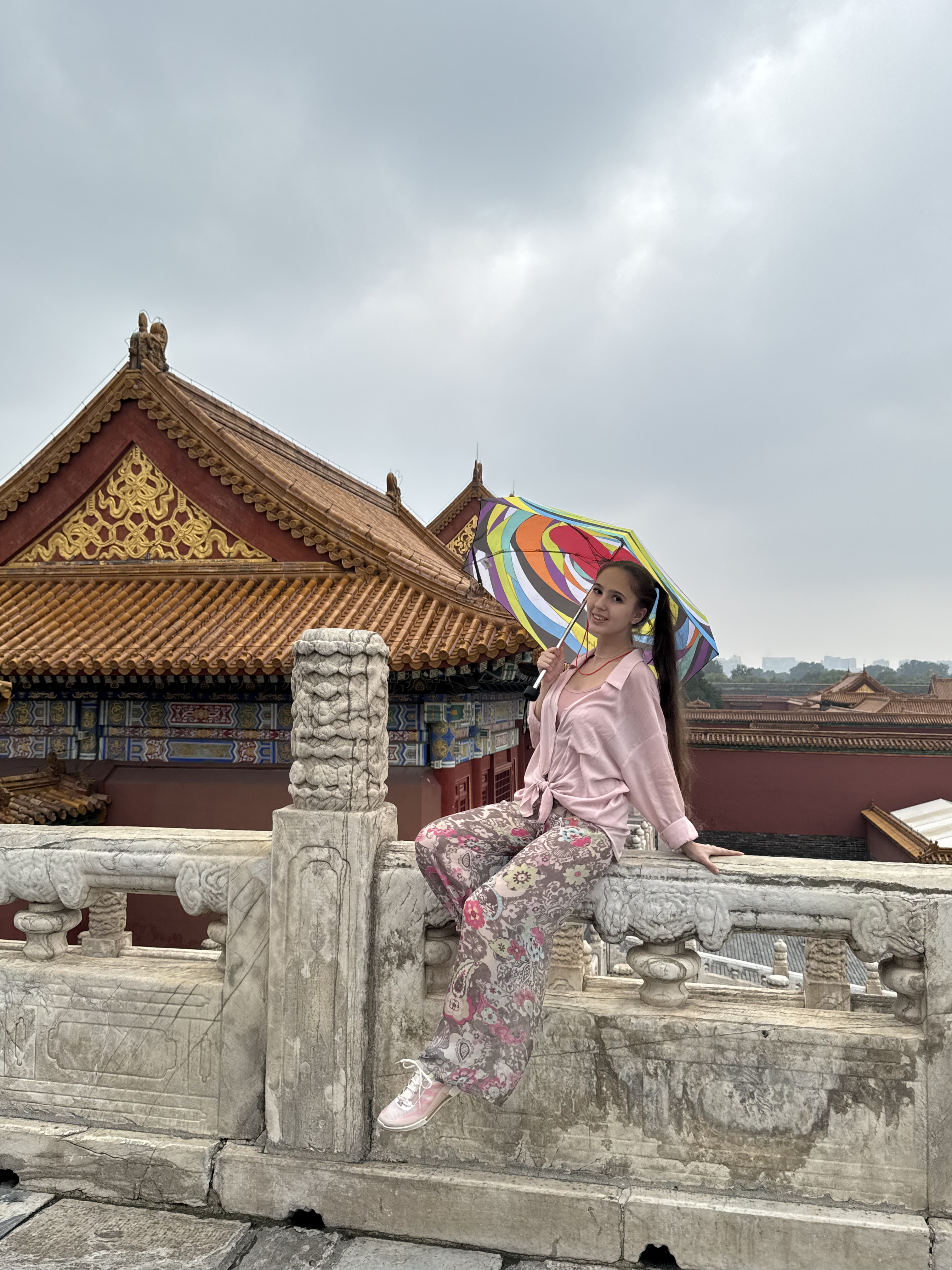
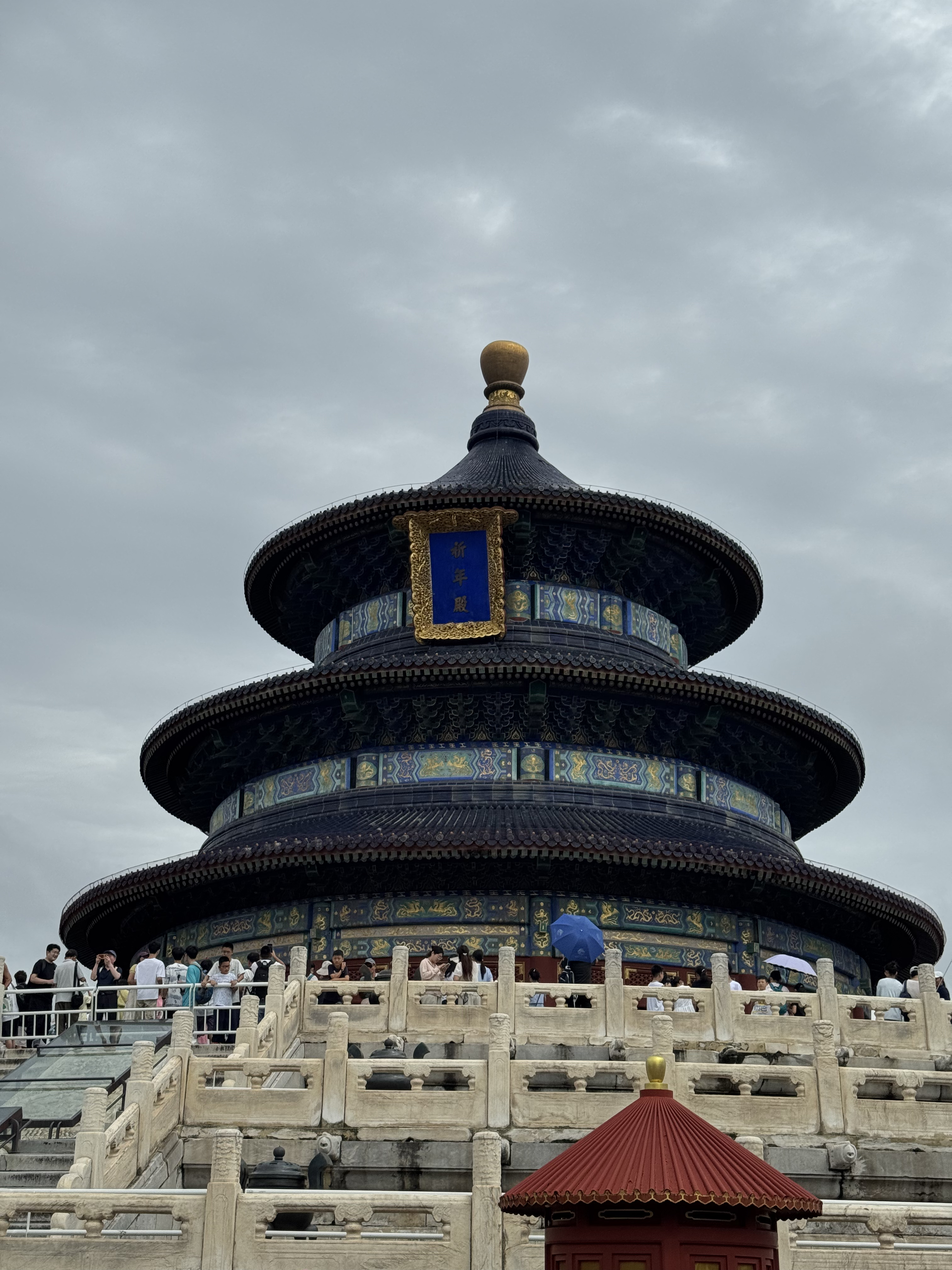
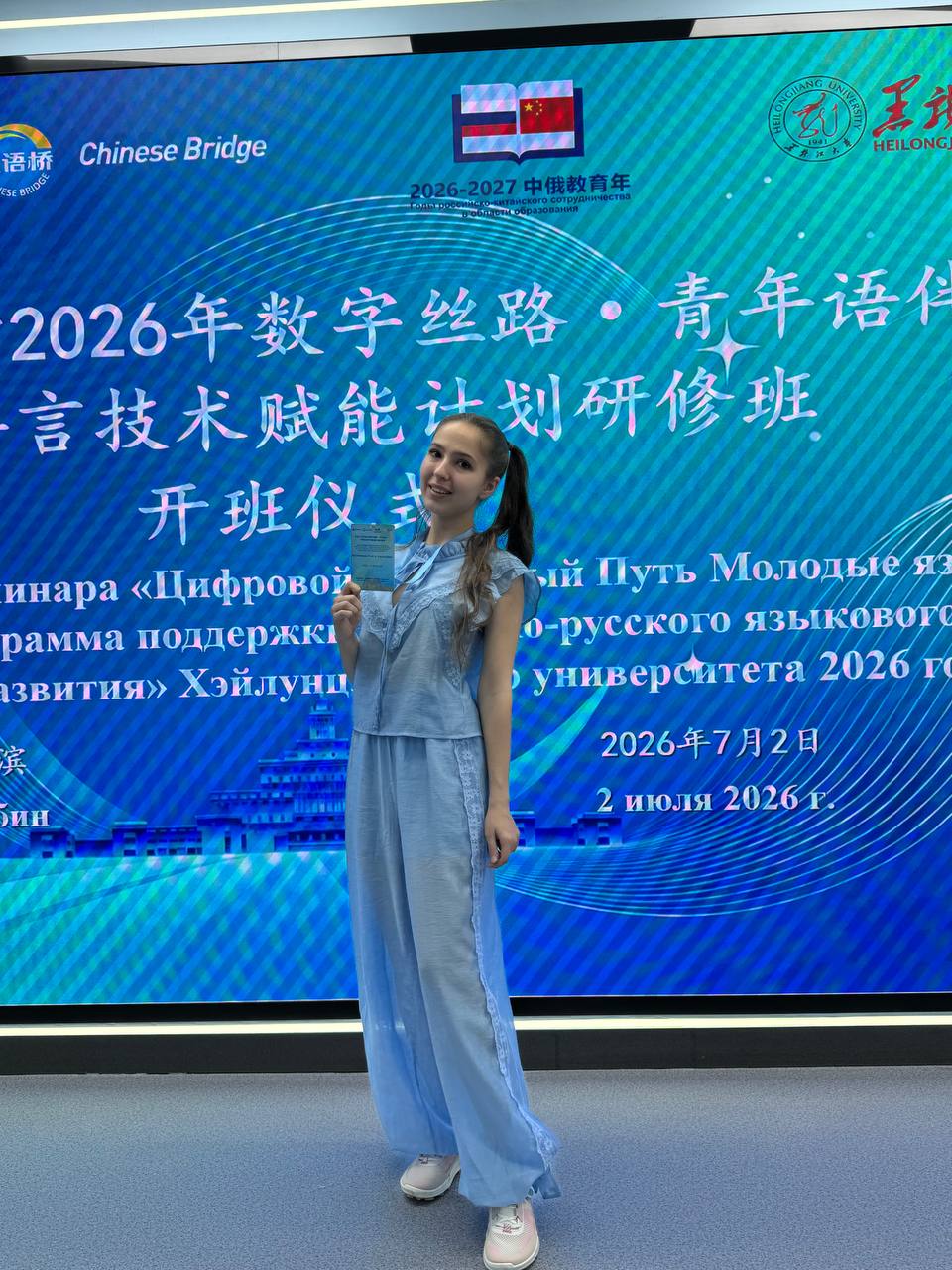

different in the north. The people, mentality, and attitudes toward foreigners vary. Moreover, thanks to the program, my dreams came true: I visited the Great Wall of China and went to a Chinese bathhouse!
What difficulties did you have at the stages of preparation for the internship? What tips and recommendations can you give to future participants of the academic mobility program?
The main difficulty in preparation was adapting to China’s digital ecosystem. In Russia, it’s hard to set up mobile payments without a Chinese phone number and bank card. Install and study the app interfaces in advance: be sure to download Alipay, WeChat, Didi (for taxis), and Taobao. Understand their functionality before departure. Despite the prevalence of cashless payments, cash in yuan (better exchanged in Russia) is very helpful on the first day. The most convenient way to top up Alipay is to ask one of the Chinese volunteers or colleagues to transfer money to your wallet via their local card, and you give them cash in return. Sort out your connectivity in advance. Get an eSIM through the Trip.com app before departure. This will give you internet immediately upon arrival (without a VPN for your usual apps!), save you from queuing at telecom shops, and free you from depending on a local carrier.
Describe the process of obtaining a visa. Your advice for future participants of the academic mobility program.
Since the program was short-term and took place under the visa-free regime according to the agreement between the Russian Federation and the PRC, obtaining a visa was not required. Before departure, we had to fill out an electronic arrival form, receive a QR code, and show it at the airport.
What difficulties did you encounter upon arrival at the host foreign organization? Your advice to future participants of the academic mobility program.
No difficulties arose upon arrival. The reception organization was top-notch: we were met at the airport, taken to the hotel without delays, and checked in promptly. The hotel was close to the university, making logistics extremely convenient. The host side was friendly and ready to resolve any issues that came up.
Specify your expenses related to participation in an internship abroad (visa costs, cost of flight / travel to the place of internship, registration fees / taxes / deposits in the host organization, policy / medical services, if used, public transport, meals, accommodation. Your tips for cutting costs.
Flight tickets: ~40,000 RUB (round-trip)
Insurance: ~2,000 RUB
HSK exam fee: 400 CNY
Meals and accommodation: fully covered by the host side (camp program).
Transport (Didi taxi): the cost per ride depends on distance. For short distances outside peak hours, you can keep it within 7-9 CNY, and for longer trips – about 20-30 CNY.
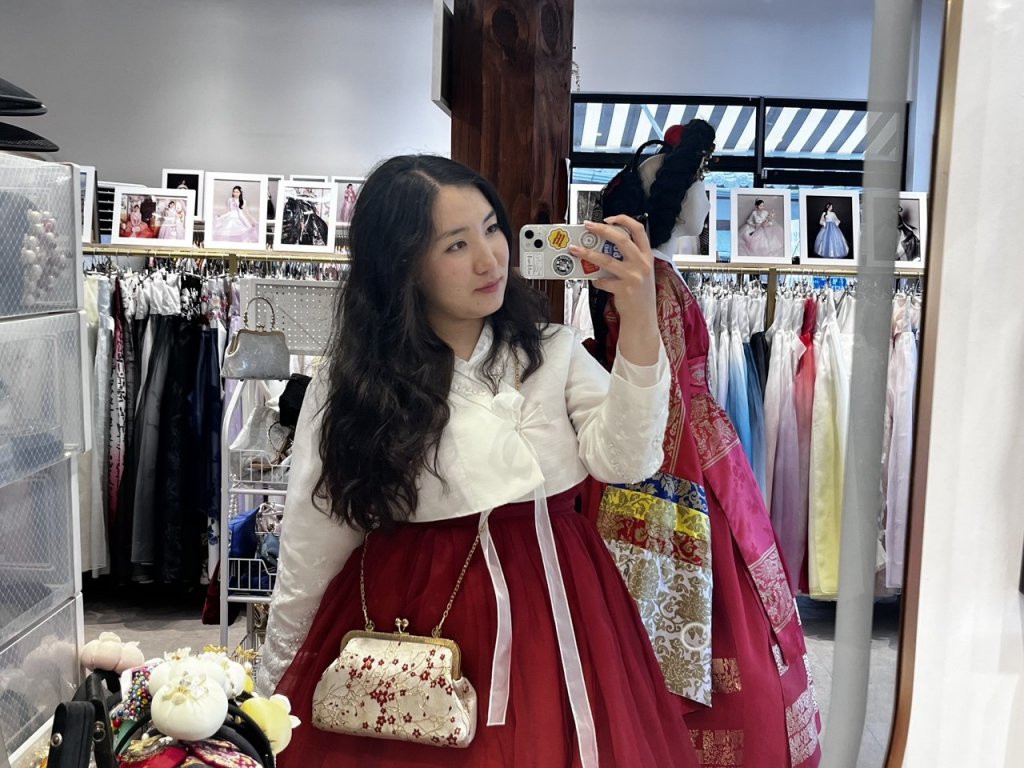
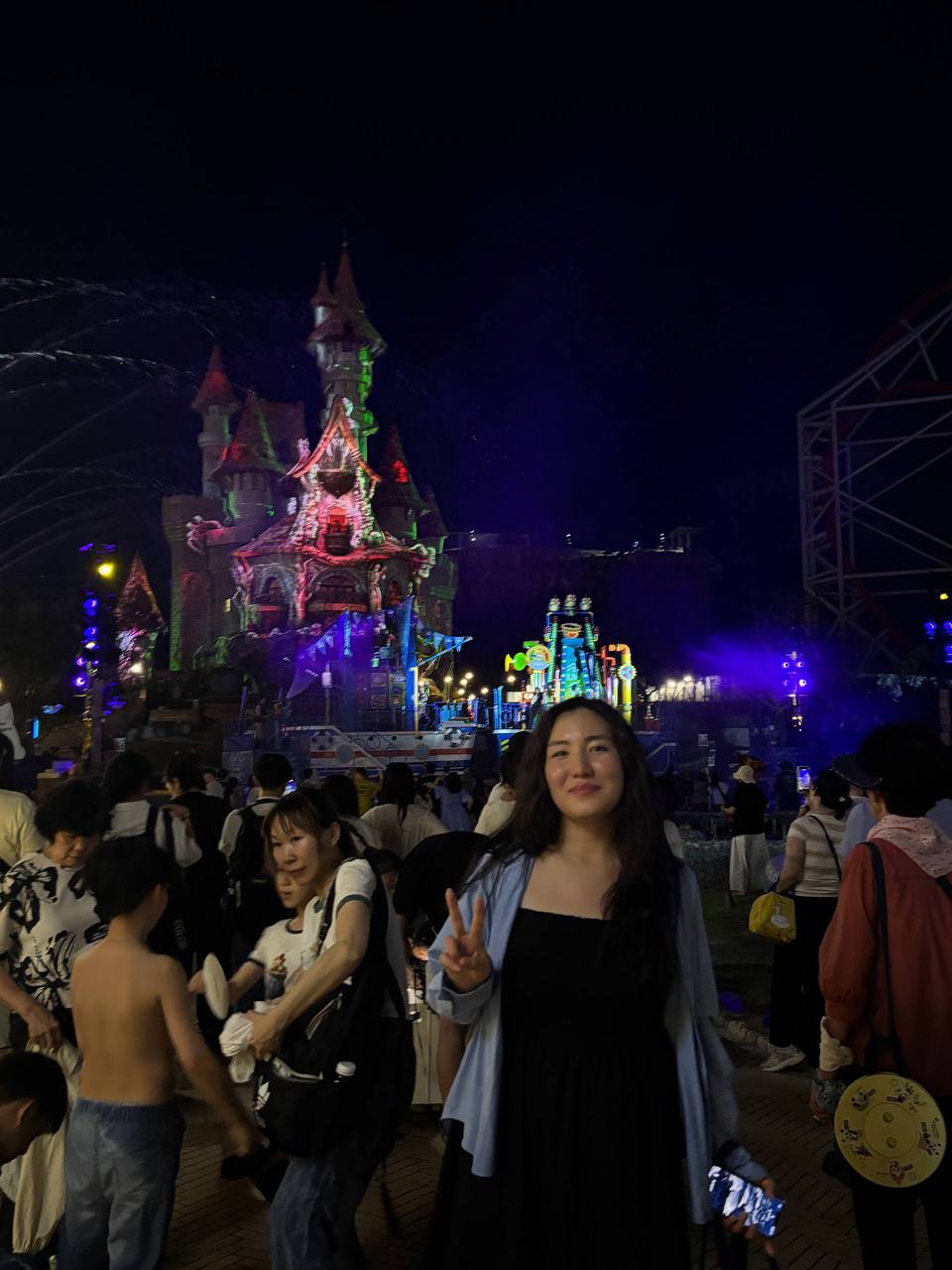
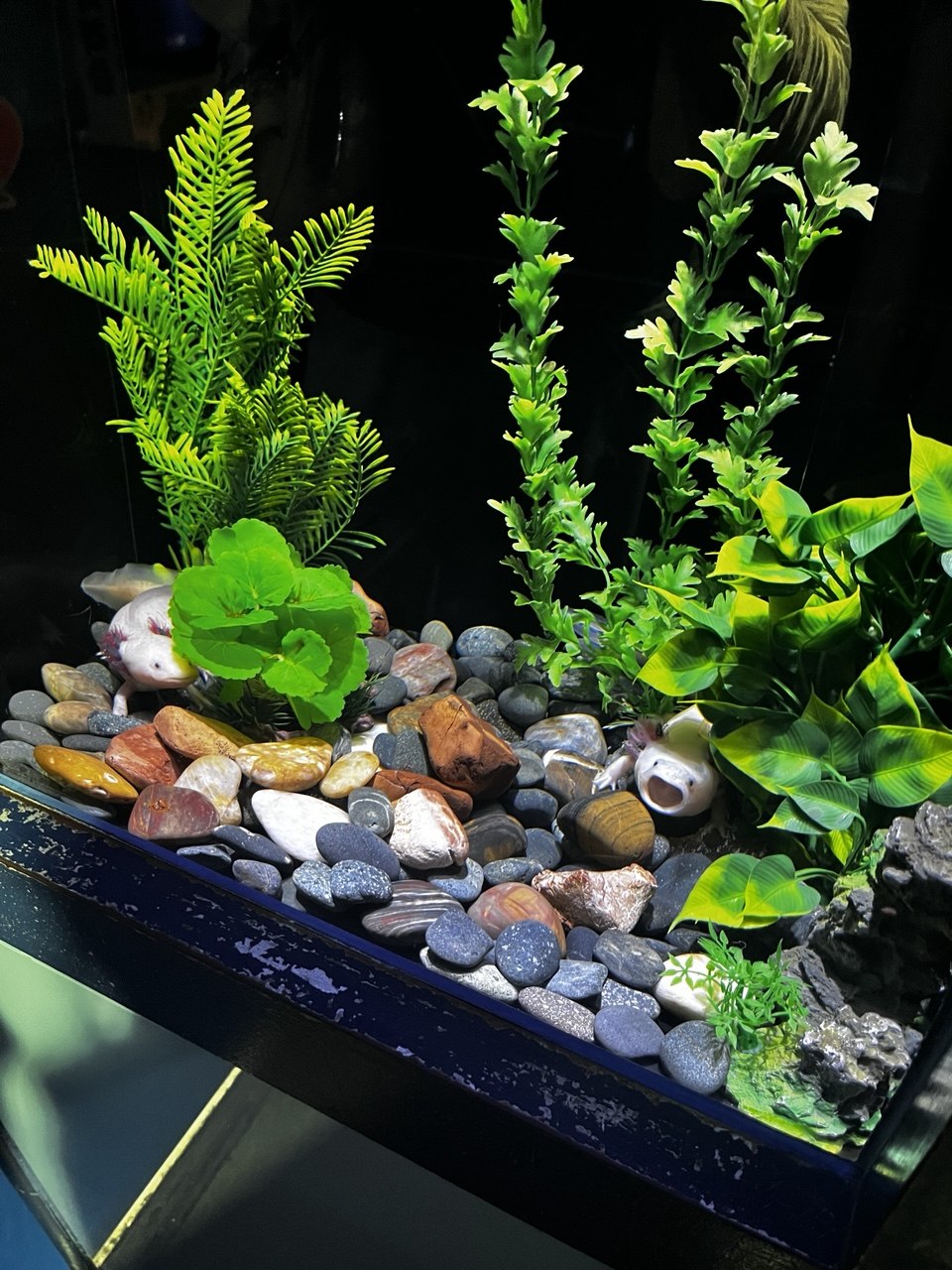

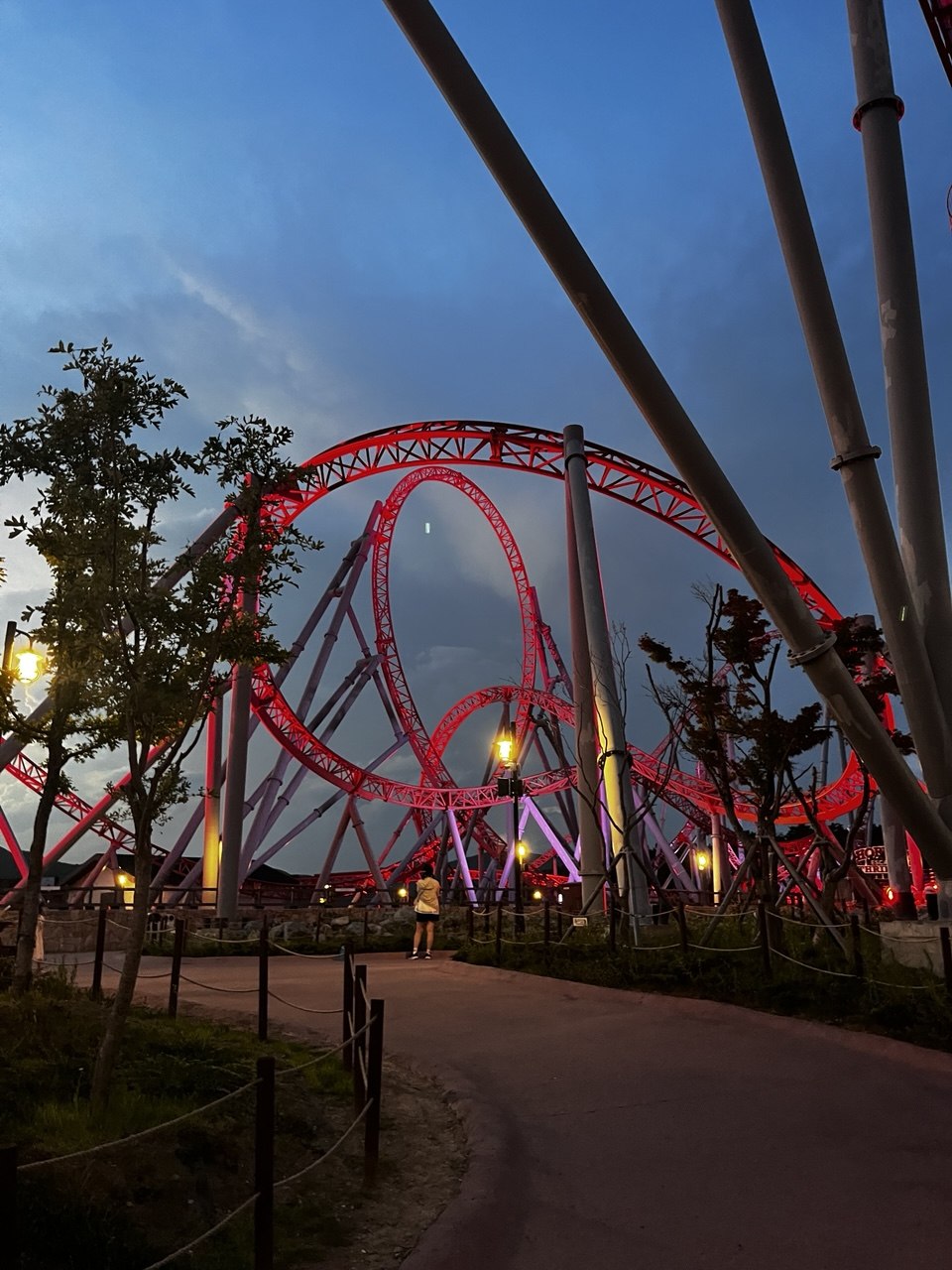
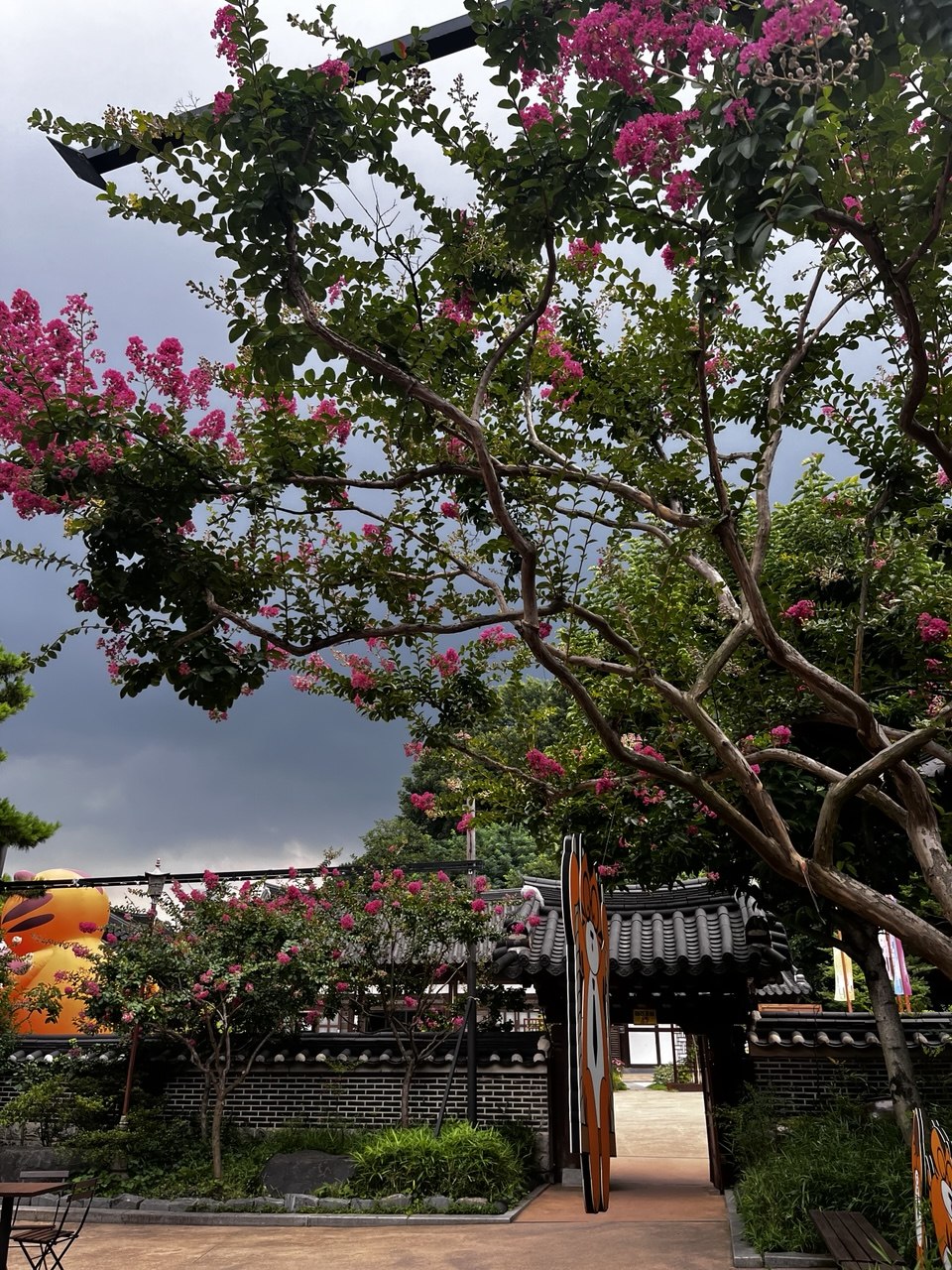
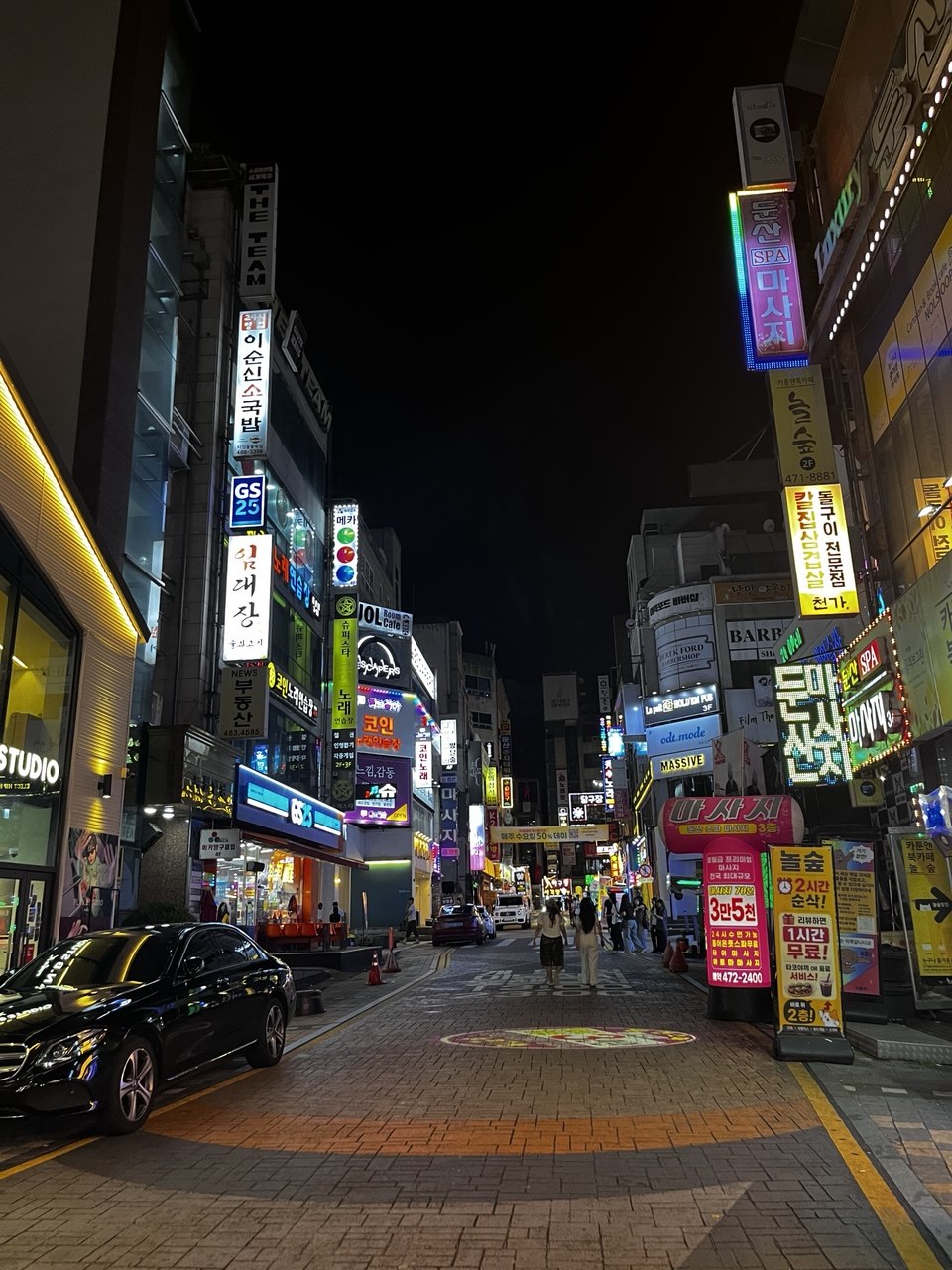
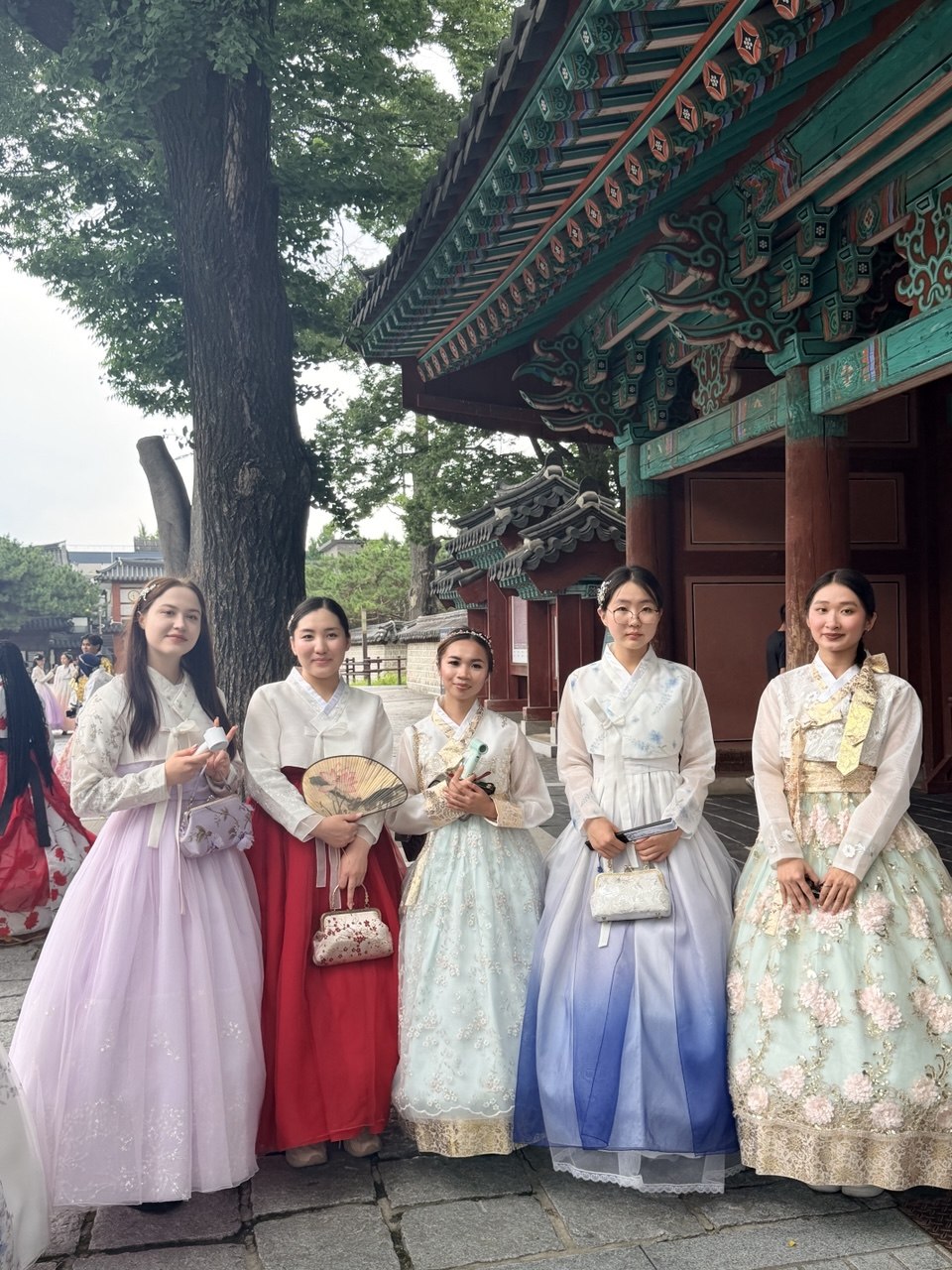
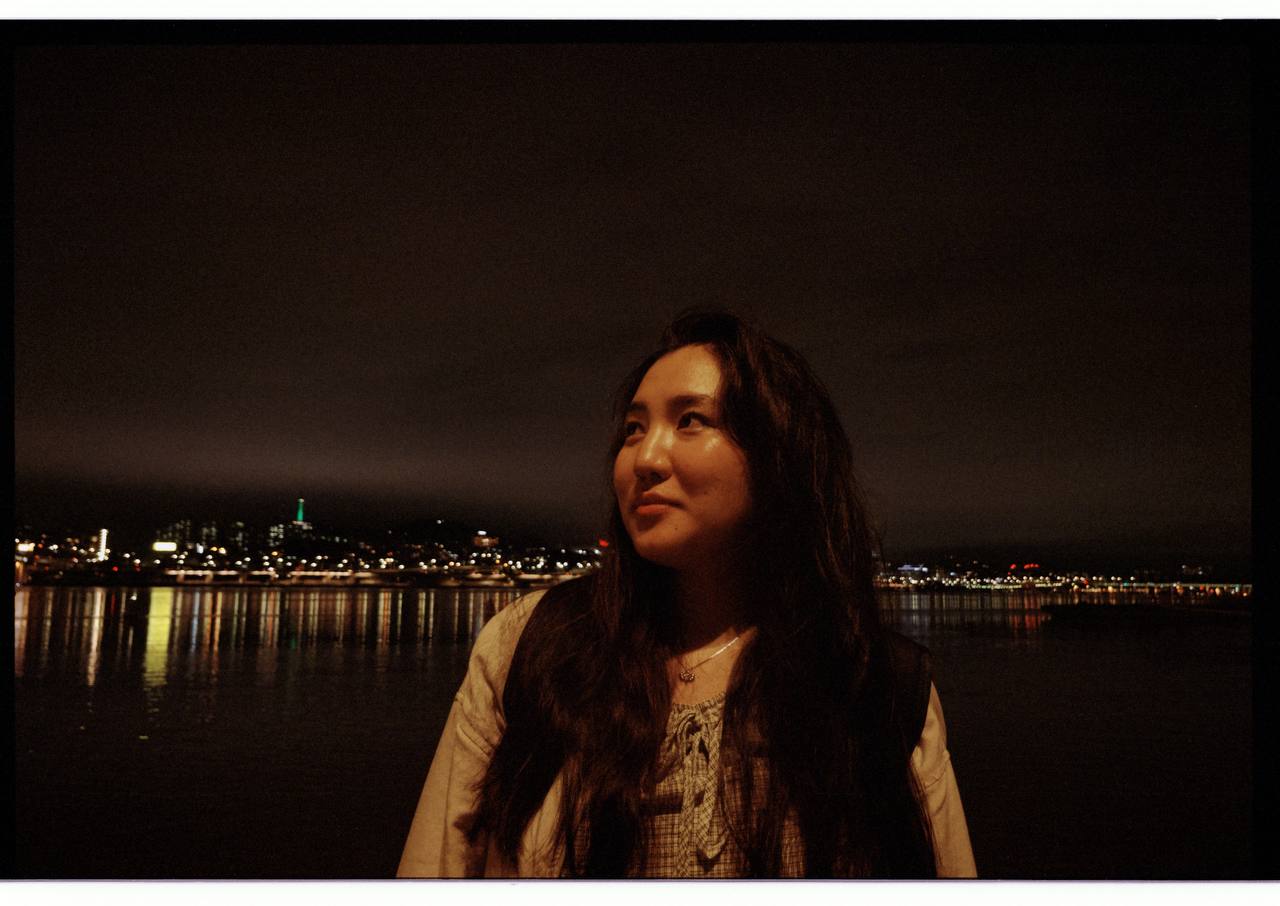

The program left an indelible impression on me. South Korea greeted me with its incredible energy, delicious food, and very friendly people. It wasn't just studying — it was a real adventure. I consider overcoming my fear of speaking Korean to be my main achievement fr om the trip. When you're in an unknown place, with a dead phone and no acquaintances, you stop caring what Koreans might think of your accent or poorly constructed grammar — you just walk up and, using gestures and every word in your vocabulary, try to ask how to get to Starbucks. Studying in South Korea is known for its competitiveness, and I was able to experience that firsthand. The teachers created conditions in which you wanted to stand out and get the highest grade in the whole group. I became more organized, and a desire to study even harder was ignited in me. I would also like to mention the student community, which helped me meet many new friends and acquaintances from all sorts of different countries: USA, Vietnam, Brunei, Indonesia, Malaysia, and many others. I believe the best part of any exchange program is the new people you get to meet.Personally, I grew as a person. I became more organized, stopped being afraid of the unknown, and learned to appreciate the little things. This trip showed me that the world is huge, and it motivated me to study even harder so that I could have the opportunity to travel and work in such an interesting place in the future.
What difficulties did you have at the stages of preparation for the internship? What tips and recommendations can you give to future participants of the academic mobility program?I ran into difficulties when applying for the K-ETA electronic travel authorization. The entry permit can't be paid for with regular Russian cards, so I had to get a UnionPay card issued.
Describe the process of obtaining a visa. Your advice for future participants of the academic mobility program.
If you're going for a short stay, a visa isn't required — it's better to apply for K-ETA. The electronic travel authorization is processed remotely through the website, and the answer usually comes within a couple of hours, or at worst within 48 hours. You'll have to pay via UnionPay.
What difficulties did you encounter upon arrival at the host foreign organization? Your advice to future participants of the academic mobility program.
The difficulties began right upon arrival: the host university didn't provide a transfer, so I had to struggle through conversations in broken Korean while trying to figure out how to get to Daejeon. Most likely you'll have Wi-Fi everywhere: on the street, in the dorm, at the university, but there's a small chance you won't. So right after arrival, I'd advise you to exchange some money at the airport and download the WOWPASS app. There you can first set up a tourist bank card and get it right away at the nearest ATM in the airport, and after topping it up, order an e-SIM through the same app. I strongly recommend planning wh ere you'll travel within the country, because you probably won't manage to do most of what you plan. Free time will only be on weekends, so buy train/bus tickets, hotel bookings, event and concert tickets in advance (~a week ahead) and make an itinerary of all the places you want to visit.
Specify your expenses related to participation in an internship abroad (visa costs, cost of flight / travel to the place of internship, registration fees / taxes / deposits in the host organization, policy / medical services, if used, public transport, meals, accommodation. Your tips for cutting costs.
K-ETA: ~500 rubles
Plane tickets: ~72,000 rubles
Program participation: ~74,000 rubles (meals and accommodation were included in the price)
Travel from Incheon Airport to Daejeon: ~1,700 rubles
Traveler's insurance: ~5,000 rubles
Public transport for the entire stay (intercity trains/buses, city buses, taxis, subway): ~10,000 rubles
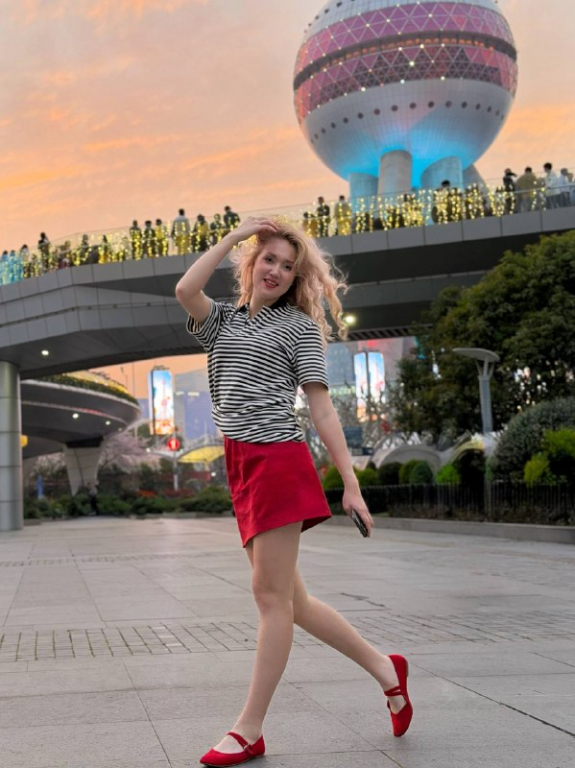
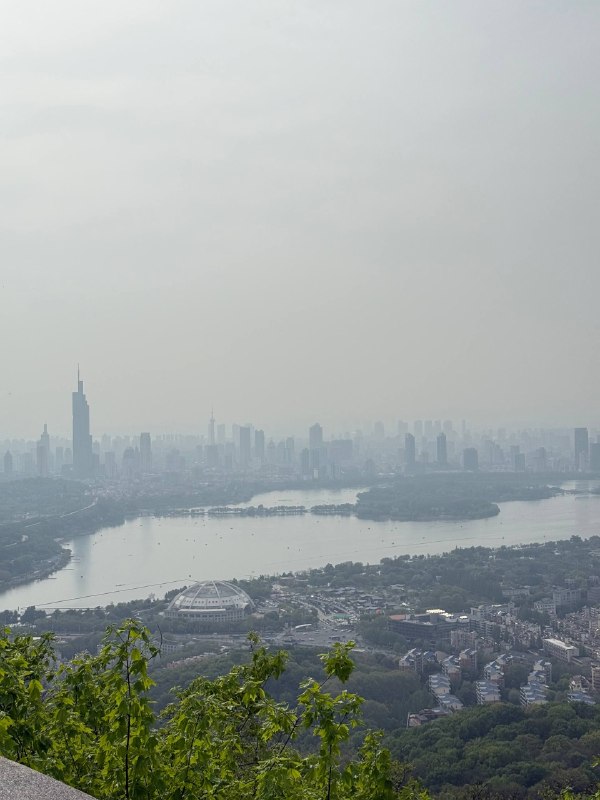
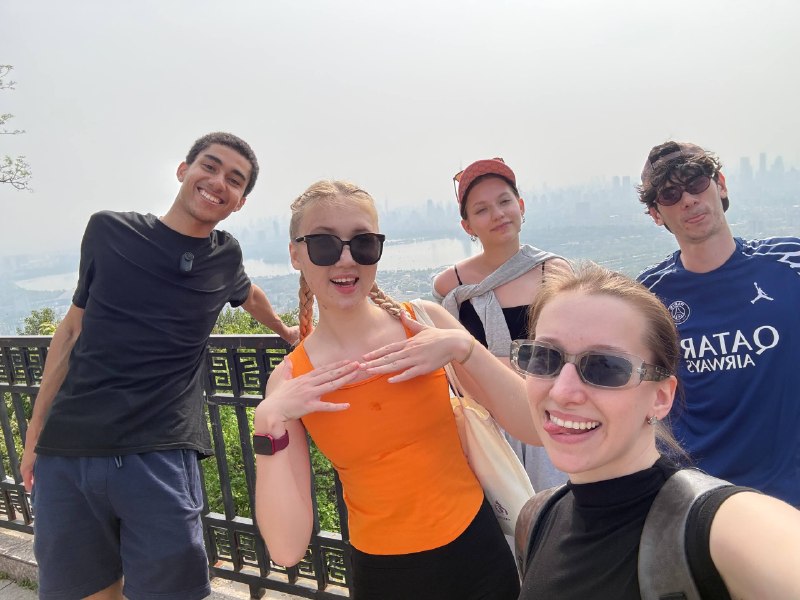
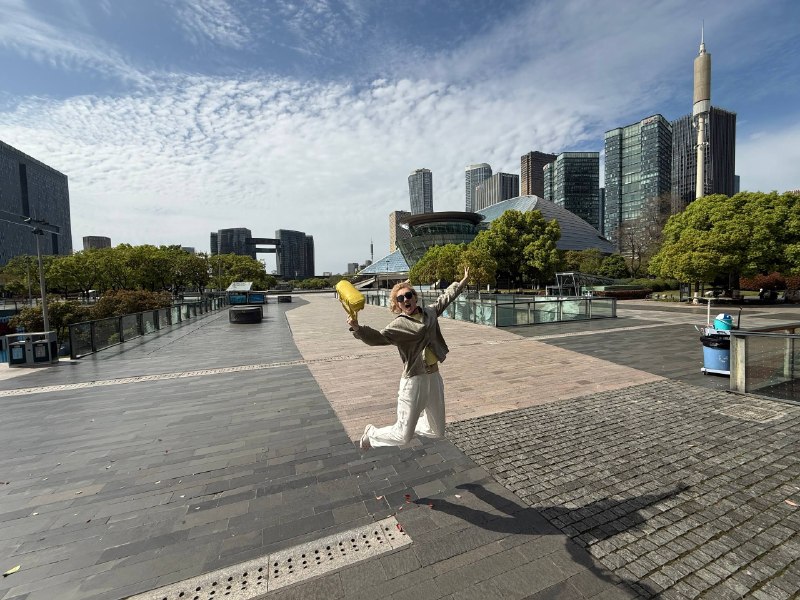


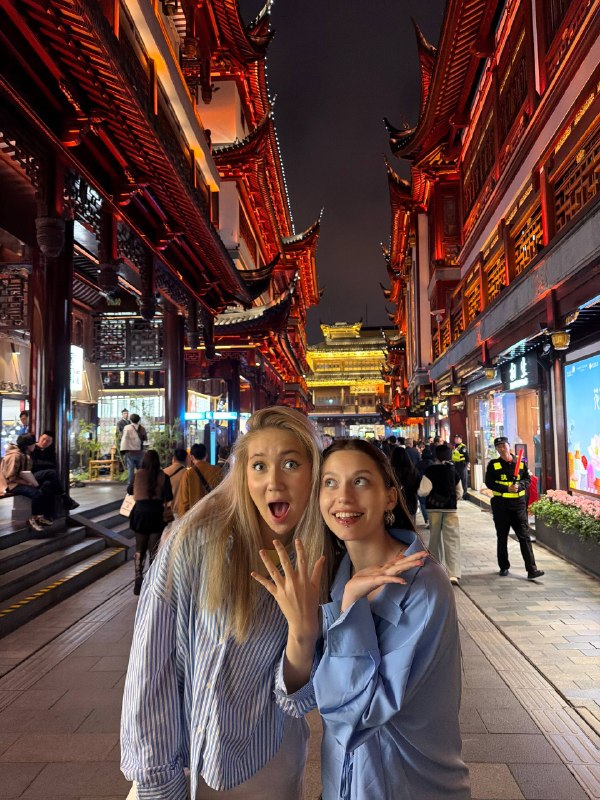

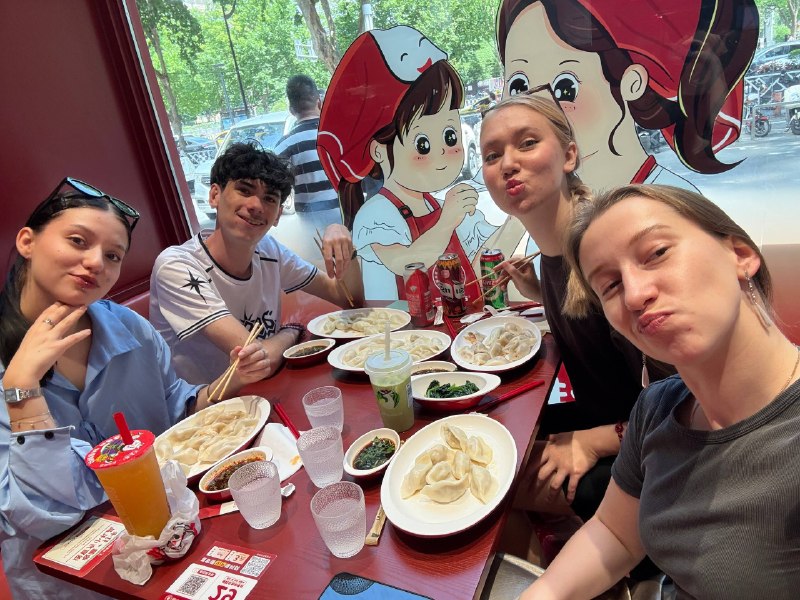
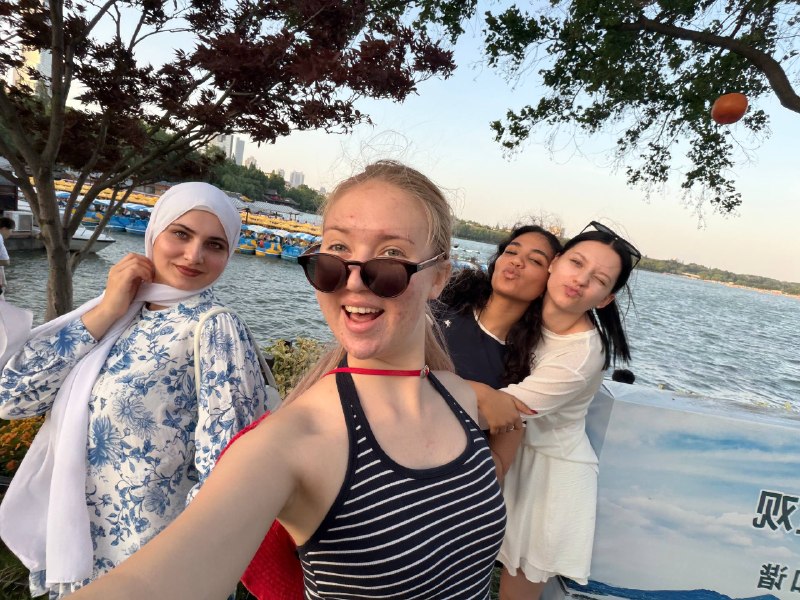



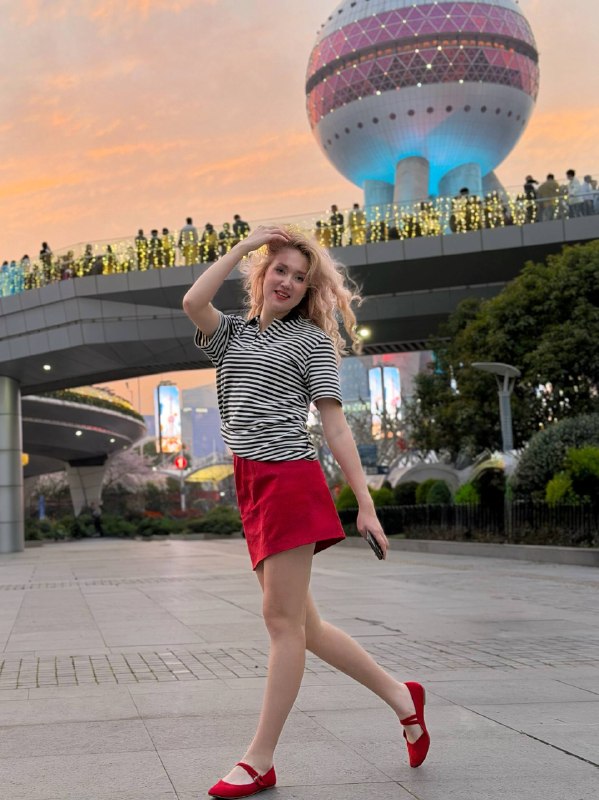
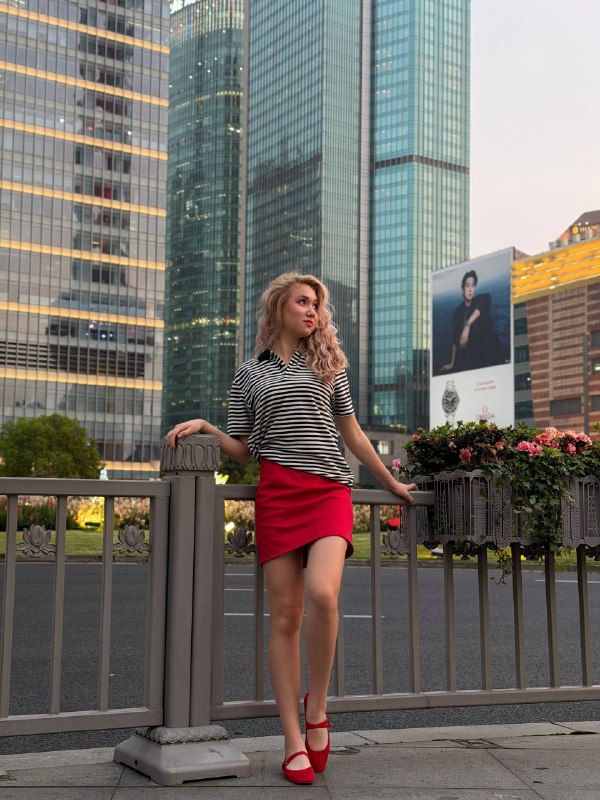
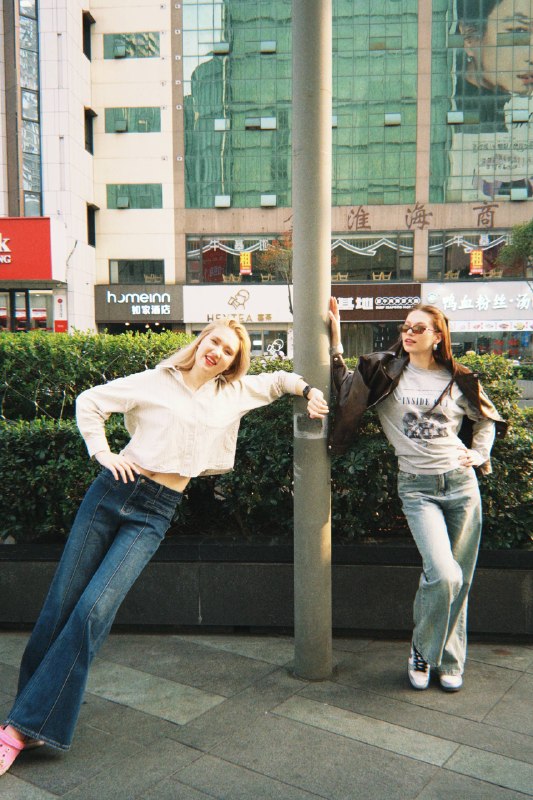

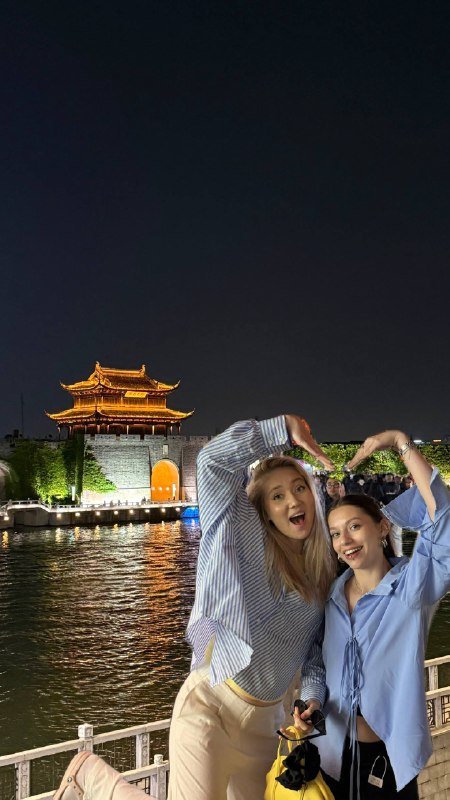
What difficulties did you have during the preparation stages for the internship? What tips and recommendations can you give to future participants of the academic mobility program?
I didn't have any special difficulties at the preparation stage, but the most difficult thing was collecting documents remotely, since I was not in my city at that moment – I had to coordinate everything by mail and through couriers. My main recommendation to future participants of the academic mobility program is to start preparing all documents as early as possible, apply for visas and insurance in advance, and carefully plan what to bring with you. I strongly advise you to think about a first-aid kit: take all the necessary medicines and first aid products from Russia, because medicine works differently in China, and many of the drugs we are used to either are not sold there or do not help as we expect.
Describe the visa application process. Your advice for future participants of the academic mobility program.
The process of obtaining a visa is now quite simple: almost everything is processed online, and you only need to submit a passport and a ready-made package of documents to the visa application center in person. I didn't have any problems with the visa. The only advice is to carefully check all the data in the questionnaire and keep track of the deadlines for submission so that there is no rush. I also recommend that you check the list of required papers on the consulate's website in advance, as requirements may vary.
What difficulties did you encounter upon arrival at the host foreign organization? Your advice to future participants of the academic mobility program.
The difficulties on arrival were mostly of a domestic nature – they are different for everyone, but we coped with them. It was unusual to adapt to the local climate (humidity, heat) , to a different cuisine and daily routine. I advise future participants to take care of their money and belongings, think over the budget in advance for the first time, and also not to hesitate to ask for help from local coordinators or senior students – they are always ready to tell you wh ere to buy the necessary things, how to use transport, etc. It's also useful to download local navigation and translation apps to get started faster.
Indicate your expenses related to participation in an internship abroad (visa expenses, flight/travel costs to the internship site, registration fees/taxes/ deposits at the host organization, policy/medical services, if used, public transport, meals, accommodation). Your tips for cutting costs.
My main expenses:
- Visa fees – about 2,600 rubles (approximately 600 yuan).
- Round-trip flight – 50,000 rubles.
- Hostel accommodation – 800 yuan per month.
- Medical insurance – 5,000 rubles (I did not use medical services).
- Public transport – fr om 1 to 10 yuan per trip (depending on the distance).
- Train ride to Nanjing (from another city) – 300 yuan.
- Food and small household expenses – about 1,500–2,000 yuan per month (depending on wh ere and how you eat).
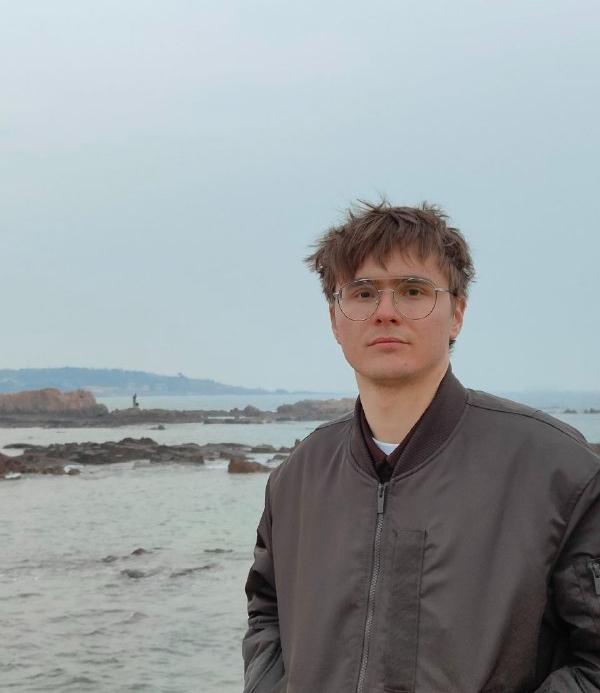
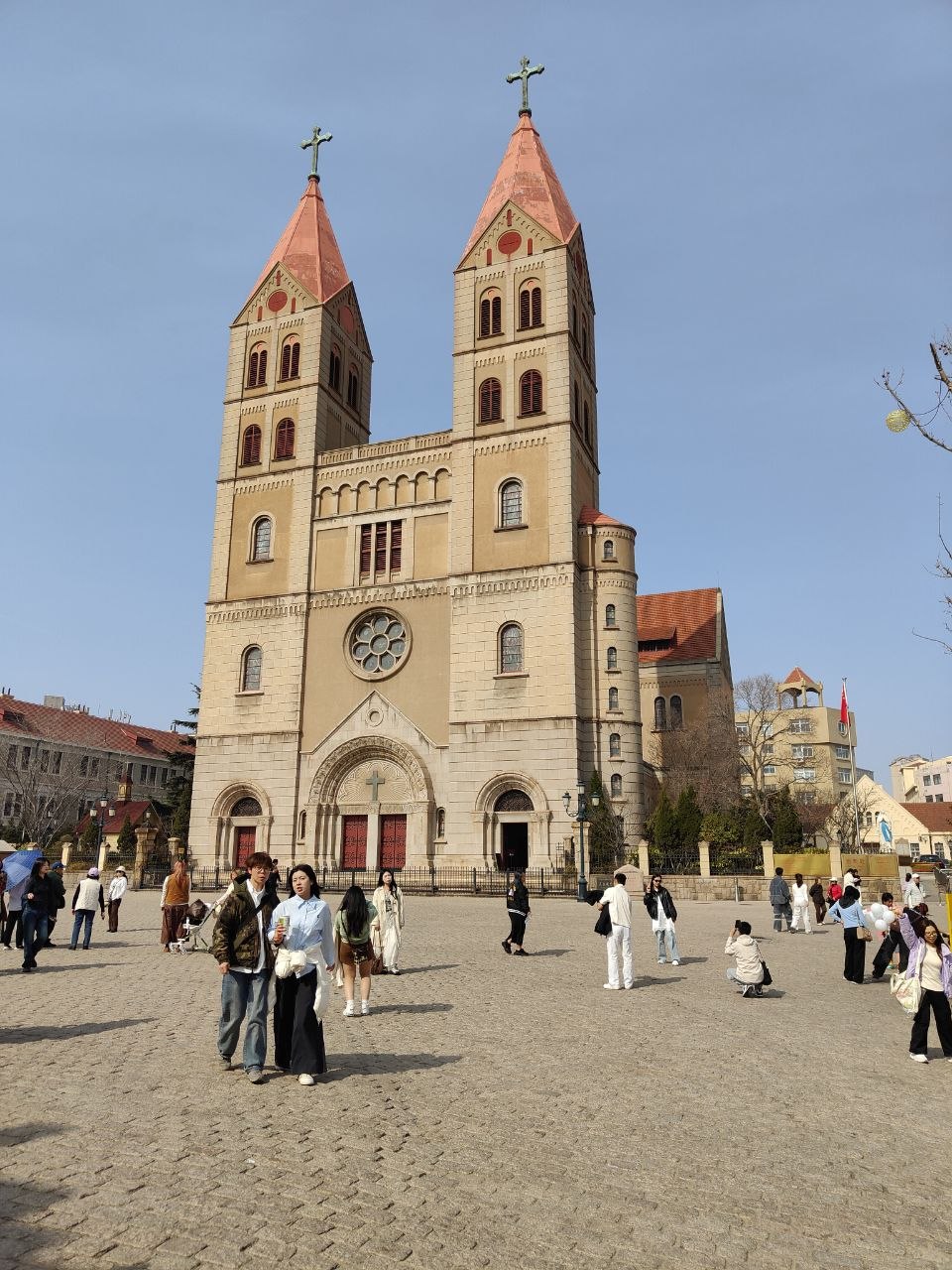
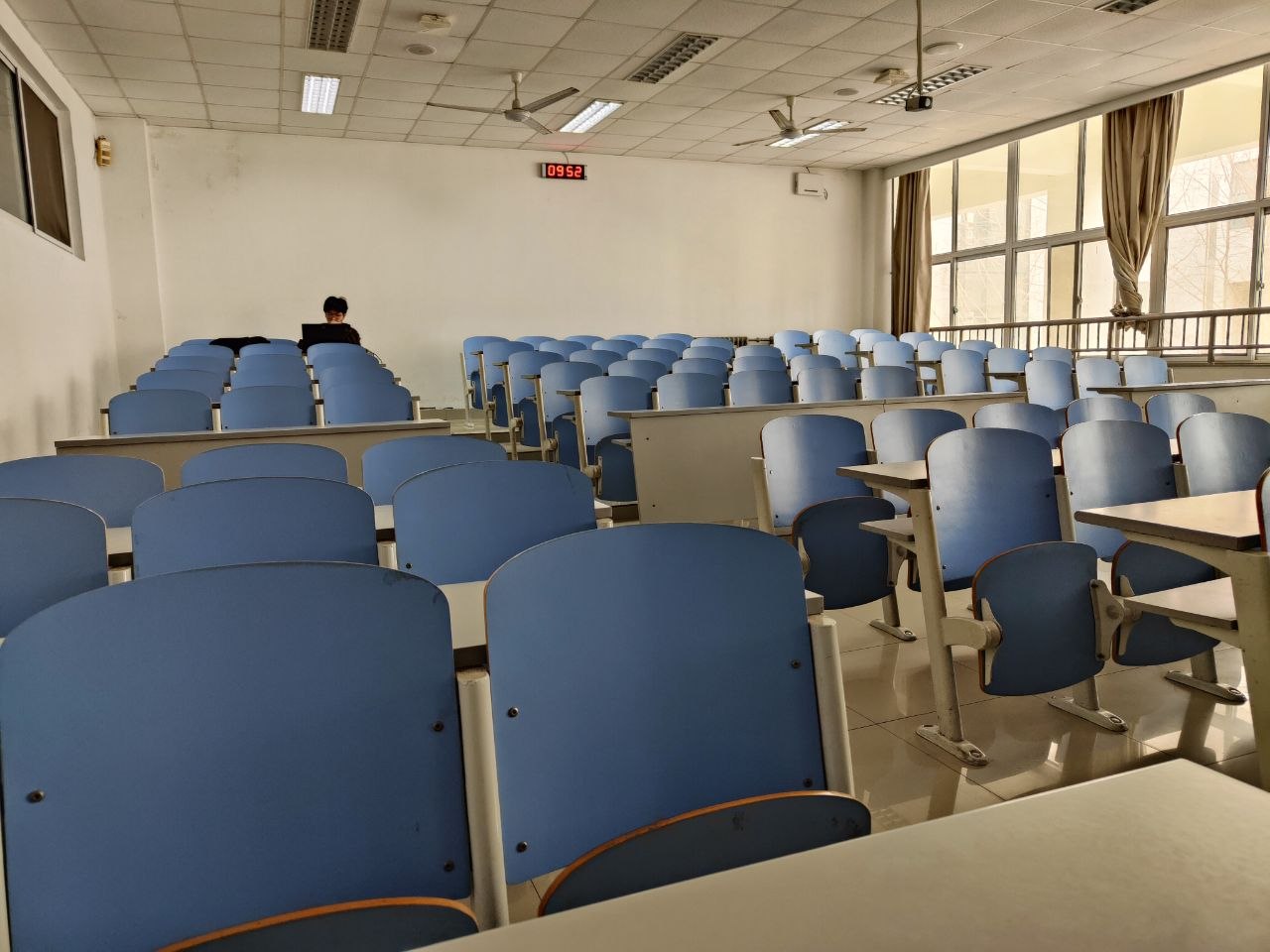
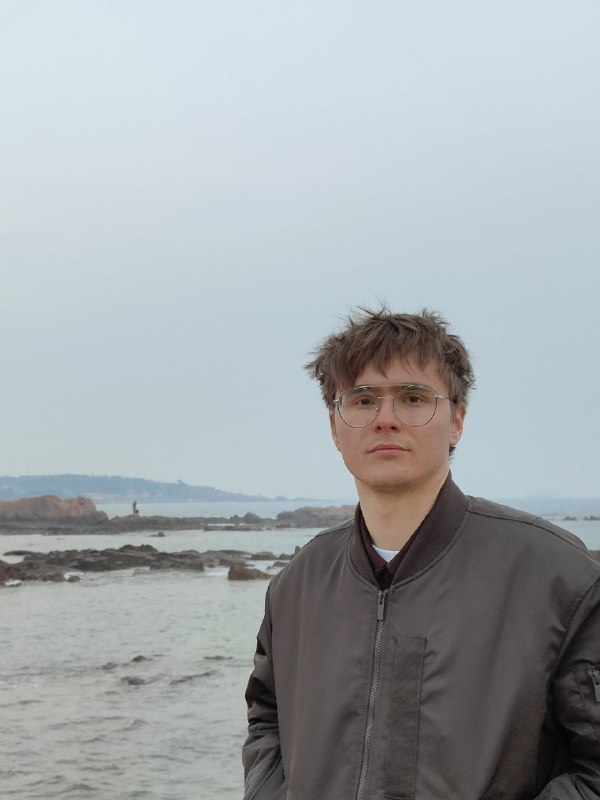
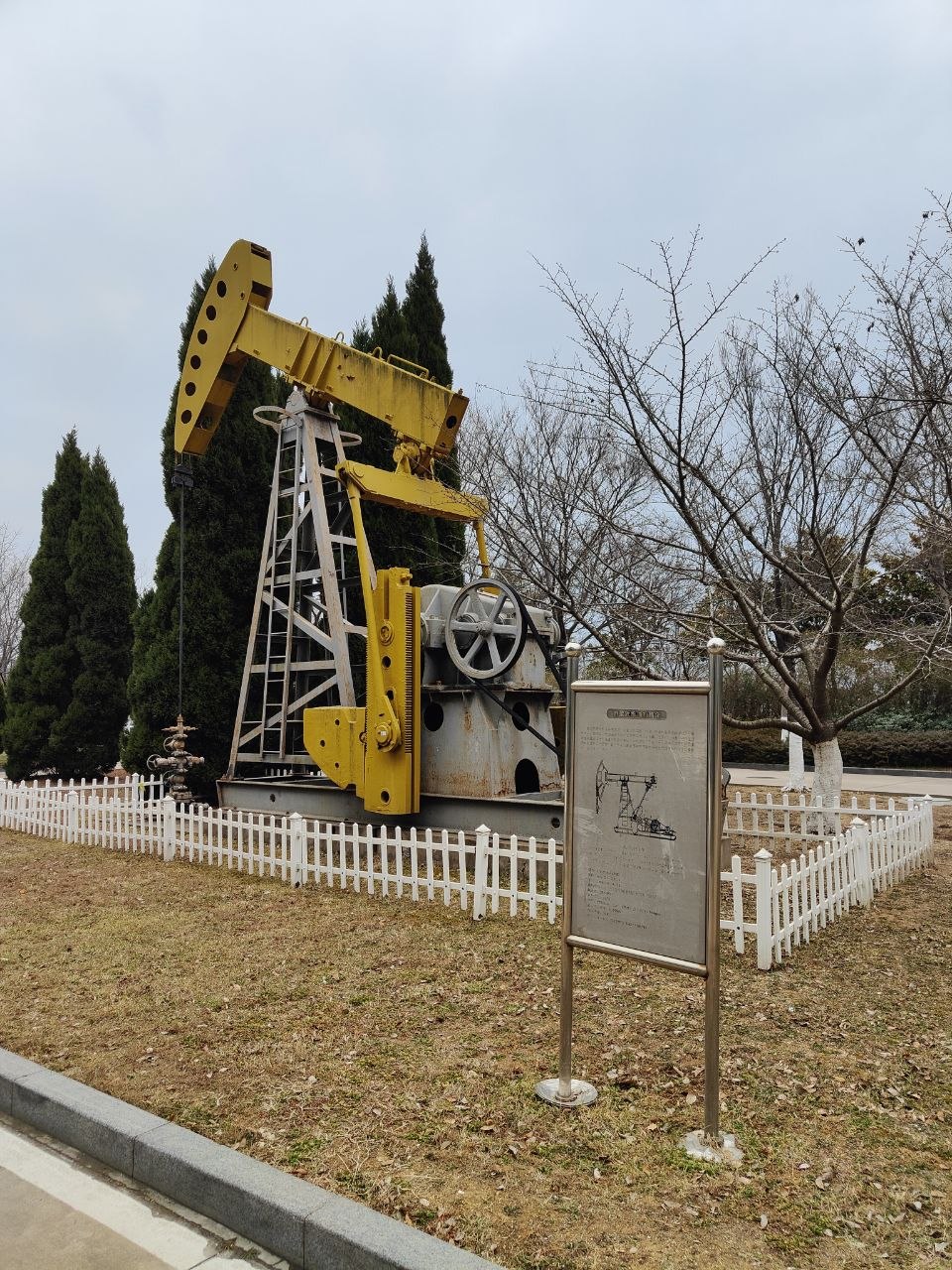
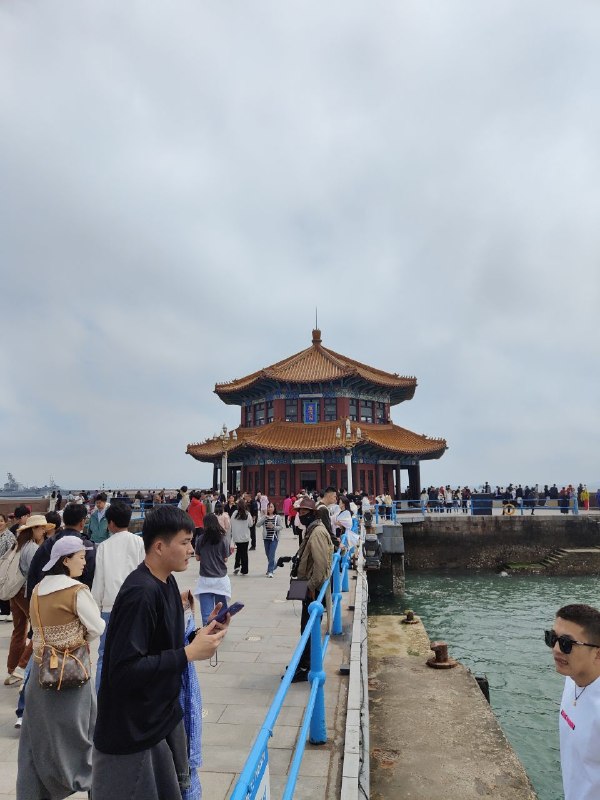
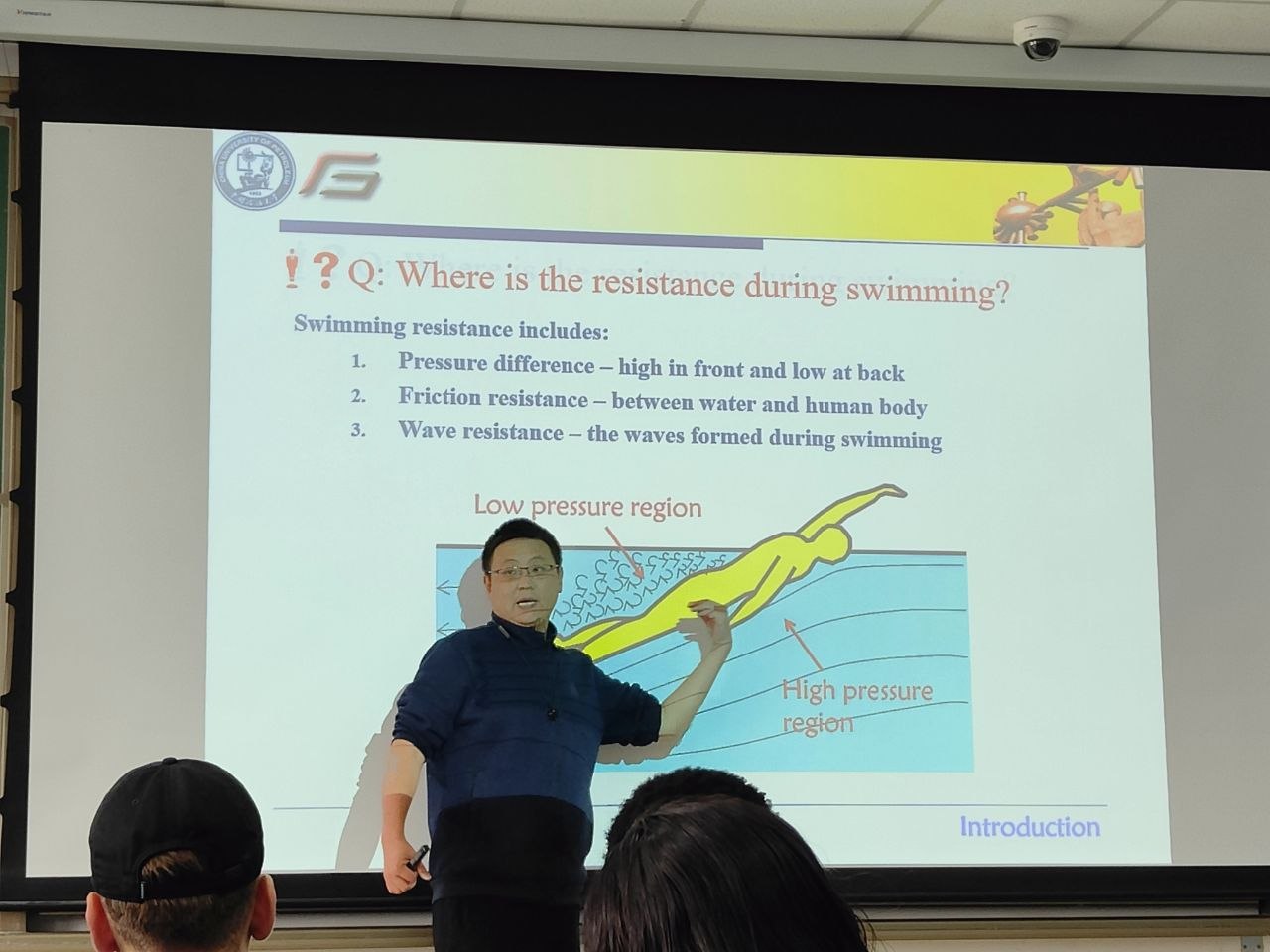
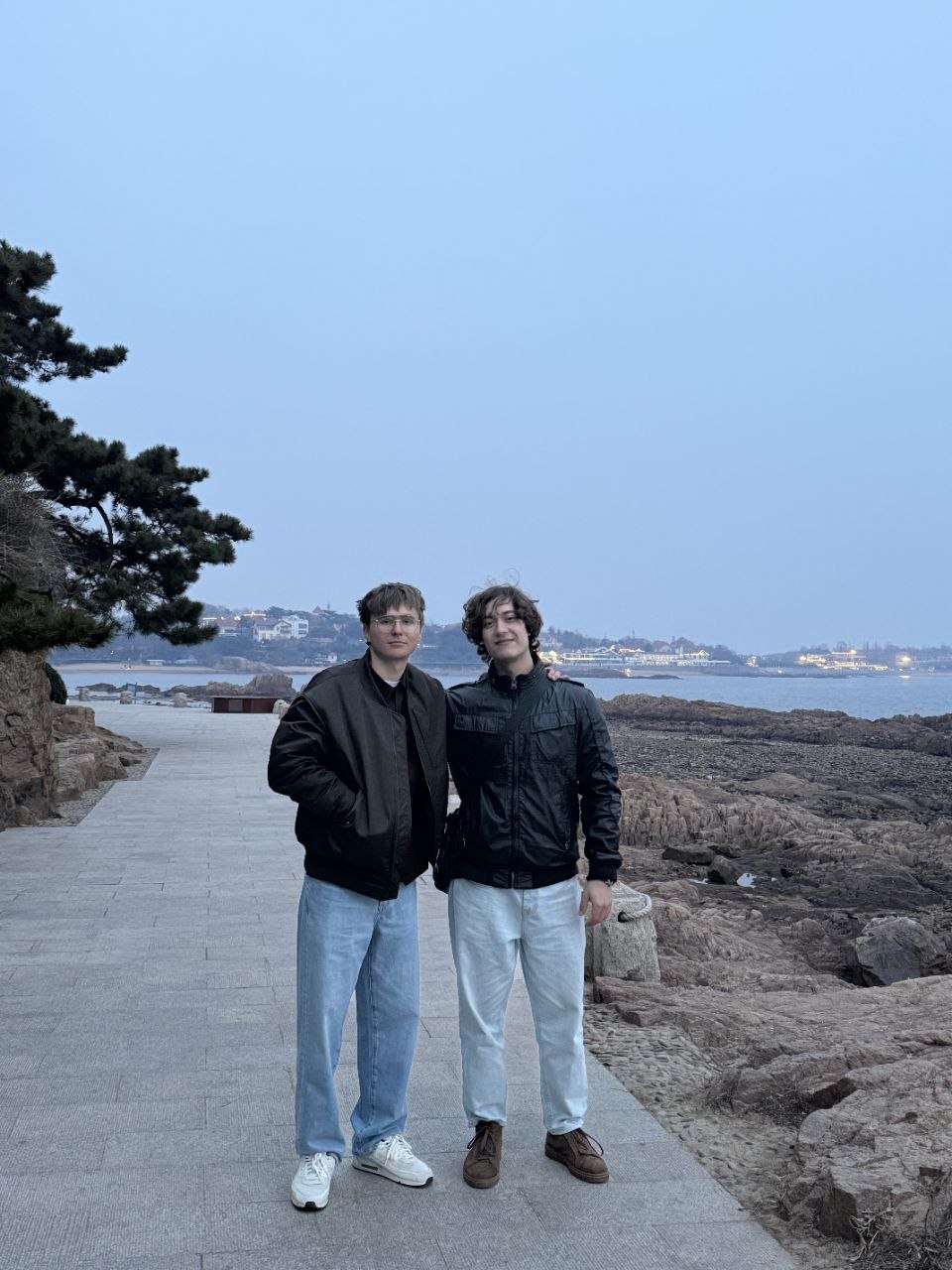
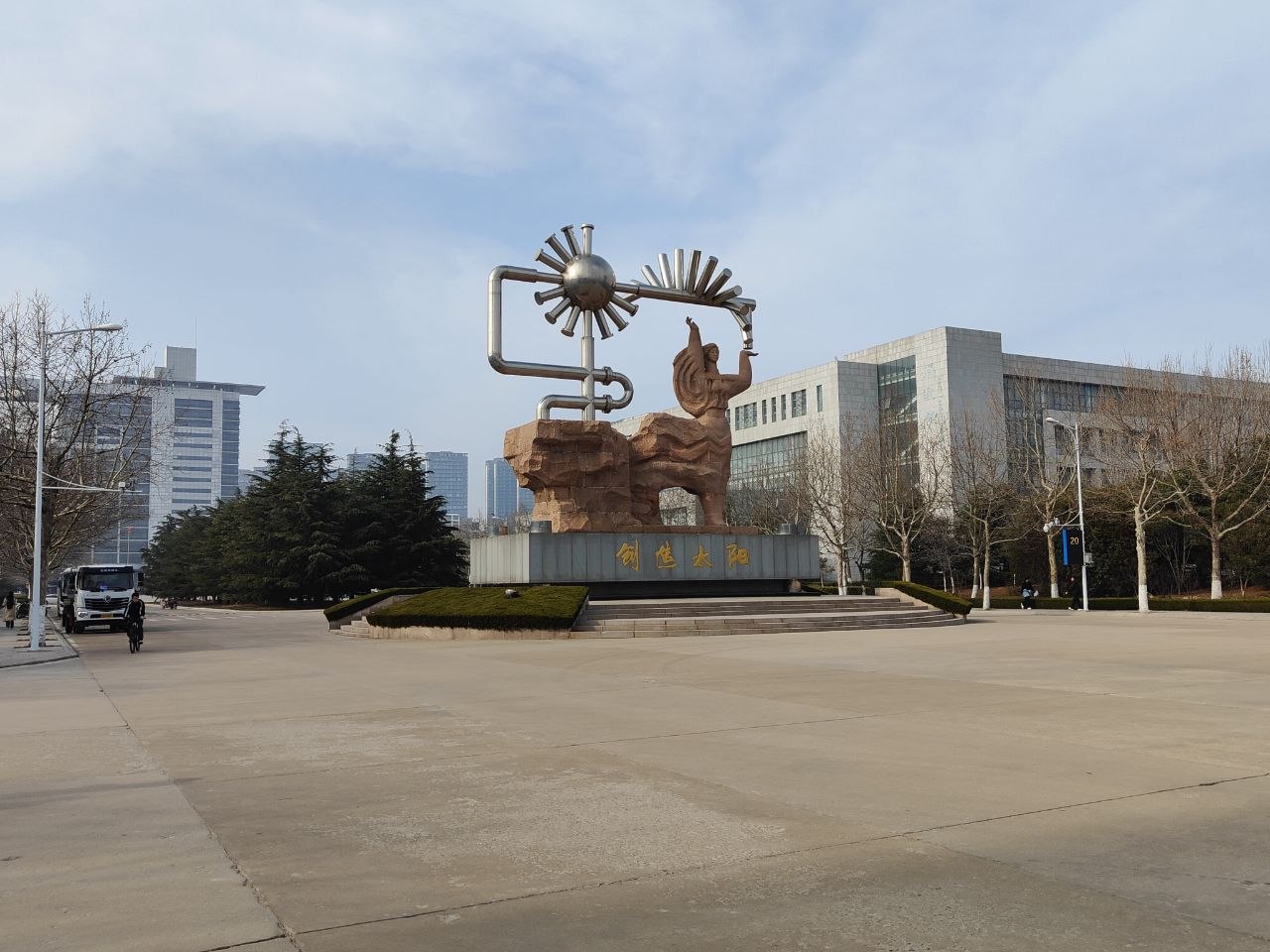
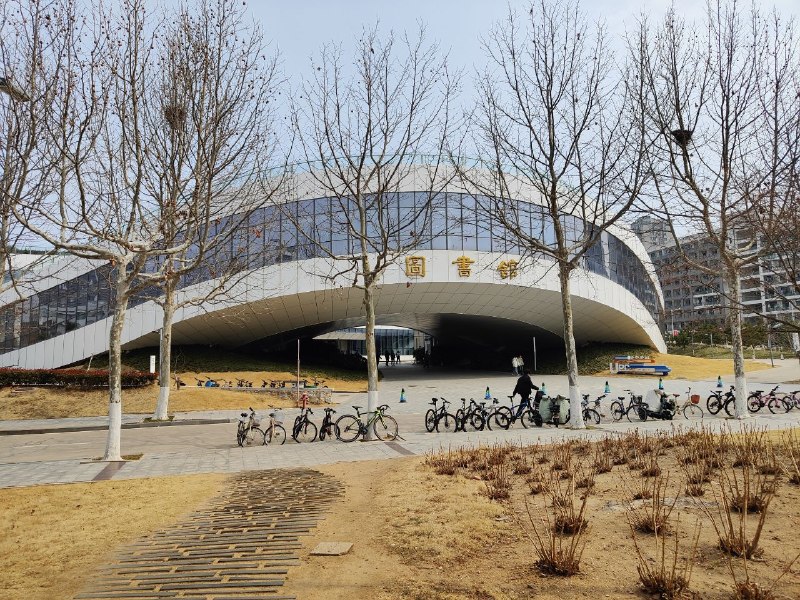
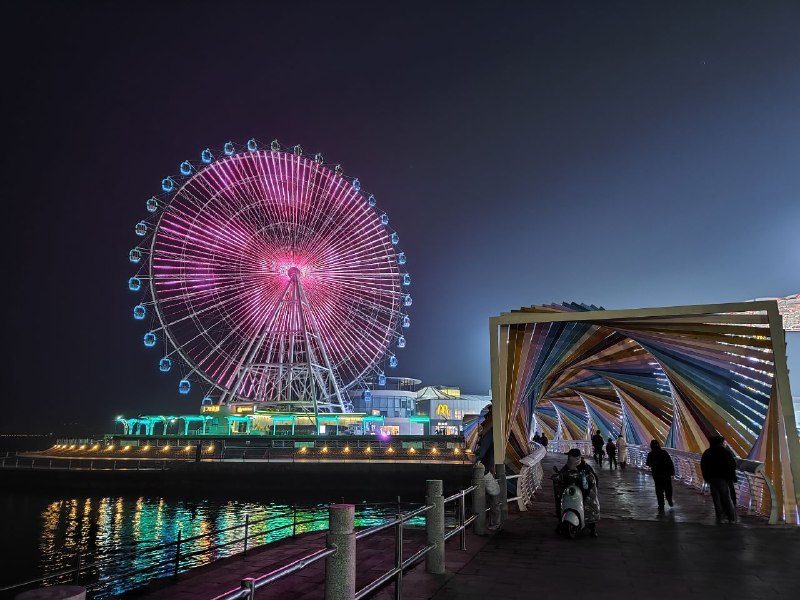
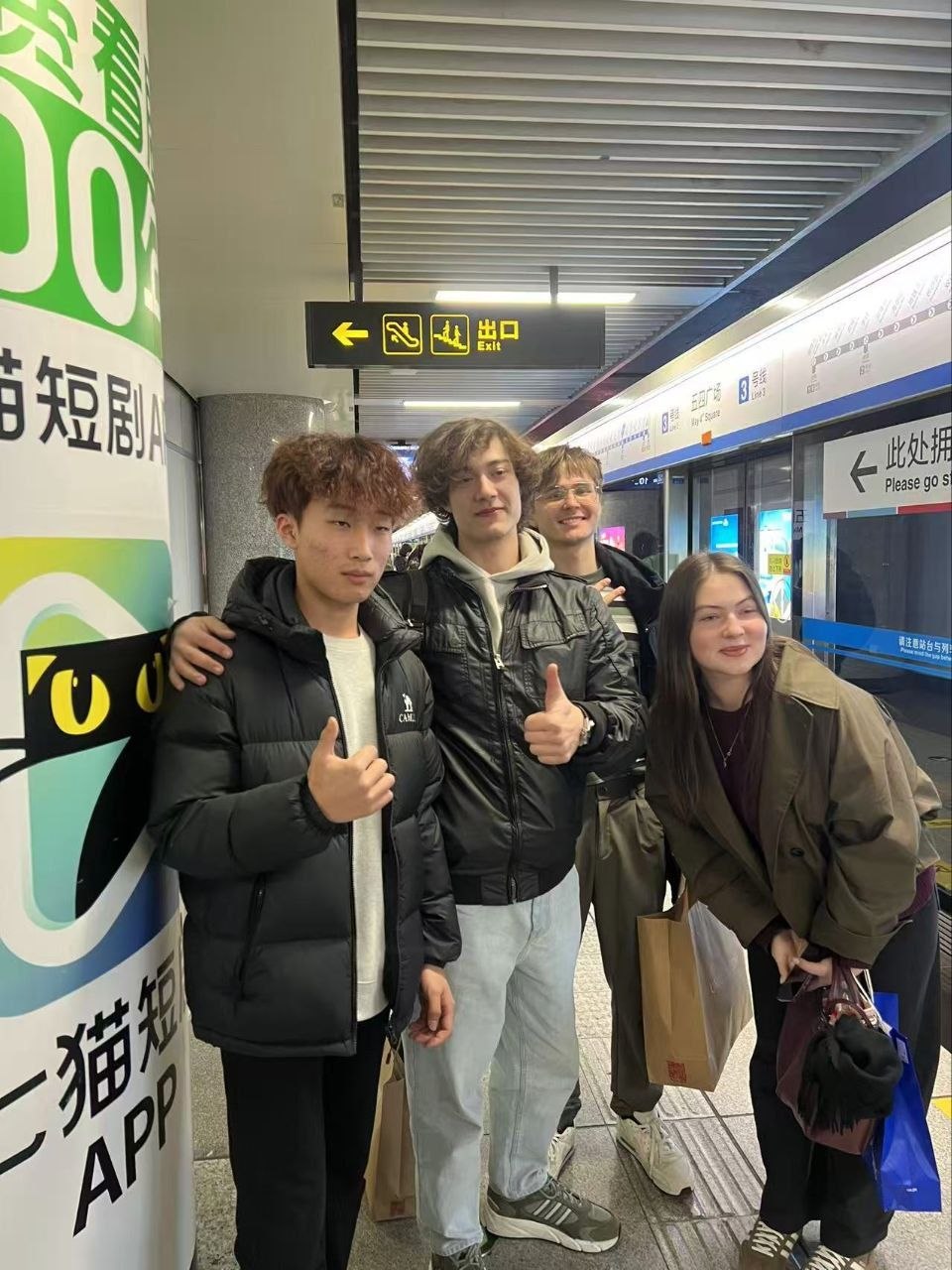
My overall impressions of the study program are highly positive. I successfully passed all my subjects with scores above 80, which I consider a good academic result. The semester proved extremely useful: I significantly expanded my professional knowledge, learned a large number of international terms in my field, and carried out large-scale laboratory work (for example, simulating oil extraction using a pumpjack) that is not available at my home university in Russia. In addition to my studies, I made many new friends (both international and Russian students), immersed myself in Chinese culture and daily life, and visited local attractions. I believe this trip had a comprehensive positive impact on me, both professionally and personally.
Difficulties during the preparation stage and recommendations for future participants
There were no serious issues during the preparation stage. Accommodation was easily arranged by moving into the university dormitory, and the international office coordinator clearly guided me through all the necessary paperwork. At the moment, the process of transferring my credits is not yet finalized; however, I expect it to be completed in the near future. I will update my review with the relevant details once it is resolved. Recommendation: future participants should proactively clarify all the details and deadlines regarding credit transfer with their home department well before departure to avoid any delays upon return.
The visa application process and advice
The student visa application was submitted by filling out the form on the Chinese embassy's website. The processing time took approximately 3 to 7 days. Since the nearest embassy is located in the city of Irkutsk, I was able to visit it in person (which was very convenient). After submitting the documents, I was issued a receipt for the consular fee of about 2,000 RUB, which I paid at a nearby bank branch (a 20-minute walk away), and then I received my visa. The visa was issued for 180 days. Advice: carefully check all the fields of the application form and pay the fee on time.
Difficulties upon arrival at the host university and adaptation
Upon arrival at the China University of Petroleum, I encountered a few minor logistical issues. First, accommodation fees in the dormitory can only be paid via non-cash methods (through Alipay or WeChat), so I recommend topping up these e-wallets with a sufficient amount of RMB right away. Second, the room was completely empty, so my advice is to order essential items (such as a pillow and bedding) via local parcel pickup points on the very first day (delivery usually takes about 3 days). The language barrier is one of the main challenges, but you adapt to it quite quickly. The academic system is very clear and easy to follow; however, the exam format is different from ours. There are no examination tickets – all exams are conducted as tests, with professors constantly walking around the room and monitoring the students.
Expenses and tips for saving money
My expenses during the study period were as follows:
· Visa fee: about 2,000 RUB.
· Round-trip airfare: about 43,000 RUB.
· Insurance: no more than 4,000 RUB.
· Dormitory accommodation: 500 RMB per month (for 4.5 months, roughly 22,500 RUB at the current exchange rate).
· Meals: on average, 45 RMB per day.
· Transport: buses — 1–2 RMB, subway — 2–8 RMB (prices are affordable).
· Study materials: provided free of charge.
Tips for saving money: Eating at local canteens is the best way to save money, as the variety of dishes there is so vast that you cannot try everything even in six months. As for shopping in stores: do not succumb to the illusion of low prices, because thoughtless purchases often lead to accumulating unnecessary items of mediocre quality.
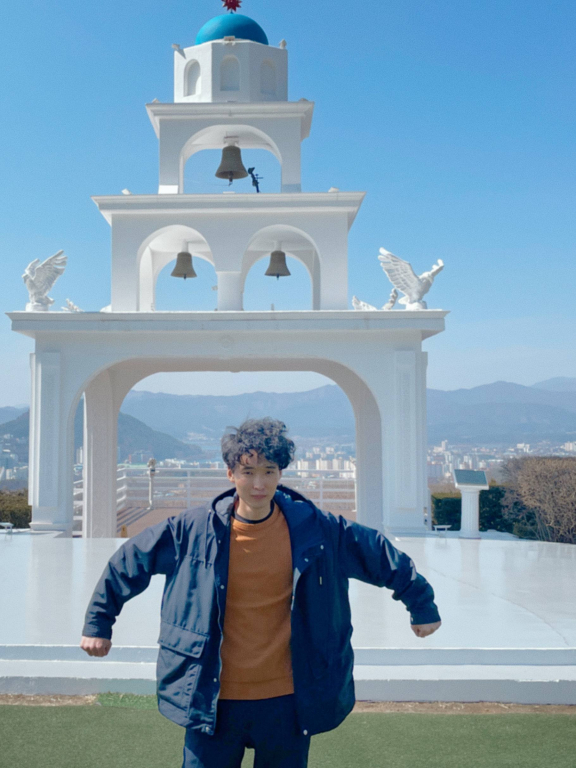
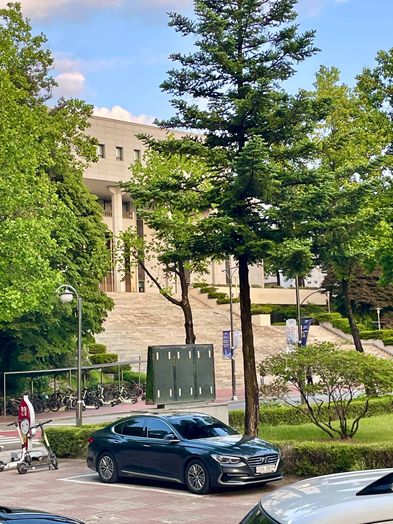
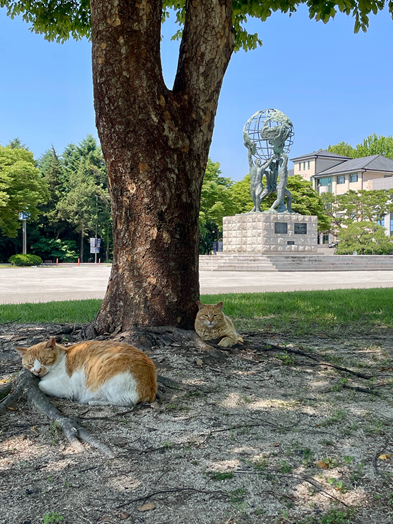
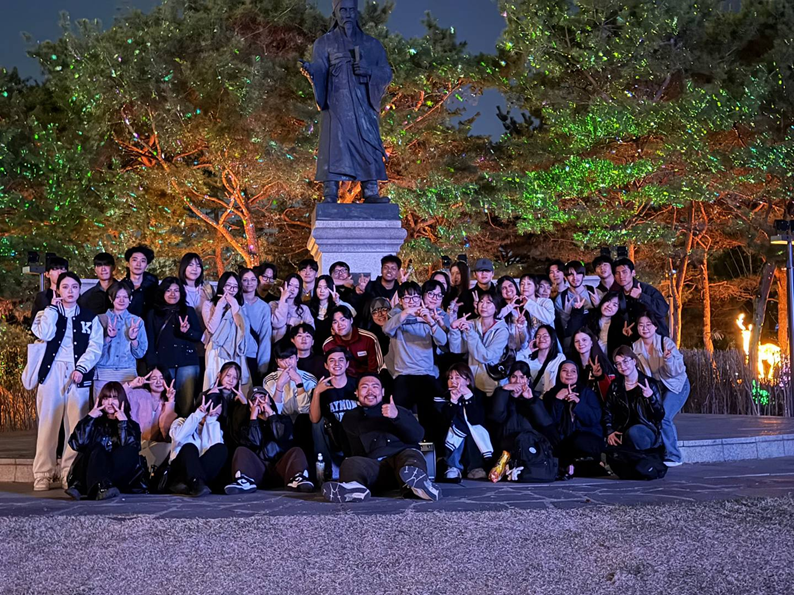
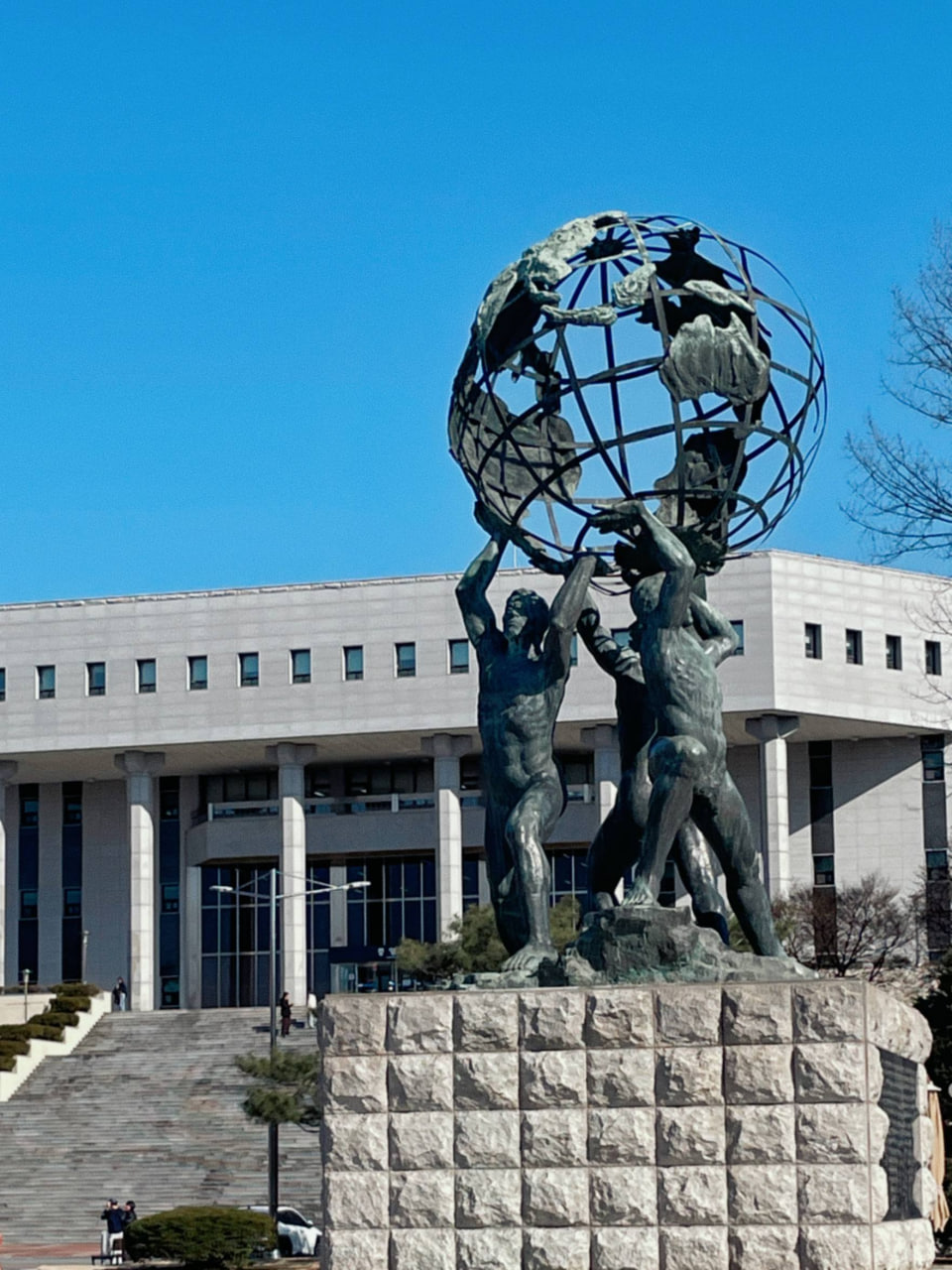
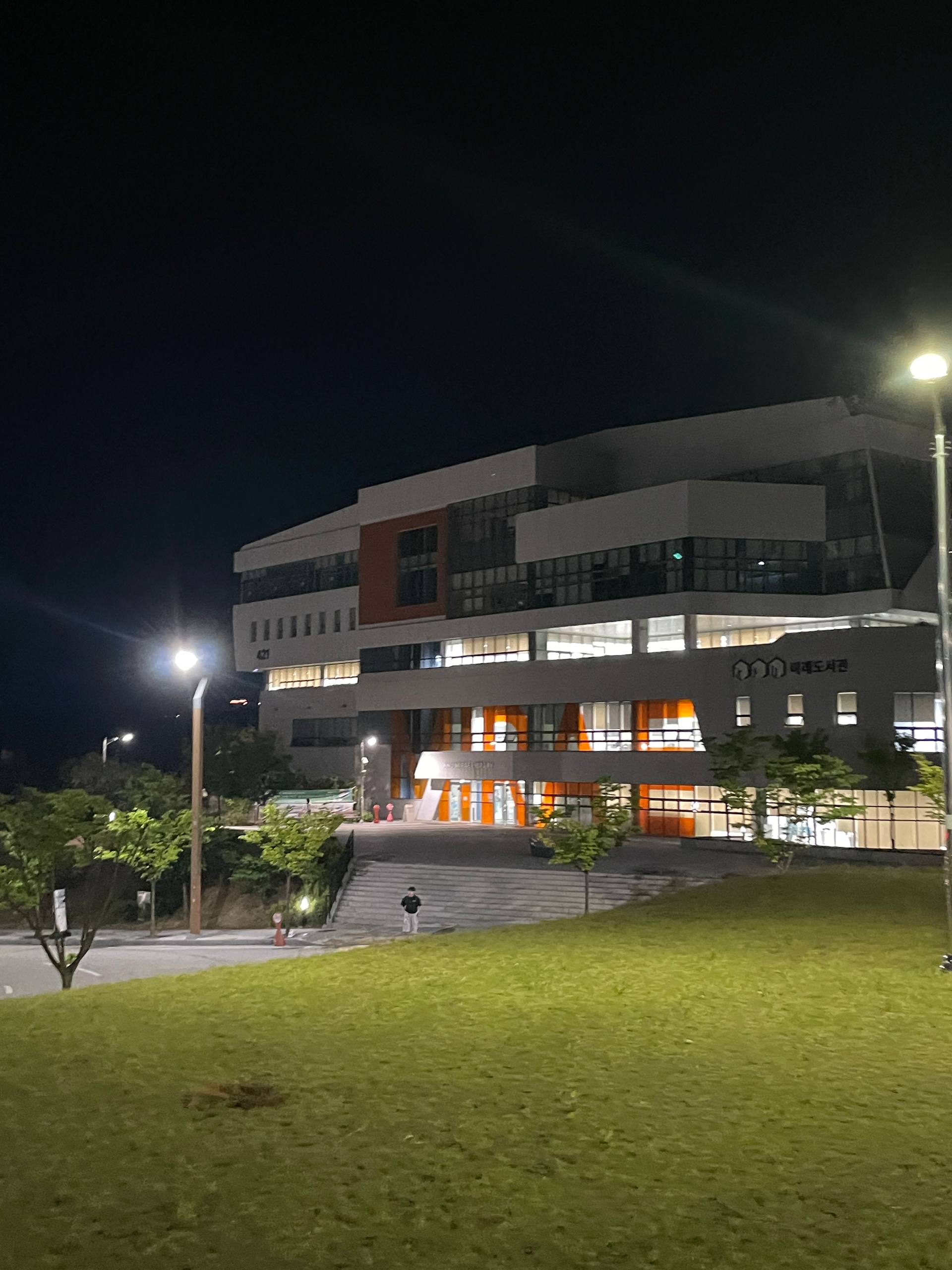
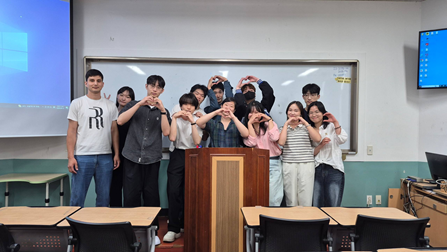
My impressions are positive. The internship provided an opportunity to study in English in a live academic format—with group projects and discussions—and also to get to know a professor whose research area is close to my own, which motivates me to return to KNU as a full-time student. On a personal level, the exchange taught me how to cope with loneliness away from my family and how to adapt to a new environment—a useful practical skill that will serve me well in the future.
What difficulties did you encounter during the preparation stage for the internship? What advice and recommendations can you give to future participants of the academic mobility program?
There were no major difficulties during the preparation stage, as the Academic Mobility Office fully supervised the process: admission, document collection, and signing. My advice to future exchange students is to meet deadlines and not put everything off until the last moment. The main challenge was combining the exchange with my studies at IRNITU, so all questions regarding course credits during the exchange period should be discussed with your professors in advance.
Describe the visa application process. What advice do you have for future participants of the academic mobility program?
The visa application process is fairly straightforward. I made an appointment via the consulate's email, submitted my documents a week later, and two weeks after that, I picked up my ready visa on the scheduled day. I recommend starting the visa paperwork well in advance.
What difficulties did you encounter upon arrival at the host organization abroad? What advice do you have for future participants of the academic mobility program?
The ID card—a resident identity document in Korea—took a very long time to process, and without it, it's impossible to open a bank account. For the first while, I had to budget very tightly because I hadn't expected the card to be issued so late. So my advice is to bring more cash with you.
Please indicate your expenses related to the internship abroad (visa fees, flight/travel costs to the internship site, registration fees/taxes/deposits at the host organization, insurance/medical services if used, public transportation, meals, accommodation). What advice do you have for reducing expenses?
Visa fees — $80. One-way flight — about 30,000 RUB. There was a free transfer from the airport to the university. For departures from Korea, I recommend Gimpo Airport—it's closer to central Seoul than Incheon Airport. Foreigner ID card — 30,000 KRW, processing takes about a month. Public transport is generally inexpensive—about 80 RUB per ride. Korean health insurance — 75,000 KRW (about 5,000 RUB). Meals at restaurants and cafés — about 500 RUB per person. To save money, in many places you can apply for TaxFree right at the checkout and get a refund on Korean VAT. Keeping track of your expenses also helps.
