INRTU Celebrated Africa Day 2026
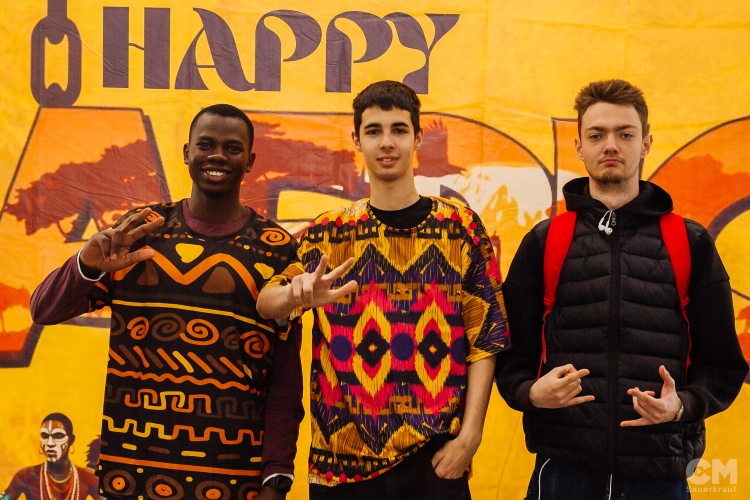
INRTU celebrated Africa Day on May 25 with a festival program featuring workshops, a concert, and a tea party. The events were organized by the Center for International Services.
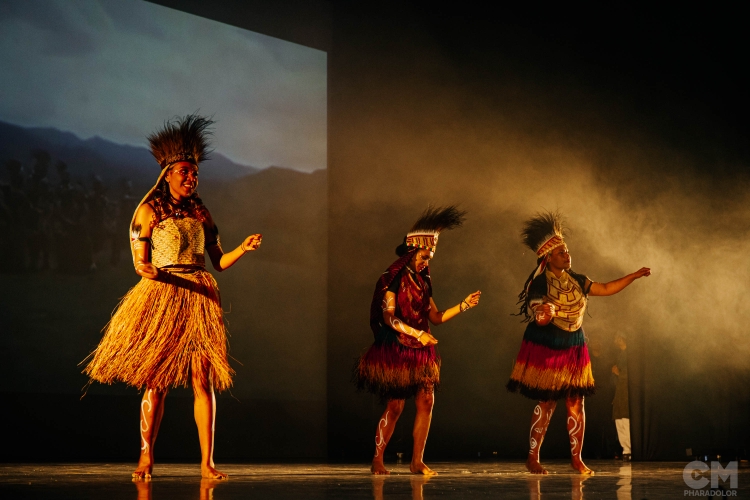
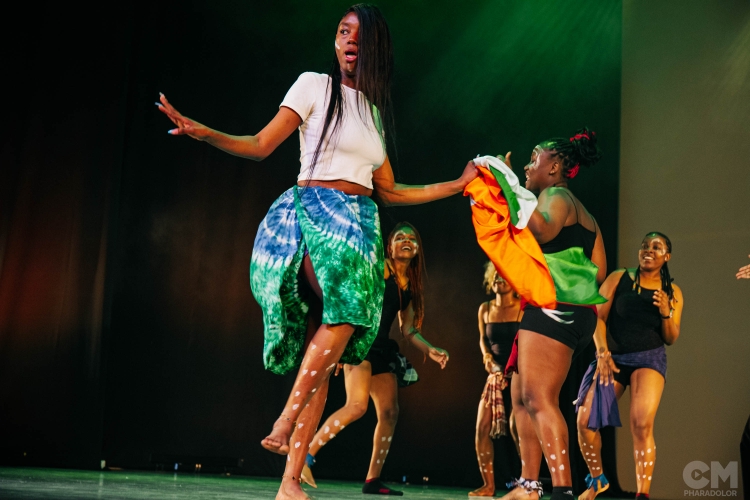
This marked the fourth time international students at the university have celebrated Africa Day, showcasing their singing and dancing talents, reciting poetry, and hosting workshops for guests.
Vice-Rector for International Affairs Stepan Bykov addressed students and guests with a congratulatory speech:

“I congratulate all of you on this celebration of unity, cultural richness, and the tremendous potential of the remarkable African continent.
Six years ago, only 34 students fr om five African countries studied at INRTU: Egypt, Congo, the Democratic Republic of the Congo, Togo, and Cameroon. Today, our African student community has grown to more than 400 students representing 25 countries. The largest groups come from Cameroon (206 students), Nigeria (91), Ghana (18), Egypt (11), Ethiopia (11), Benin (10), and Côte d’Ivoire (10). We are also pleased to welcome students from many other African nations, including South Africa, Angola, Tanzania, and others.
Today, we are delighted to hold Africa Day once again, a celebration that has already become a cherished tradition for our university. It gives Russian students an opportunity to discover your culture, customs, and traditions firsthand. May the friendship between our countries and universities continue to grow stronger every year”.
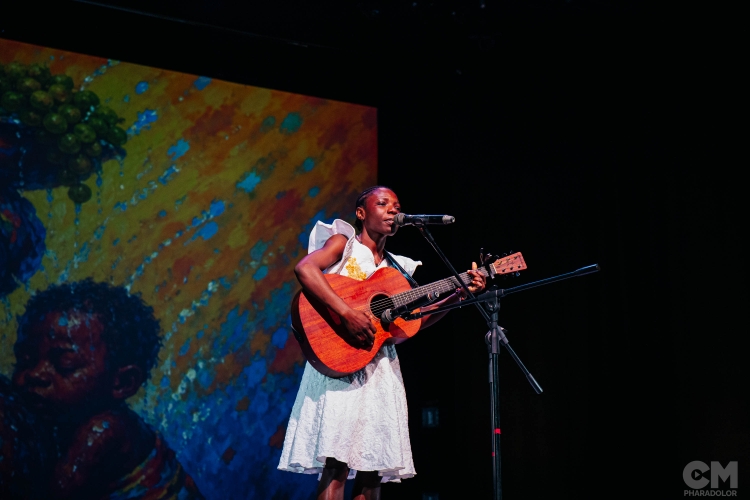
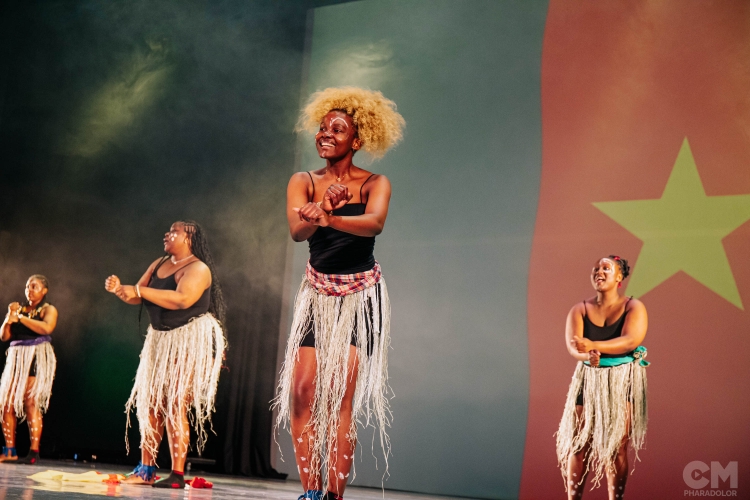
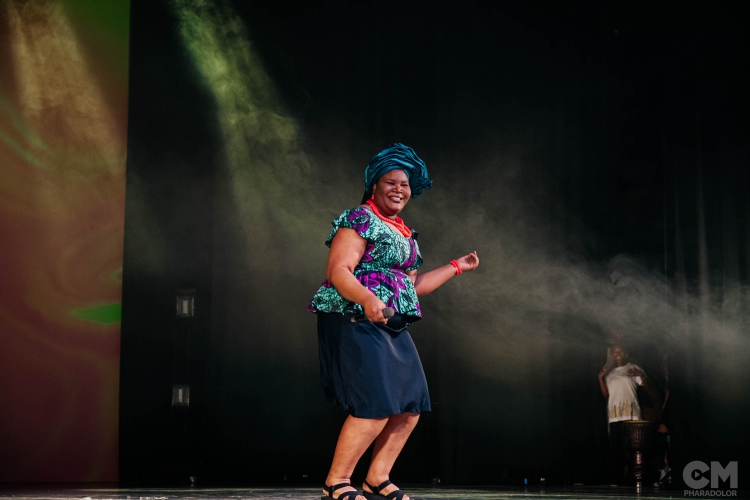
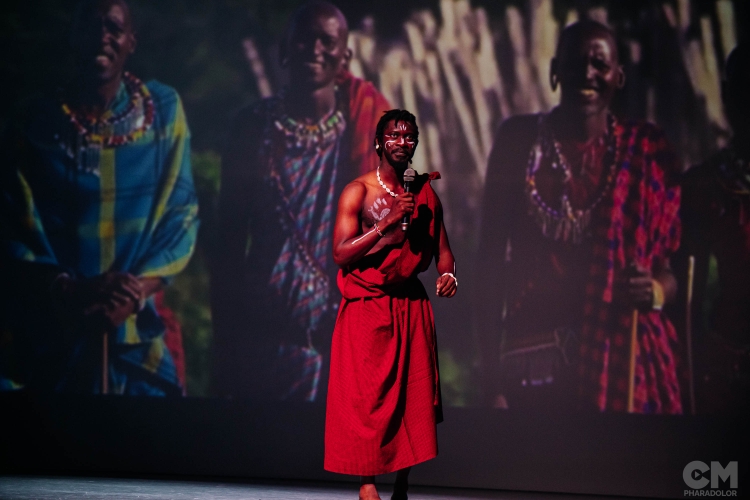
During the concert, the audience enjoyed performances prepared by students, including energetic dances, vocal performances, and poetry readings.
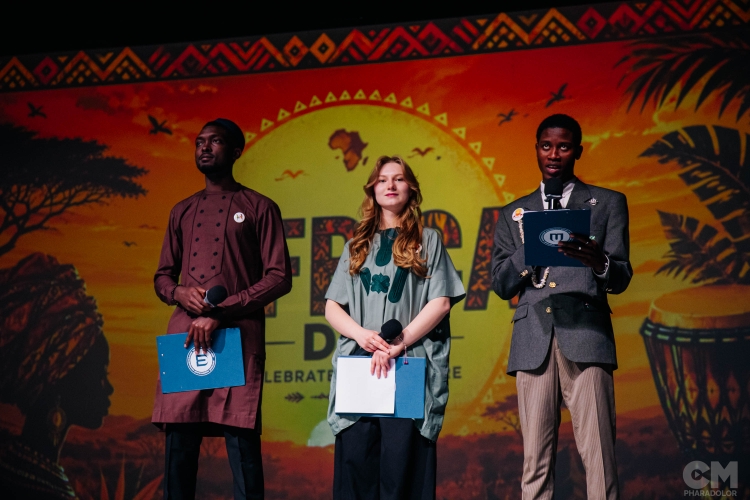
The concert was hosted by Varvara Solomatova, a student at the Baikal School of BRICS and aspiring linguist; lecturer Akinkunmi Akinsanmi Benjamin; and Tchuenkam Mbah Loic, President of the International Student Council.
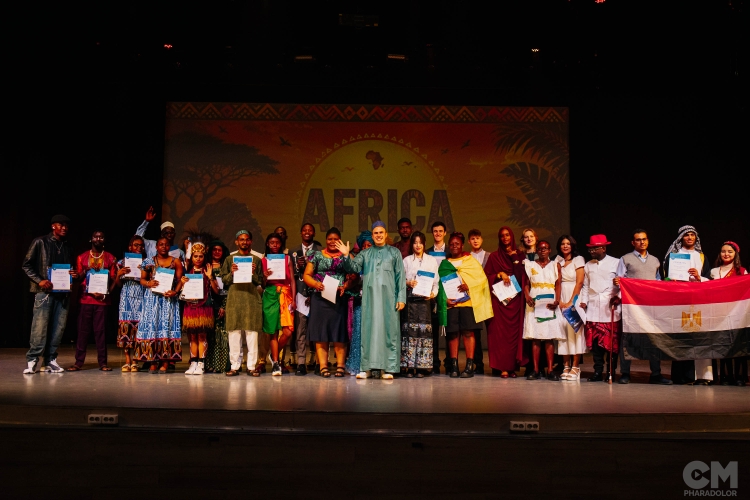
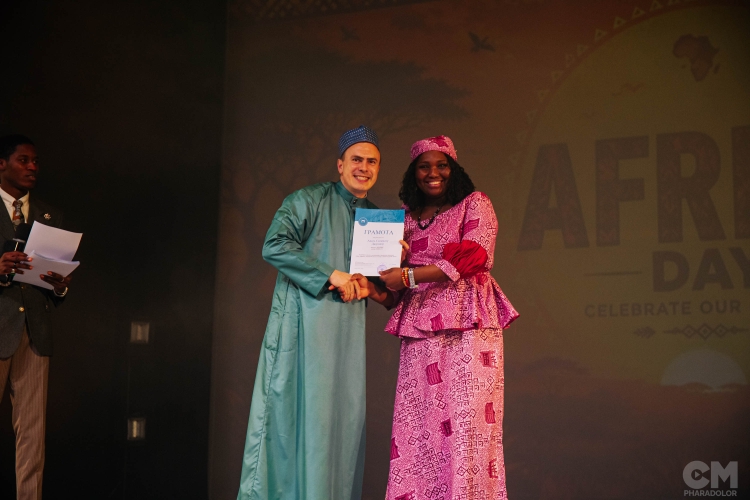
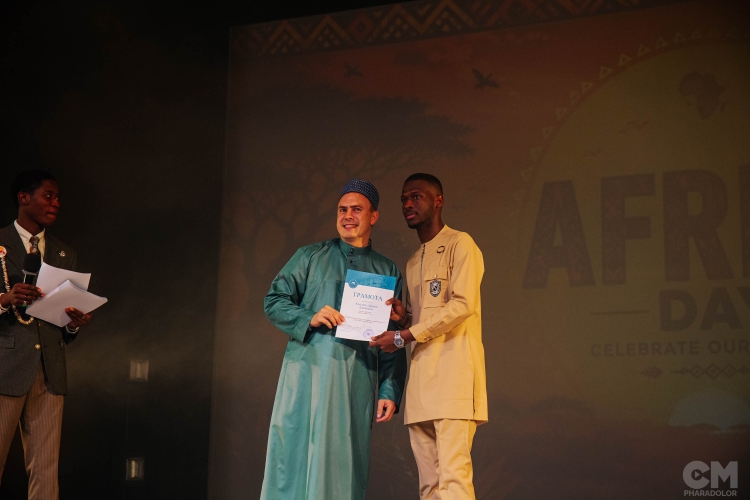
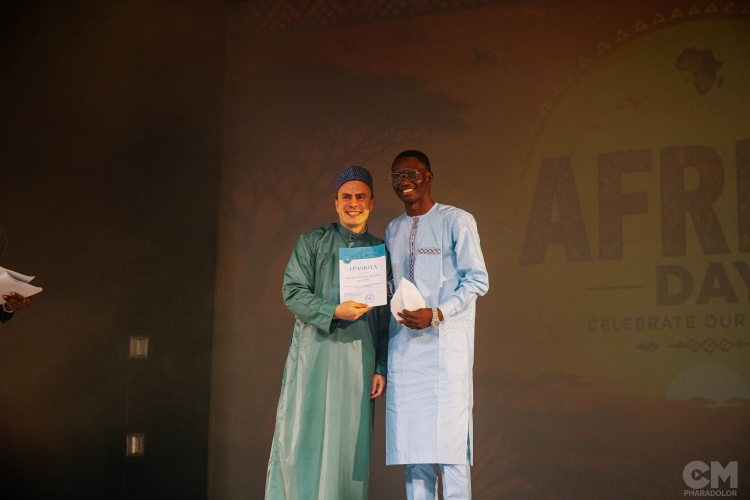
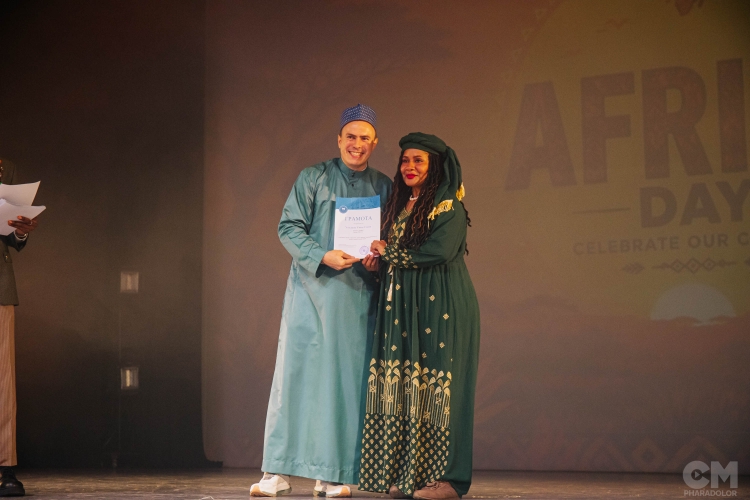
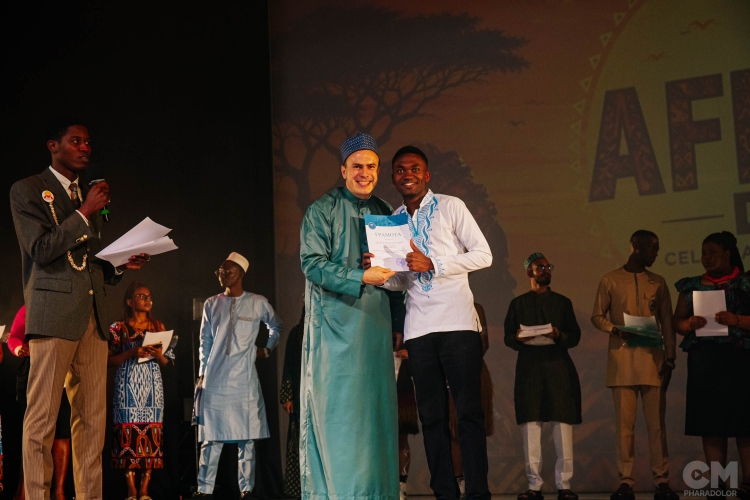
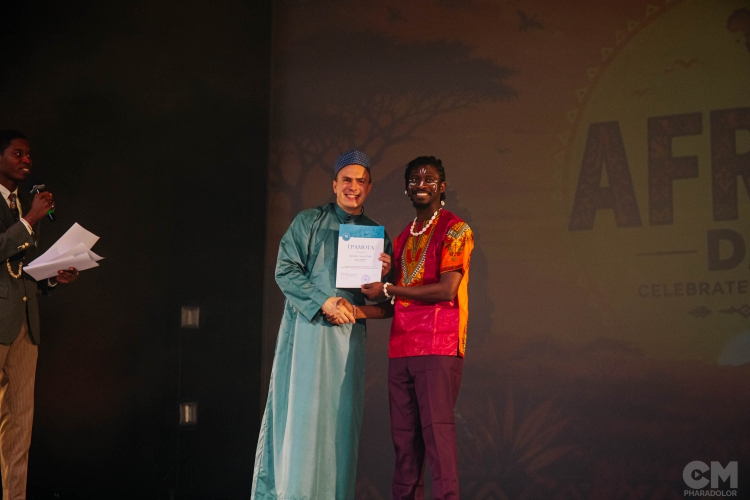
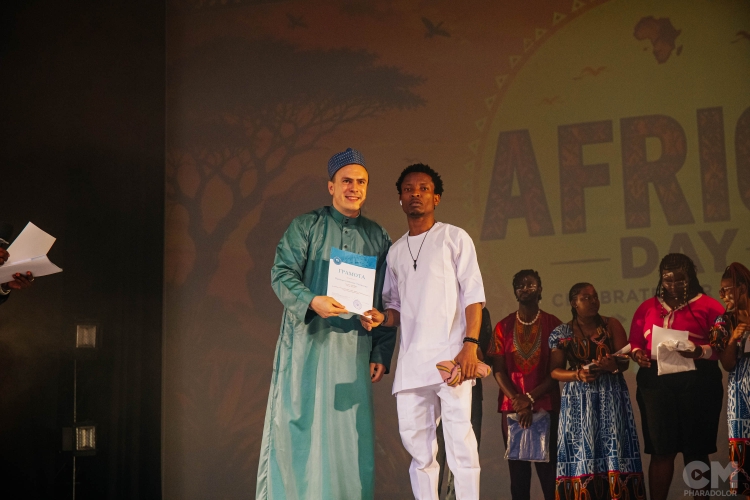
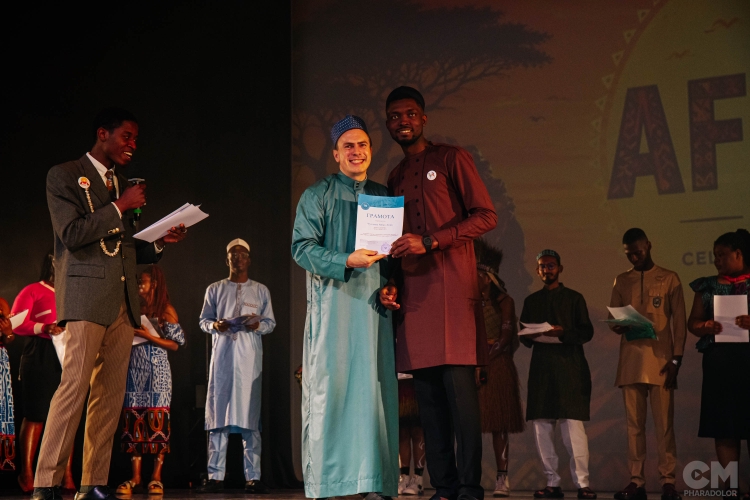
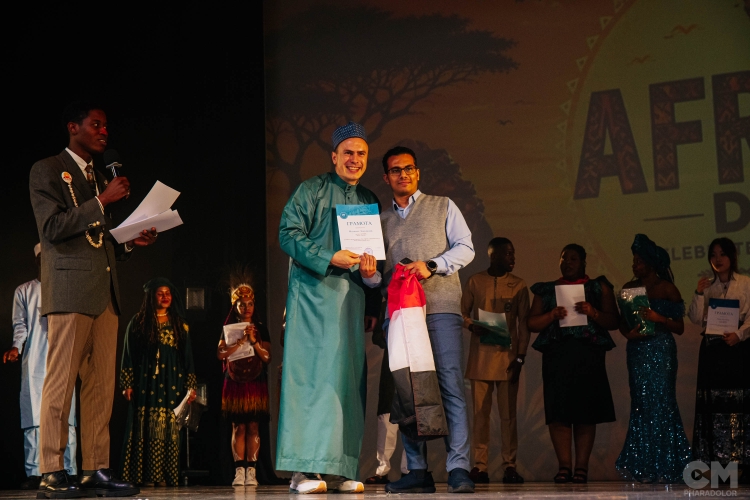
As part of the celebration, 42 students received certificates in recognition of their active participation and significant contribution to organizing the event.
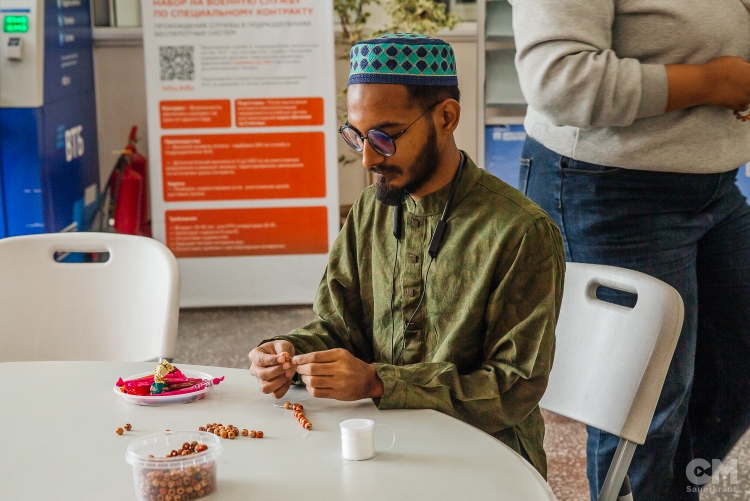
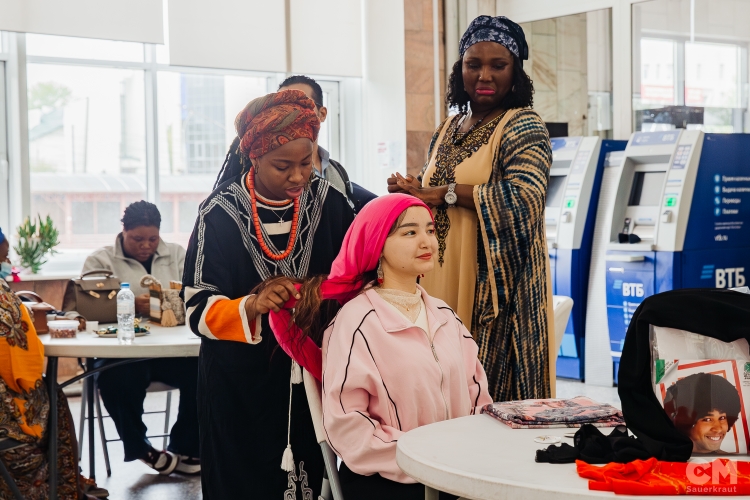
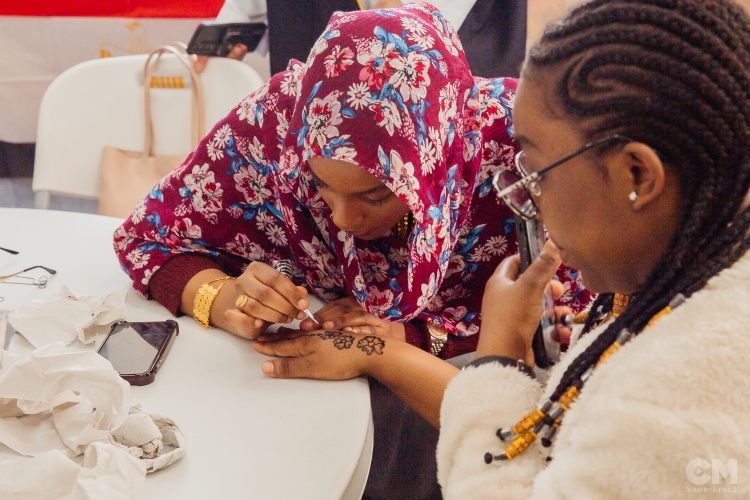
Guests also took part in interactive workshops wh ere they learned how to make stylish wooden and agate bracelets, explored the basics of calligraphy and Arabic script, and mastered traditional headscarf tying techniques.
The festival program also featured an educational quiz held as part of the mini-museum exhibition “Africa: Yesterday and Today”.
The celebration concluded with an African food festival. Guests were treated to Spicy Jollof Rice, and students also enjoyed Zobo, a sweet-and-sour drink made from hibiscus, honey, and pineapple