INRTU Summarizes the Results of the International Hydrosphere Research Project "Baikal - the Pearl of the World"
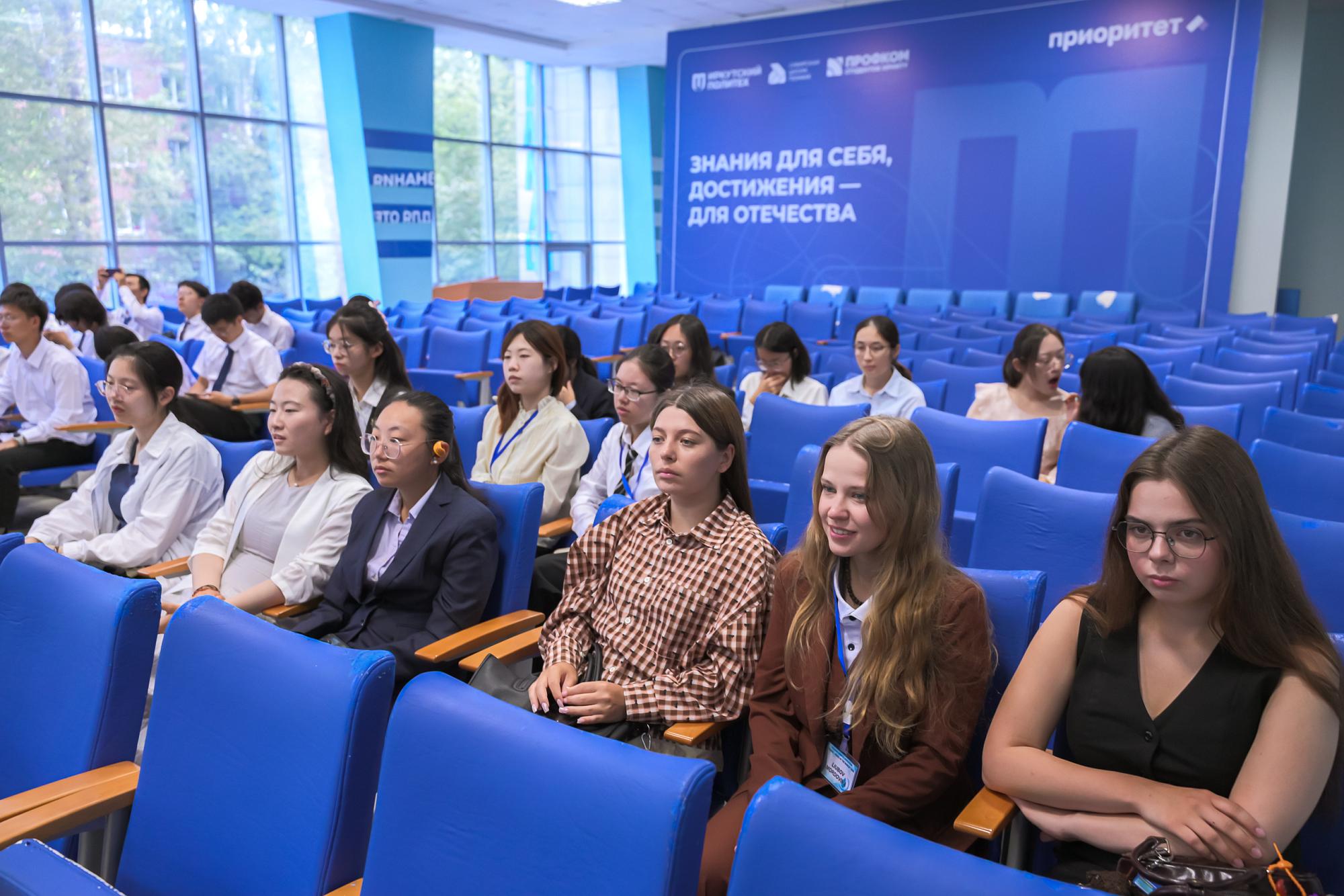
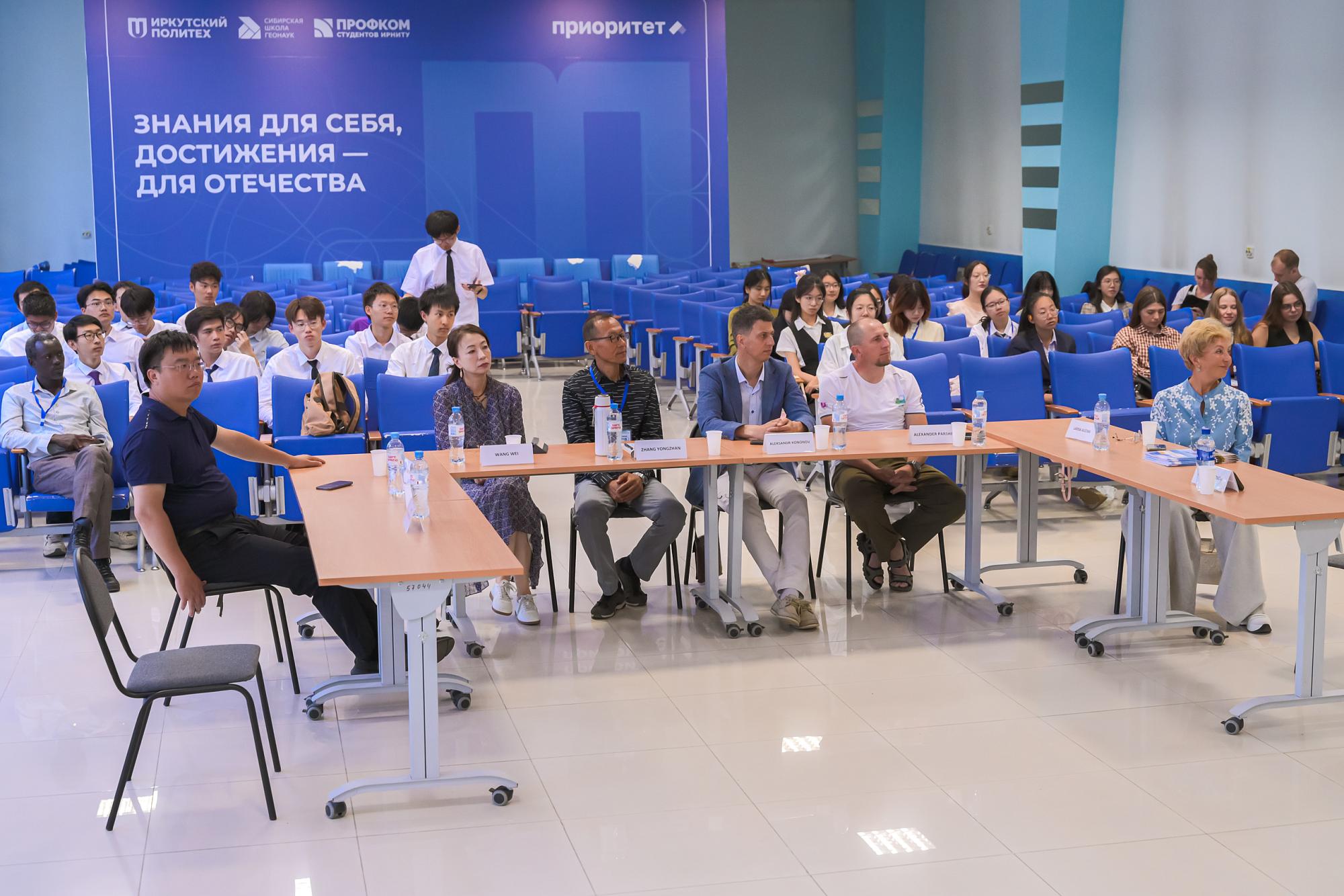
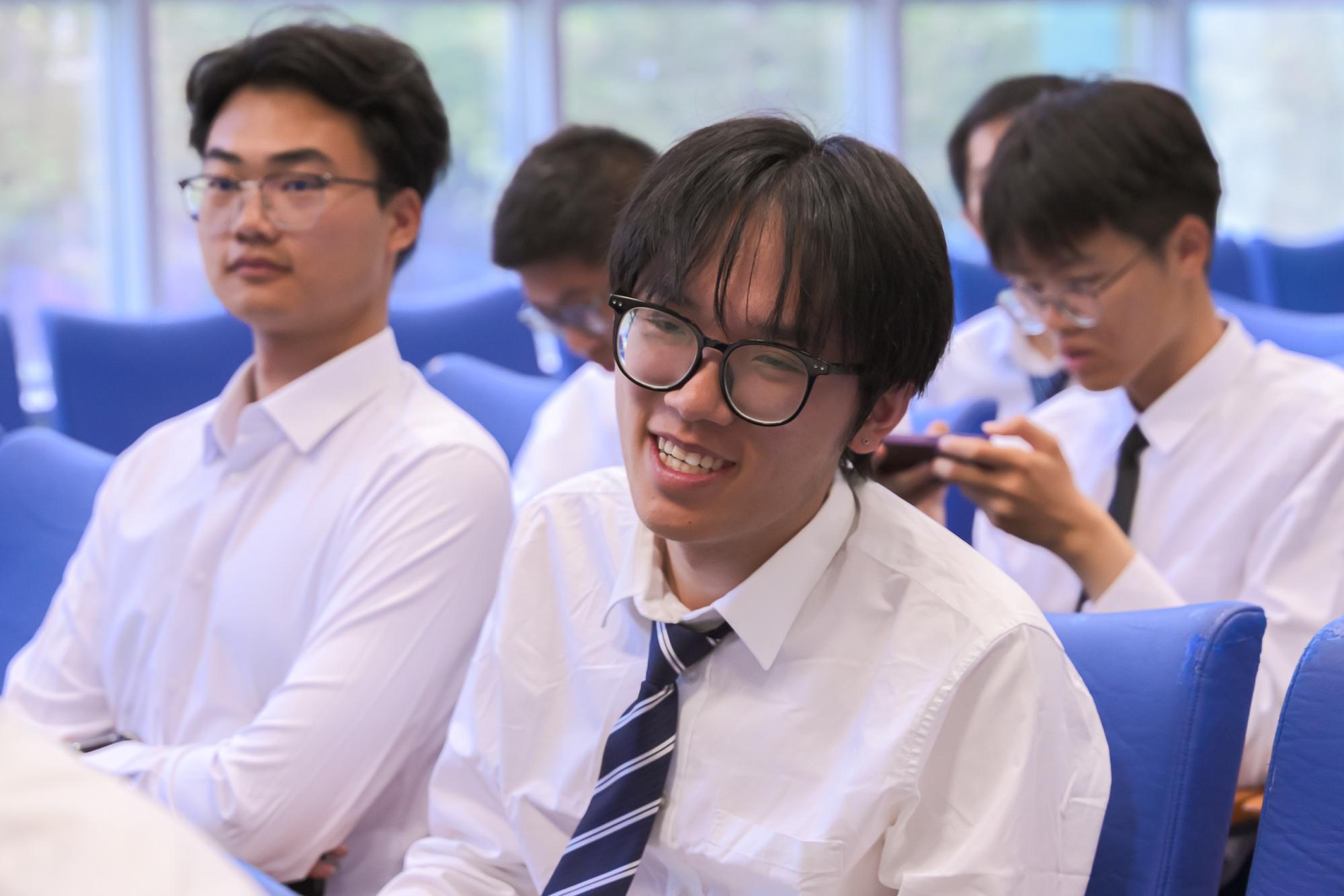
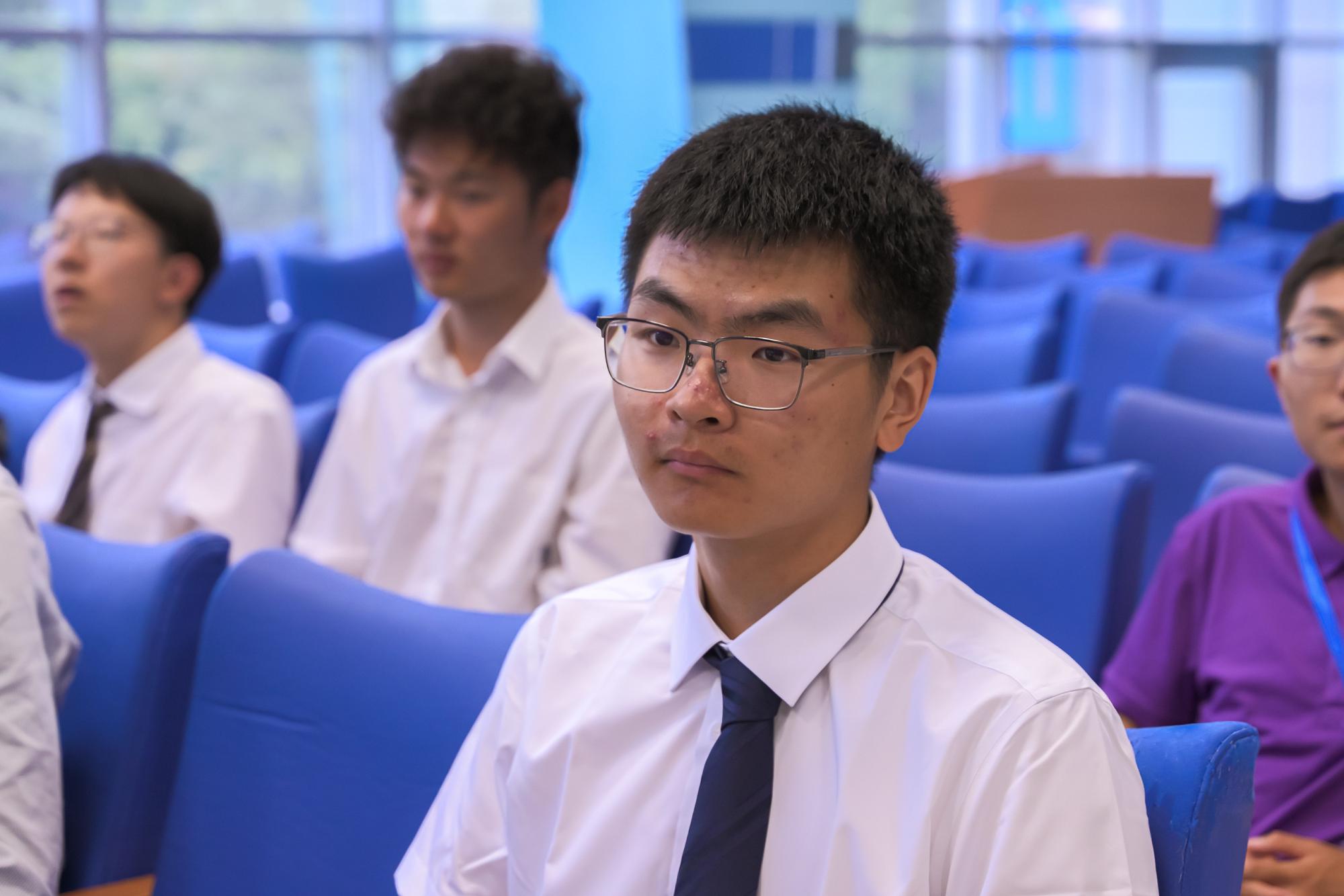
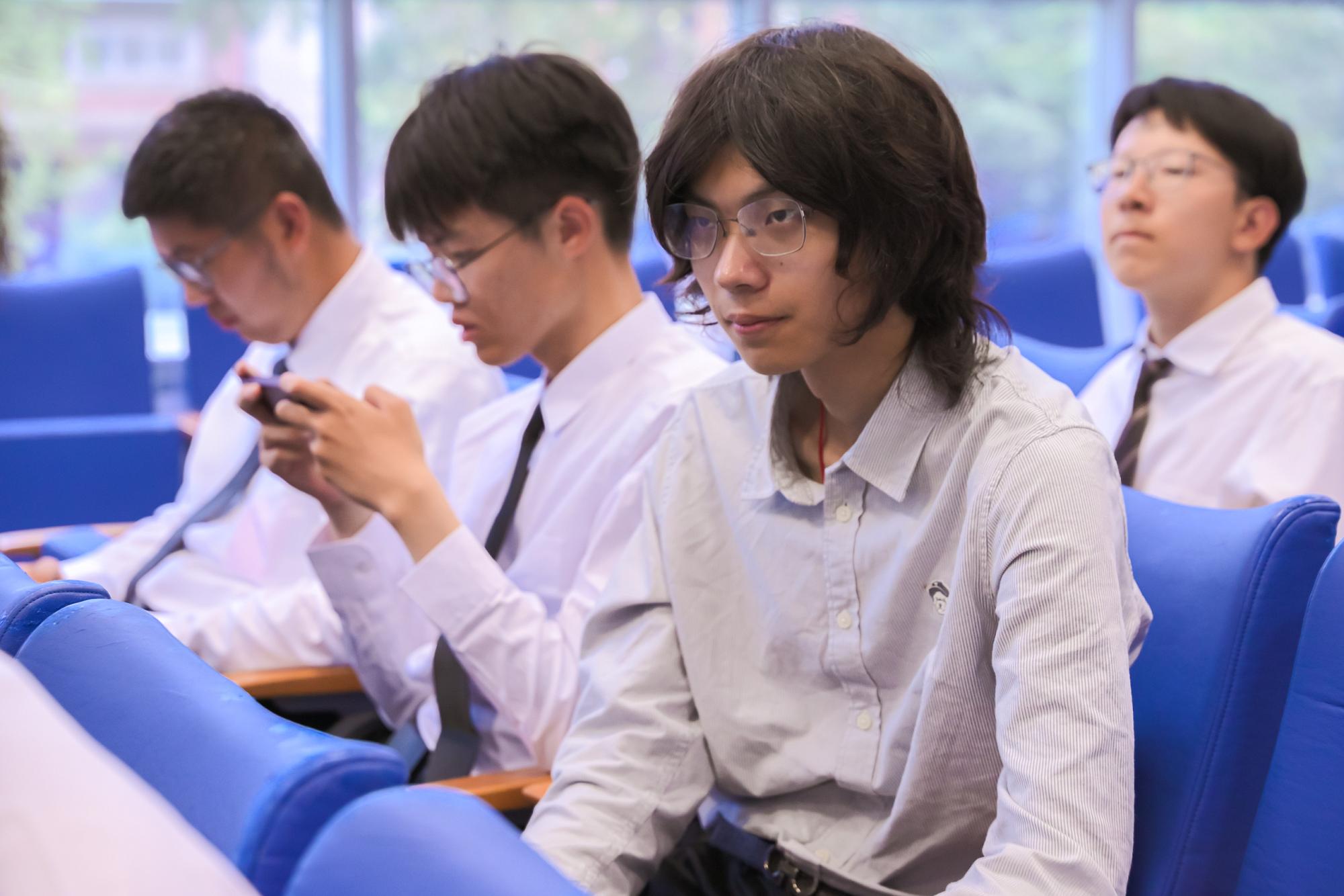
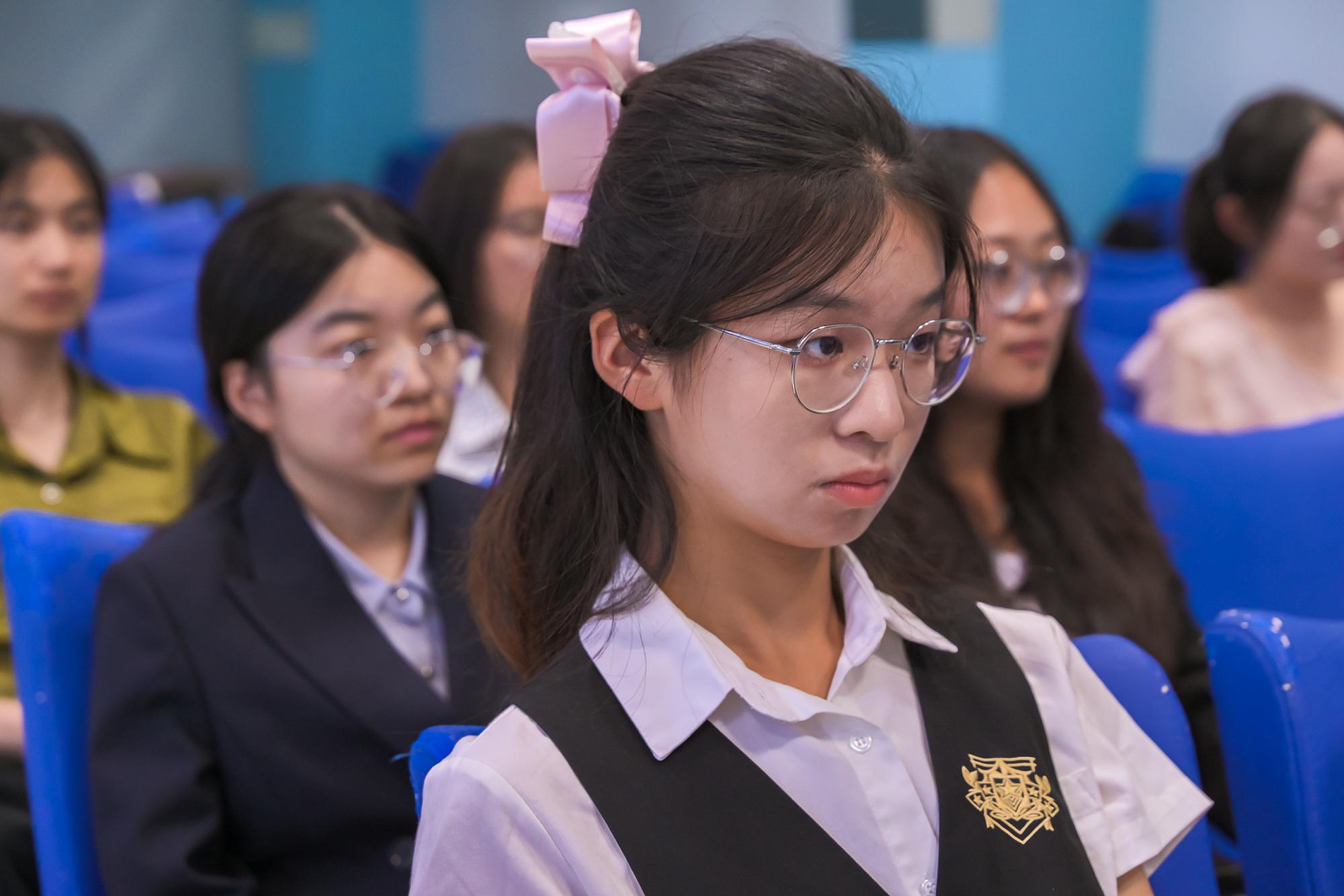
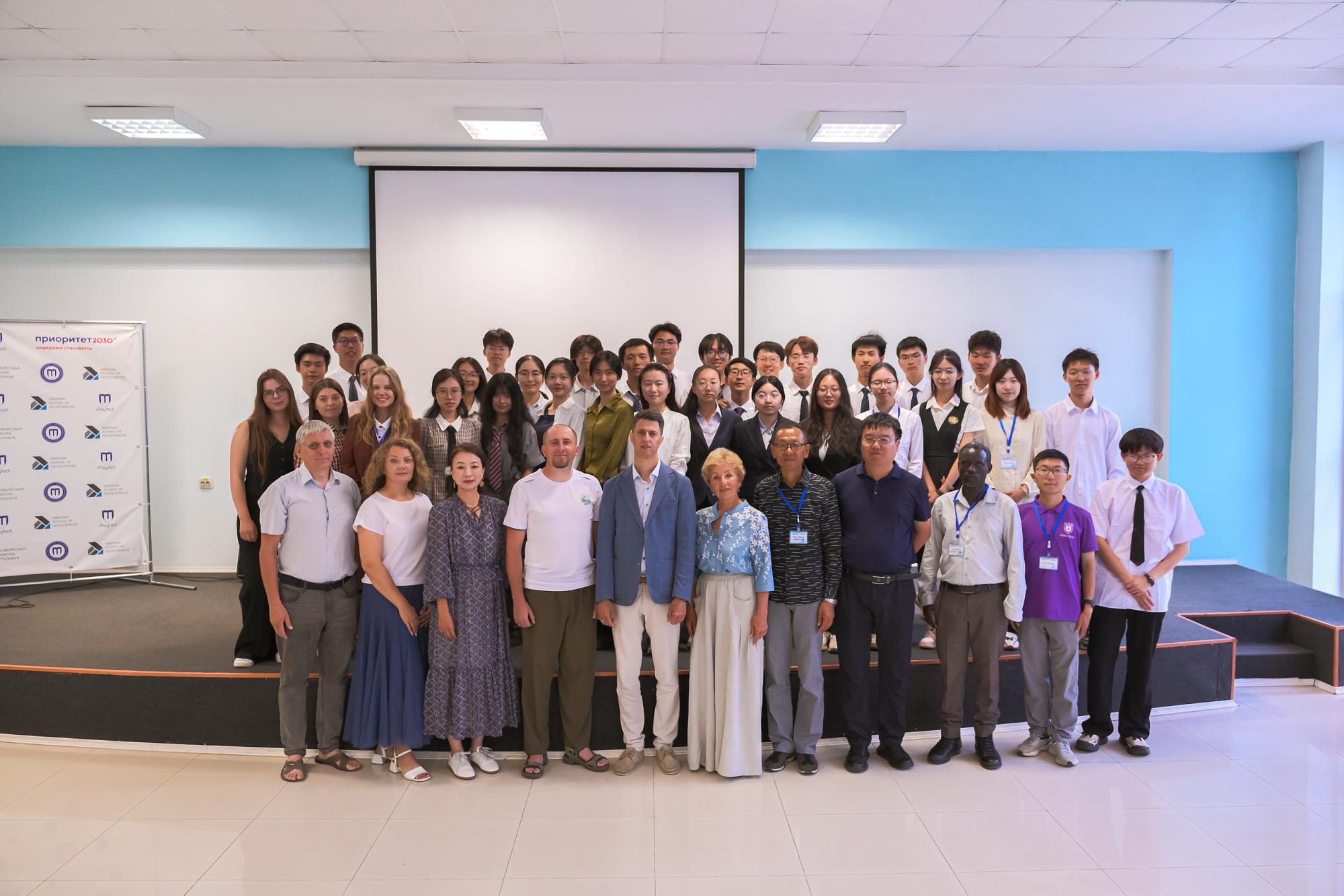
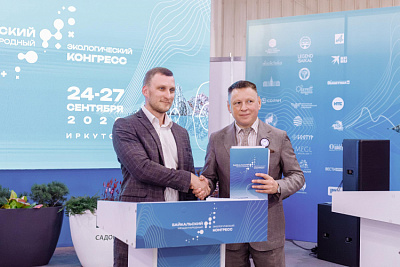
On August 5, INRTU held a final meeting to review the outcomes of the Russian-Chinese expedition "Baikal - the Pearl of the World." The project united over 40 scientists and students from INRTU and three Chinese universities - Nanjing University, Nanjing Normal University, and Hohai University. International student teams conducted research dedicated to the geological, hydrological, and eco-geochemical characteristics of the Baikal Natural Territory (BNT).
The participants of the Russian-Chinese research and educational project paid special attention to the ecological and hydrogeochemical monitoring of the "Baikal - Angara - Irkutsk Reservoir" system. The annual collection of dozens of water samples makes it possible to track the dynamics of the region's ecological state and build a scientific foundation for developing criteria for identifying pollution.
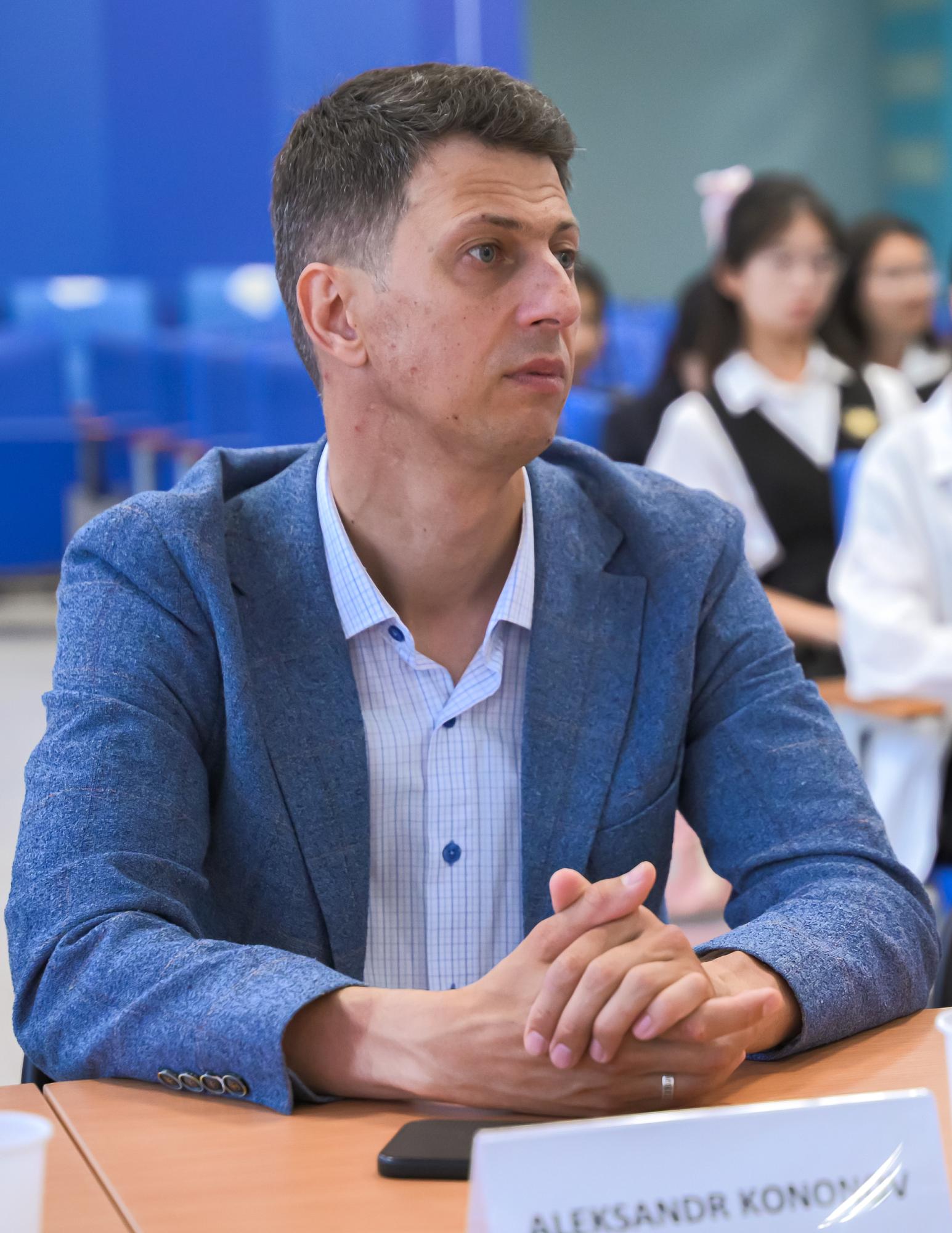
Aleksandr Kononov, Vice Rector for Research at INRTU, congratulated the students and faculty on the successful completion of the expedition:
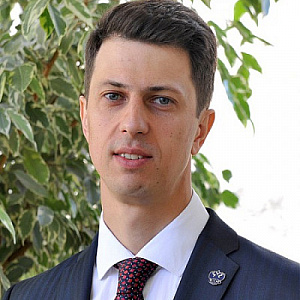
"I would like to particularly highlight this wonderful tradition: the team brings together specialists from a wide range of fields. Our region has objects of great scientific interest, so you can offer diverse perspectives and opinions, exchange experiences, and join forces. This is truly important for the development of scientific activity, for each of you personally, for your work, and for your friendship."
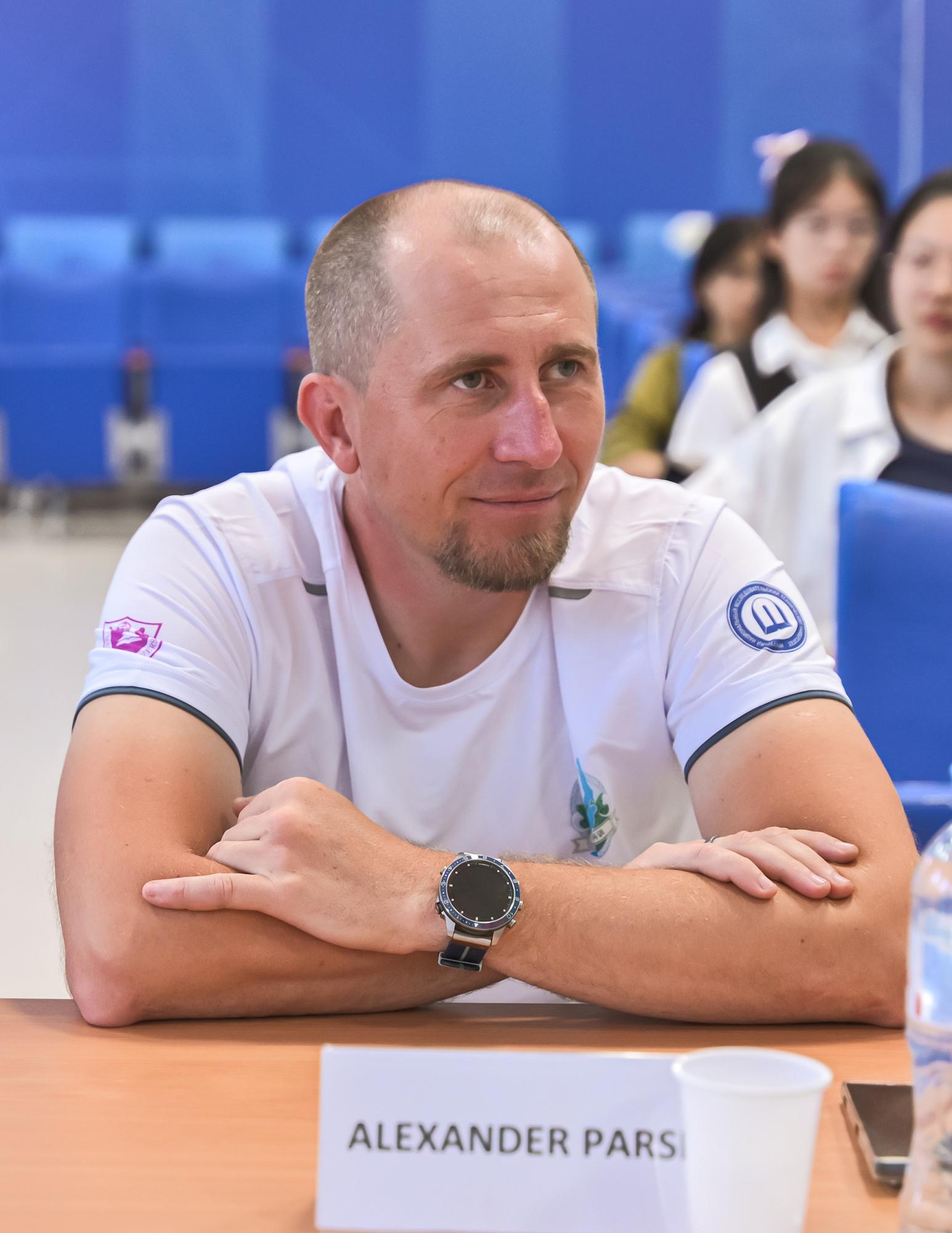
During the certificate award ceremony, Aleksandr Parshin, Vice Rector for Geology, Earth and Environmental Sciences at INRTU, gave a talk on the historical contribution of Irkutsk's academic community to Baikal research. He presented the geoecological initiatives of the Siberian School of Geosciences to his Chinese counterparts, which are designed to tackle the challenge of scientifically detecting anthropogenic impacts on the hydrochemistry of Baikal and the Angara. Parshin stressed that enhancing the lake's monitoring systems is a national priority.

"Baikal - the Pearl of the World' is one of the two most important components of our ecological and hydrogeochemical research programs. As part of this project, we annually collect data from more than 40 sampling points in the central and southern basins of Lake Baikal. The second component is the regular monitoring of the Angara River at over 80 points. In a few years, we will create a unique, publicly accessible database of hydrogeochemical properties, and everyone will be able to see how water composition changes over time and across different locations," said the Vice Rector.
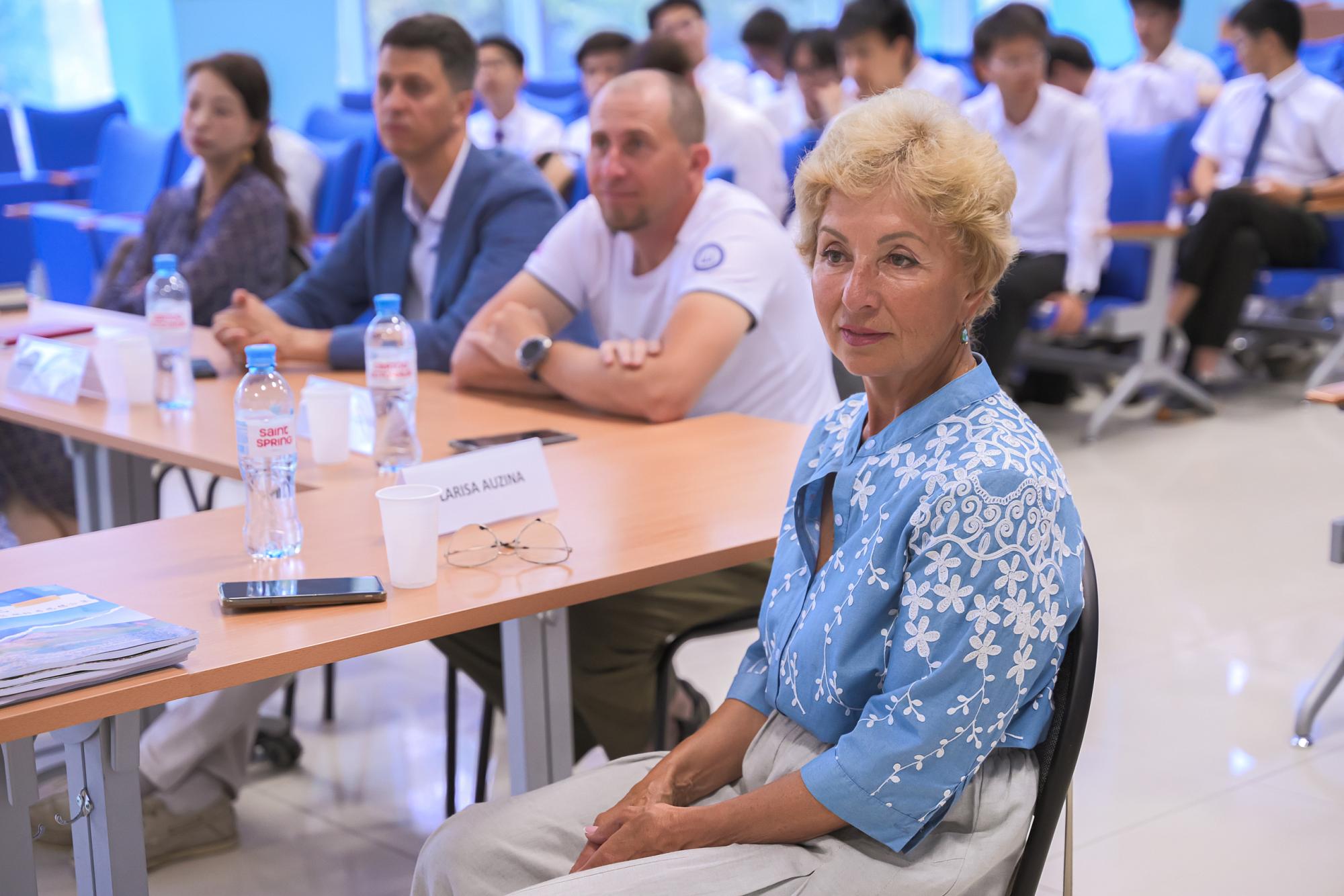
According to Larisa Auzina, Head of the Hydrogeology Laboratory at the Siberian School of Geosciences of INRTU, Candidate of Geological and Mineralogical Sciences, Associate Professor, the expedition consists of three main stages.

"Field practices, launched in 2008 under the supervision of Professor Raisa Lobatskaya from INRTU, brought together Russian and Chinese faculty and students in a comprehensive study of the geological-structural and ecological-hydrogeological features of the Olkhon region and the promotion of unique natural sites in the central part of the Baikal Rift Zone. Since 2025, sampling of surface and groundwater in the region has begun for the purpose of environmental monitoring.
The first stage of the expedition is organized on ships across Greater Baikal and the Maloe More Strait: rapid analysis is carried out and surface water samples are collected. The second stage involves bus and foot routes to study coastal ecosystems. The third stage, conducted for the first time this year, includes monitoring studies on yachts along the Irkutsk Reservoir," said Larisa Auzina.
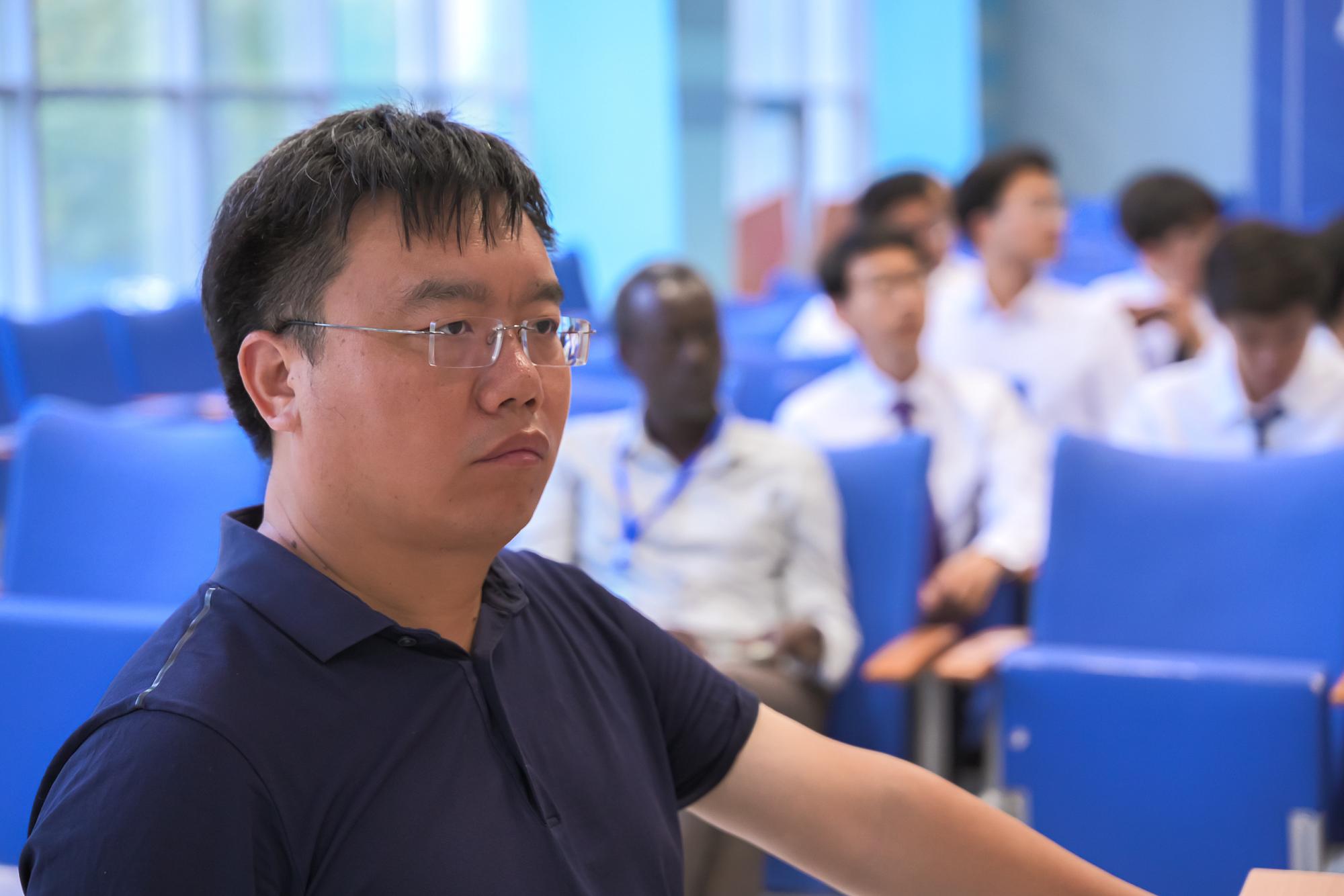
On the Chinese side, the project is overseen by Professor Zhang Yongzhan from Nanjing University, who holds a PhD in coastal geomorphology. In his view, the project on Lake Baikal represents an effective international partnership:
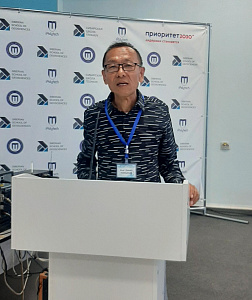
"The lake provides abundant material for the study of coastal geomorphology and ecosystems. In each group, Russian and Chinese students work together, which facilitates the exchange of ideas. The focus is on coastal geomorphology, which studies the evolution of coastal landforms."
Based on the research results, the students prepared reports. Among the topics were the assessment of the Baikal Rift Zone (BRZ) using machine learning, the ecology of the BRZ hydrosphere as a source of water supply, and changes in vegetation on the Olkhon Plateau. Cultural and geographical features of the dietary preferences of Russians in the Baikal region were also studied.
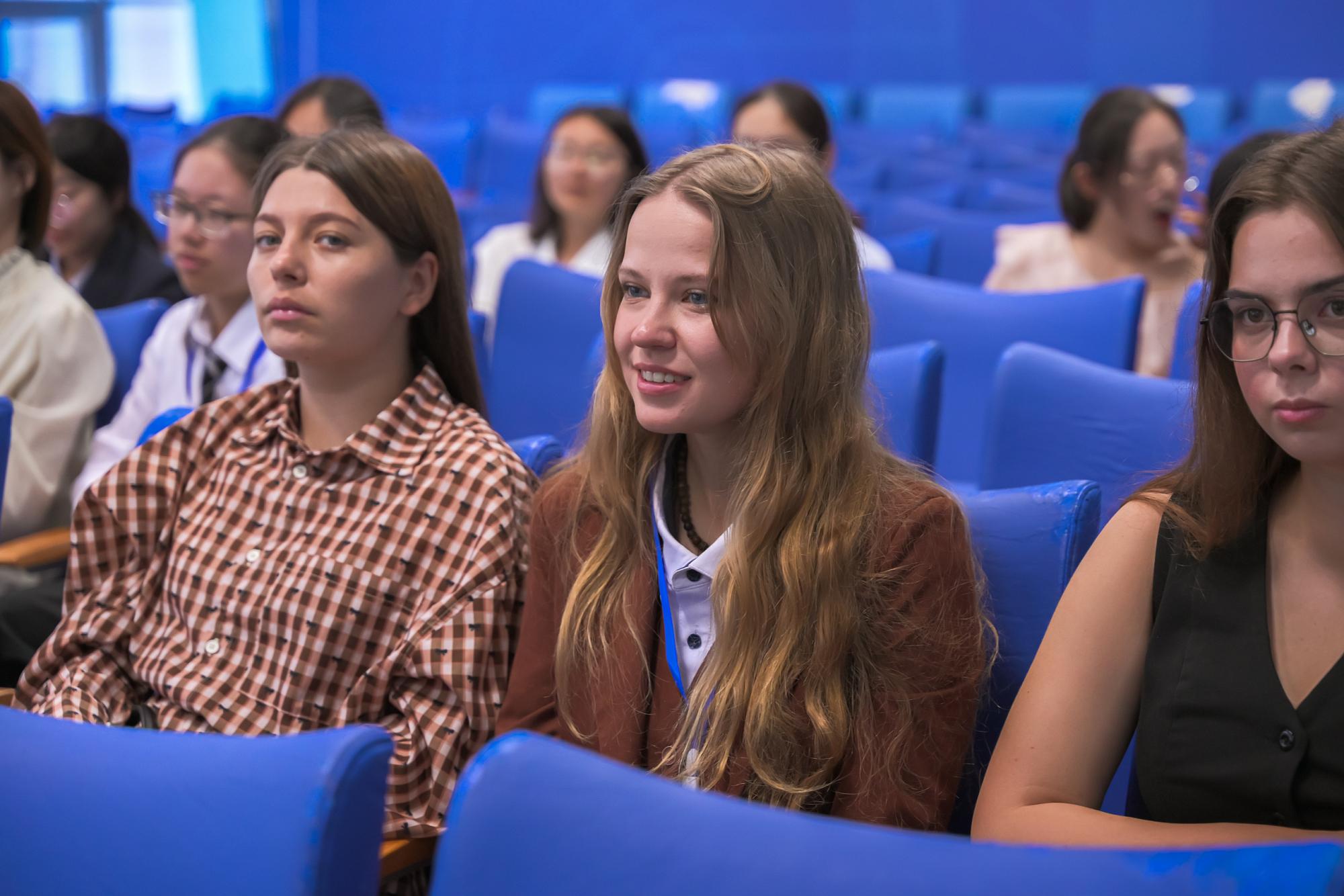
According to Lyubov Mordovina, a second-year student at the Siberian School of Geosciences (group ITGb-25), the expedition allowed her to look at the familiar Lake Baikal from a different perspective:
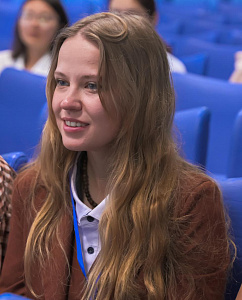
"It turned out that a significant portion of the most picturesque locations are difficult to access by land transport. Participating in this project together with my Chinese colleagues has been a unique professional and personal experience for me."
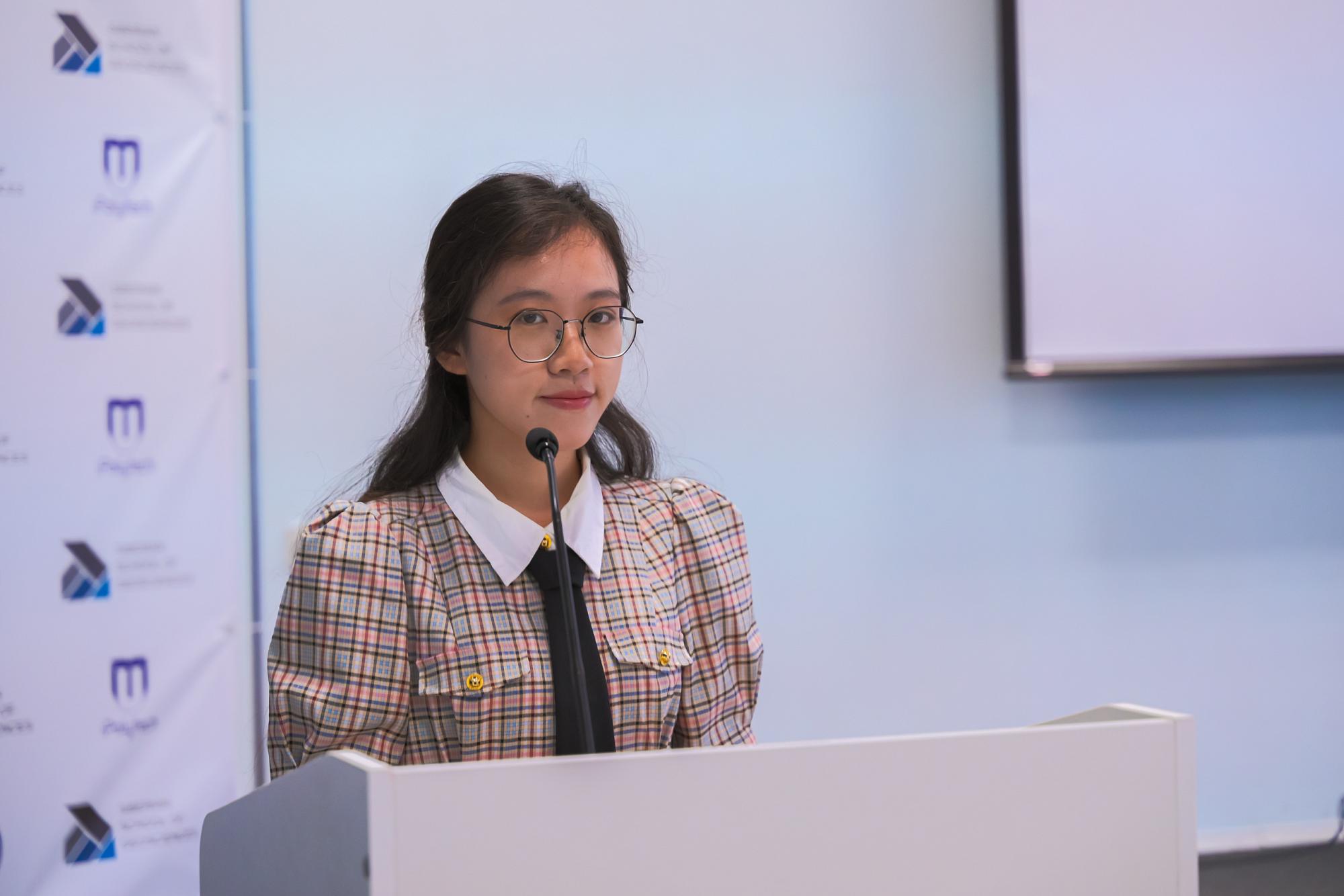
The research group was led during the expedition by Zhan Ningli, a student from Nanjing University. She noted that the experience helped her develop a variety of skills - from scientific reasoning and overall coordination to time management and self-care.
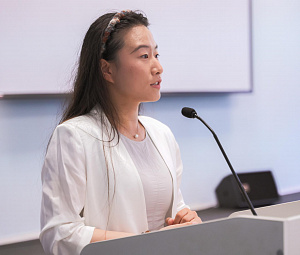
"We found ourselves in conditions that were radically different from our usual realities. This broadened our horizons, strengthened our patience, and deepened our interest in the work.
Under the guidance of Professor Zhang Yongzhan, the group was divided into three teams: logistics (equipment and supplies), information (filming and design), and science (geological materials). Thanks to the clear division of responsibilities and the conscientious work of all participants, the expedition was a success," added Ningli.
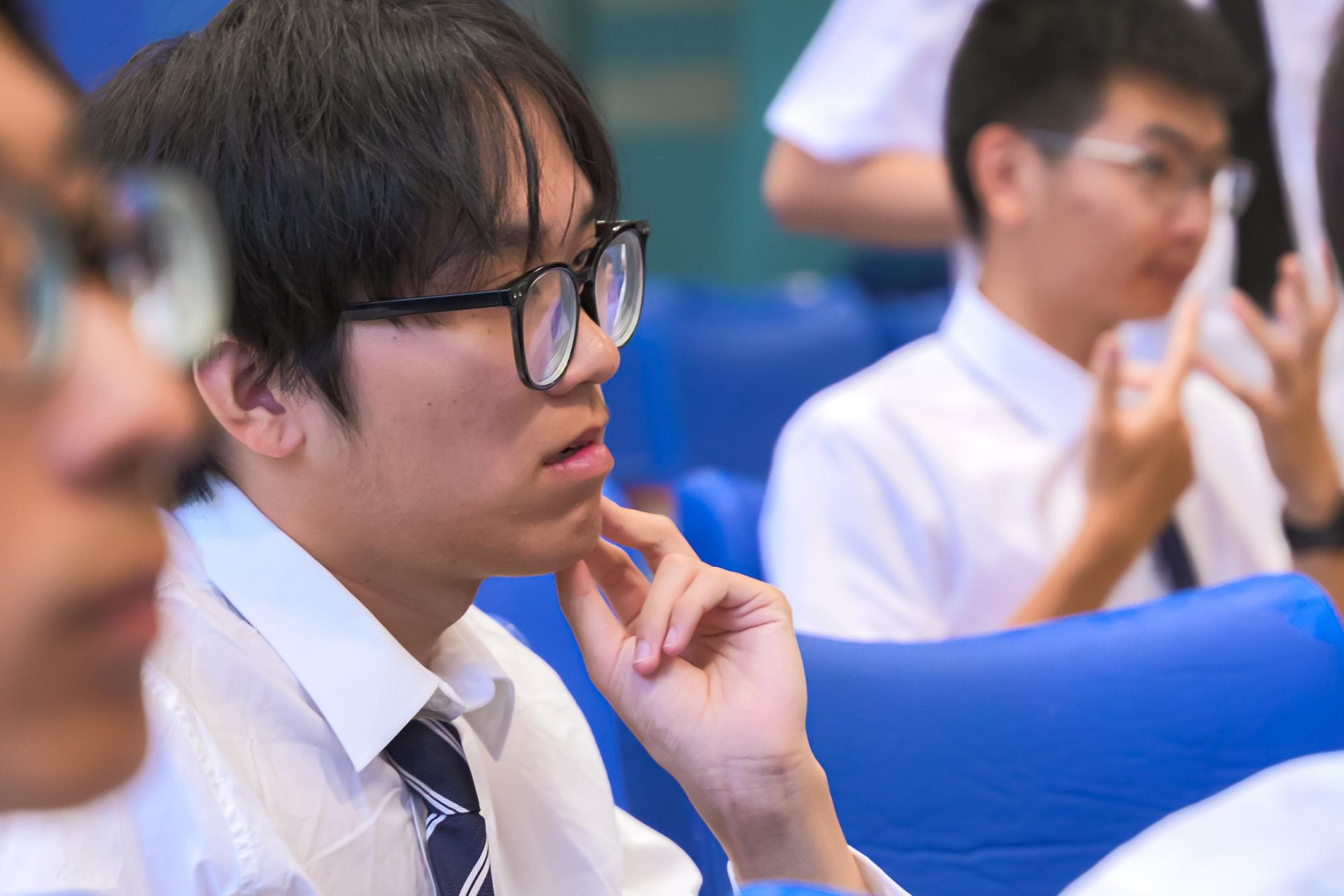
Liu Xingjie, a second-year student at Nanjing University, highly praised the team spirit of the participants. To make future trips even more productive, he suggested involving experts in biology, ecology, and meteorology. Such an interdisciplinary approach, in the Chinese student's opinion, would allow for a new perspective on scientific tasks.
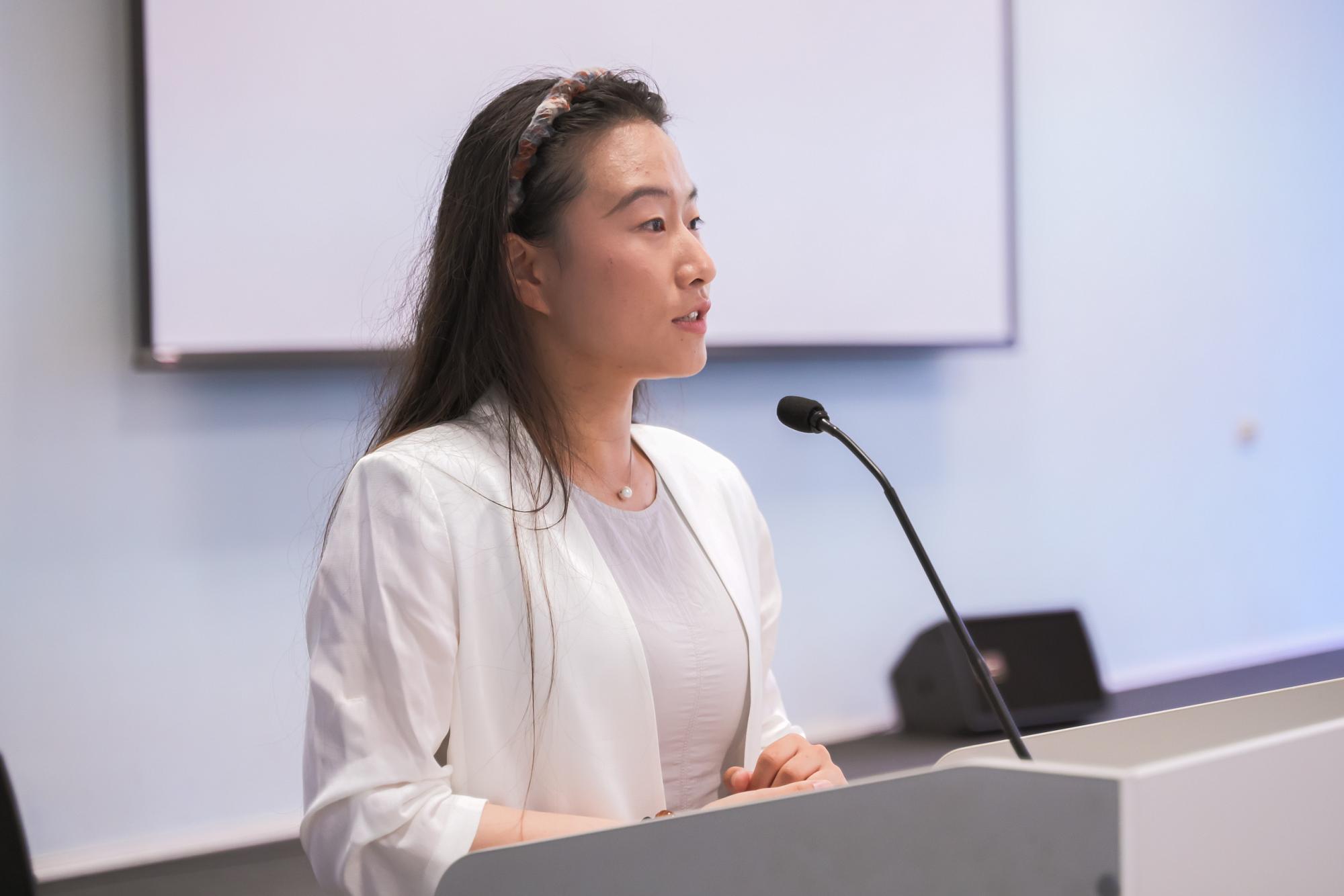
Zang Zhi, a student from Nanjing Normal University, expressed her gratitude to the organizers and participants of the project:

"I truly enjoyed working alongside all of you and facing challenges together."
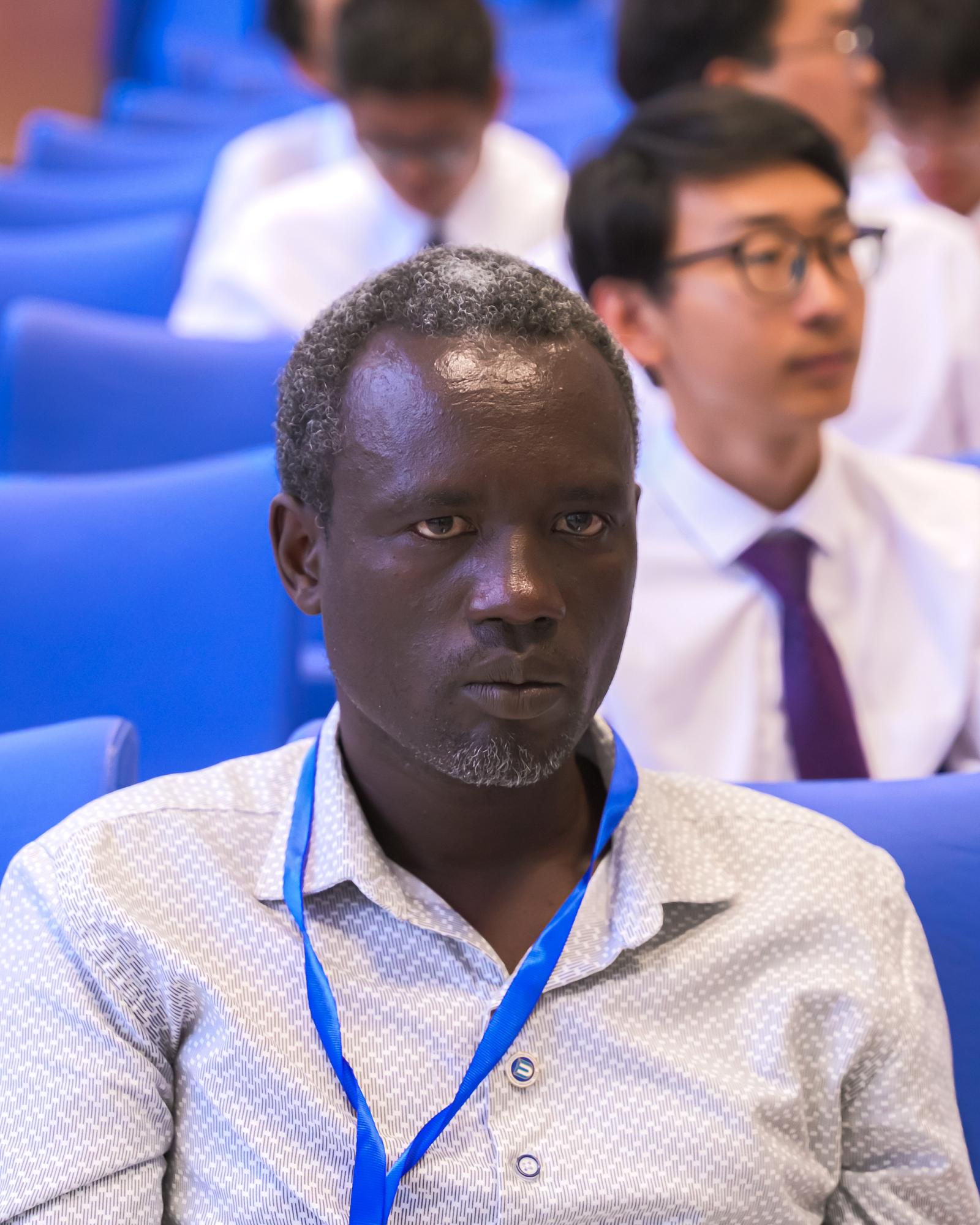
Yoshe Agegnehu Kitanbo, a Candidate of Geological and Mineralogical Sciences and an INRTU postgraduate alumnus, characterized the expedition as a meaningful experience that equipped him with essential knowledge for his ongoing research work.
To conclude the event, the INRTU organizers presented all project participants with certificates and memorable gifts.