INRTU Takes to the Angara With Eco-Monitoring Sailboats
The Siberian School of Geosciences has just added a new asset to its arsenal, a yacht designed to train geoscientists for marine research. The vessel has already been used for water sampling on the Irkutsk Reservoir as part of a water quality study. With this acquisition, INRTU is now launching its own "research fleet."
The vessel was presented at the Politekhnik camp during the opening of the All-Russian Seminar on the Modern Prospecting, Exploration and Subsurface Resource Protection Methods which ran from May 18 to 24.
In September, INRTU's Siberian School of Geosciences (SSG) and the Irkutsk Region Sailing Federation formed the Baikal Student Sailing League consortium — a key part of the university's upd ated Priority 2030 development roadmap. The SSG team, which trains geoscientists with on-water field skills, led the initiative. The School also builds marine research equipment and manages academic and commercial projects on Lake Baikal, across Russia, and abroad.
Alongside the student sailing league, INRTU also established the SSG-based Navigation School. Students and staff have been learning navigation theory since the fall — and this summer, they'll finally get hands-on.
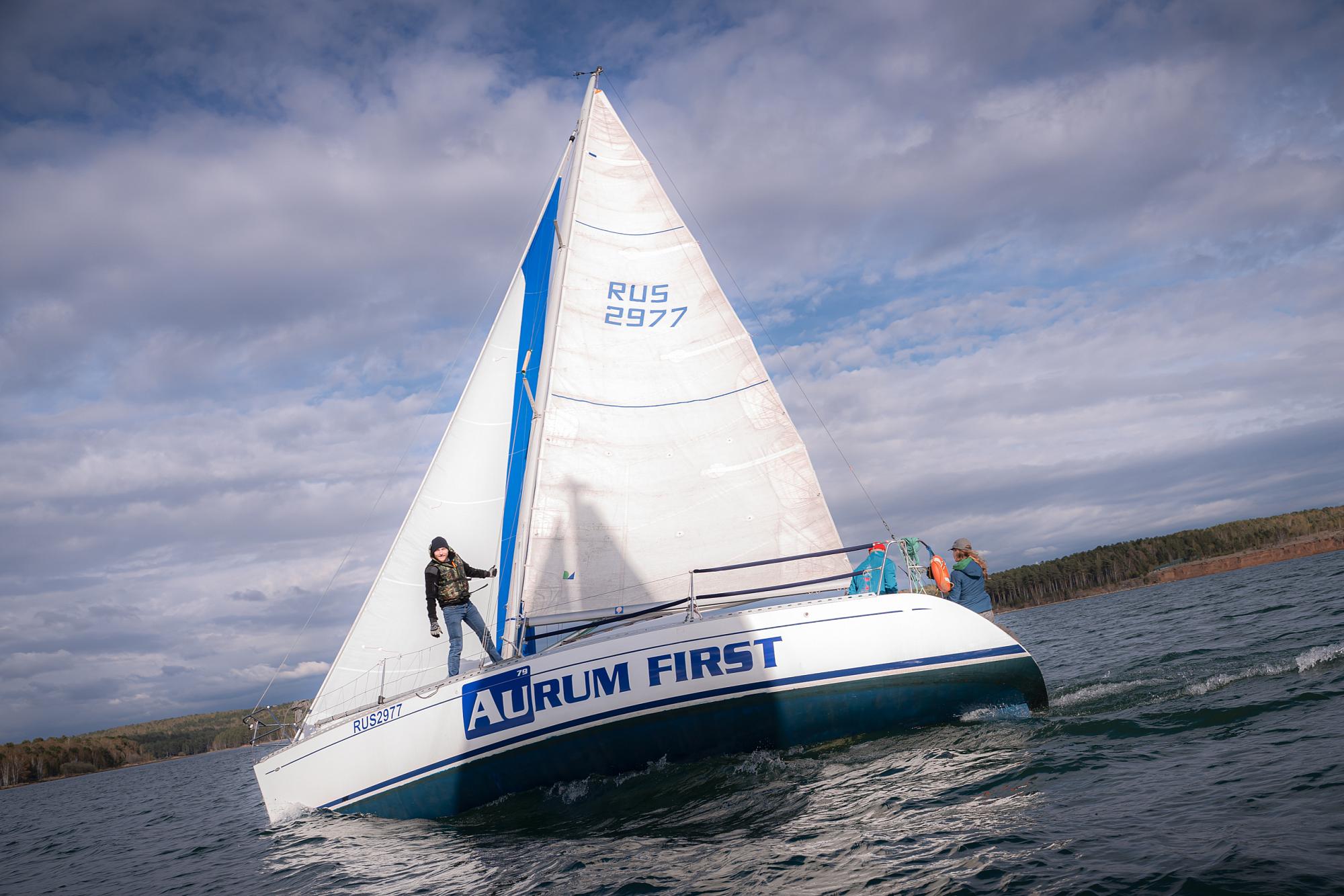
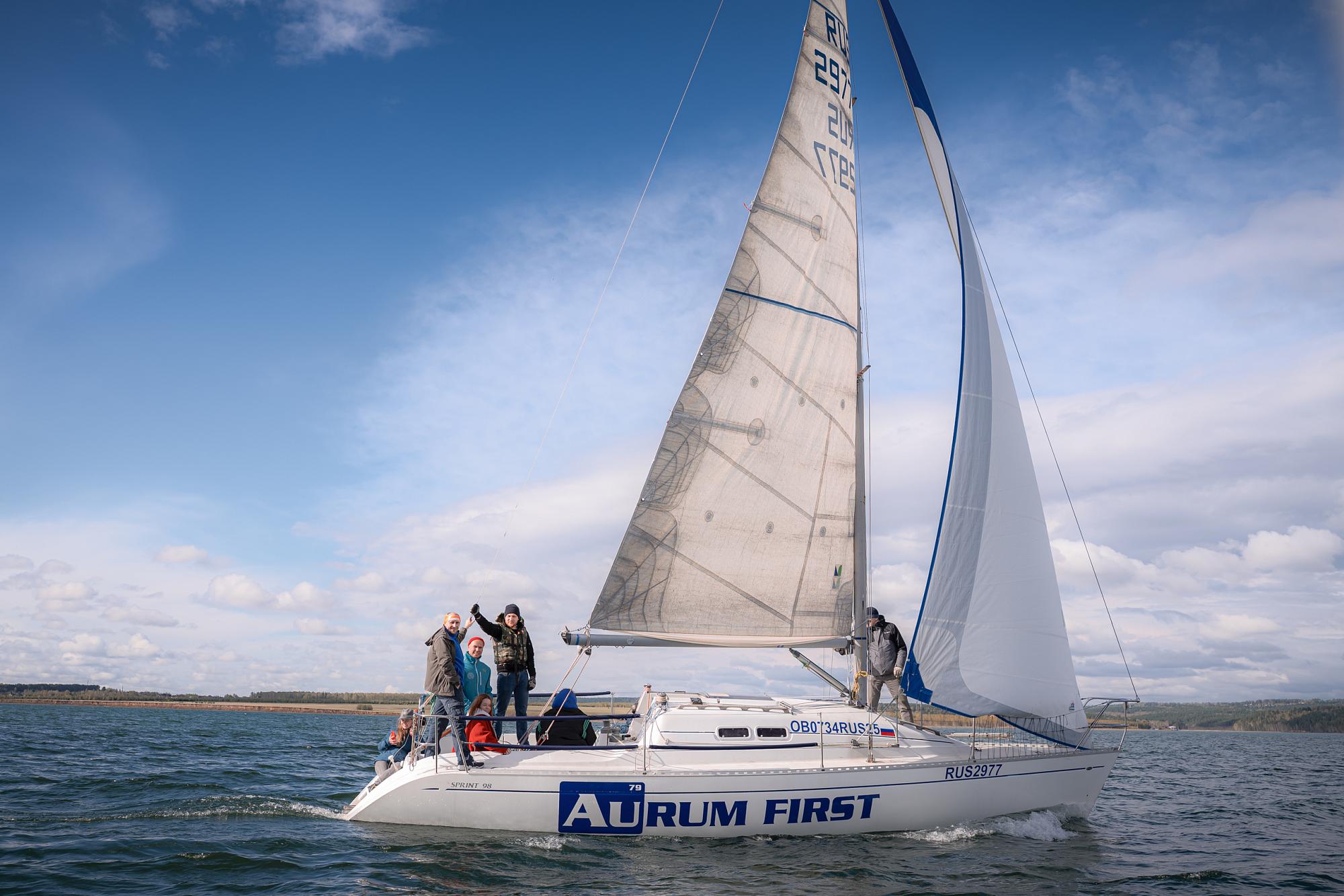
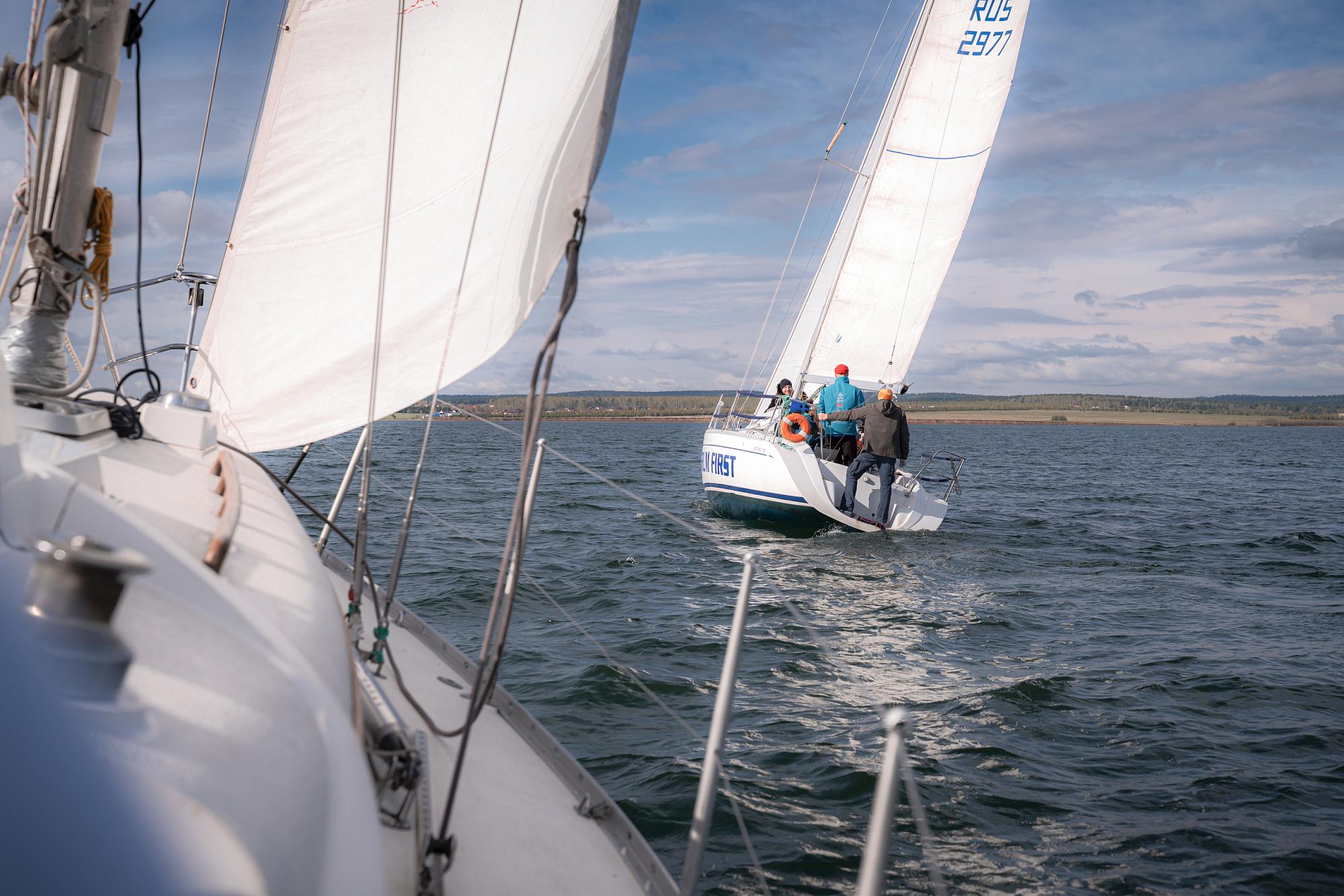
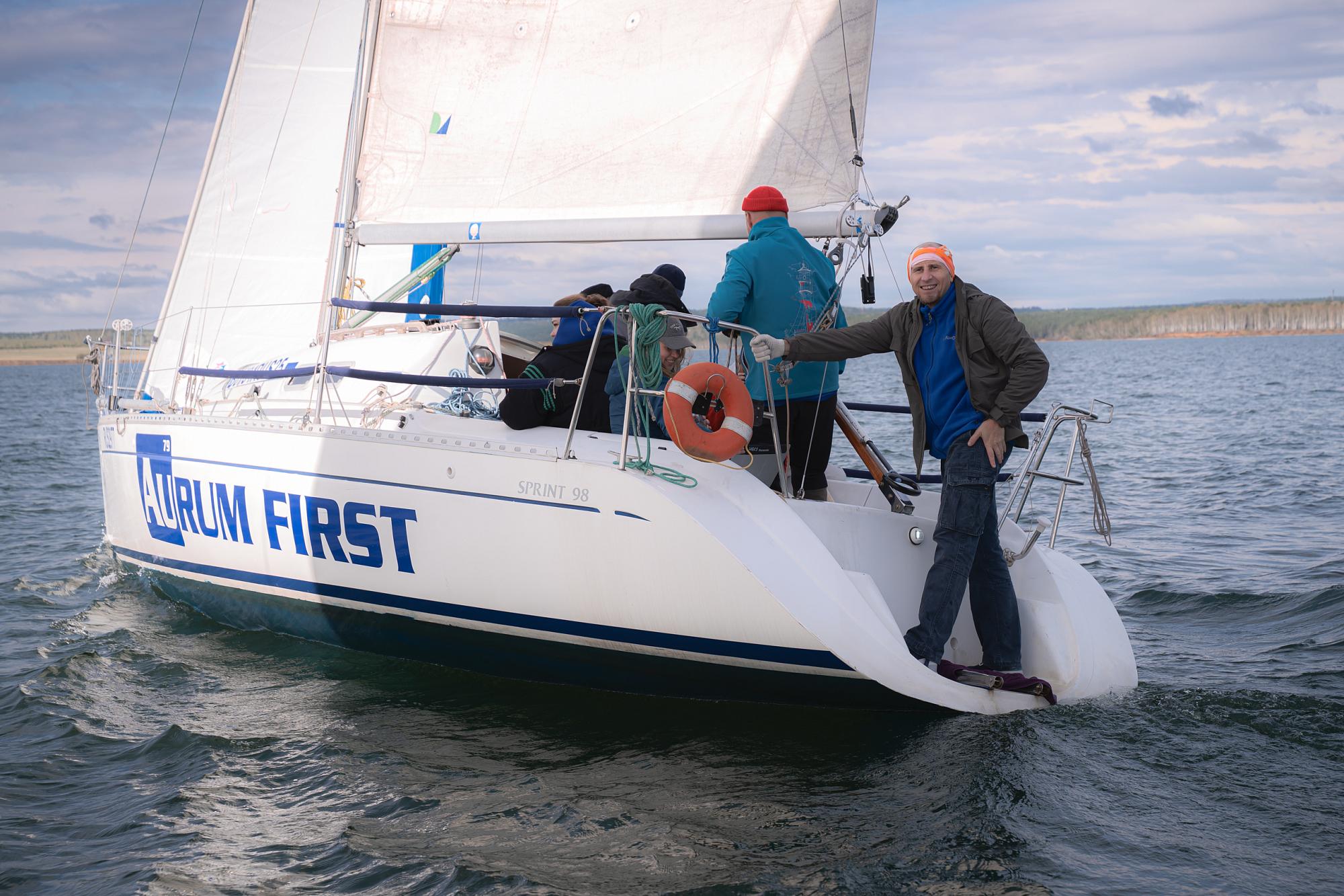
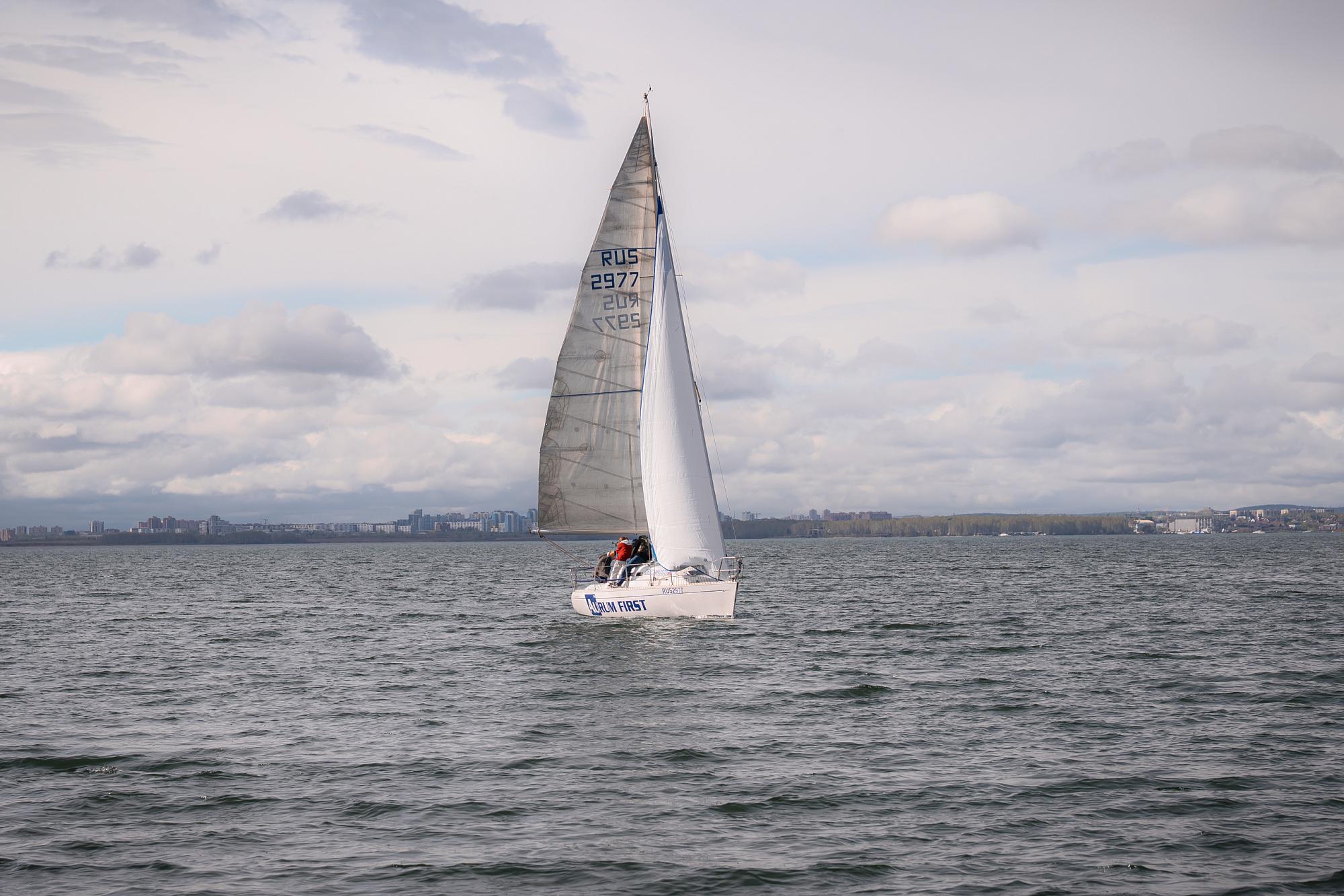
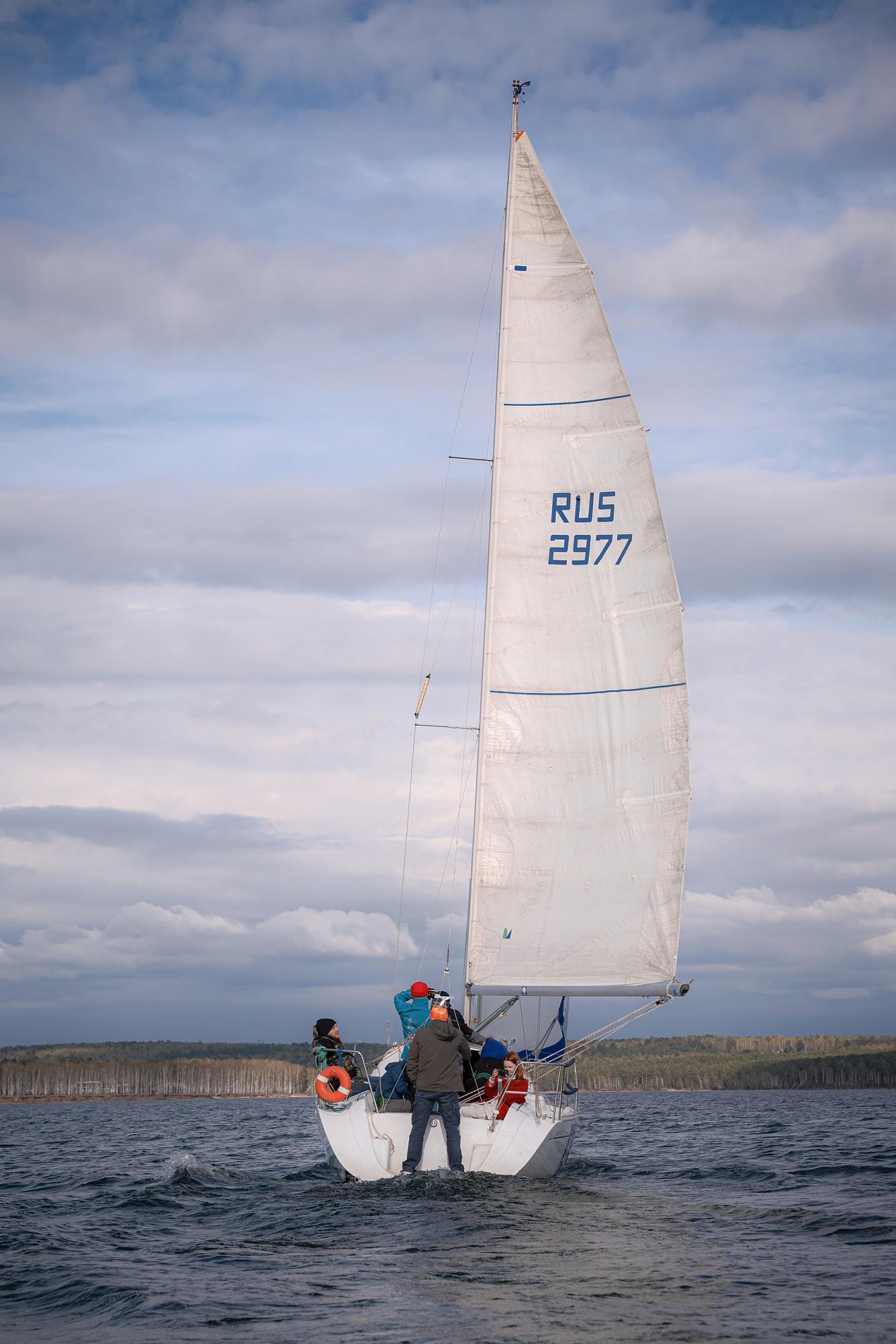
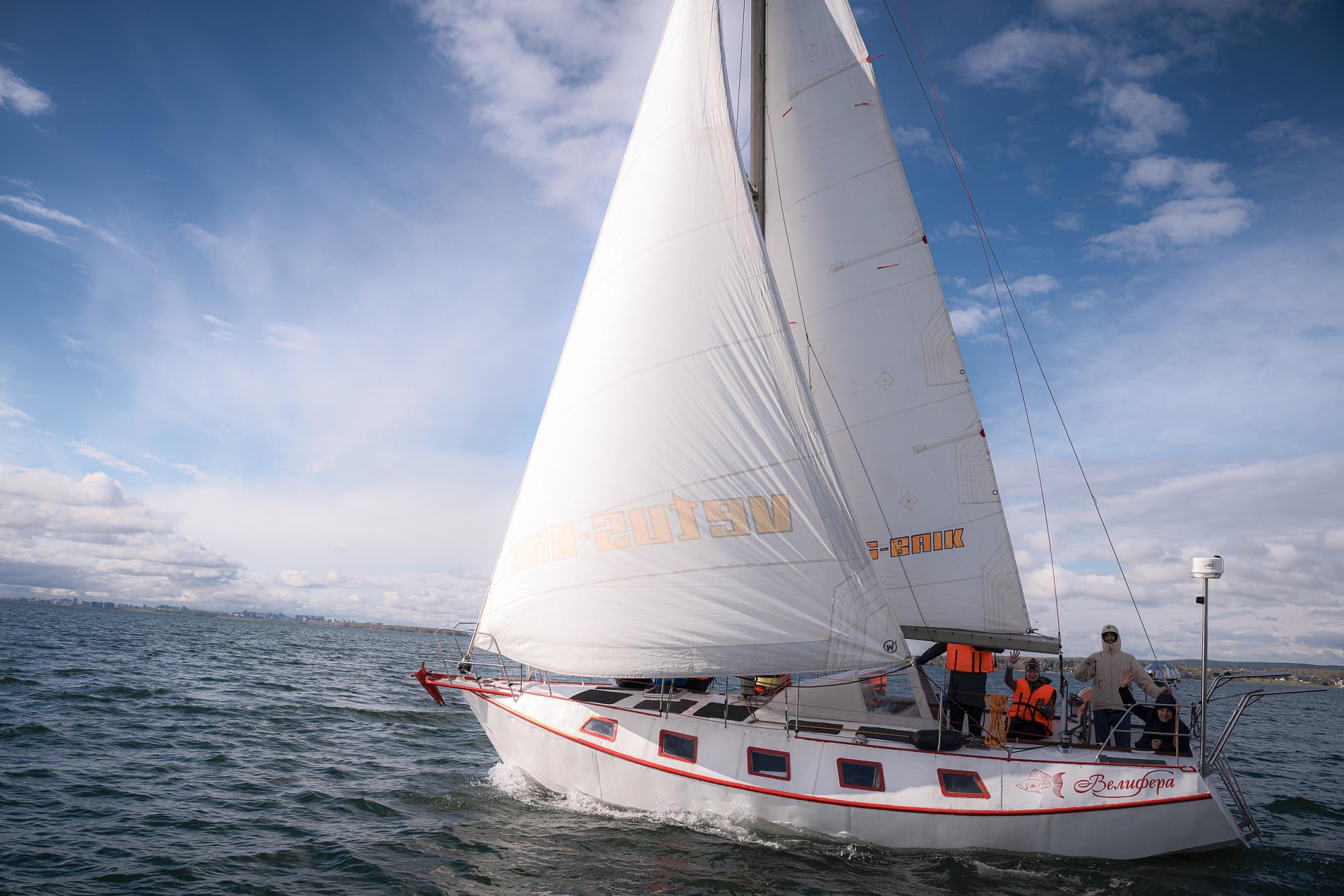
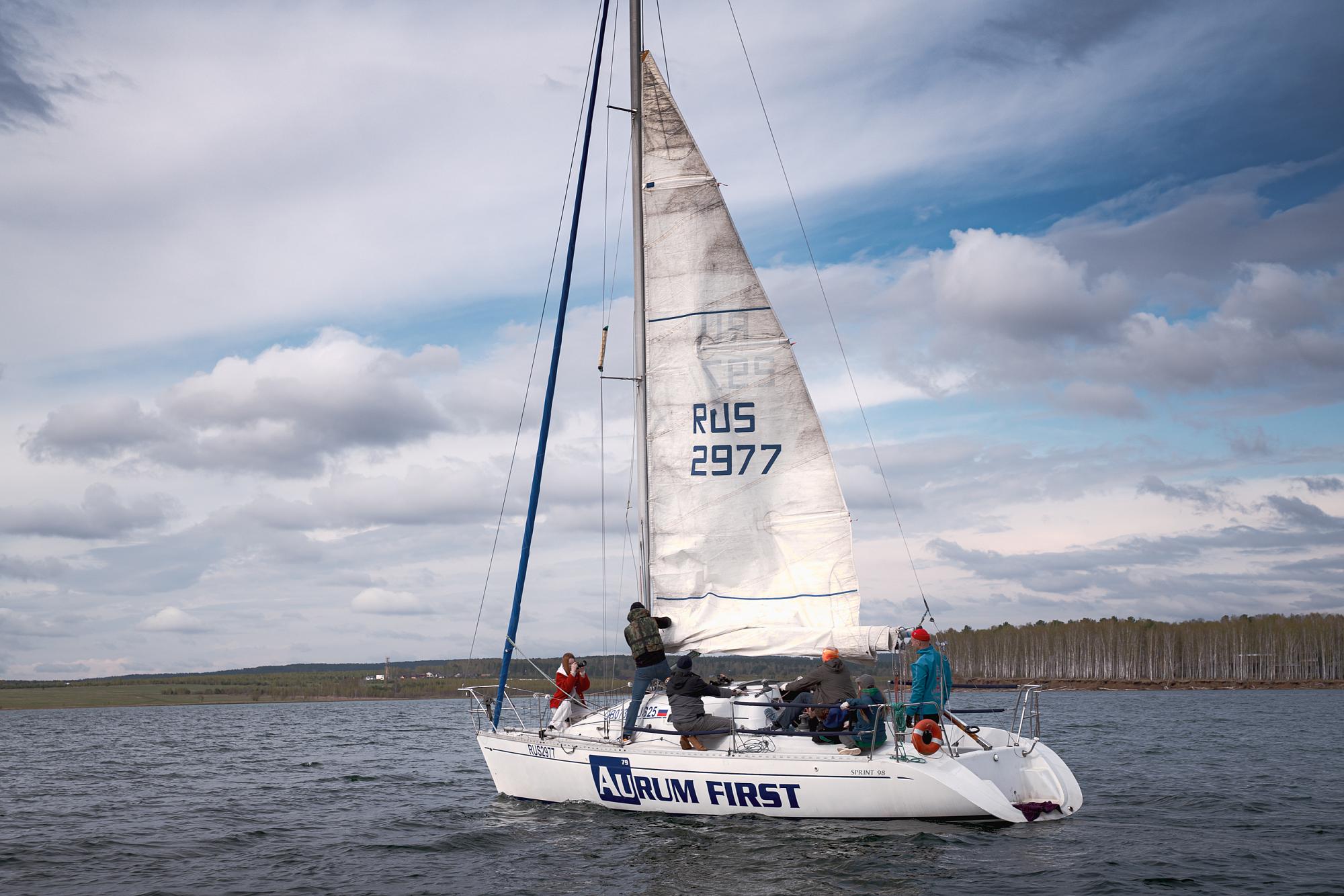
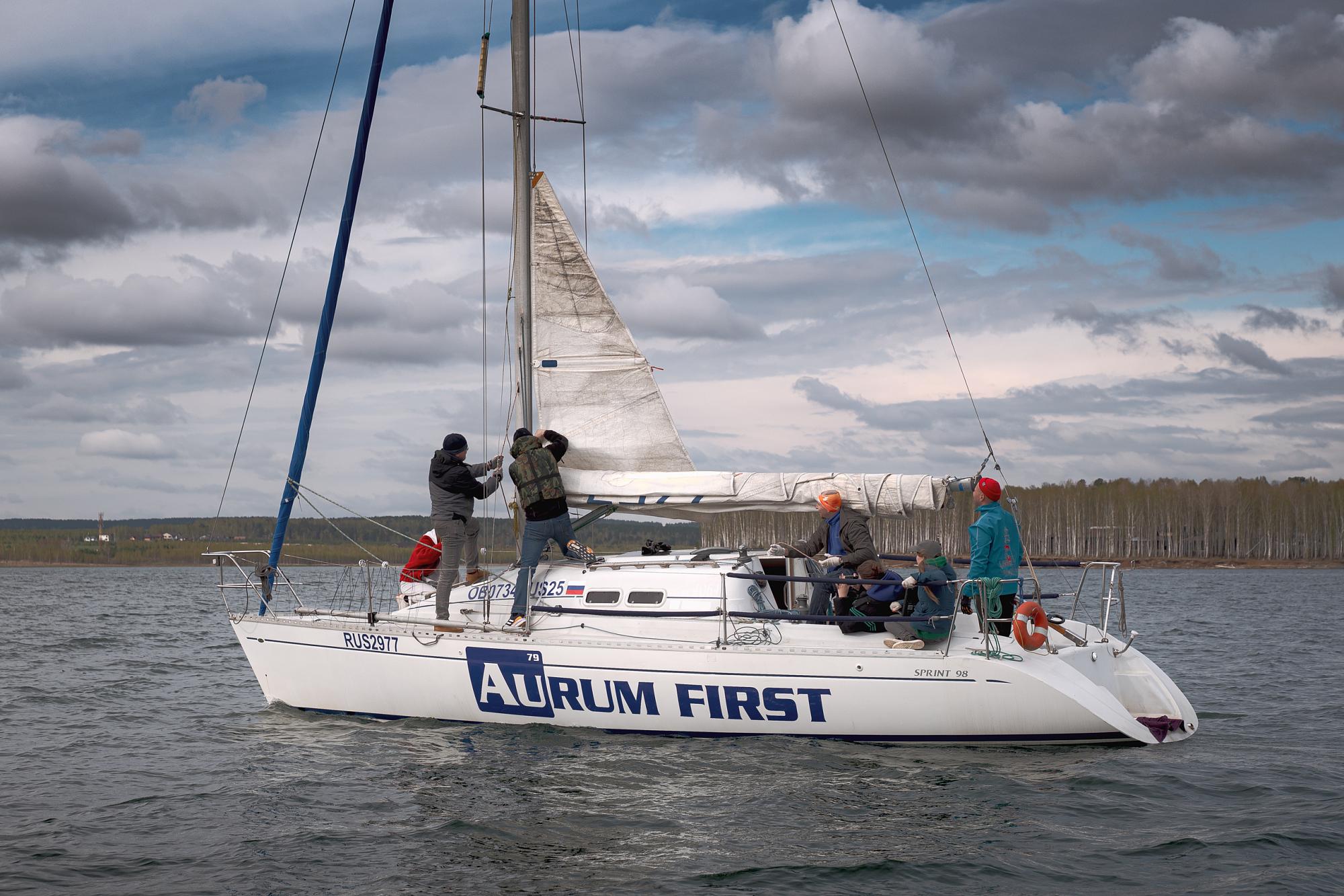
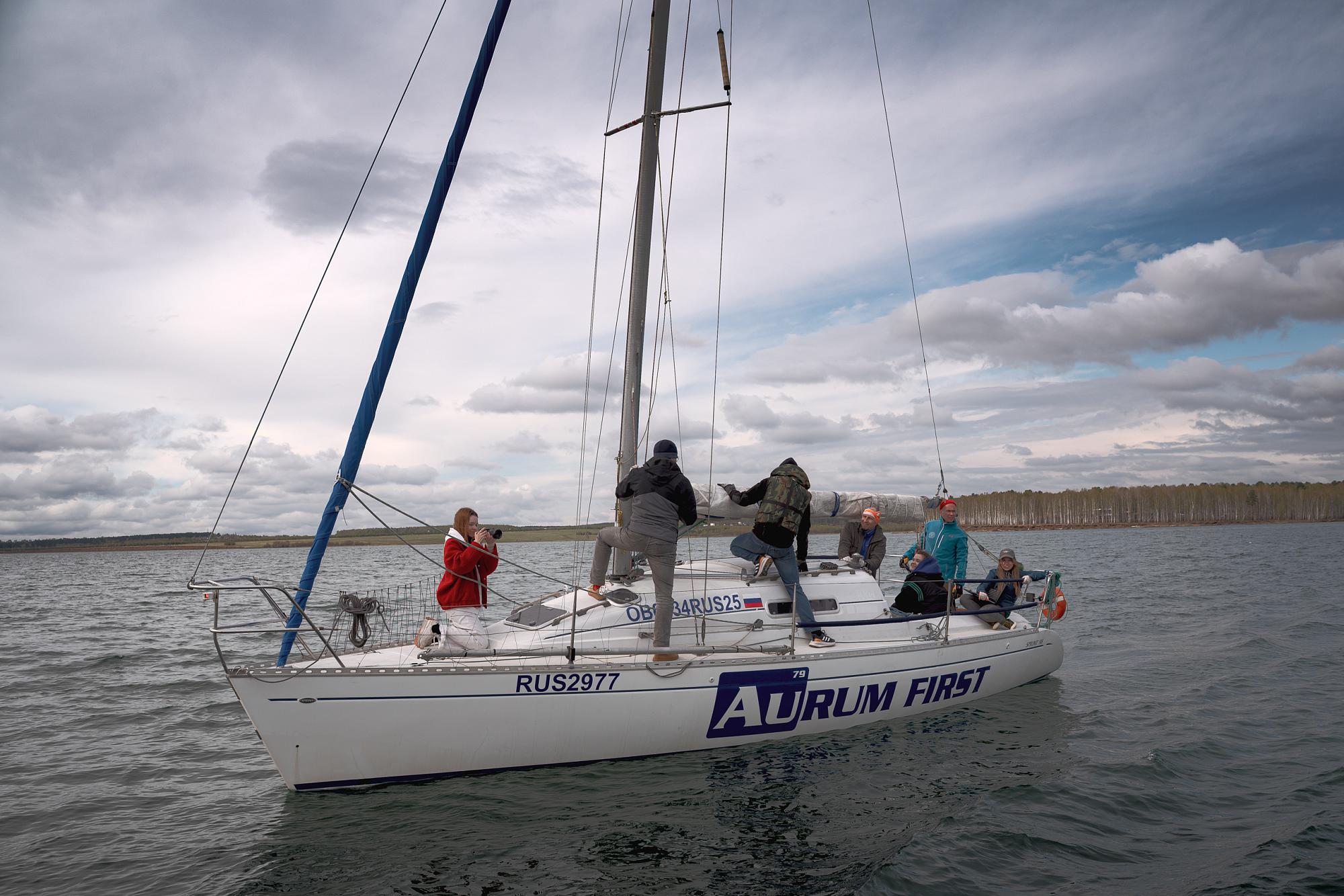
The first ship in the School's research fleet is a yacht named Aurum First. Delivered to Irkutsk from Vladivostok, the 33-foot sailboat offers both durability and speed. Its plastic hull has a key advantage over metal: it won't interfere with the geoscientists' gear.
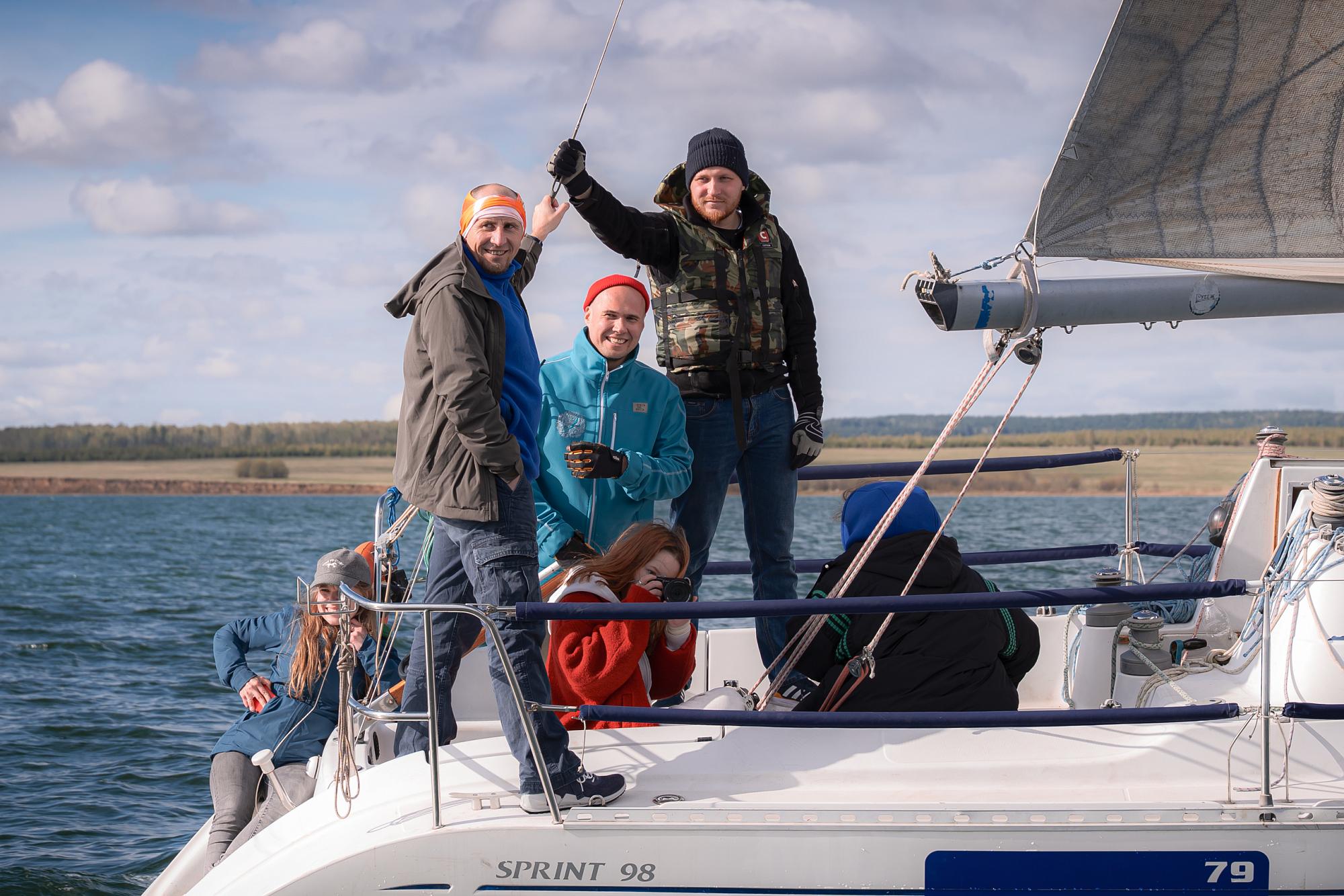
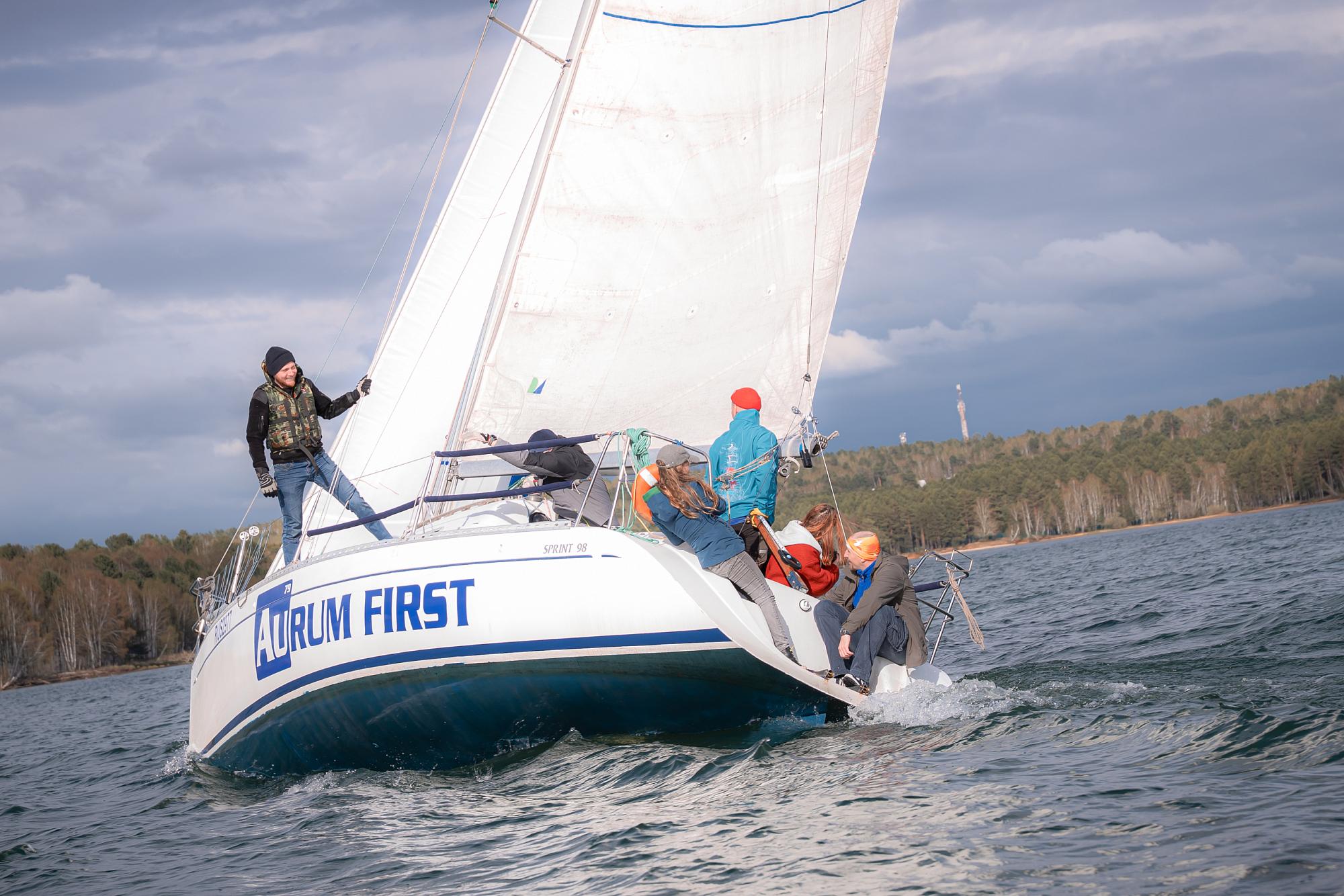
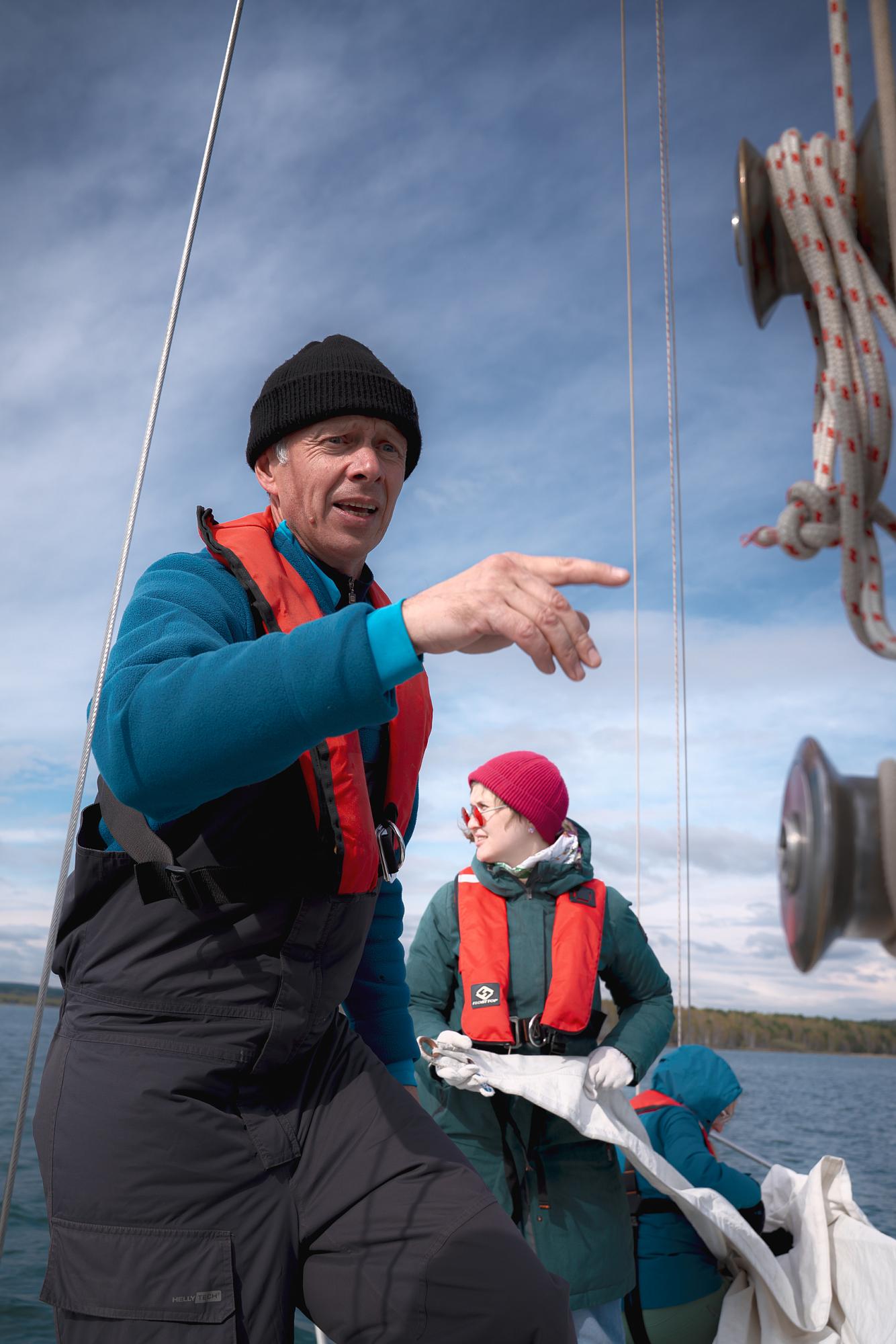
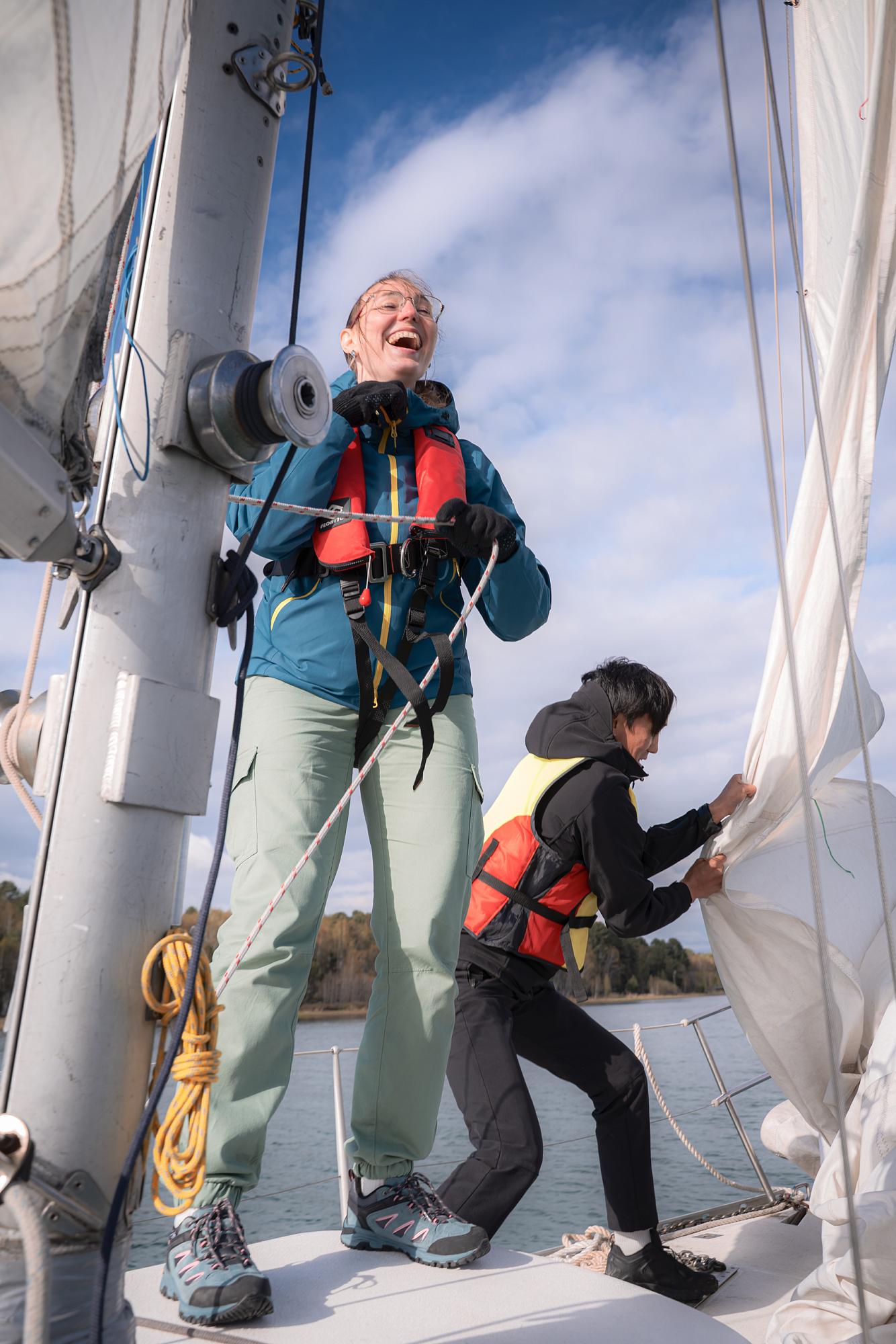
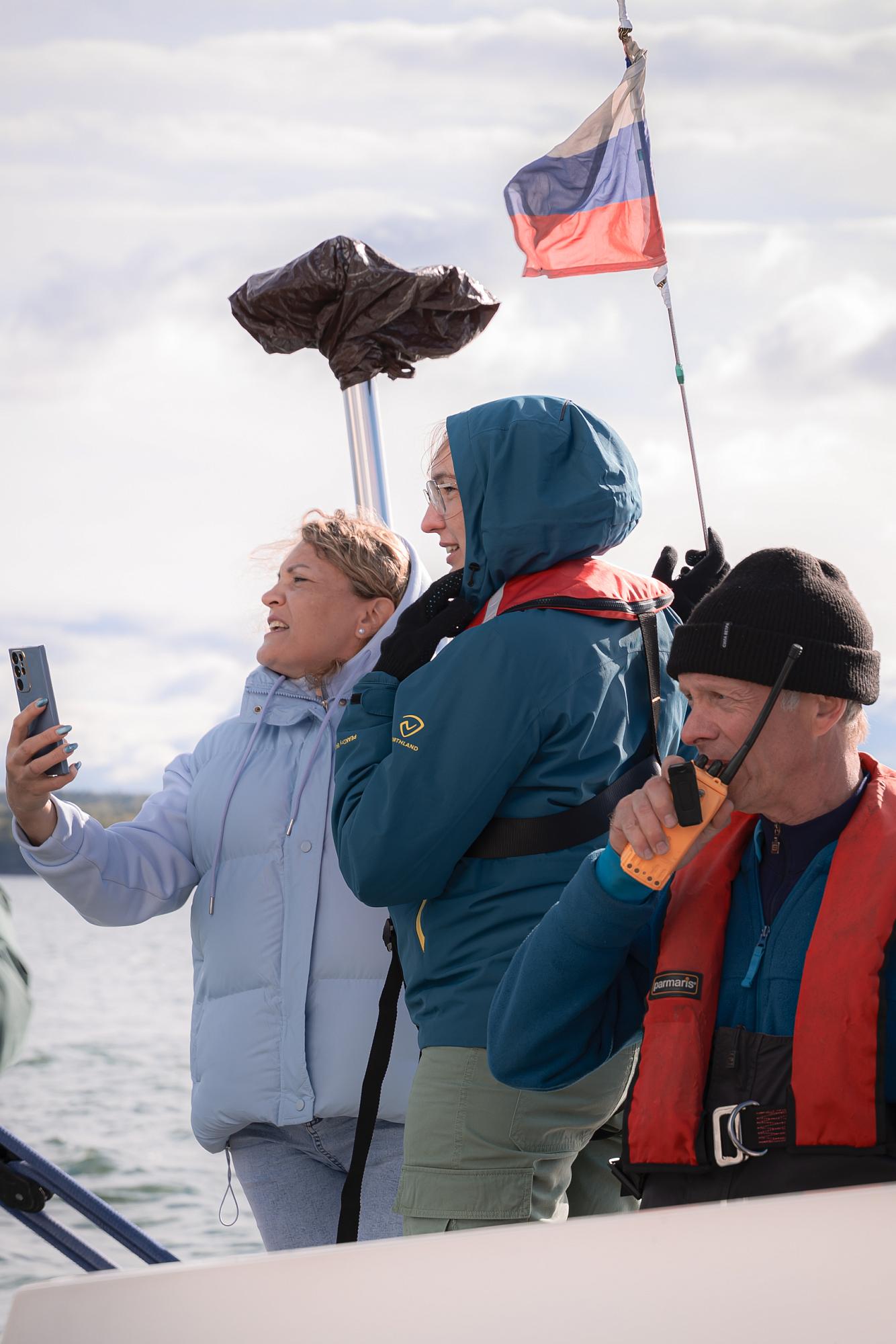
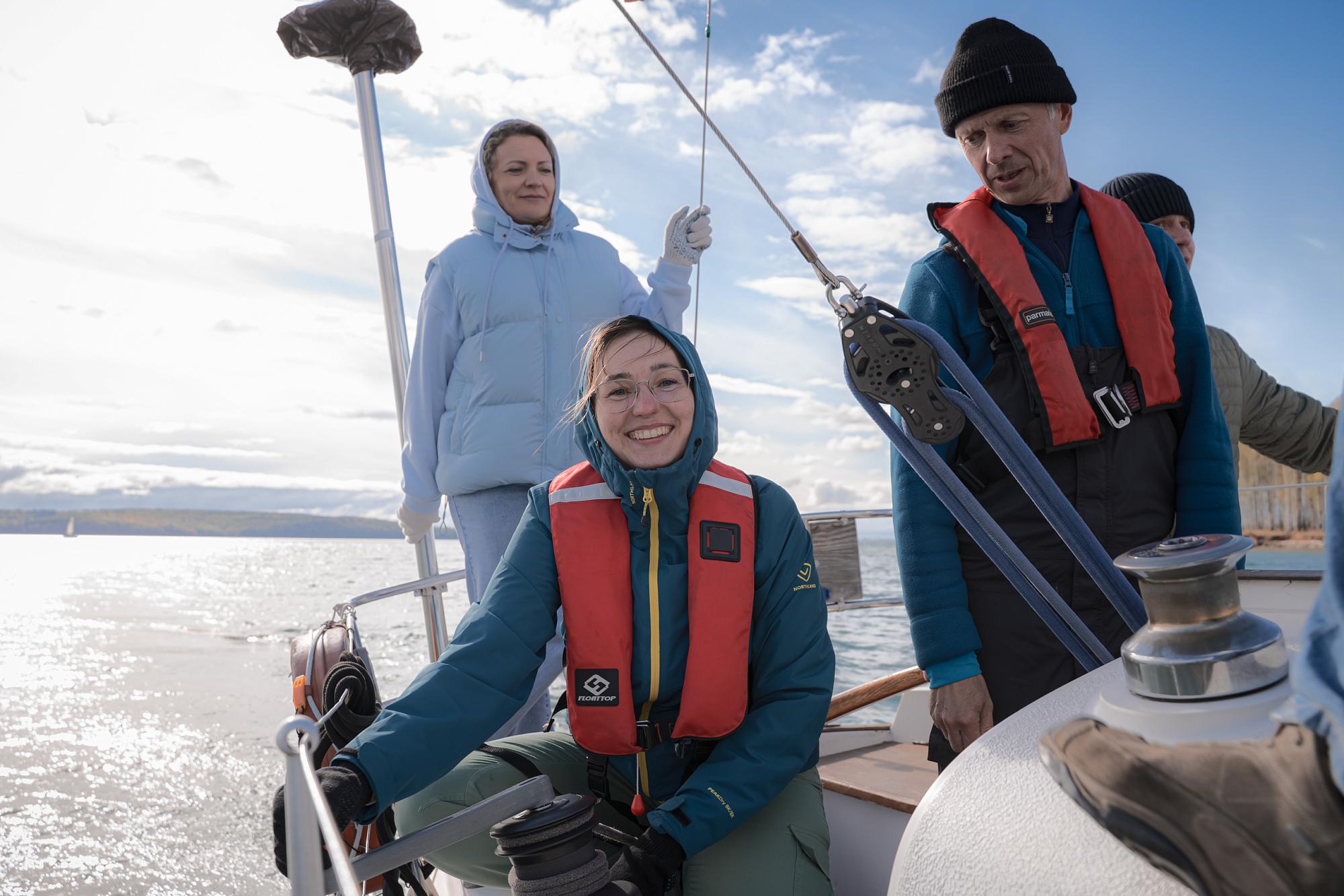
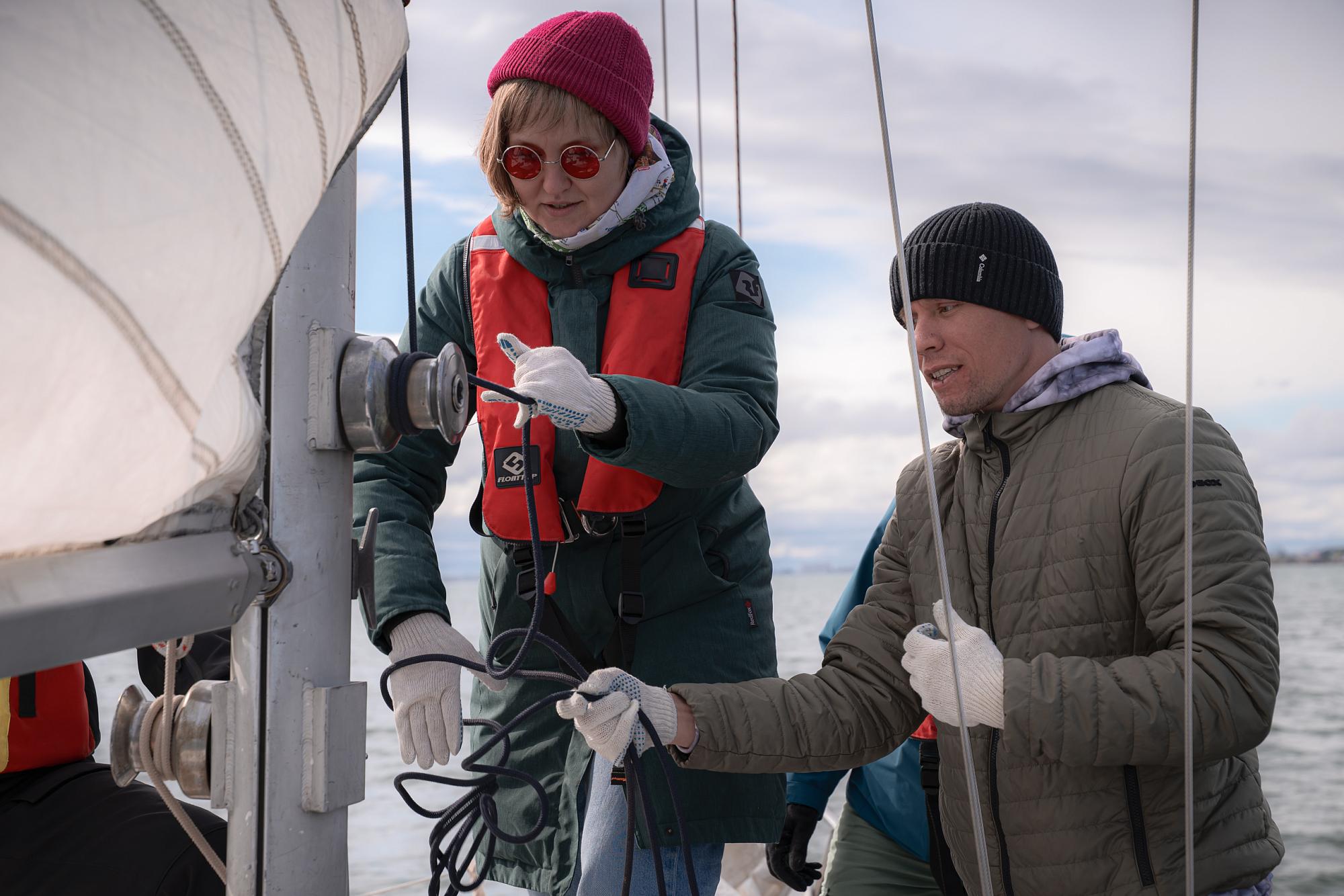
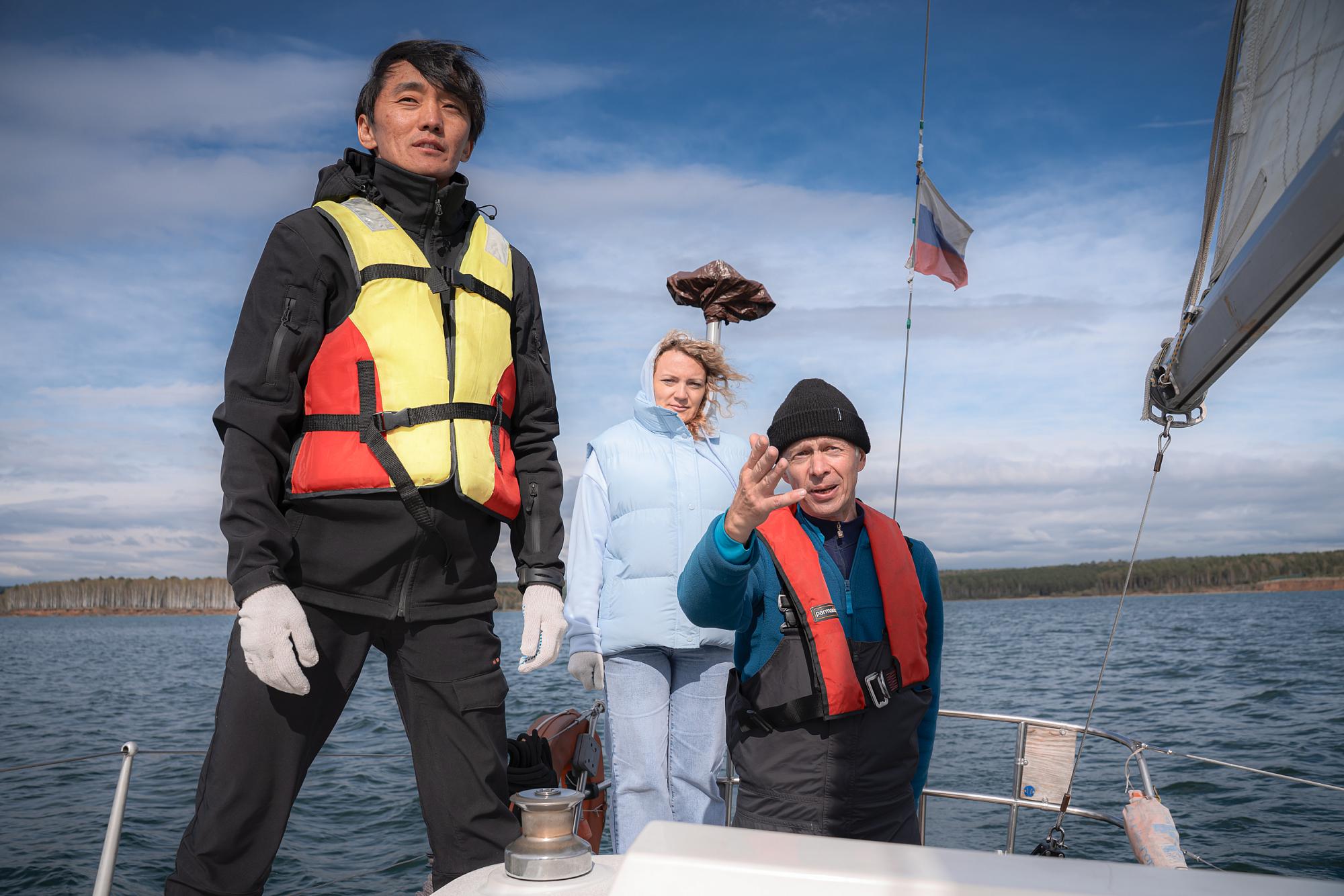
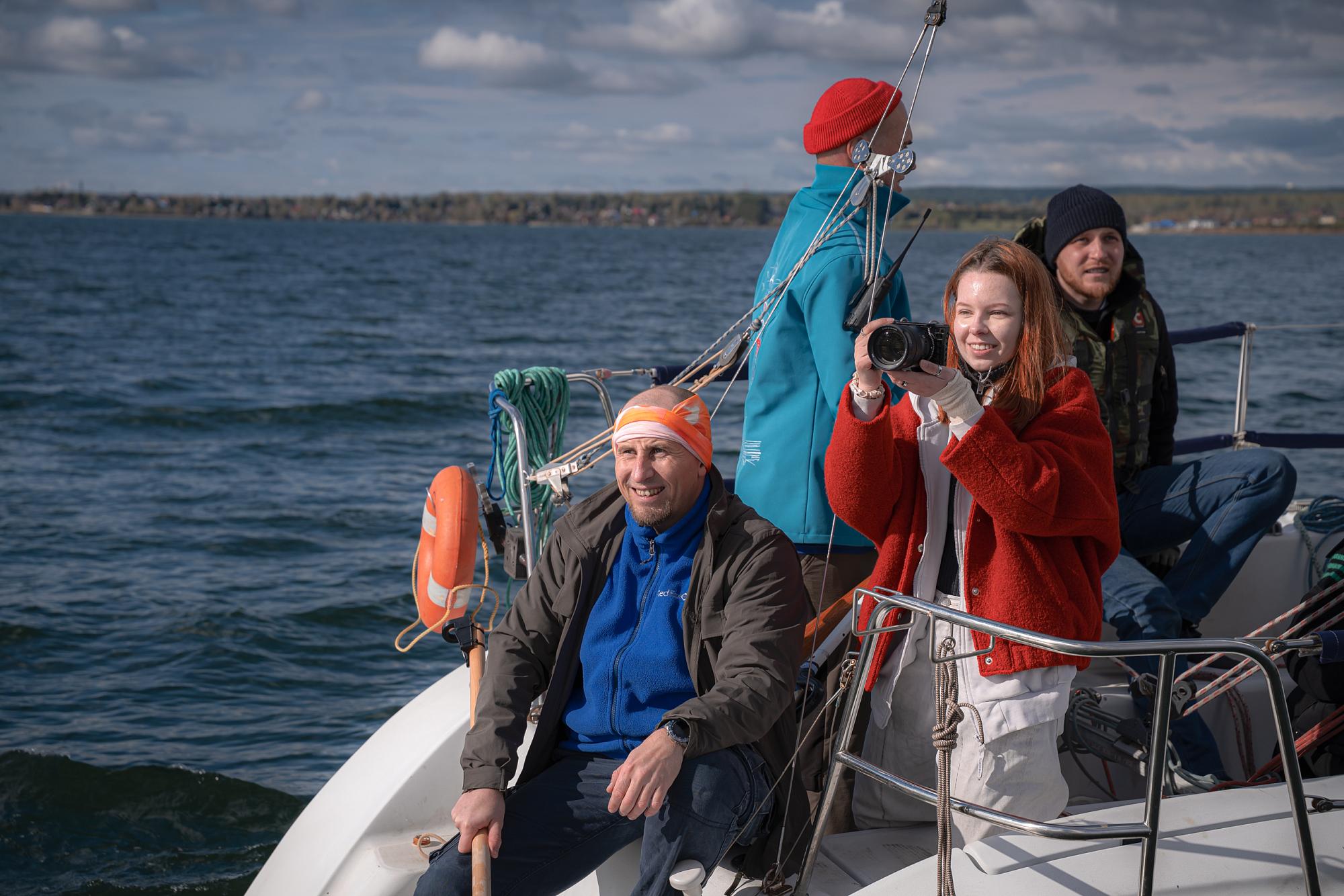
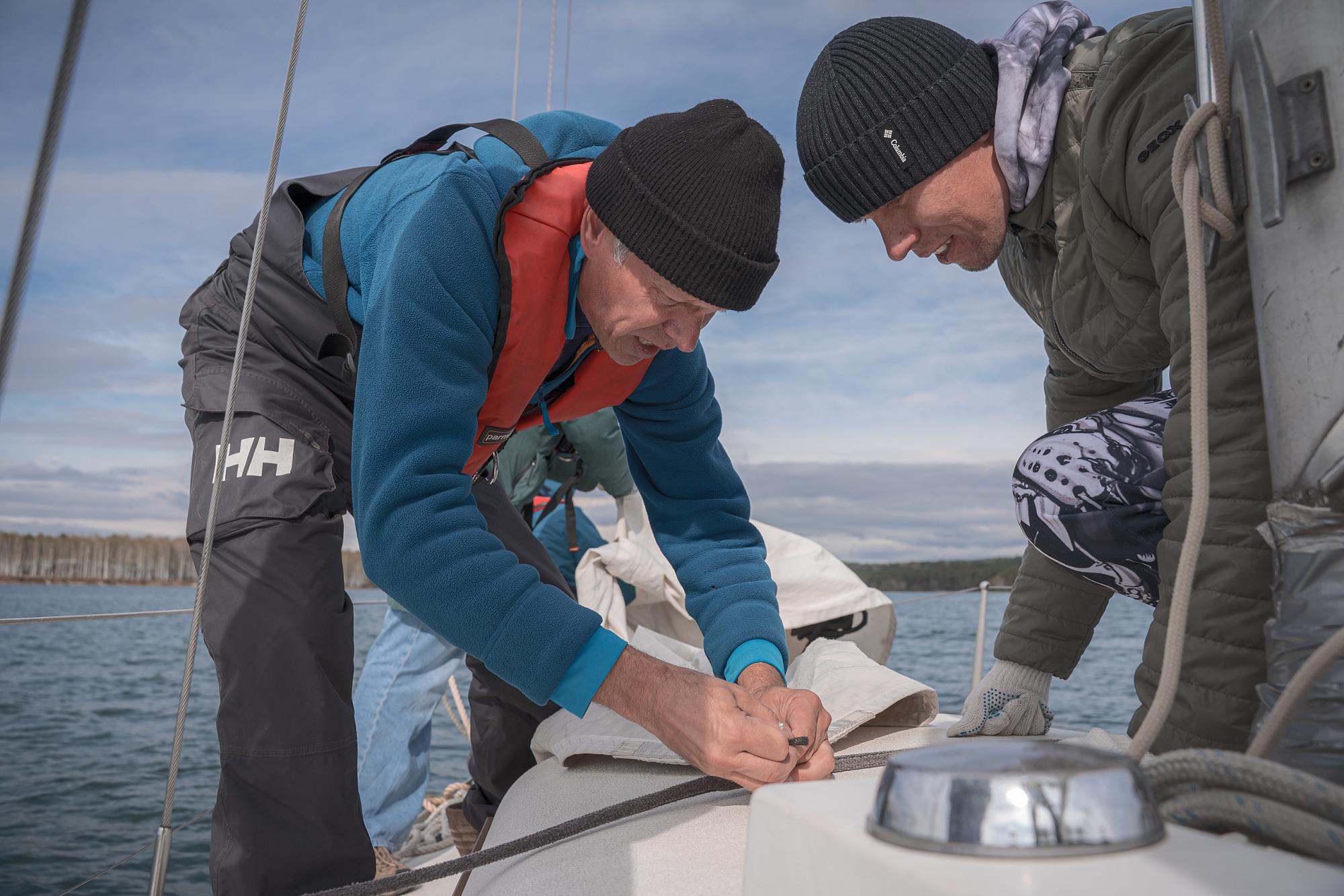
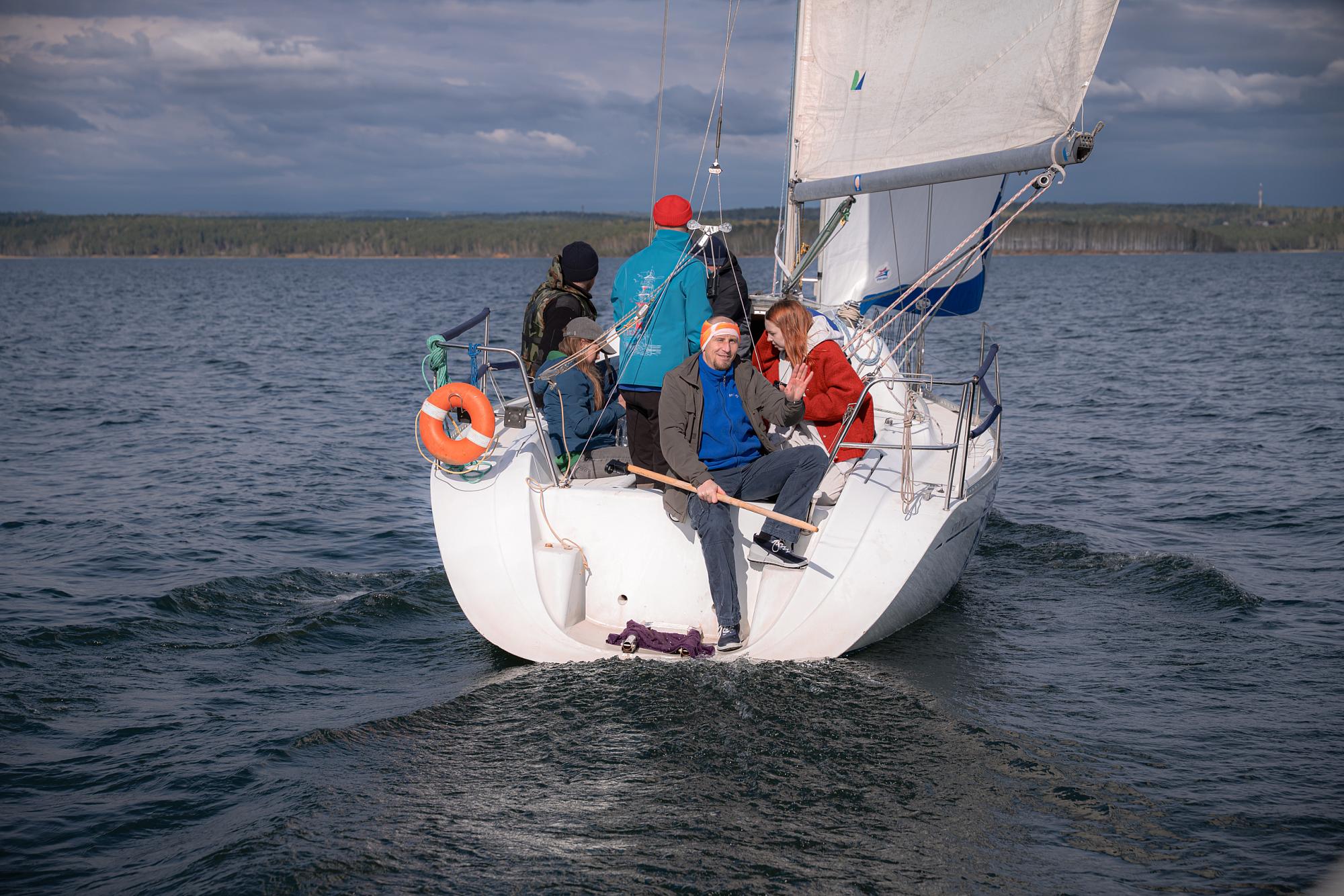
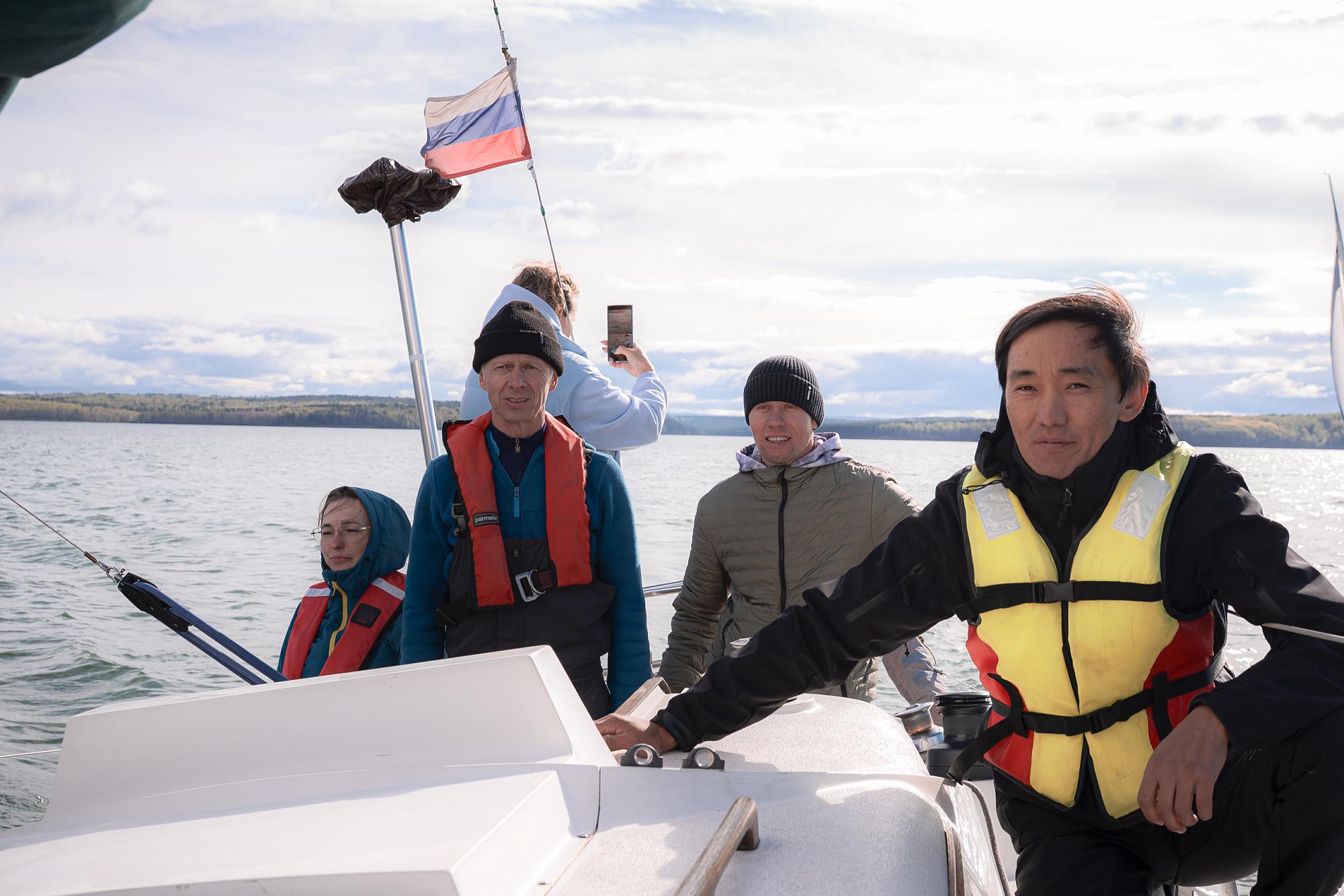
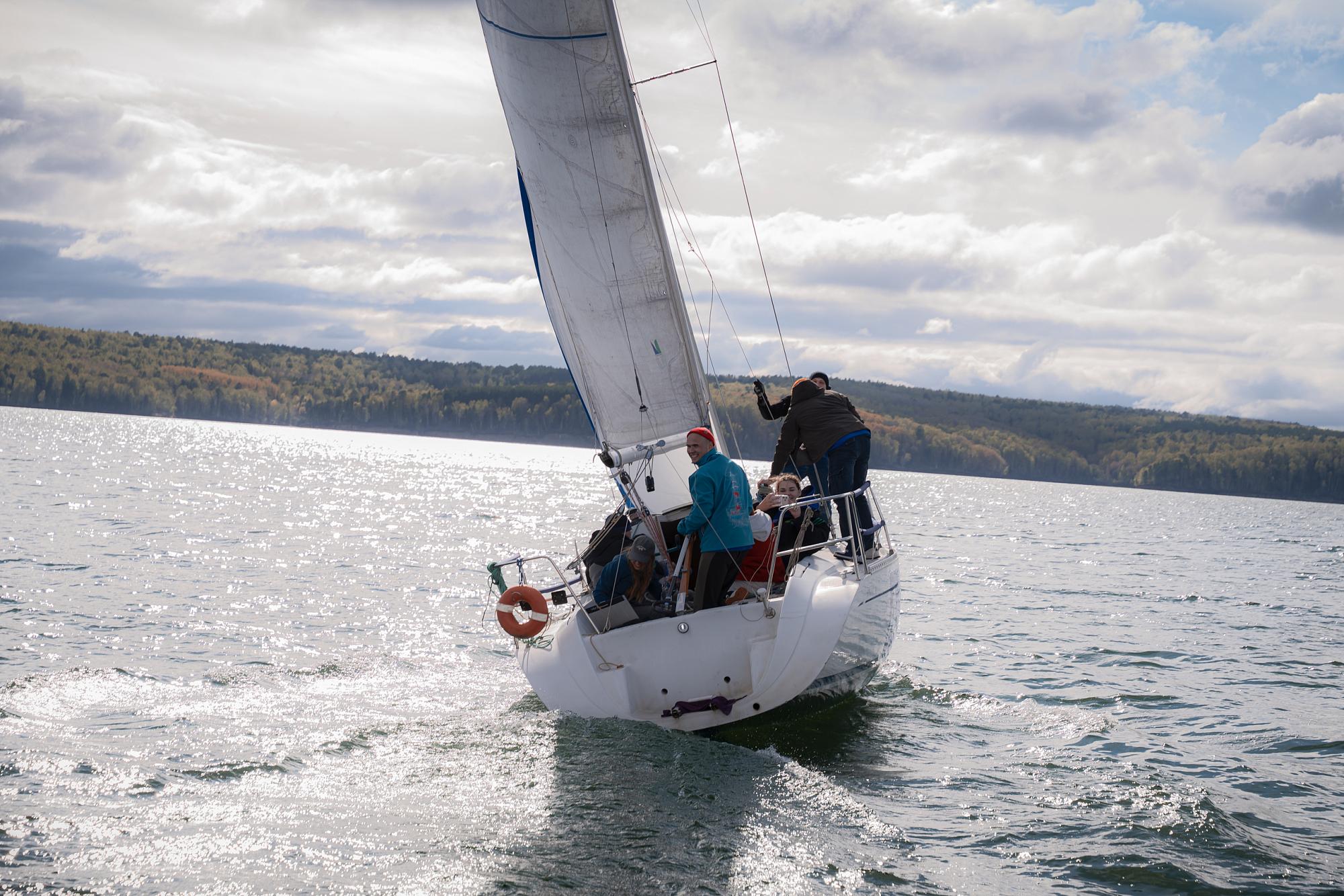
But the real proof came when seminar participants put the yacht to work. Setting off from the Politekhnik camp pier, the crew, students included, collected multiple water samples from different locations across the reservoir. Along the way, some even got hands-on practice hoisting the sails and taking the helm.
Alexander Parshin, Vice-Rector for Geology, Earth and Environmental Sciences and founder of the SSG, discussed the vessel's significance for INRTU. According to the vice-rector, the Aurum First is a perfect fit for scientific work on the Angara and southern Baikal. The boat can also double as a competition vessel for the student sailing league.
According to Parshin, the seminar's opening day also marked a symbolic start to the SSG's new long-term environmental and hydrogeochemical monitoring program for the Irkutsk Reservoir. The program has already been integrated into the core curriculum of several educational projects. Researchers will monitor around 100 locations, from background sites to areas near towns and industrial facilities.

"Students and faculty will run sailing routes twice a month," said Alexander Parshin. "They'll collect samples, conduct lab analyses in real time, and publish the results online. Anyone will be able to see the latest water quality data. In two to three years, the debates about Lake Baikal's current environmental condition will be over. This is the best foundation for a true understanding of Baikal and the Angara's hydrochemical regime, water quality, and its changes. The new data we accumulate will strengthen INRTU's reputation as a socially responsible, eco-conscious organization, and I'm confident it will also boost our position in the UI GreenMetric international ranking."
Alexander Parshin added that the Aurum First is one of the fastest yachts of its size, a critical feature since monitoring work demands covering long distances quickly:
"Because our principles rule out powerful motorboats, even a 10–15% speed advantage over hundreds of kilometers is huge," he explained. "The Aurum First is fast enough to be used in the 'Baikal – Pearl of the World' expedition, too. Students will start sailing in early June and will quickly learn it is no vacation, but hard, responsible work. This training will help ensure that some of INRTU's graduates go on to work in marine geology, geophysics, and environmental science."First-year student Lyubov Mordovina, who studies IT in geosciences, took part in the trial run. She is also learning to sail and preparing for exams at the State Inspectorate for Small Vessels (GIMS) of the Russian Ministry of Emergency Situations for the Irkutsk Region. In her view, hands-on experience with the yacht will help her solve scientific tasks, such as monitoring water conditions, more effectively.

"I have been on motorboats before, but this was my first time sailing. I had a fantastic time. The Aurum First was so fast that the motor yacht escorting us could barely keep up. My main job was to collect water samples and measure the temperature and pH. What's interesting is that the pH varied depending on the sampling point," the student said.
Two more ships are set to join INRTU's SSG fleet this summer. One vessel is built for sailing downstream through shallower bays, cutting sample collection time down to just two days. A larger yacht will be deployed for research in the bays of Lake Baikal.
Photos by Arseniy Chekmarev