INRTU Scientists Present Russian-Mongolian Research at the 3rd Asian Conference on Permafrost
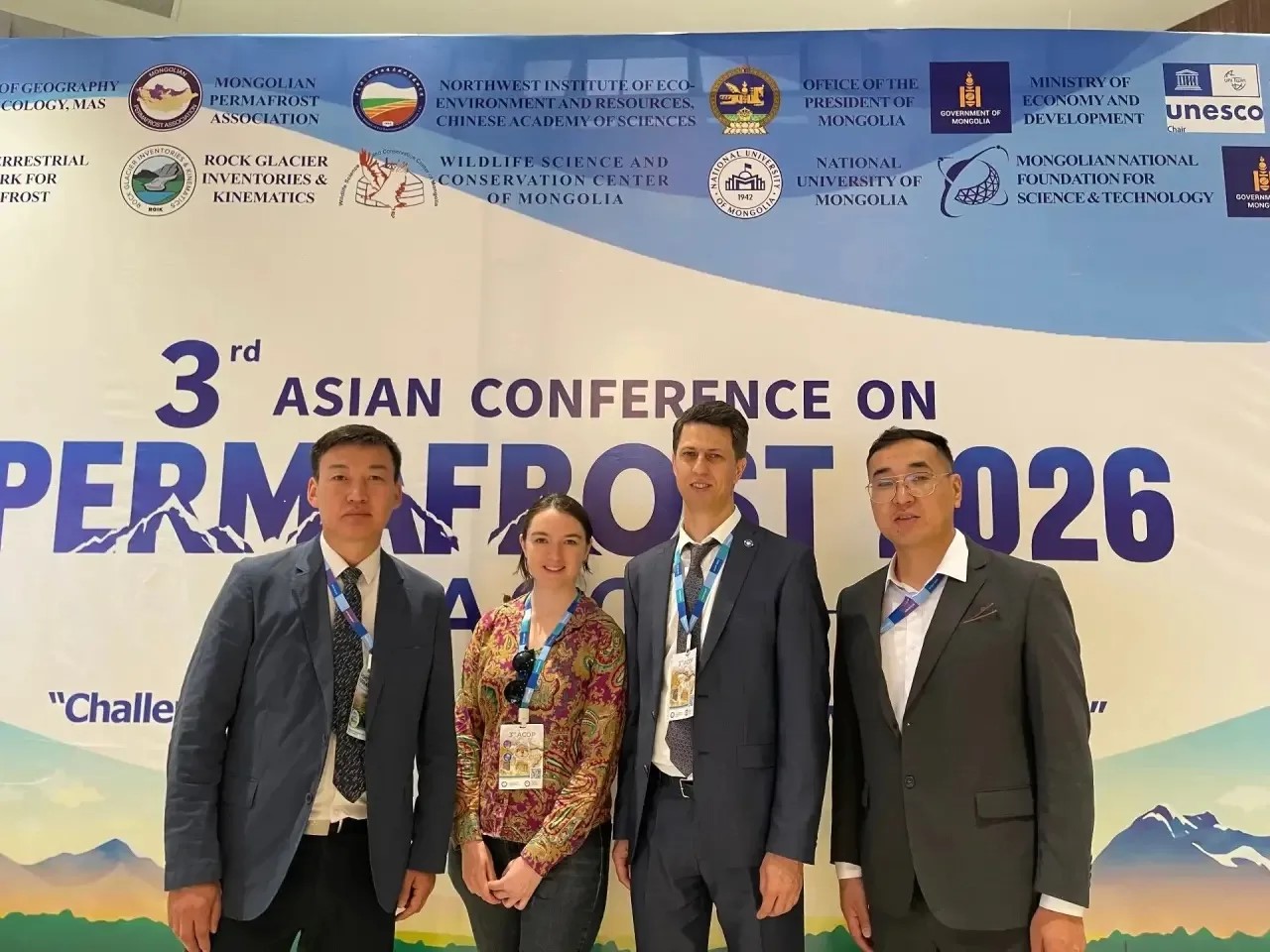
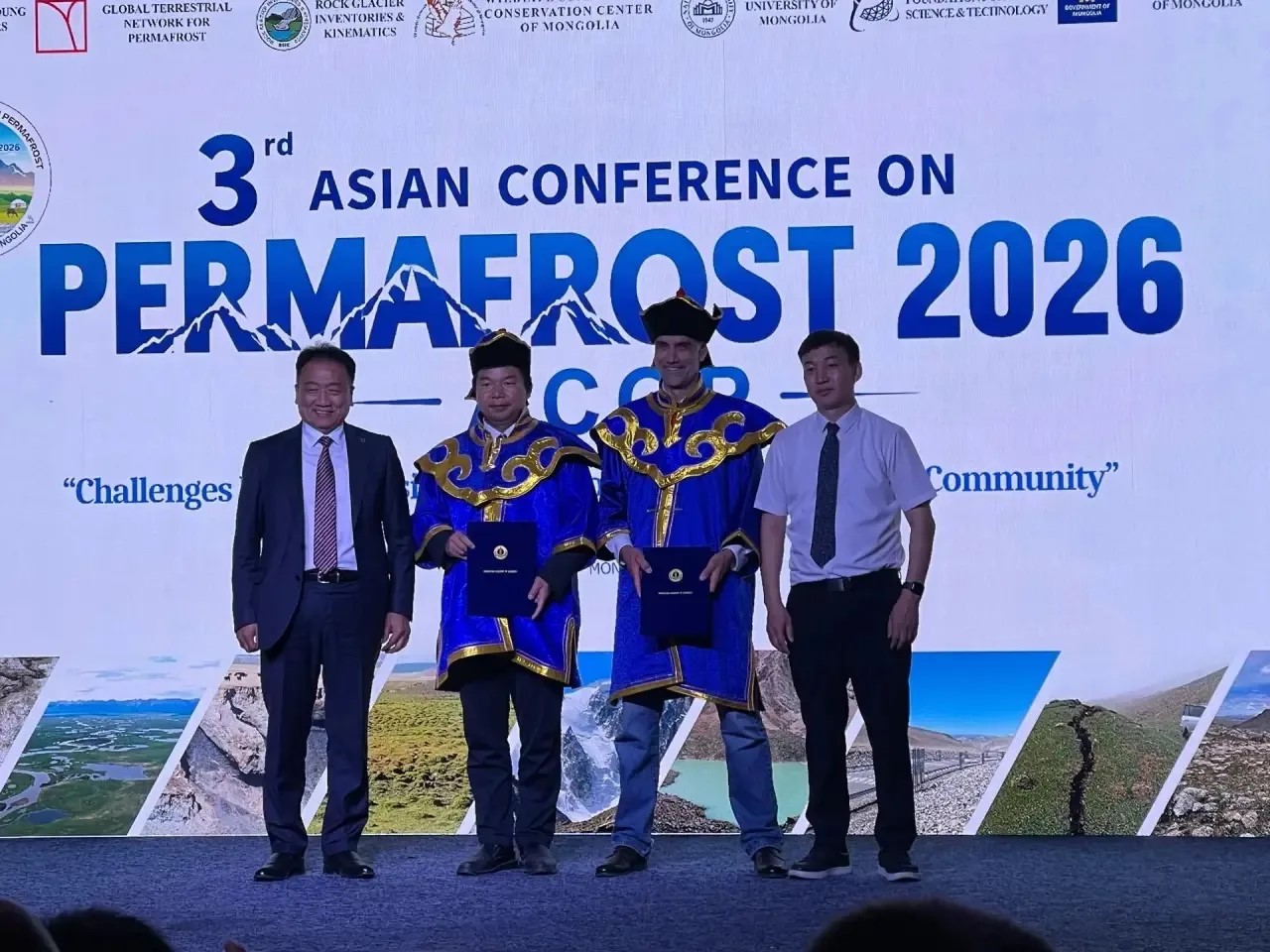
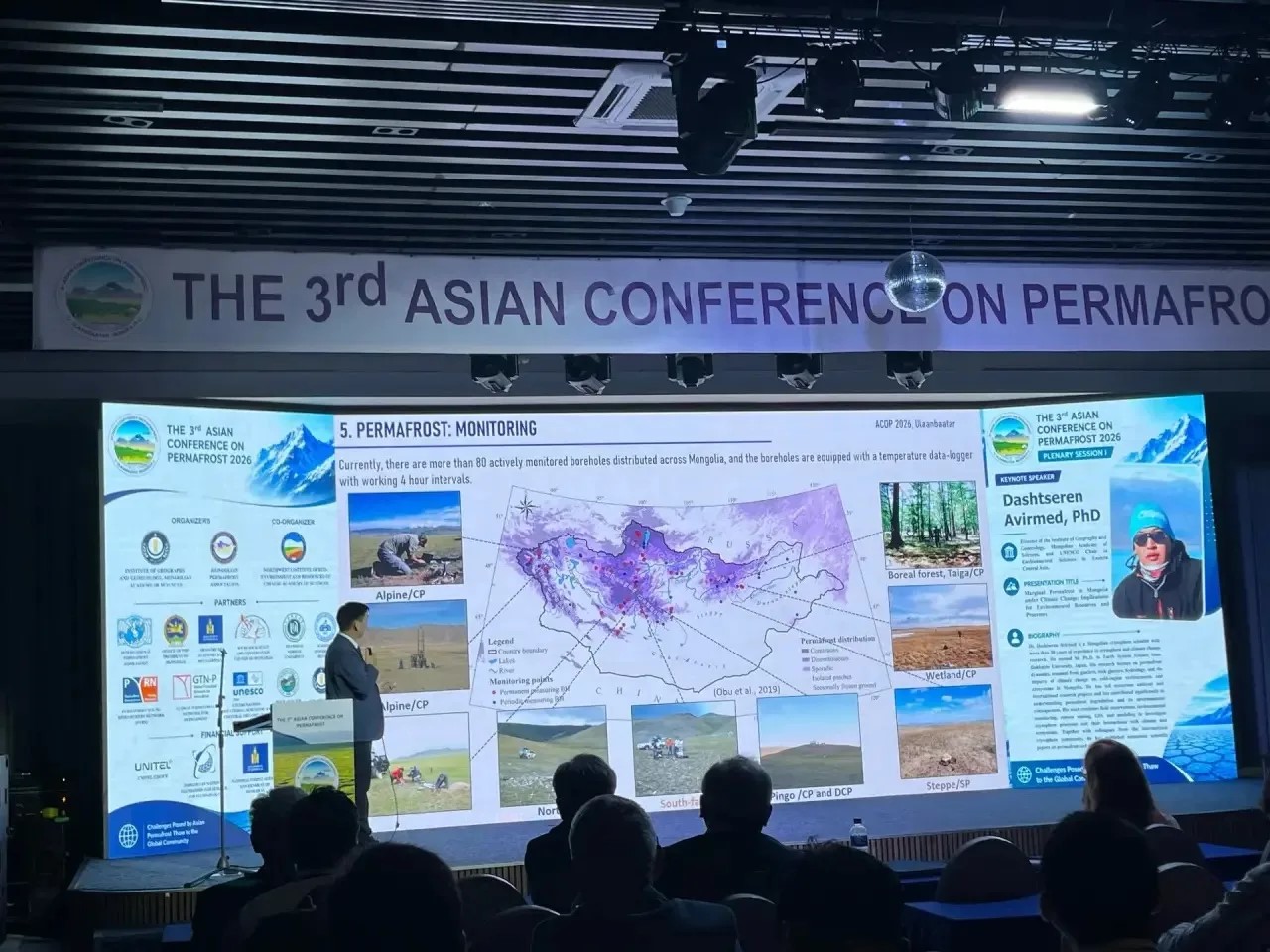
The 3rd Asian International Conference on Permafrost was held in Ulaanbaatar, bringing together more than 350 specialists. A team led by INRTU Vice-Rector for Research Aleksandr Kononov presented the results of paleoclimate studies in caves in northwestern Mongolia.
According to Aleksandr Kononov, paleogeocryological studies are especially important.
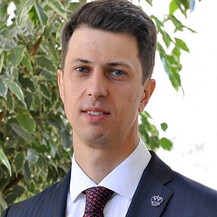
“Our research is based on dating speleothems in caves near Lake Khuvsgul. This work was carried out there for the first time. The frozen ground in the region has changed significantly over the past decades and has decreased by almost 40%. Permafrost is disappearing very quickly in this area, and the future outlook is negative.
Our research shows that over the past 600000 years, there were at least four periods of freezing, each lasting between 50000 and 100000 years. There were also several shorter periods of warming between ice ages, when permafrost began to melt,”
Aleksandr Kononov said.
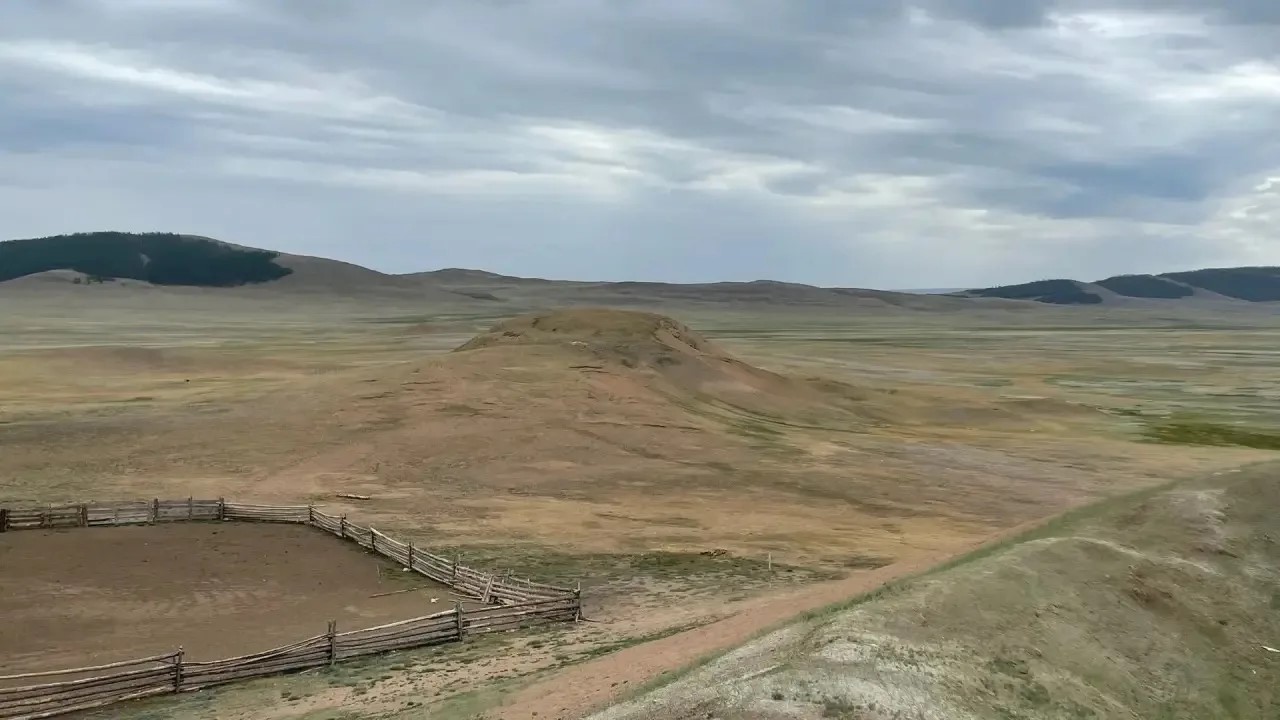
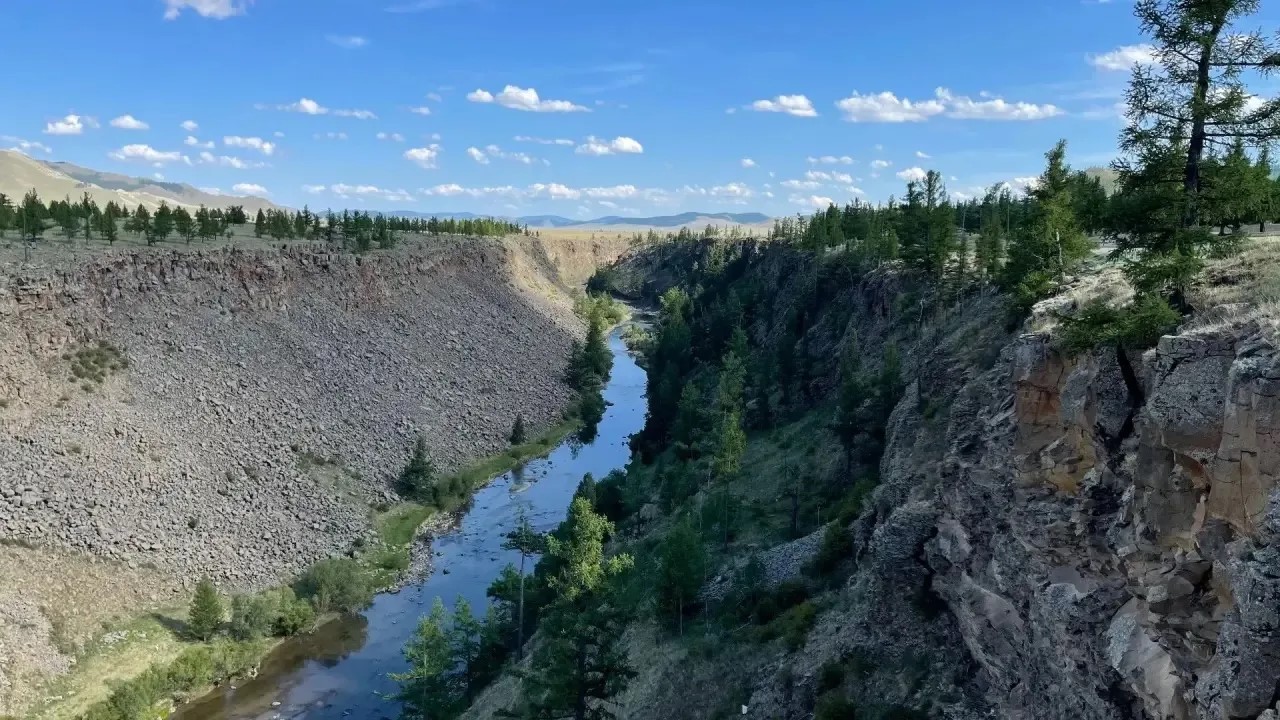
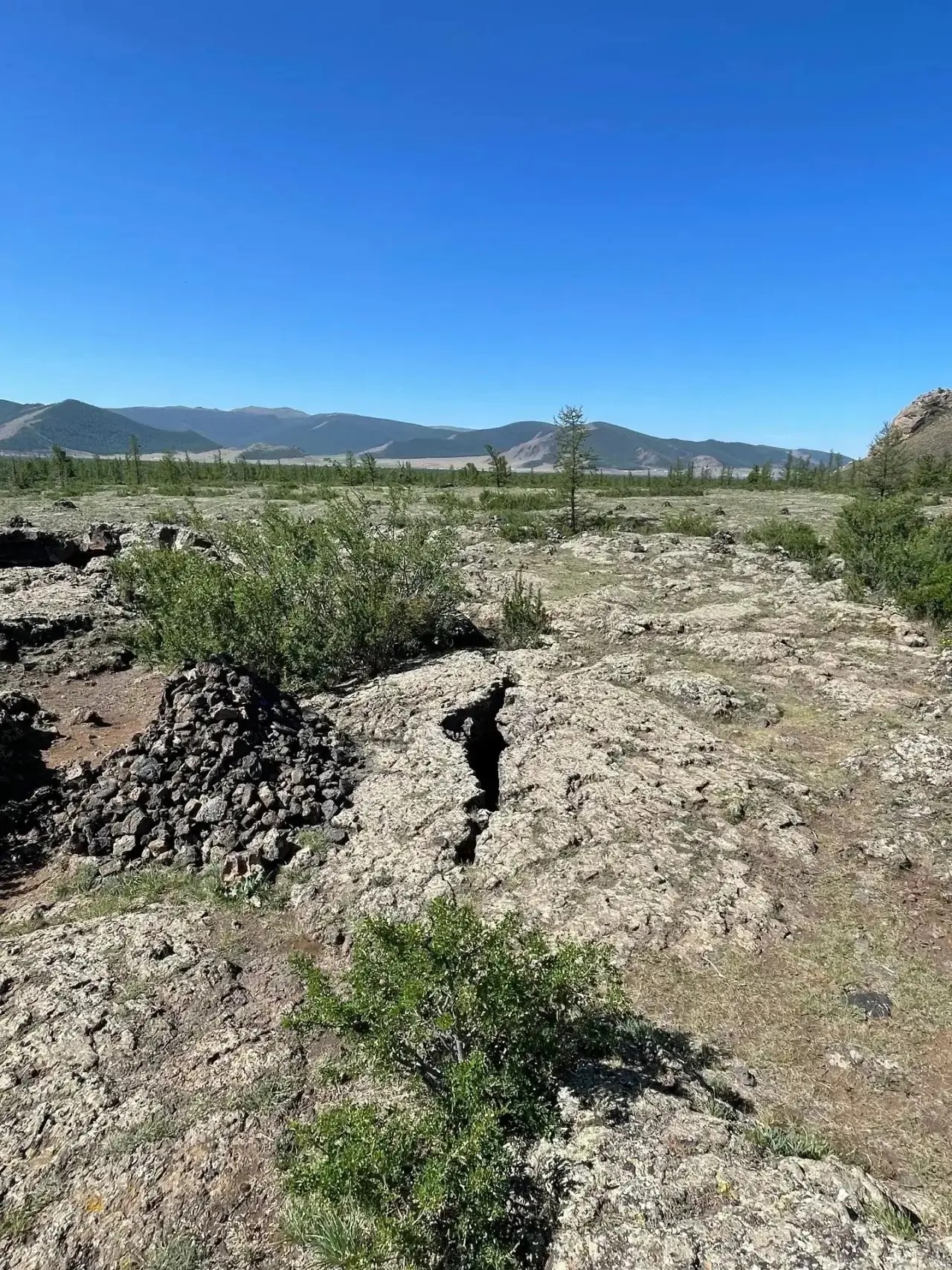
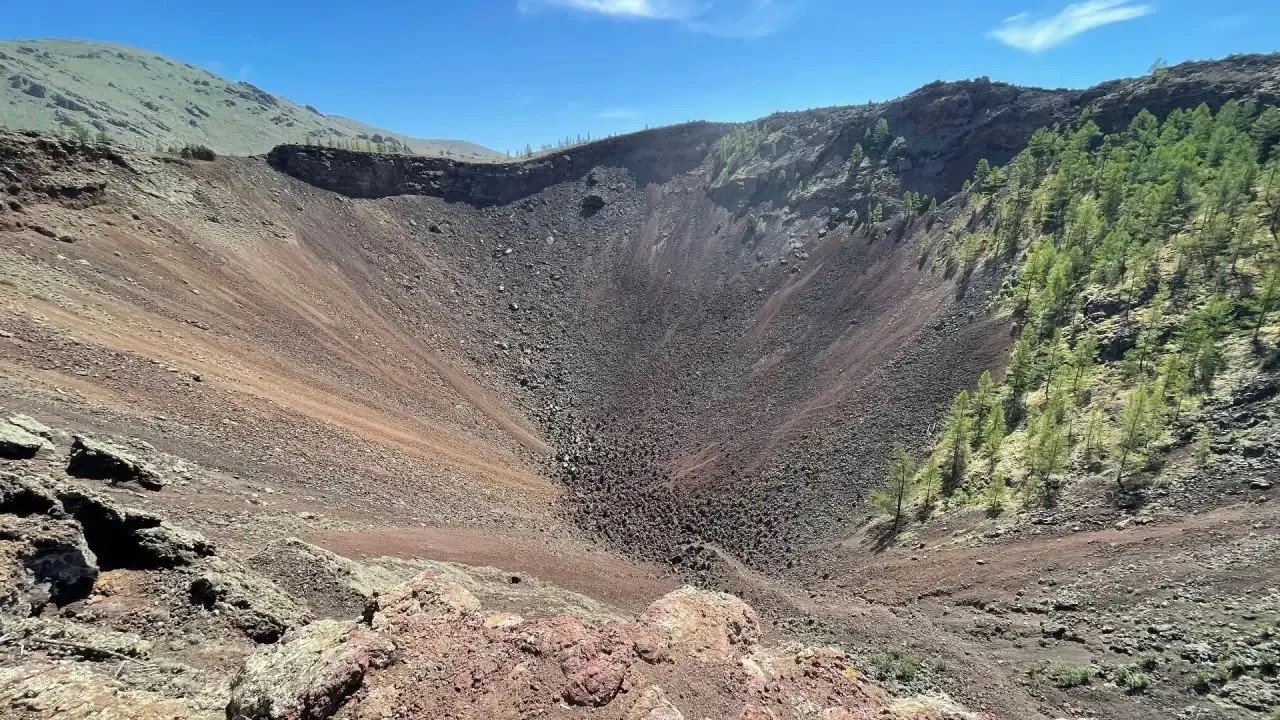
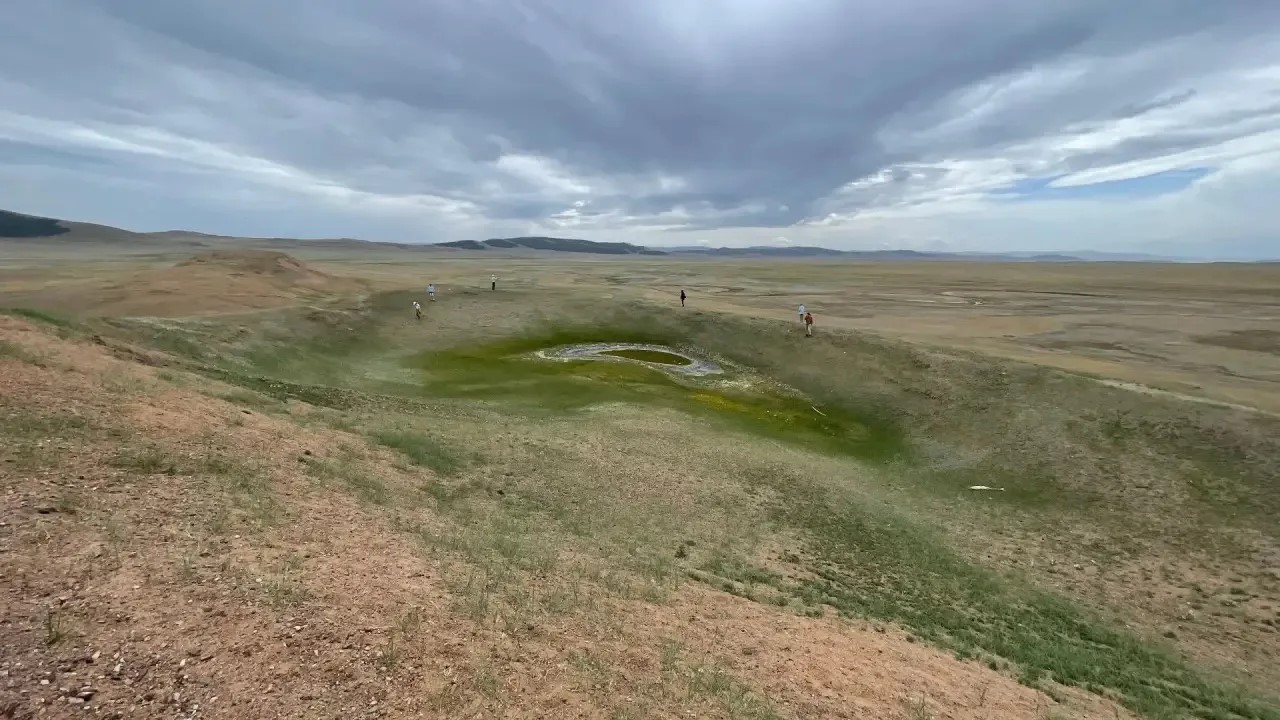
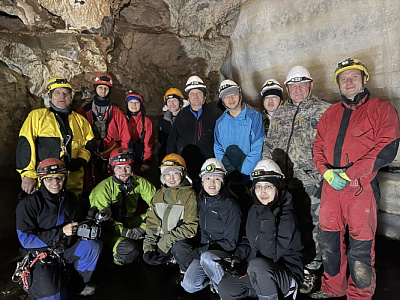
The conference ended with a field trip to key permafrost research sites in northwestern Mongolia.
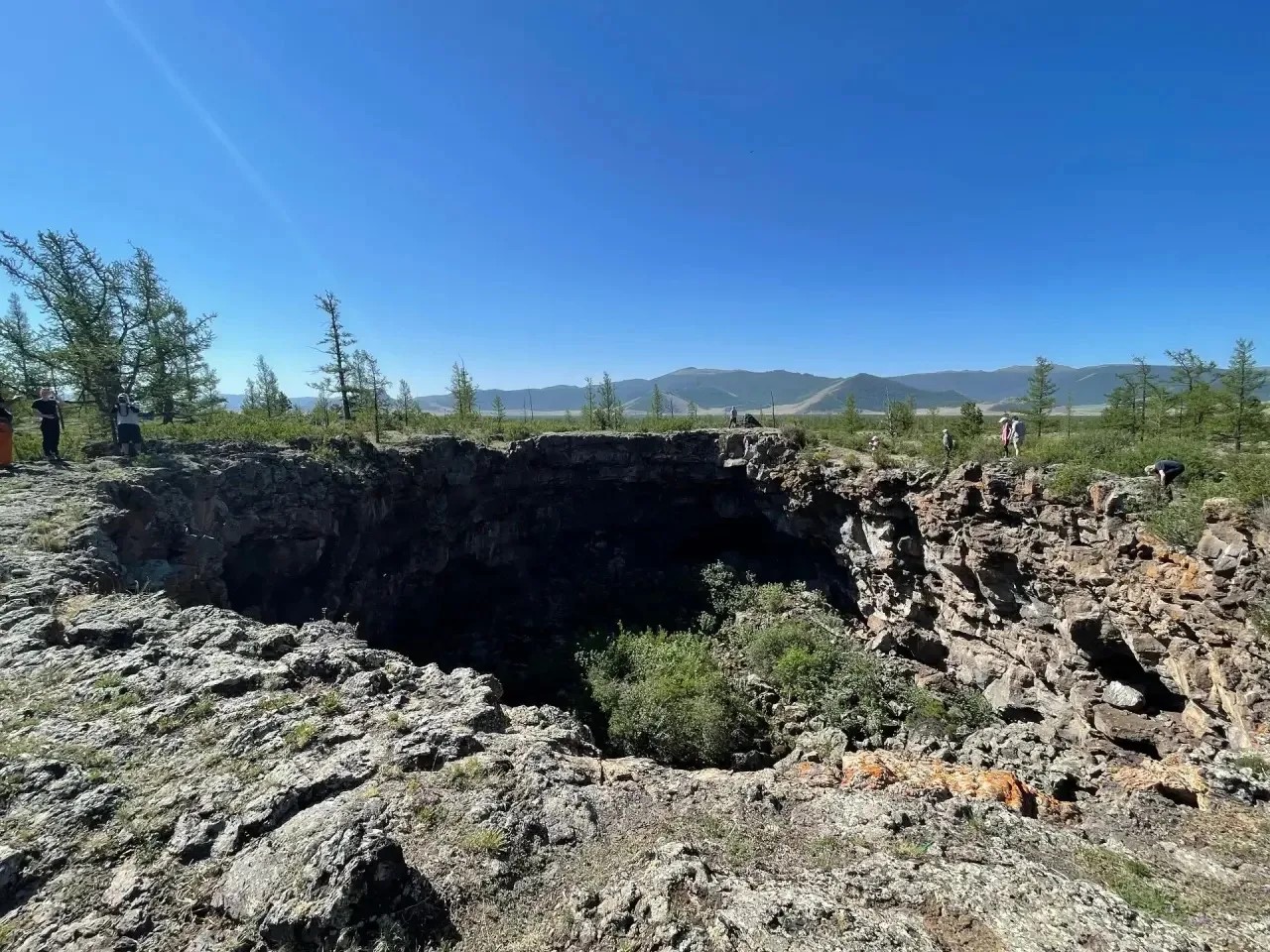
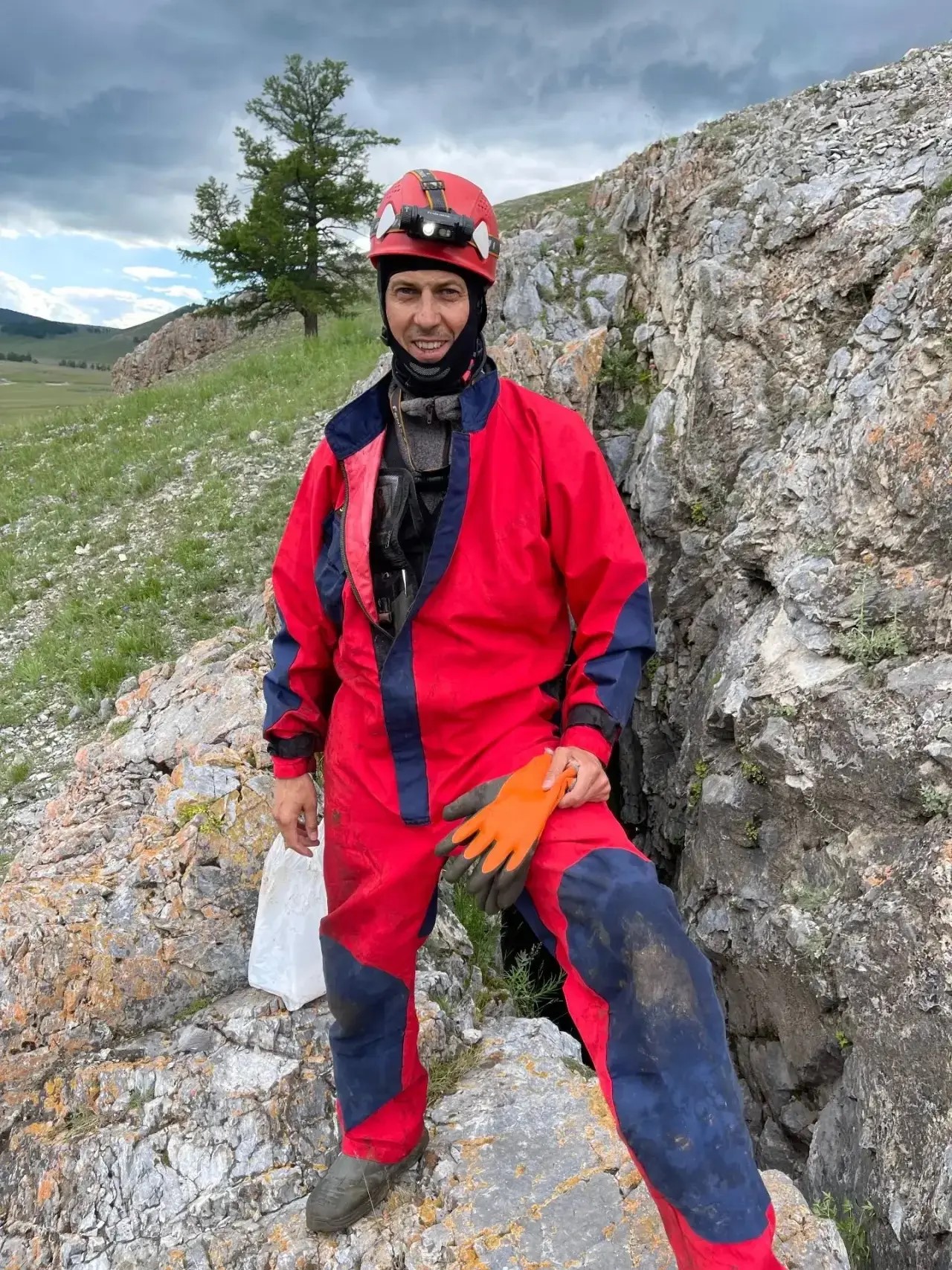
“The participants visited one of the caves we study. We also presented the results of our paleoclimate reconstructions, hydrogeochemical, geocryological and hydrogeological studies, as well as our monitoring work.
International expeditions have been working in this area for five years. A major project is also underway to study the caves of the Khuvsgul region and the Darkhan Basin. Scientists from Russia, Mongolia and other countries are taking part in the project.
The participants of the Asian Conference highly appreciated the results of the research and gave recommendations for further developing the project,”
Aleksandr Kononov added.
The conference also featured research reports from all countries, including Antarctica. The sessions covered the results of major international programs, monitoring projects on permafrost processes, regional studies and engineering solutions. Much attention was given to changes in permafrost caused by global climate change.