INRTU Researchers Develop Portable Device for Skin Cancer Treatment
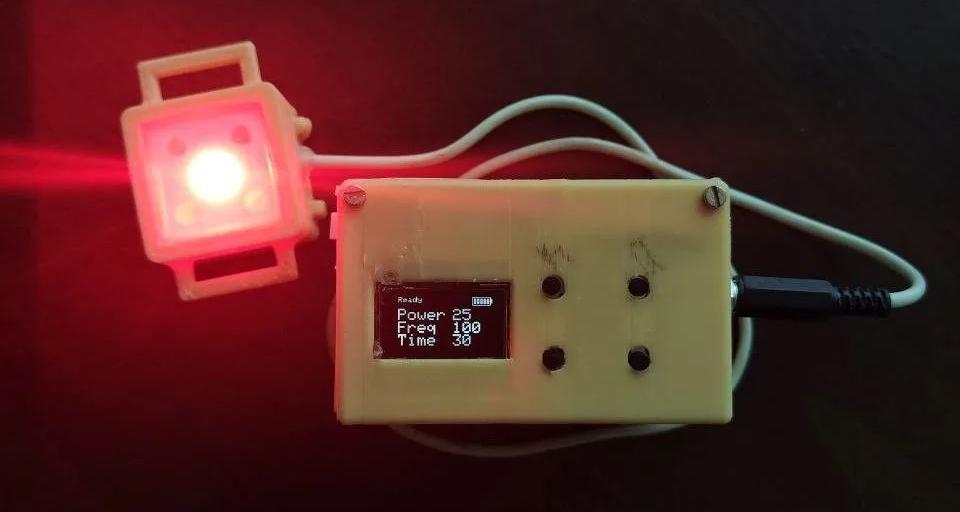
Researchers at INRTU have developed a prototype portable device for the treatment of squamous cell skin cancer. The system uses photodynamic therapy (PDT), combining photosensitizing drugs with LED light exposure to destroy malignant tumors while preserving healthy tissue. Supported through the Priority 2030 program, the device is currently being tested at the Irkutsk Regional Oncology Center.
The development team includes Nikolai Ivanov, Associate Professor and Director of the Baikal Nanotechnology Center; Sergei Nebogin, Head of the Center for Collective Use Facilities at the Baikal Nanotechnology Center; and master’s student Alexander Shabalin.
According to Sergei Nebogin, photodynamic therapy is a minimally invasive, high-tech treatment method that involves three stages.
“A photosensitizer is administrated either intravenously or locally in the form of an ointment or gel. The drug selectively accumulates in rapidly dividing tumor cells, while healthy tissues eliminate it much faster. The affected skin area is then exposed to light, which activates the drug and triggers a chemical reaction that releases singlet oxygen. This process effectively destroys cancer cells fr om within.
At present, photodynamic therapy systems are typically stationary units. As a result, treatment costs are higher and access to the procedure is more limited for patients.
Our goal is to create a portable alternative. The device builds on established treatment protocols while using simpler and more affordable low-intensity emitters,”
Sergei Nebogin said.
The developers emphasize that the lower cost of the portable system could make skin cancer treatment more accessible outside hospital settings. Prescribed by a physician, the device could potentially be used at home. In addition, an intracavitary light emitter would allow PDT to be applied in areas wh ere the geometry of the treatment site limits the use of external light sources.
The INRTU team is currently developing an LED-based emitter designed for the treatment of esophageal cancer.