INRTU Researcher Alina Kuzmina Reflects on Visit to China
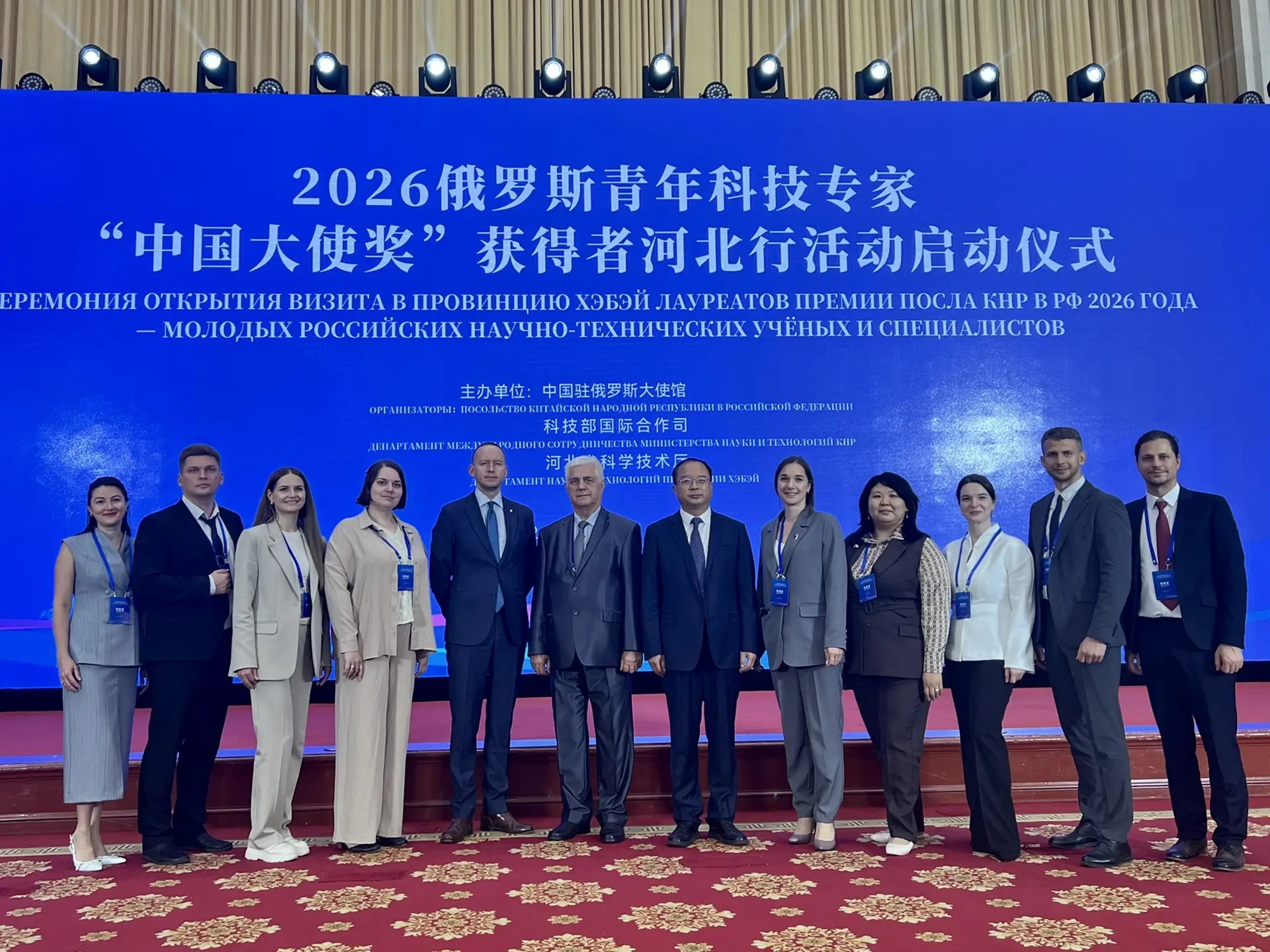
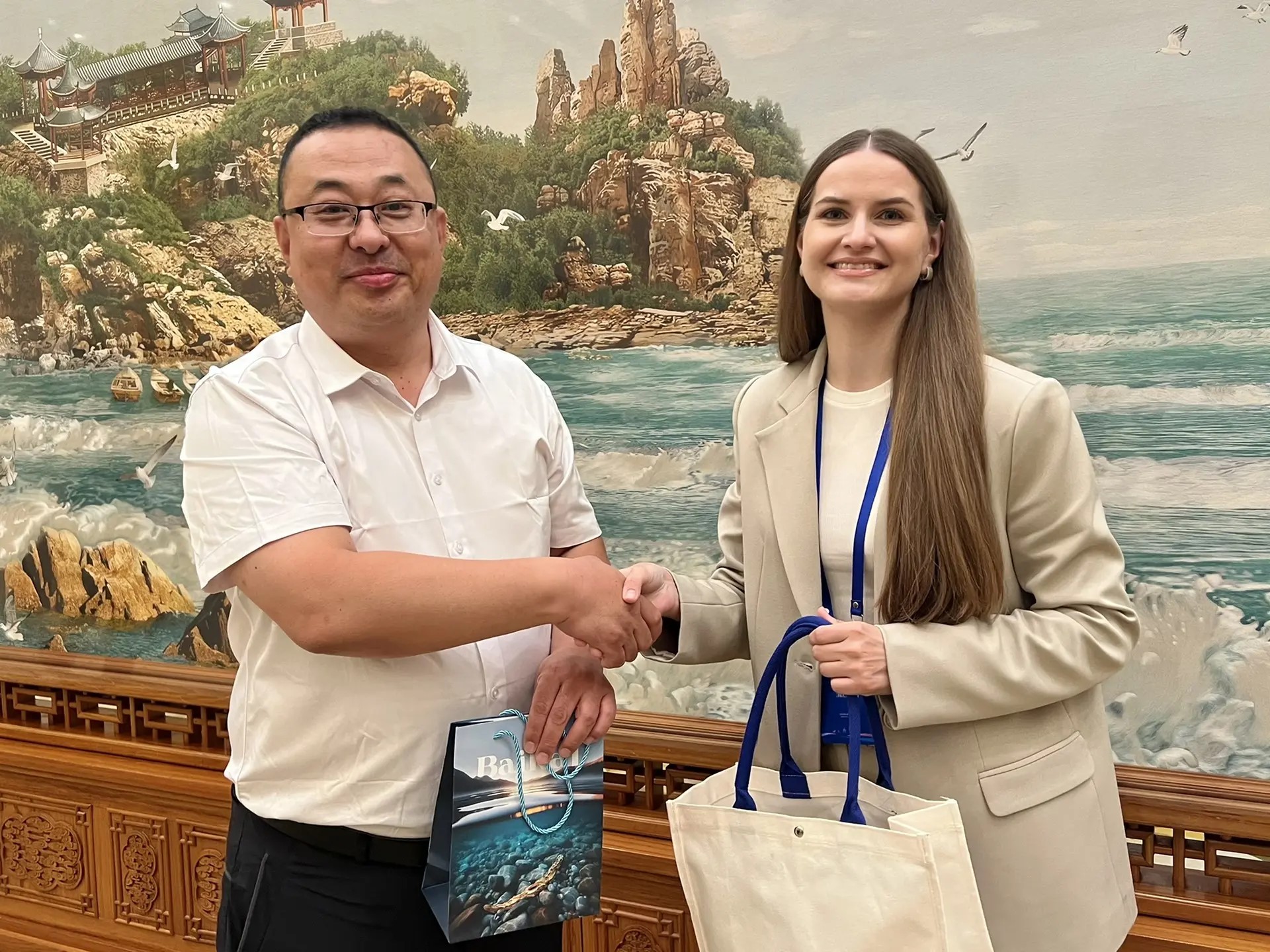
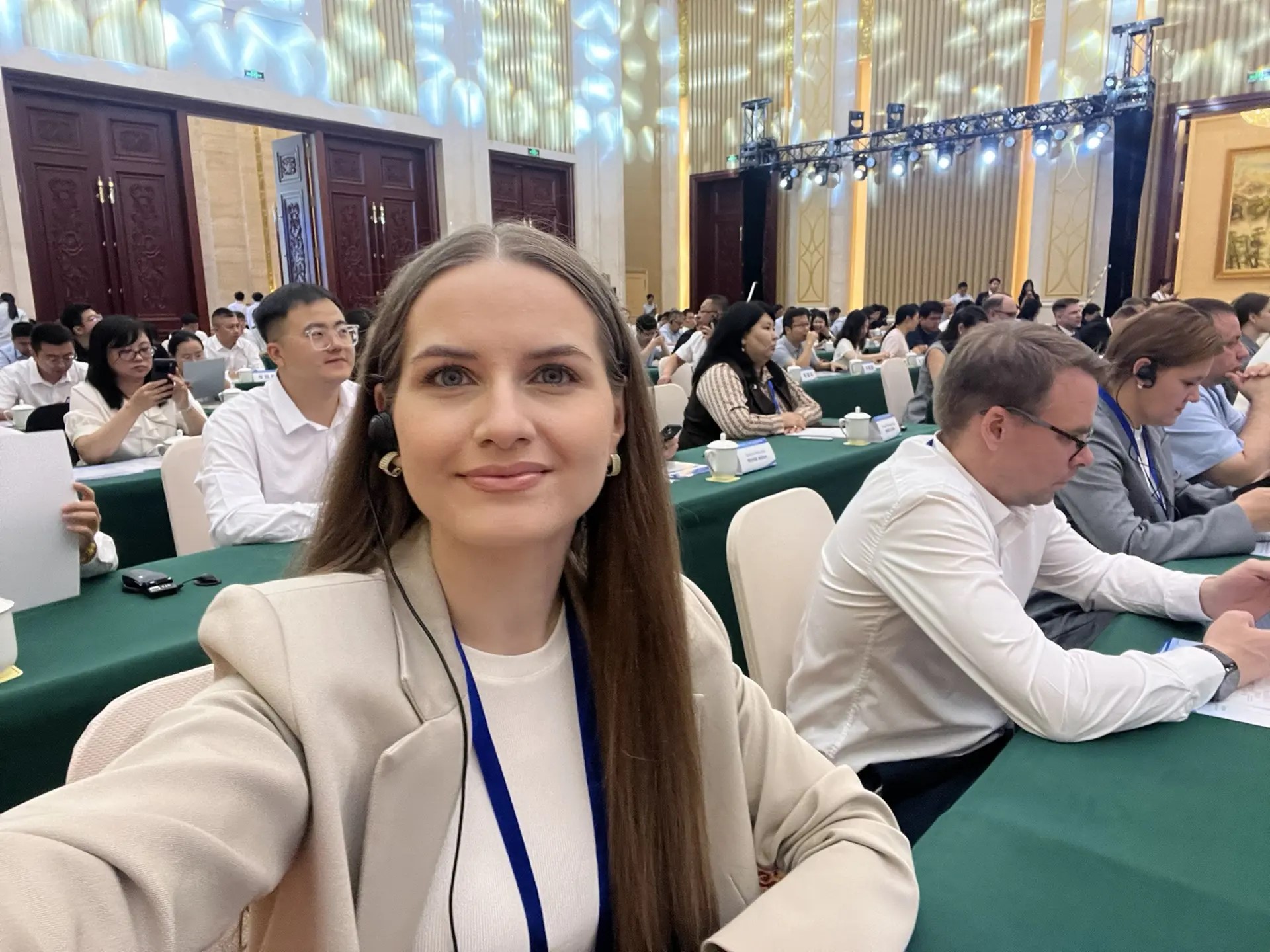
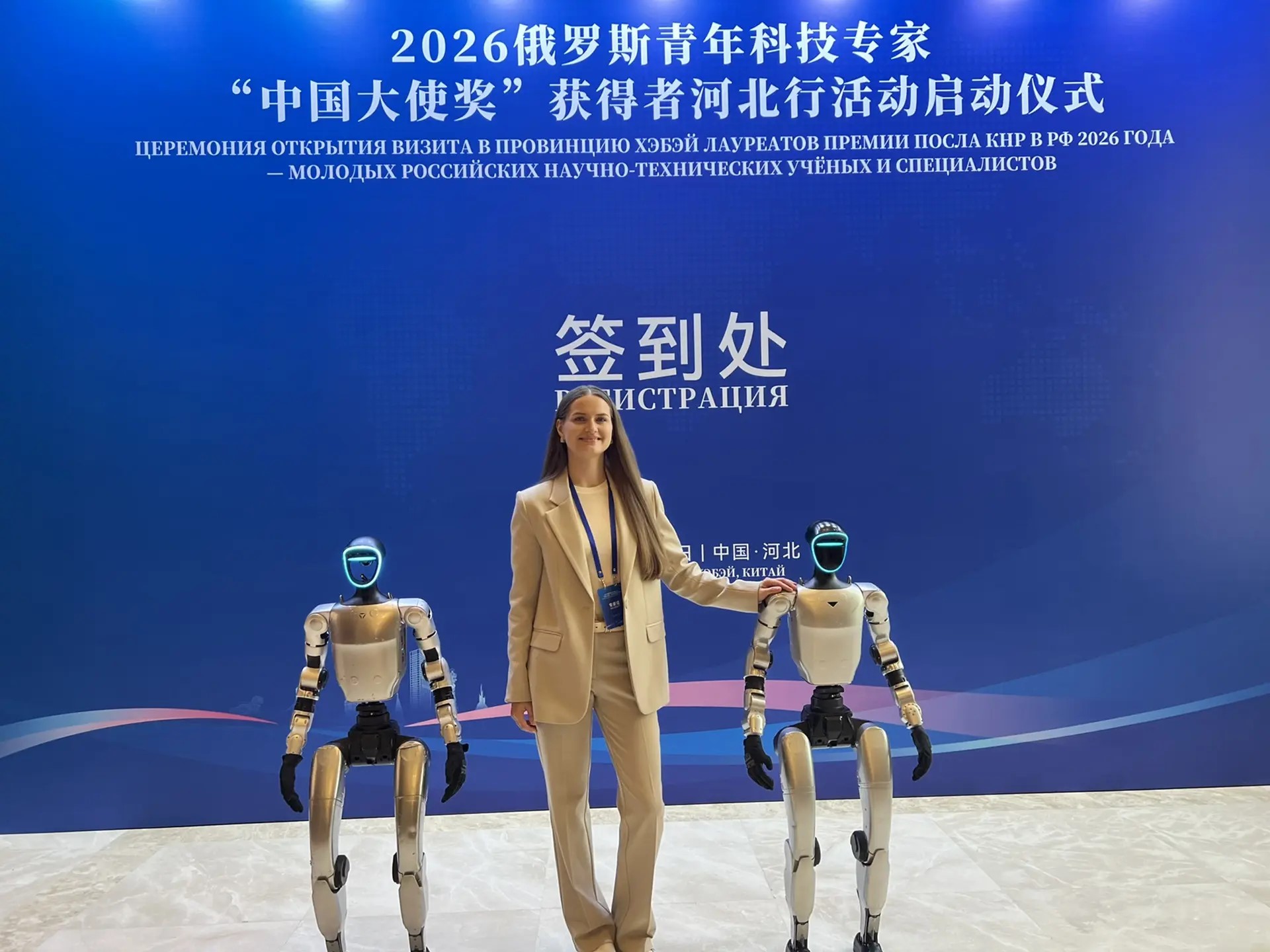
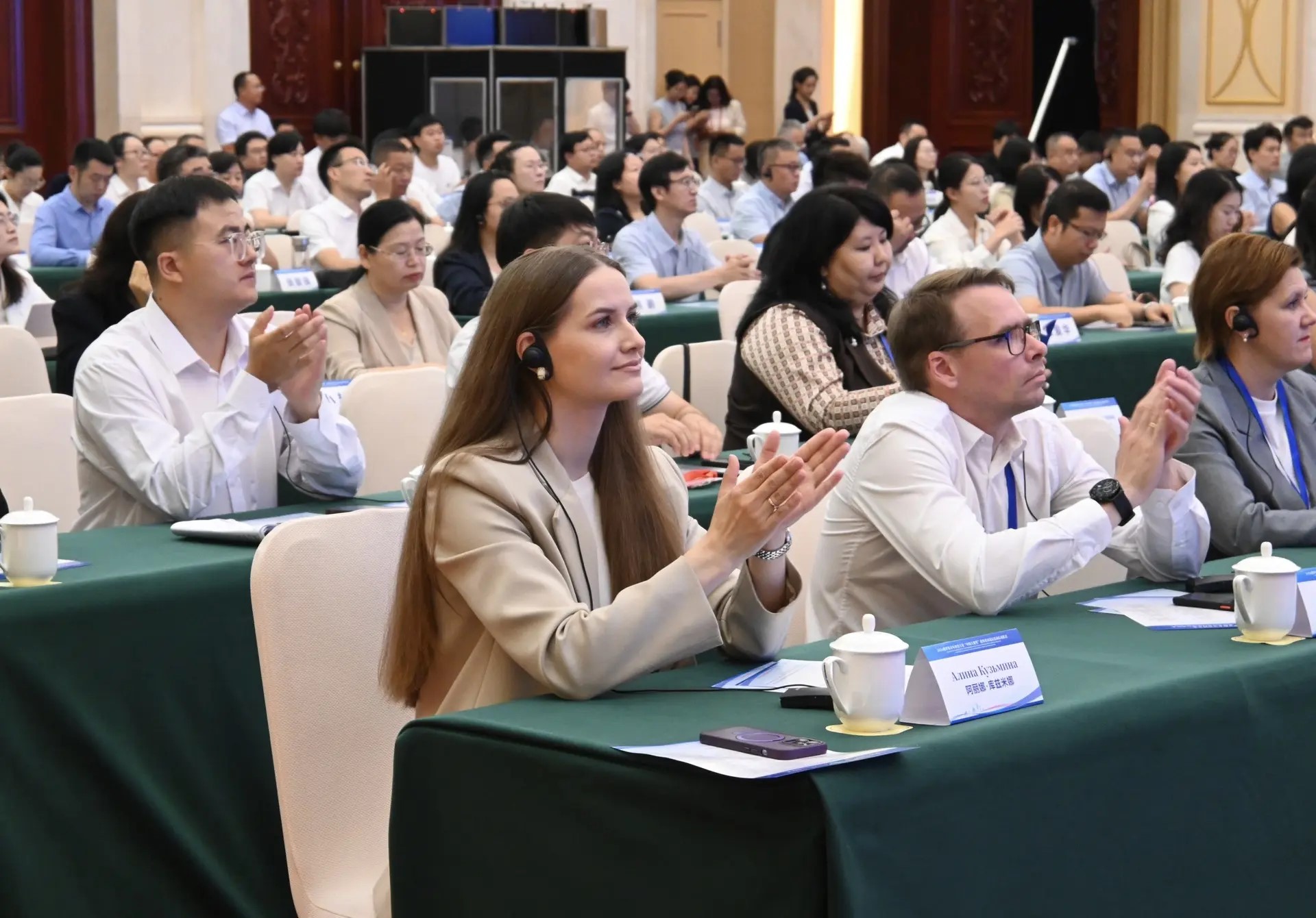
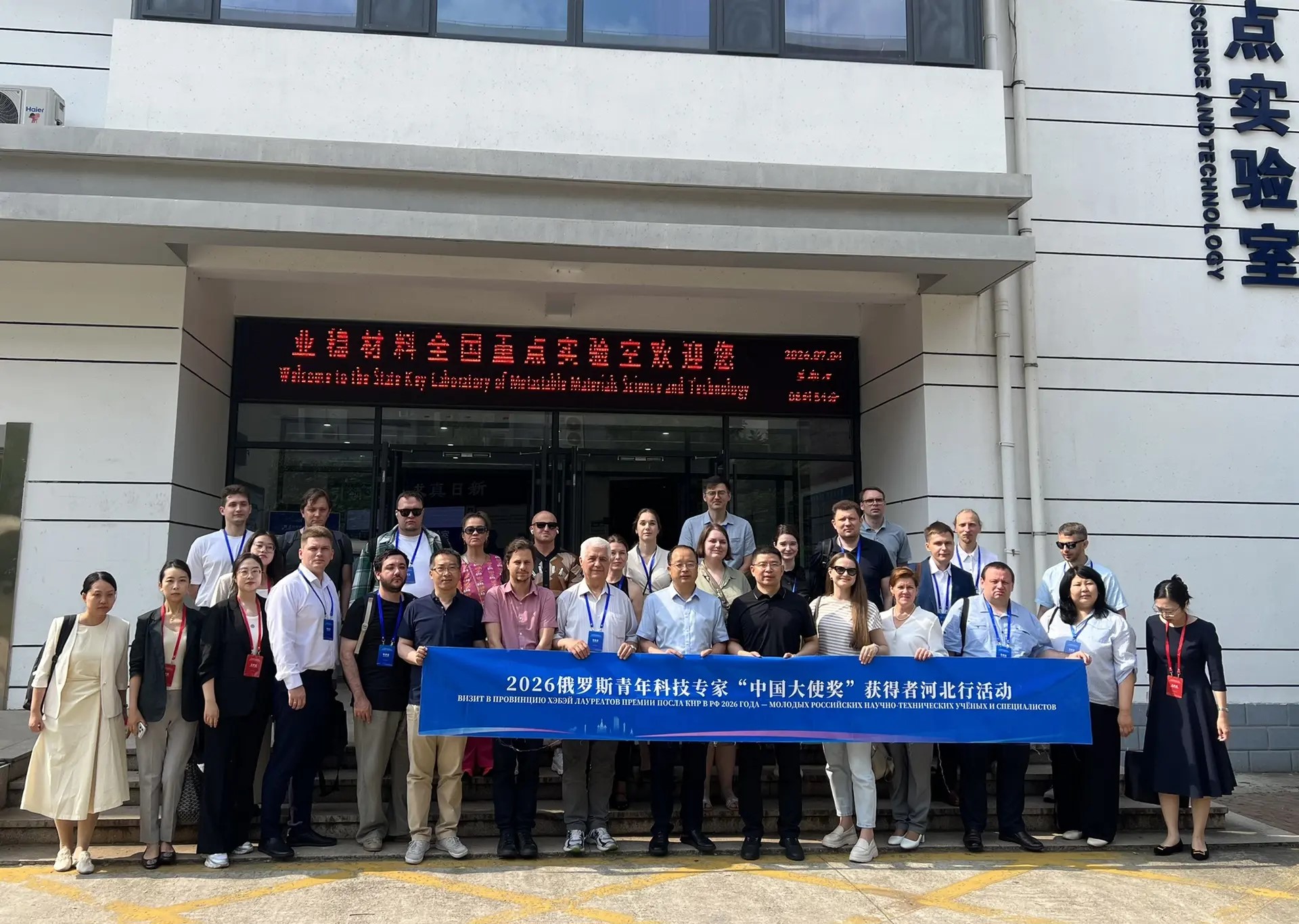
Alina Kuz’mina, Associate Professor at INRTU, visited research centers and industrial companies in Hebei Province, where she discussed future cooperation in electronics and took part in scientific roundtables. The trip was awarded to winners of the Chinese Ambassador’s Award in Russia.
Alina Kuz’mina, who holds a PhD in Physics and Mathematics, is an Associate Professor at the Department of Radioelectronics and Telecommunications Systems and Head of the Research Laboratory of Physical Properties of Micro- and Nanostructures. She was one of 24 Russian scientists selected for the award and joined a scientific and business program in China fr om June 28 to July 5.
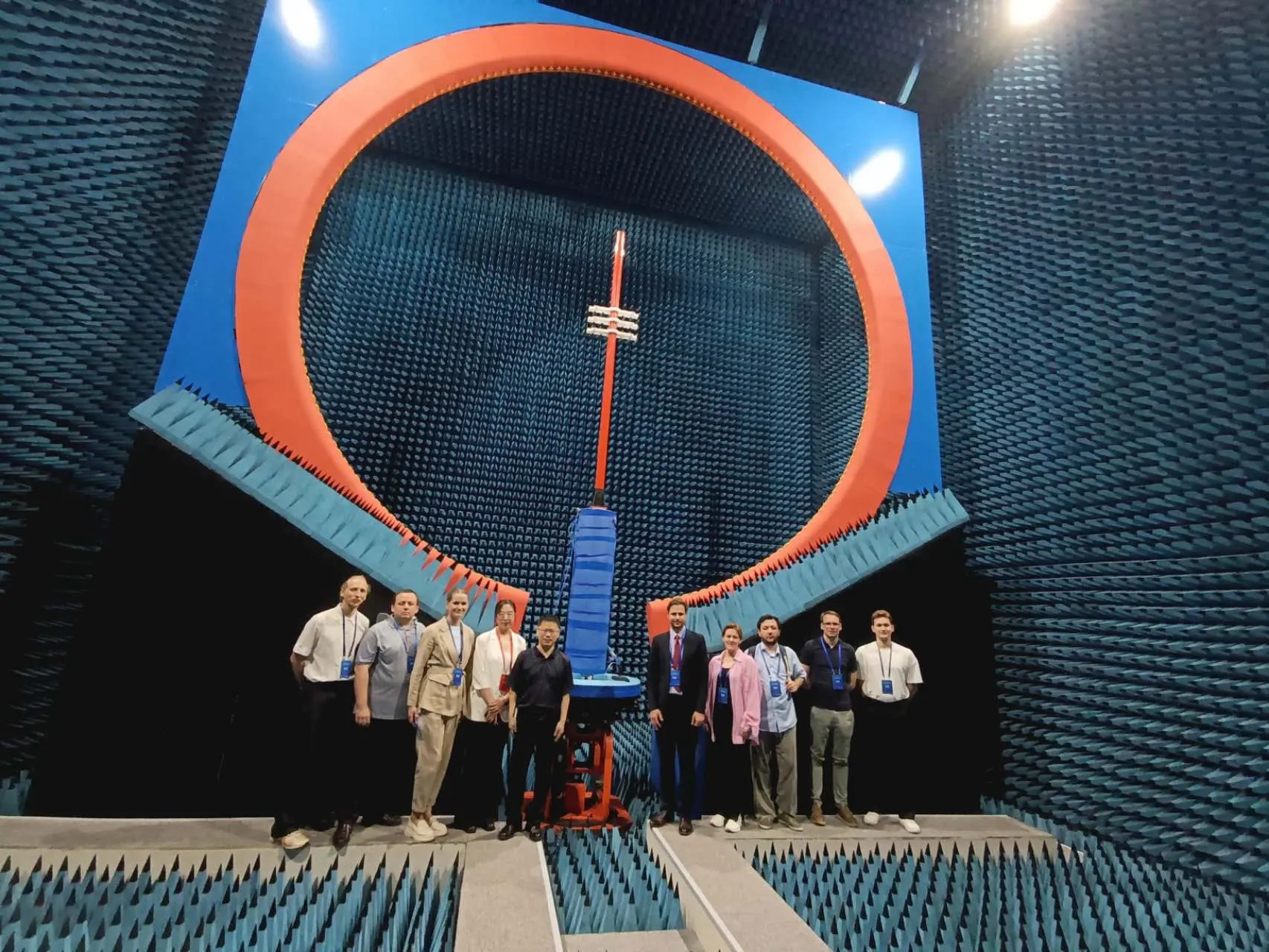
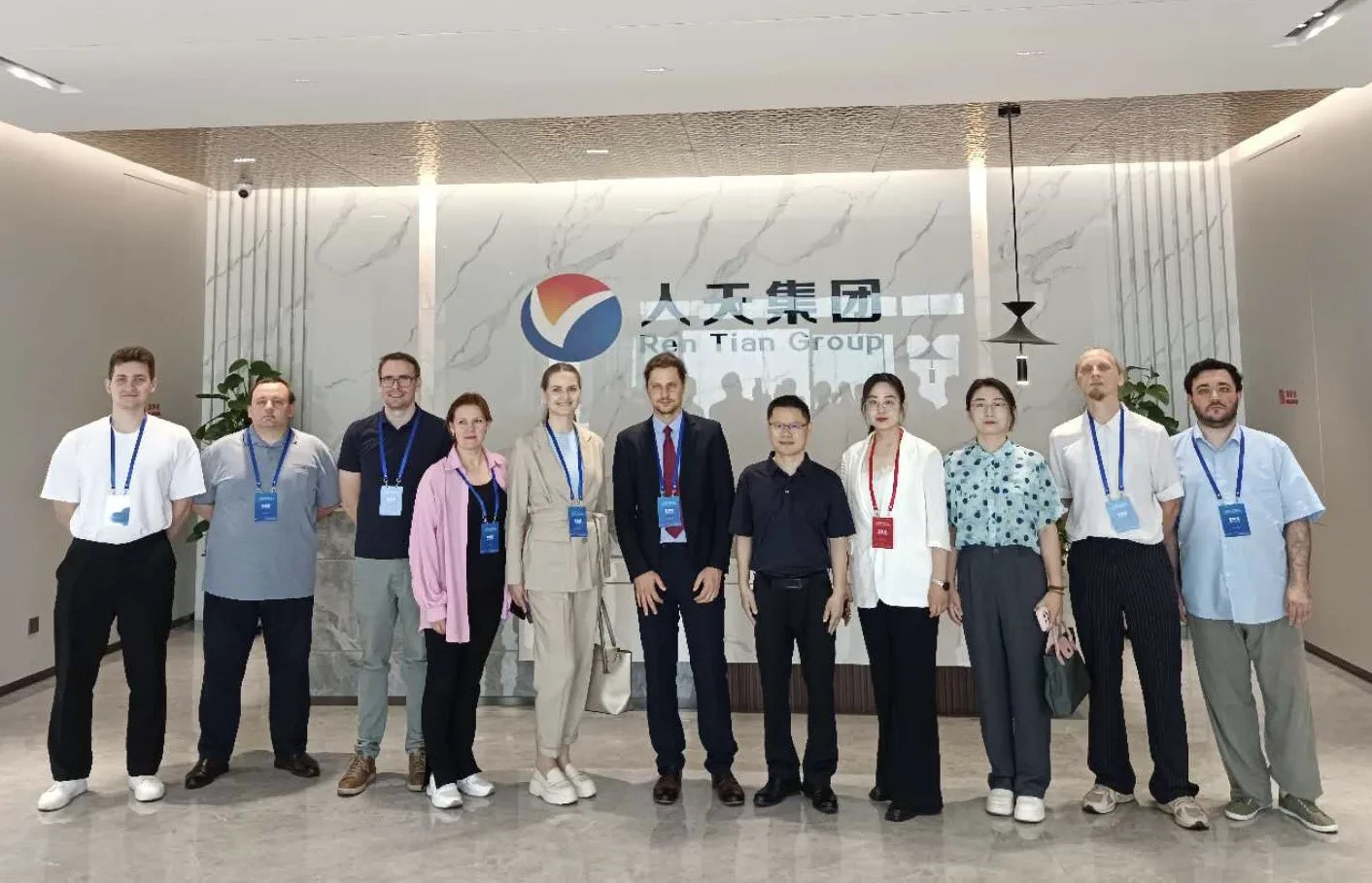
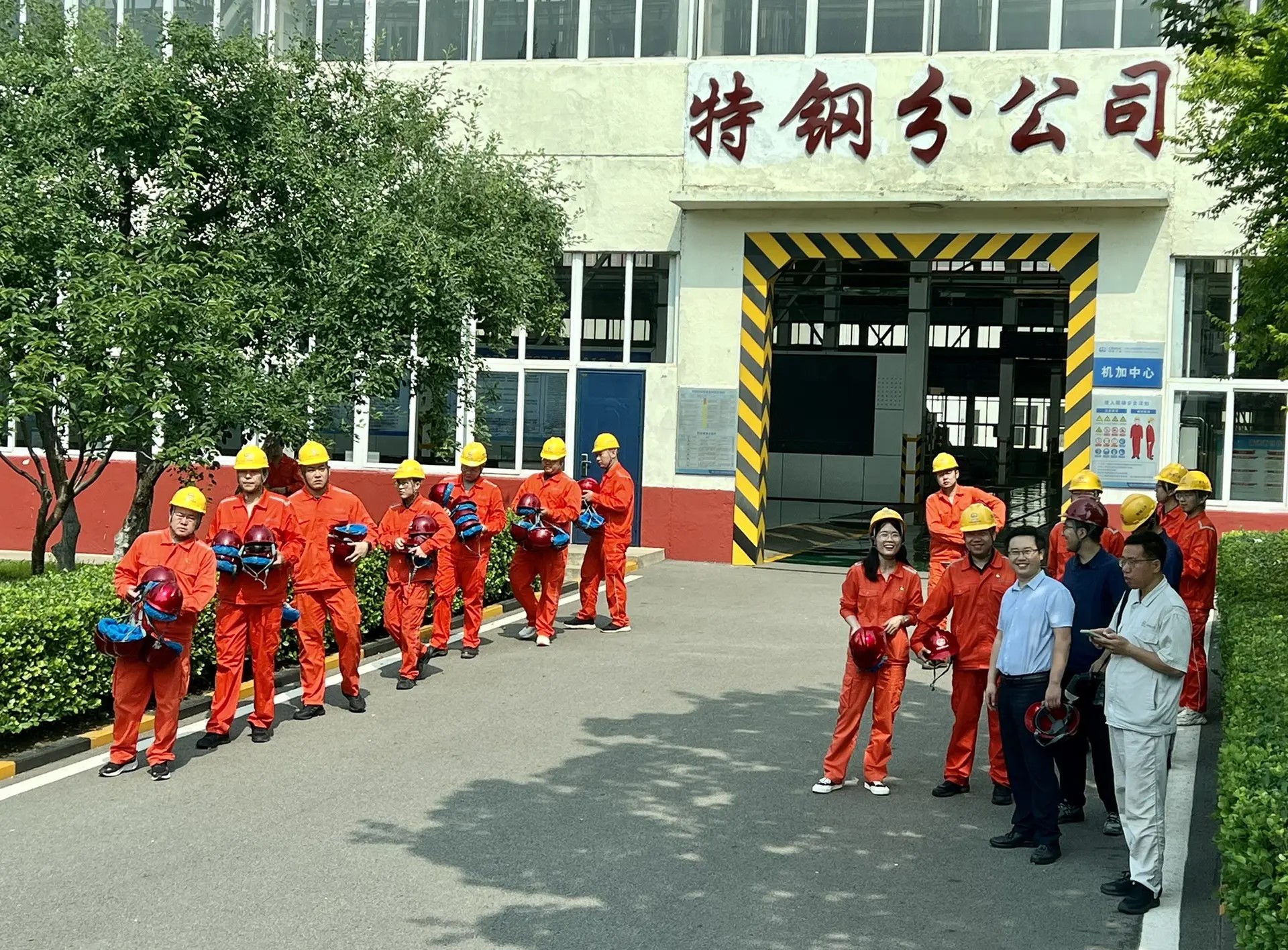
The delegation’s program began in Shijiazhuang, a major industrial center in Hebei Province. Participants visited Rentian Telecom, a manufacturer of telecommunications equipment supplied to major Chinese operators, including China Mobile, China Unicom, China Telecom, and China Tower. The group later toured the Great Wall Motors Technical Center in Baoding, wh ere they observed the full vehicle development process, including hybrid technologies.
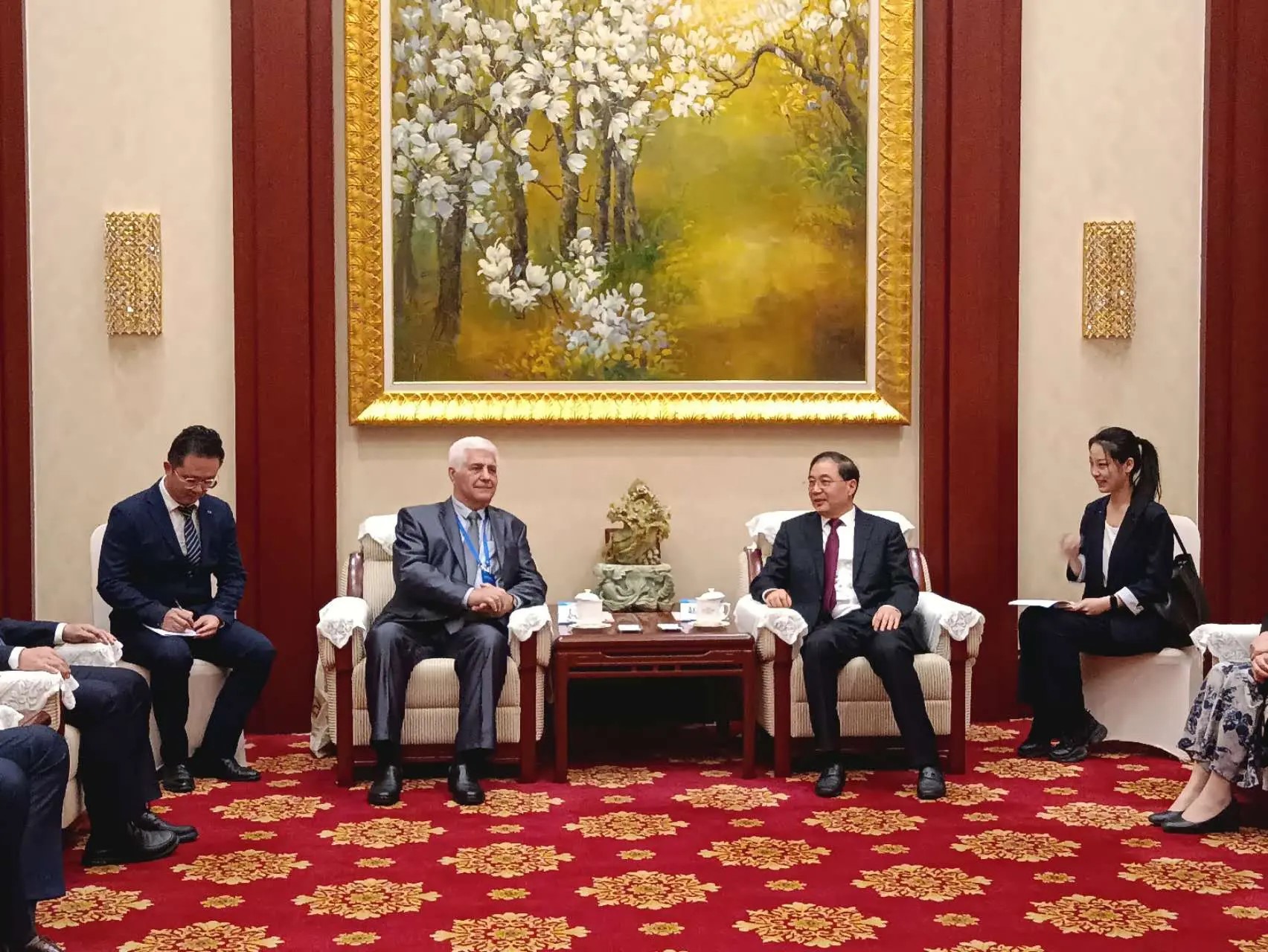
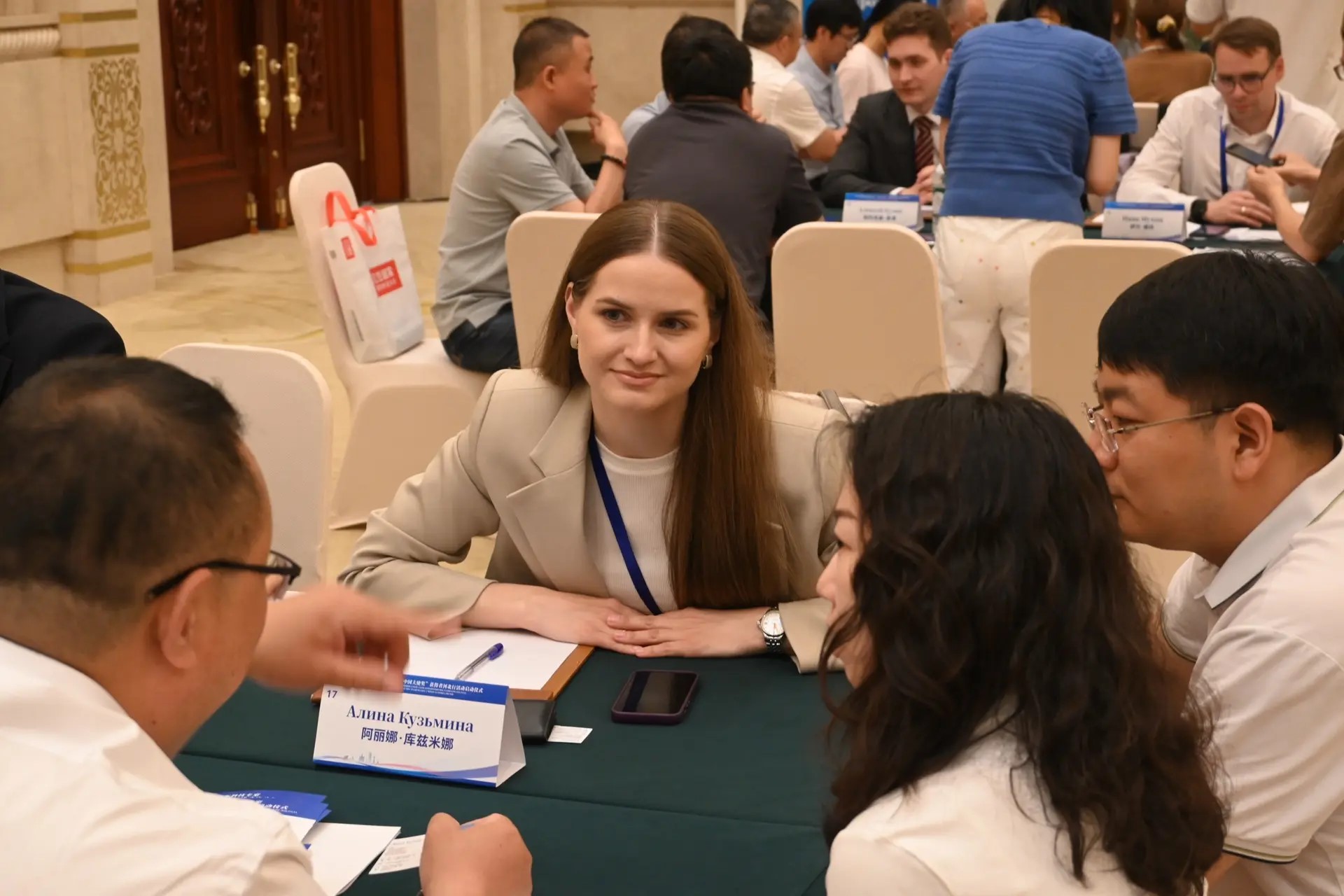
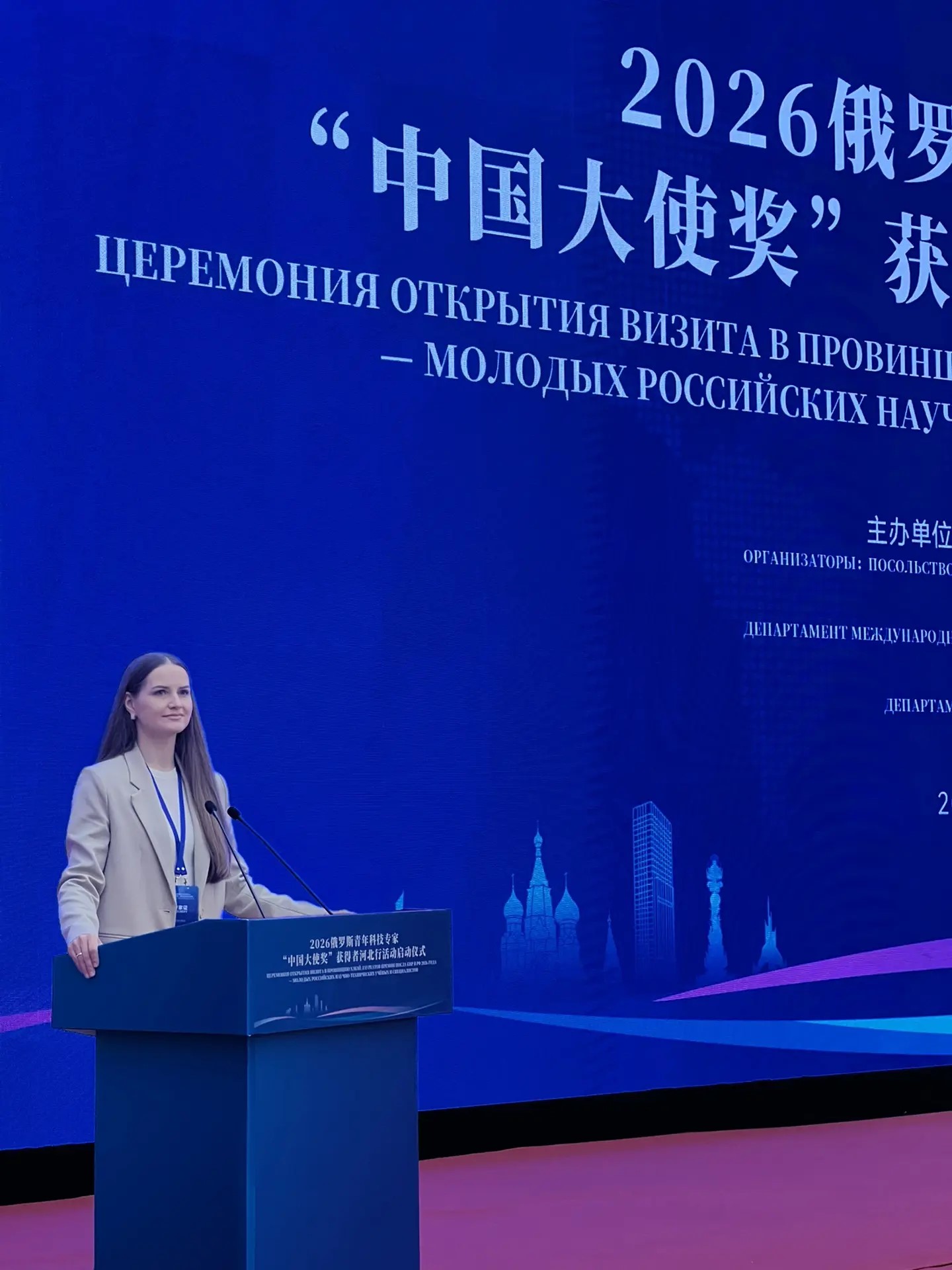
At five roundtables, Alina Kuz’mina presented the work of INRTU’s laboratory and key university research projects. She spoke about new materials for data storage and processing, as well as thin films with unique magnetic properties. The discussions also led to plans for joint research on advanced semiconductor materials for electronics.
The delegation also visited the Xiong’an High-Tech Zone, where participants explored a system designed to quickly turn research into industrial products. They were especially interested in the integration of science, industry, and urban development.
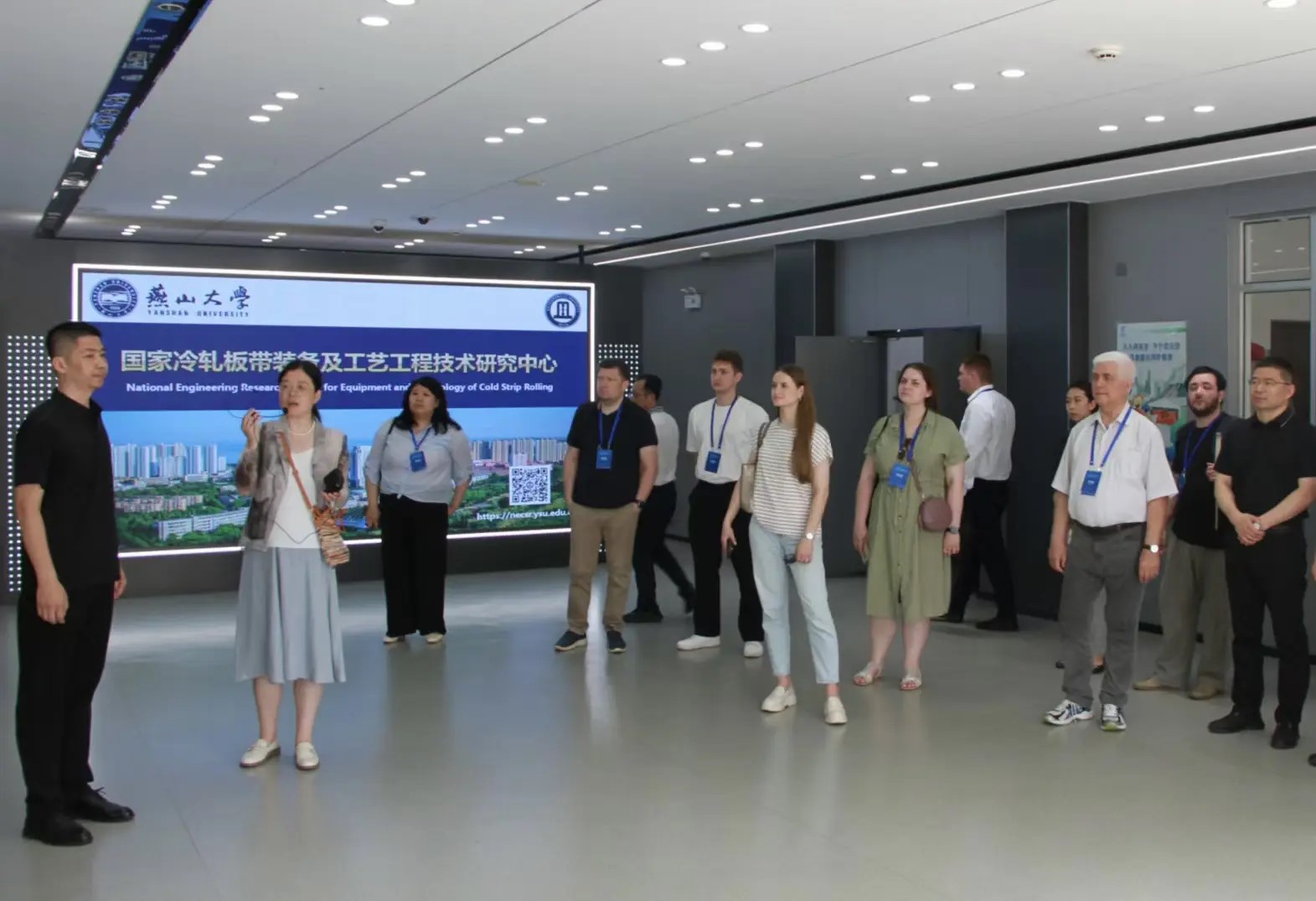
The final stop was Qinhuangdao, where the group visited Yanshan University and Zhongtian Shanjiao Group, a company specializing in bridge construction and railway equipment. Alina Kuz’mina said the visit provided valuable insight into how engineering and fundamental science are combined in international research.
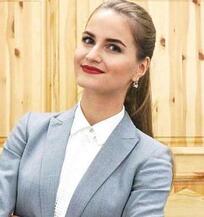
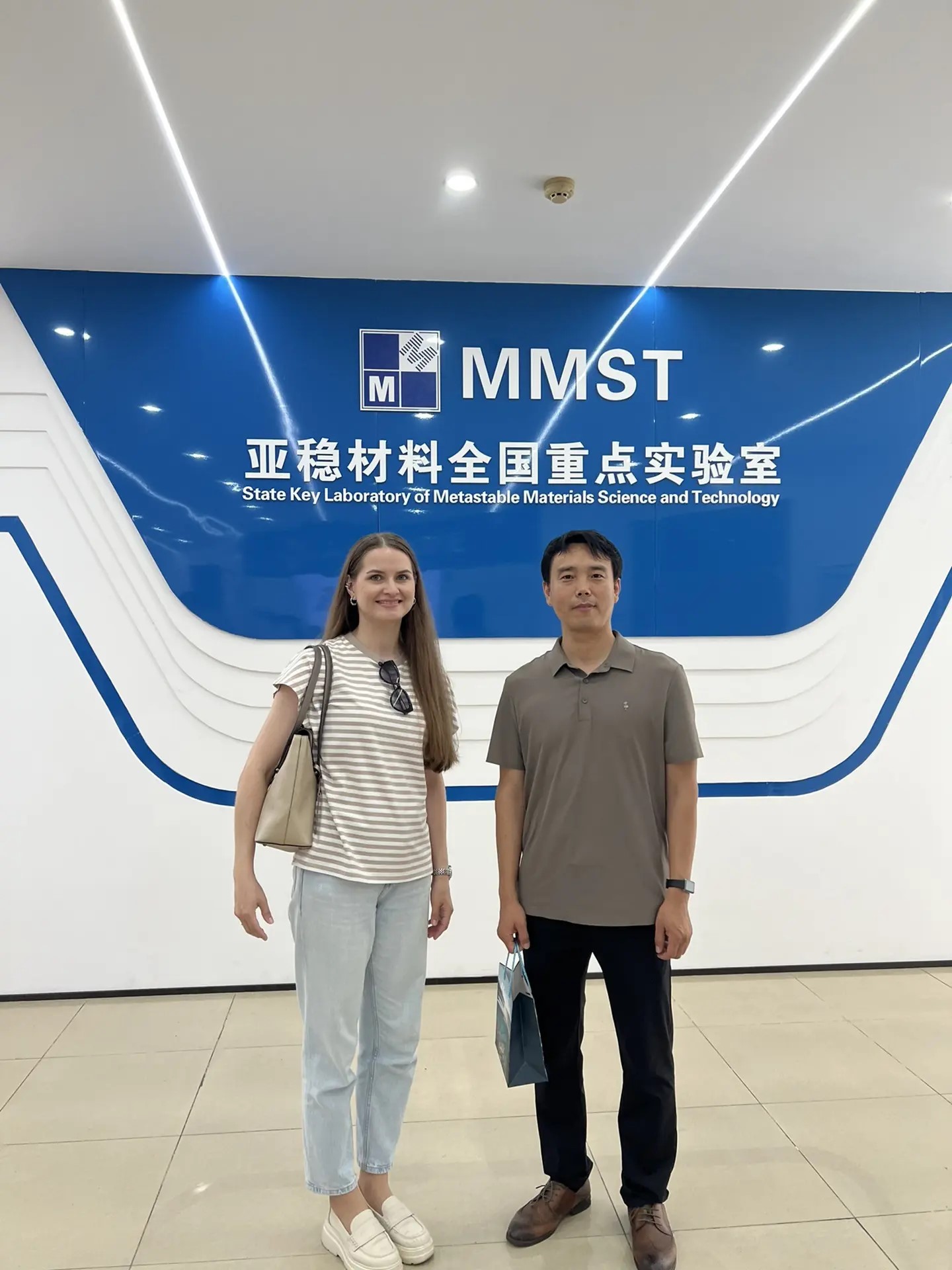
“I was most impressed by the State Key Laboratory of Metastable Materials Science and Technology at Yanshan University. The laboratory develops advanced materials for extreme conditions, and its research is used in major infrastructure projects. It is also a recognized center for international cooperation in advanced materials and intelligent manufacturing”.
The visit also gave Alina an opportunity to learn about international approaches to developing materials with specific properties.
“This work is closely connected to our research on spintronic structures. We also discussed possible cooperation on new materials for the electrical industry”,
she said.
The program also included visits to biopharmaceutical companies and cultural sites.
According to Kuz’mina, the trip broadened her professional outlook.
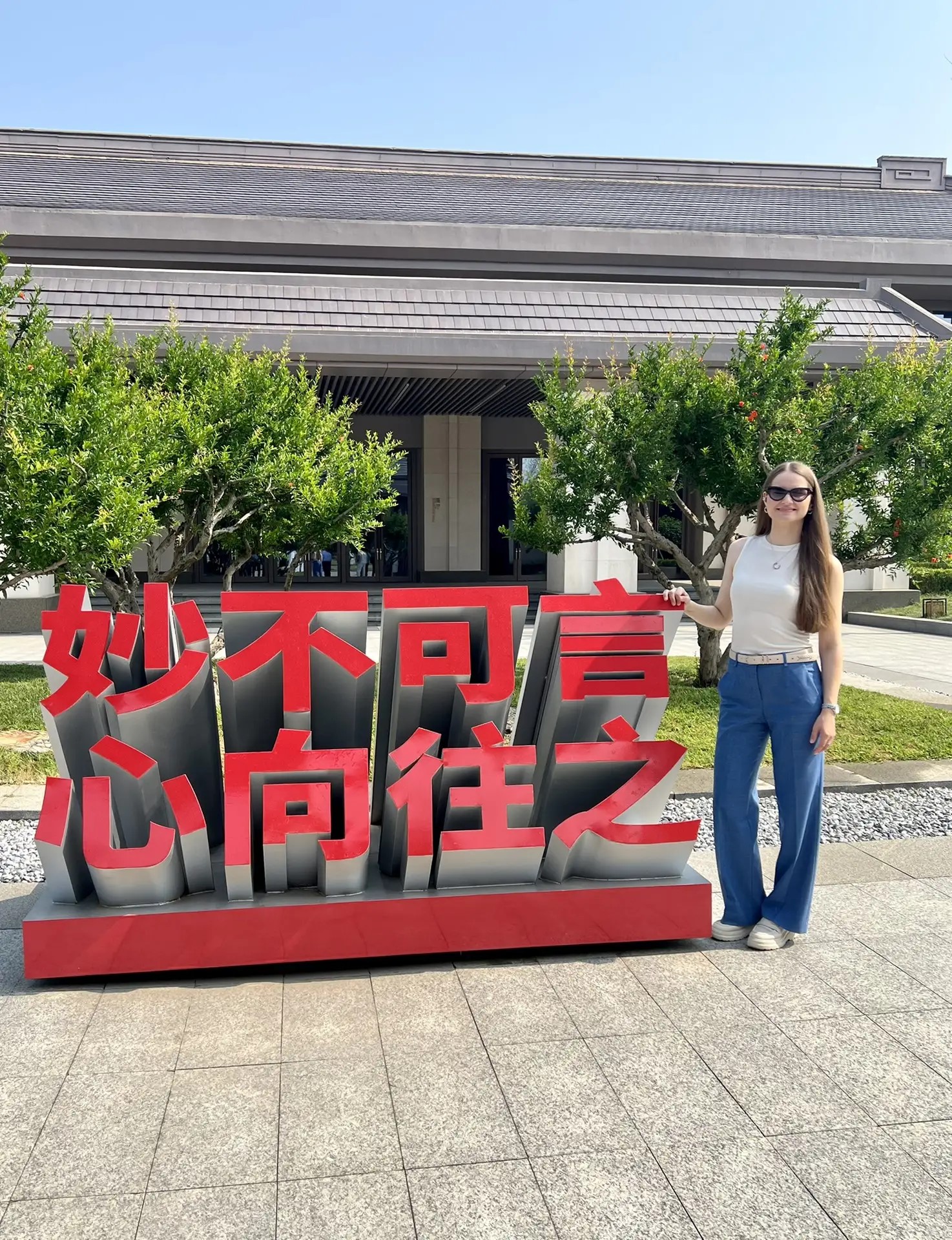
“I saw how China has developed its scientific and industrial infrastructure in materials science, electronics, and telecommunications. We also explored the model of research and industry integration in Xiong’an. The cultural program included visits to the Hebei Provincial Museum, the historic city of Zhengding, and the coastal section of the Great Wall at Shanhaiguan.
I would like to thank INRTU for the opportunity to represent the university internationally. I am confident that this visit will strengthen cooperation with our Chinese colleagues and support future research projects”.