INRTU Rector Mikhail Korniakov Reviews Summer Results and Sets Priorities for the New Academic Year
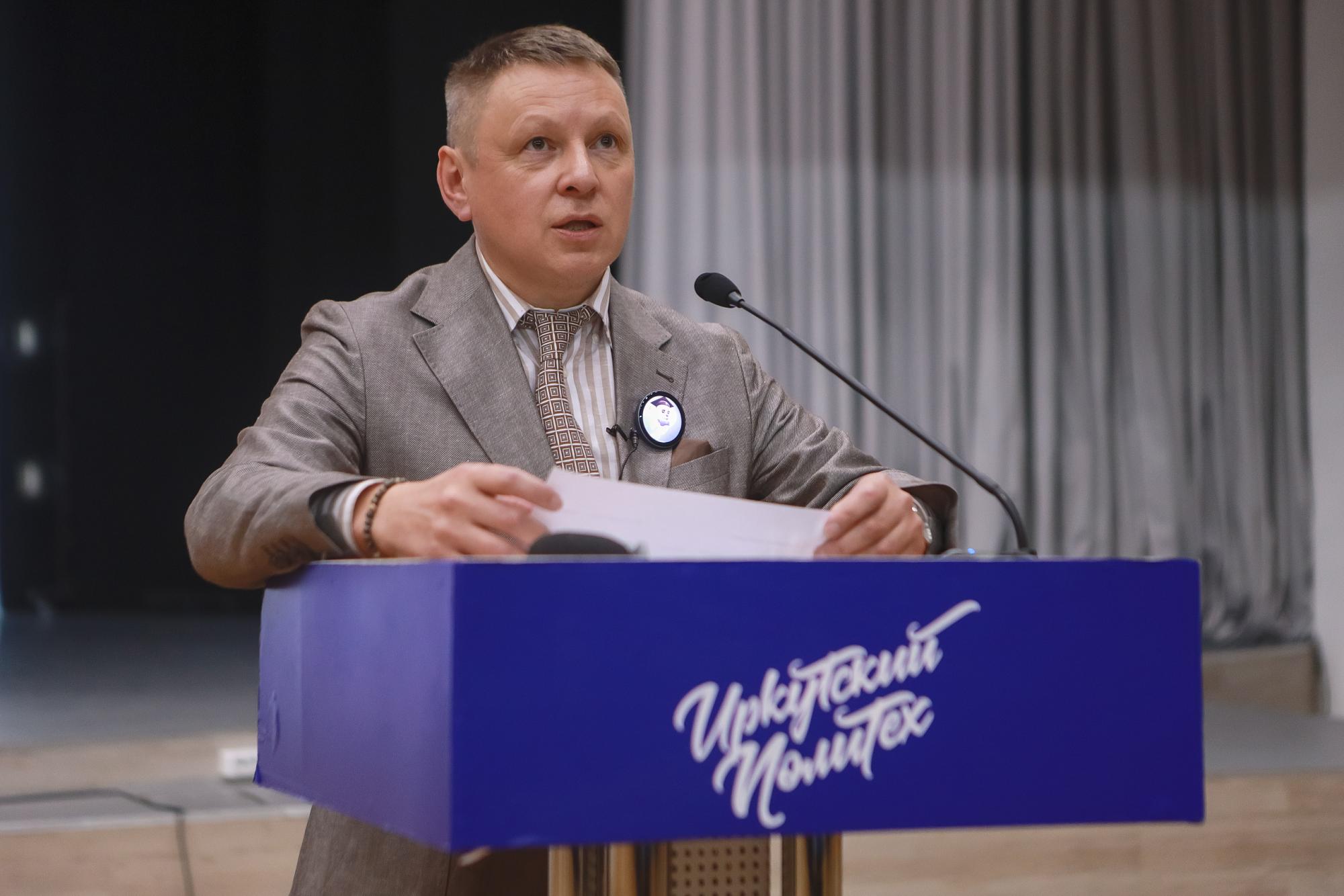
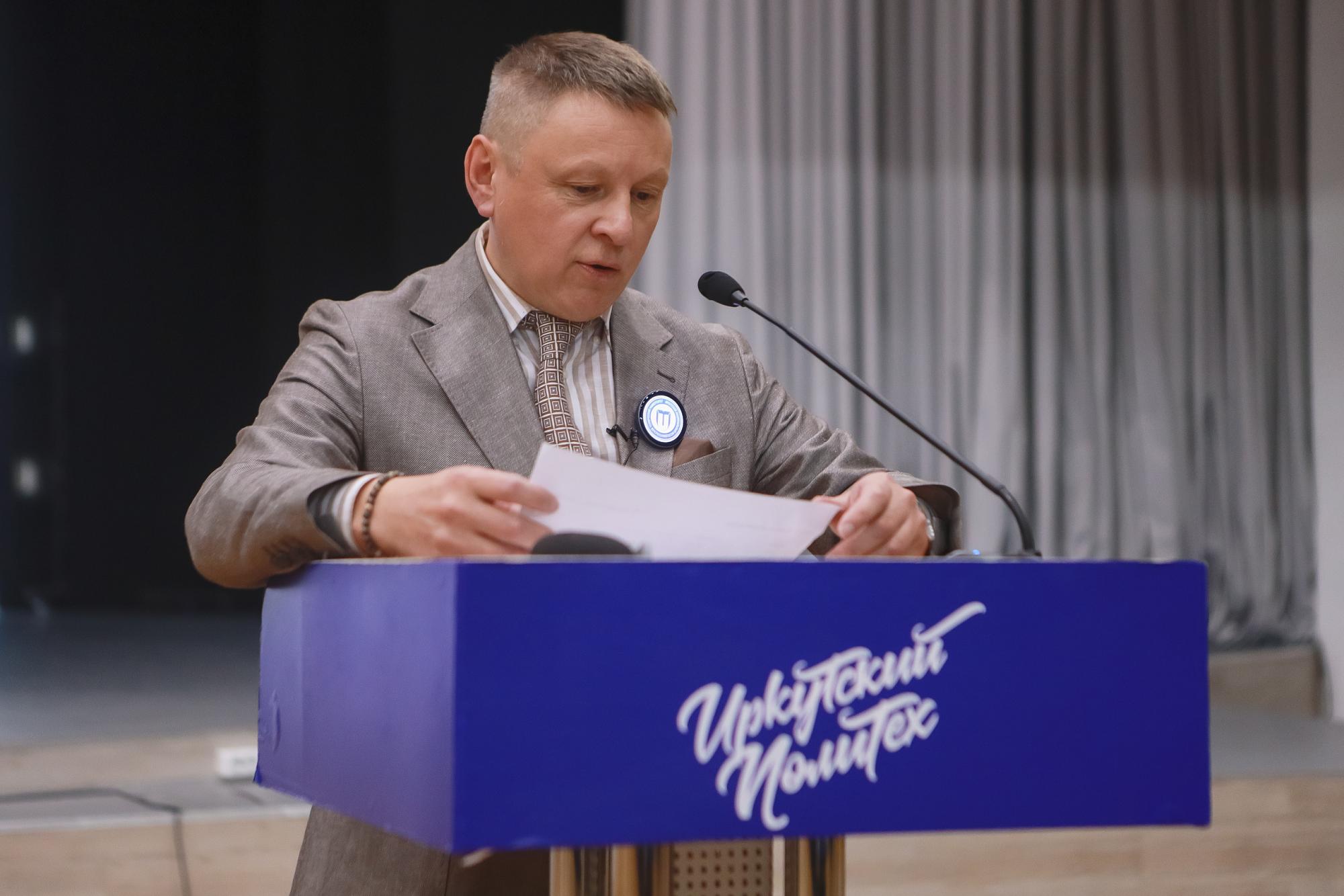
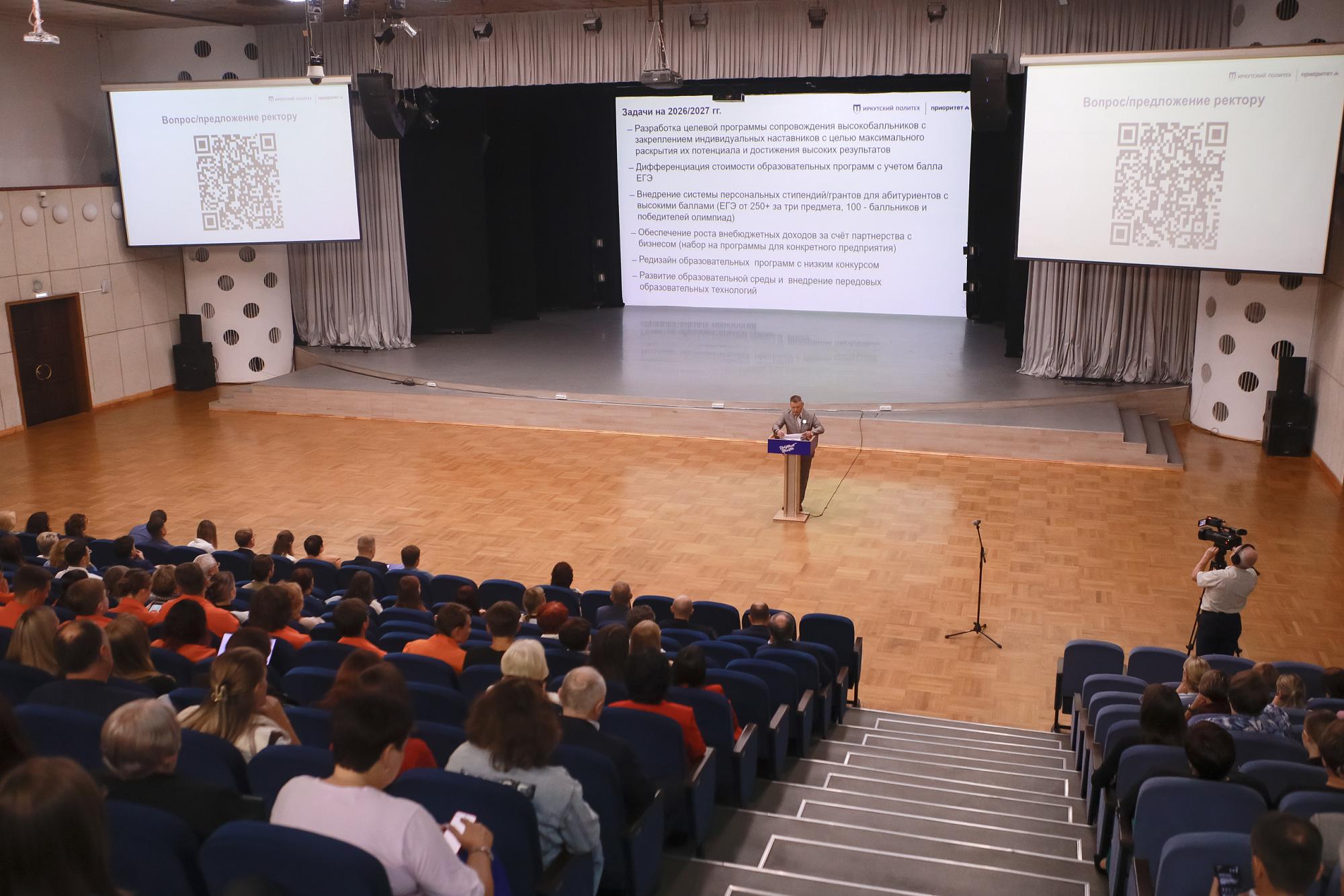
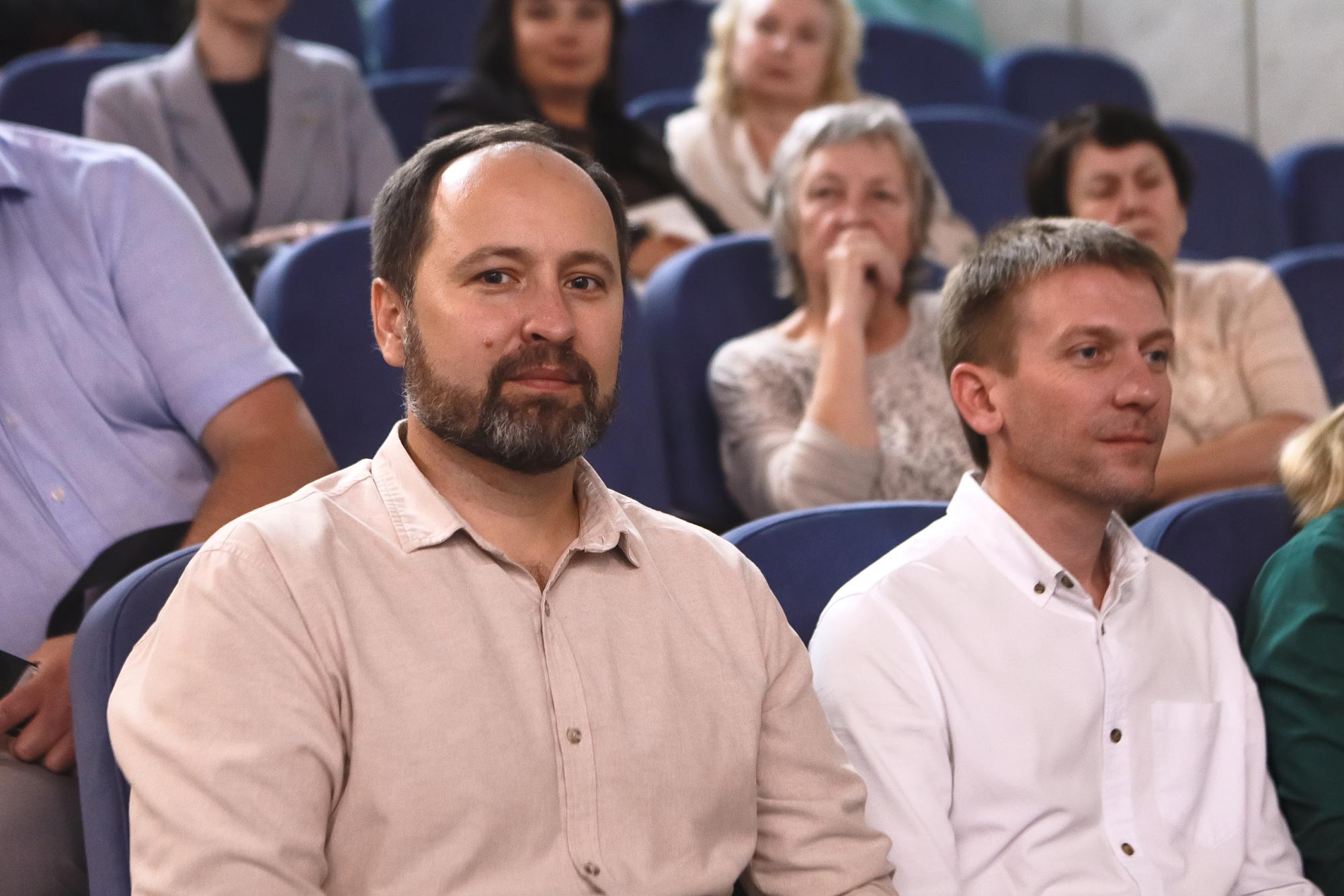
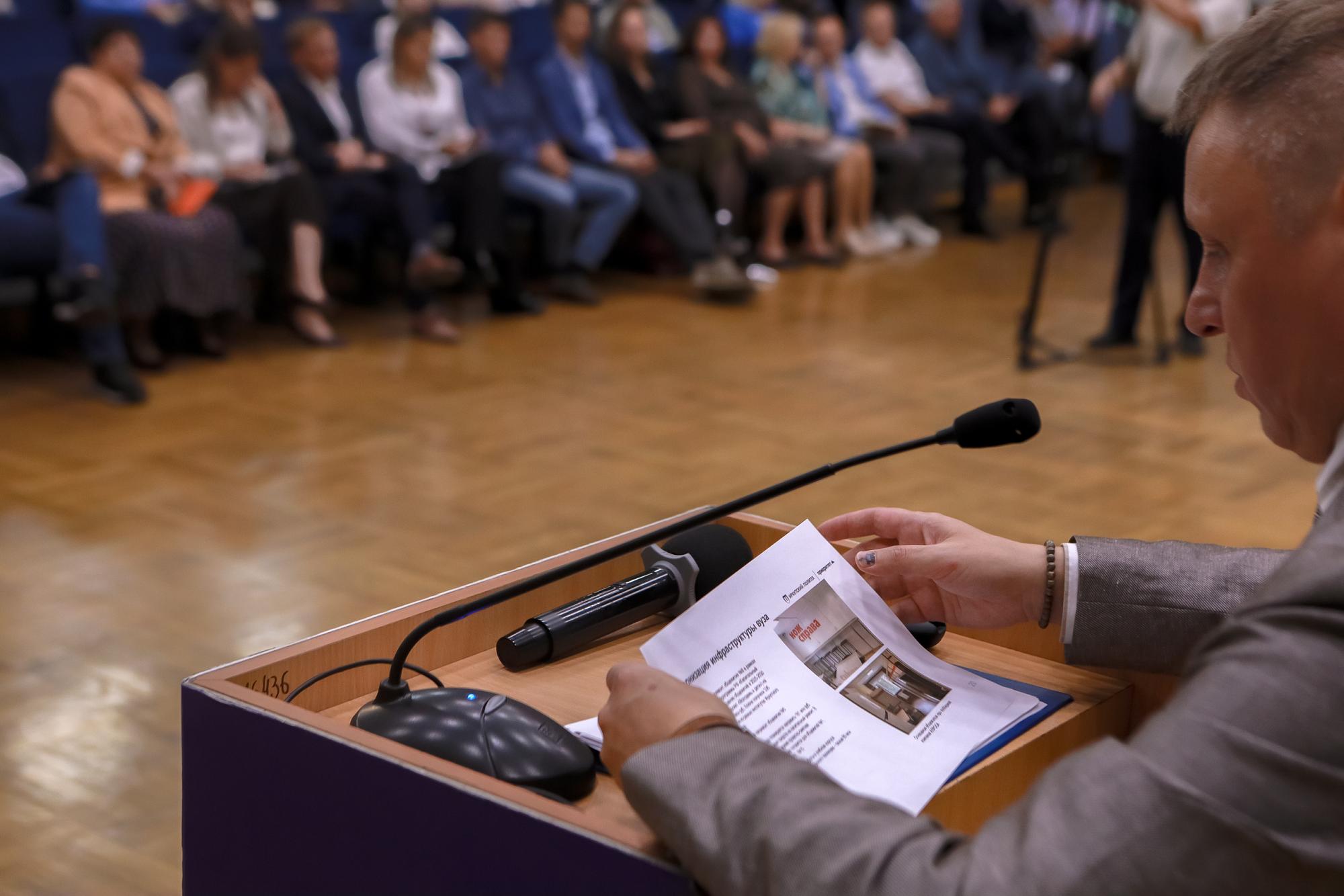
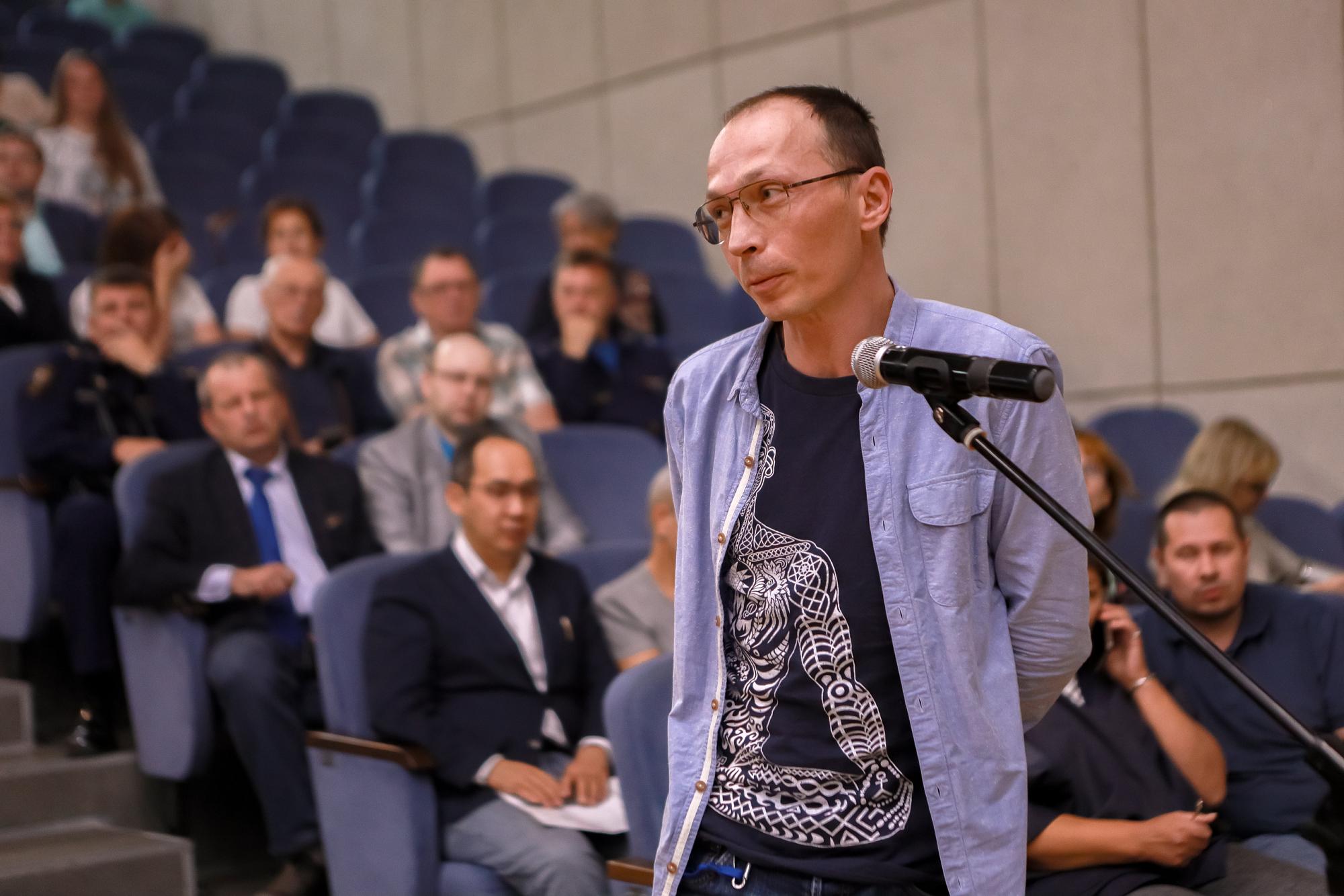
At a meeting with university staff on September 10, INRTU Rector Mikhail Korniakov reviewed the university’s work over the summer and outlined its key priorities for the 2026-2027 academic year. The meeting covered the successful completion of the admissions campaign, digital transformation, human resources policy and the modernization of university infrastructure.
According to Mikhail Korniakov, the university maintained strong momentum in student recruitment. More than 5,400 first-year students were enrolled following this year’s admissions campaign. The average Unified State Exam (USE) score among students admitted to state-funded places rose to 73.6, compared with 70.2 a year earlier.
The quality of this year’s intake is also reflected in the number of high-scoring applicants admitted to INRTU. More than 190 incoming students achieved combined USE scores of 250 or higher, almost twice as many as two years ago.
R&D volume is one of the key indicators in INRTU’s development program. The university has set an ambitious target of generating RUB 530 million in contract R&D revenue this year. To achieve it, INRTU is focusing on integrated programs for its industrial partners, including GV Gold, En+ Group, PJSC United Aircraft Corporation (UAC), Rostec State Corporation and NGC. The university also plans to expand cooperation with other major companies through long-term agreements.
In 2026, INRTU is stepping up the integration of artificial intelligence into education. A student AI assistant will soon be launched on the MAX messaging platform, helping students keep track of university events, check their timetables, find information about scholarships and navigate the campus. The digital assistant was developed by the Baikal Center of Artificial Intelligence and Digital Technologies (Baikal AI Center). INRTU also plans to use AI to develop academic documentation and automate student assessment.
Closely linked to the university’s digital transformation agenda is Polytech Squared, a new joint project by INRTU and Peter the Great St. Petersburg Polytechnic University (SPbPU), supported by the Government of the Irkutsk Region and En+ Group. As part of the initiative, more than 100 physics teachers from the Irkutsk Region completed an intensive training program this summer on hybrid teaching methods and the use of neural networks.
Mikhail Korniakov also highlighted a large-scale modernization of INRTU’s facilities. The overhaul of the Geological Exploration College academic building and Dormitory No. 8 has been completed at a total cost of RUB 295 million, with more than 360 students already receiving keys to renovated rooms. Dormitory No. 5 is next in line for major renovation. In 2026, RUB 181 million in federal funding is expected to be allocated for capital repairs. Design and cost estimate documentation is currently being prepared for Dormitories No. 1, 2, 3, 11 and 15.
INRTU is also taking part in a federal competition to establish an Interuniversity Campus. If the project is selected, the new site is expected to bring together a technology park, student dormitories and a sports complex by 2036. The infrastructure is ultimately intended to become financially self-sustaining.
The Rector also presented the results of the university’s performance-based contract system. Since the beginning of the year, 706 of 769 faculty members have met its requirements, while 40 exceeded their targets. Key performance criteria included participation in research, educational and career-guidance activities, as well as co-authoring academic papers with students. Publication output in journals included in Russia’s national “White List” nearly tripled, rising from 14 to 40.
At the meeting, Mikhail Korniakov also emphasized patriotic education for young people as one of INRTU’s key priorities.
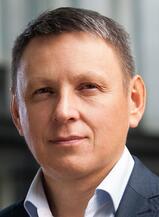
“Educating and guiding young people is a shared responsibility across the university. Faculty members play a central role in shaping the student development environment,”
the Rector stressed.
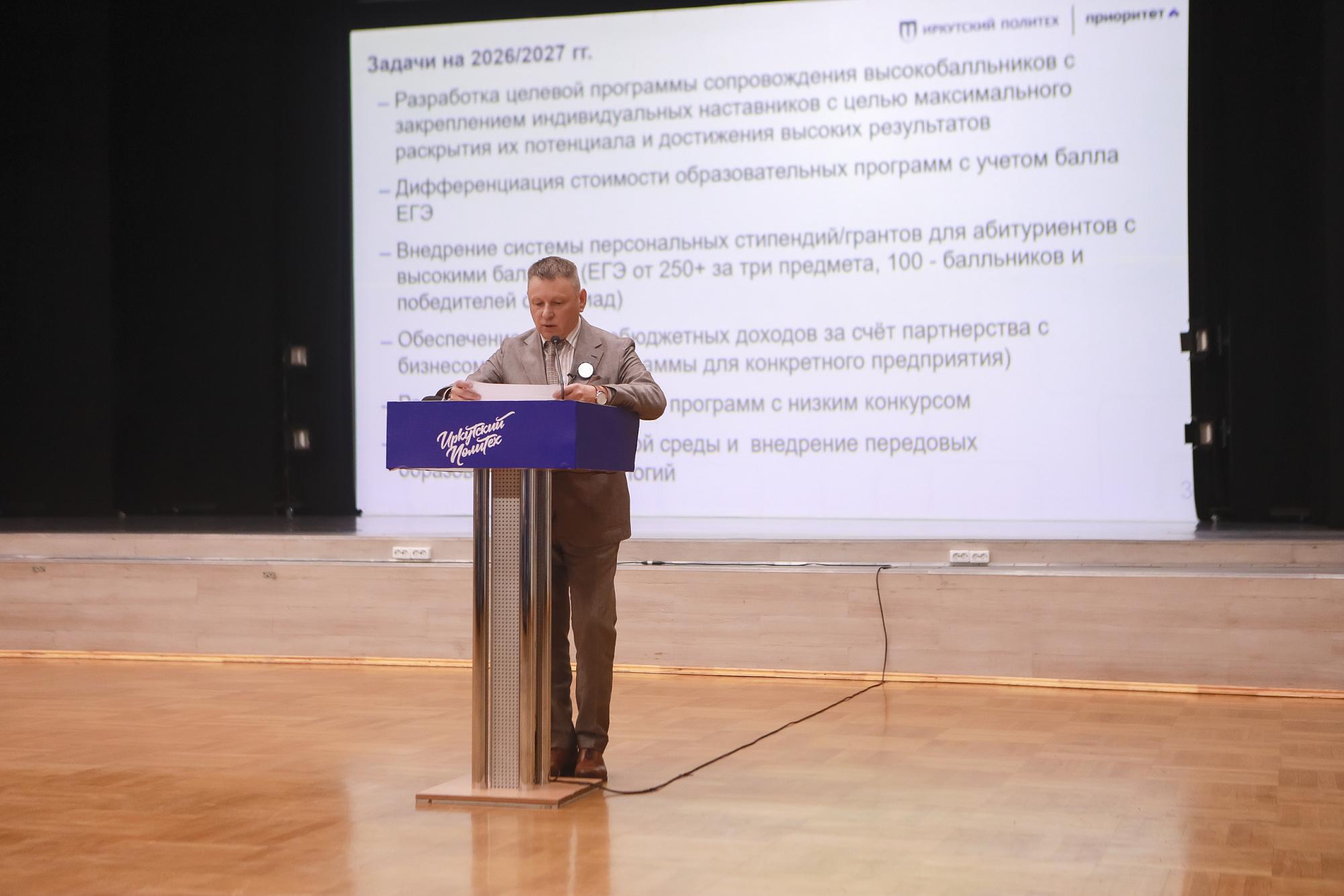
Mikhail Korniakov outlined the university’s priorities for the 2026-2027 academic year. They include developing a targeted mentoring program and introducing individual scholarships for high-scoring applicants. Another potential growth area for INRTU is the establishment of the Rostec-Baikal Advanced Engineering School (AES), envisioned as a new world-class center of expertise in aircraft engineering. The project has a total budget of RUB 1.8 billion. INRTU will also continue developing its employer brand, loyalty program and the “Teacher” and “Researcher” professional development tracks.