Conservation of water resources discussed at INRTU at the international Russian-Chinese youth conference
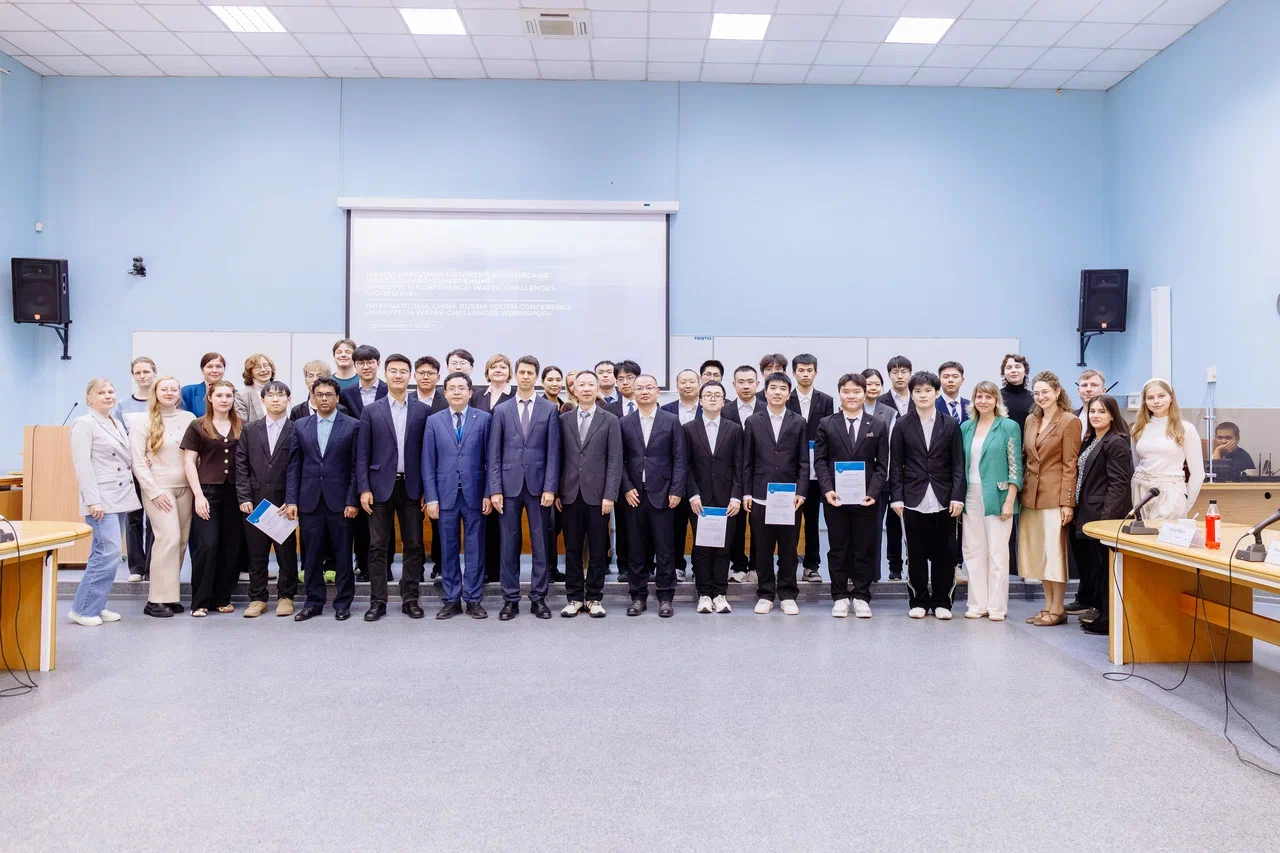
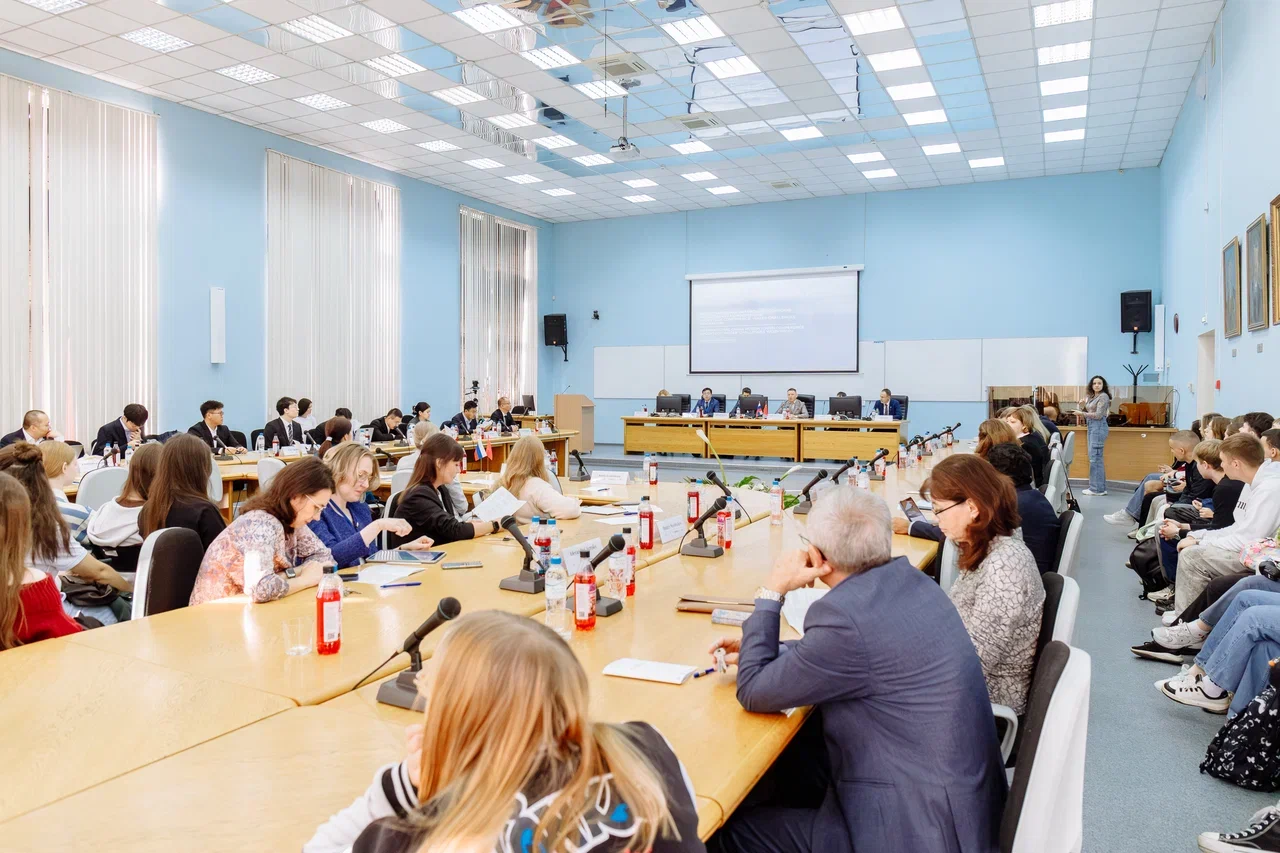
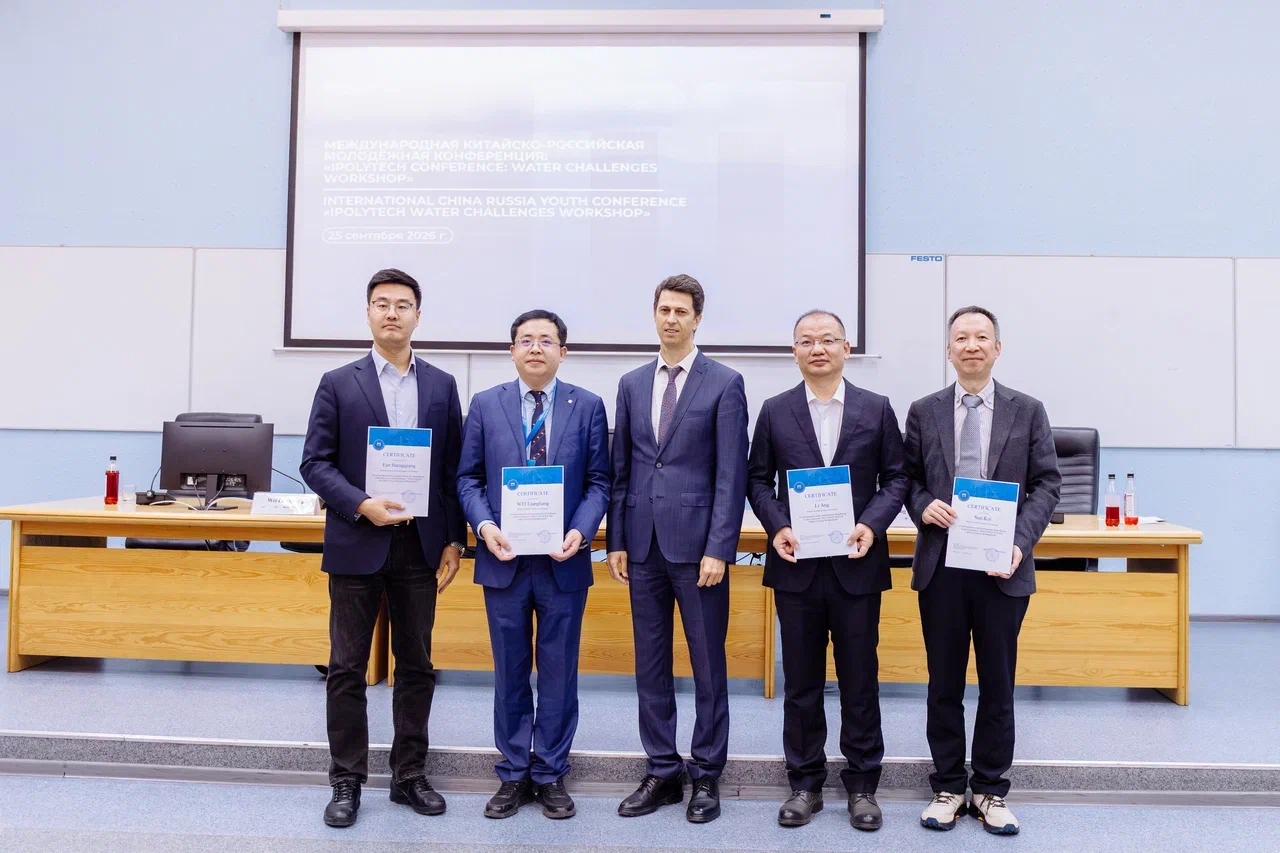
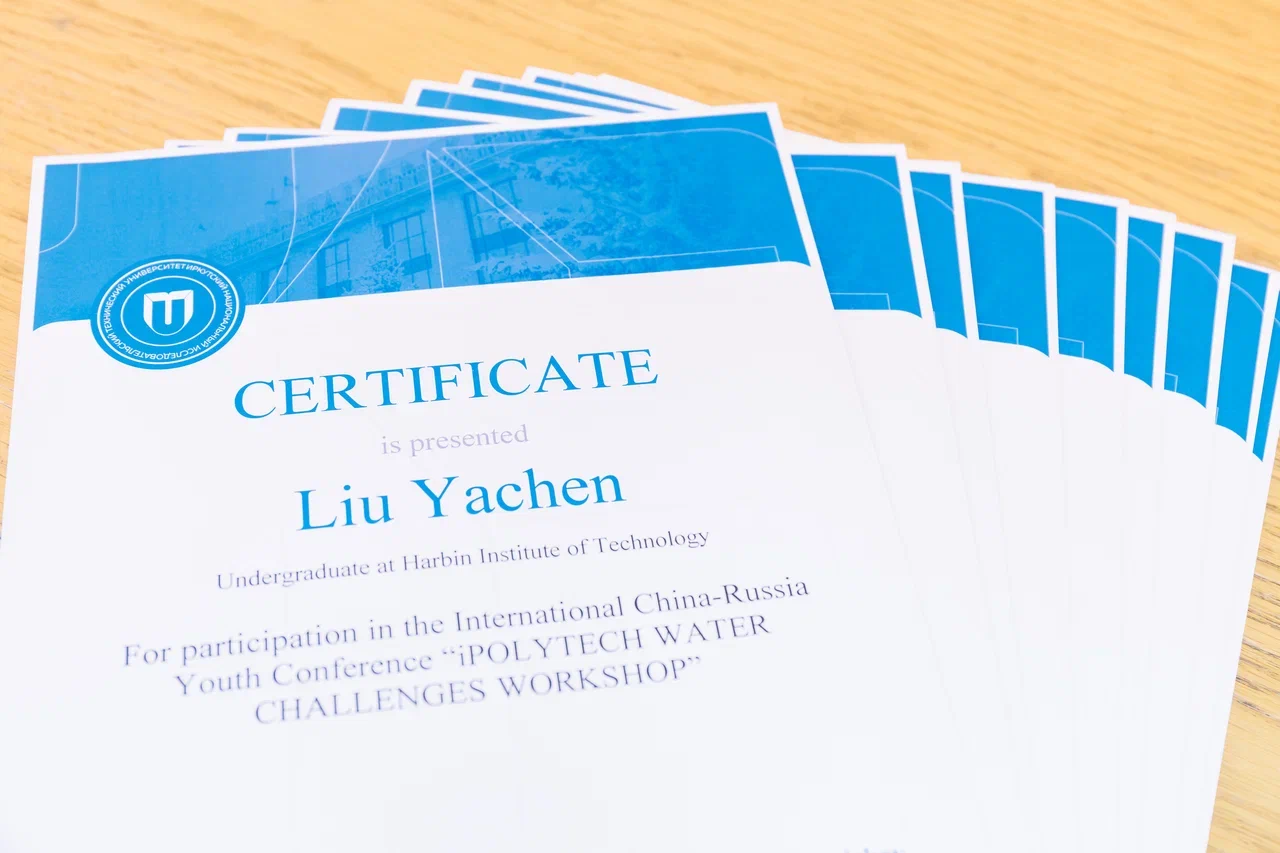
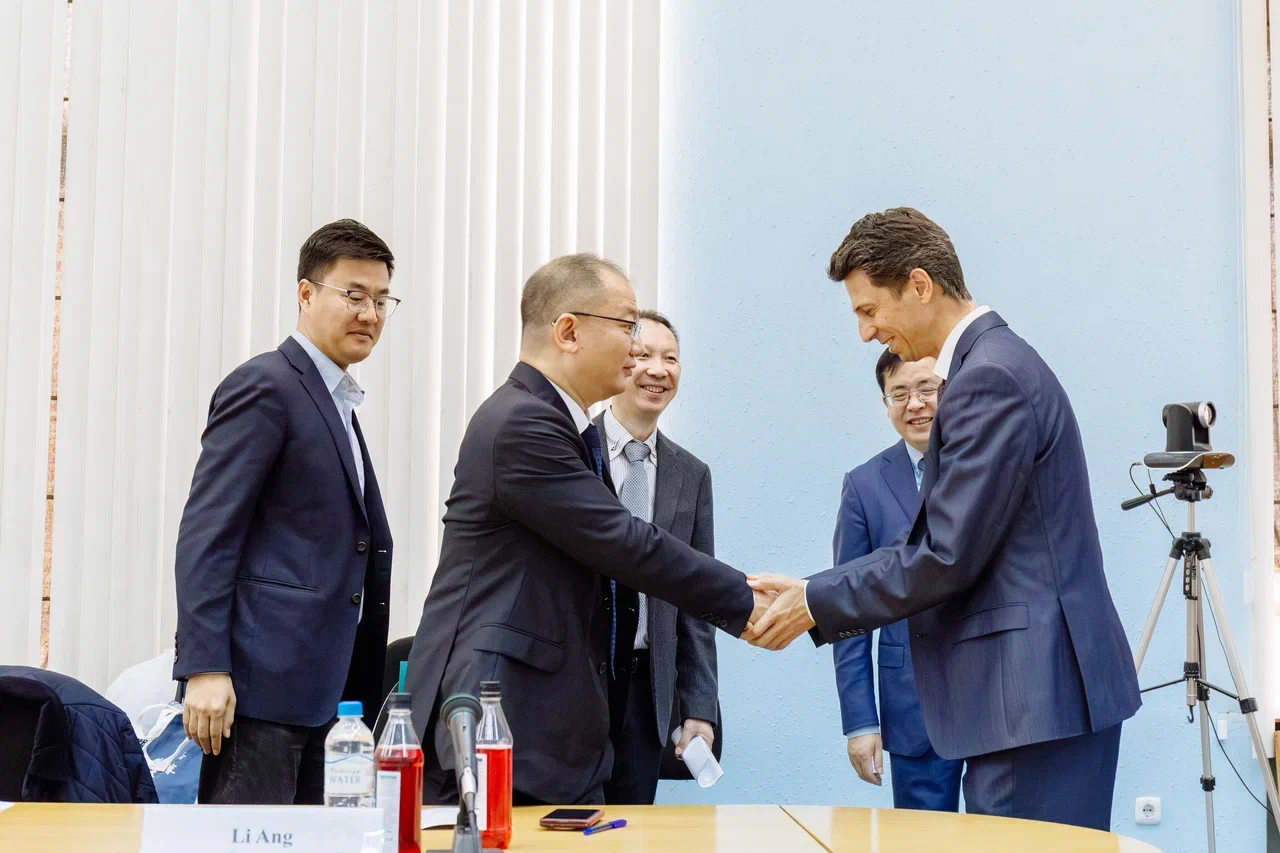
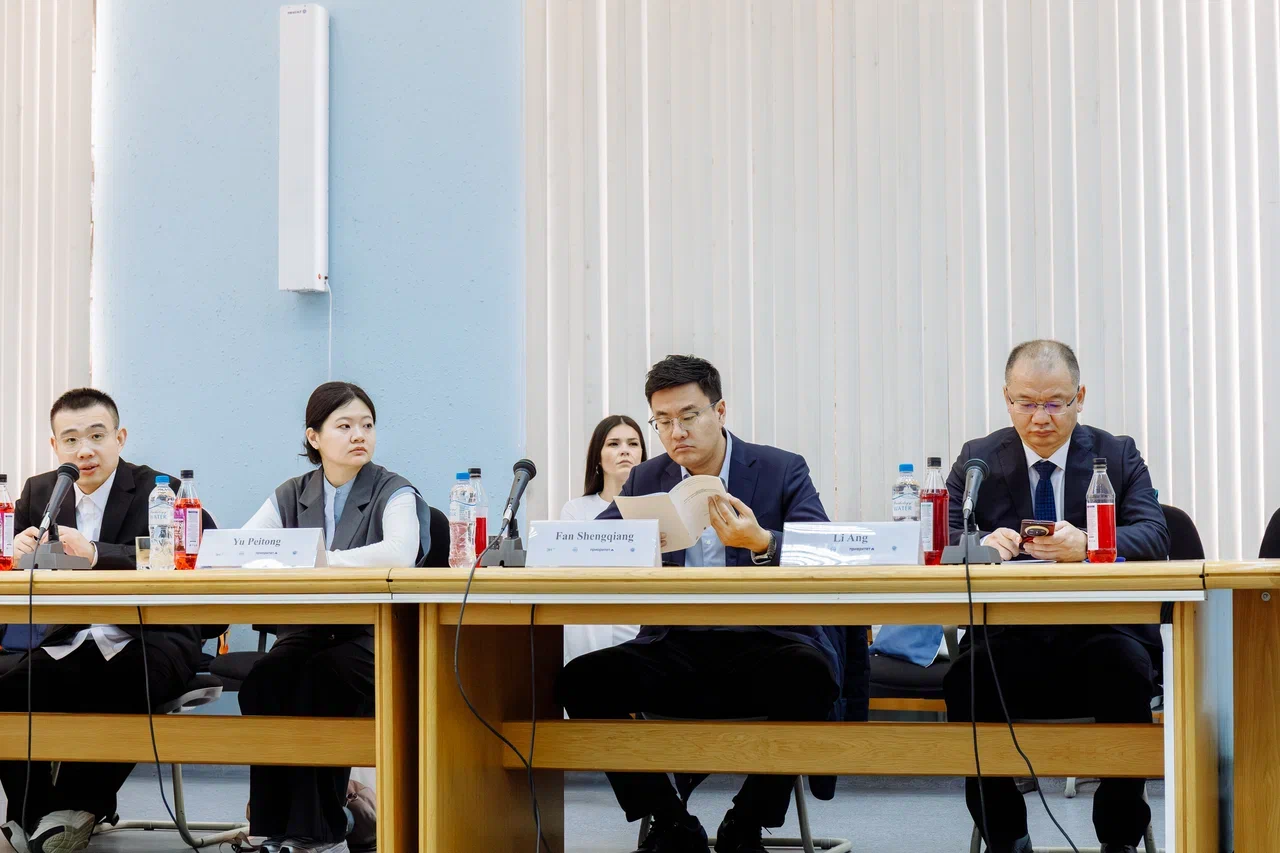
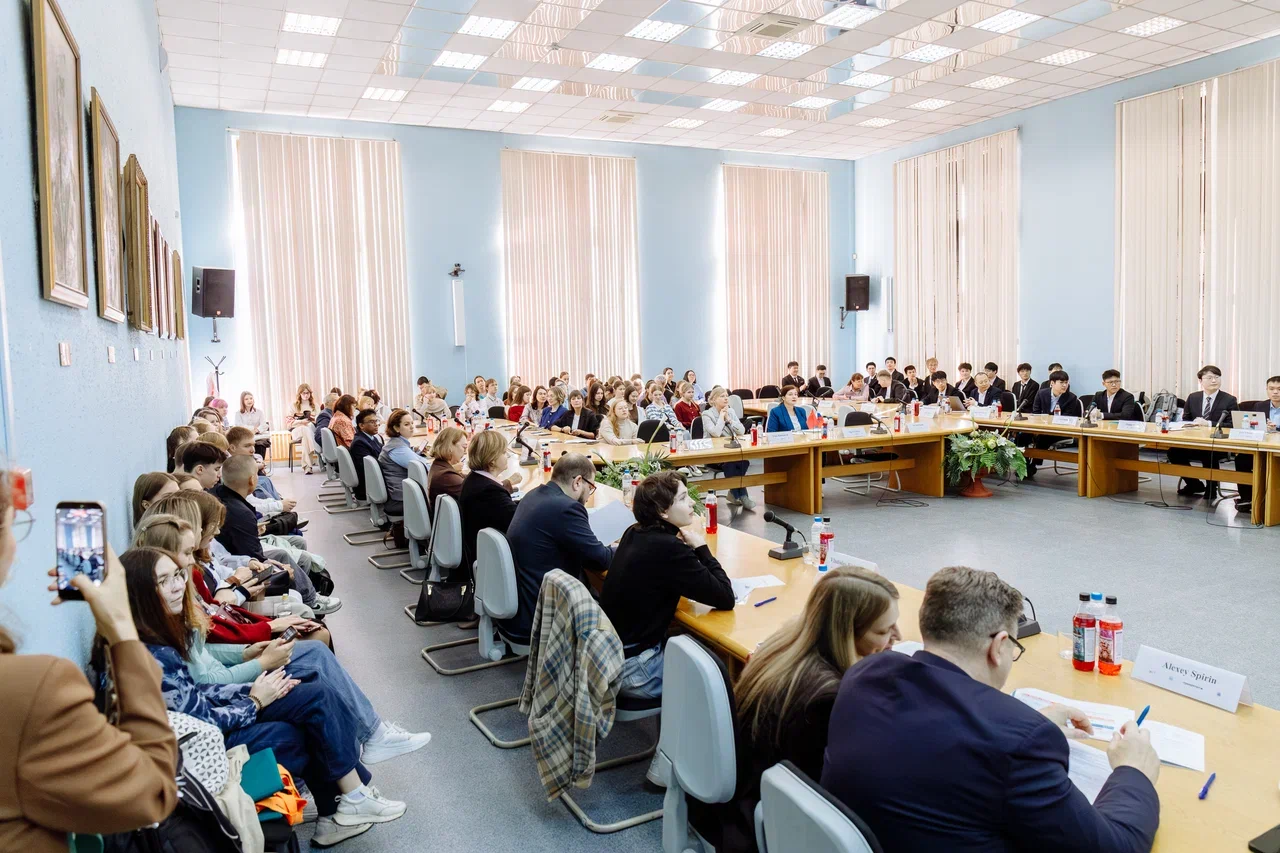
The international Russian-Chinese youth conference “iPolytech conference: water challenges workshop” devoted to the problem of conservation of water resources was held at INRTU. The event, associated with the 30th anniversary of the inclusion of Lake Baikal in the UNESCO World Heritage List, was held as part of the Baikal International Environmental Congress.
The conference was organized by INRTU in cooperation with the Harbin Institute of Technology and the En+ Group energy holding. The event serves as a regular platform for discussing current and potential topics for joint research as part of the Clean Water Center, established by the universities with campaign support in 2024. Representatives of Irkutsk State University and the Limnological Institute of the Siberian Branch of the Russian Academy of Sciences (SB RAS) also joined the conference.
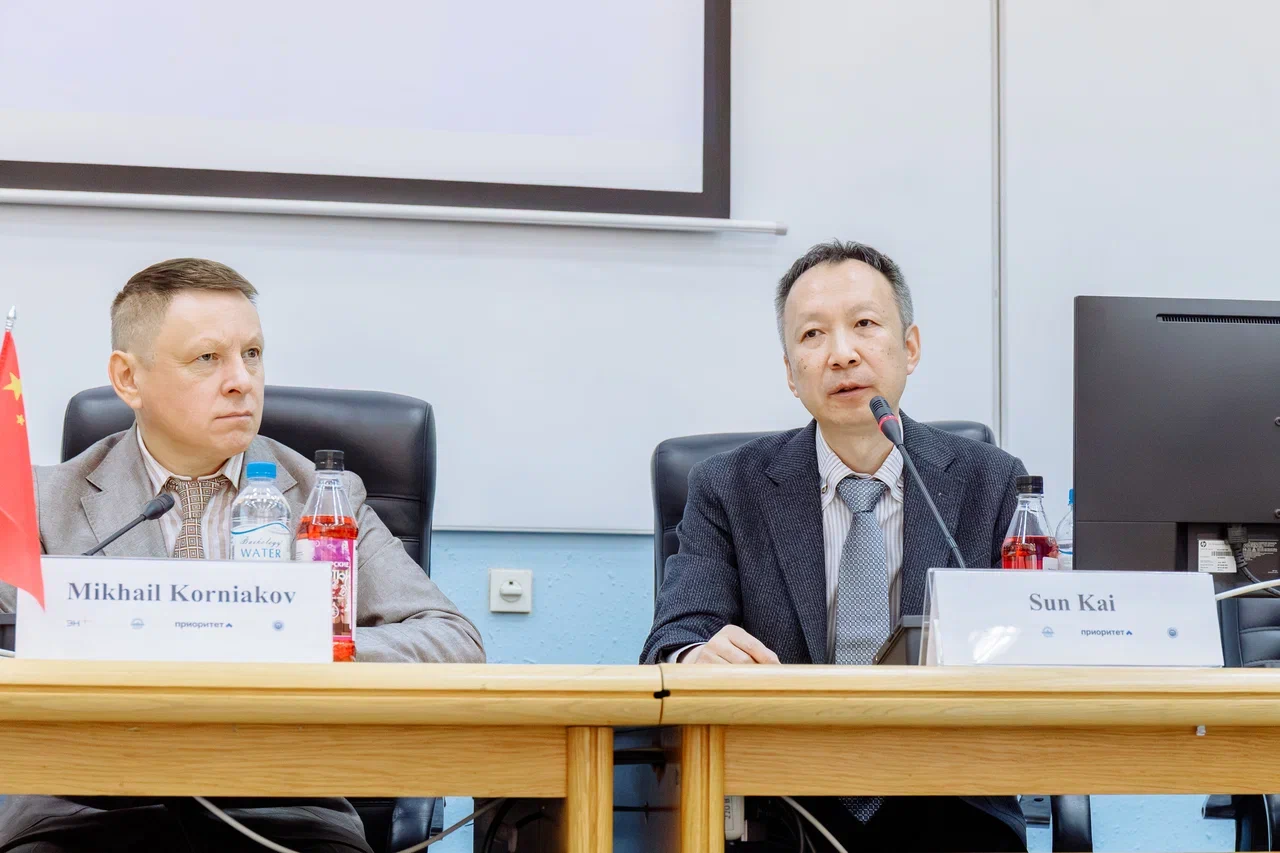
The significance of partnership with Chinese colleagues was highlited by INRTU Rector Mikhail Korniakov. According to him, the region located near Lake Baikal faces a dual challenge: preserving the ecosystem while ensuring socio-economic growth.
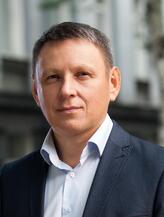
“Industry is impossible without the use of water resources, which creates a serious challenge. Our goal is to make technologies 'green.' In this context, the experience of the Harbin Institute of Technology is invaluable to us. I am confident that the ideas and projects voiced at this conference will lay the foundation for our future joint solutions,”
Mikhail Korniakov stated.
“We see that interest in the conference is growing, the number of participants is increasing, and our discussions are giving a good result. It is a great honor for me to be here, on the shores of Lake Baikal, and to witness how our joint initiatives are growing into serious scientific projects,”
expressed his gratitude to the participants and organizers of the scientific forum Professor Wei Liangliang of the Harbin Institute of Technology.
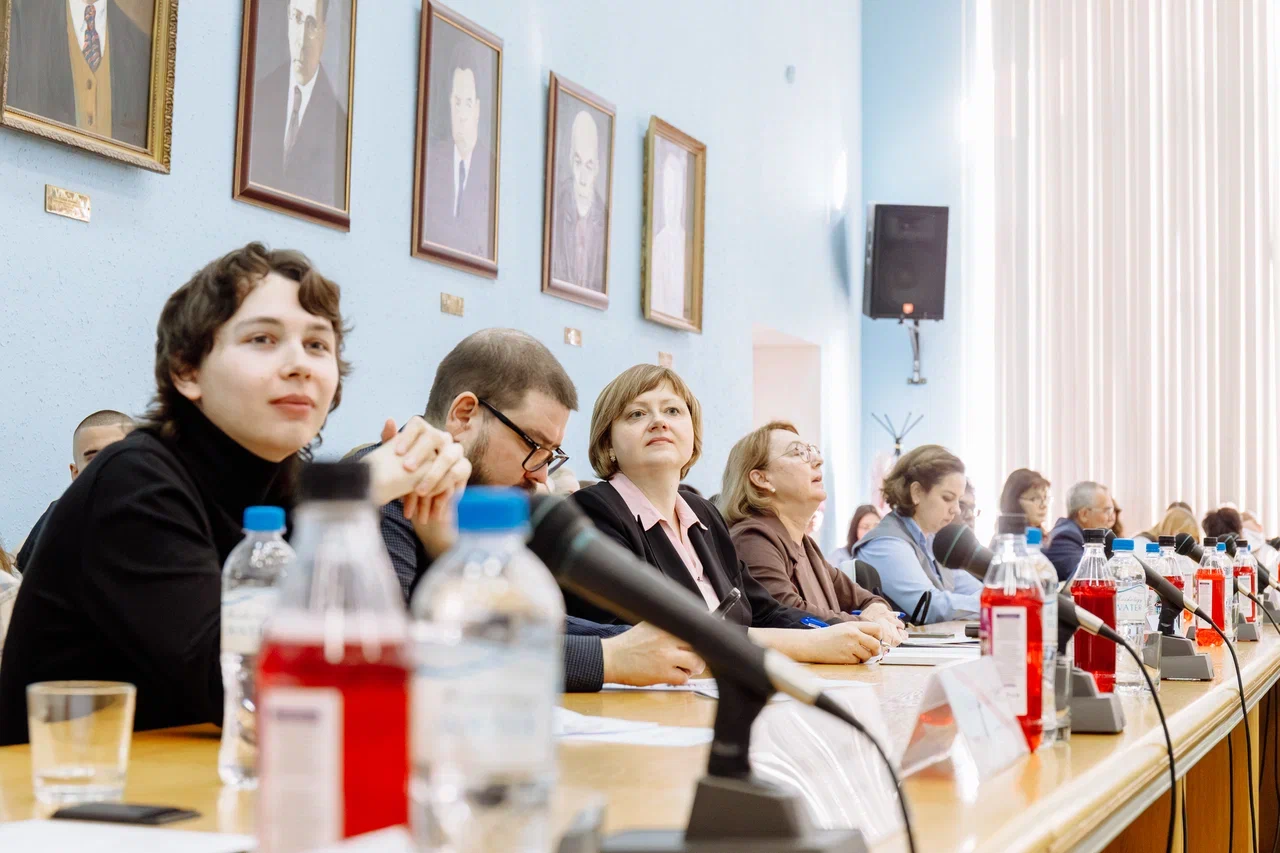
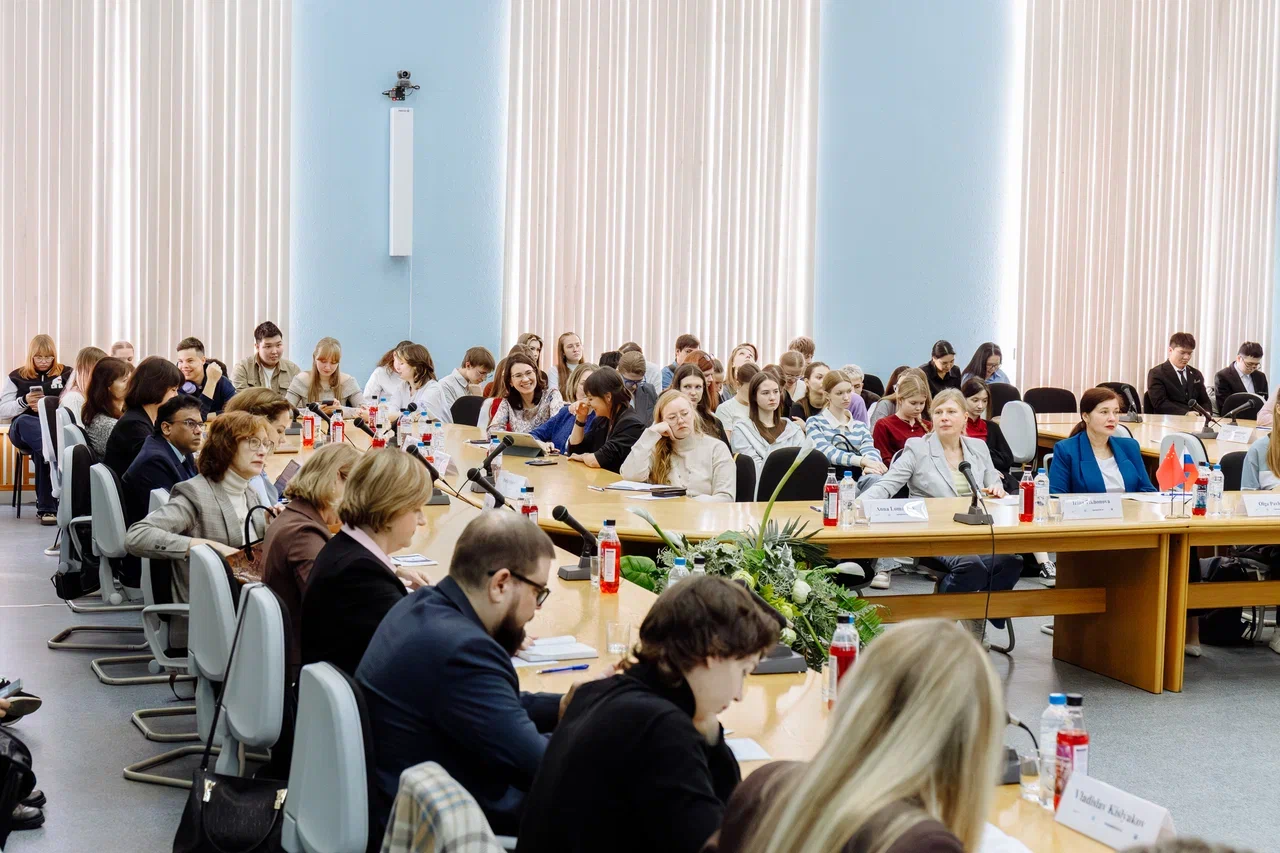
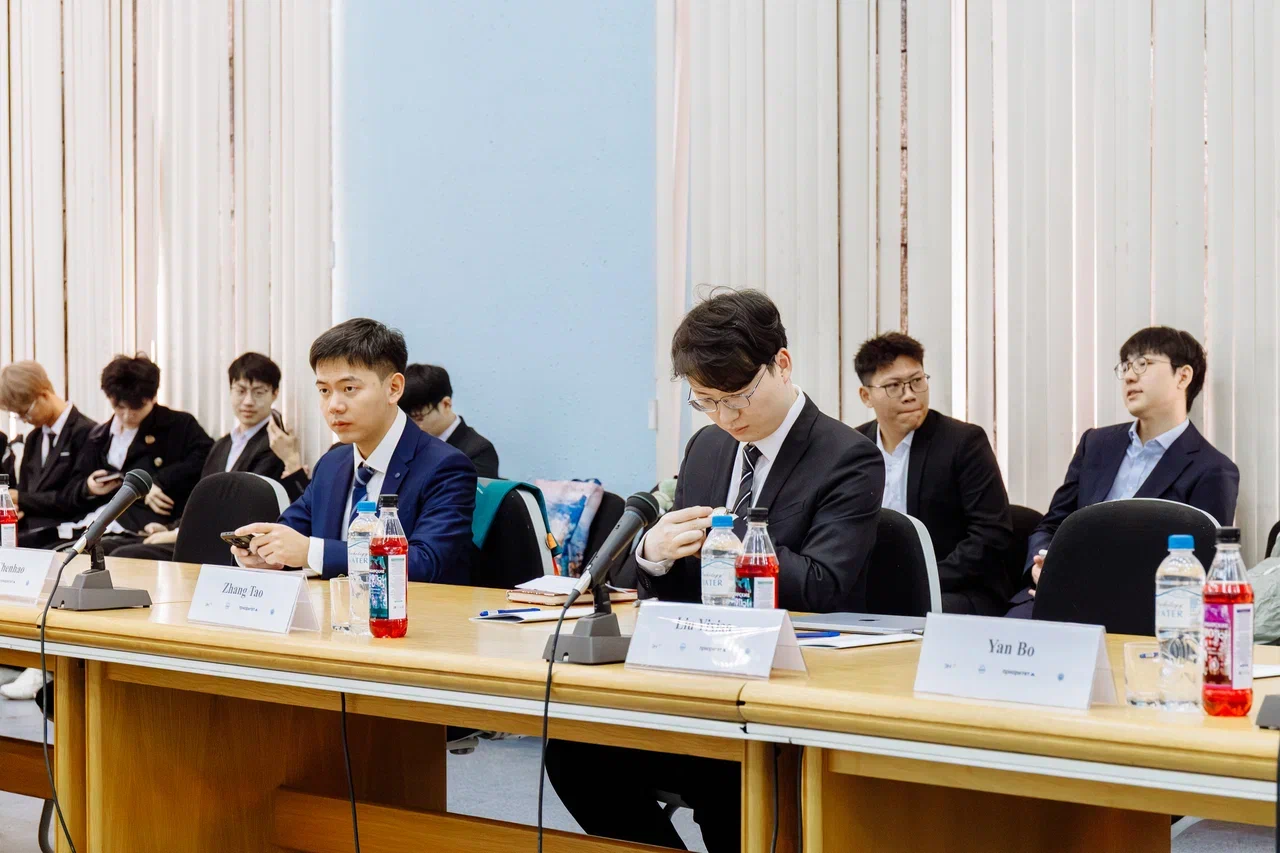
In total, 26 reports were presented across two sections: "Biotechnologies of Water Treatment and Biodegradation" and "Water Management Engineering and Water Pollution Control". The range of topics covered global issues as well as local tasks of Eastern Siberia. Alexey Spirin, En+ Group Climate advisor and Director of the RUSAL Department, presented a climate change adaptation strategy for the Baikal basin. Professor Wei Liangliang shared methods for controlling stormwater runoff pollution, while Grigory Lonshakov, a leading engineer at the INRTU Hydrogeology Laboratory, addressed the geo-ecological stability of the hydrosphere using the city of Irkutsk as a case study.
Forum participants discussed integration opportunities of data centers into heat supply systems as well as risks associated with transitioning to underground water supply in Transbaikalia.
Vice Rector for Research Aleksandr Kononov noted that the discussion brought together not only professors and young scientists, but also specialists from other organizations, including biotechnologists and water treatment experts.
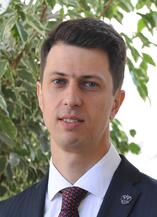
“The outcome of such conferences for us is joint applications for grant competitions held by the Ministry of Science and Higher Education of the Russian Federation and the Russian Science Foundation that support Russian-Chinese projects. We plan to hold internal meetings with section moderators to identify priority areas. In 2022, INRTU and the Harbin Institute of Technology established a joint Scientific Center for Clean Water, with the En+ Group energy holding acting as a corporate partner. By discussing the results of this conference, we will be able to determine which project to launch into the educational program for personnel training. This very project will form the core foundation of the Scientific Center for Clean Water,”
Alexandr Kononov said.
As part of the center’s activities, a master’s degree program "Ecology and Green Technologies" was launched in 2025. This year, two students, studied by support from En+ Group, traveled to the Harbin Institute of Technology to study advanced water treatment technologies. This work will serve as a continuation of the research presented at the conference.