INRTU Students Tackle Nornickel Production Case at "Conquerors of the North" Championship
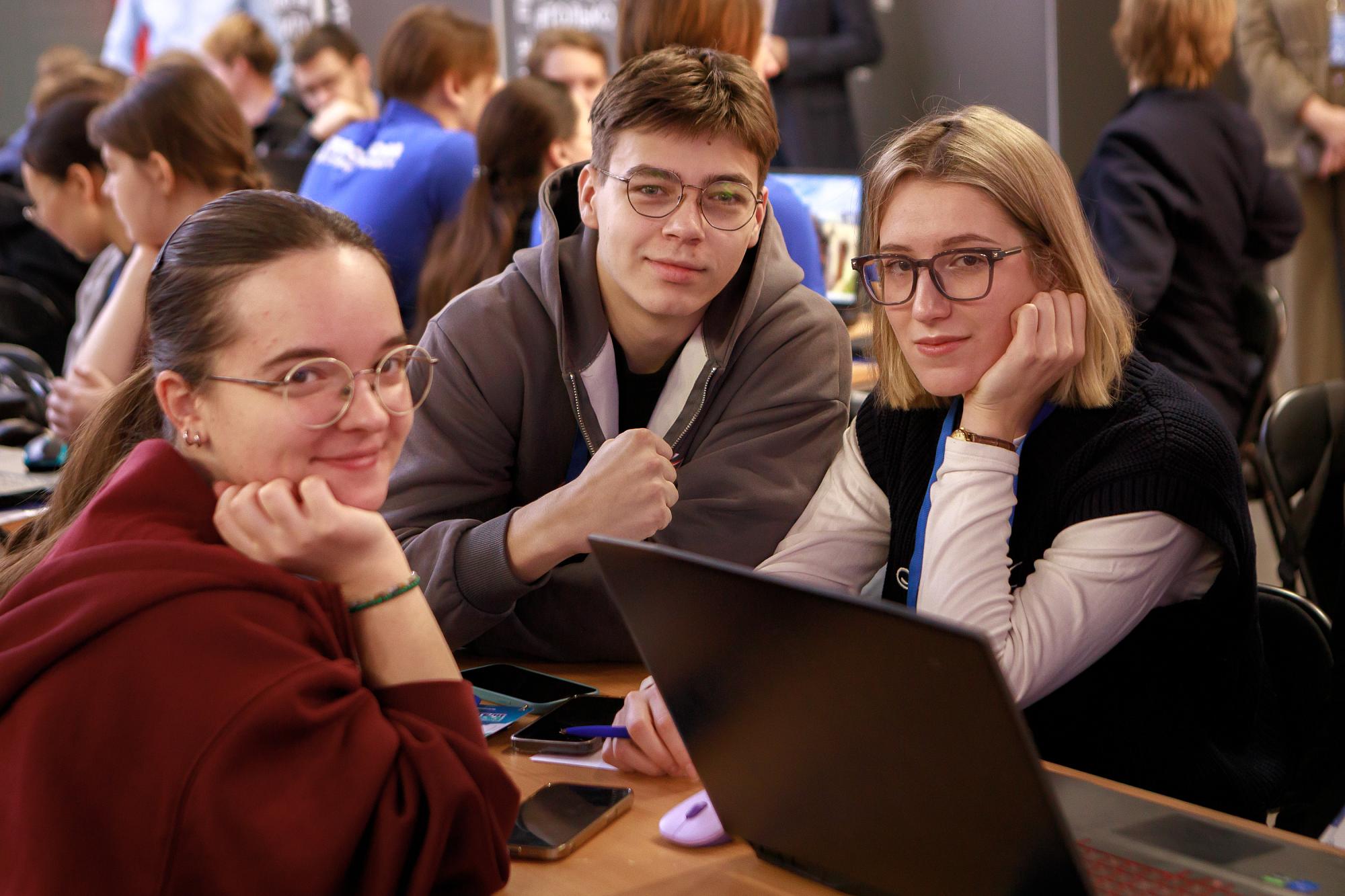
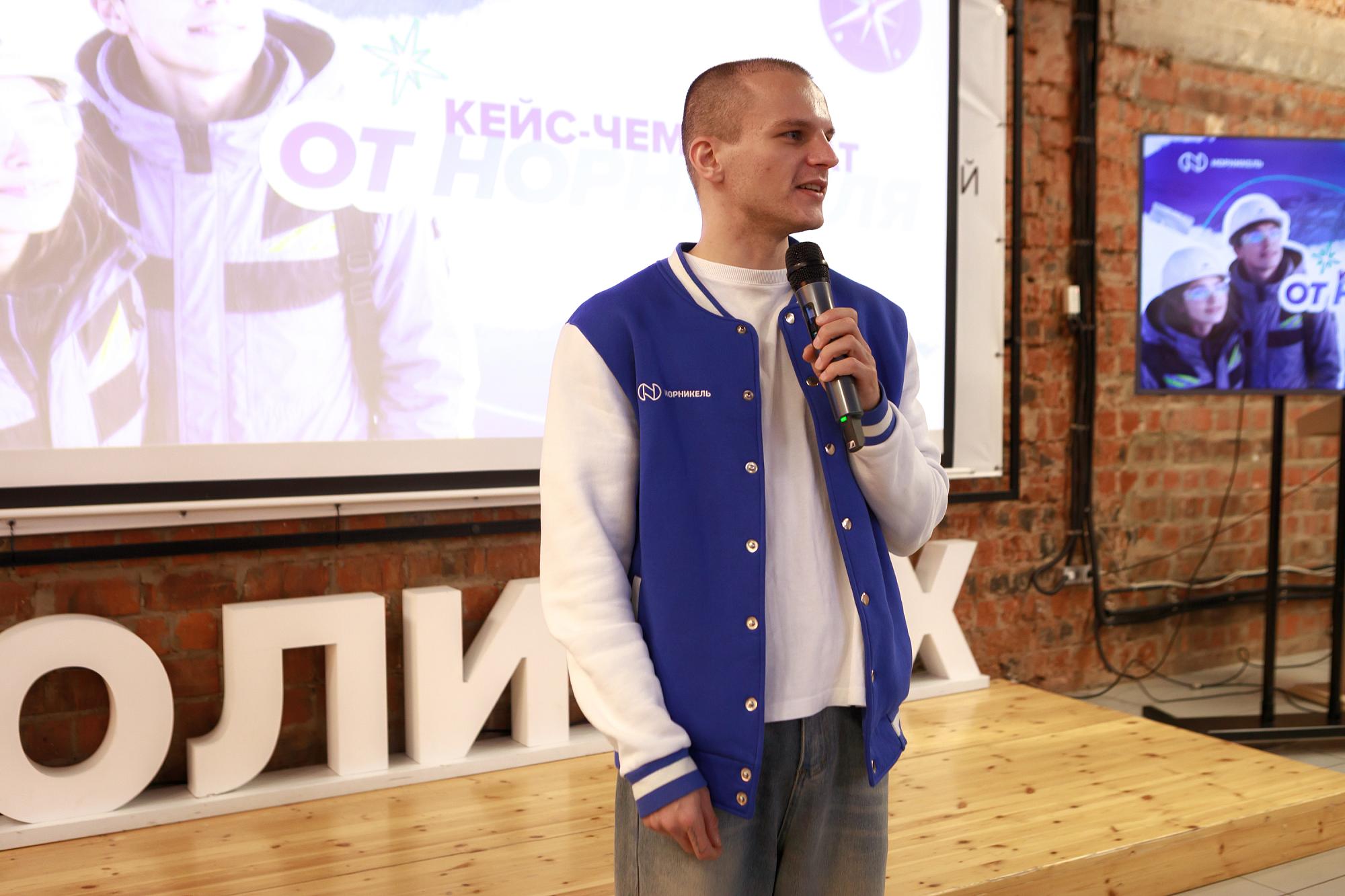
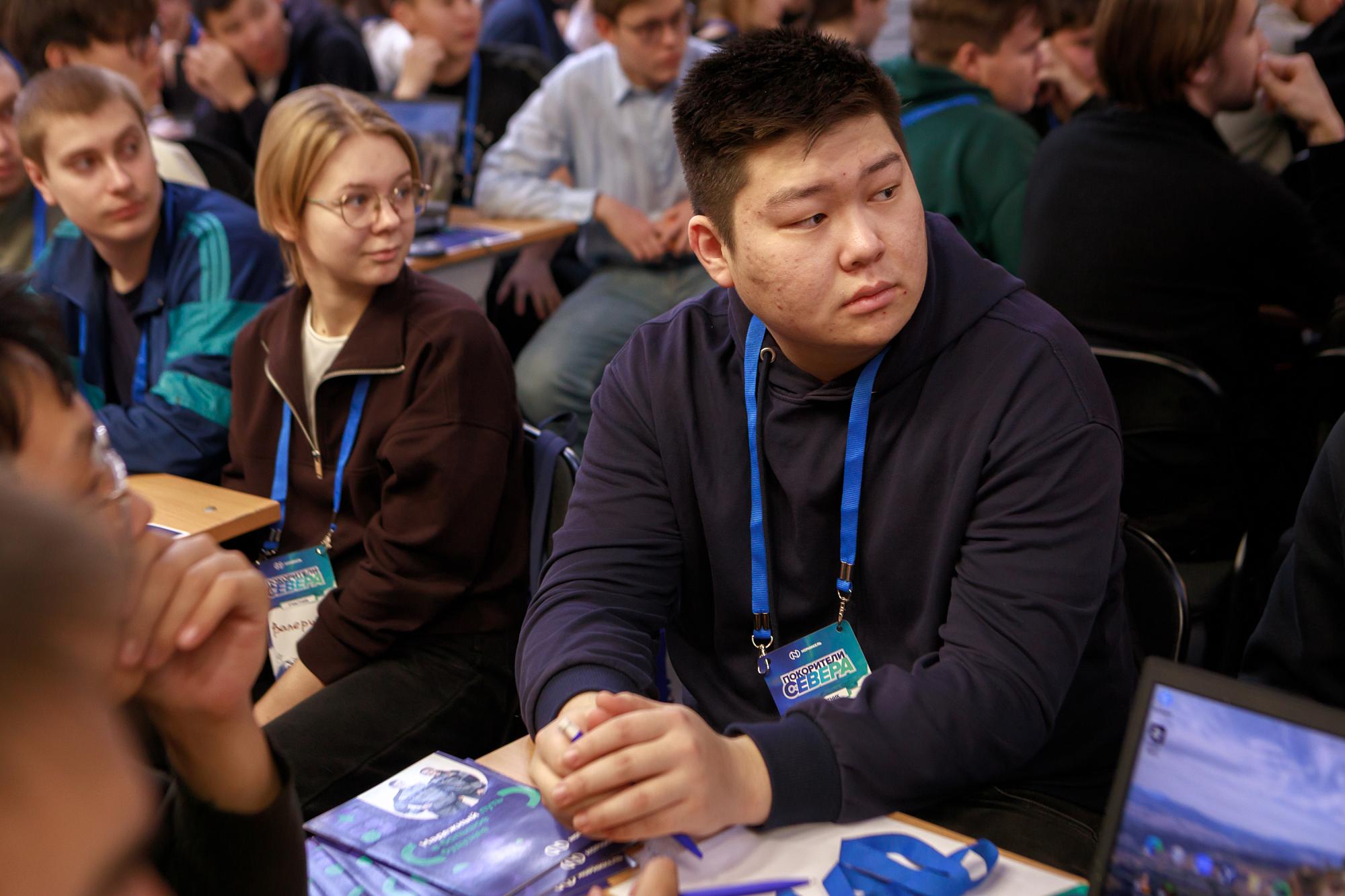
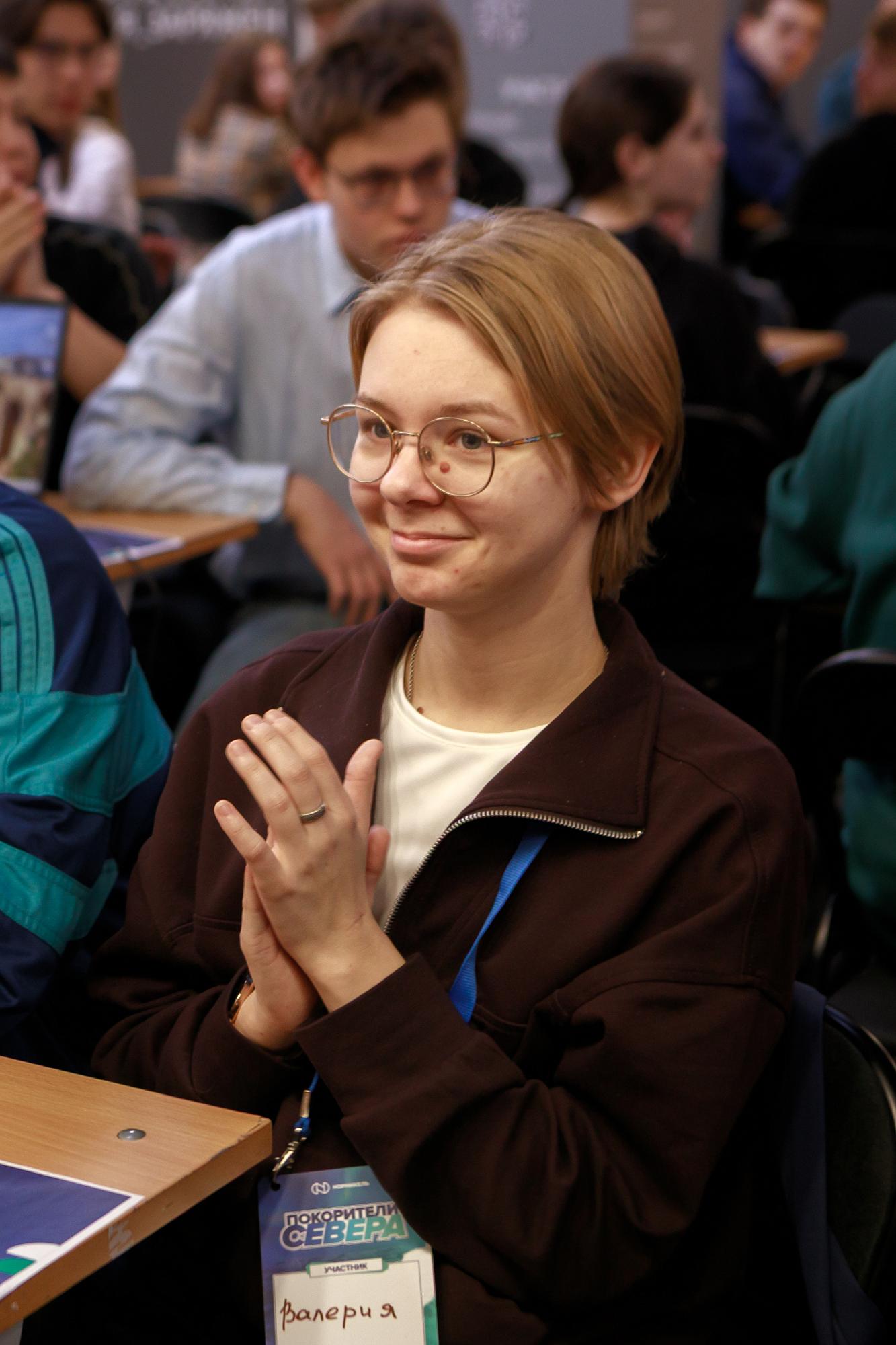
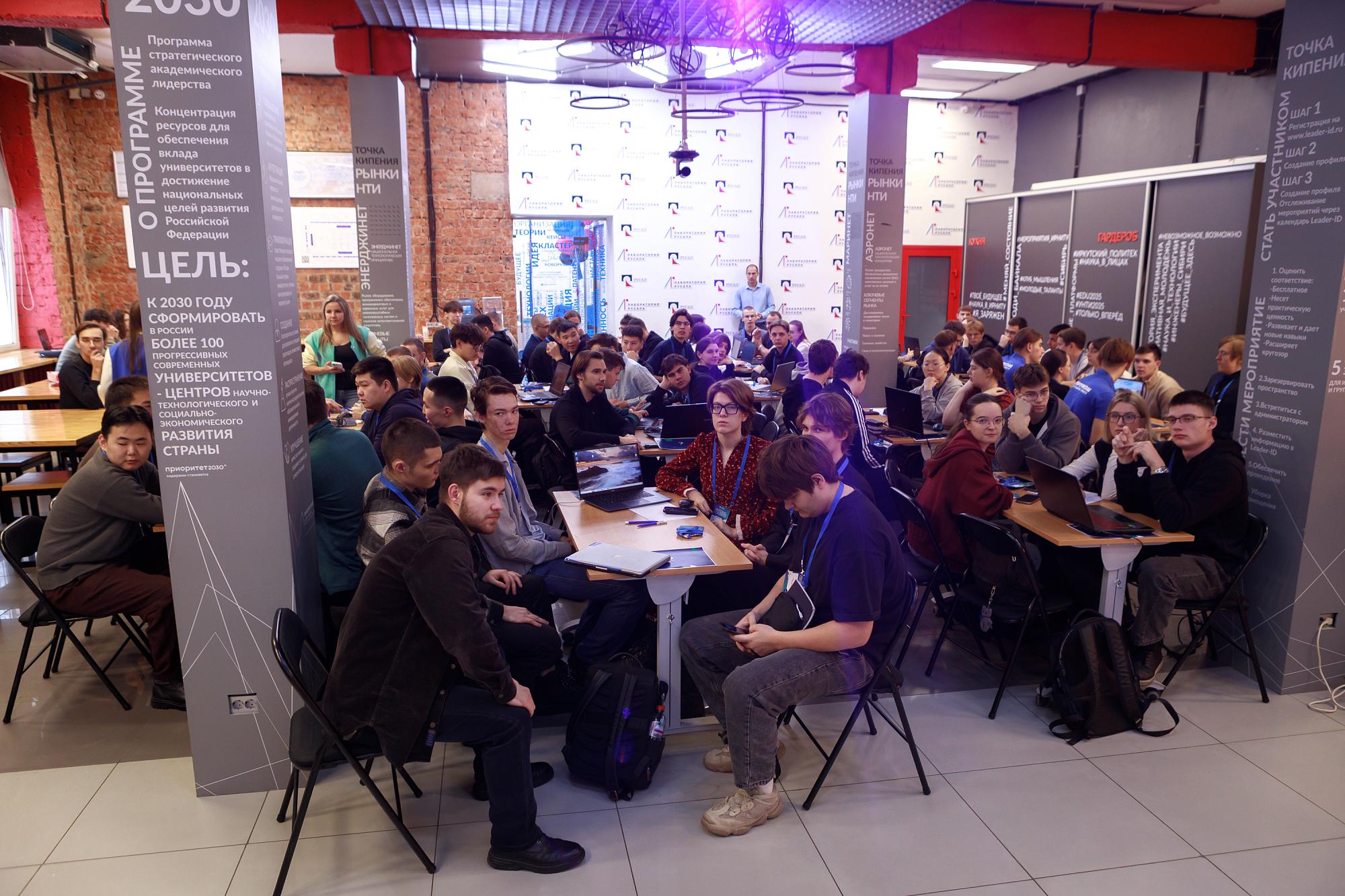
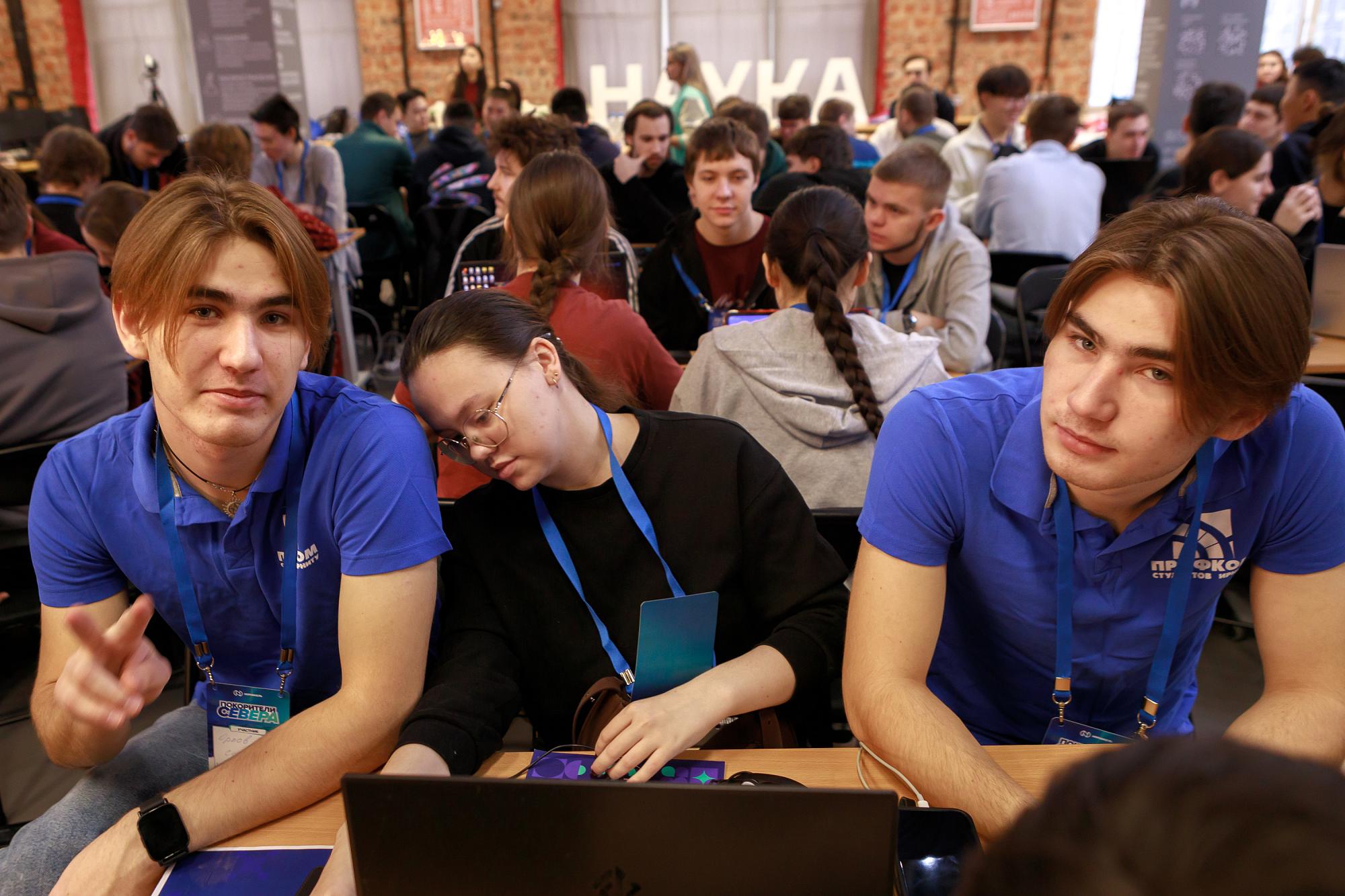
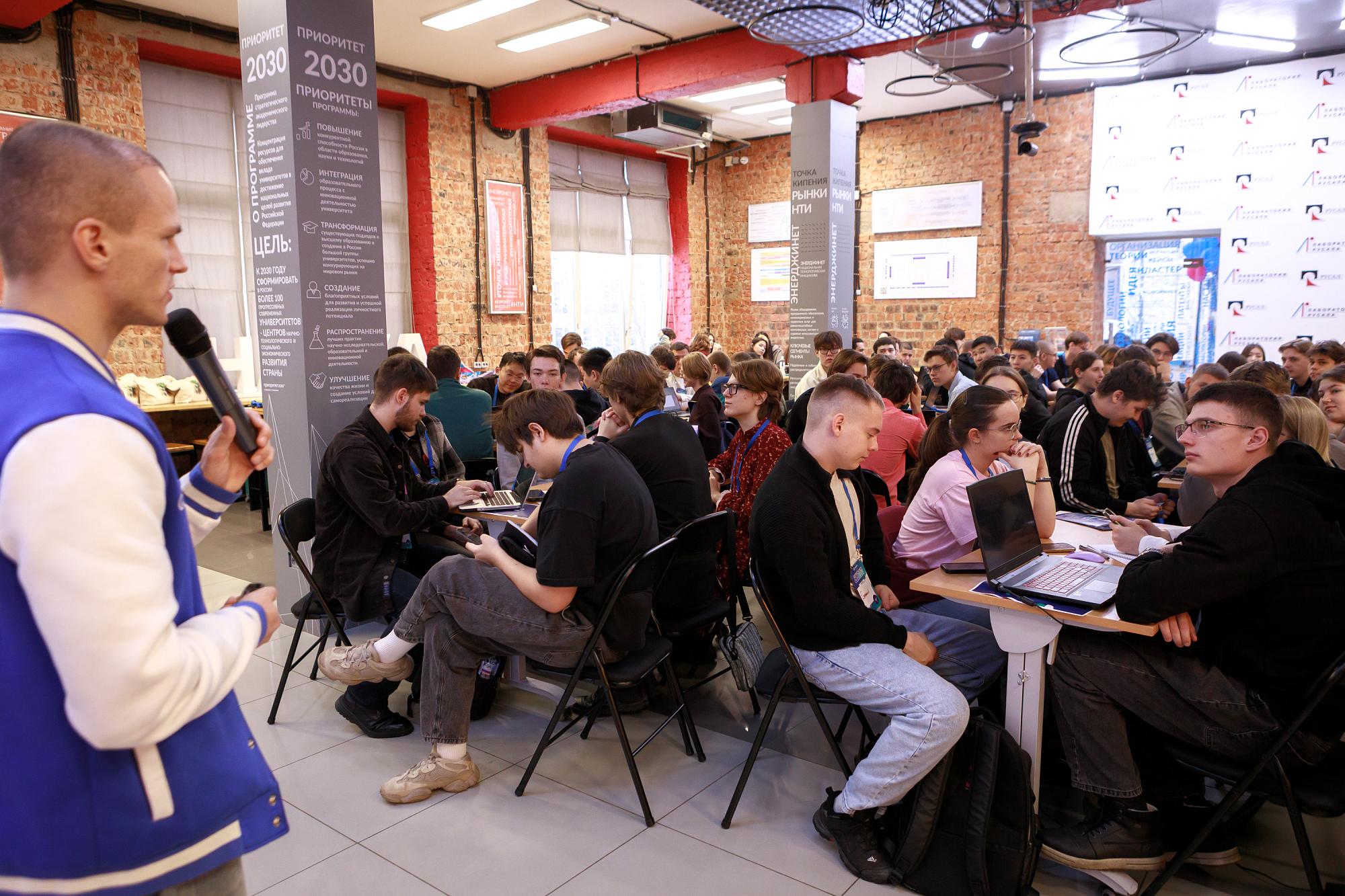
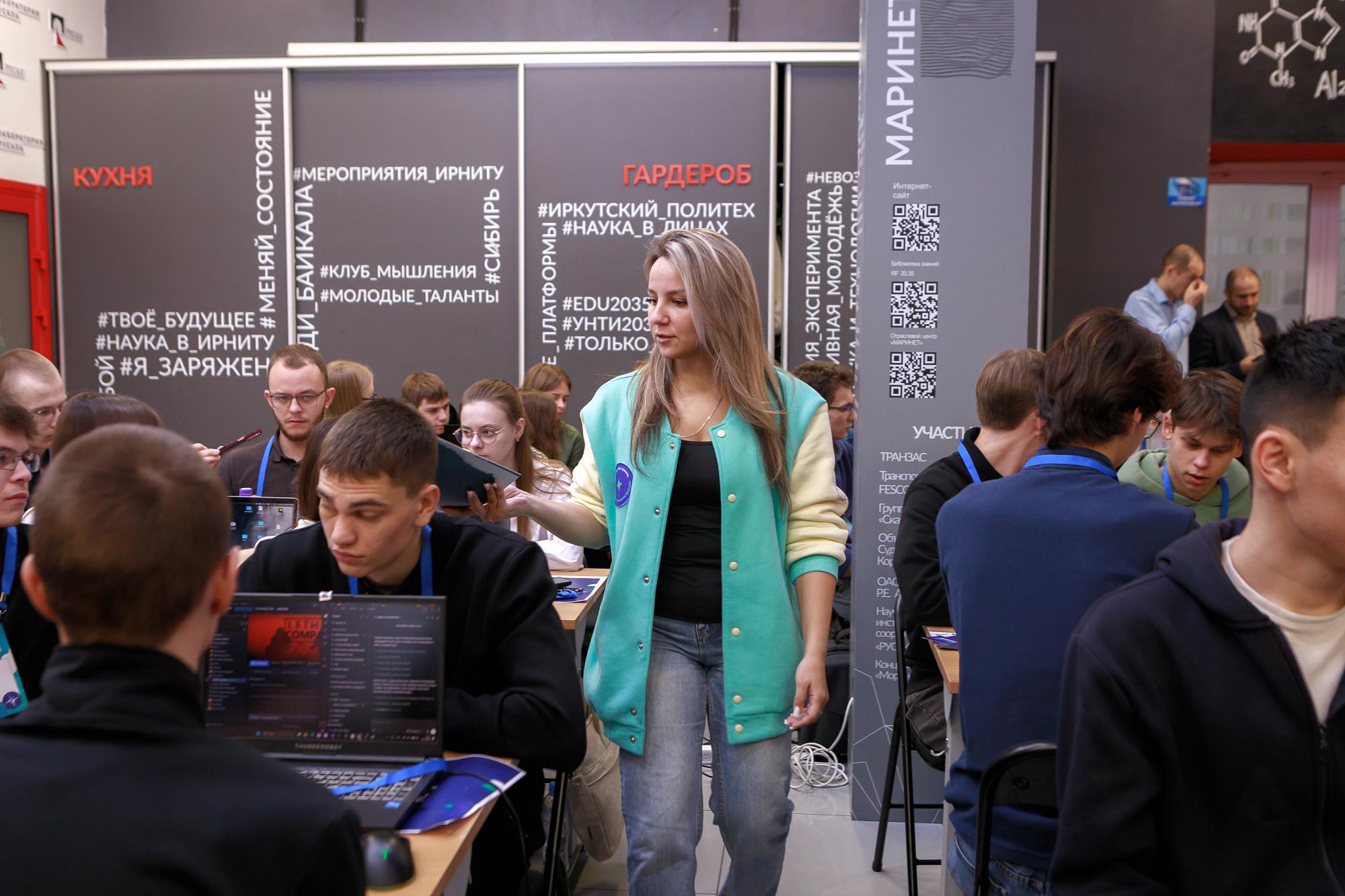
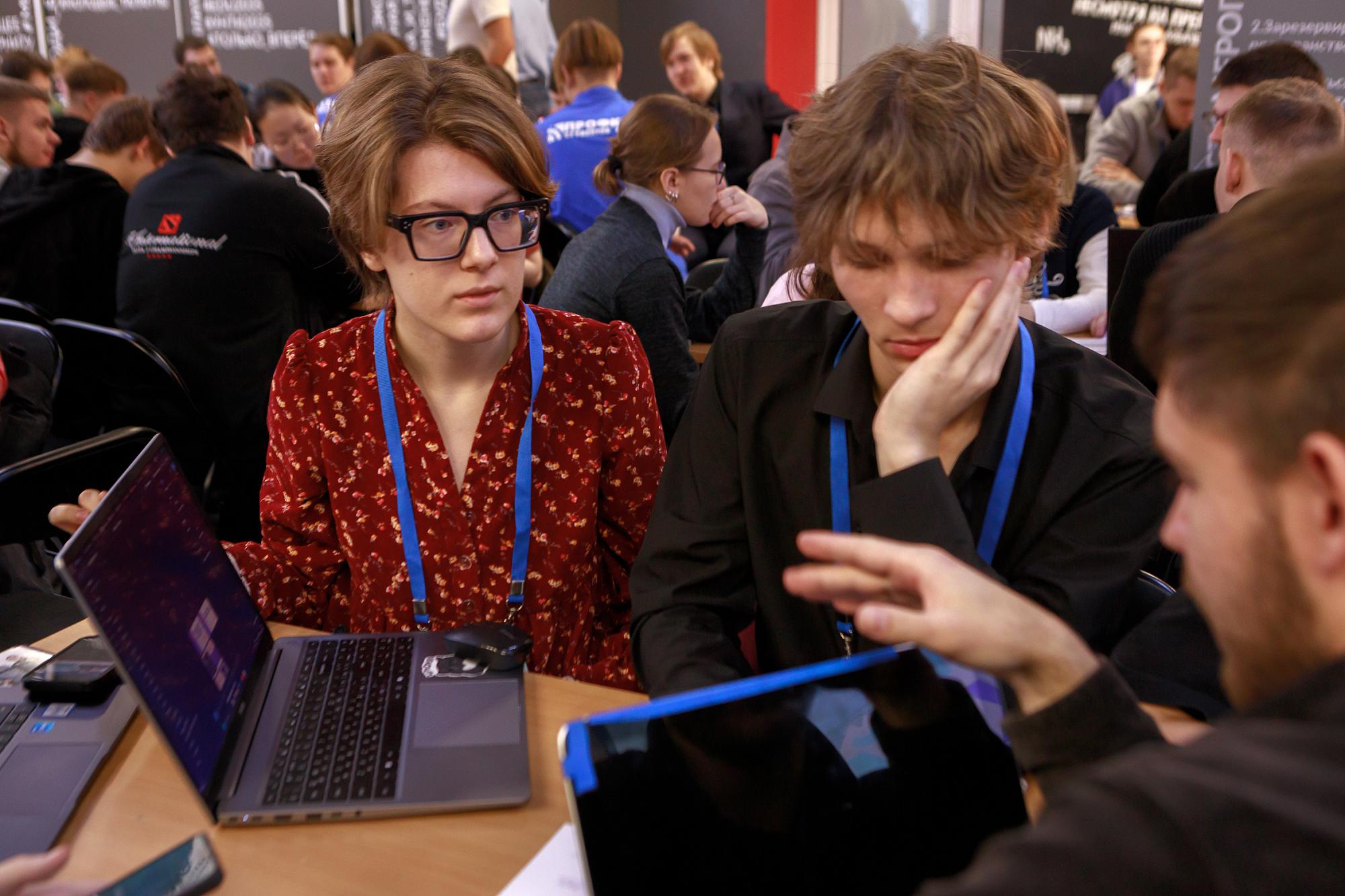
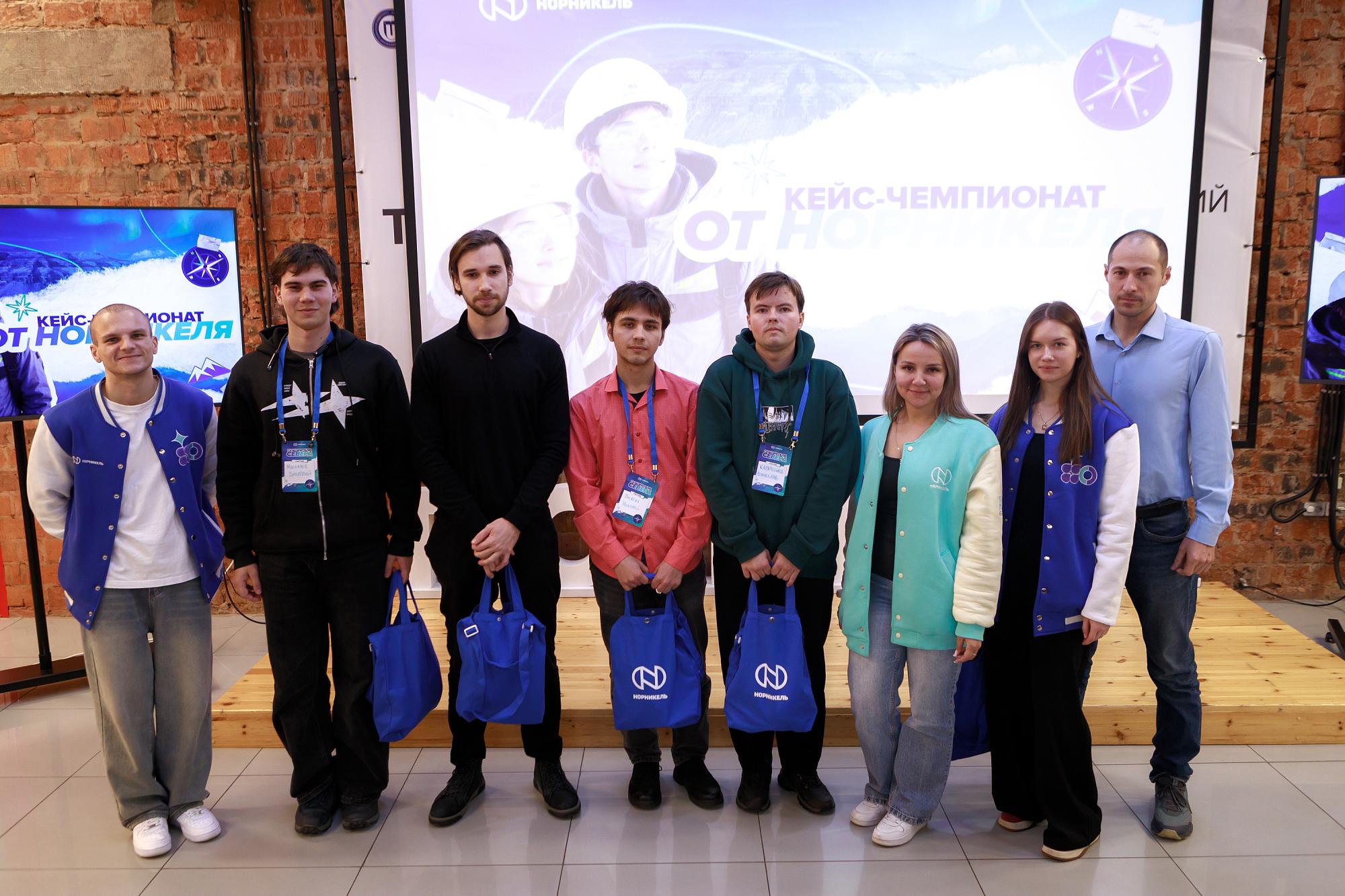
Team Flocula took first place at the second annual "Conquerors of the North" case championship, hosted by Nornickel. Held on November 18 at INRTU’s coworking space, the event brought together 16 student teams and was led by Pavel Kazakov, the Head of Student and Alumni Engagement at PJSC Nornickel.
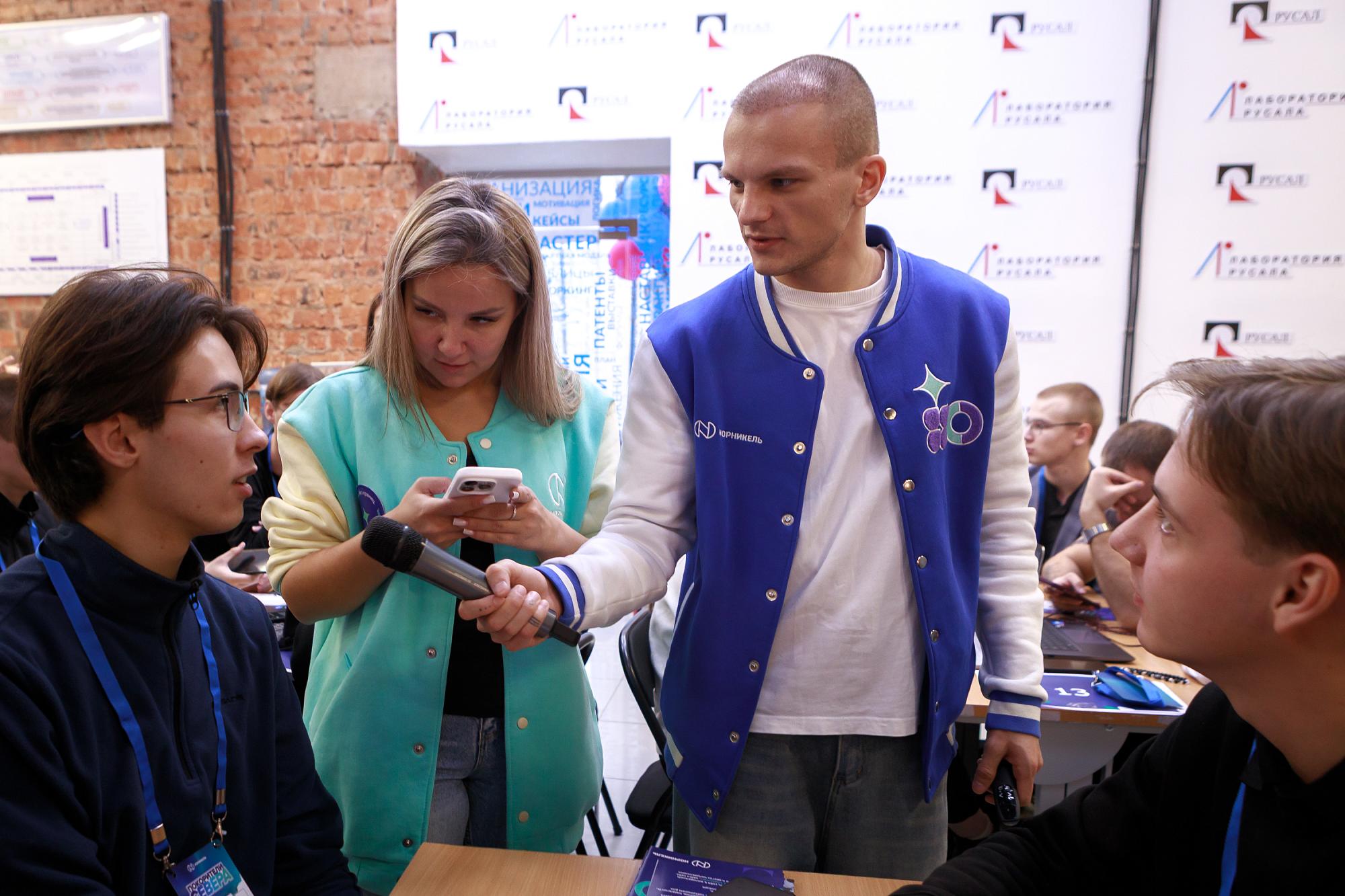
The championship kicked off with an interactive presentation highlighting the operations of the industrial giant, which celebrated its 90th anniversary in 2025. Speakers introduced the future engineers to the full-cycle holding, which unites over 85 enterprises and employs more than 80,000 people across Norilsk, the Murmansk Region, and Zabaykalsky Krai. Students learned that the corporation is the world’s leading producer of palladium and high-grade nickel, supplies 13 metals vital for the low-carbon economy, and maintains the lowest carbon footprint in the industry. Held as a live Q&A session, the presentation rewarded students with branded souvenirs for correct answers.
A dedicated segment focused on career opportunities and youth initiatives at Nornickel. Students learned about the "Conquerors of the North" online course, summer construction brigades, the ambassador program, and the paid internship program. Starting in their second year, university students can complete an internship of up to four months in Norilsk or Monchegorsk, complete with official employment, a competitive salary, and full coverage of travel and accommodation expenses. By the end of the program, one in three interns receives a full-time job offer. Those looking to continue their journey with the company can sign a targeted training agreement that includes a monthly stipend, thesis mentorship, and guaranteed employment with accelerated career growth.
University students can apply for this program at profstart-nornickel.ru until April 30 to begin their internships as early as June, while applications for vocational and technical college students are open year-round.
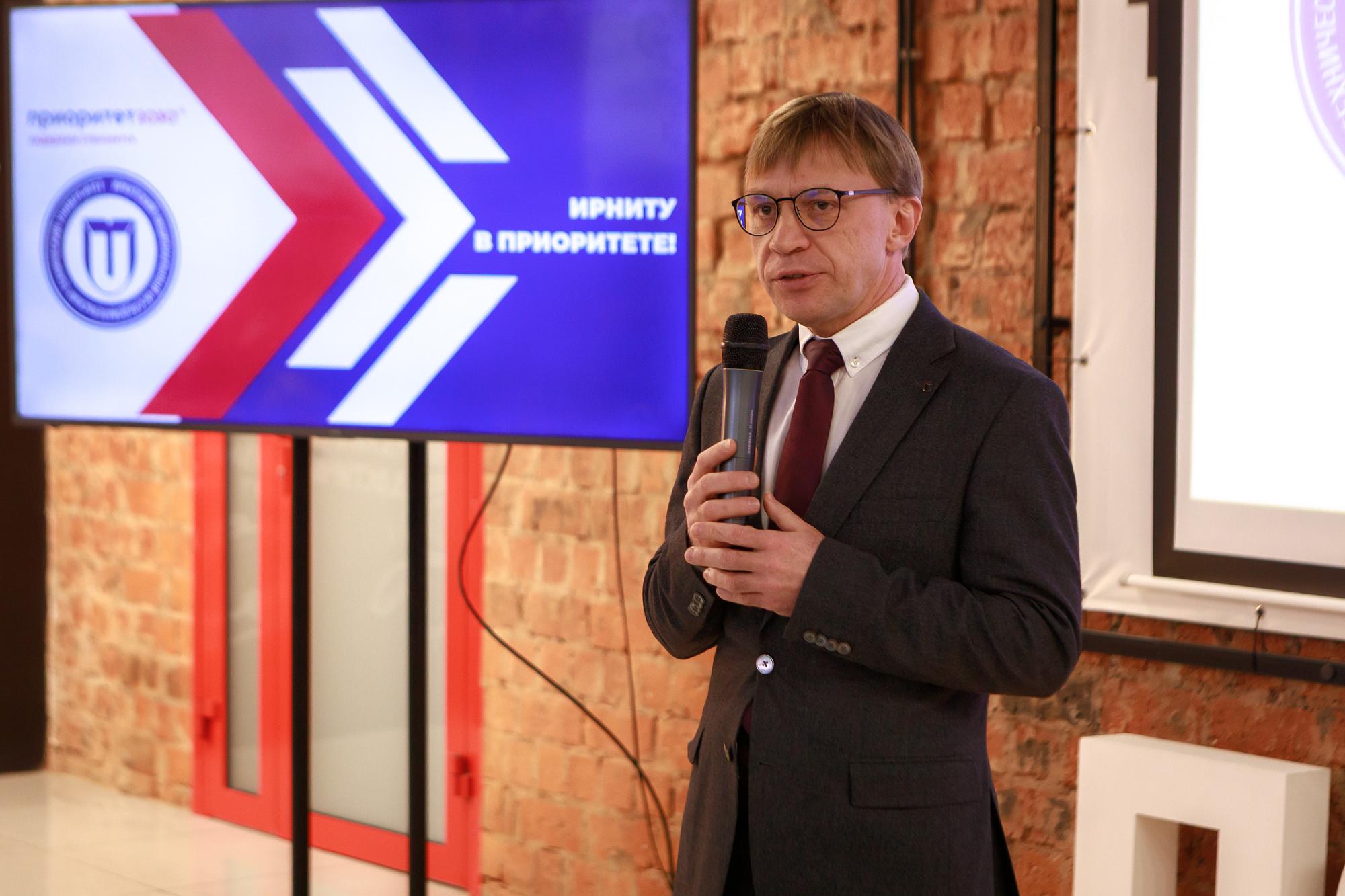
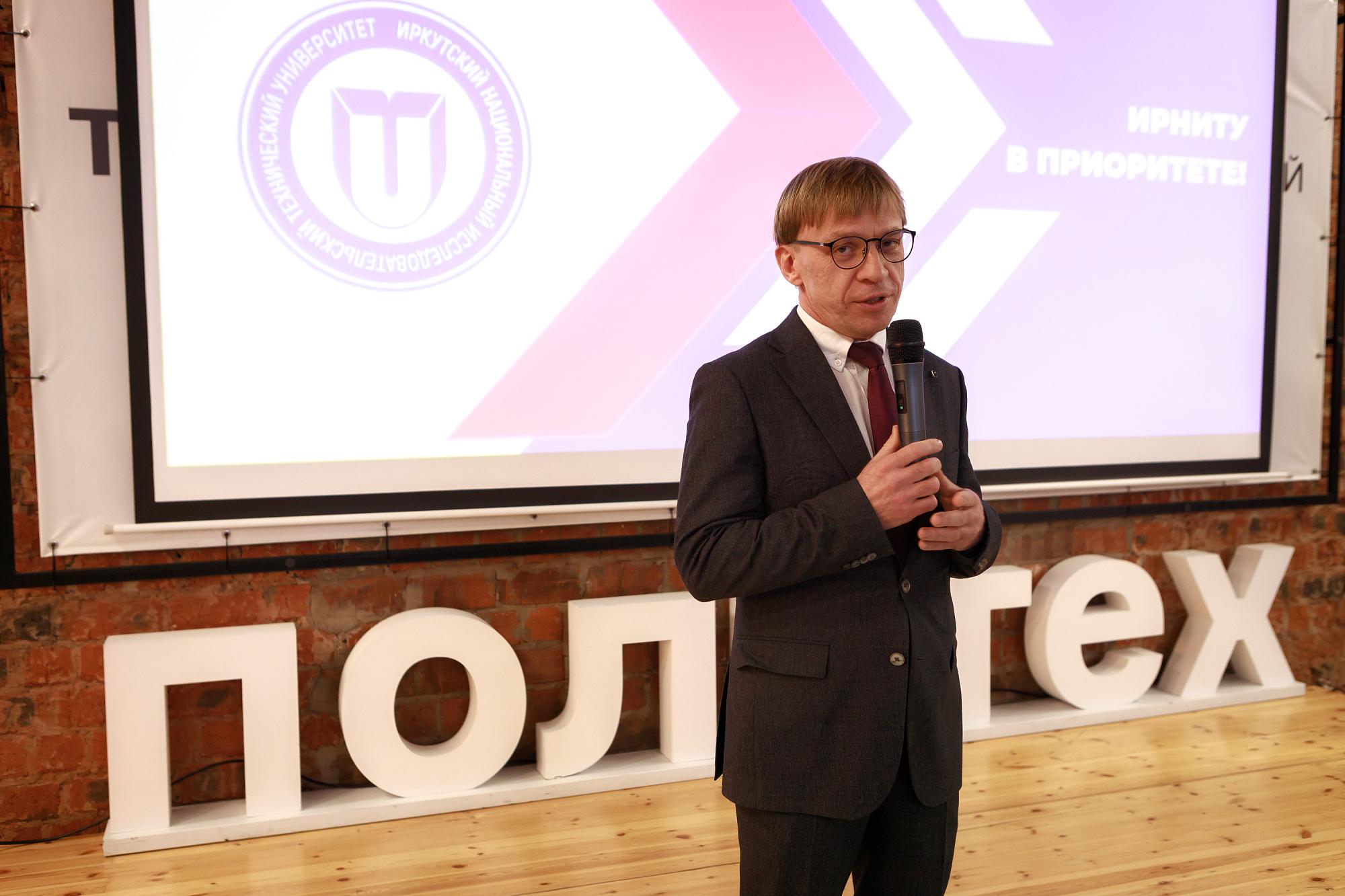
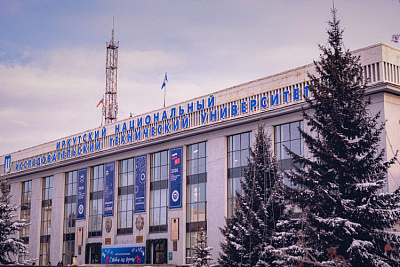
INRTU remains a key hub on the championship's map.
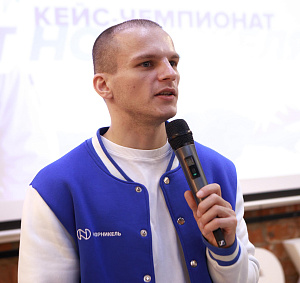
"INRTU is a priority partner for us, and we are consistently strengthening our collaboration," said Pavel Kazakov. "This year, 48 students fr om INRTU joined our paid internship program, and 20 of our sponsored students are currently studying at the university. For Nornickel, numbers aren't the only thing that matters – we value the high level of training of these teams. Our production supervisors speak very highly of them, and that is our main measure of quality."
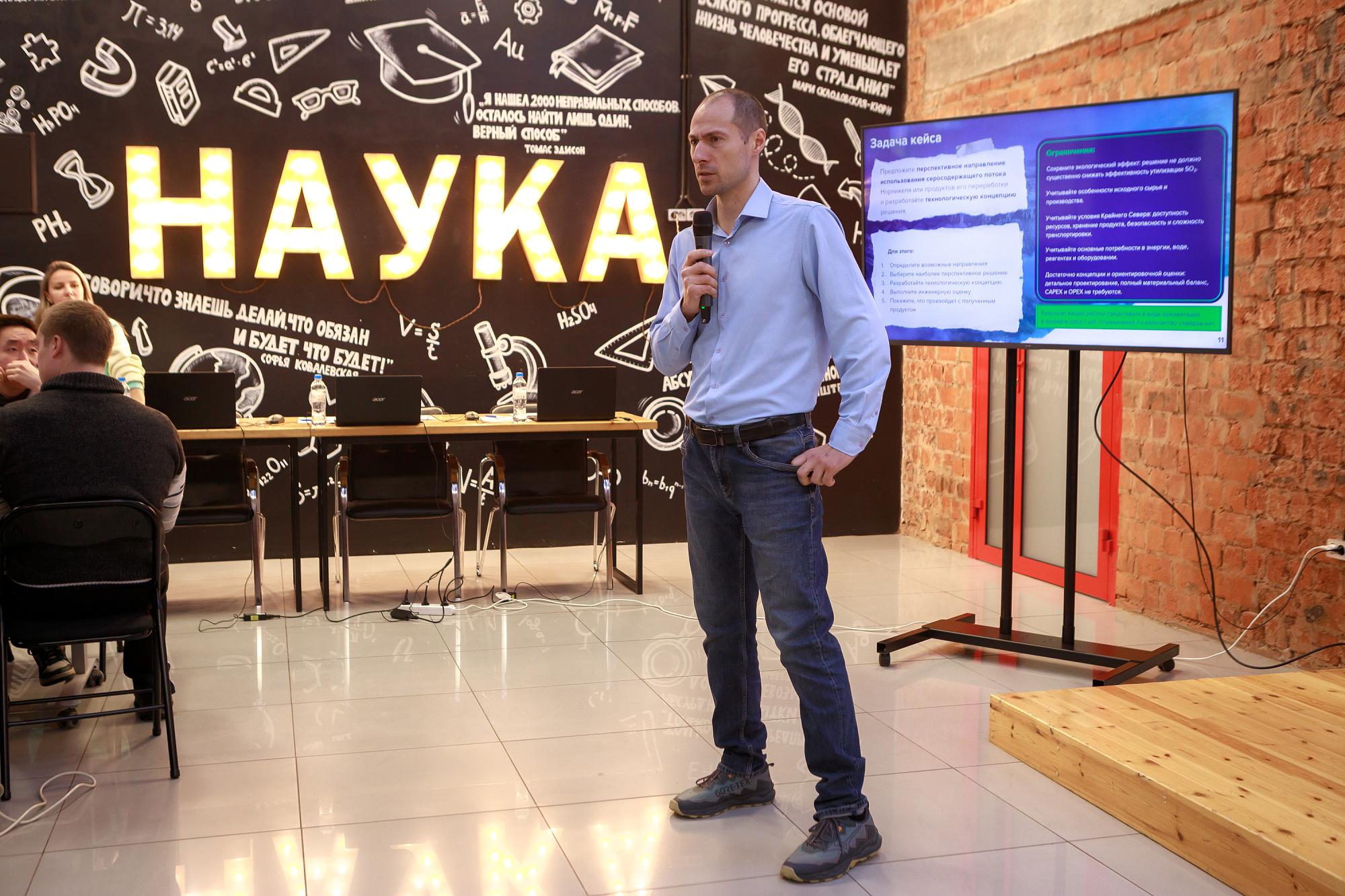
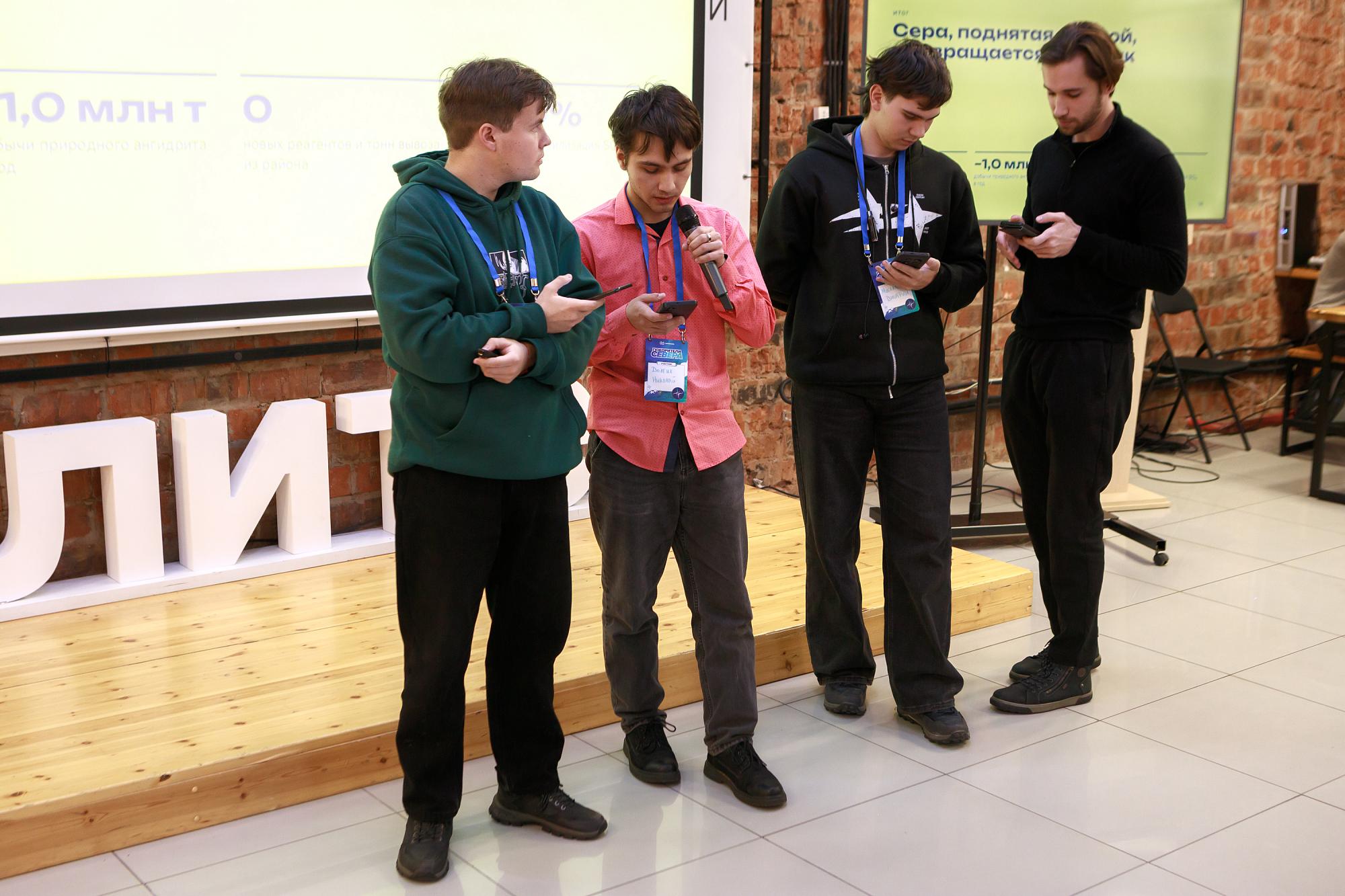
The case study was developed under Nornickel's flagship environmental initiative, the Sulfur Program, which focuses on sulfur dioxide (SO₂) capture and utilization. Teams had just 90 minutes to design a technological concept for repurposing sulfur-containing gas streams or their byproducts, conduct a preliminary engineering assessment, and account for the harsh climate and complex logistics of the Far North. Following the qualifying rounds, the top three teams advanced to the finals.
Flocula, the winner team, proposed a comprehensive processing method that converts sulfur dioxide streams into three high-demand products: elemental sulfur, sodium bisulfite for metallurgy, and a coagulant for industrial wastewater treatment. This solution keeps gas utilization above 99% while significantly reducing gypsum waste.
Team captain Liliya Vasilyeva, a sixth-year student majoring in Minerals Processing, shared her thoughts on the victory:
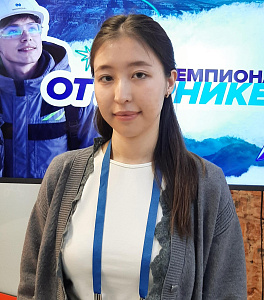
"The challenge sat right at the intersection of ecology, mineral processing, and metallurgy, which aligns directly with our majors. The hardest part was the strict 90-minute time lim it – we had to fully flesh out our concept and prepare our pitch under immense pressure. This year, we assembled a team of mineral processing specialists and an ecologist, and that cross-disciplinary mix allowed us to tackle the problem from every angle."
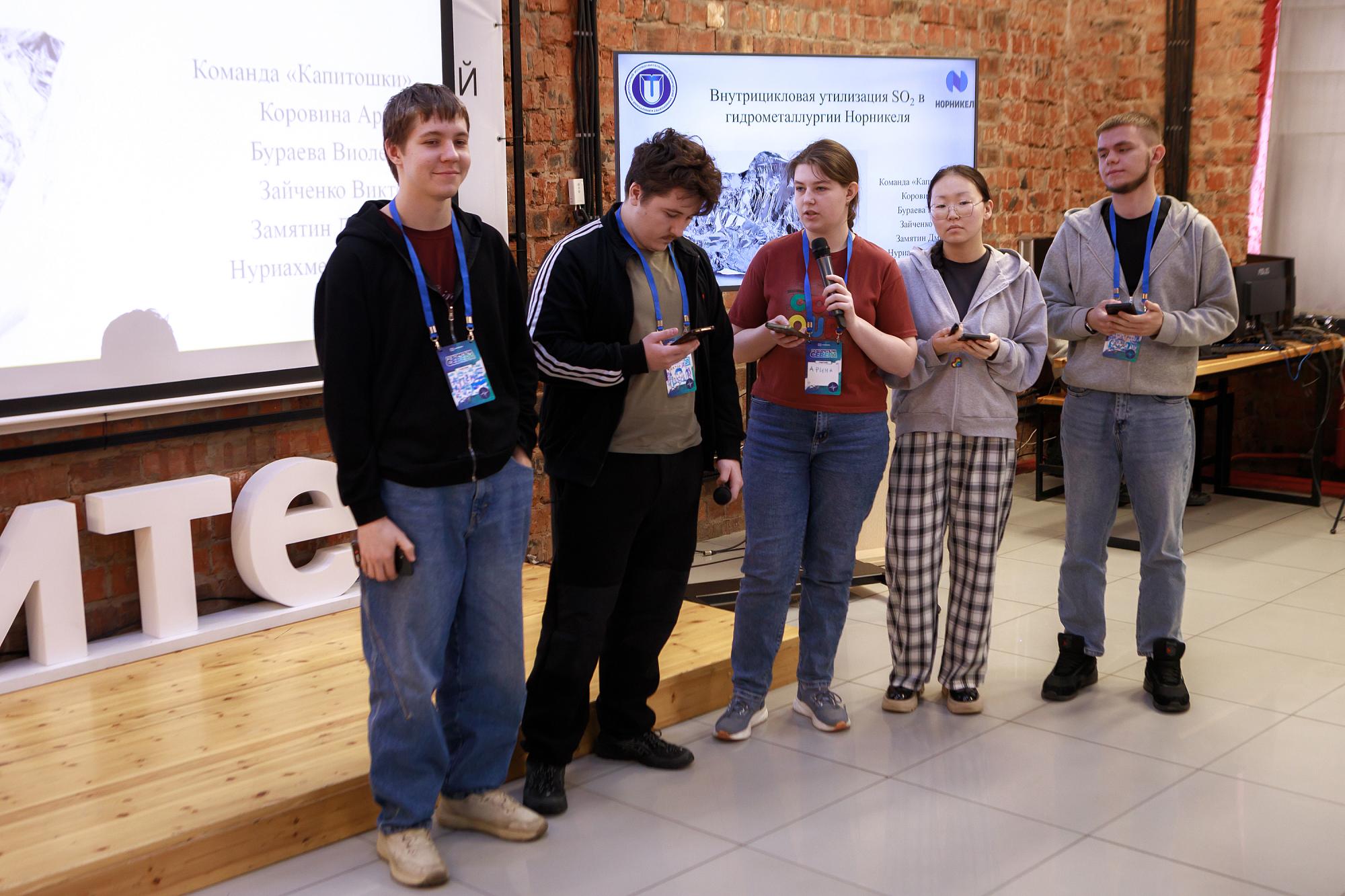
The runners-up team “Golden Oil” developed a technology to produce dry anhydrite directly from sulfuric acid for mine backfilling, bypassing the gypsum formation stage altogether. Rounding out the podium, the team called Kapitoshka designed a closed-loop concept that routes purified sulfur dioxide back into the autoclave process as a reducing agent.
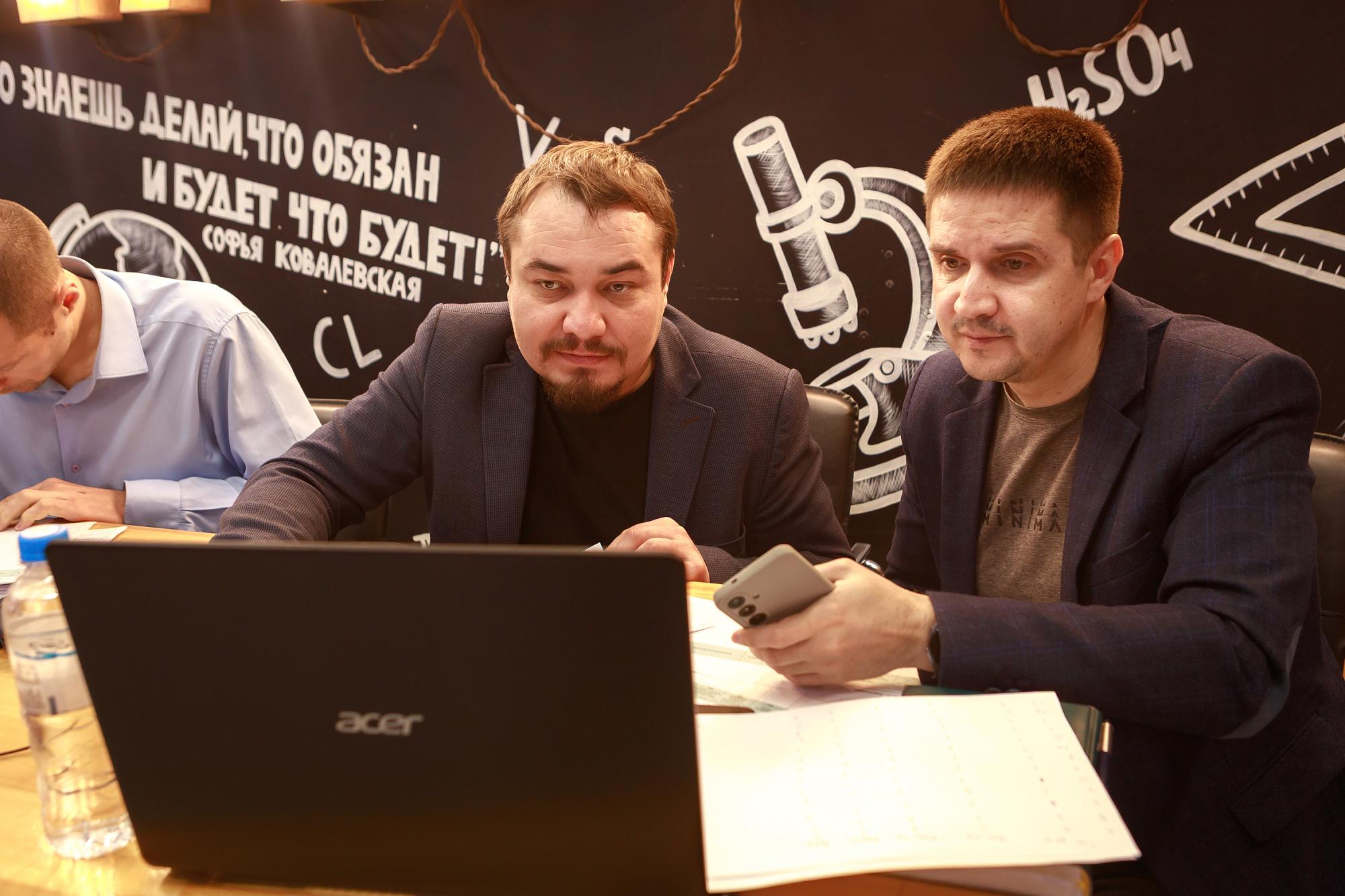
The projects were evaluated by a jury of university faculty and the case's author, Pavel Malakhov, the Chief Engineer at the Production Engineering Support Center of Nornickel's Polar Division.
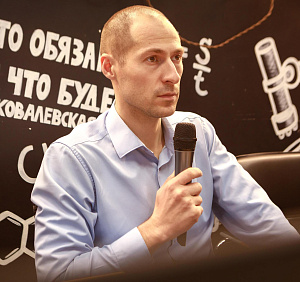
"The assignment was highly specialized and required solid grounding in metallurgy, chemistry, and mineral processing. The students demonstrated strong skills in researching open sources, structuring data, and filtering out irrelevant details. This kind of interdisciplinary teamwork – which is in high demand in real-world production – is what enabled the finalists to deliver top-notch results" Pavel Malakhov noted.
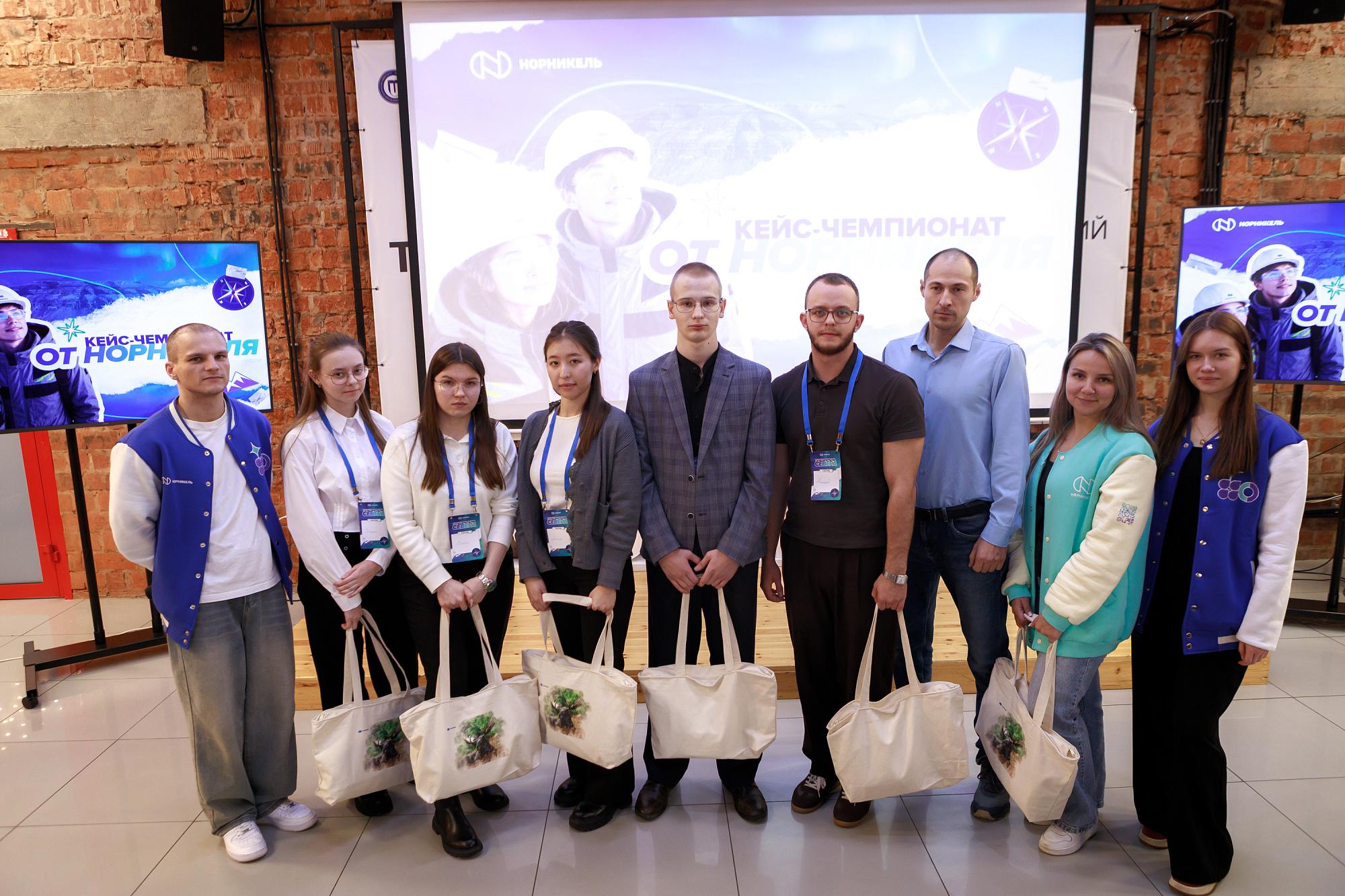
The championship wrapped up with an awards ceremony honoring the winning teams with valuable prizes, while all participants received certificates of participation.