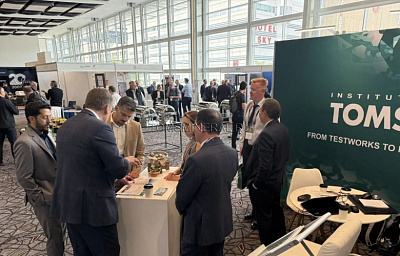
INRTU and Erdenet Institute of Technology Sign Strategic Partnership Agreement on Science and Talent Development
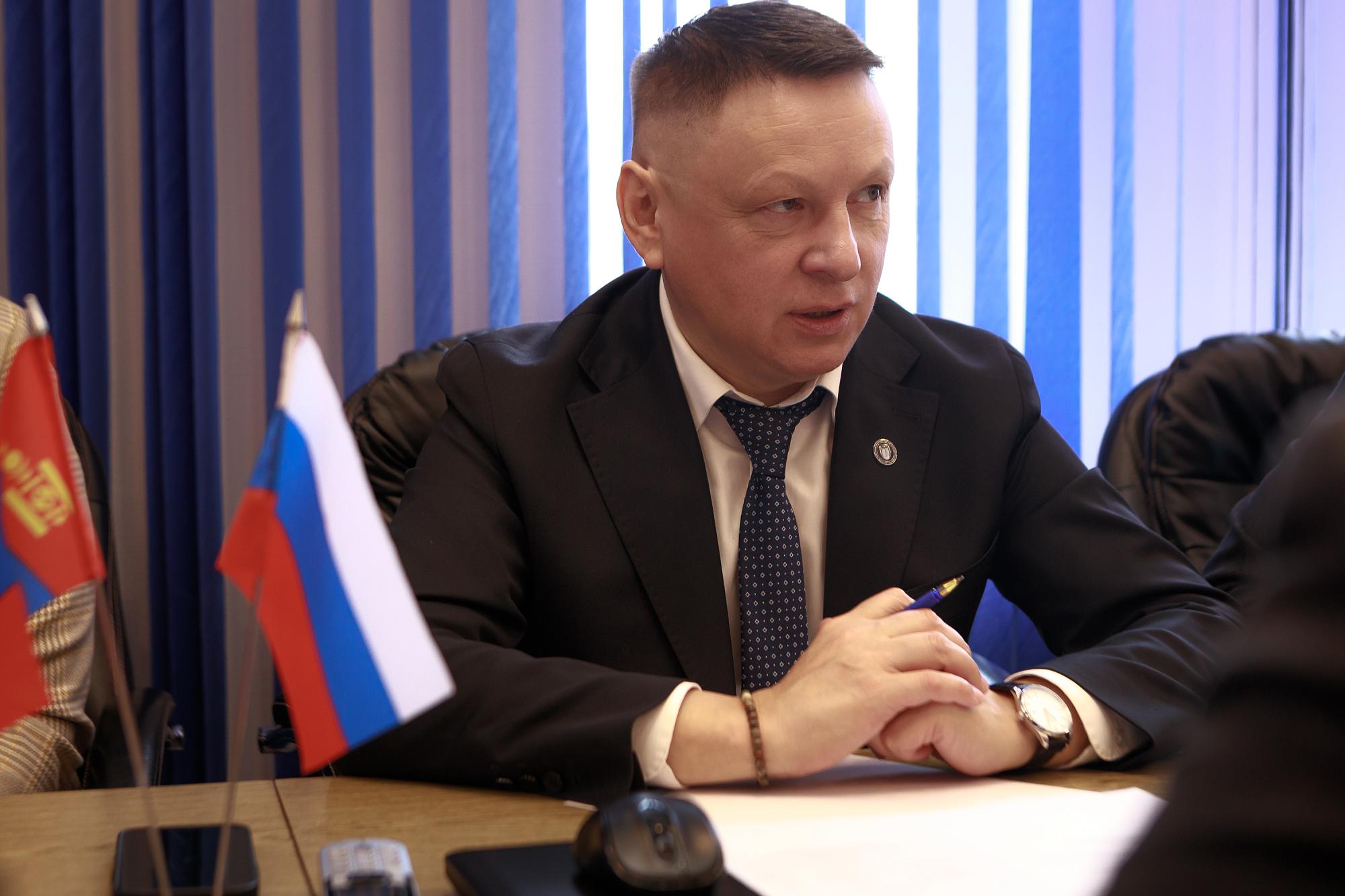
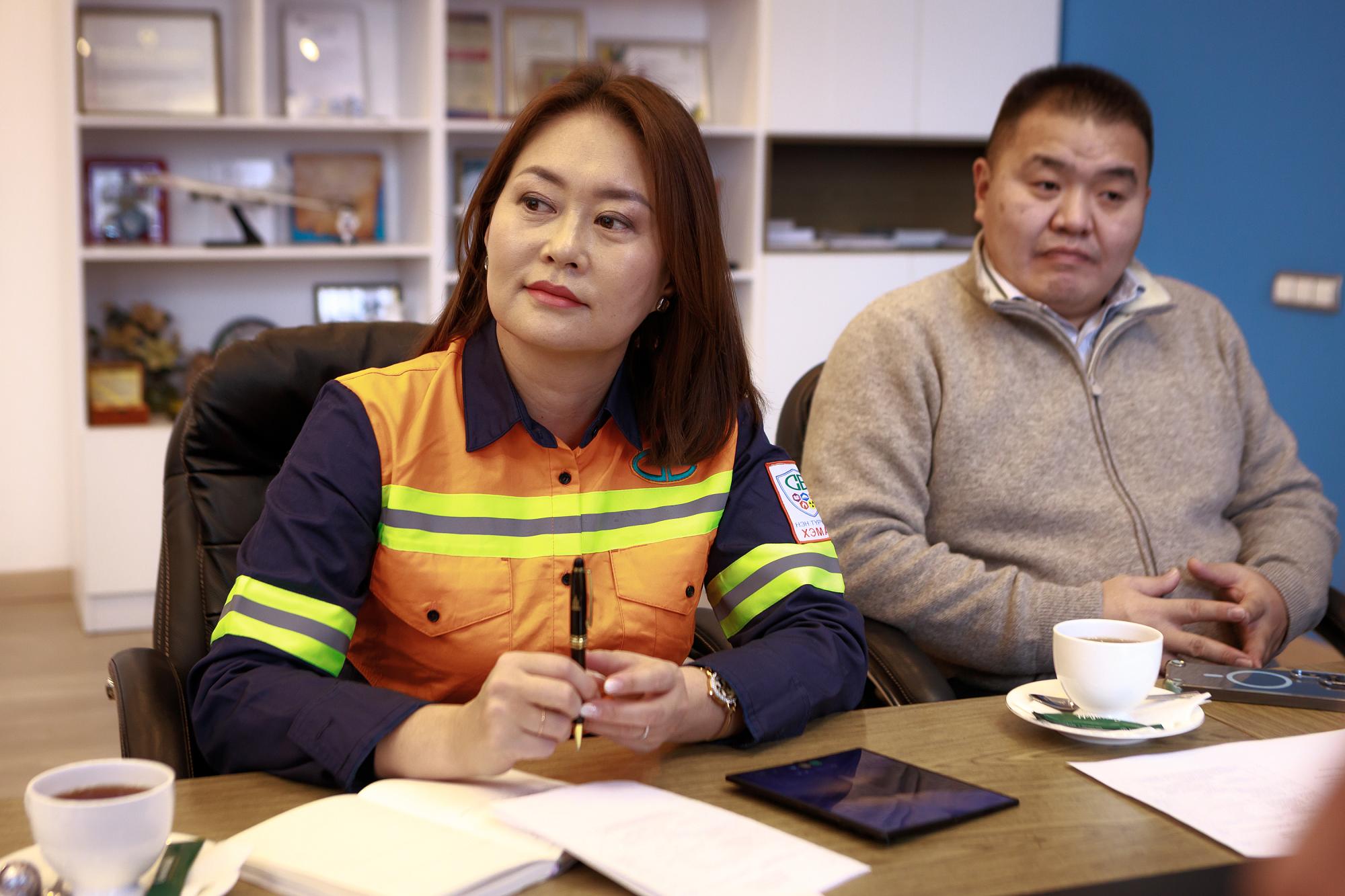
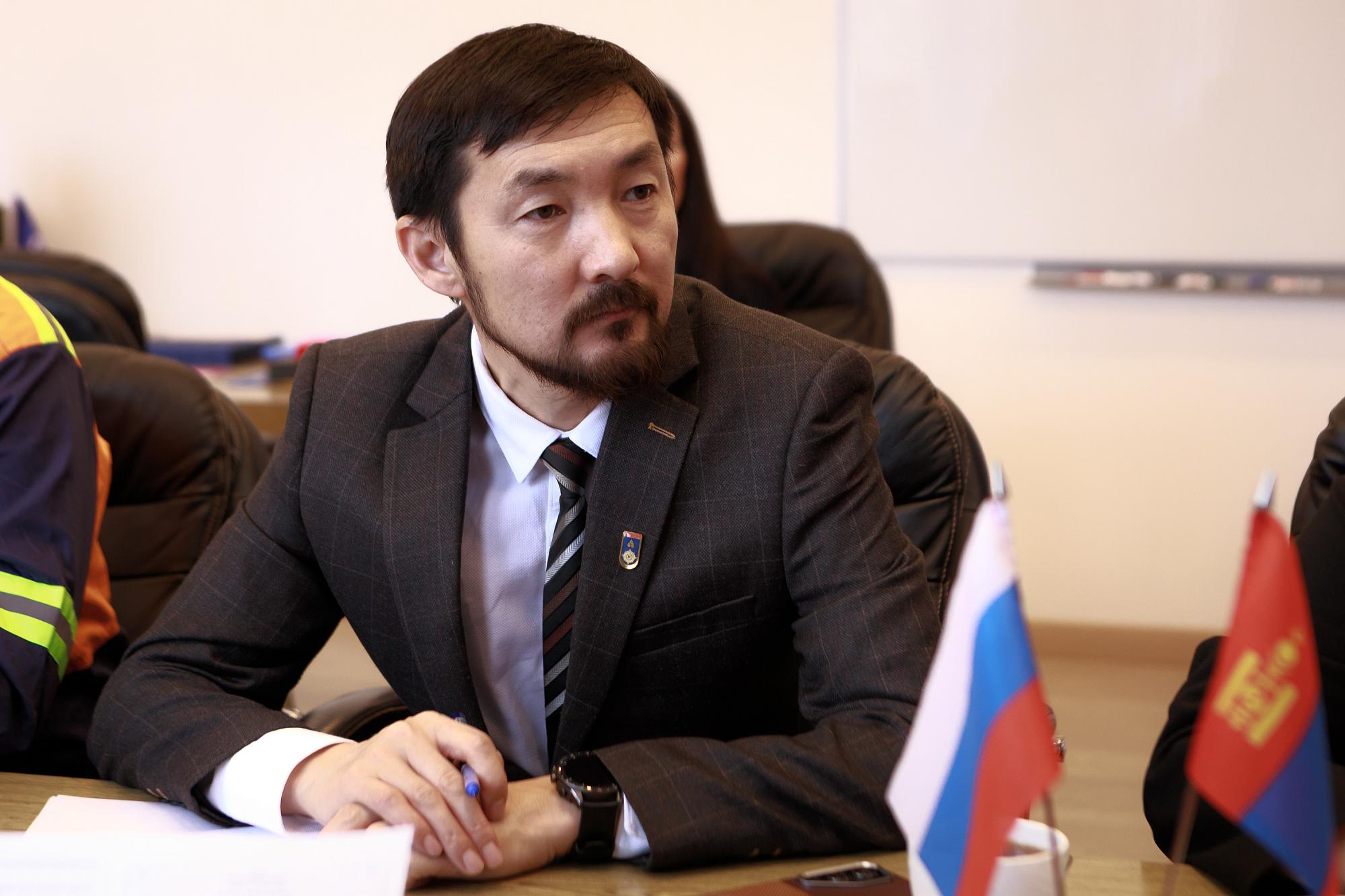
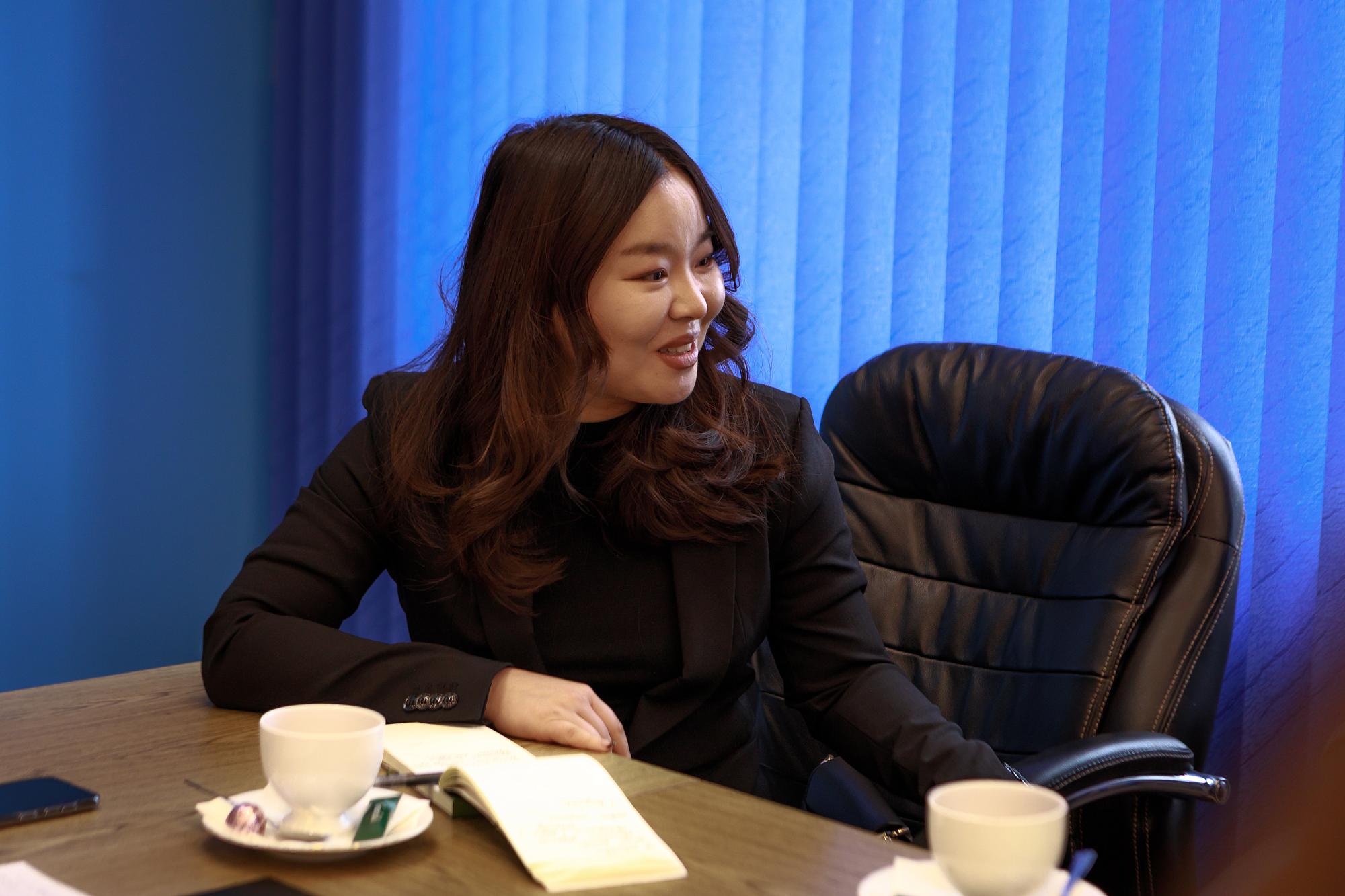
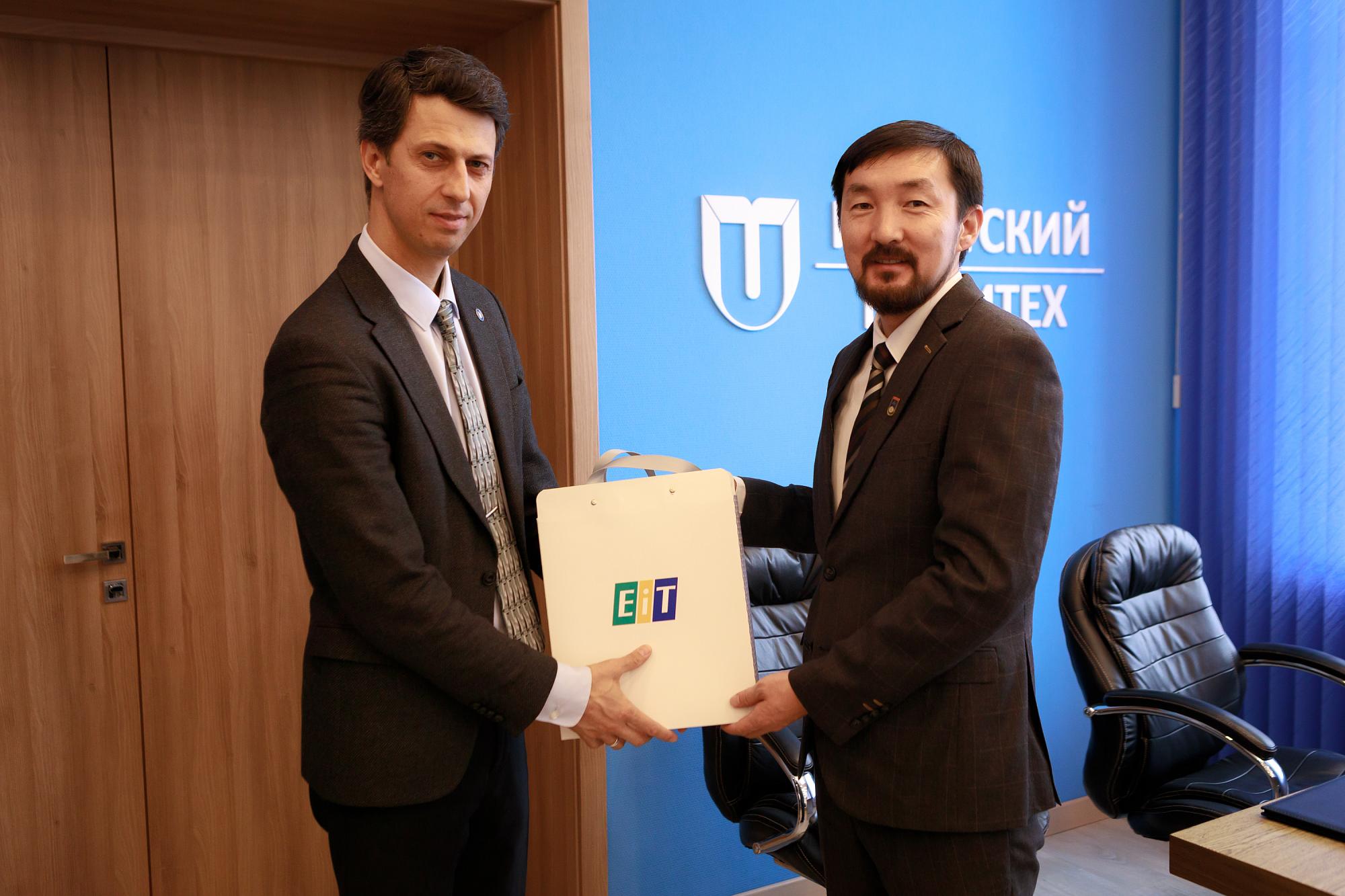
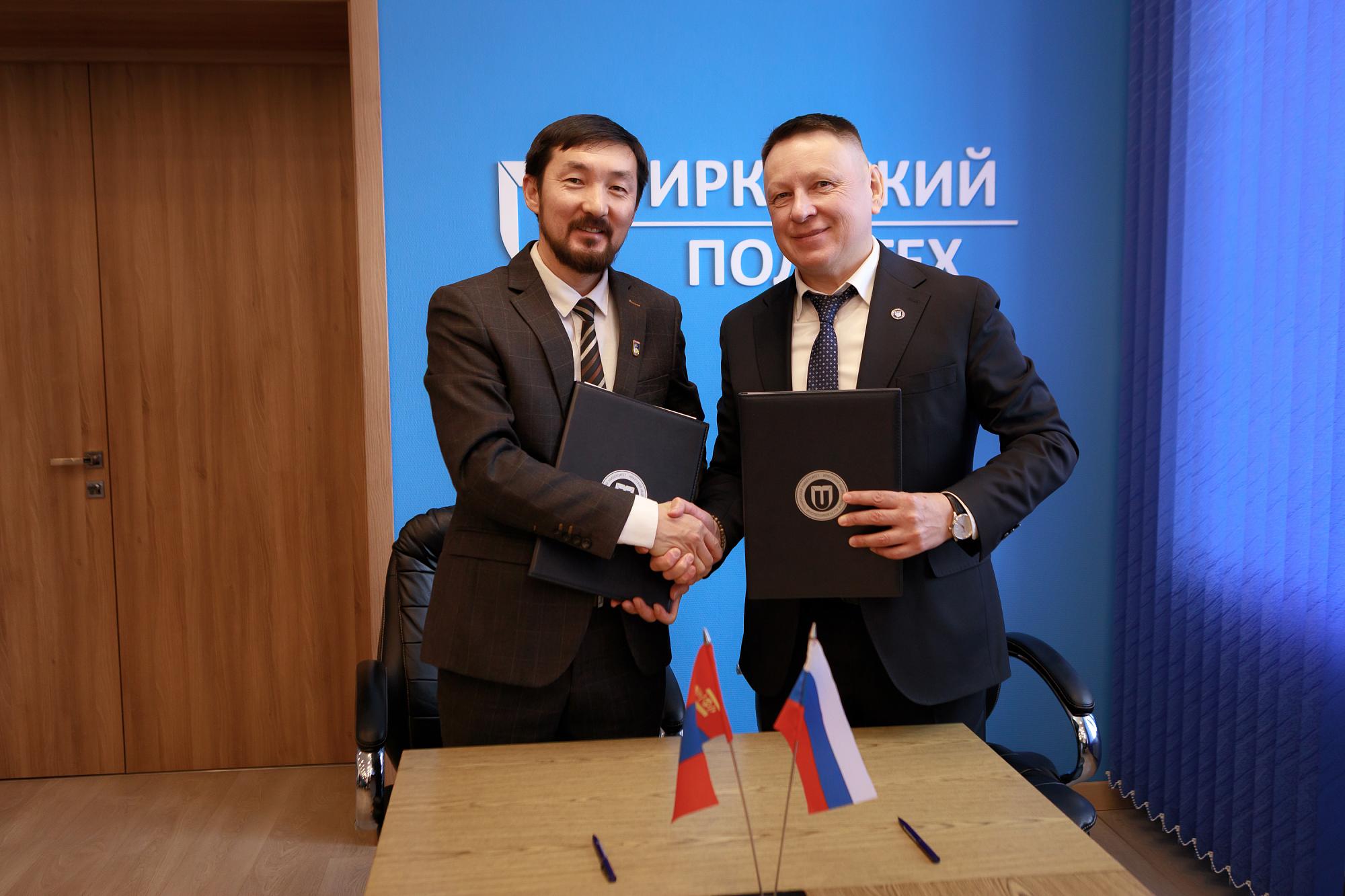
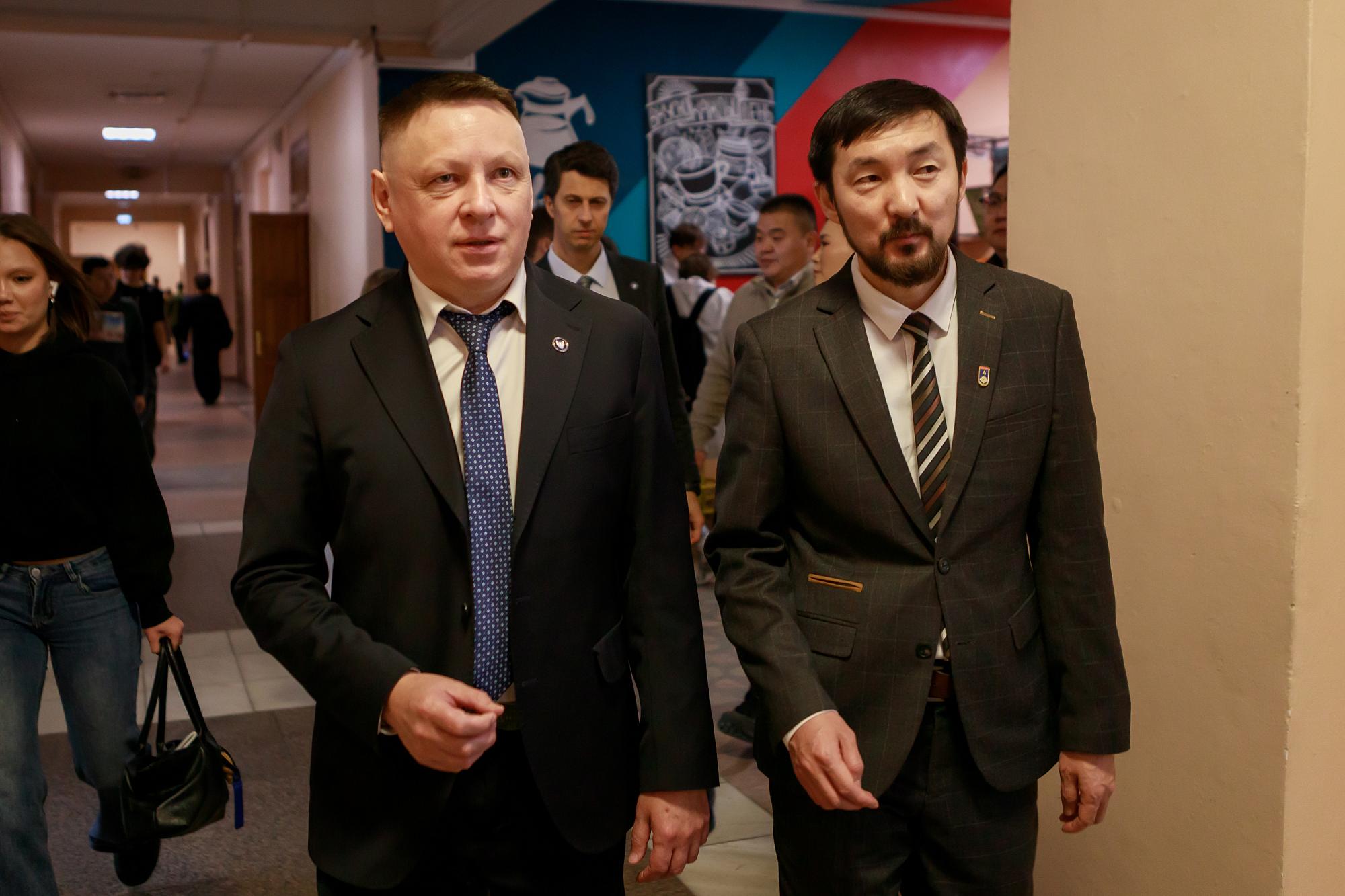
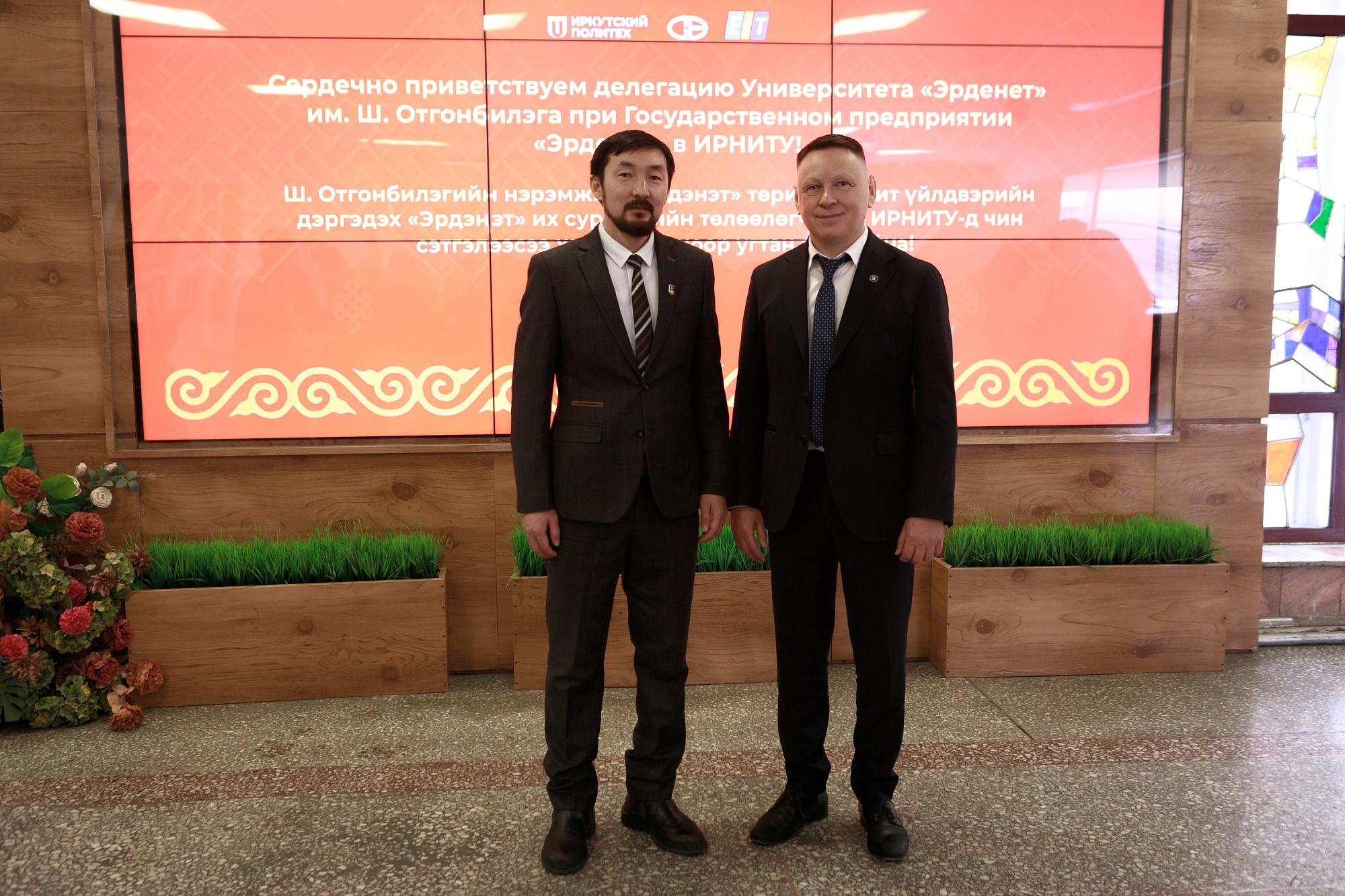
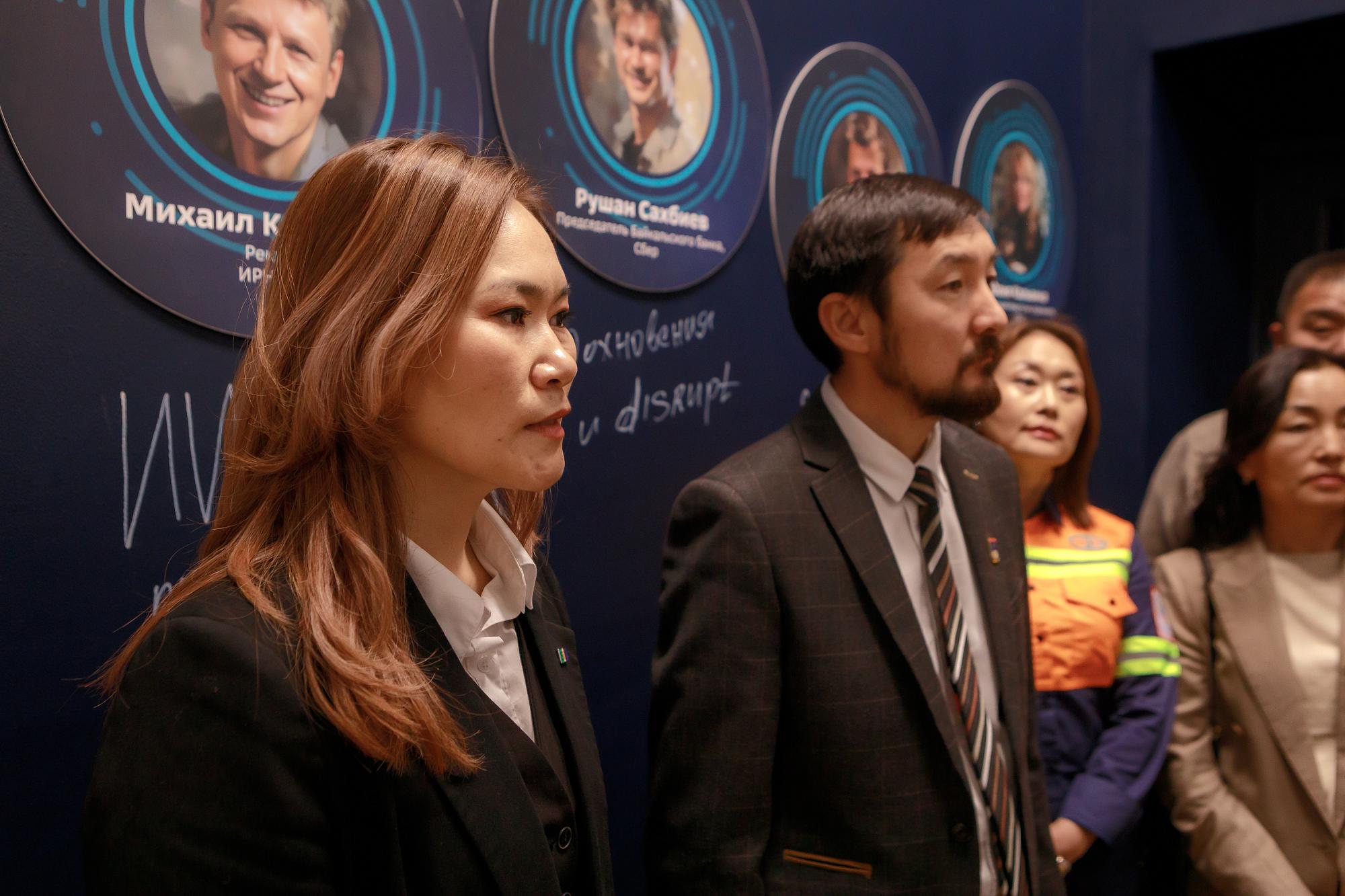
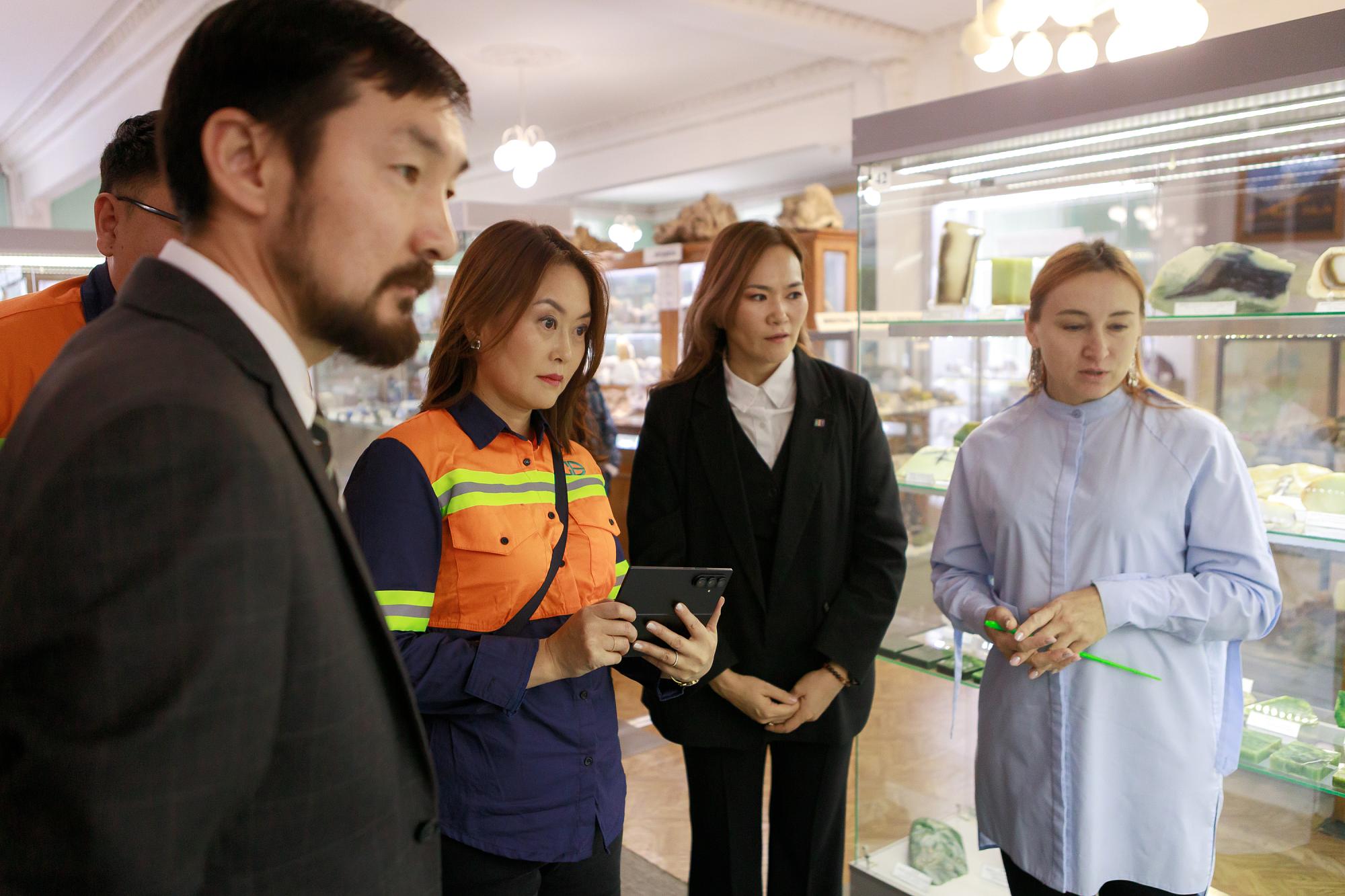
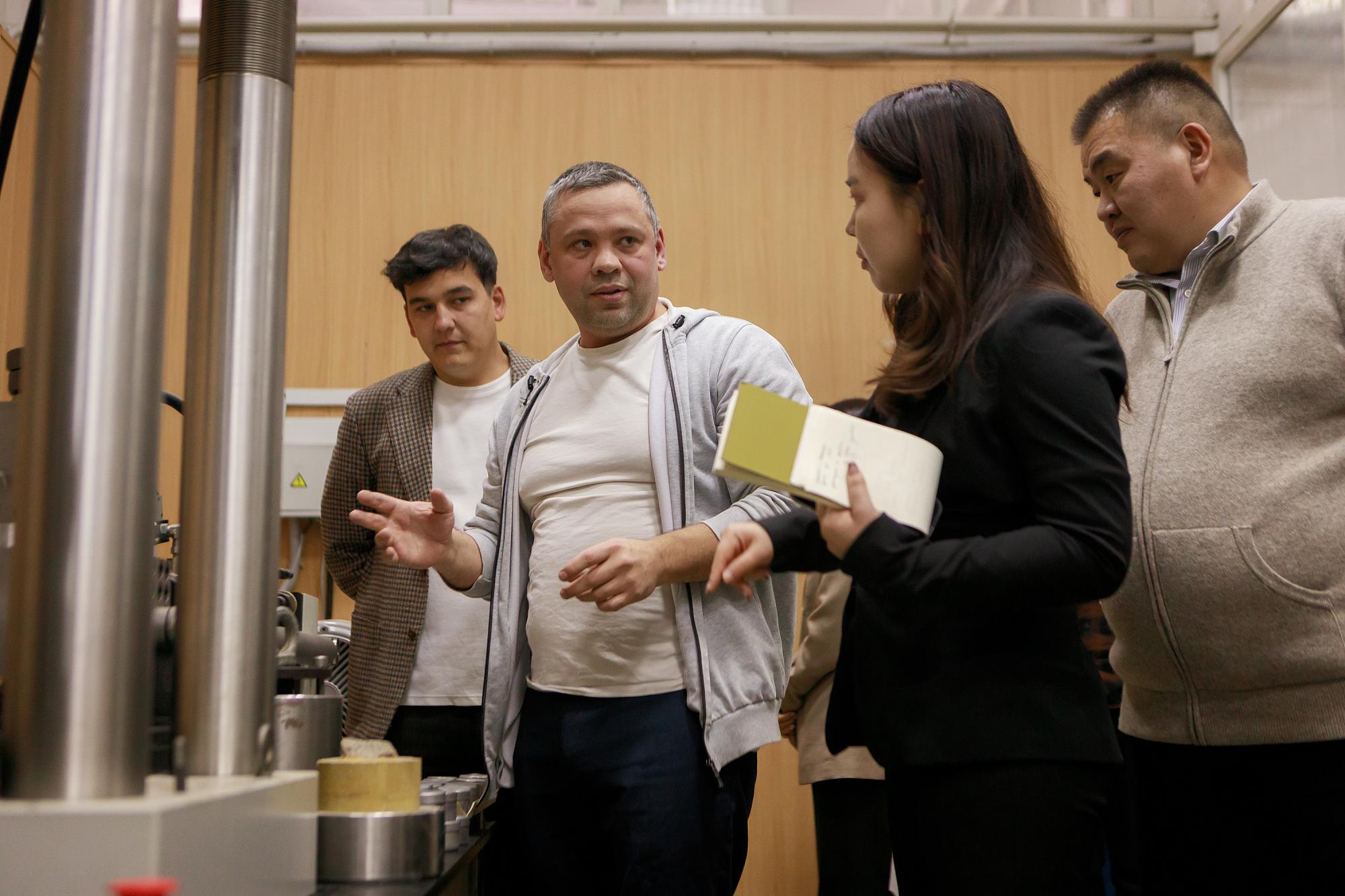
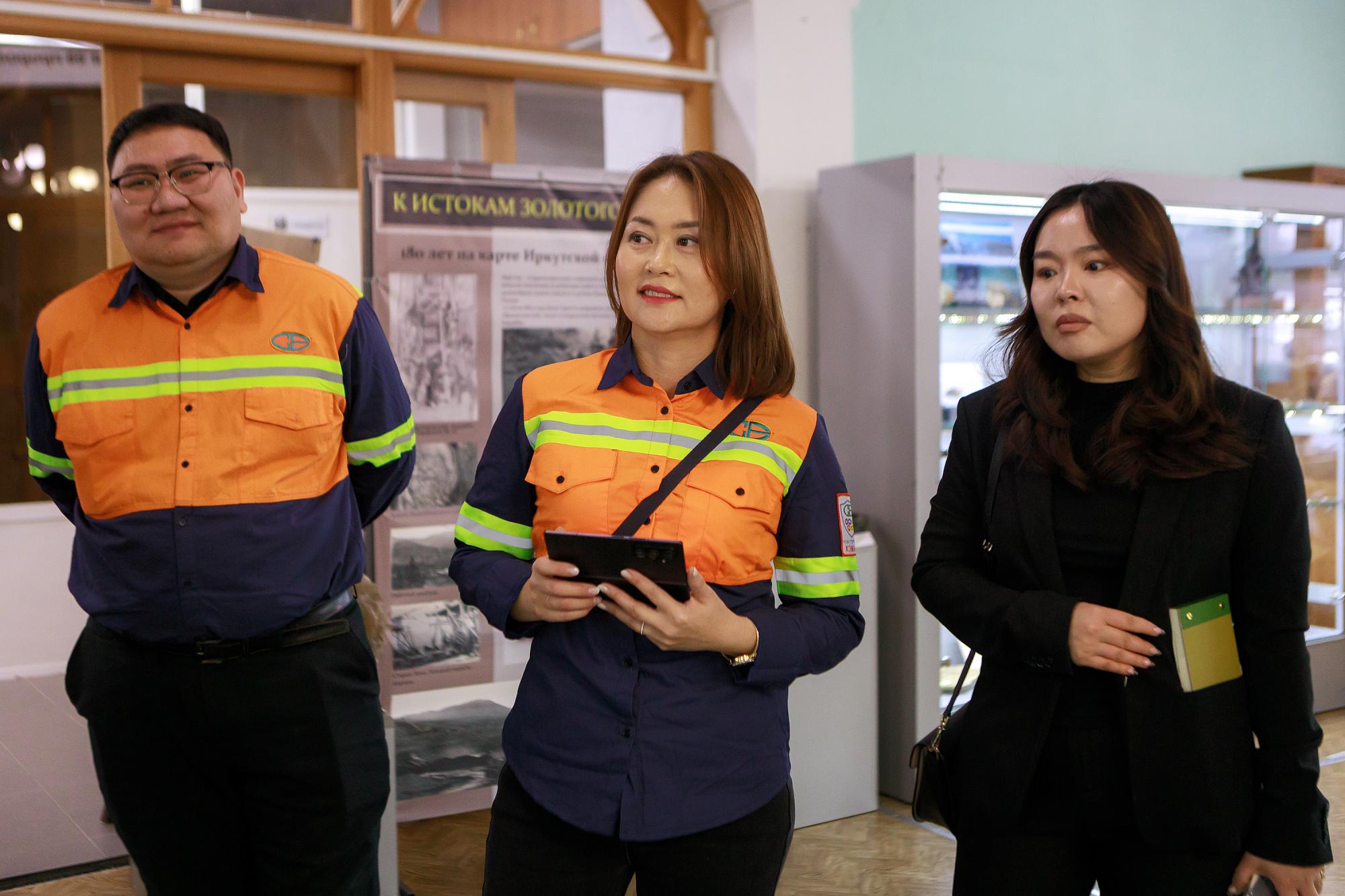
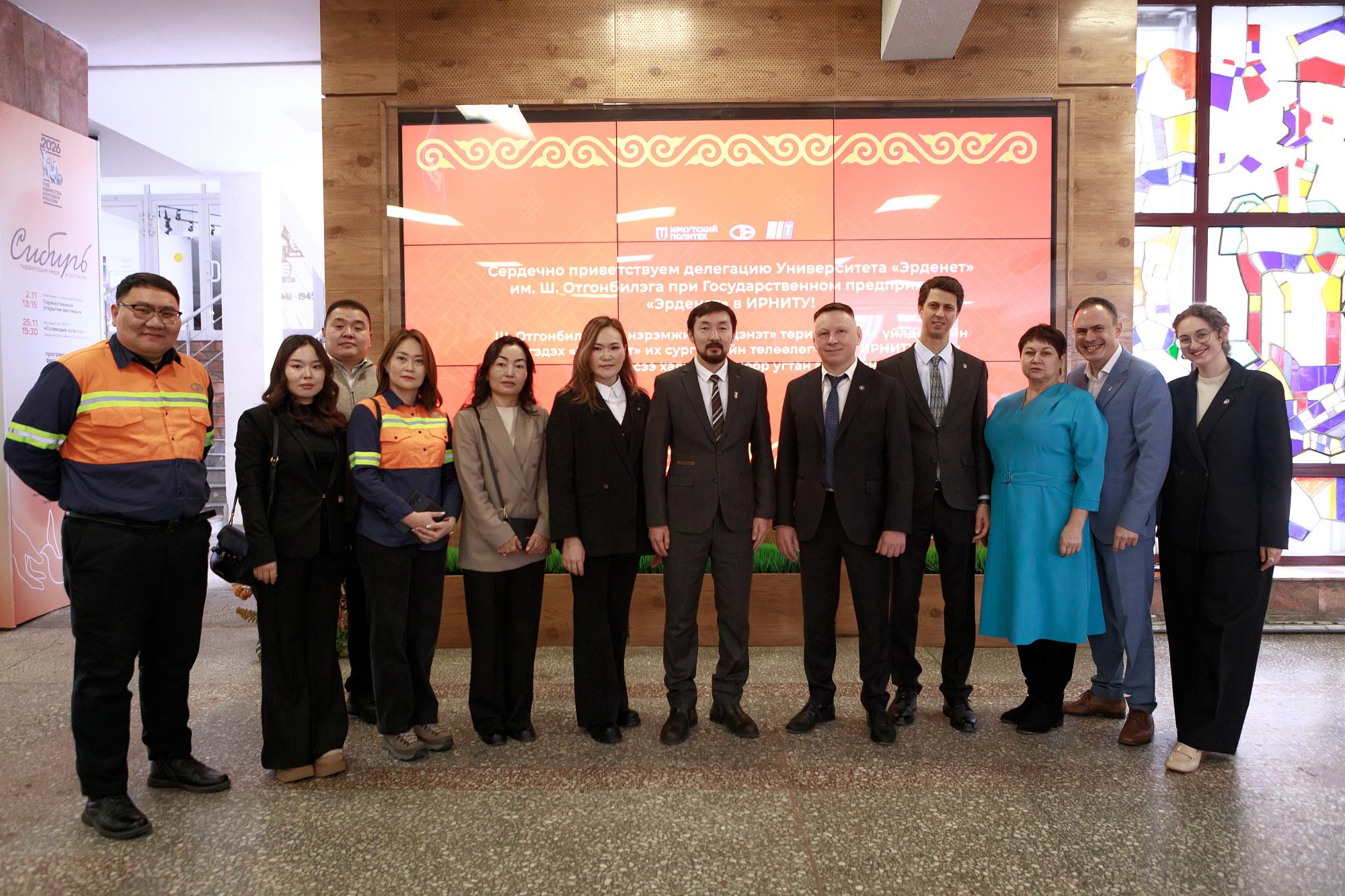
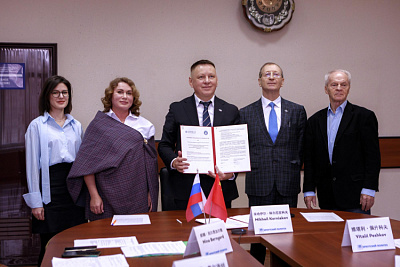
A delegation from the Sh. Otgonbileg Erdenet Institute of Technology under the Erdenet state-owned enterprise visited INRTU on 16 November. The main outcome of the visit was the signing of a cooperation agreement in science, education and the introduction of technological innovations into production. During the meeting, the parties also got a first-hand look at INRTU's laboratory and technical facilities and outlined joint projects.
The document was signed by INRTU Rector Mikhail Korniakov and Dagvatoriin Zayabaatar, Rector of the Sh. Otgonbileg Erdenet Institute of Technology under the Erdenet State-Owned Enterprise.
The two universities are looking to pool their efforts in improving mining and mineral processing technologies, advancing digitalization and production automation, and enhancing energy efficiency and industrial safety. Particular attention will be paid to labor productivity growth and the training of qualified engineering and blue-collar workers. To achieve these goals, the partners plan to launch joint research and educational programs, arrange internships and academic exchanges for students and faculty, share infrastructure, and apply for international grants.
During the meeting, Mikhail Korniakov stressed that INRTU is today among Russia's leading technological universities and is implementing large-scale state development programs, with strengthening international cooperation as one of its key priorities.
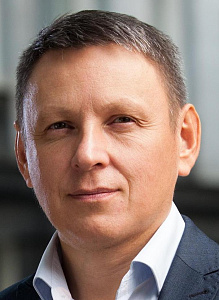
“We have put together a packed program so you can see our modern laboratories and the facilities behind our training and R&D. Mining and geology are the main focus, though we are equally open to exploring new formats of interaction in education, as well as joint research projects,” Mikhail Korniakov emphasized.
Erdenet Institute Rector Dagvatoriin Zayabaatar expressed his gratitude to the INRTU team for the warm reception. In his words, for an operation on Erdenet's scale, the priority is to reduce energy intensity and overall ore-processing costs.
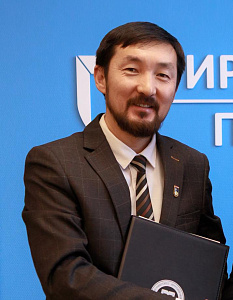
“The developments by Irkutsk scientists caught our attention – particularly their research into new chemical reagents. Raising the recovery efficiency of molybdenum and copper is equally critical for our operation. I am confident that combining INRTU's research potential with our enterprise's practical challenges will yield effective technological solutions,” Dagvatoriin Zayabaatar said.
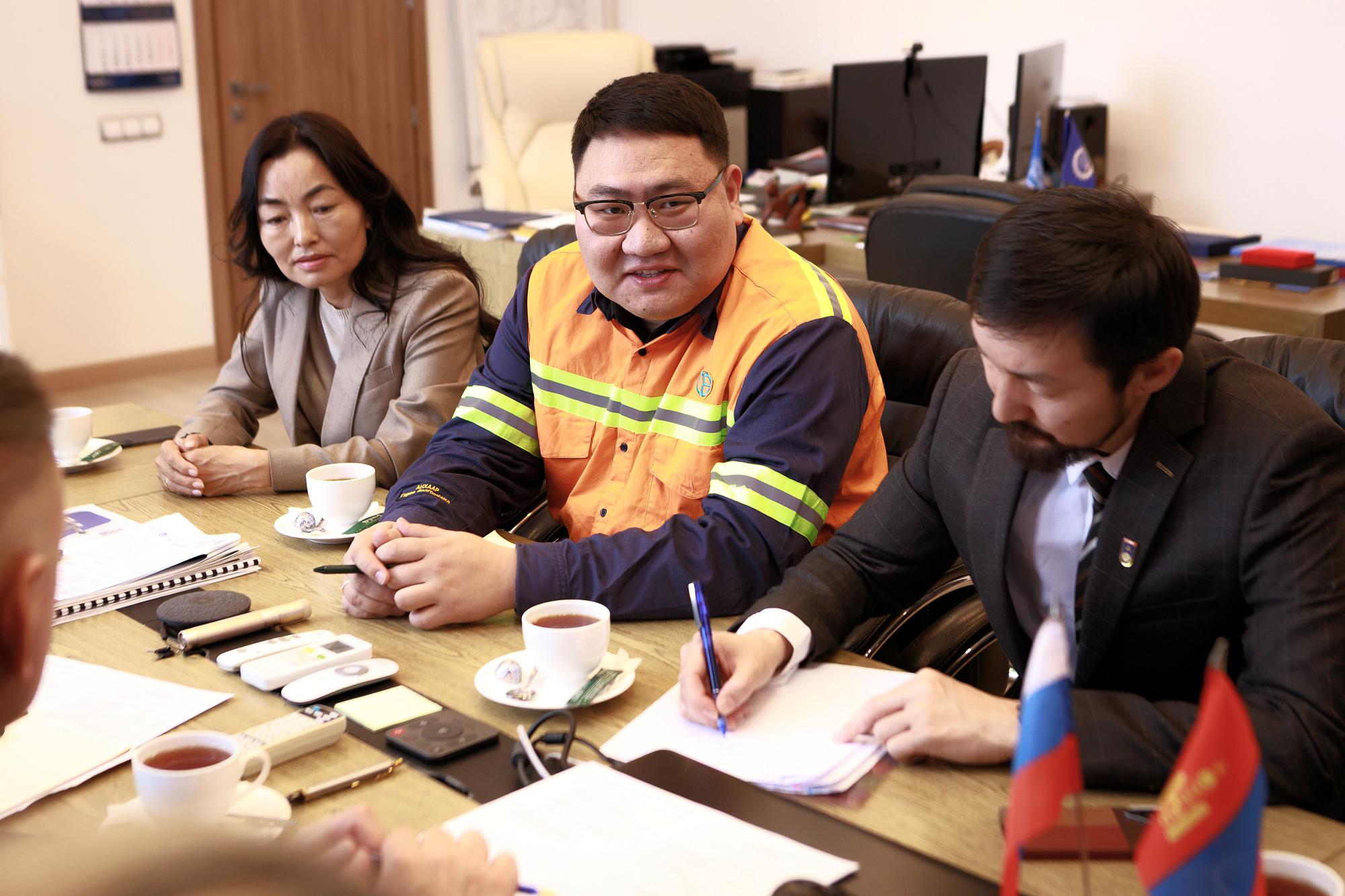
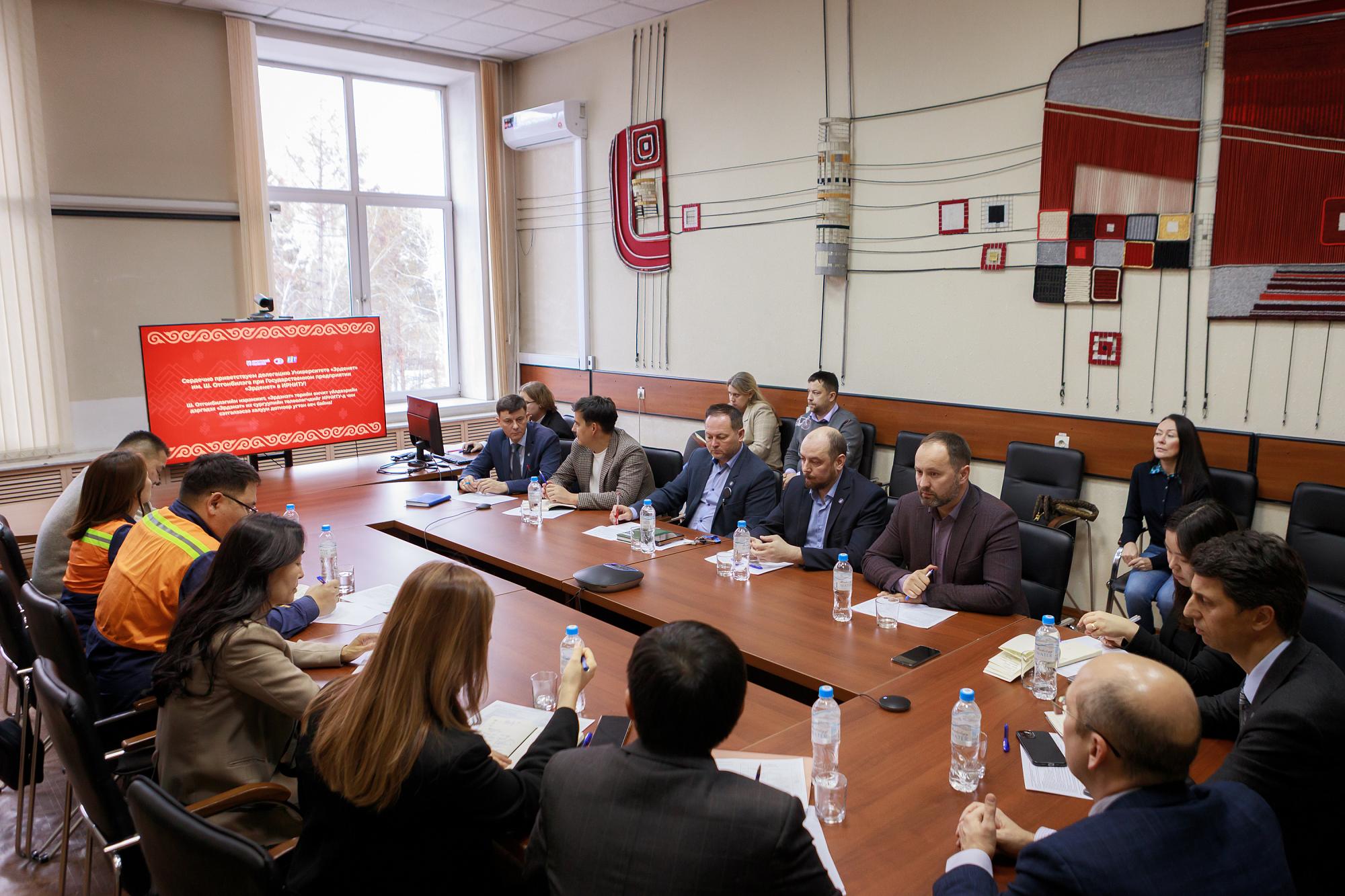
The working program continued with a roundtable at which members of the Mongolian delegation identified the key production challenges facing the Erdenet Mining and Processing Plant. Electricity remains one of the enterprise's largest cost items, so optimizing energy consumption, including the operation of the plant's thermal power station, is of paramount importance.
In addition, the plant notes an annual decline in molybdenum concentrate output and needs a scientific analysis of the factors affecting this process, including the composition of pit water and the potential of microflotation. Other pressing issues mentioned included difficulties with the timely supply of chemical reagents and the need to reduce their consumption, ensuring occupational safety, monitoring parameters during ore transportation and monitoring the condition of tailings storage facilities.
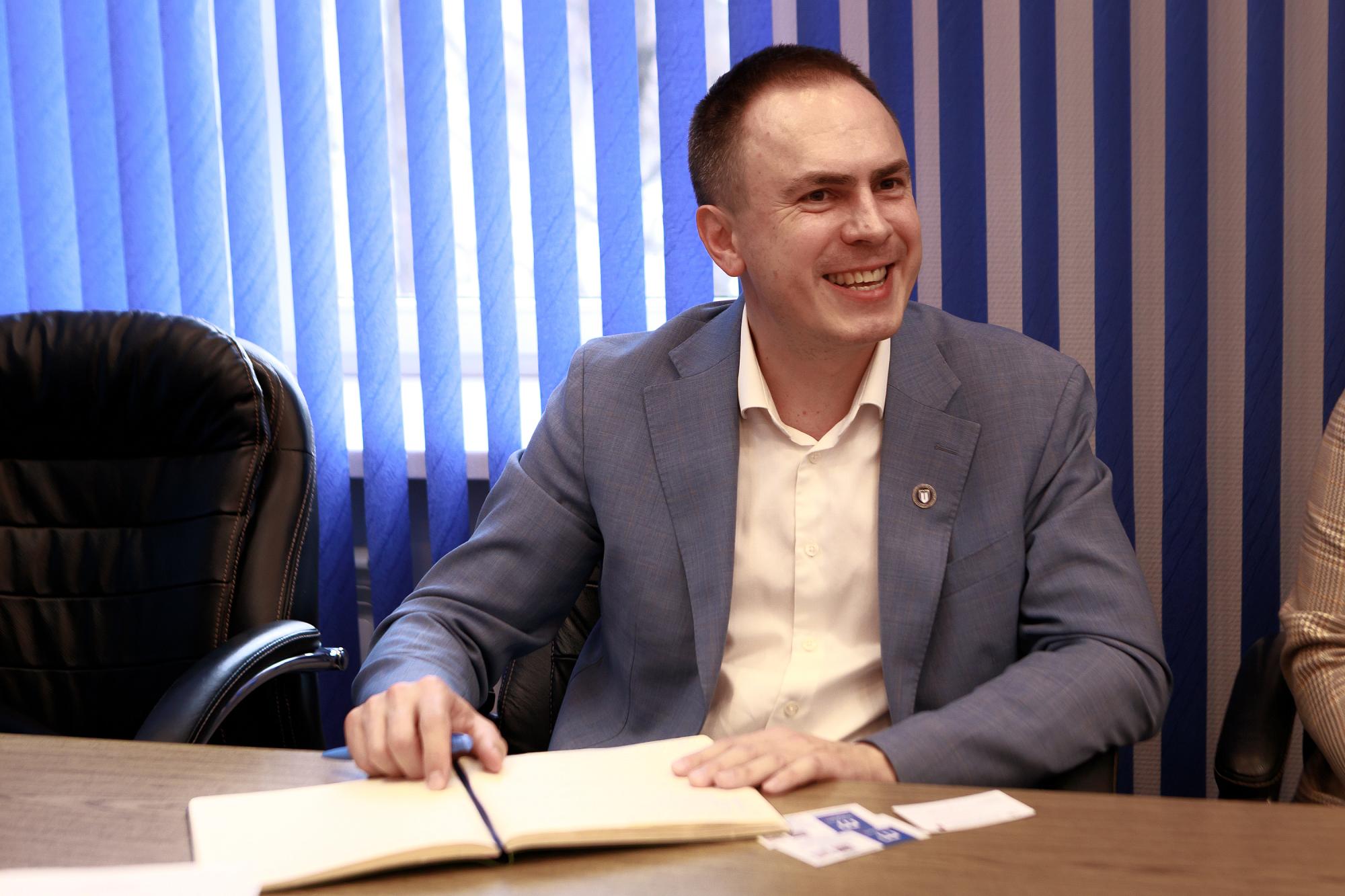
Aleksandr Kononov, INRTU Vice-Rector for Research, noted that the main outcome of the meeting was the formation of a common agenda for a trilateral research and development program:
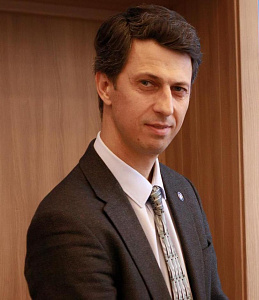
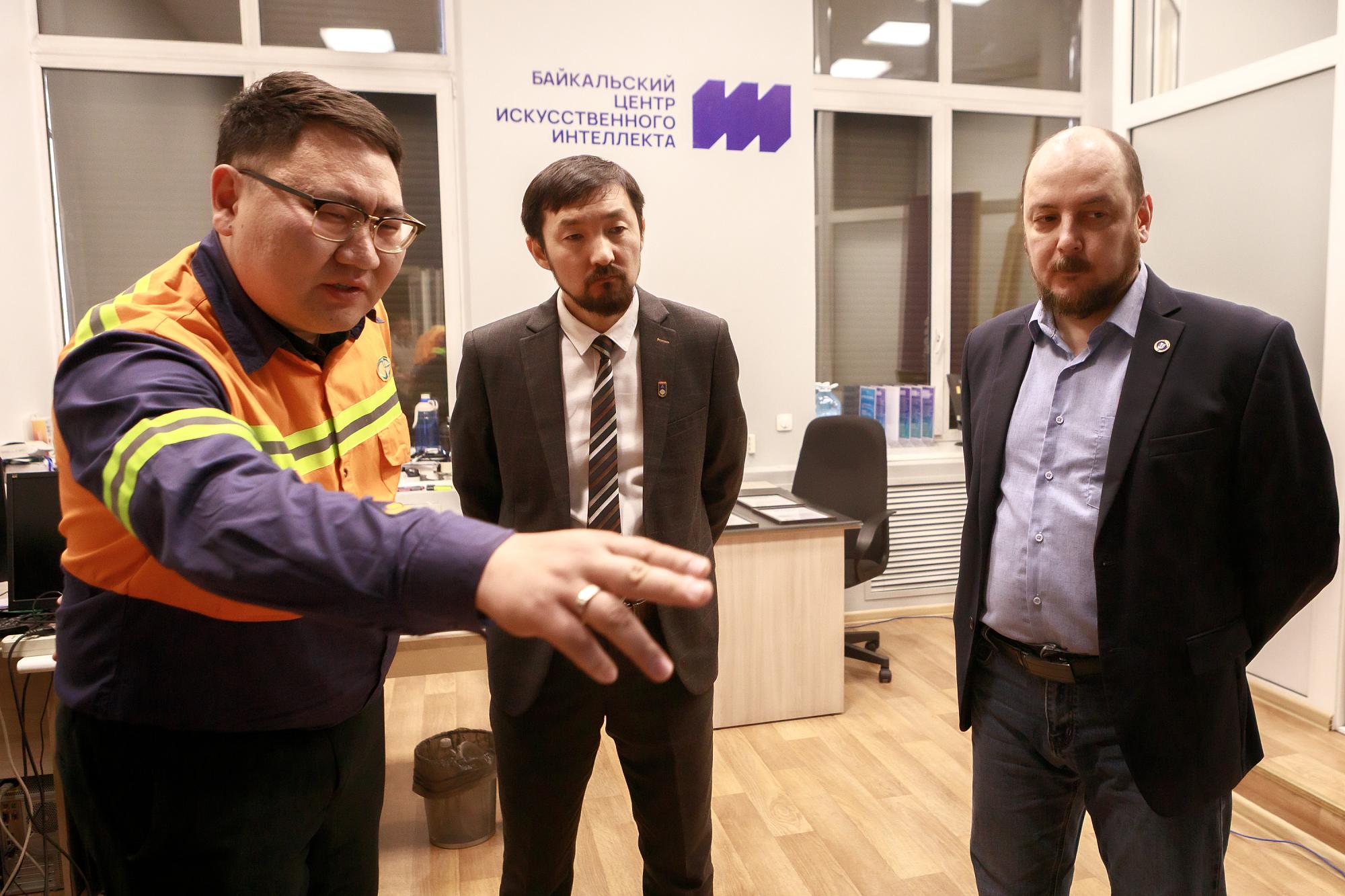
“It is important to identify strategic priorities that will then translate into specific agreements and R&D technical specifications. We have not come empty-handed: we have already tested our cooperation mechanism on one of the plant's pressing tasks - the use of computer vision to analyze ore fractions on the conveyor."
Dmitrii Shadrin, head of multimodal data processing at the Skoltech Applied AI Center and a lead researcher at INRTU, spoke about the development of this pilot project. The viability of the concept has already been confirmed on open data, and the team now needs to further train the model on real production data and create a full-fledged software shell to integrate the solution into the plant's existing systems. It was noted that such tasks require the involvement of mining engineers: this makes it possible to turn isolated IT developments into large-scale interdisciplinary projects that will help the Mongolian university transition from an industrial model to a research-oriented one.
Aleksei Shevchenko, Director of INRTU's School of Subsurface Resource Management, presented a comprehensive approach to developing the partnership between Russian and Mongolian colleagues:
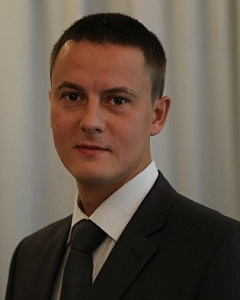
“We need to create conditions for students to come together and communicate. The exchange of experience between faculty, the creation of joint courses and teaching materials are also important. In cooperation with our Mongolian partners, we can achieve a synergistic effect in applied research. And finally, this is exploratory research for the future. After all, to be in the right place tomorrow, you need to start moving today.”
Researchers at the School of Subsurface Resource Management are ready to provide project support for mining operations, from deposit development to land reclamation and facility closure, and, within joint R&D, to handle tasks such as wastewater clarification, pulp thickening and hydraulic transport, dust suppression in open pits and ensuring the stability of pit walls.
Vladislav Shakirov, Head of the Department of Power Supply and Electrical Engineering at INRTU's School of Power Engineering, outlined promising areas of cooperation in energy and personnel training:
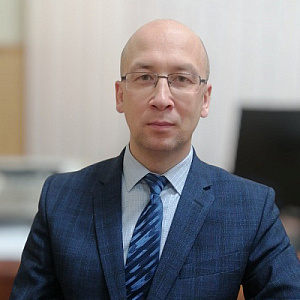
“Our specialists are interested in looking at the Erdenet plant's projects, particularly the optimization and reduction of electricity costs, both by improving the power supply system itself and by introducing alternative sources. In education, a first and obvious step could be the creation of bilingual teaching materials (Russian–Mongolian), which would help students from Mongolia overcome the terminology barrier more quickly.”
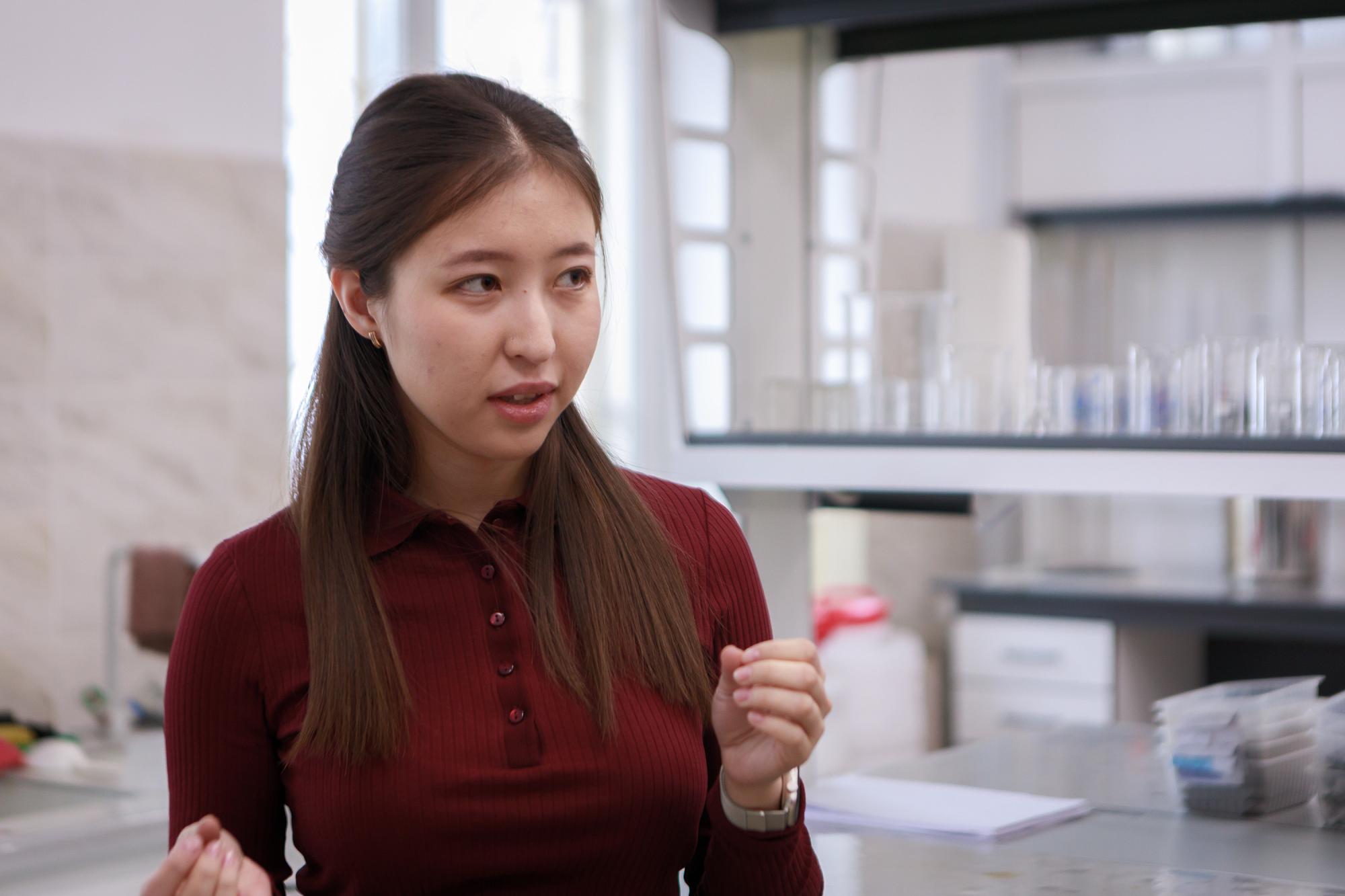
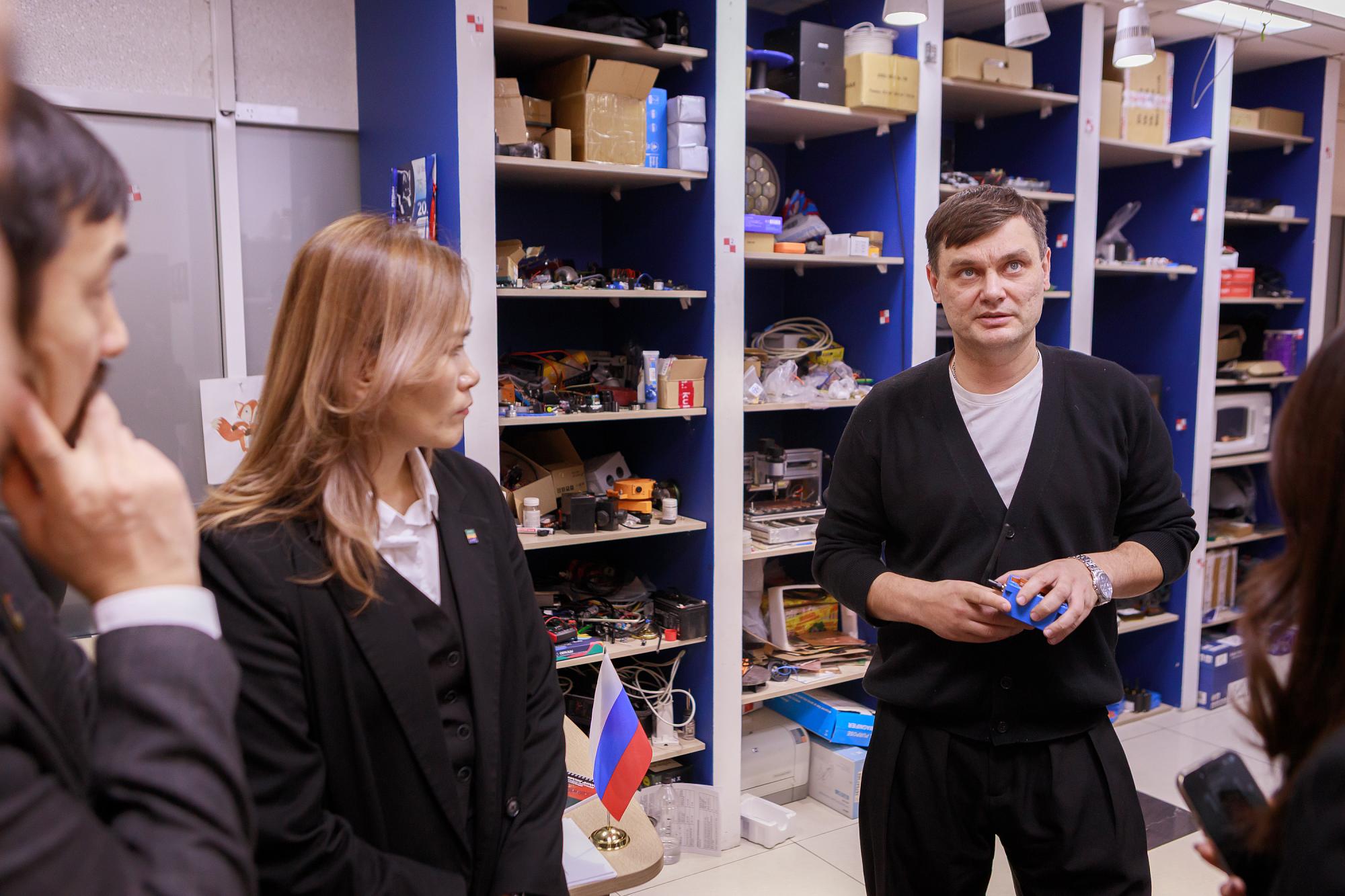
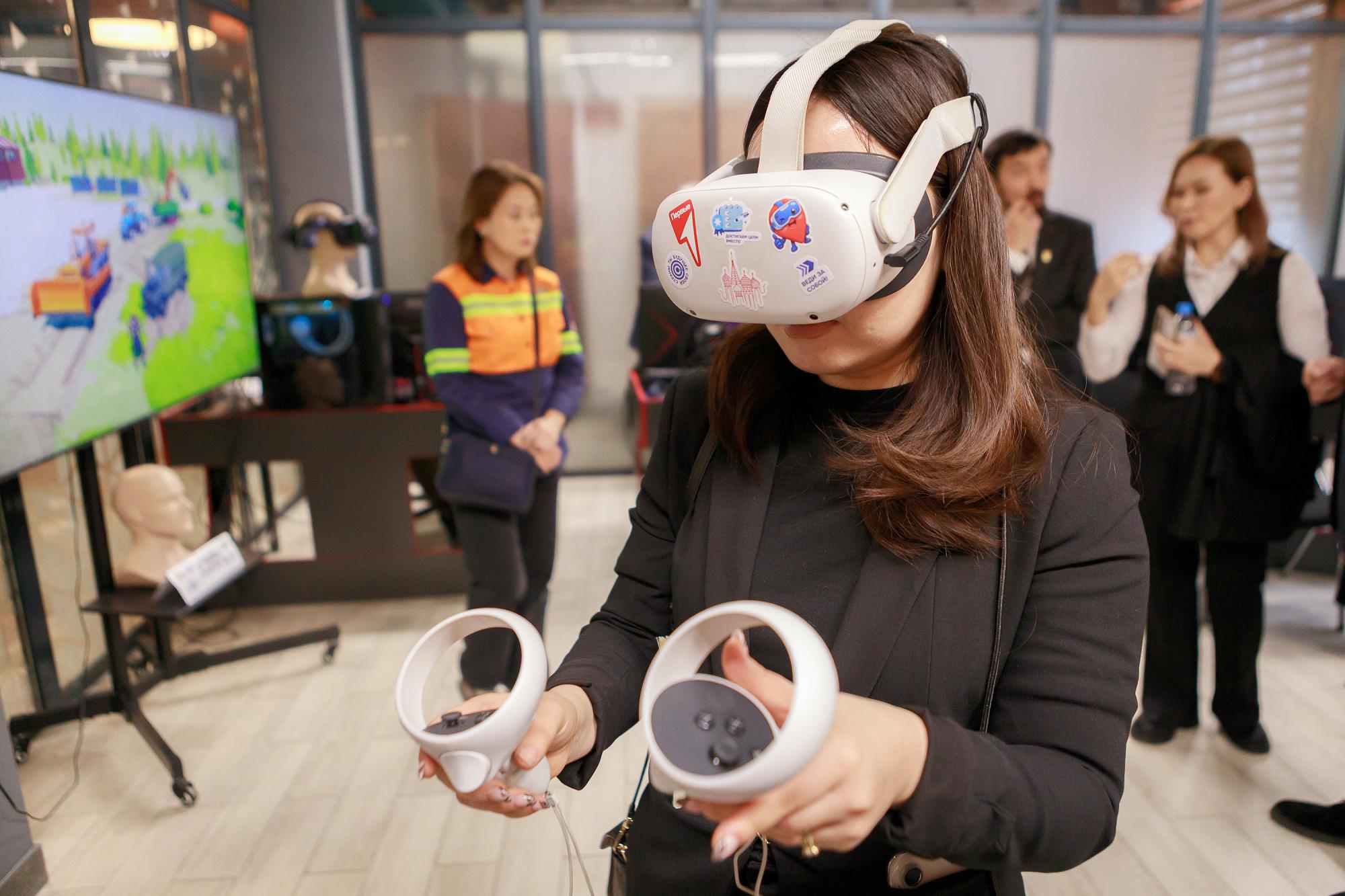
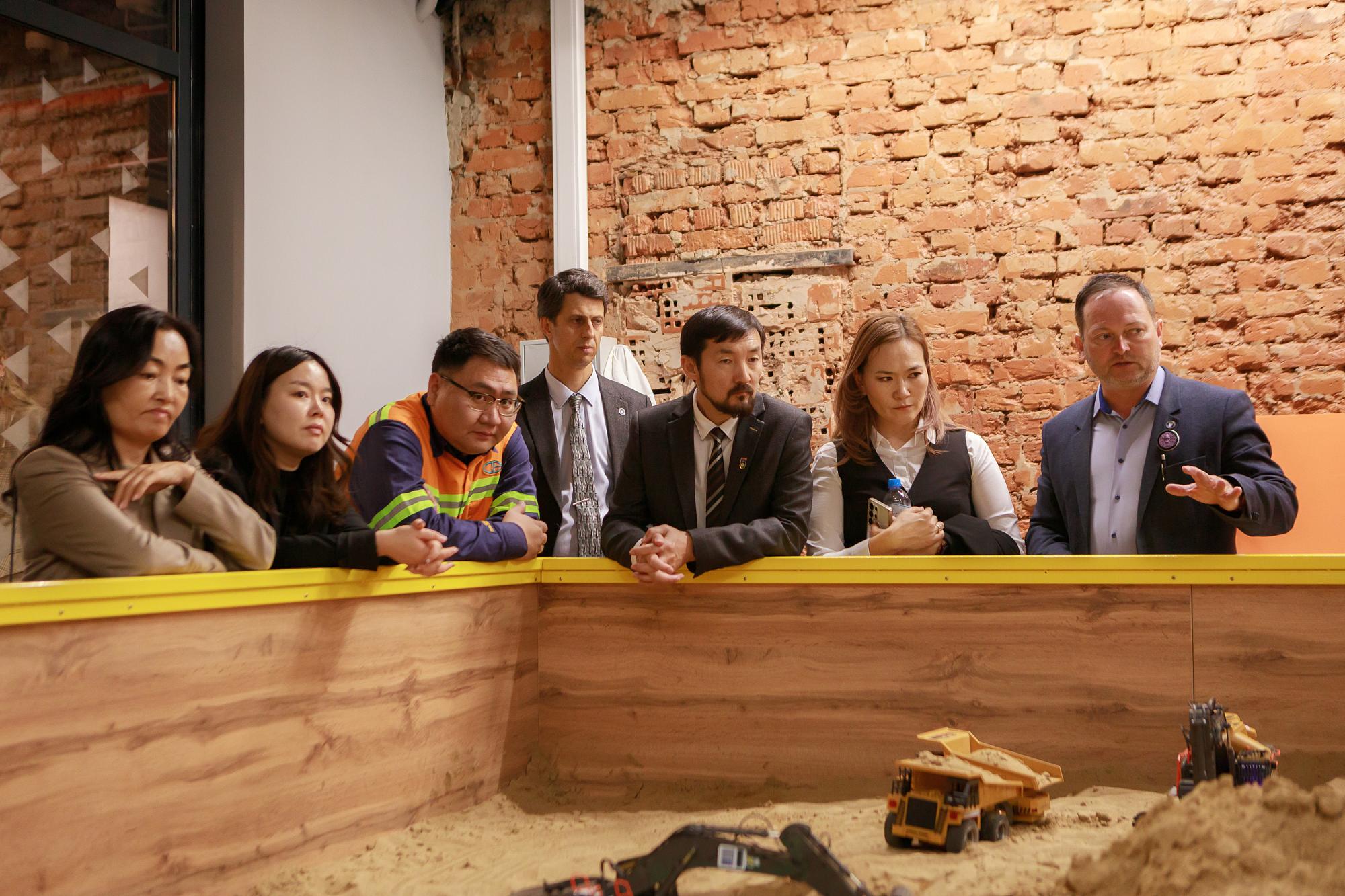
As part of the visit, the Mongolian delegation was given a tour of INRTU's key research and teaching facilities. The guests visited the Baikal Artificial Intelligence Center, the Flotation and Flotation Reagent Chemistry research laboratories, the Center for Mine Surveying and Geodetic Innovations, and the Laboratory of Geomechanics and Rock Physics. The delegation also learned about the work of the Department of Mining Machines and Electromechanical Systems, the School of Power Engineering and the EN+ INRTU Corporate Research and Training Center.
Photos provided by the INRTU Press Service