Korean Culture Evening "Korea: Close and Beautiful" Brings Korean Traditions to Irkutsk Students at INRTU
Korean Culture Evening "Korea: Close and Beautiful" Brings Korean Traditions to Irkutsk Students at INRTU
INRTU hosted a Korean culture evening titled "Korea: Close and Beautiful" for students in Irkutsk on November 11. The program featured stage performances, a quiz, a lecture on the role of ancient construction techniques in Korean life, and a master class with tasting.
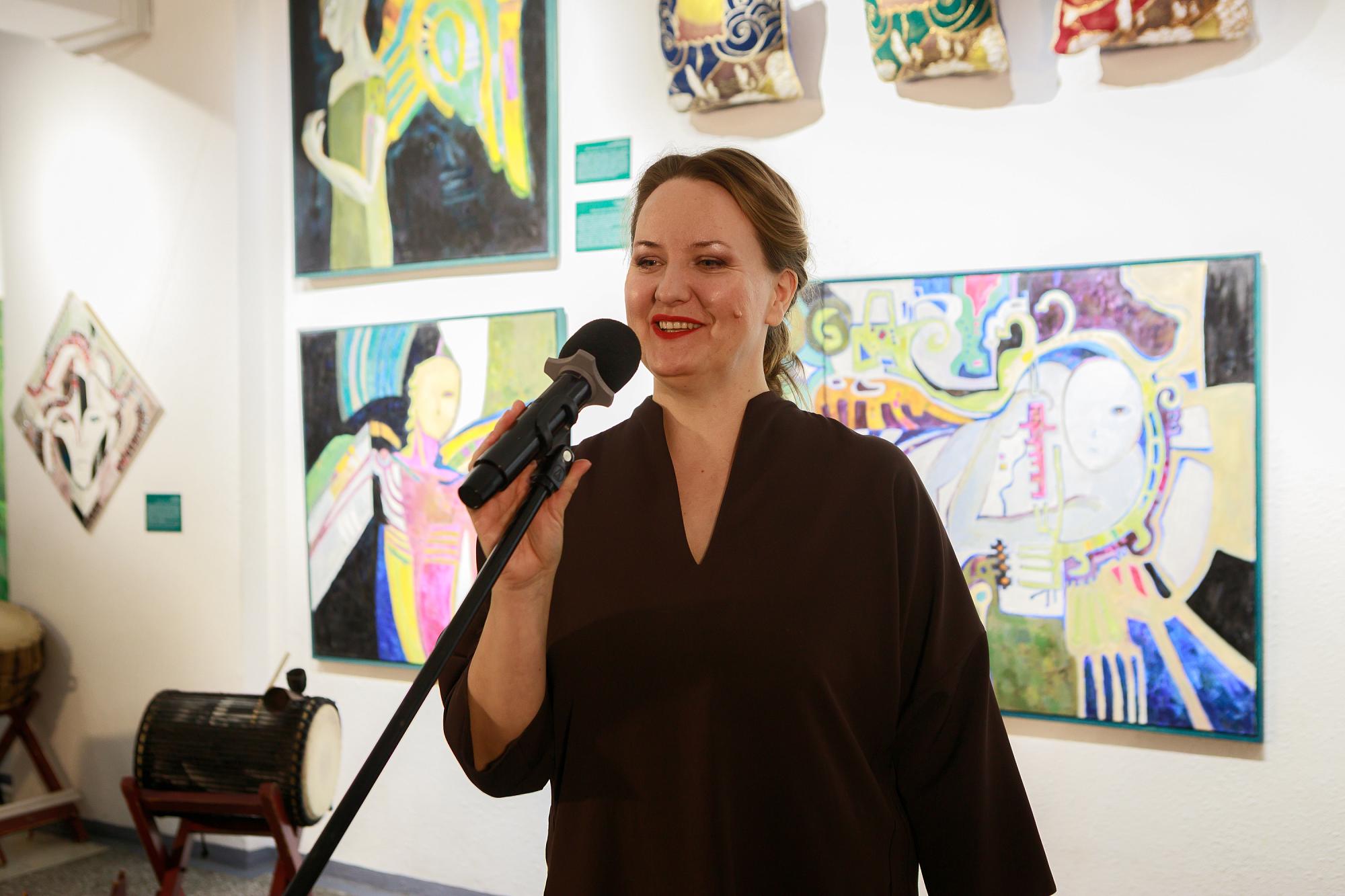
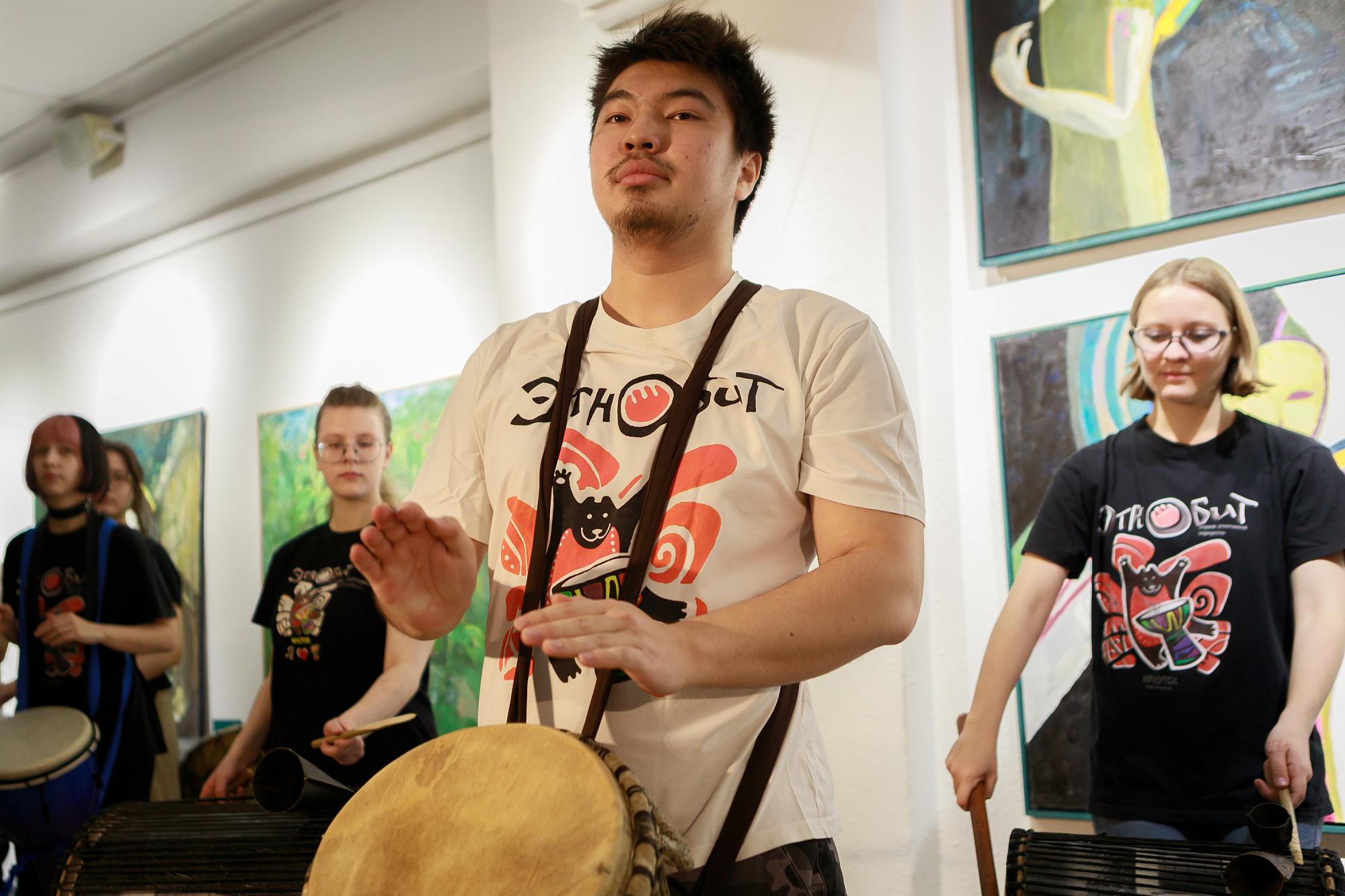
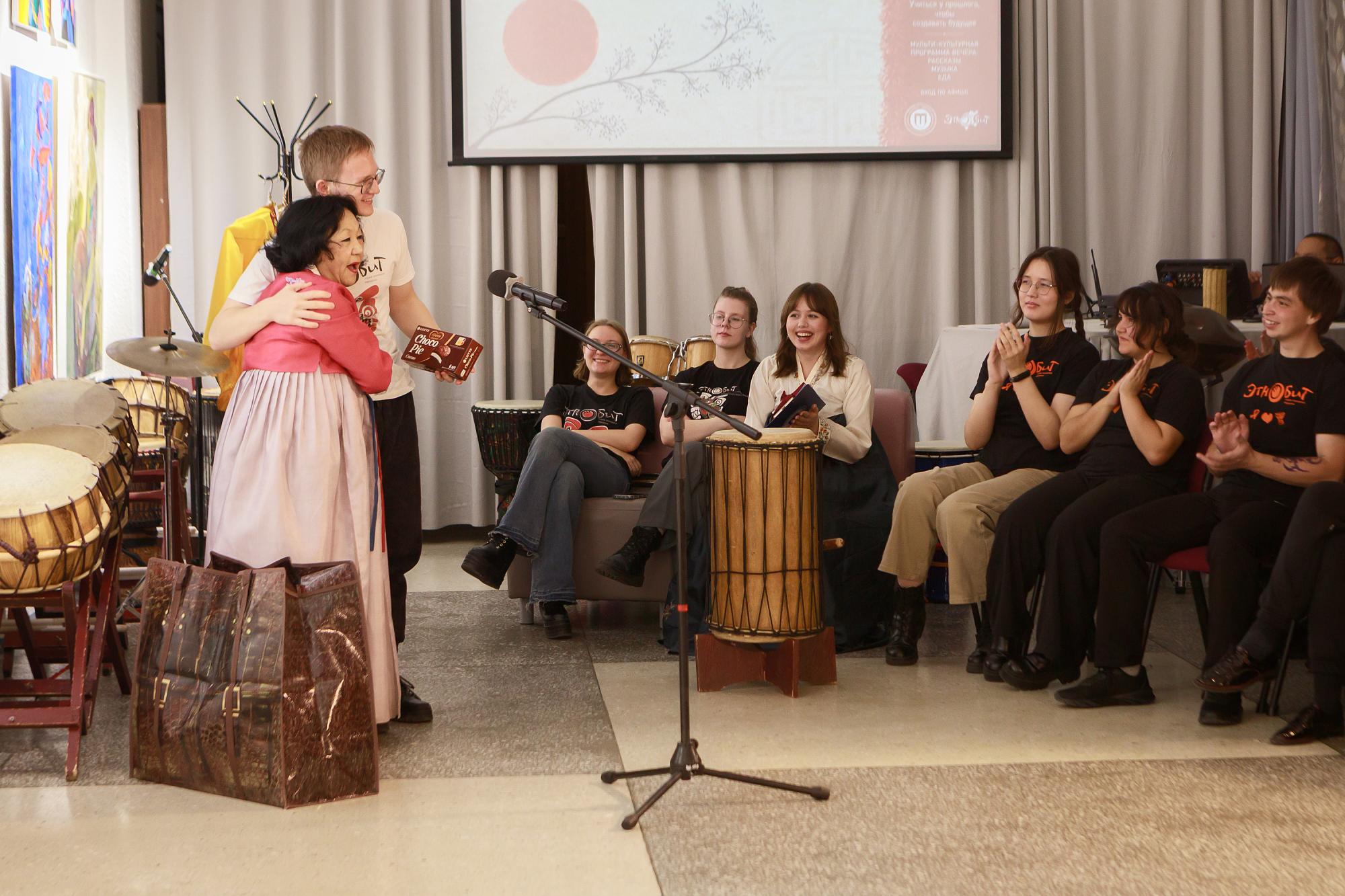
The event was overseen by Natalya Poteryaeva, head of the ethnic percussion studio "Ethnobit," and Mun Sam Sun, president of the Korean Culture Center in Irkutsk.
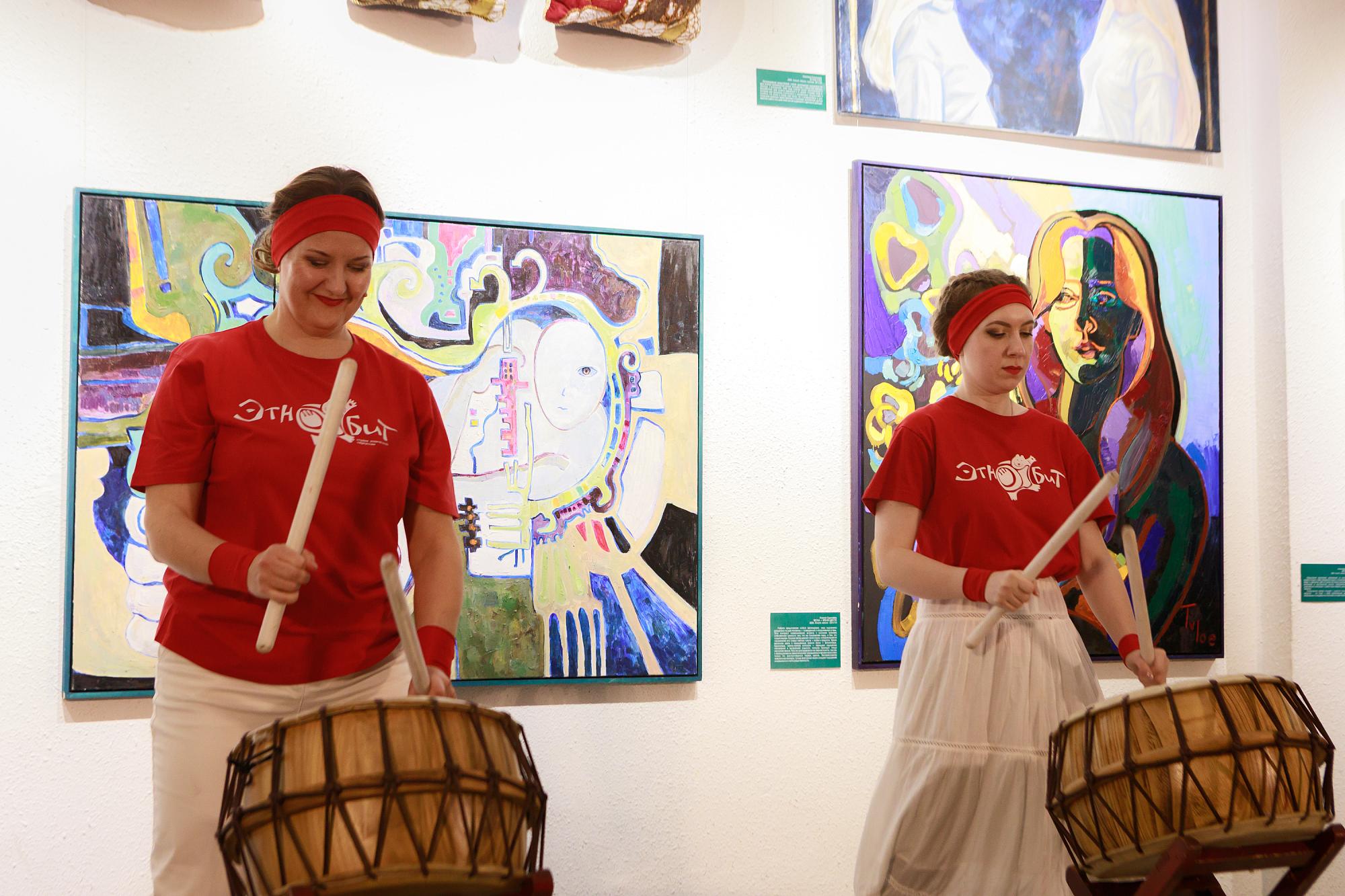
The evening formed part of the "Siberia: Territory of Peace and Harmony" festival. The celebration, which showcases the many facets of Korean culture, is now in its fifth year at INRTU. The event coincided with International Drumstick Day.
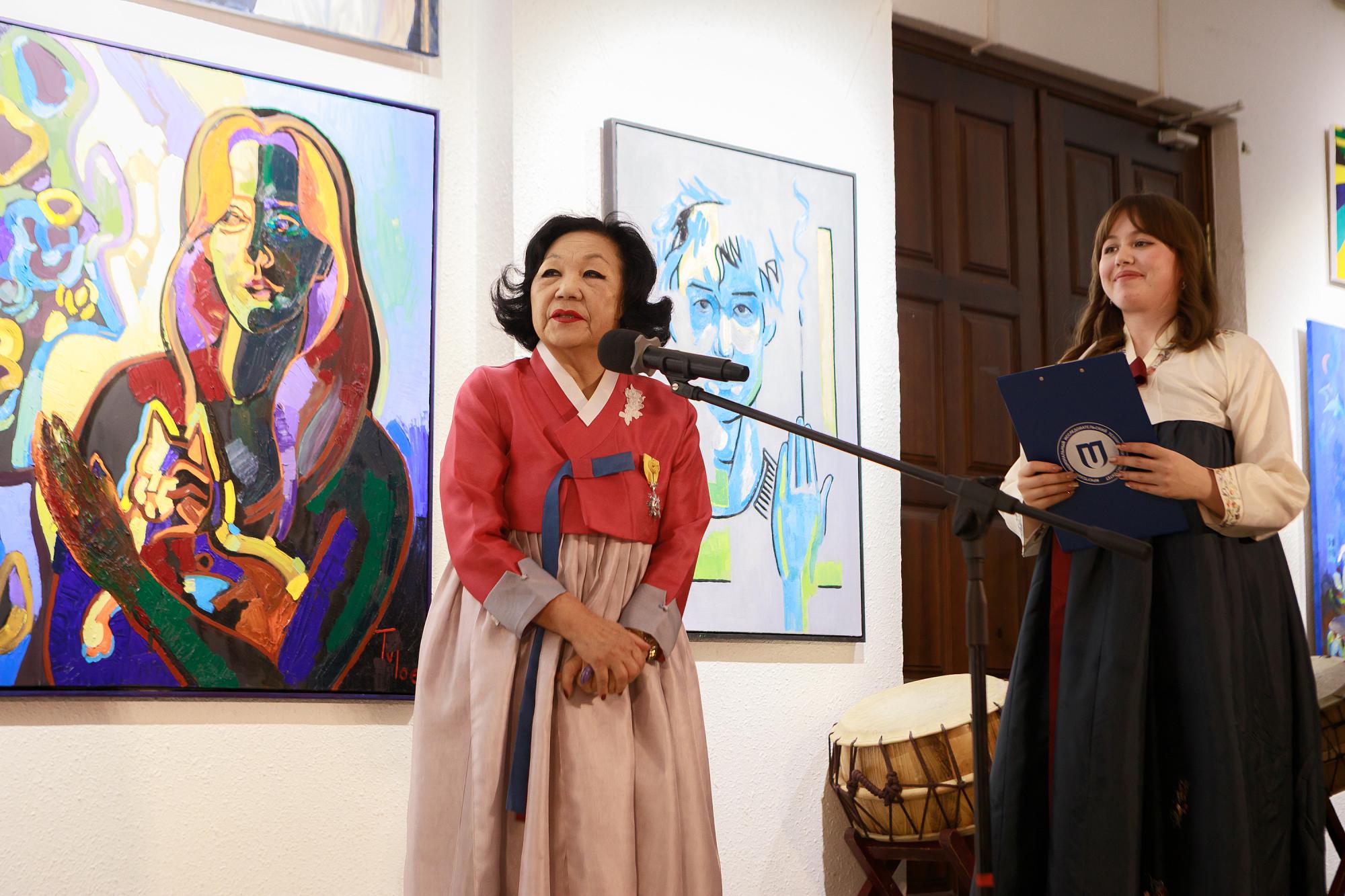
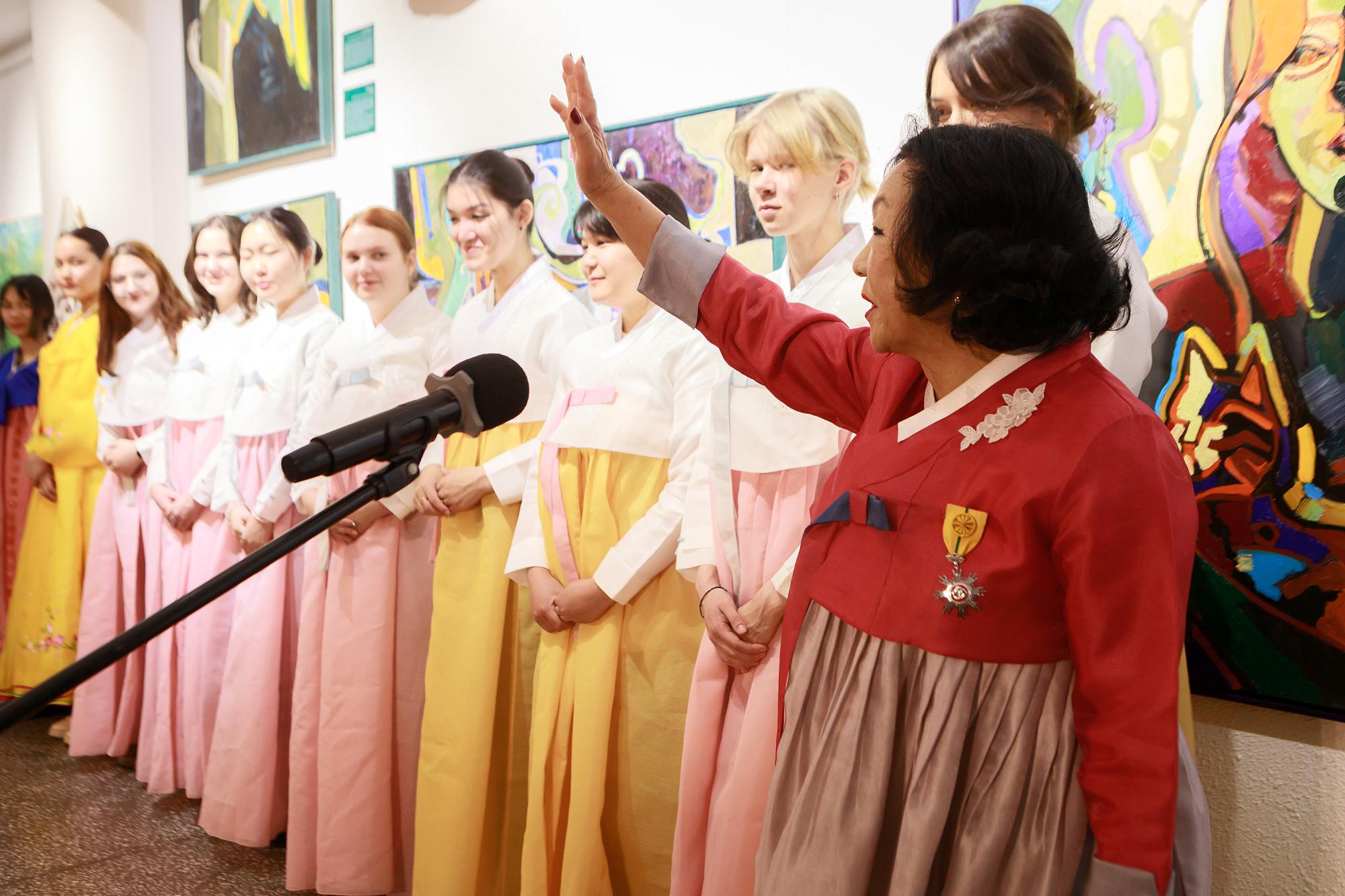
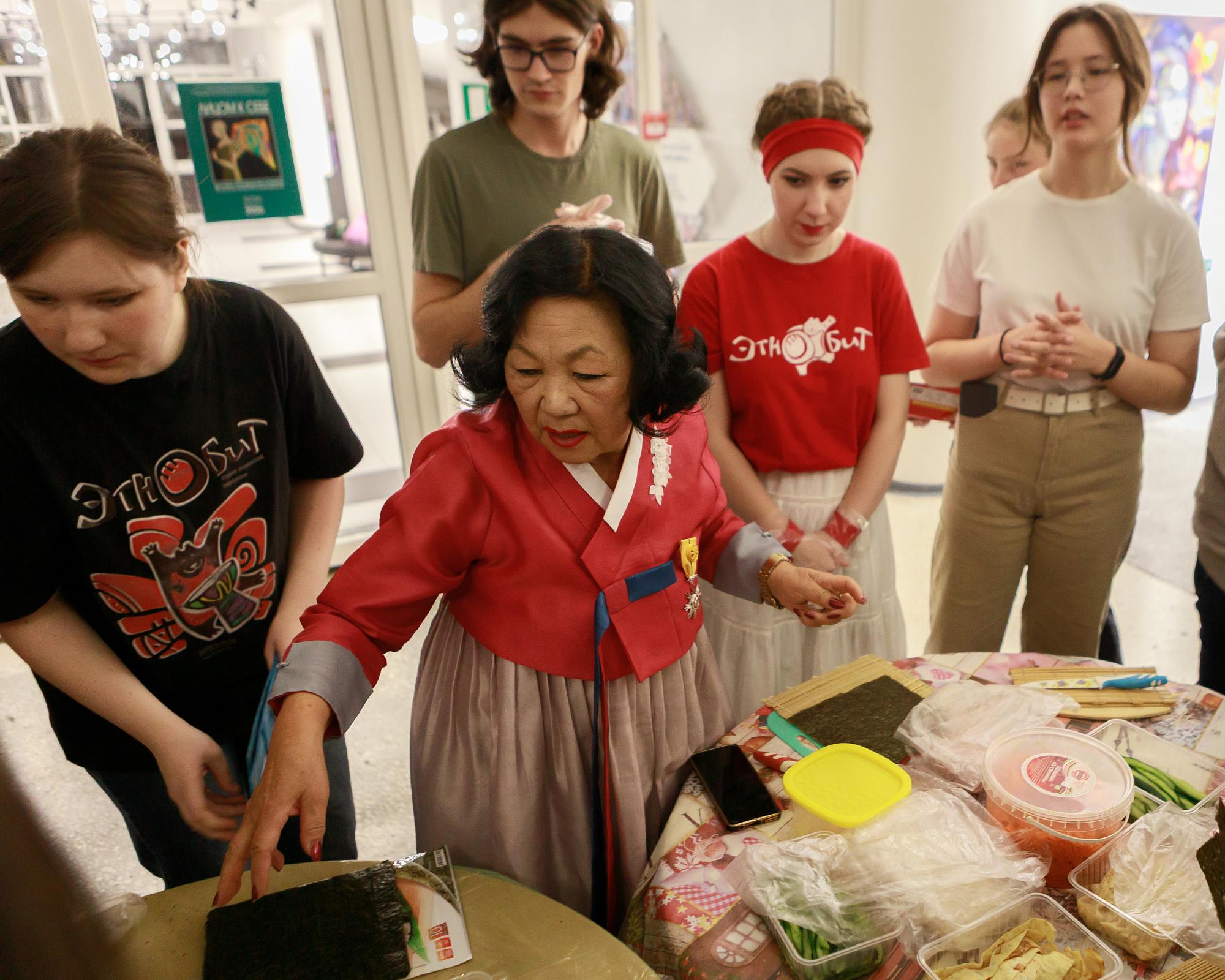
Guests were welcomed by Mun Sam Sun, better known to Irkutsk residents by her Russian name, Olga Bongonovna. She is the daughter of Sakhalin Koreans who found themselves on the island amid difficult historical circumstances. It was her family that instilled in her a love for her native culture. Olga Bongonovna has devoted considerable effort to promoting the customs, language, and cuisine of her people in the Irkutsk region. In 2025, she received an order from the Overseas Koreans Agency for her contributions to promoting Korean culture.
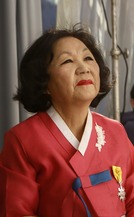
"The order I received at the Consulate General in Irkutsk came with a document signed by President Lee Jae Myung of the Republic of Korea. This is not just my award but yours as well, because you love and honor Korean culture. It is precisely this love for my ancestral homeland that helps me preserve Korean traditions while living in Russia,"
Mun Sam Sun told the guests at the evening.
She emphasized that of all national customs, "hyo-do" is the one she holds most dear. The term denotes filial piety - a special moral duty toward one's elders, above all one's parents. The principle of "hyo-do" rests on genuine care for living relatives and tending to the graves of ancestors.
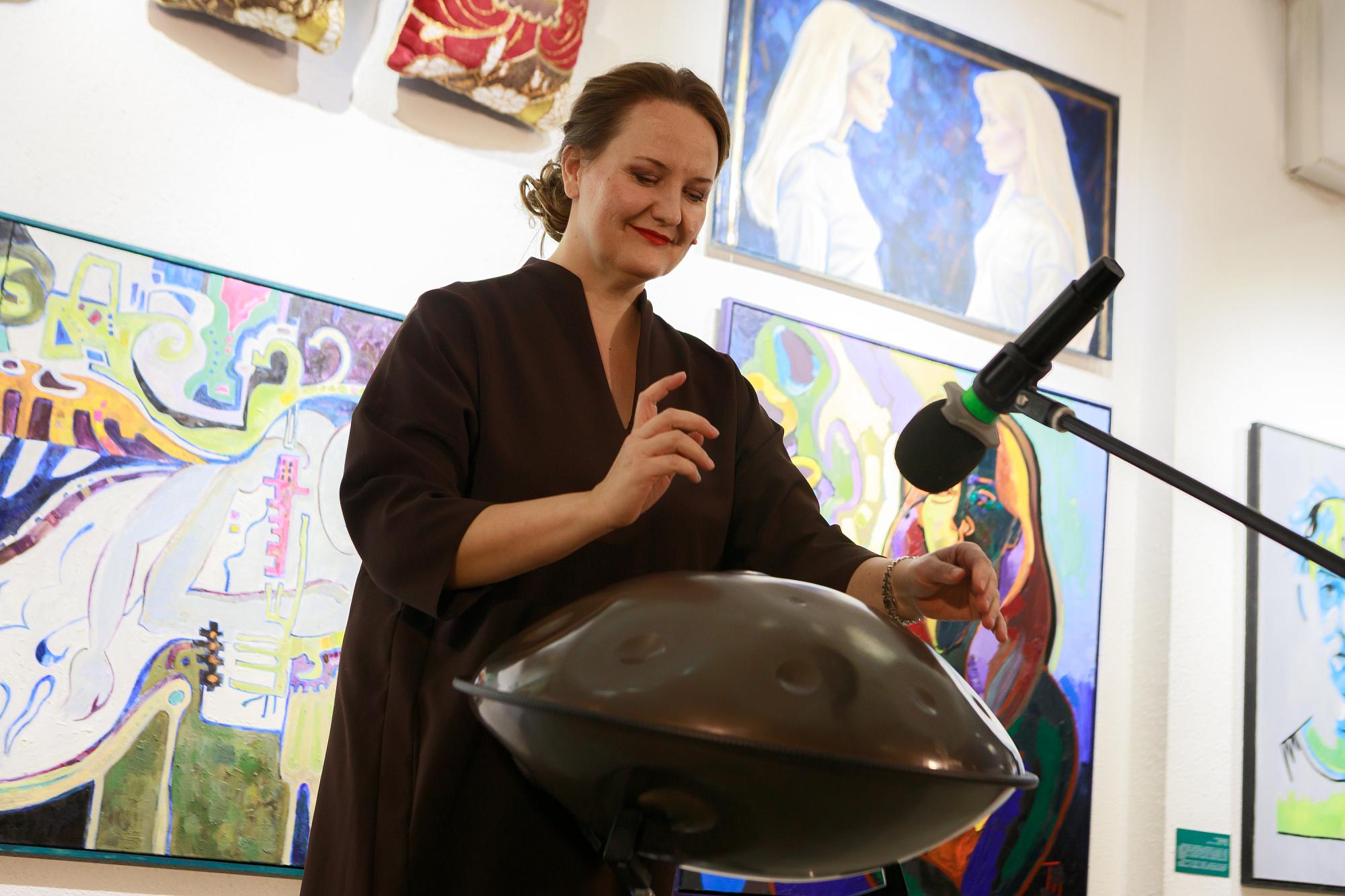
The creative program opened with a welcome piece titled "Sinte" performed by Ethnobit. The song "Enya ho," celebrating the beauty of the surrounding world, followed. INRTU students then presented the numbers "Oikaze" ("Faster Than the Wind") and "Union." A surprise for the audience was the premiere of a solo piece by Natalya Poteryaeva on the hang drum. The stage performances were complemented by a presentation from Diana Porubova and Olga Chernenko, future Asian studies specialists from Irkutsk State University. The students spoke about the role of the traditional "hanok" dwelling in Korean life. The presenters sought to go beyond describing the building's exterior and focused on how this architectural tradition, formed in ancient times, today combines engineering ingenuity with strict Confucian principles.
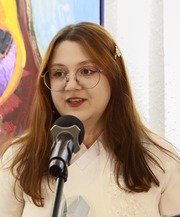
"'Hanok' is not merely a term for a house but an entire philosophy, built in part on the human desire to live in harmony with nature. For example, millennia ago Koreans used the 'ondol' technology. This was a unique system in which heat from an outdoor hearth did not escape through a chimney but traveled through channels beneath the floor, warming the entire house from below. In the 21st century, builders have adapted this technology for heated water and electric floors. It largely explains why Koreans still customarily sit and sleep on the floor,"
Diana Porubova explained.
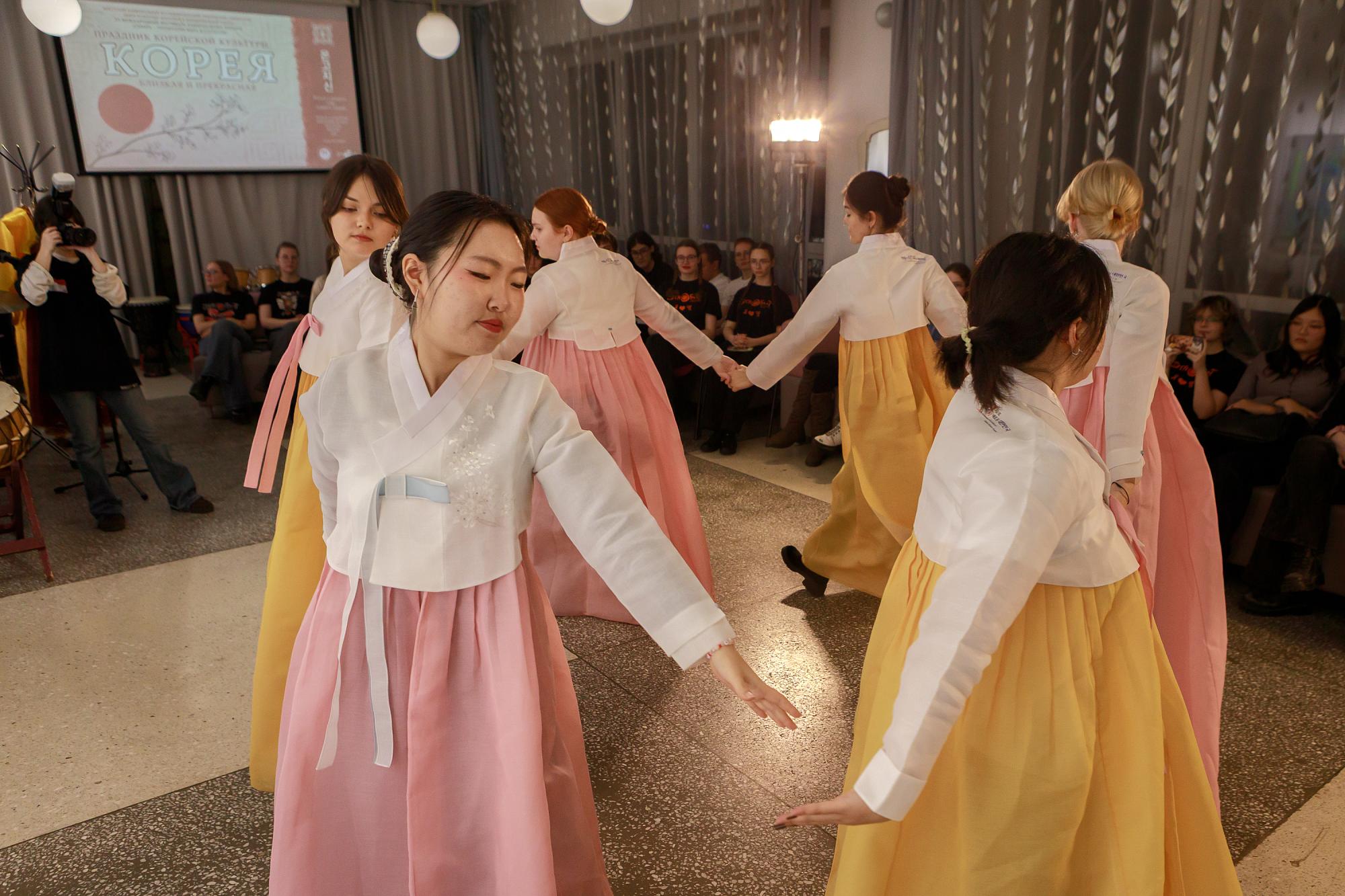
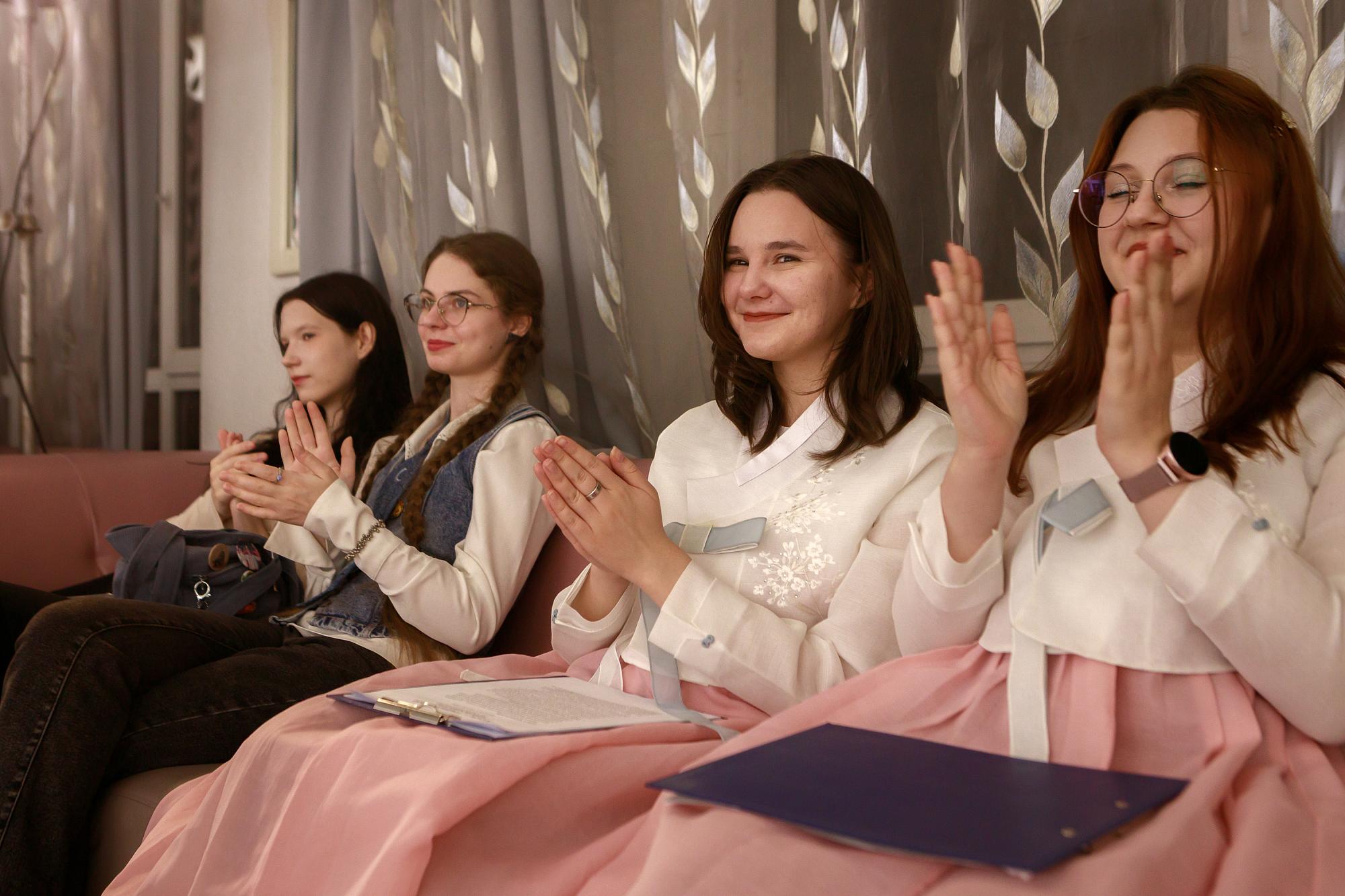
The university students presented the audience with a circle dance dedicated to Chuseok. Celebrated in autumn, the holiday symbolizes gratitude to ancestors for a bountiful harvest. The dancers wore traditional "hanbok" attire. The costumes were a gift from Gyeongsangbuk-do Province, a sister region of Irkutsk Region.
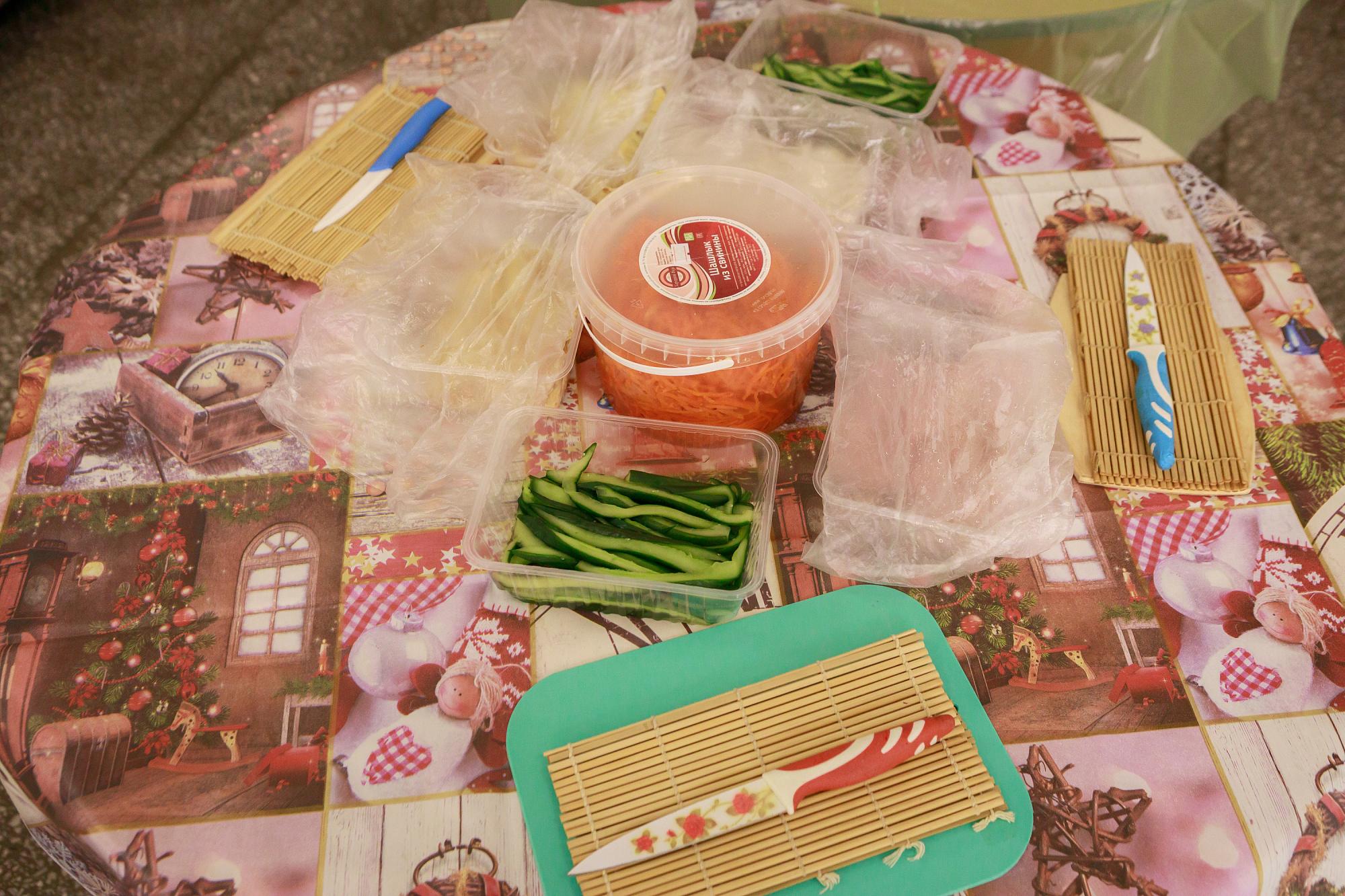
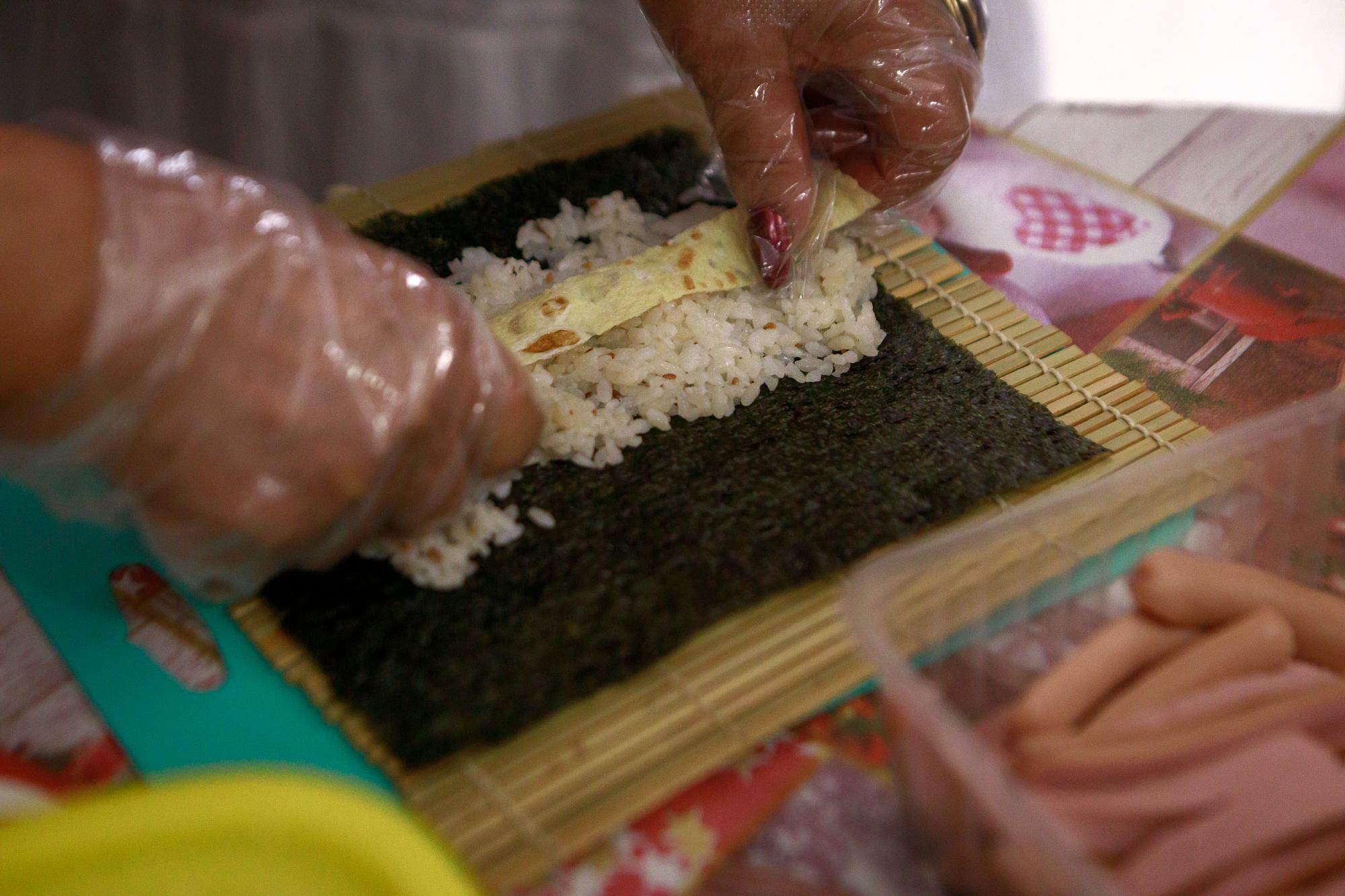
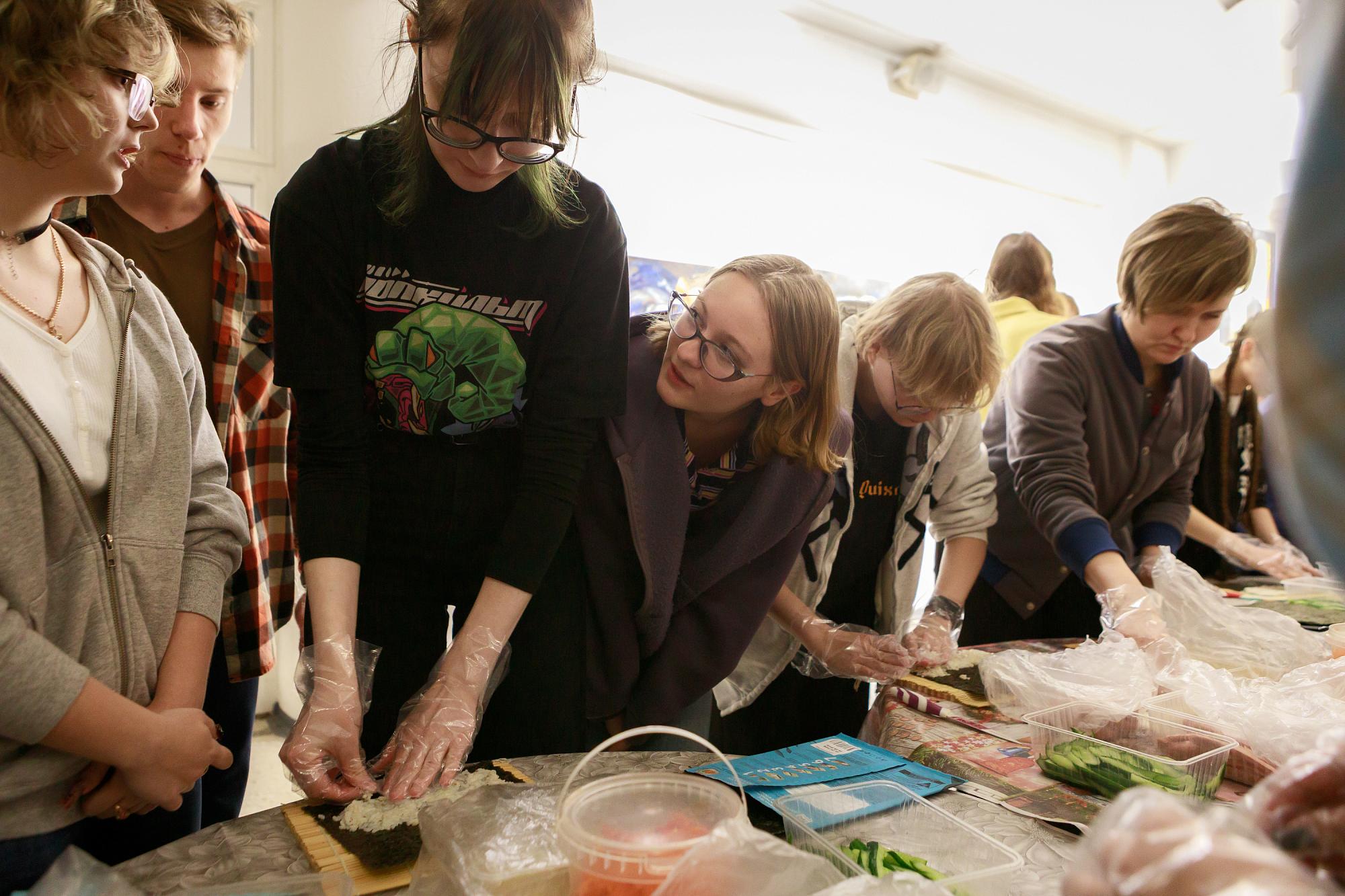
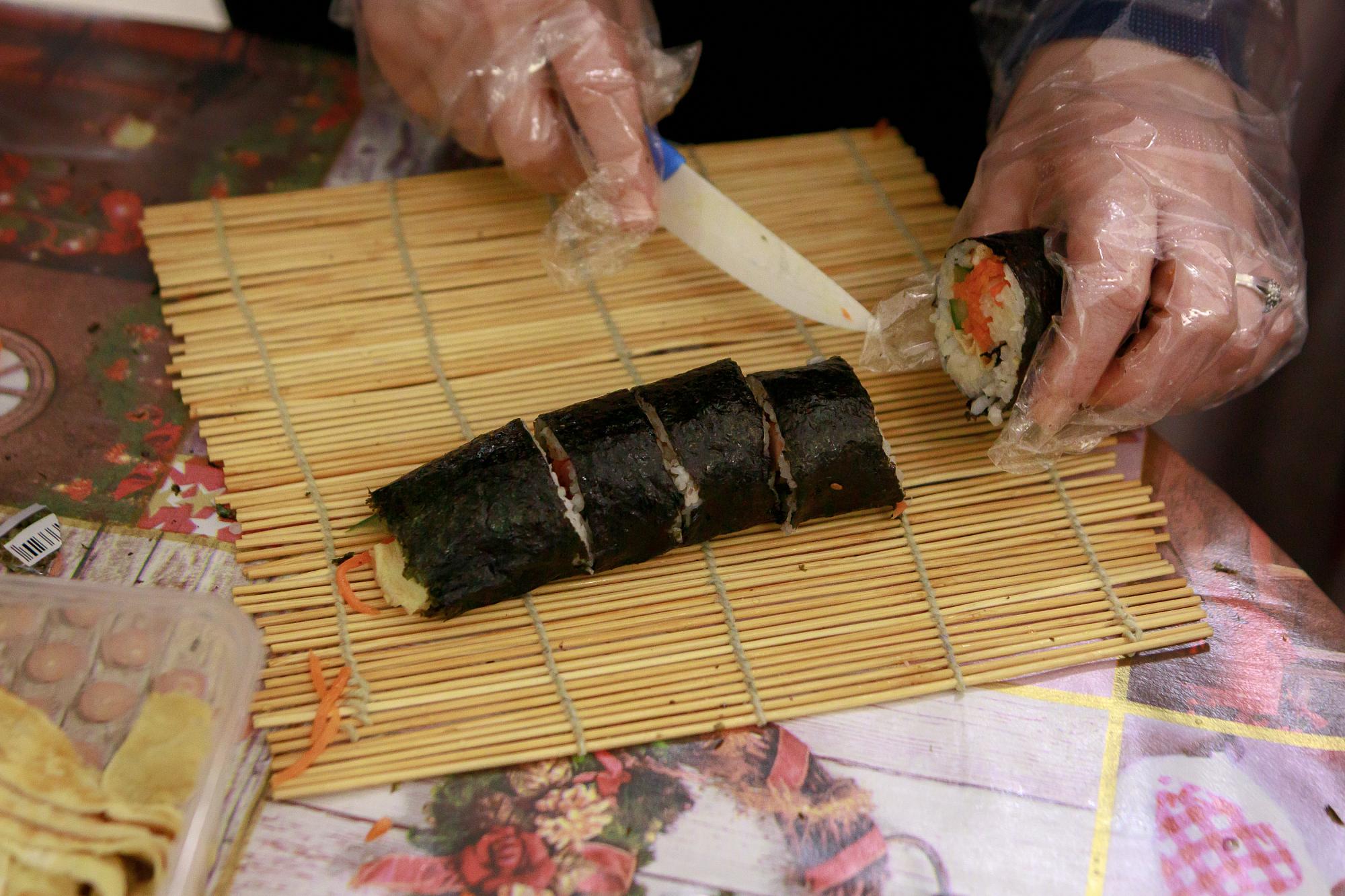
The program also included a quiz on Korean culture led by Mun Sam Sun and a master class on preparing kimbap, a Korean counterpart to sushi rolls.
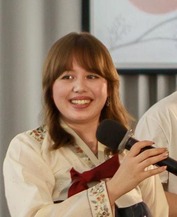
Ksenia Popova, an INRTU student and drummer with Ethnobit, served as the host. In preparing for the event, she researched a wide range of facts - from the specifics of university education in Korea to the role of blood type in constructing personality profiles in that country. Ksenia became interested in Korea through her love of historical dramas. She plans to study the Korean language.
Sofya Kuznetsova, a third-year chemical engineering student who was among the quiz winners, shared her impressions of the celebration. She is a skilled maker of rolls and loves the melodic sound of "samulnori" - essentially an ensemble of gong, brass gong, and two types of drums.
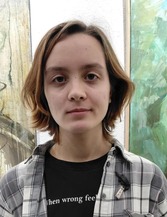
"The sheer variety of cultural phenomena you encounter at this celebration really draws you in. Beyond that, I love the resonant, deep sound of Asian drums. Korean instruments, with their clear evocation of natural elements like rain or wind, express this with particular vividness,"
Sofya remarked.
Information about upcoming events, including master classes and film screenings, is available on the VK page of the Consulate General of the Republic of Korea in Irkutsk. Further announcements are published on the website and VK page of the Korean Cultural Center at the Embassy of the Republic of Korea in Russia.