SSG Launches Water Quality Geoportal for the Angara River and Irkutsk Reservoir
INRTU’s Siberian School of Geoscience (SSG) has launched a new digital project to monitor the condition of the region’s water resources. The geoportal, Environmental Hydrogeochemical Monitoring of Surface Waters in the Angara River and the Irkutsk Resrvoir, gives open access to water quality data collected by researchers and students.
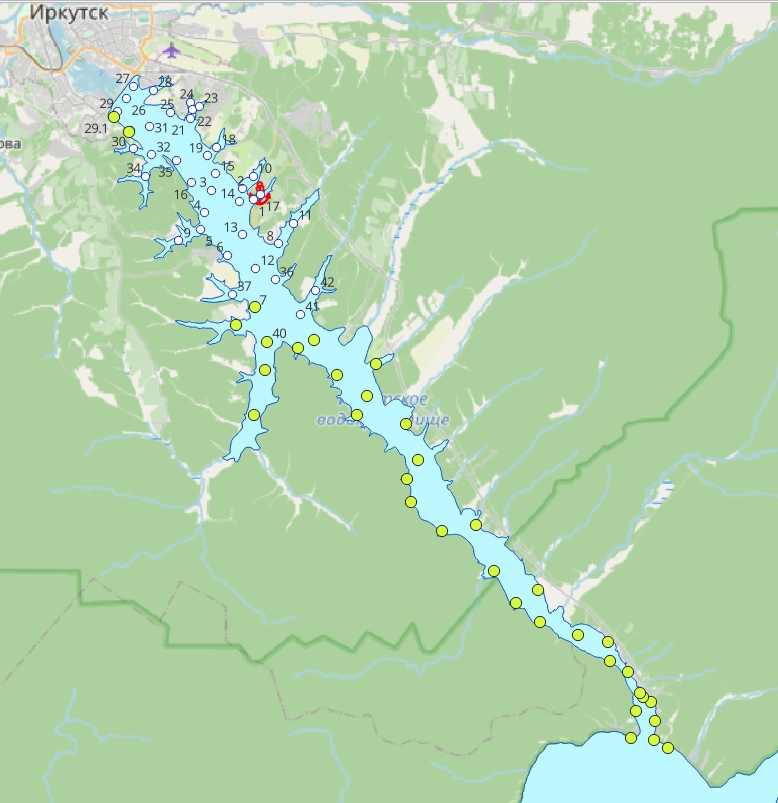
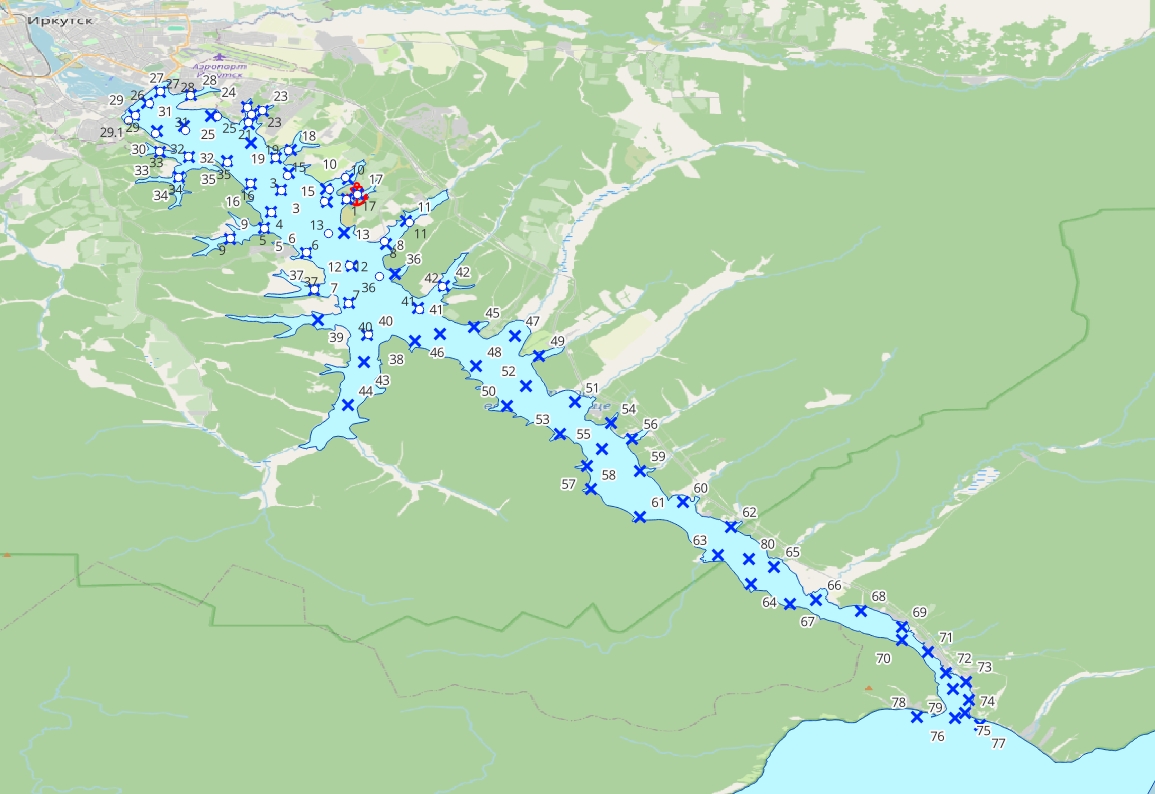
The first version of the geoportal was created by Alexander Parshin, INRTU Vice-Rector for Geology, Earth and Environmental Sciences, and Ivan Goryachev, Head of the Department of Ore Geology at the SSG. The platform includes an interactive map with data from a new monitoring program covering the Angara River from Lake Baikal to the Irkutsk Hydroelectric Power Station. The project is now part of student training in field research and geoinformation technologies. In the future, students will create improved versions of the geoportal, and the best one will replace the current version next year.
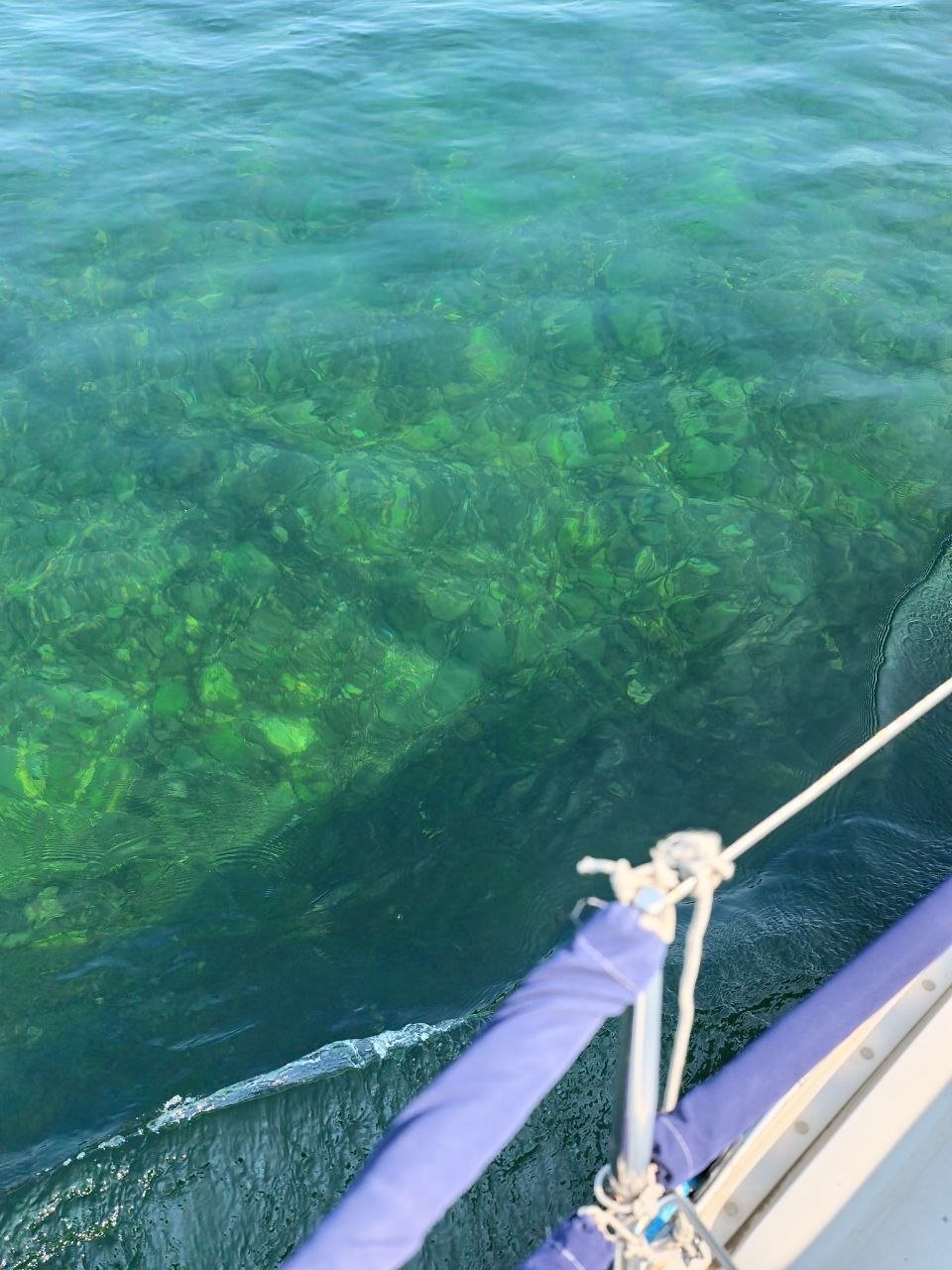
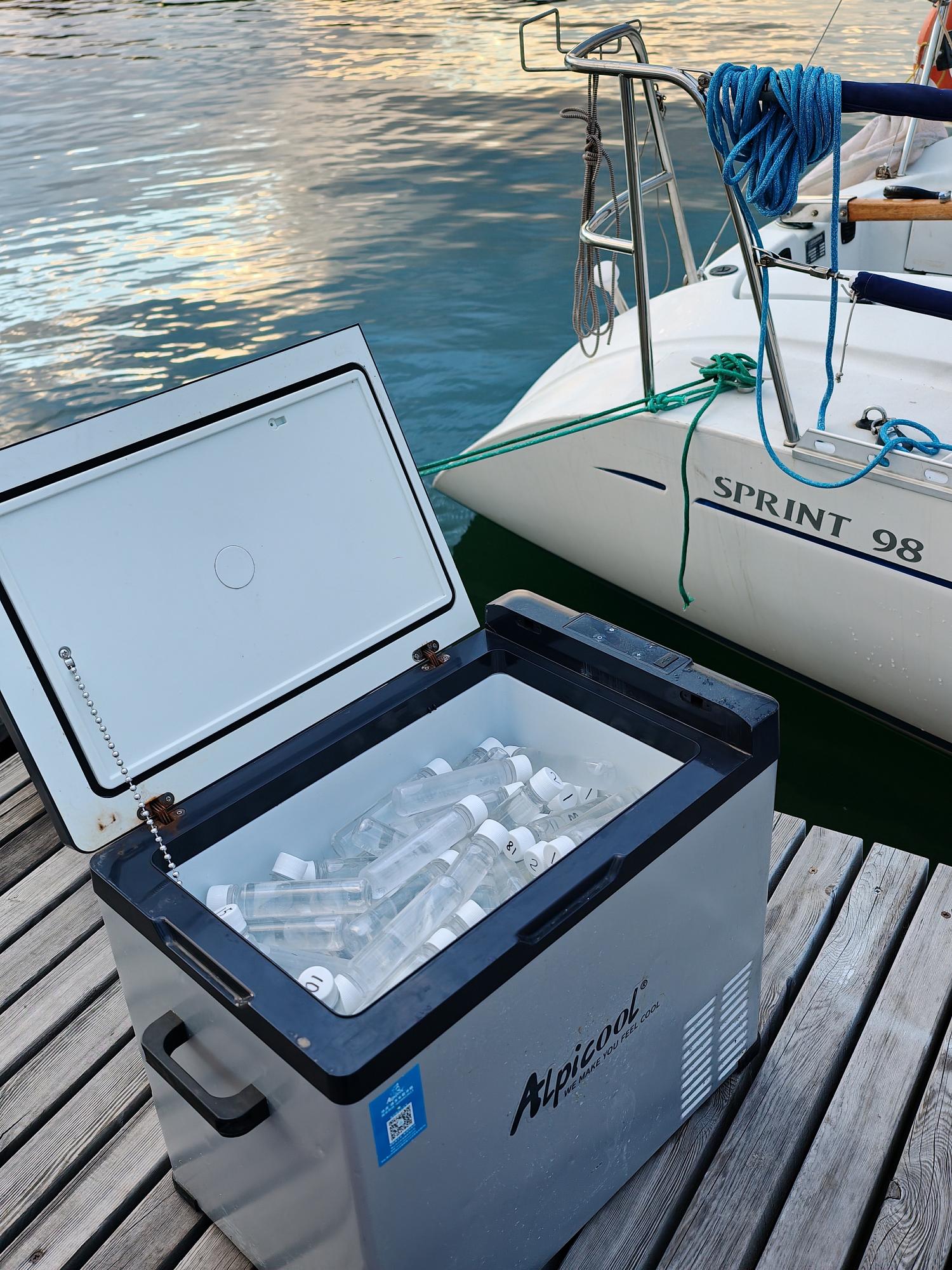
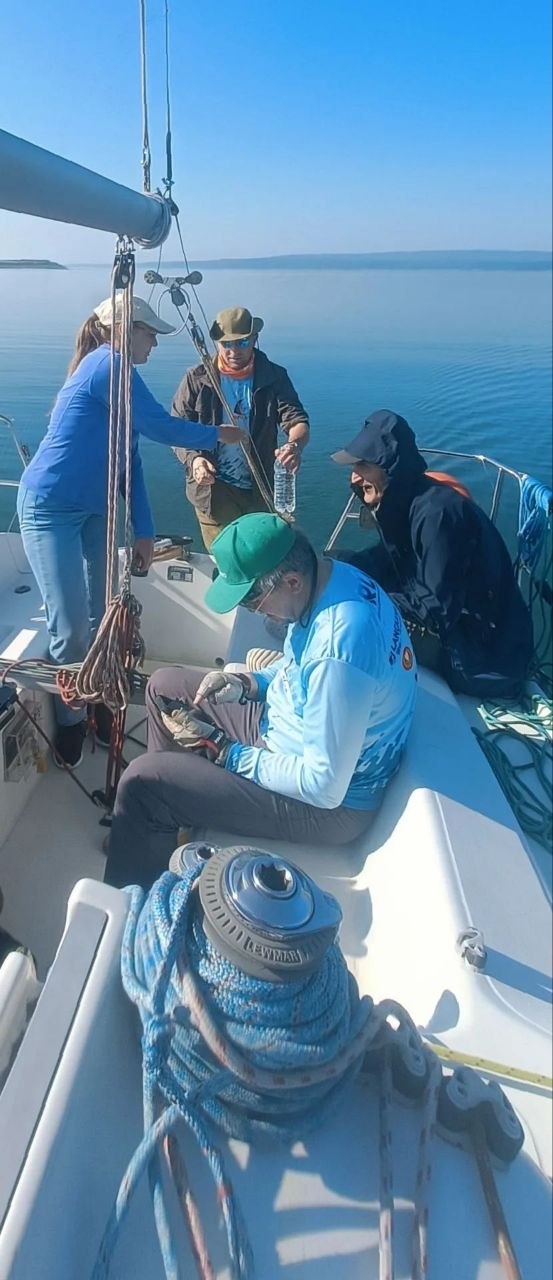
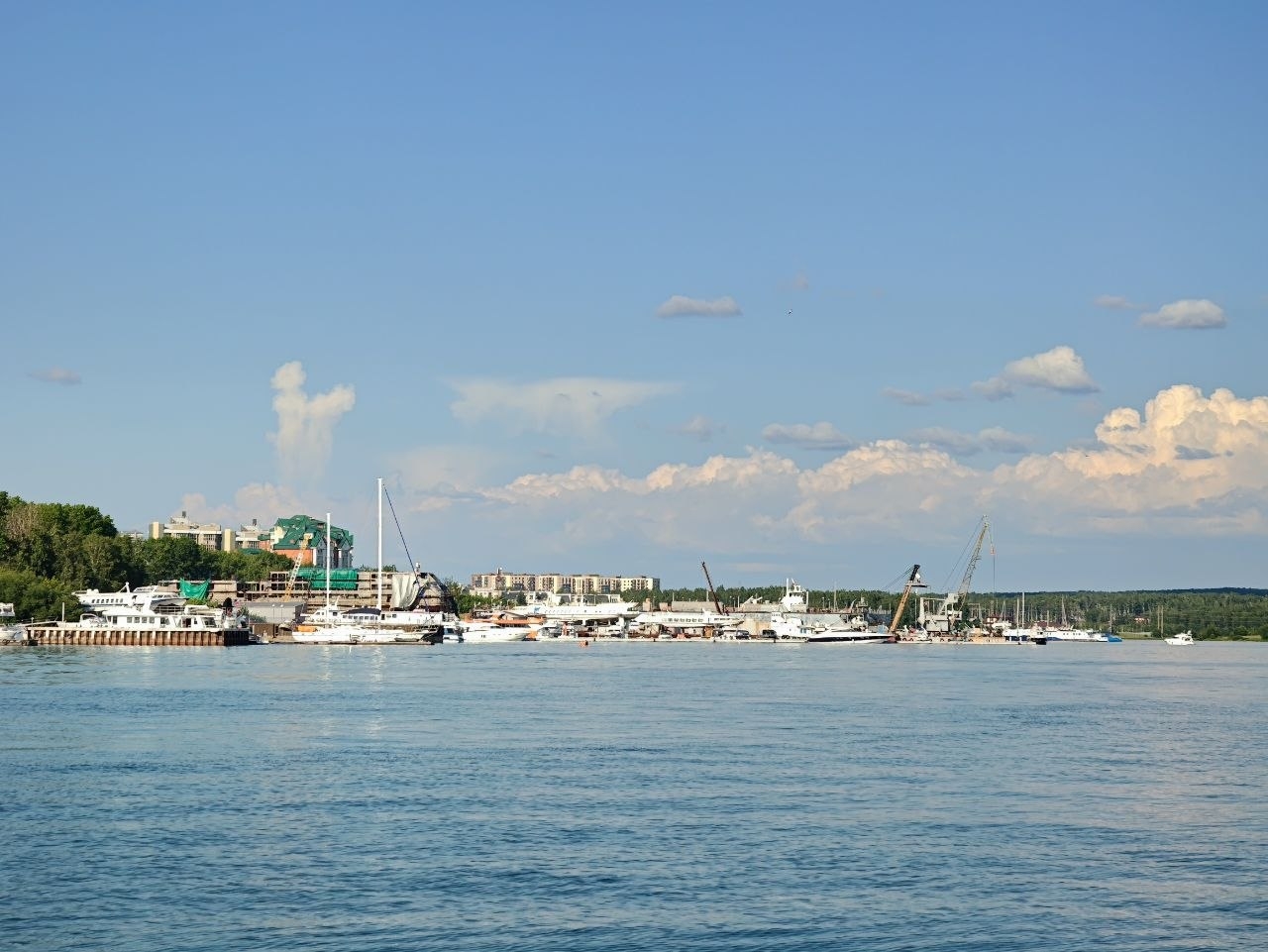
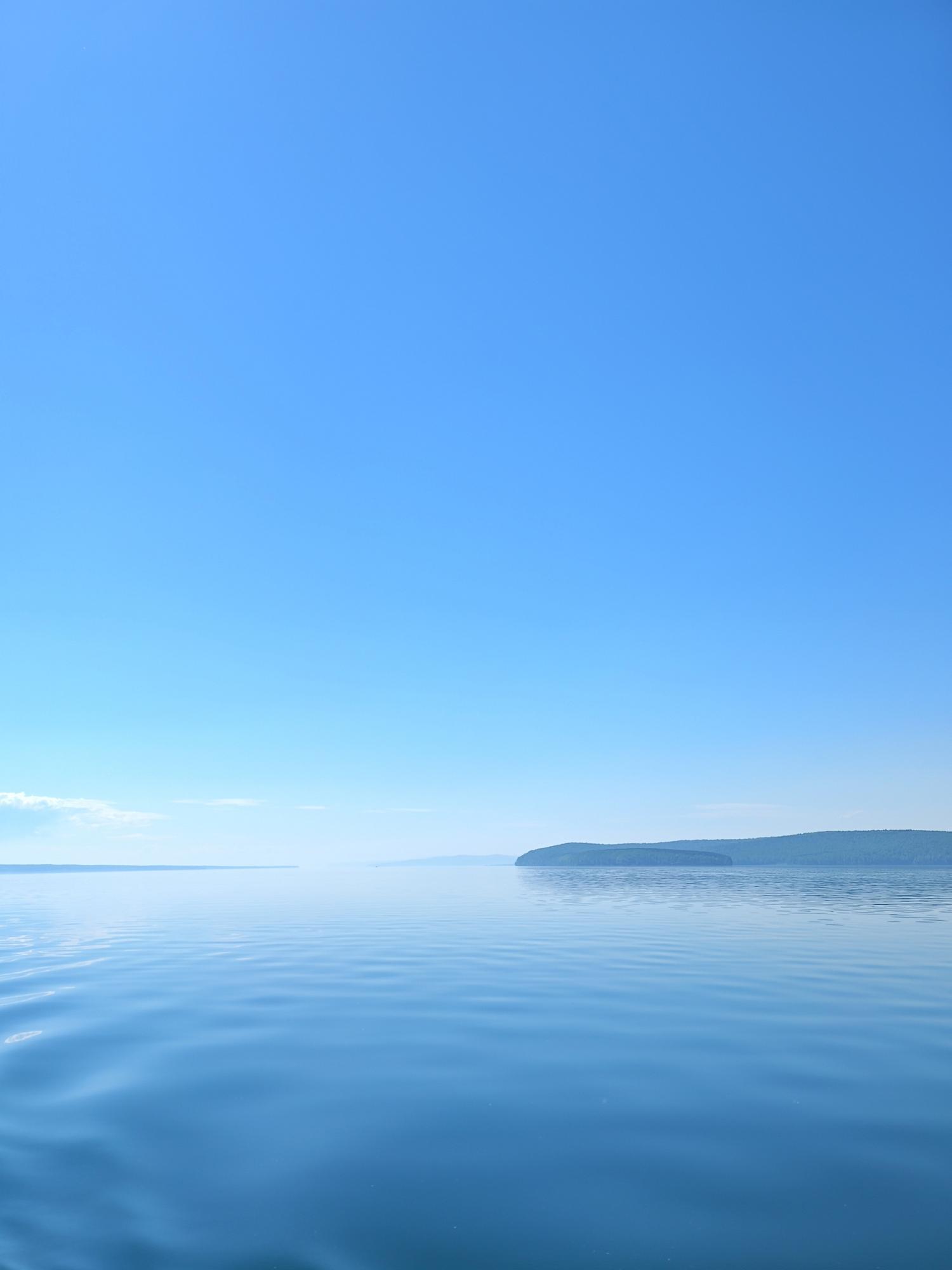
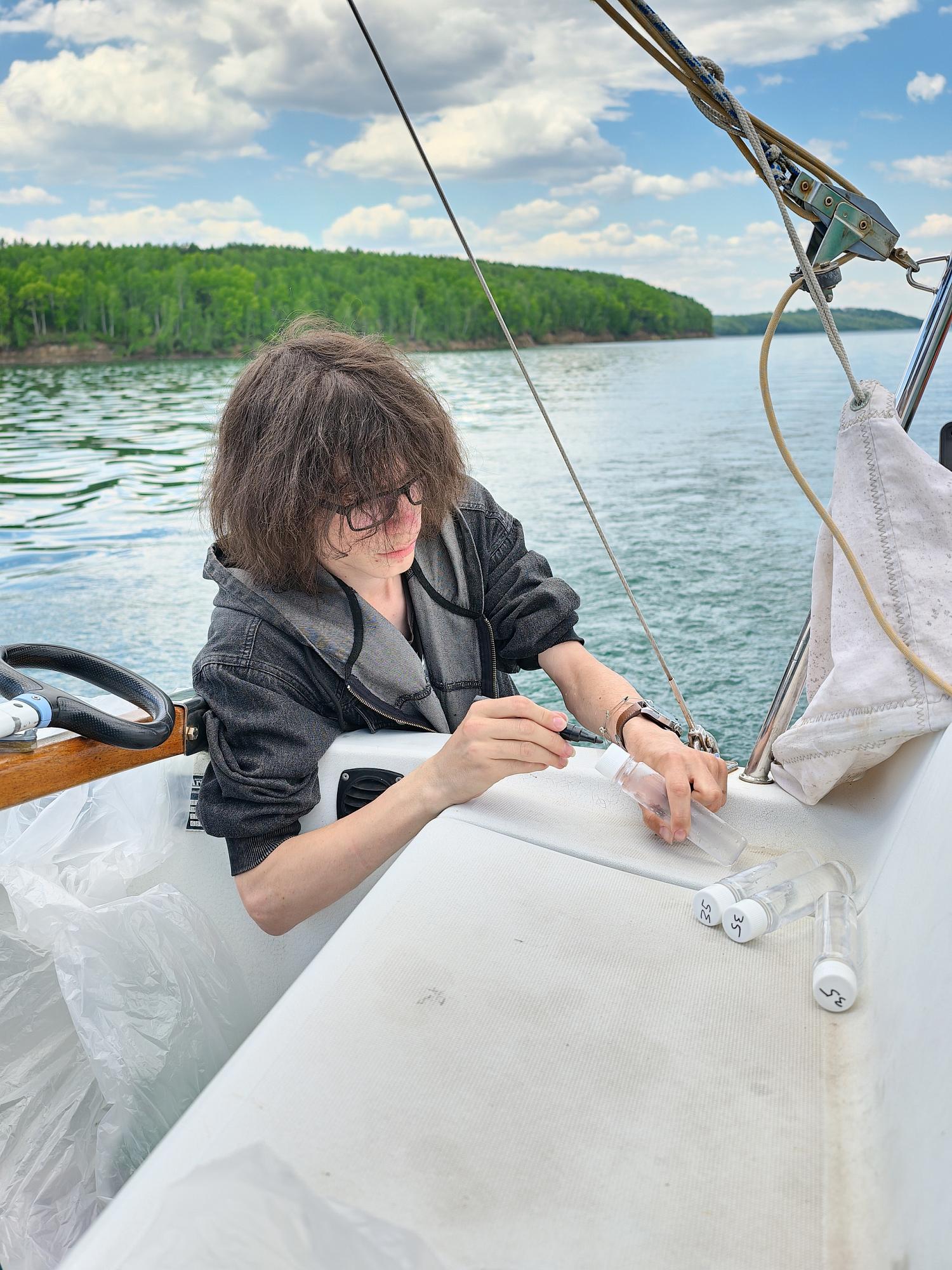
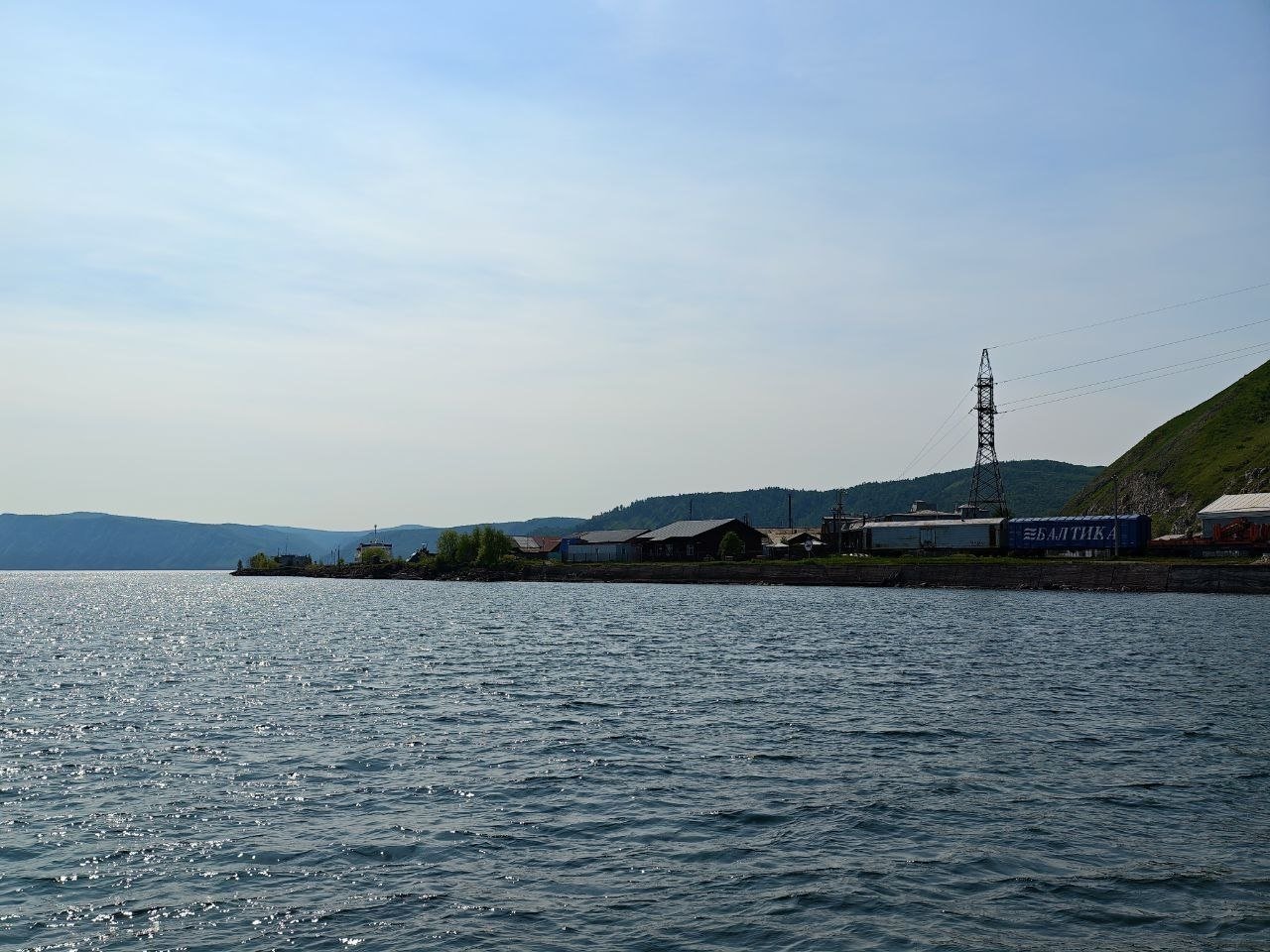
The first sampling trip took place in early June. Researchers collect water samples at 81 sites between Port Baikal, Listvyanka, Yakovi Bay, and Chertugeyev Bay. From June to September, INRTU staff and students will collect samples at least three times a month and publish the results online.

“Our main goal is to build a large database that will help scientist better understand the condition of Lake Baikal and the Irkutsk Reservoir. The project is also useful for students and the public because open data can help people better understand the environmental condition of Baikal and the Angara.
Anyone will be able to see how the water changes near their home, favorite swimming place, or fishing spot. We have not added color rating yet, but we plan to do this after the field season ends,”
Alexander Parshin said.
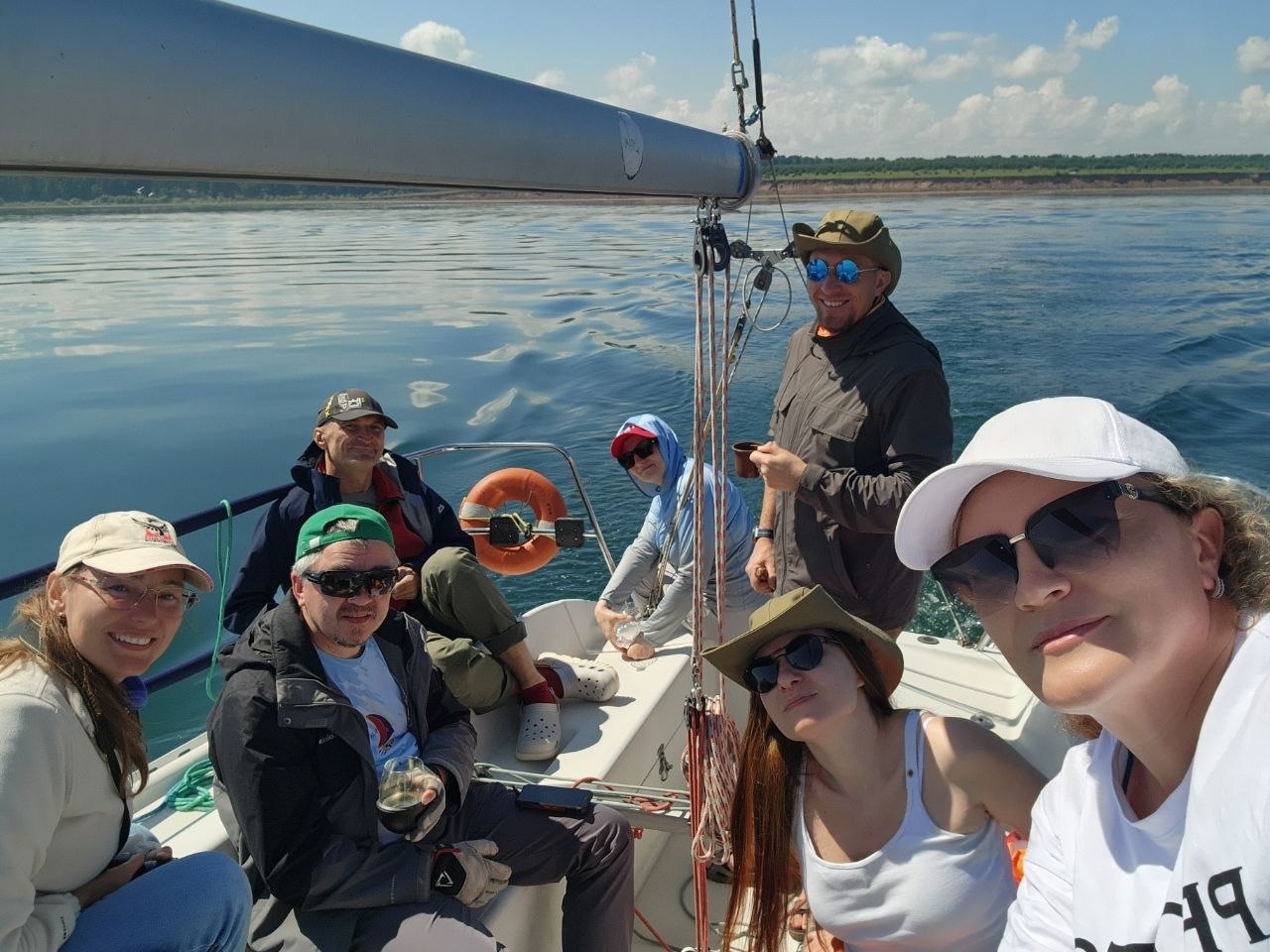
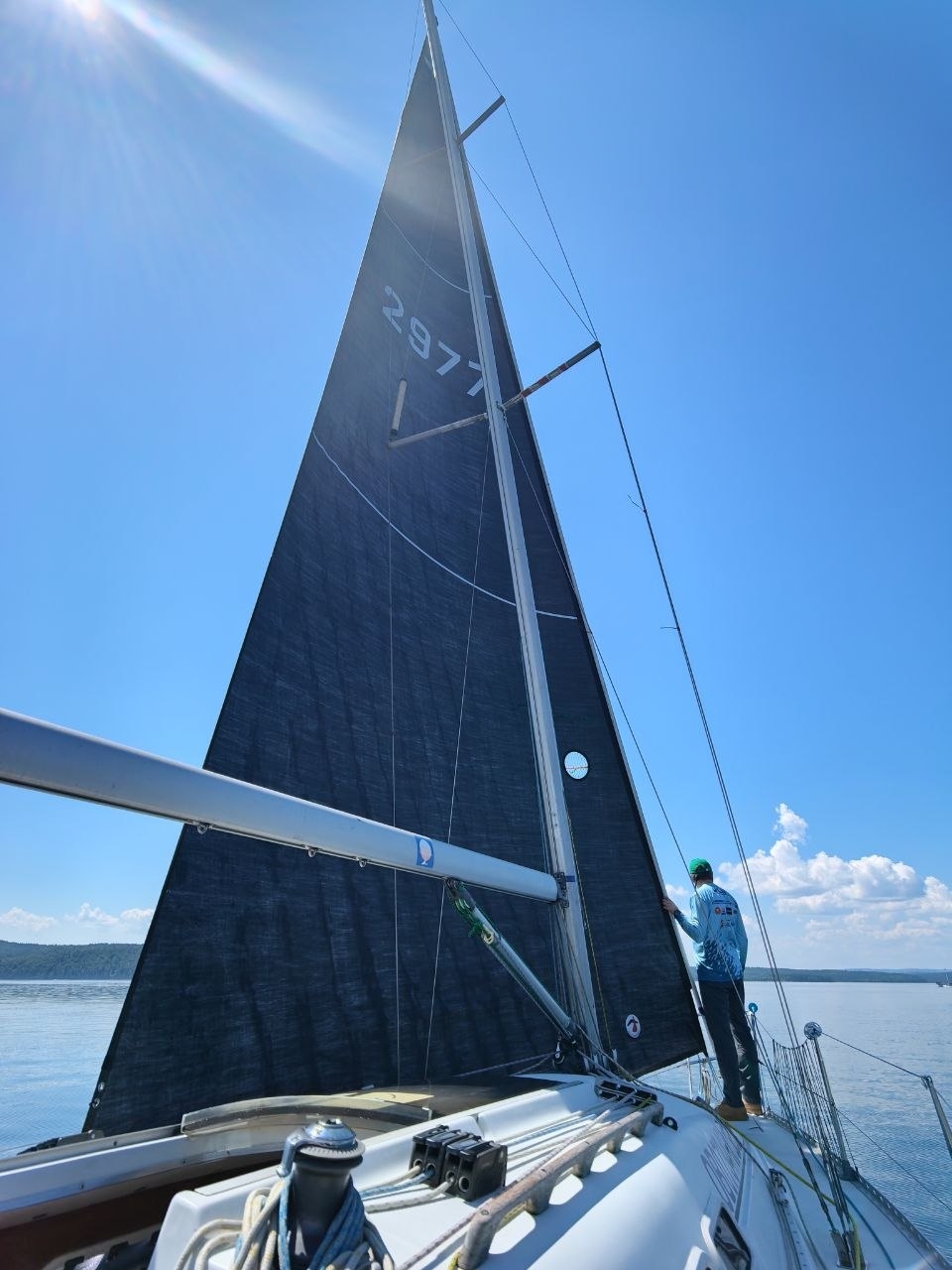
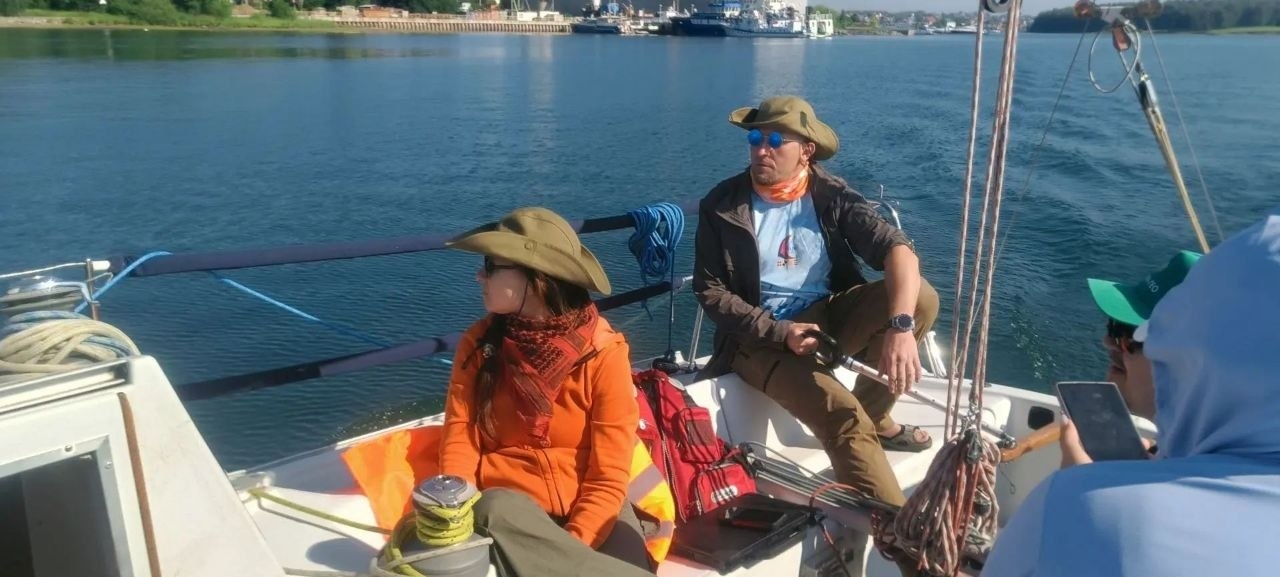
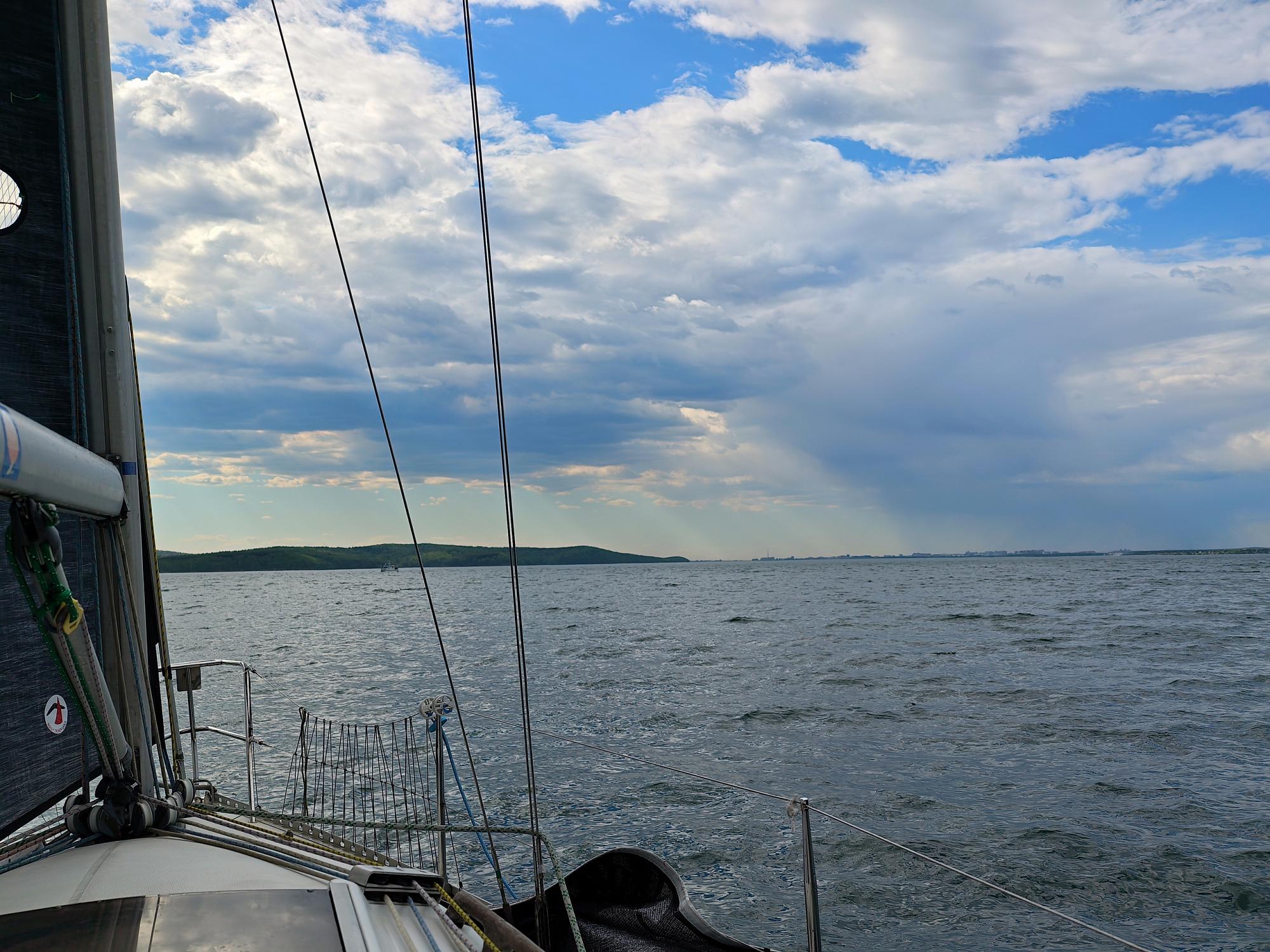
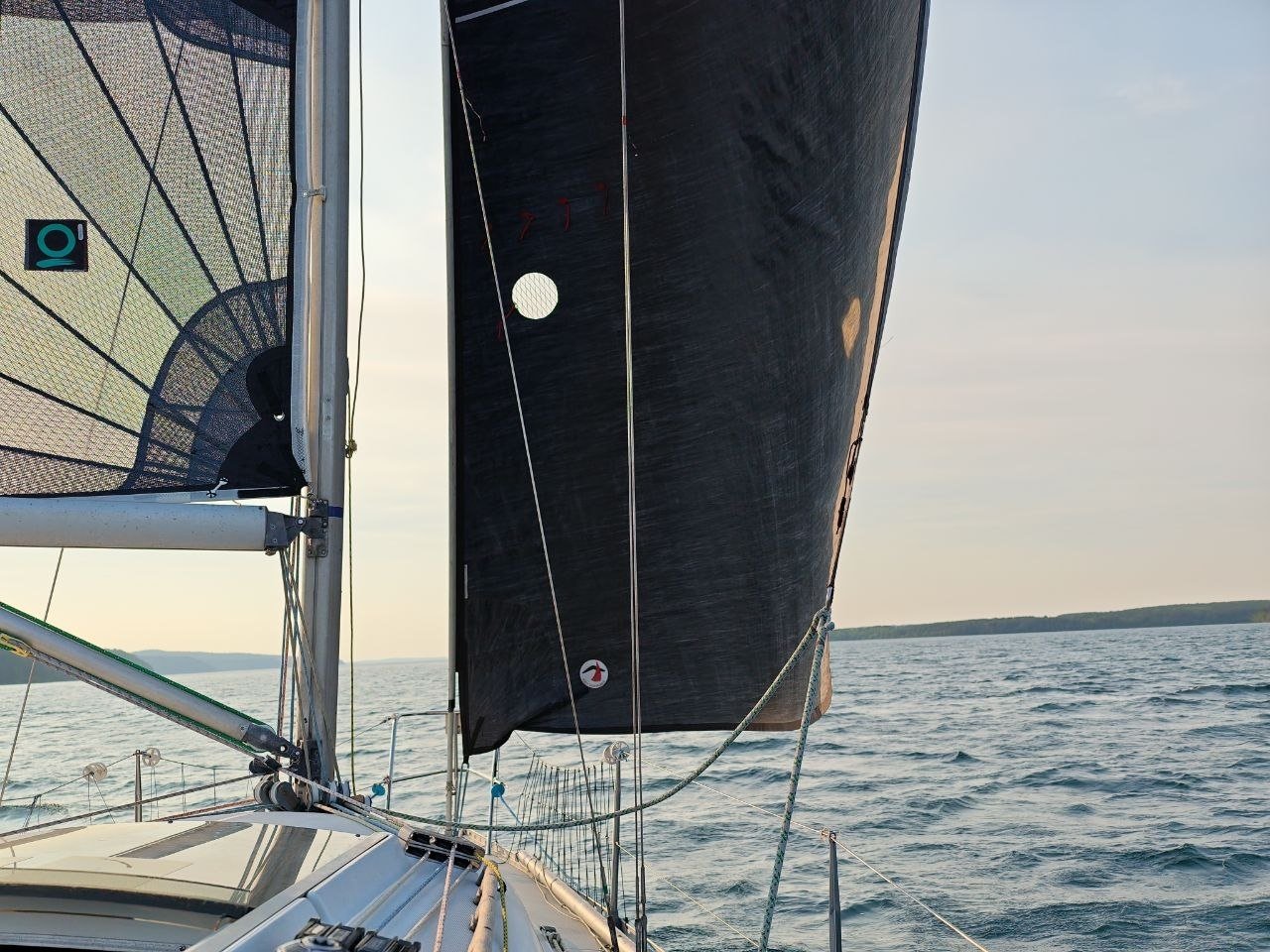
The research team travels on sailing yachts with small engines. This reduces the impact of the expeditions on the water. INRTU also hopes the project will draw attention to the damage caused by motor boats and encourage greater use of sailing boats on Lake Baikal and the Angara River.
The project gives students practical experience in water research. They also learn how to operate research boats through the SSG Navigation School. Most participants have already completed this training. From August, students will have their own research yacht and will carry out fieldwork on their own.