INRTU Vice-Rector Aleksandr Kononov Moderates Session at the 3rd Russia-China Forum on Arctic Research
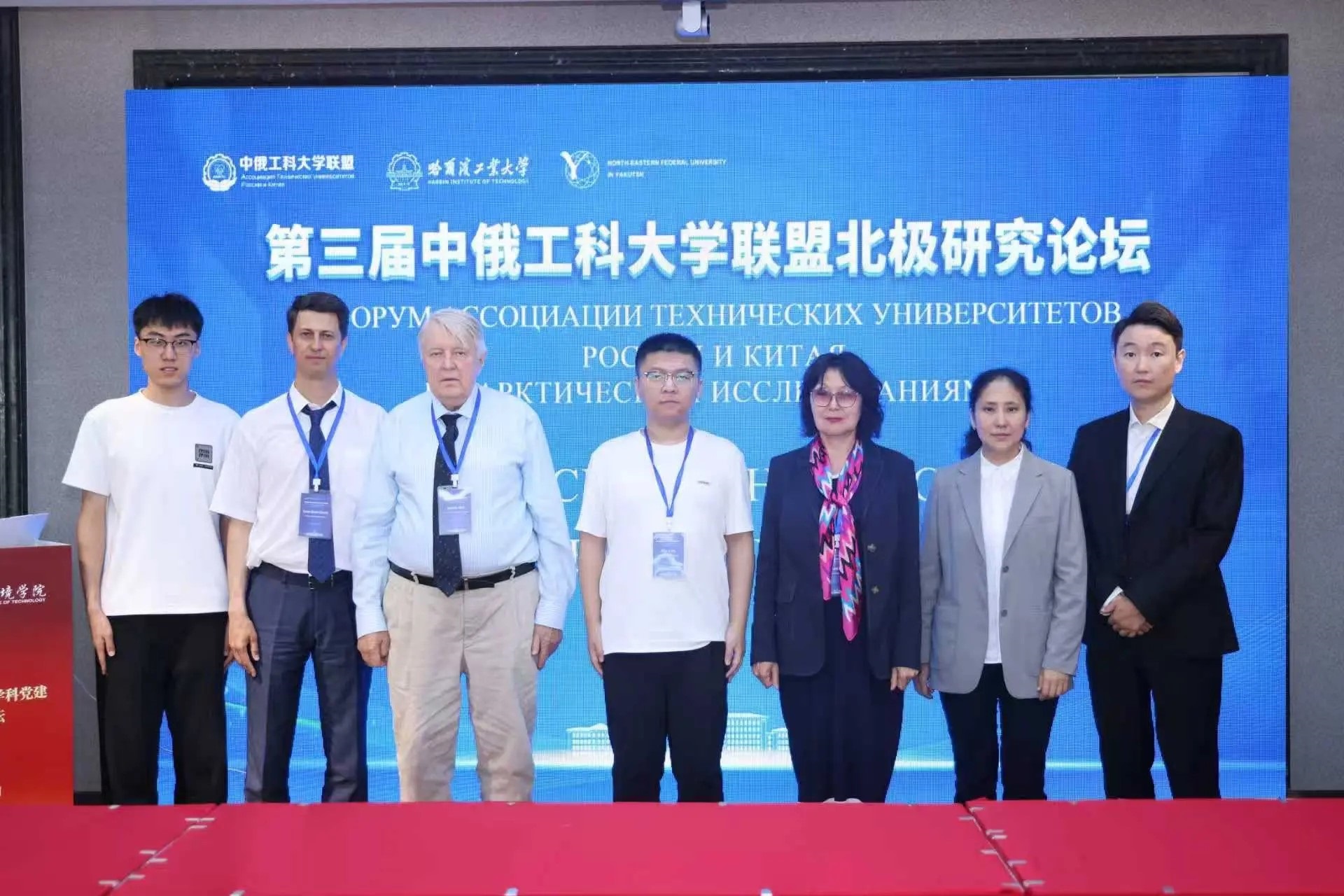
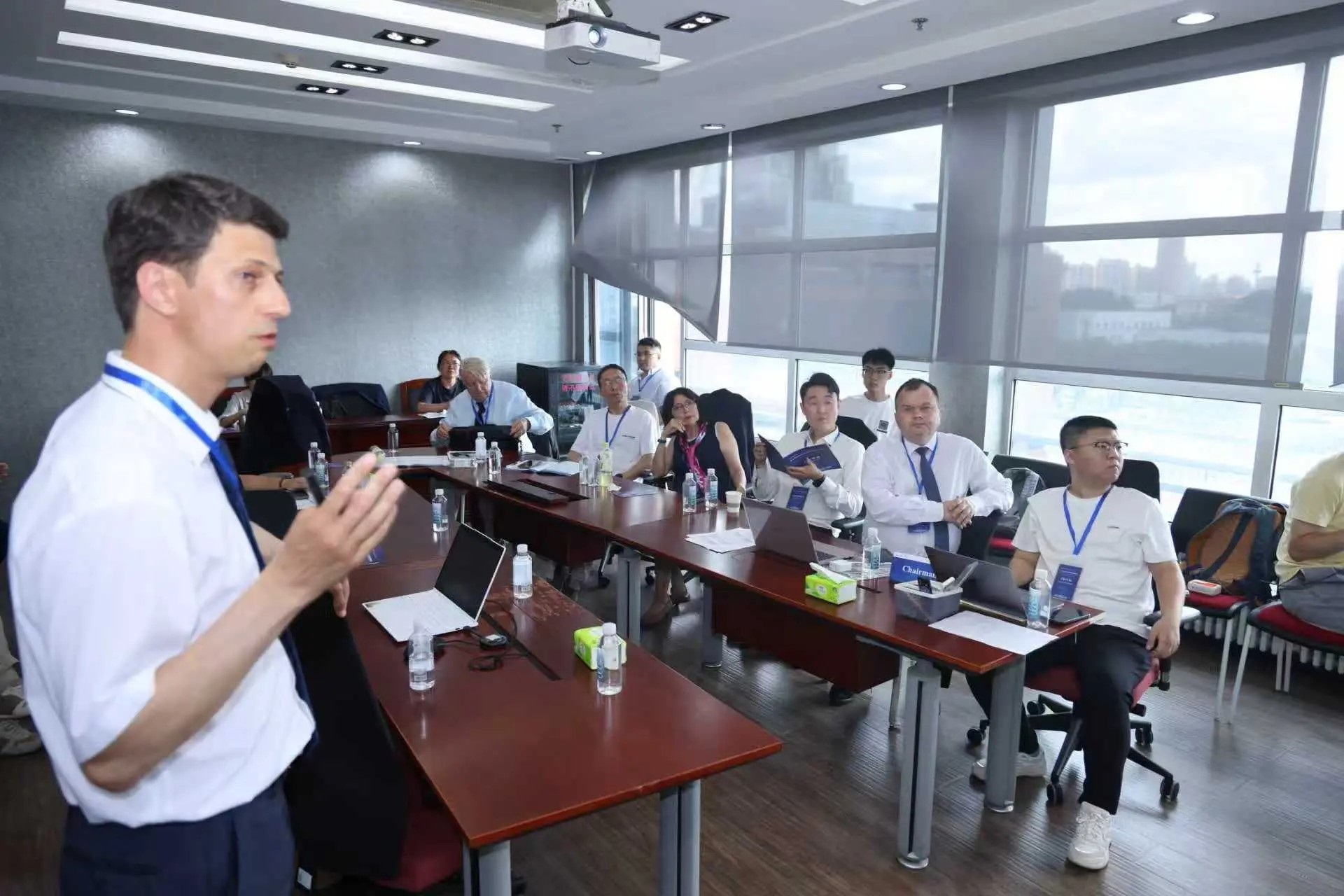
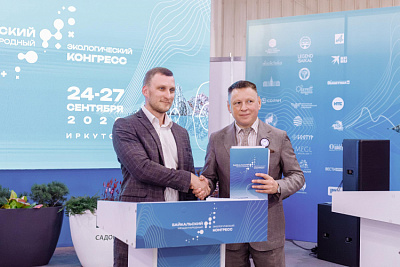
The 3rd Forum of the Association of Sino-Russian Technical Universities (ASRTU) was held at Harbin Institute of Technology (HIT). INRTU Vice Rector for Research Aleksandr Kononov moderated a session on new technologies and research.
The session included 16 presentations on different engineering and science topics. Some speakers talked about new materials, including structural steel and its properties in Yakutia. Other presented their research on plasma at HIT, plasma in the magnetosphere, and processes in the ionosphere.
Aleksandr Kononov presented research on Siberia and Mongolia that helps scientists understand long-term climate change. Professor Konstantin Suslov from INRTU’s Department of Power Supply and Electrical Engineering spoke about new power line designs for Arctic conditions.
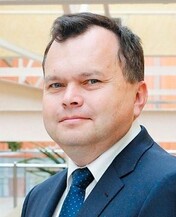
“We are carrying out this research with Alexander Kryukov, who recently defended his PhD thesis. The project also involves Andrey Kryukov and Ekaterina Voronina from Irkutsk State Transport University, as well as Pavel Ilyushin from the Energy Research Institute of the Russian Academy of Sciences.Colleagues from HIT became interested in our project at the forum, and we agreed to work together,”
Konstantin Suslov said.
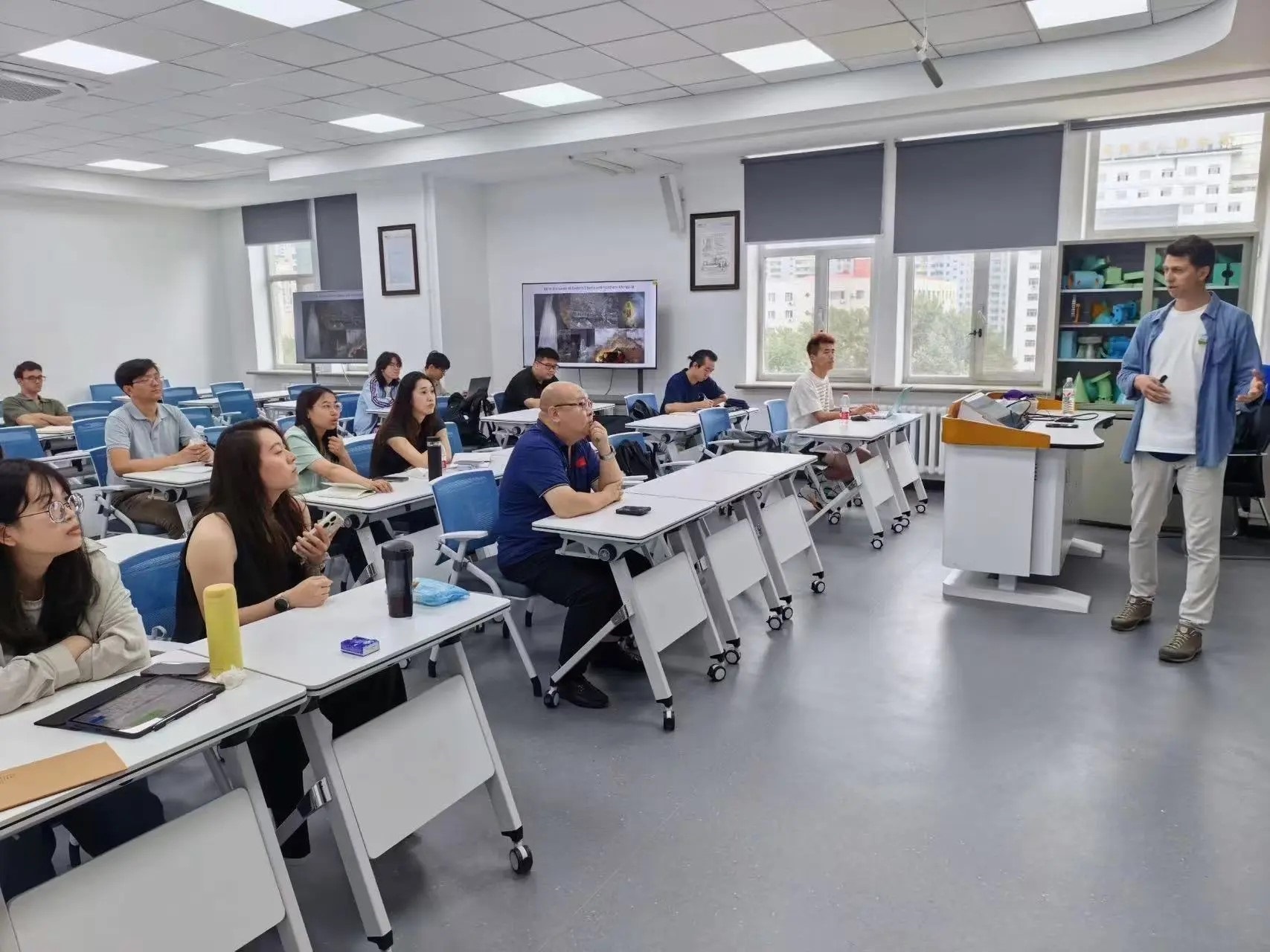
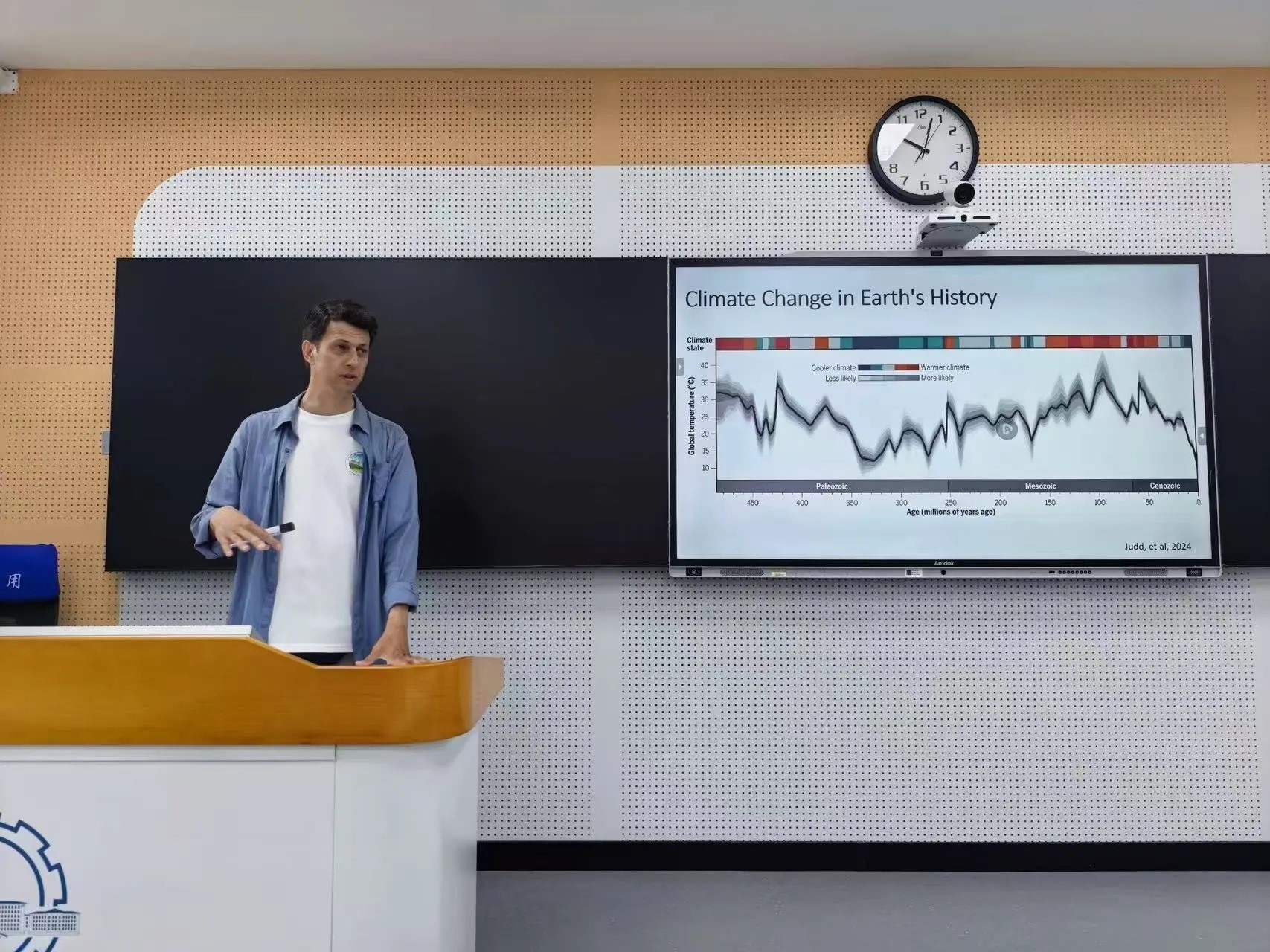
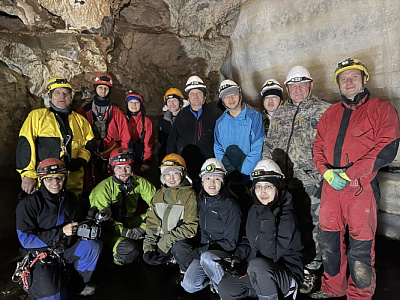
The forum was followed by the International Arctic Summer School. Leading experts gave lectures to students and young researchers from China, Russia, Pakistan, India and other countries. Aleksandr Kononov spoke about the links between climate and geological processes in areas with permafrost. He also shared his research on past climate and permafrost in Eastern Siberia and Mongolia.
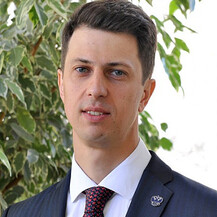
“Climate studies often do not take enough account of the Earth’s geological history and the links between its different natural systems. This makes it difficult to make accurate forecasts. Natural records can tell us about the climate of the past and how it changed. They also help us understand how large these changes were and how different processes were connected.
Scientists have already studied past permafrost conditions from the last Ice Age to the Miocene, about 8.7 million years ago. The caves of Siberia and Mongolia are unique natural laboratories. They preserve signs of ancient processes, including underground ice and minerals. These caves are also sensitive to modern climate change.
The students were very interested in this research. They were especially interested in work in caves and in the future of this research areas,”
Aleksandr Kononov added.
At the end of the visit, Aleksandr said that representatives of leading universities had shared ideas for developing the Russian-Asian Consortium for Arctic Research (RACAR):
“Experts from HIT, North-Eastern Federal University, INRTU and Northern (Arctic) Federal University believe that the next important step is to create special committees and management bodies for the consortium. They will help coordinate work between meetings and plan future events”.
Note:
The Association of Sino-Russian Technical Universities (ASRTU) has brought together leading technical universities from the two countries for 15 years. The Association helps Russian and Chinese universities work together to train specialists, organize student and teacher exchanges, and develop education and research projects.
INRTU has been a member of the Association since 2018.