INRTU students take part in the "Chinese Language Bridge" Summer Camp
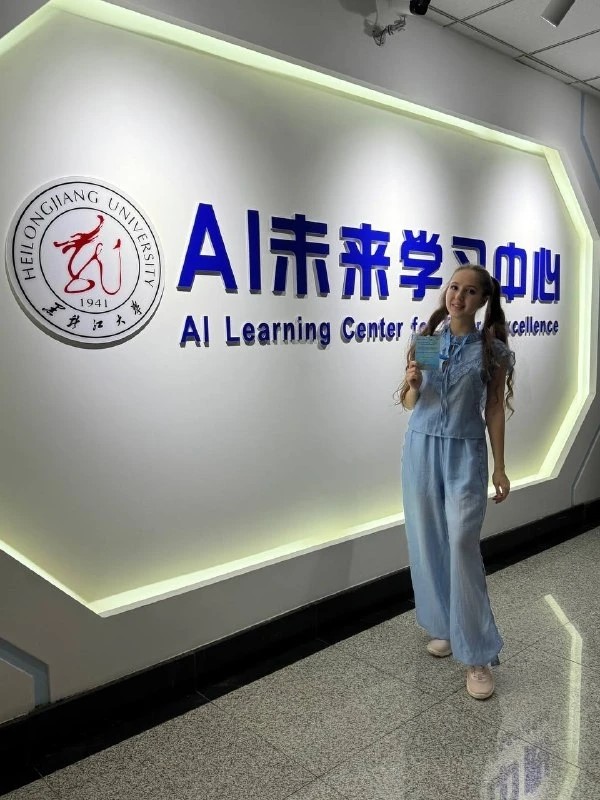
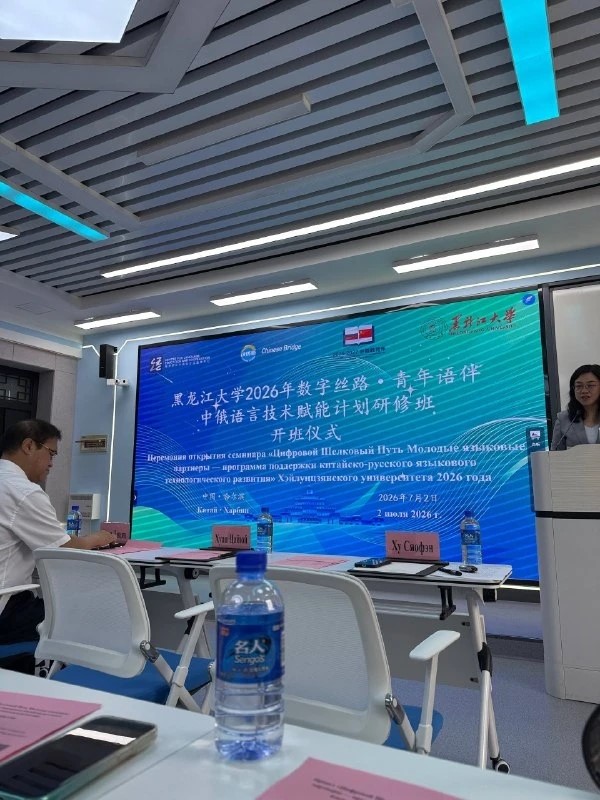
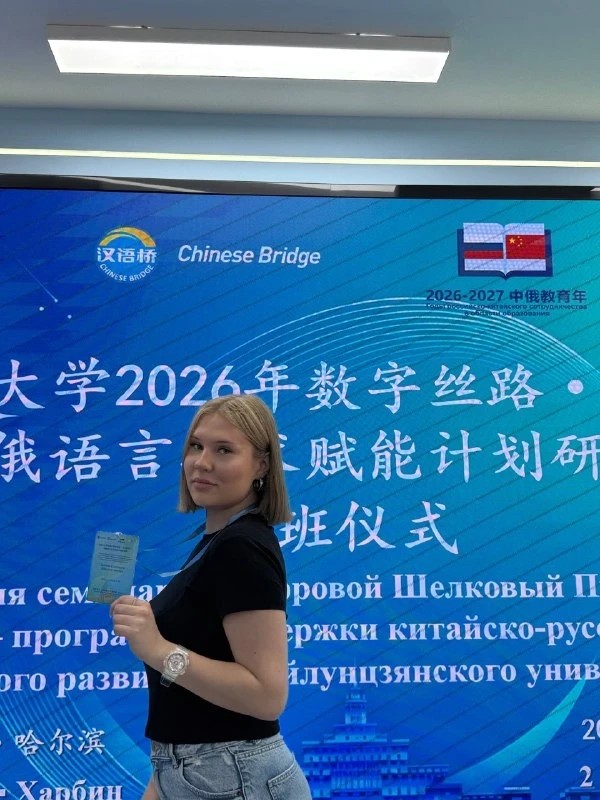
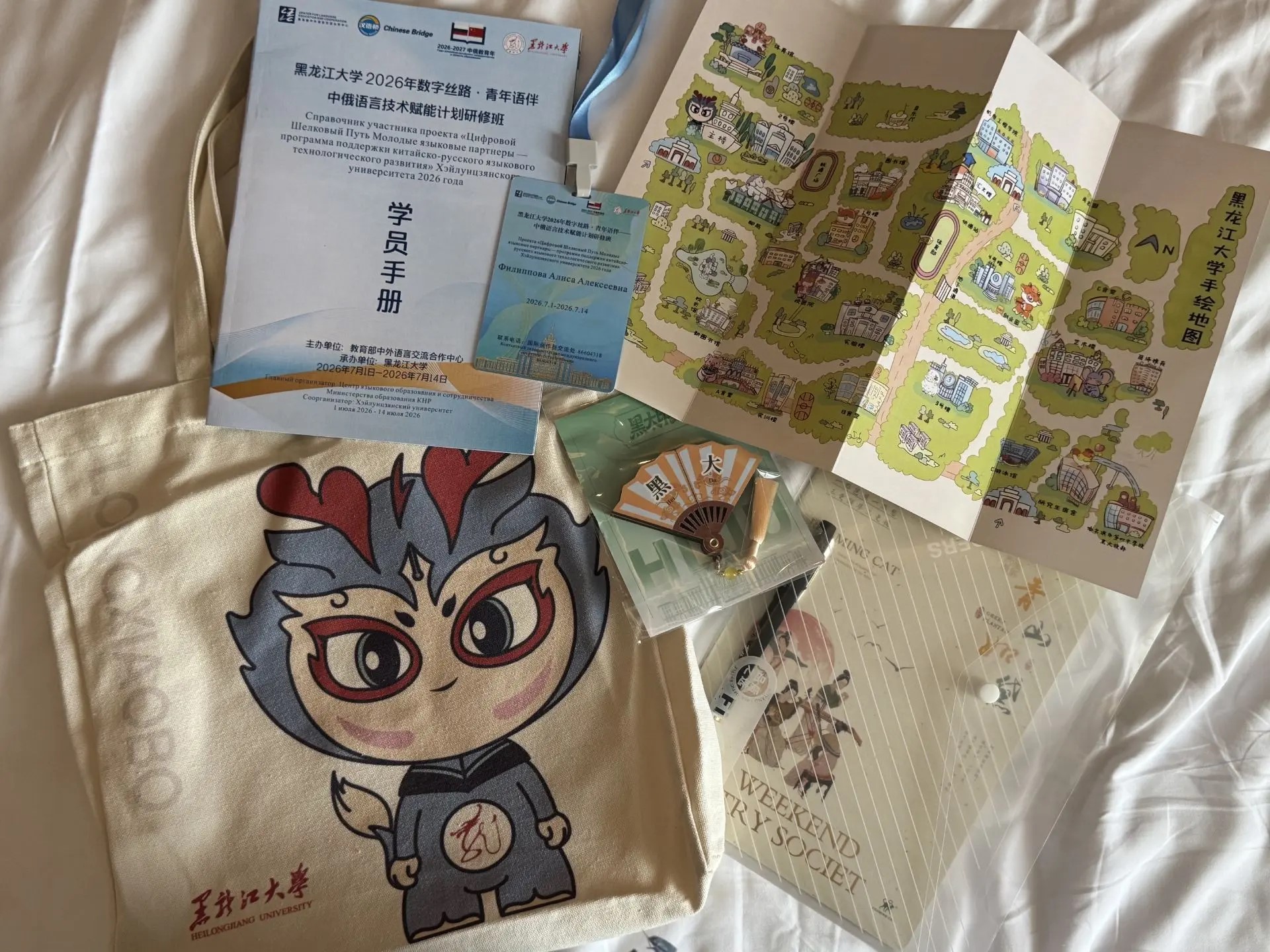
Students of Baikal School of BRICS Elizaveta Botina and Alisa Filippova shared their impressions of participating in the "Chinese Language Bridge" Summer Camp in Harbin and Beijing. The future linguists improved their Chinese, attended lectures on AI, and took lessons in painting and tai chi.
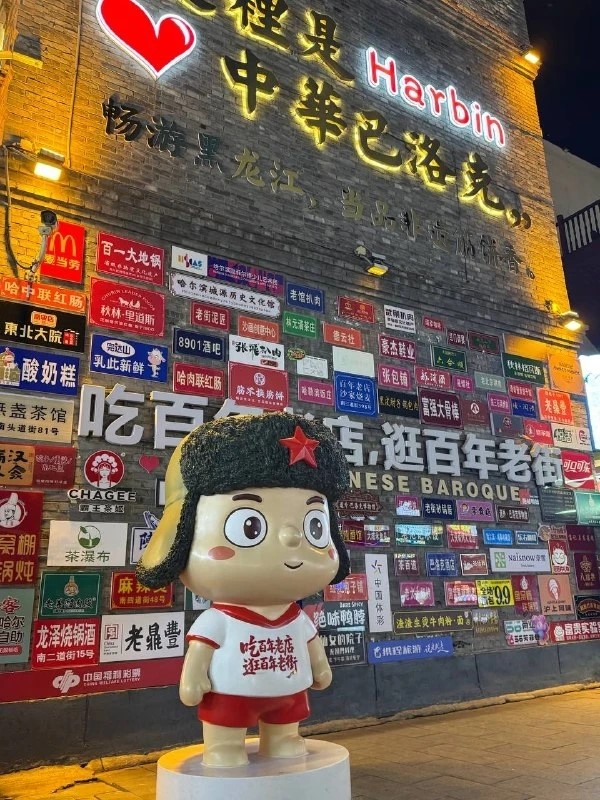
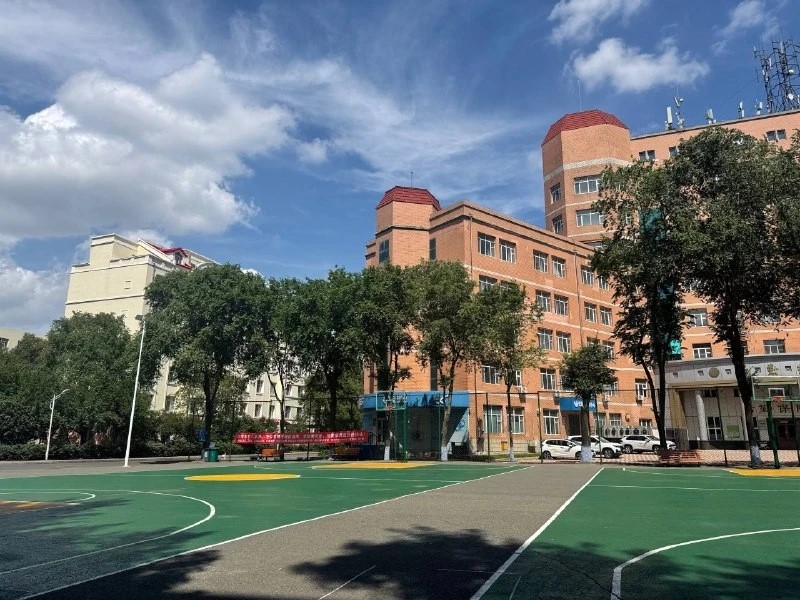
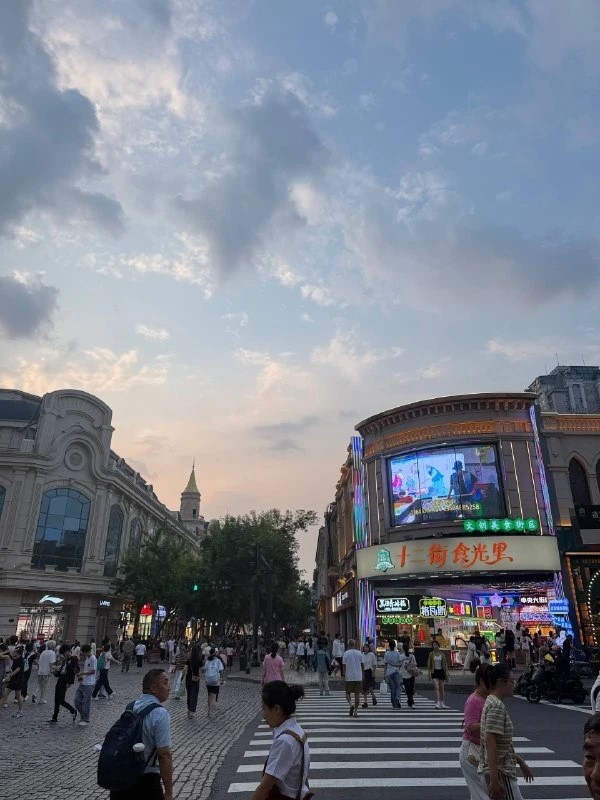
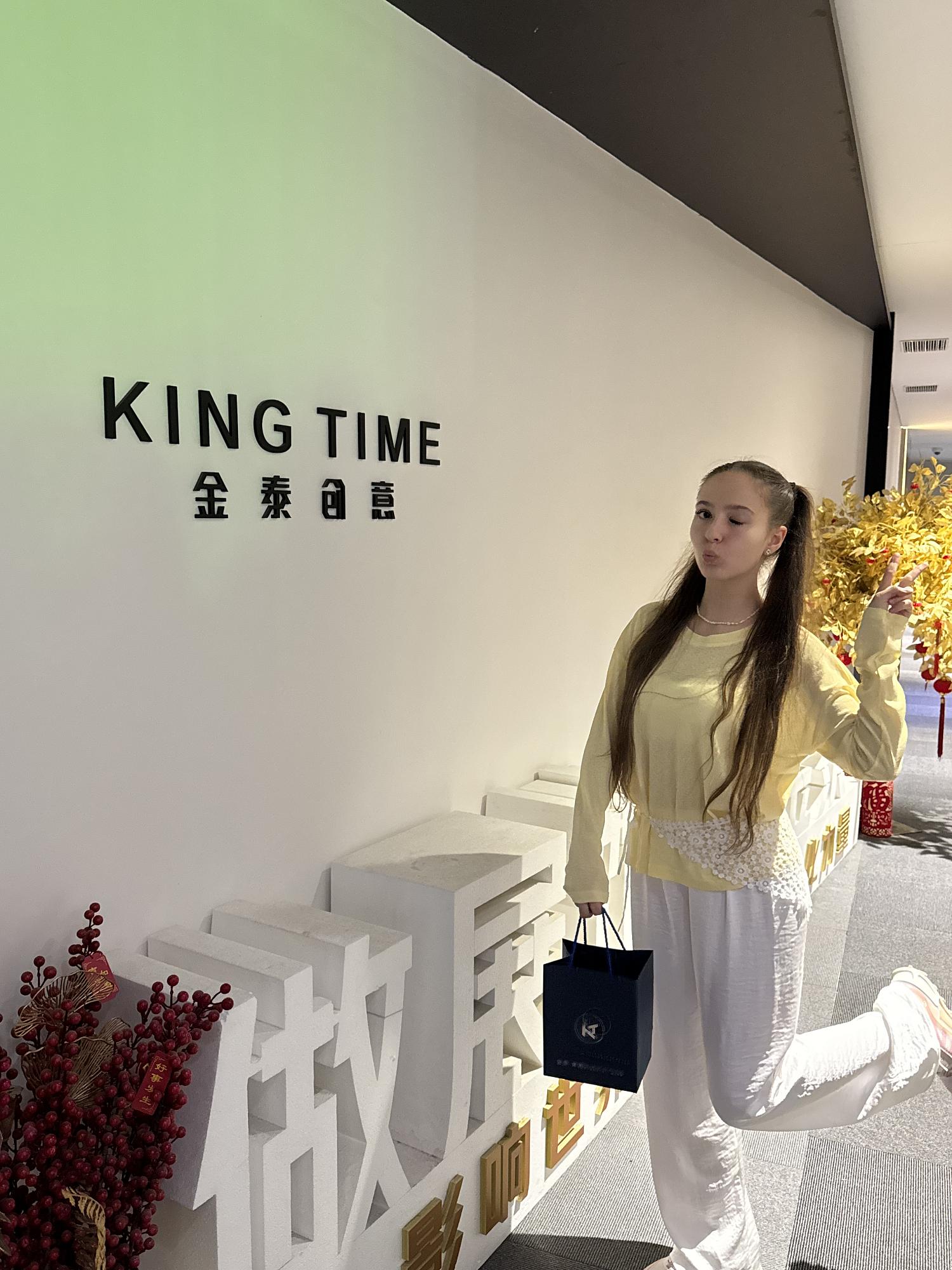
According to Alisa Filippova, the summer programme for Russians was organized by Heilongjiang University from July 1–14, with support from the Center for Language Education and Cooperation of the Chinese Ministry of Education. The camp was attended by participants from cities ranging from Moscow to Vladivostok. Before heading to China, the students underwent a competitive selection process. Their portfolios, CVs, and Chinese language proficiency were taken into account. During the first 10 days, the students studied at the main campus of Heilongjiang University in Harbin. They attended Chinese language classes and a conversation club. In addition, an excursion was organized for the guests to the company Kingtime, which specializes in AI technologies and the production of multimedia screens. The founder of the company is a graduate of Heilongjiang University and maintains close ties with her alma mater. The students were introduced to China's office culture and the requirements for qualified personnel.
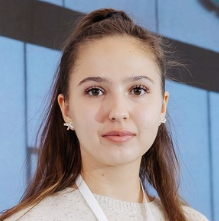
"We were shown how to integrate linguistic knowledge with AI. For example, we learned how to use digital tools to build genealogical trees of emperors and trace the connections between historical figures. Databases are constructed based on all this information. The lectures at Kingtime were delivered in Chinese. It was relatively easier for me to grasp the content because I had taken a course on 'Digital Humanities' at INRTU. I also worked on ontological modeling, analyzing the meaning of the term 'chemistry' across different languages," said Alisa Filippova.
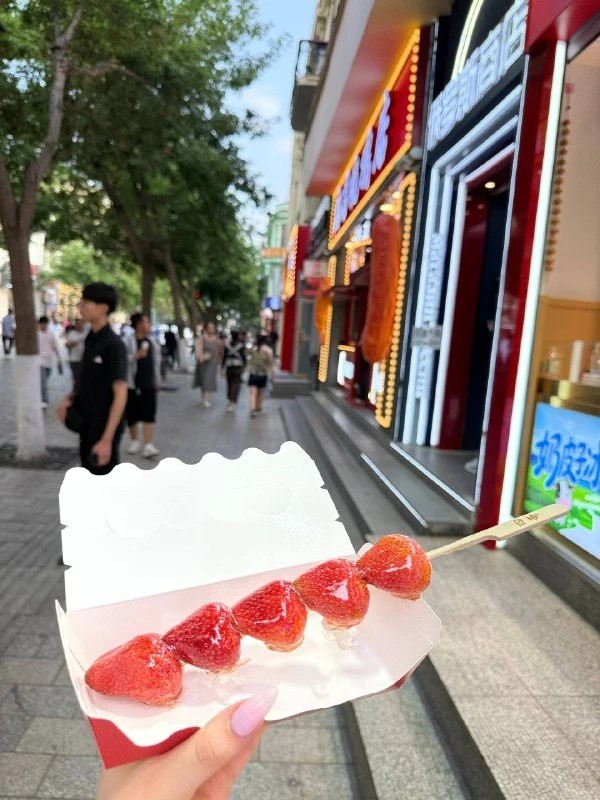
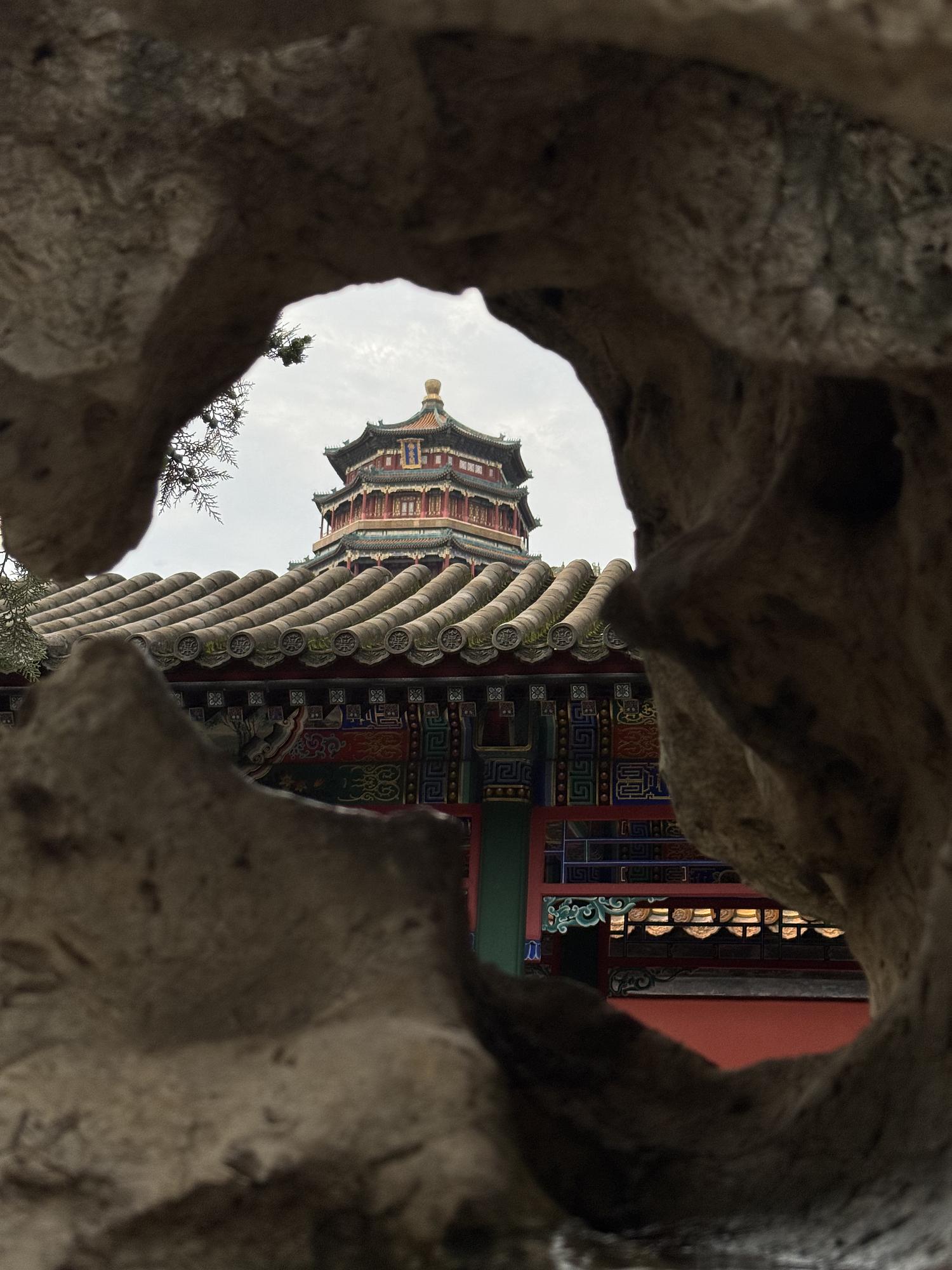
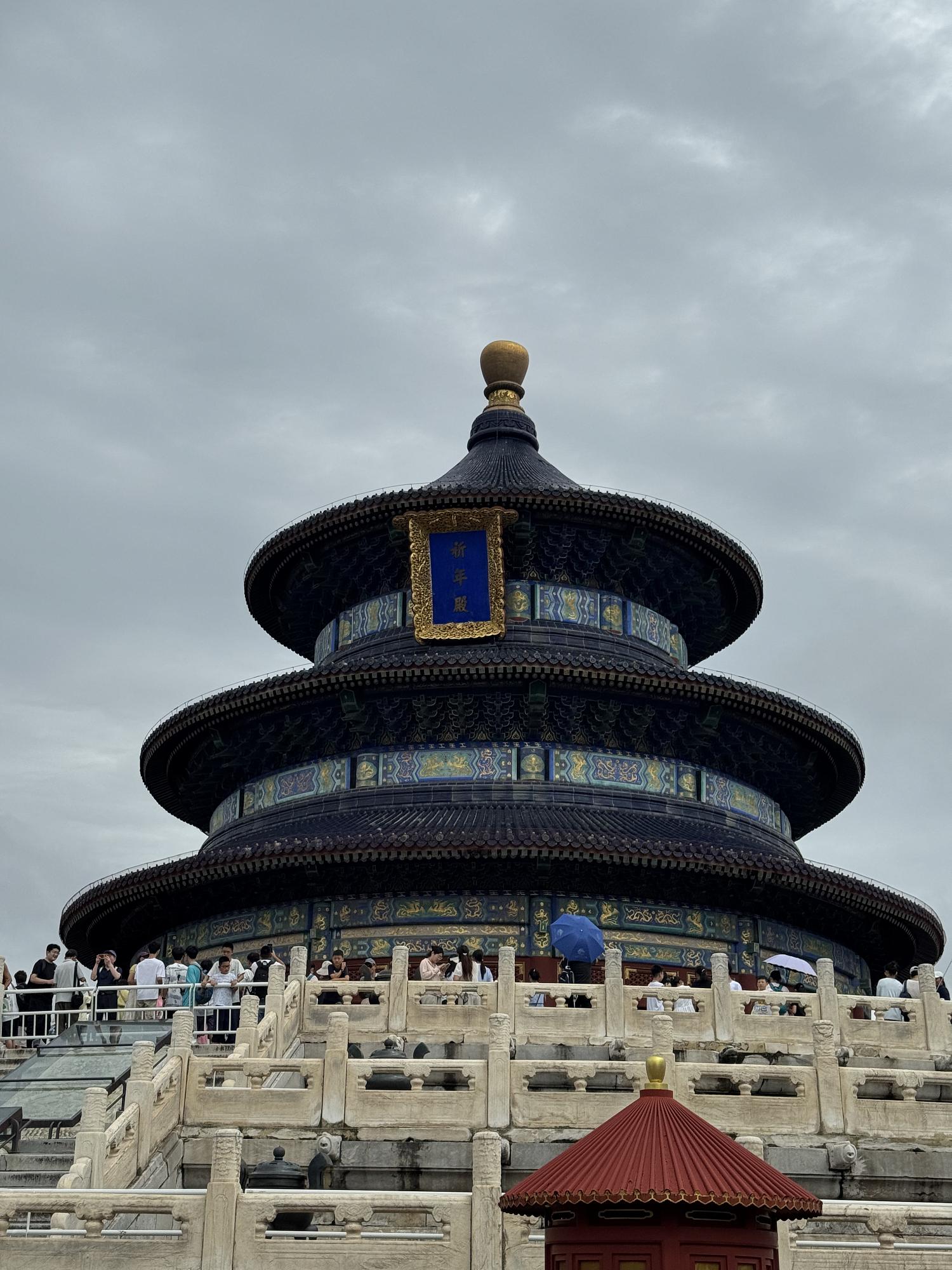
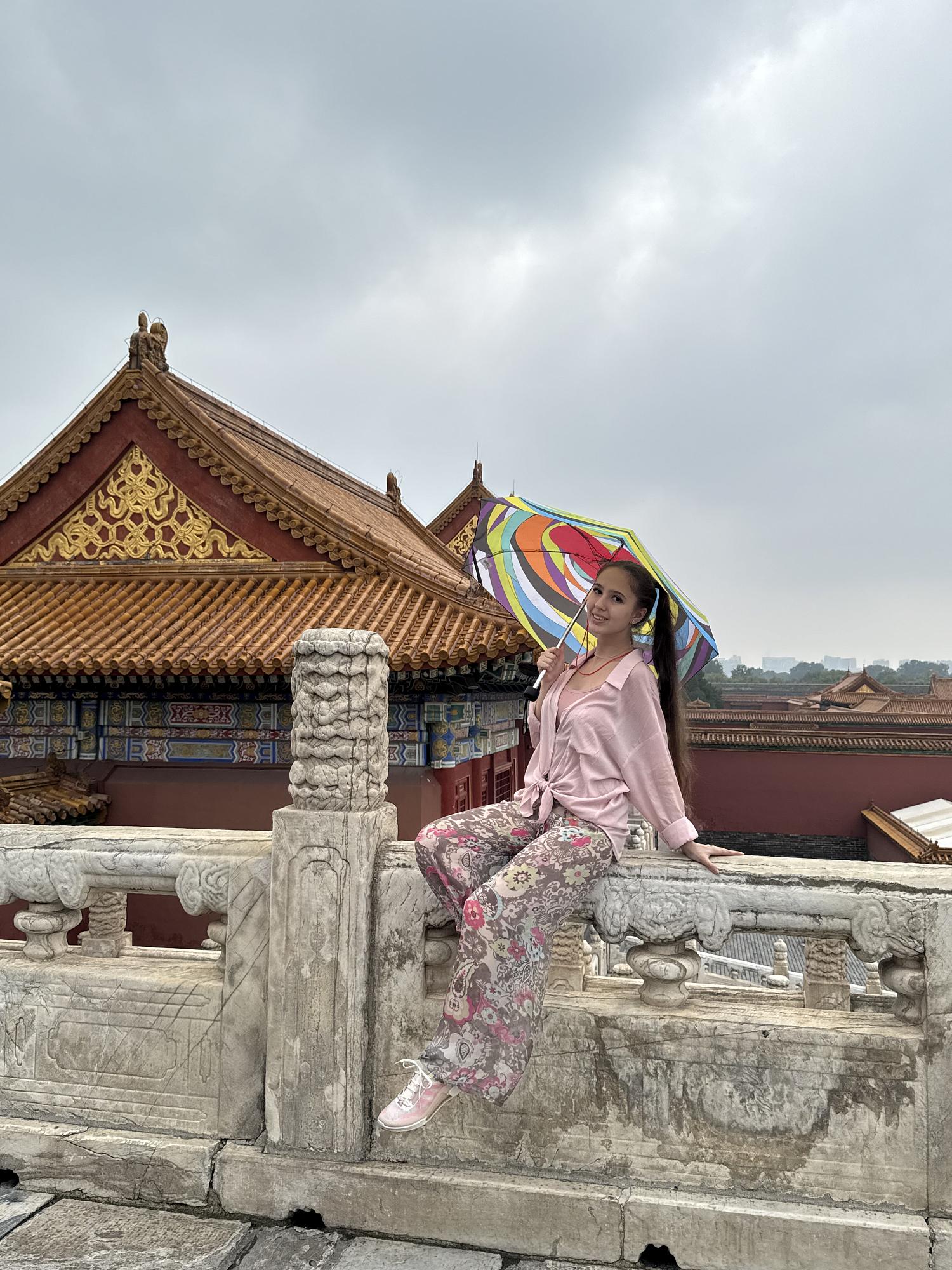
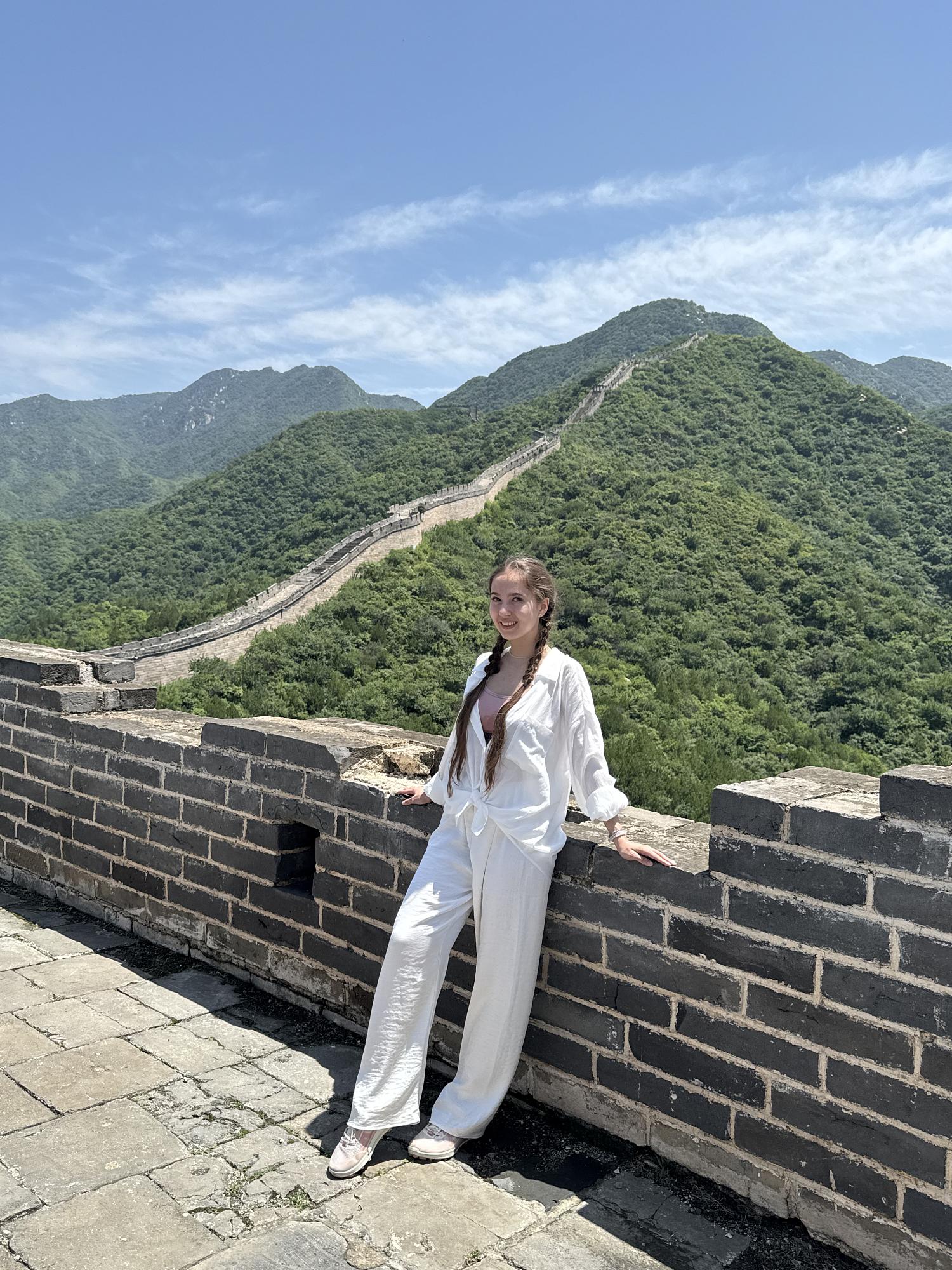
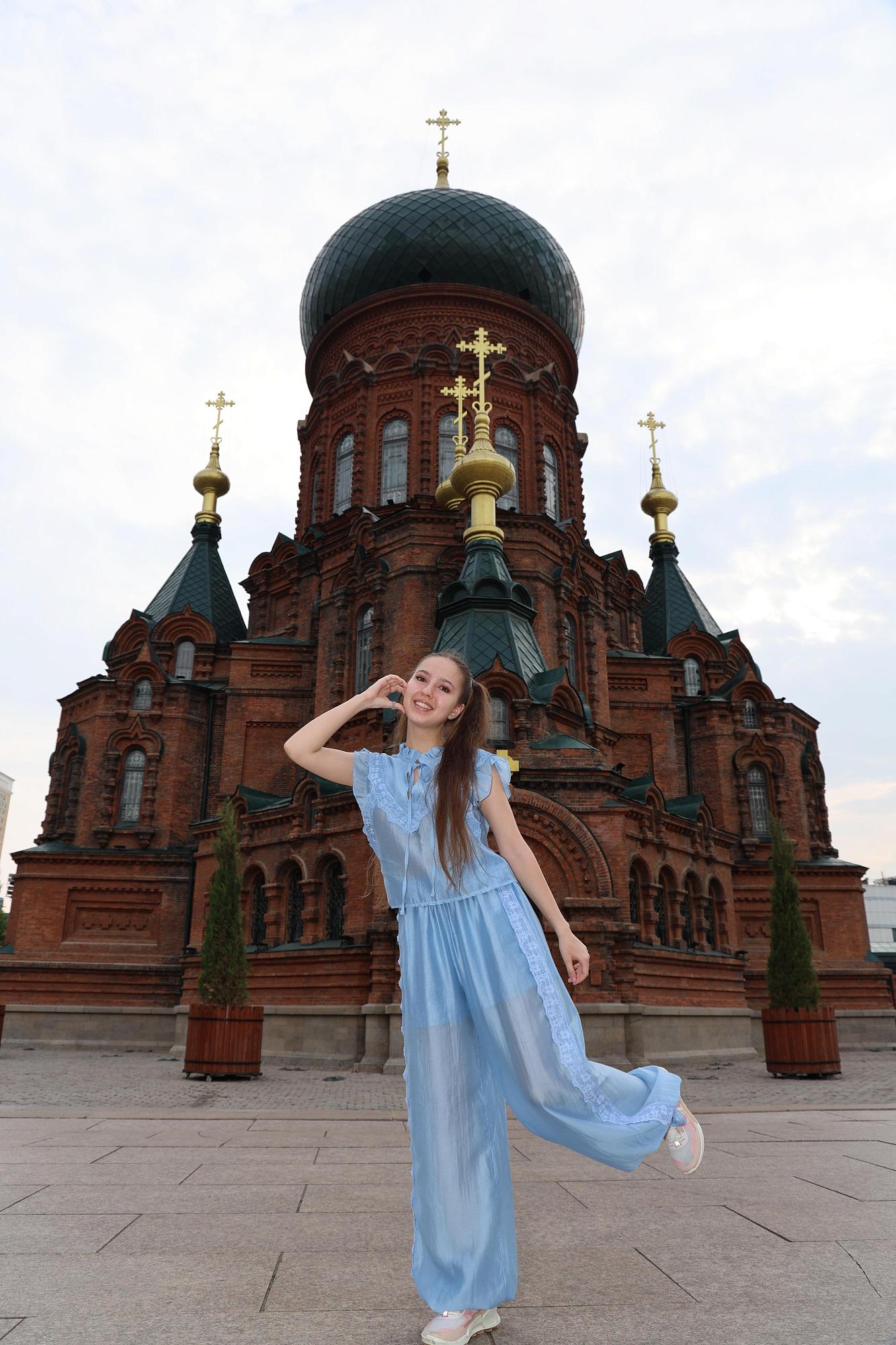
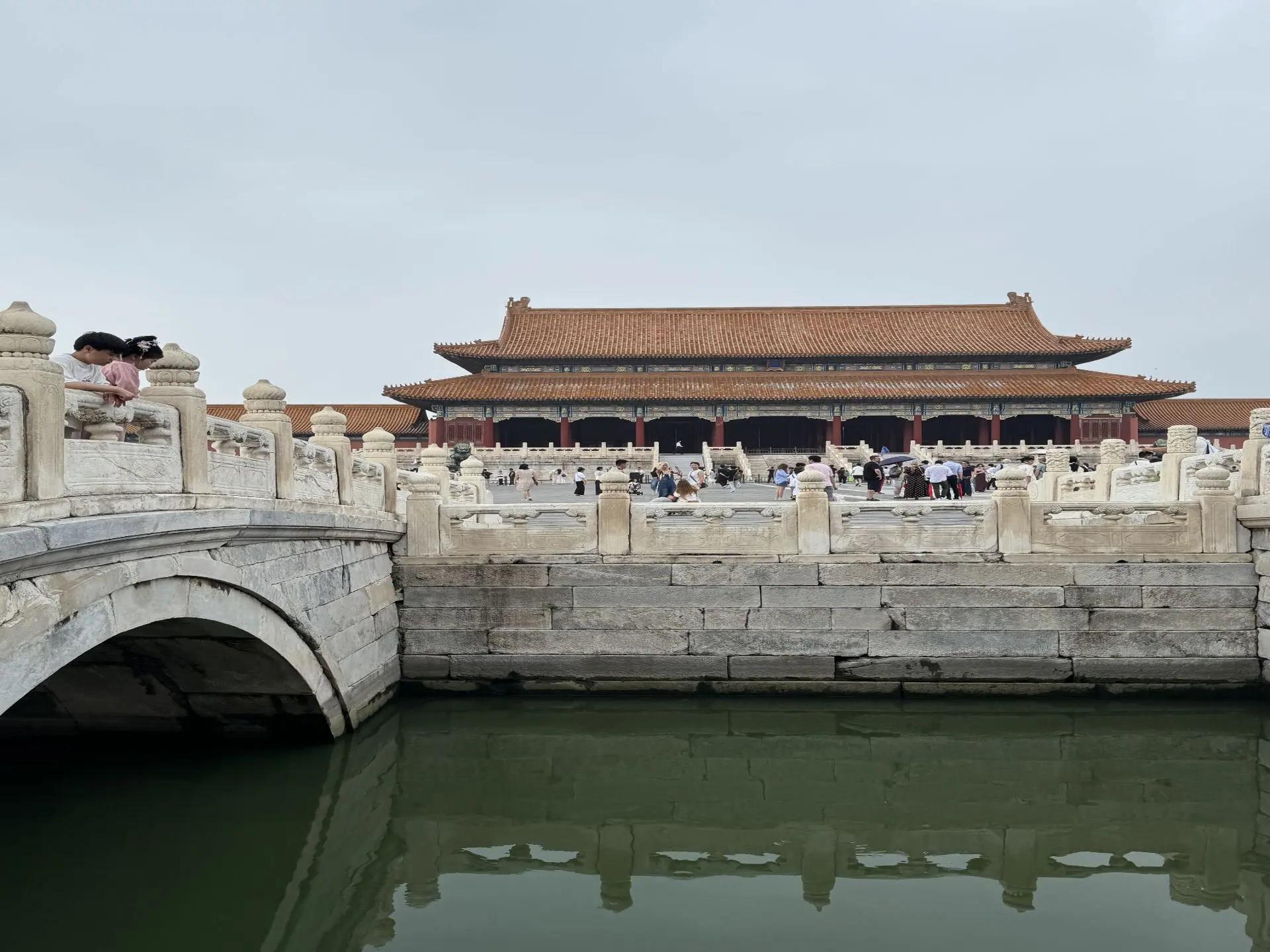
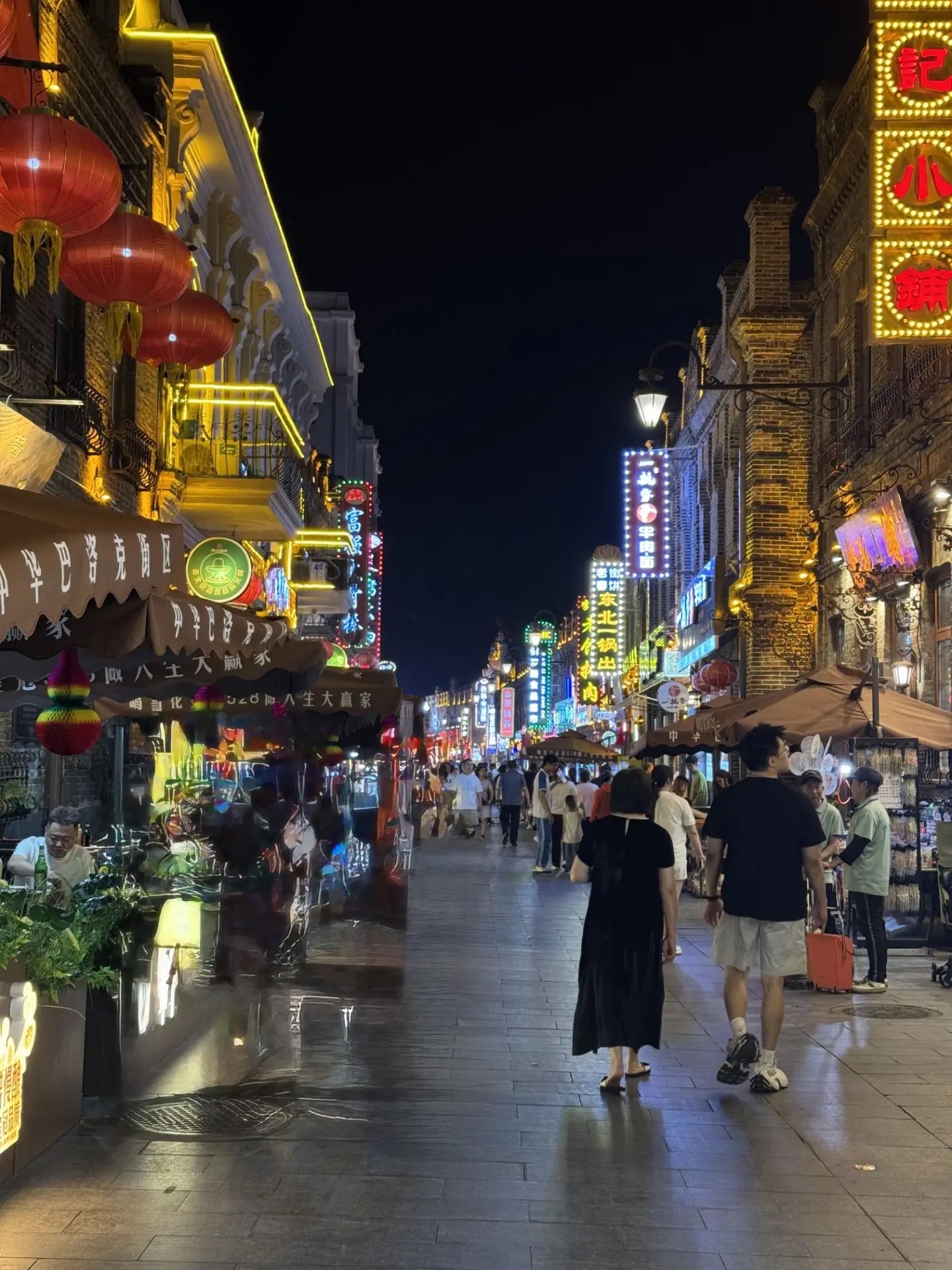
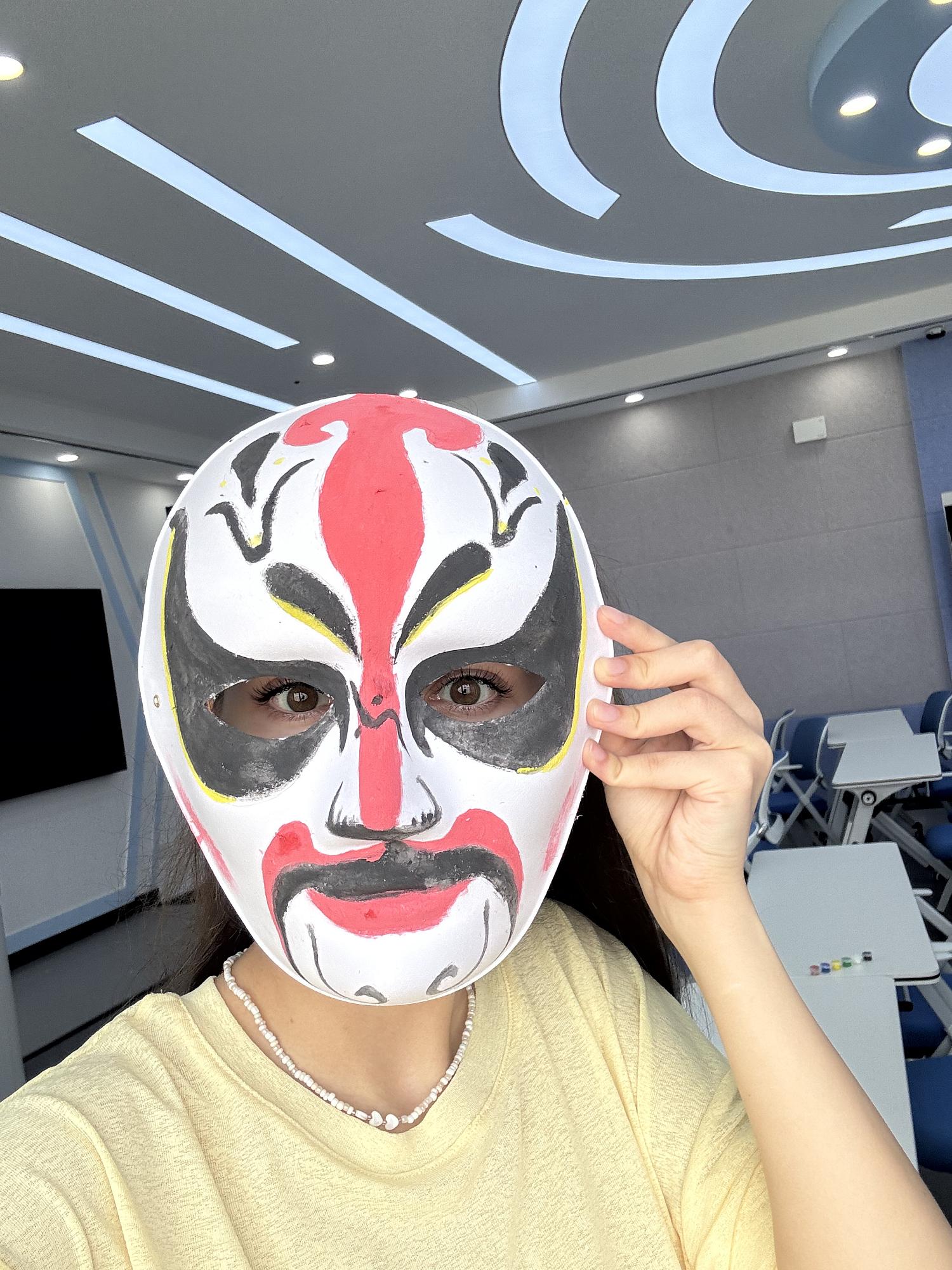
The camp featured an extensive cultural programme. In Harbin, participants tried their hand at painting traditional Chinese opera masks and lacquering fans. Alisa and Elizaveta also attended classes in calligraphy, Chinese brush painting, and tai chi. Once in Beijing, the Russian students enjoyed a rich sightseeing itinerary, including the Gugong Palace (the Forbidden City), the Temple of Heaven, the Great Wall, and the Summer Palace. Most expenses, apart from transportation, were covered by the host organisation. The students stayed in four-star hotels in both cities. After the programme, several participants took the HSK exam and received Level 2 or 3 certification. Alisa added that the trip helped her broaden her cultural knowledge, gather database examples for her final thesis, and get a closer look at China as a potential destination for her Master's degree.
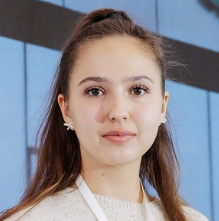
"Short-term summer programmes allow you to see a foreign university campus with your own eyes and communicate with its professors. This makes it easier to choose a university for further studies. In the coming year, I will be writing my graduation thesis and intensively preparing for HSK Level 5. I hope to enrol at Alibaba Business School in Hangzhou."
For detailed information about INRTU's international programmes, please contact the International Office: mobility@ex.istu.edu , room I-303b, phone: +79086609773 (MAX/Telegram).
Posts with students' impressions of their trips and announcements of upcoming internships can be found in the VK group