INRTU Archaeologists Find Noblewoman’s Burial and Horse Skulls in Mongolia
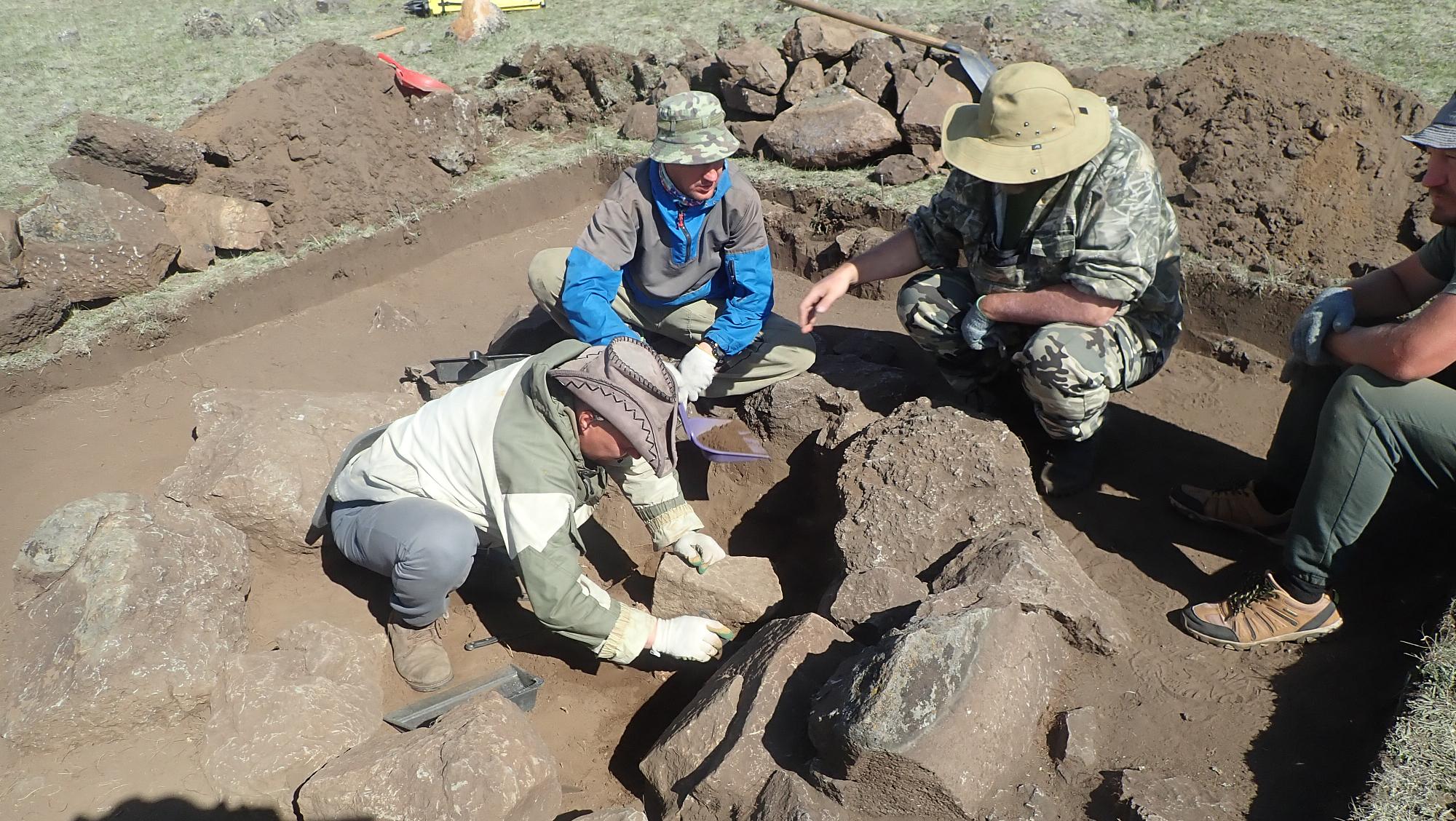
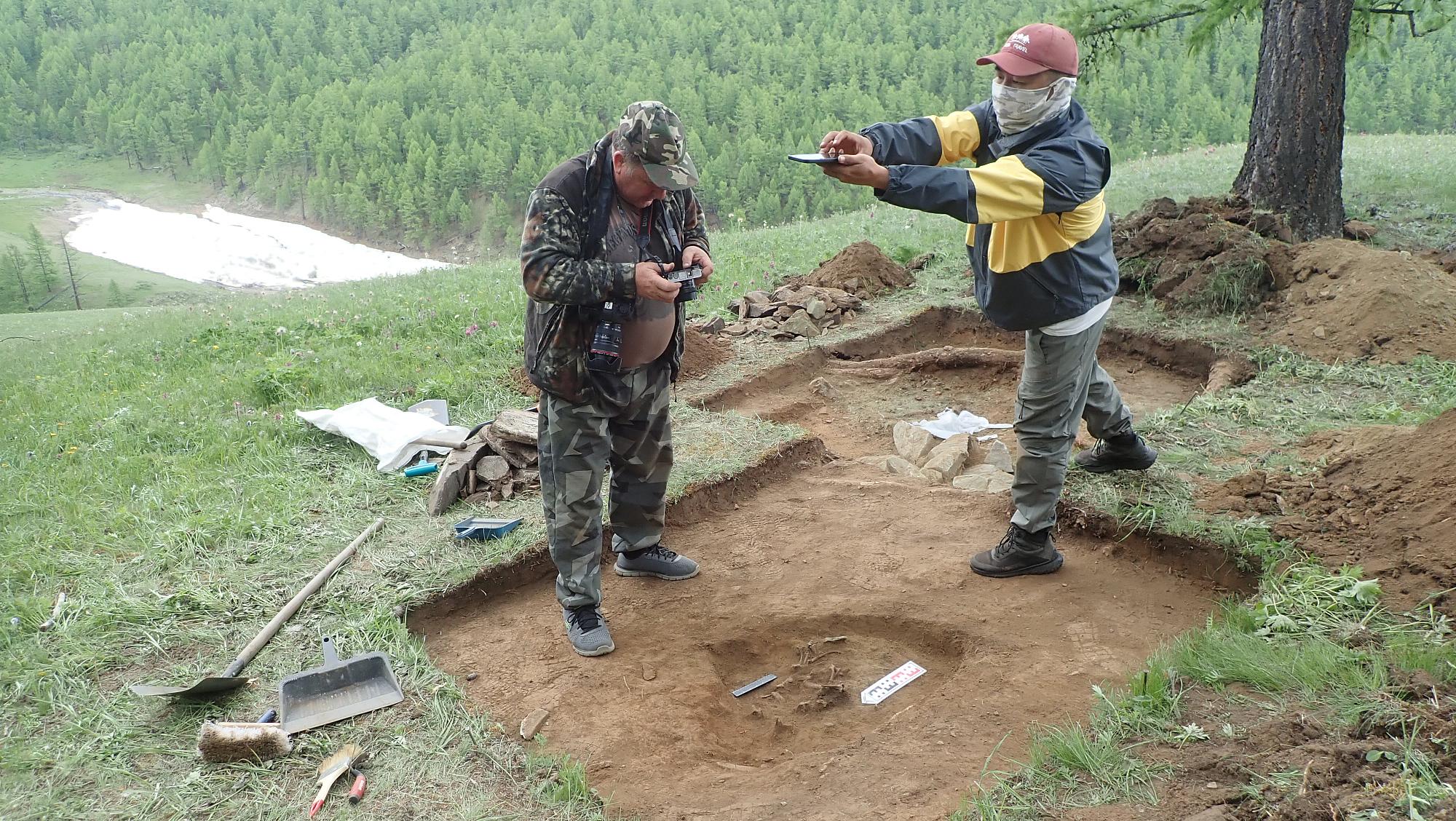
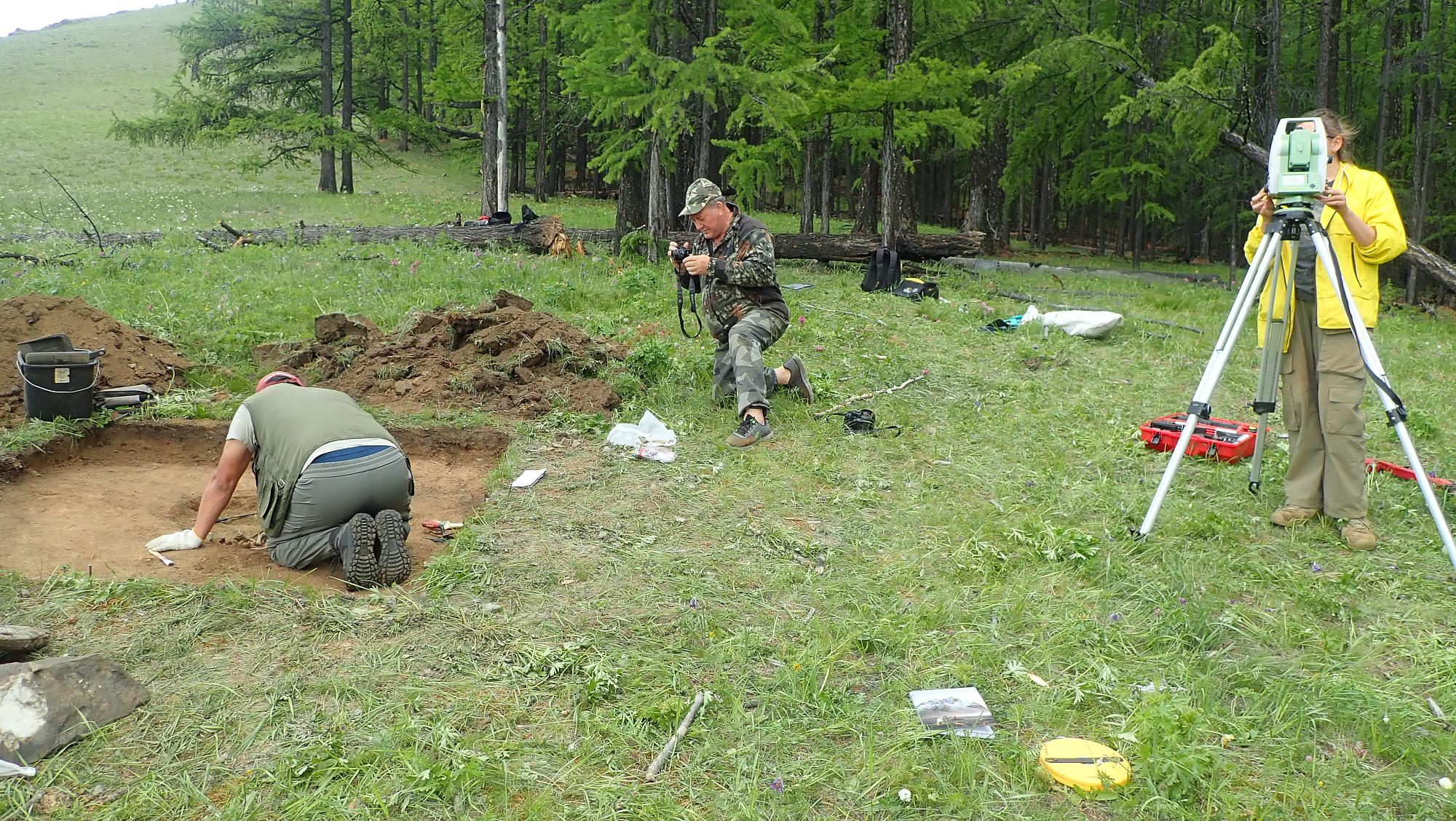
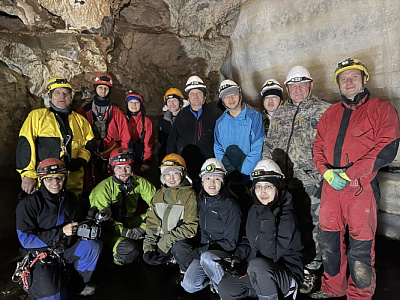
Archaeologists fr om INRTU and the Institute of Archaeology of the Mongolian Academy of Sciences have completed excavations in Khuvsgul region of northern Mongolia. The team found the burial of a wealthy 14-th century woman and horse skulls placed in ritual stone structures next to Bronze Age khereksurs.
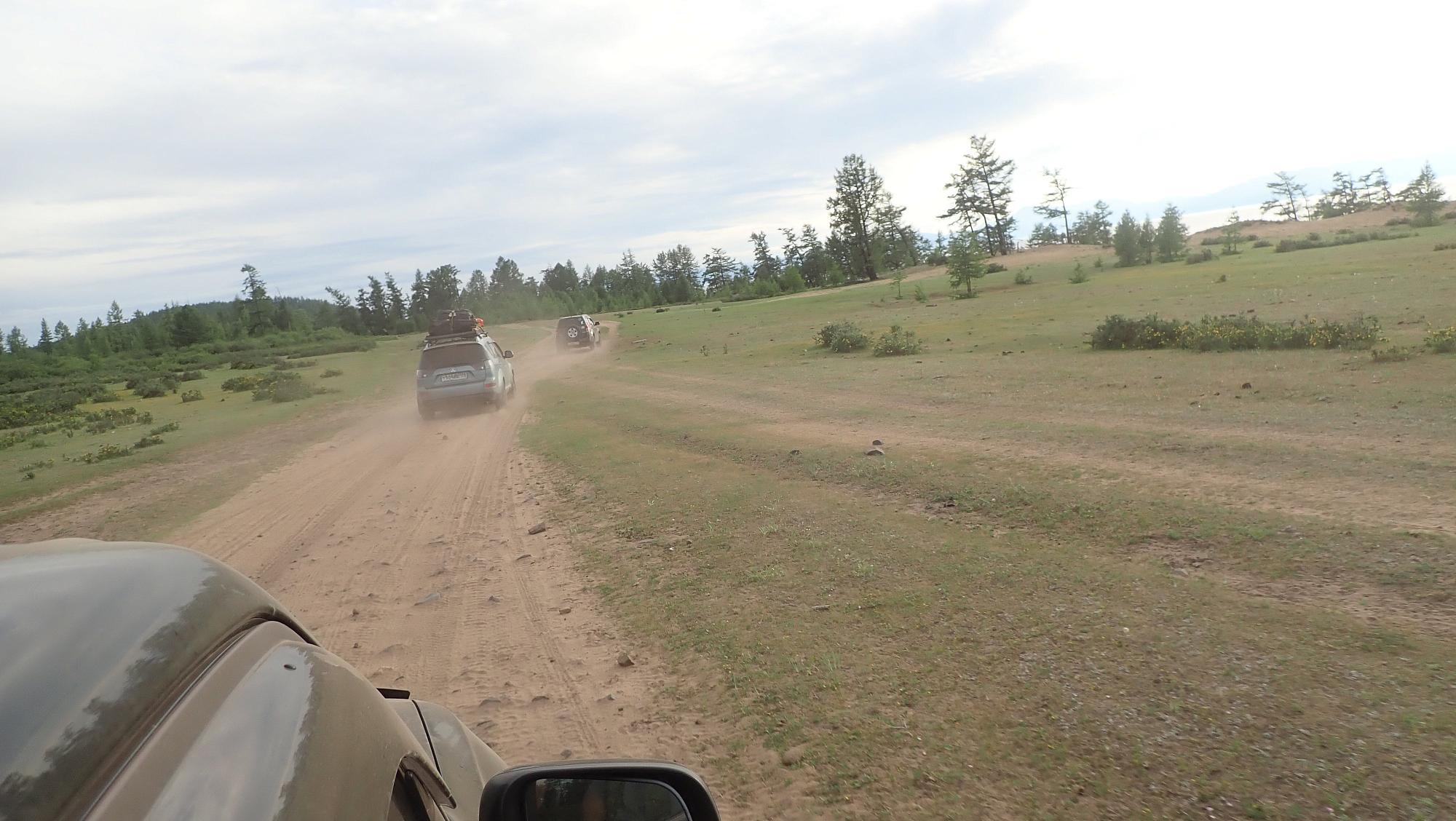
The expedition was the last stage of the three-year project Nomads on the Shores of Lake Khuvsgul: Three Millennia of History. The researchers studied hoe nomadic people buried their dead between the first millennium BC and the second millennium AD. The discoveries also give new information about their beliefs, clothing, weapons and horse equipment.
The expedition included Professor Artur Kharinskii, Dmitrii Kichigin and Alexey Korostelev of INRTU’s Laboratory of Archaeology, Paleoecology, and Life Systems of North Asia. The Mongolian team was led by Dr. Tserenkhand Buyankhishing.
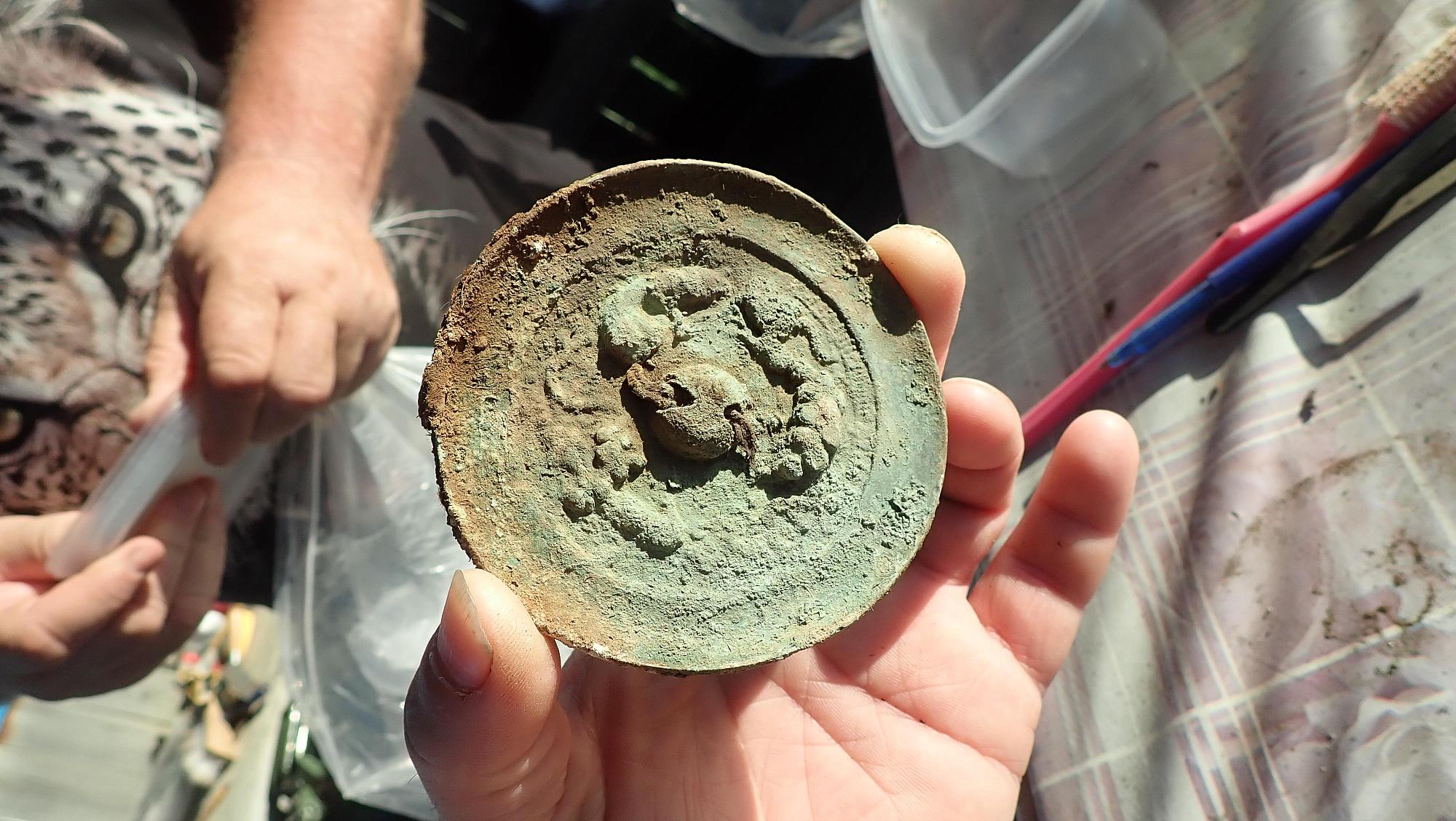
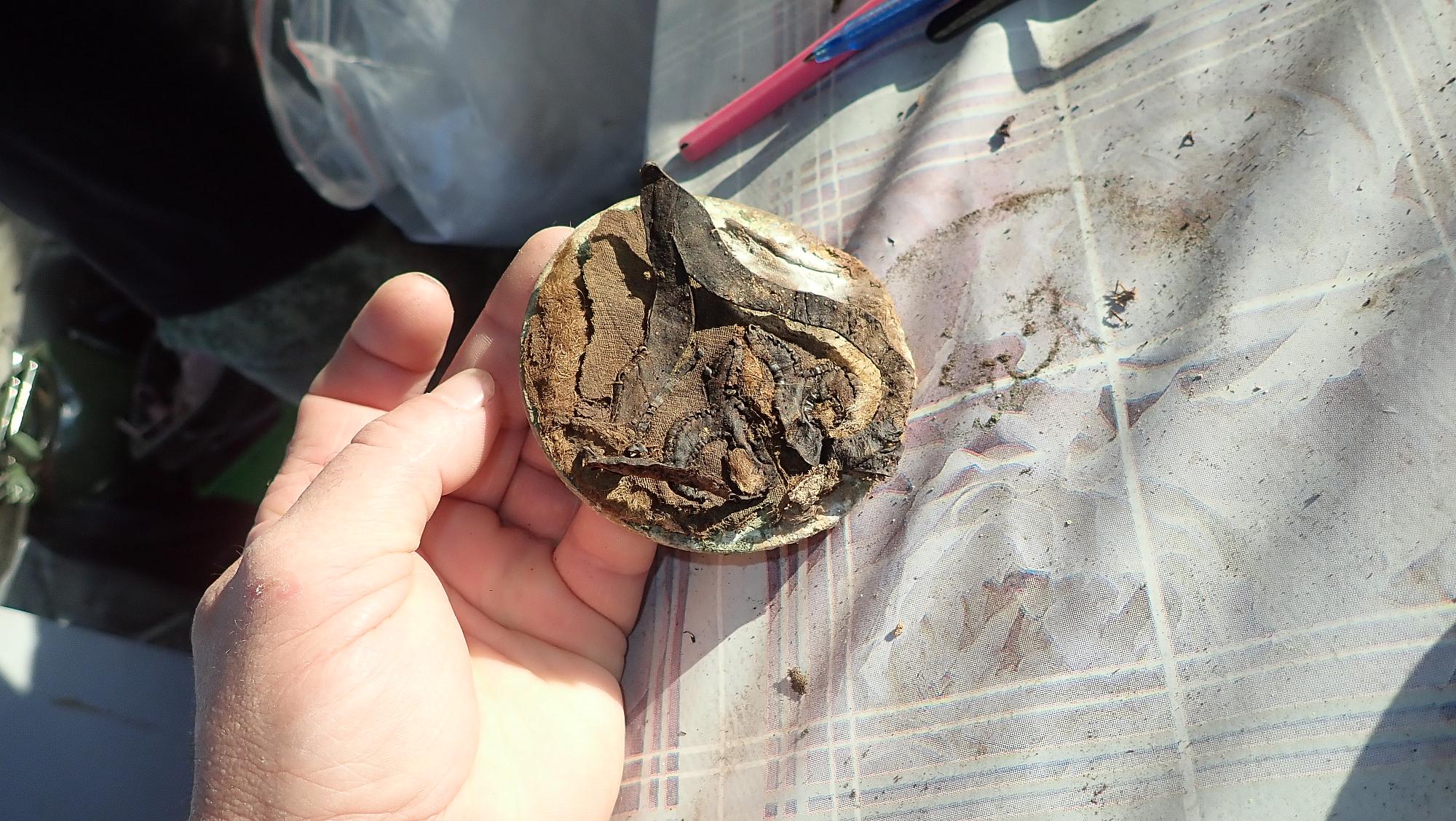
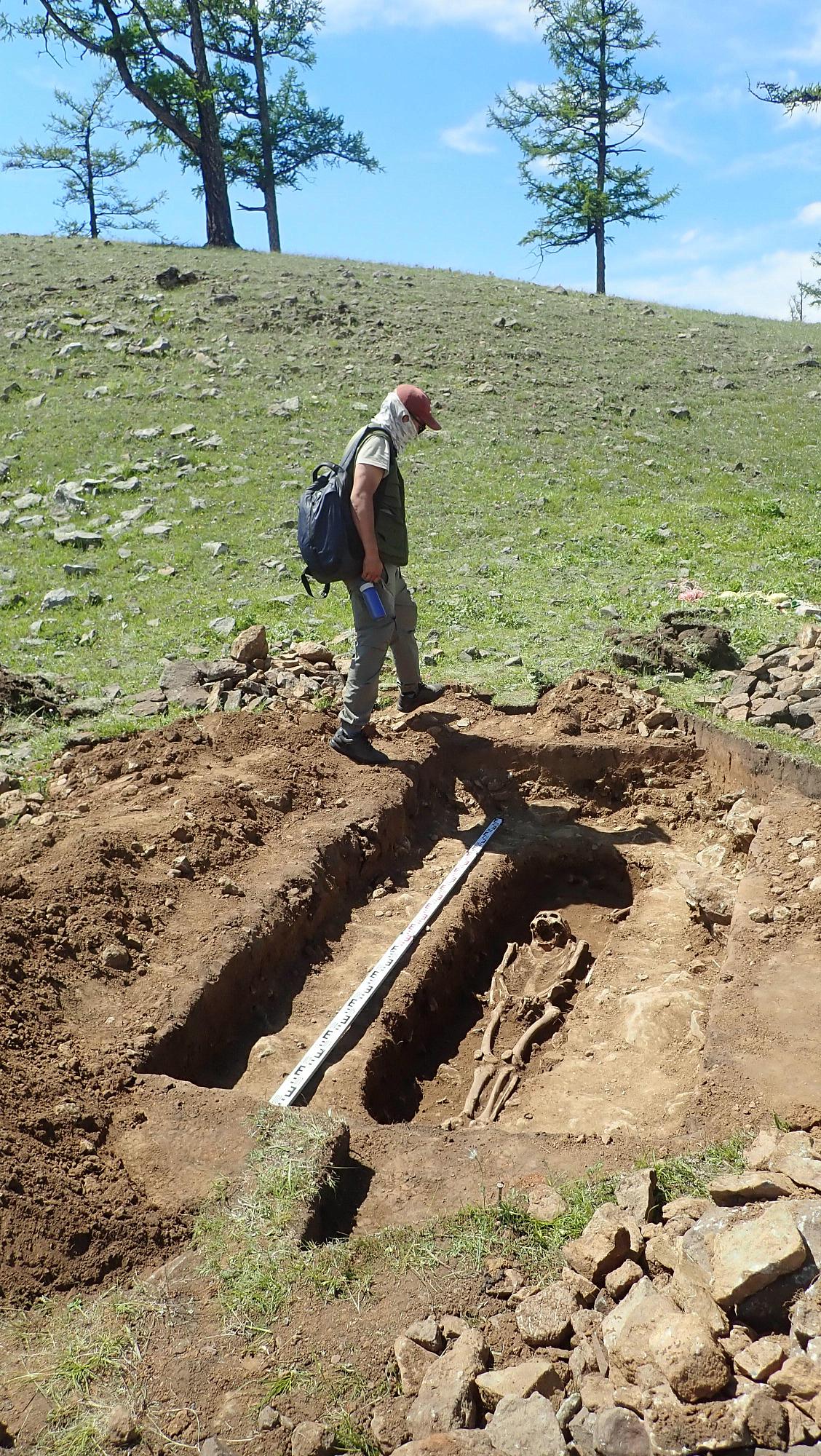
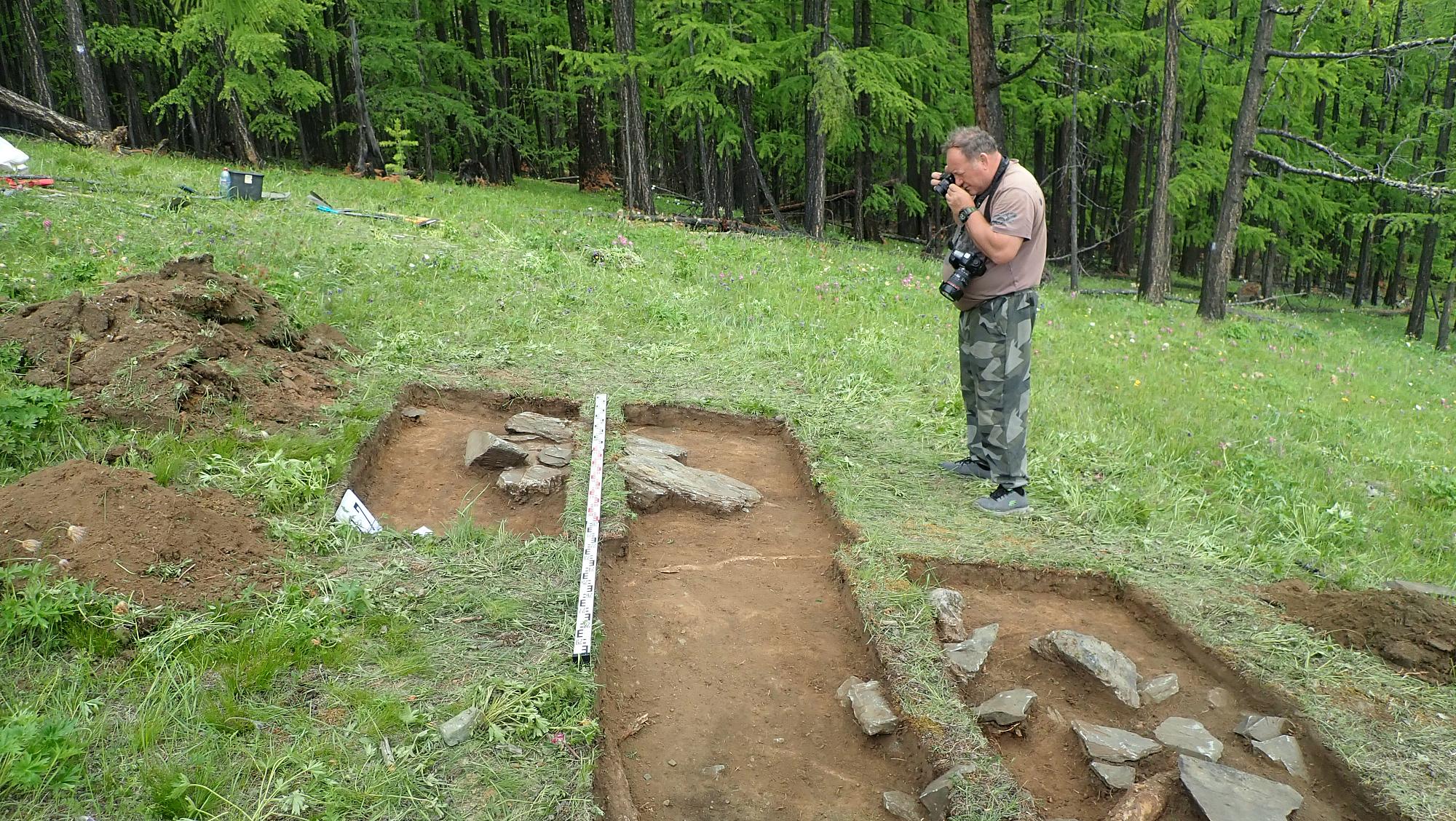
Professor Kharinskii said one of the most important finds was at the Khukh Must 7-11 burial near Khankh. Archaeologists found the grave of a woman buried with a knife, saddle parts, a stirrup, a small bag with bronze mirror inside. They also found a boqtaq, a tall silk-covered headdress worn by married Mongolian women in the 13-th and 14-th centuries. This shows that the woman was probably from a noble family.
The expedition also confirmed that burial customs in the Khuvsgul region changed around the middle of the 13-th century. According to the researchers, this was probably connected with political changes.
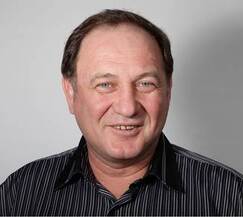
“As Genghis Khan and his successors expanded the Mongol Empire, they brought many local peoples under their rule. One of these peoples was the Tumat, who lived near Lake Khuvsgul. Later, many Tumats moved or were moved to other places. These events changed local burial traditions. This year we found ram offerings near the Khukh Must 7-11 burial and the previously looted Nogoon Gozgor 1-6 grave. These finds support our idea,”
said Professor Kharinskii.
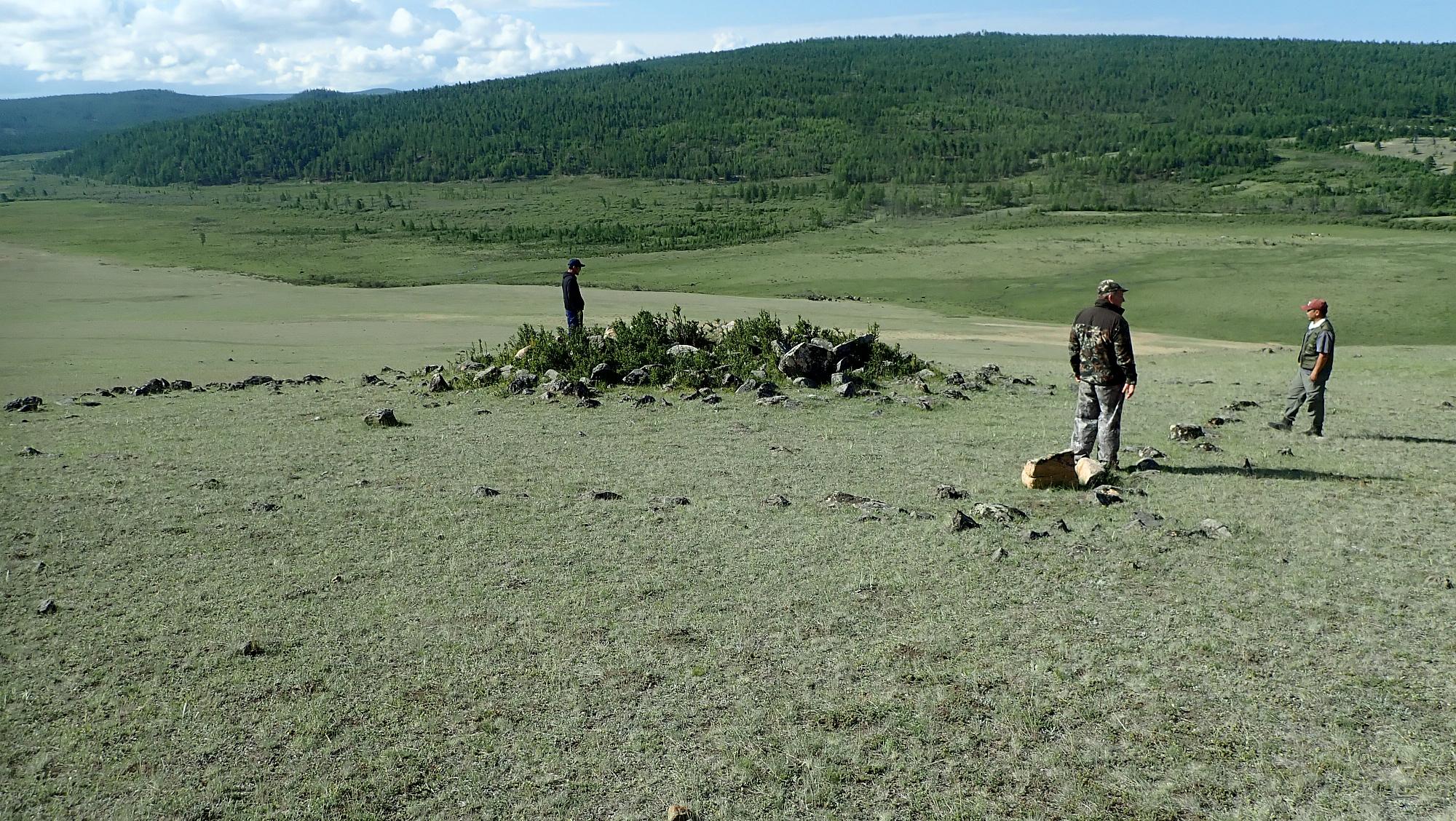
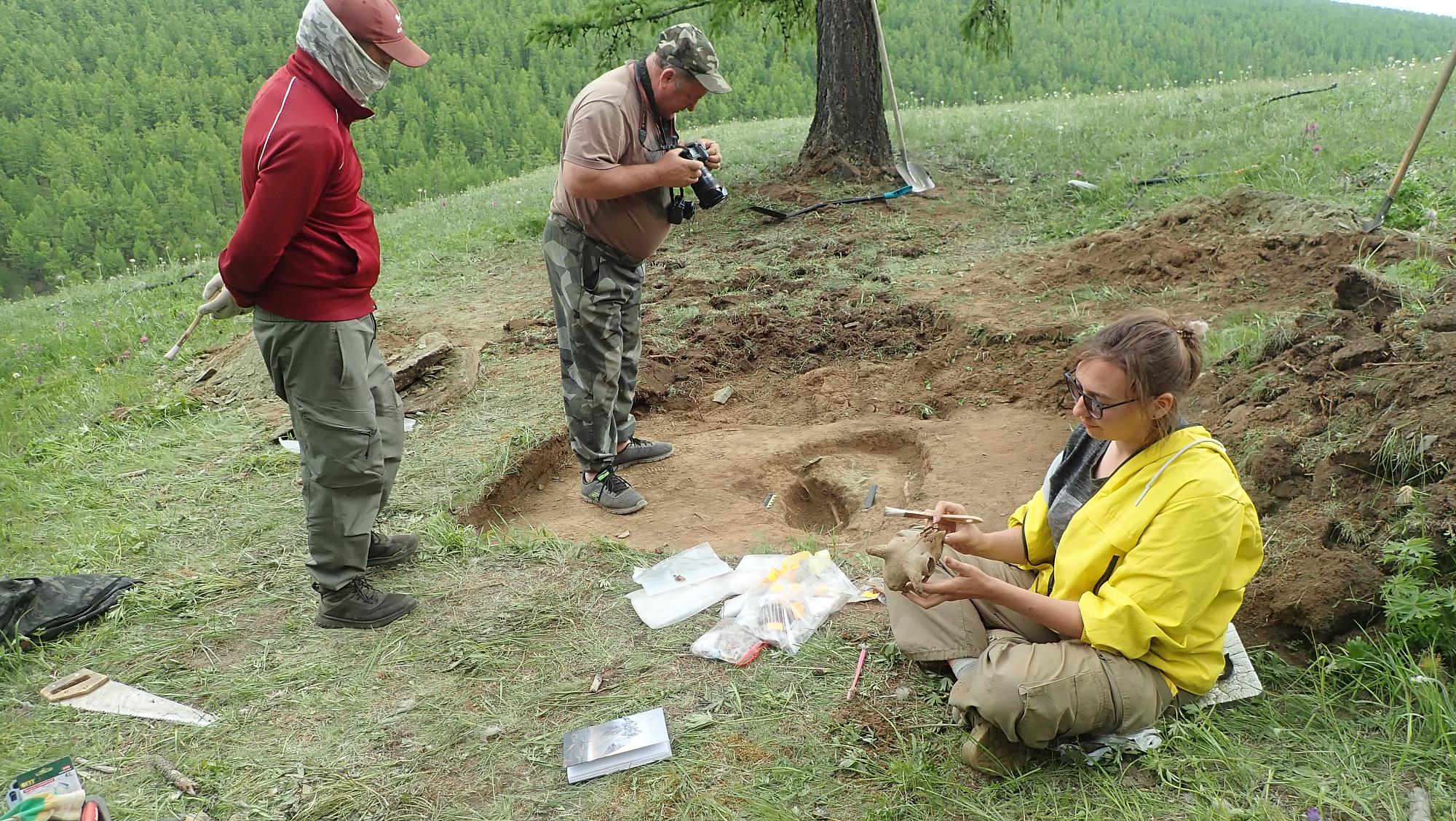
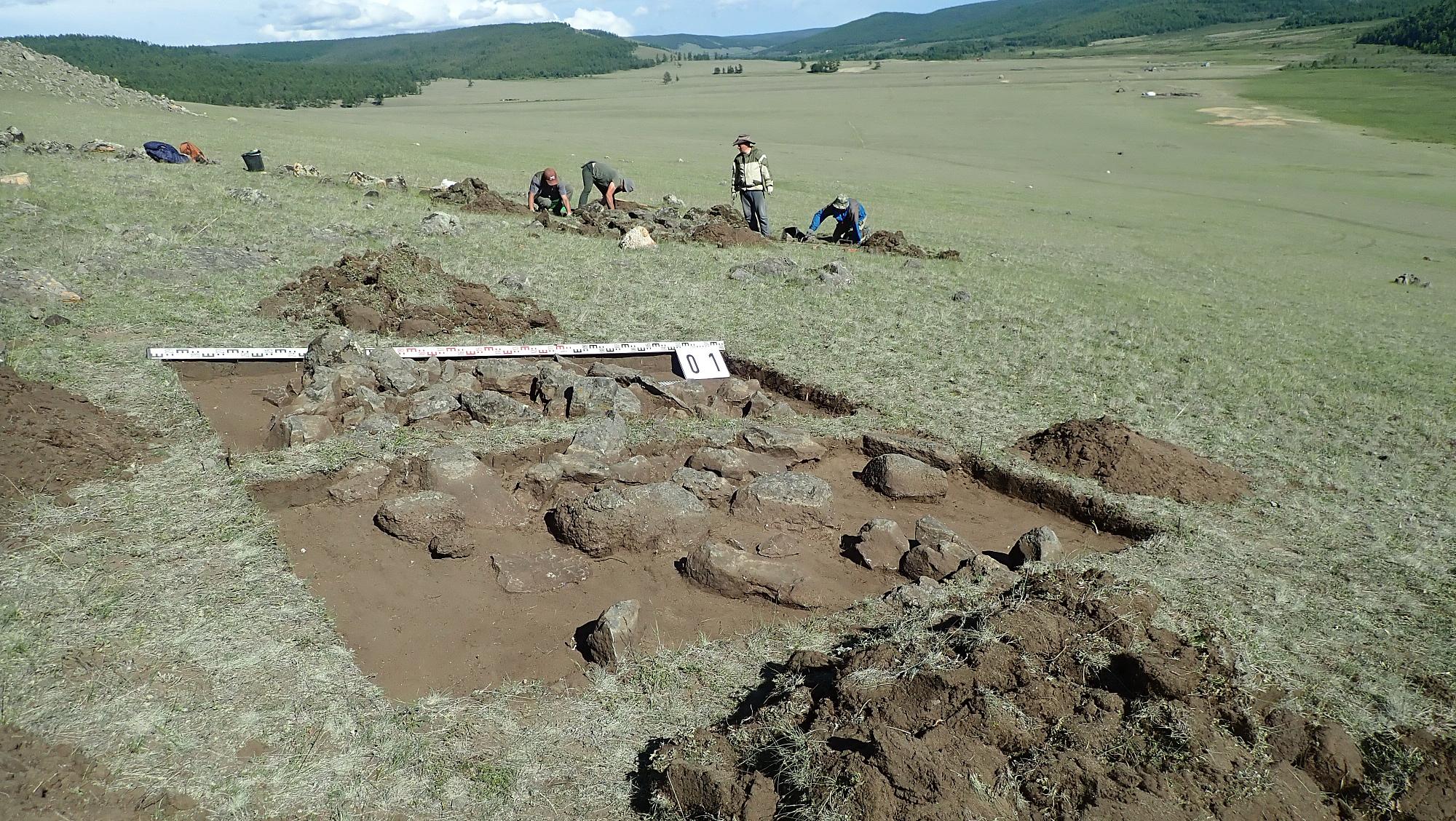
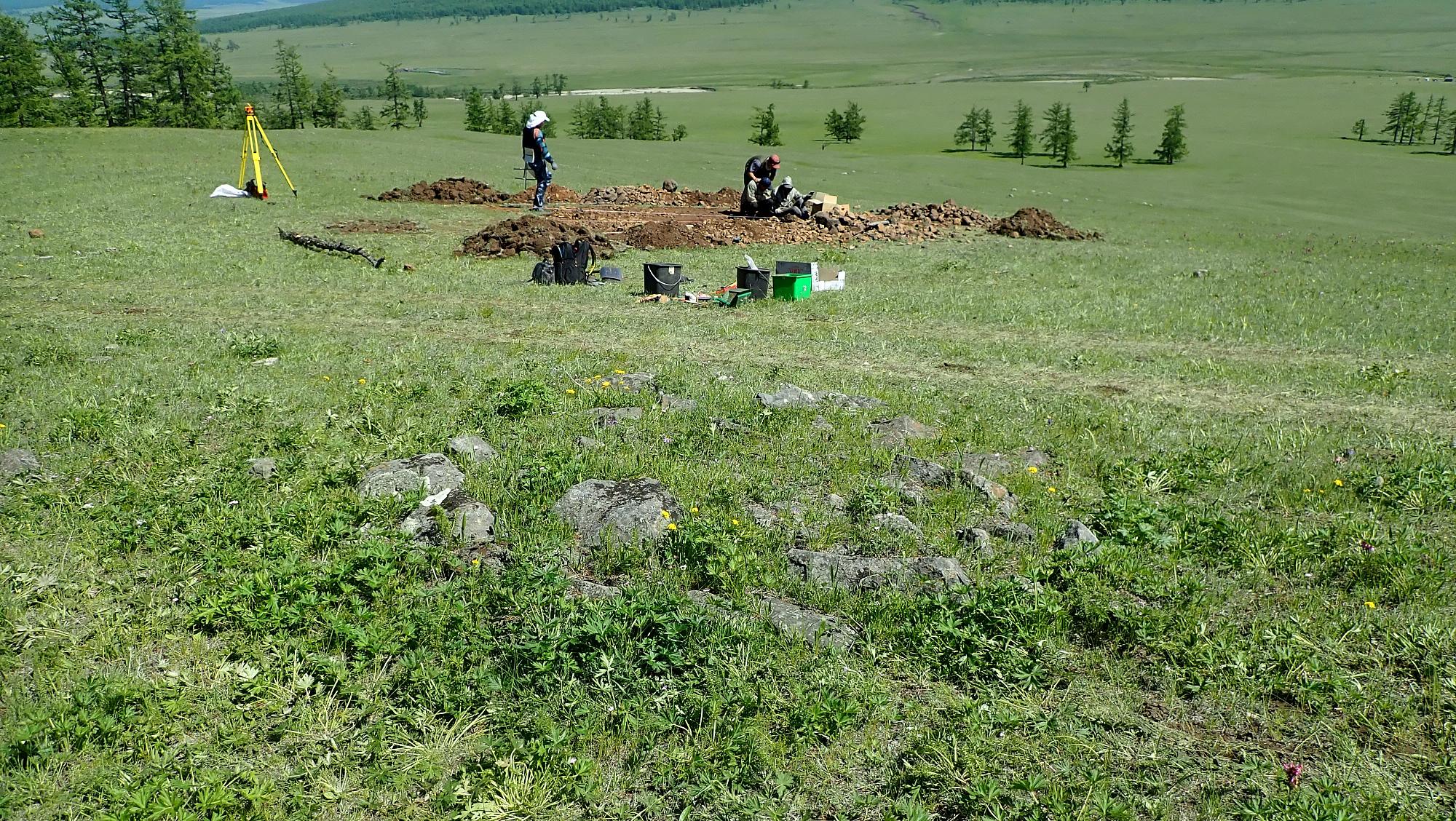
The early July, the team moved to the eastern shore of Lake Khuvsgul. They studied Bronze Age khereksurs and nearby stone structures wh ere people had buried parts of sacrificed animals.
“We found horse skulls next to two khereksurs. These discoveries are very important. Radiocarbon dating will show how old the structures are, an DNA tests will help us learn more about the horses,”
Professor added.
The previous expeditions were also successful. In 2024, the team found 13th- and 14th-century graves with horse equipment and personal belongings. In 2025, archaeologists studied ten sites and found arrowheads and more horse equipment.
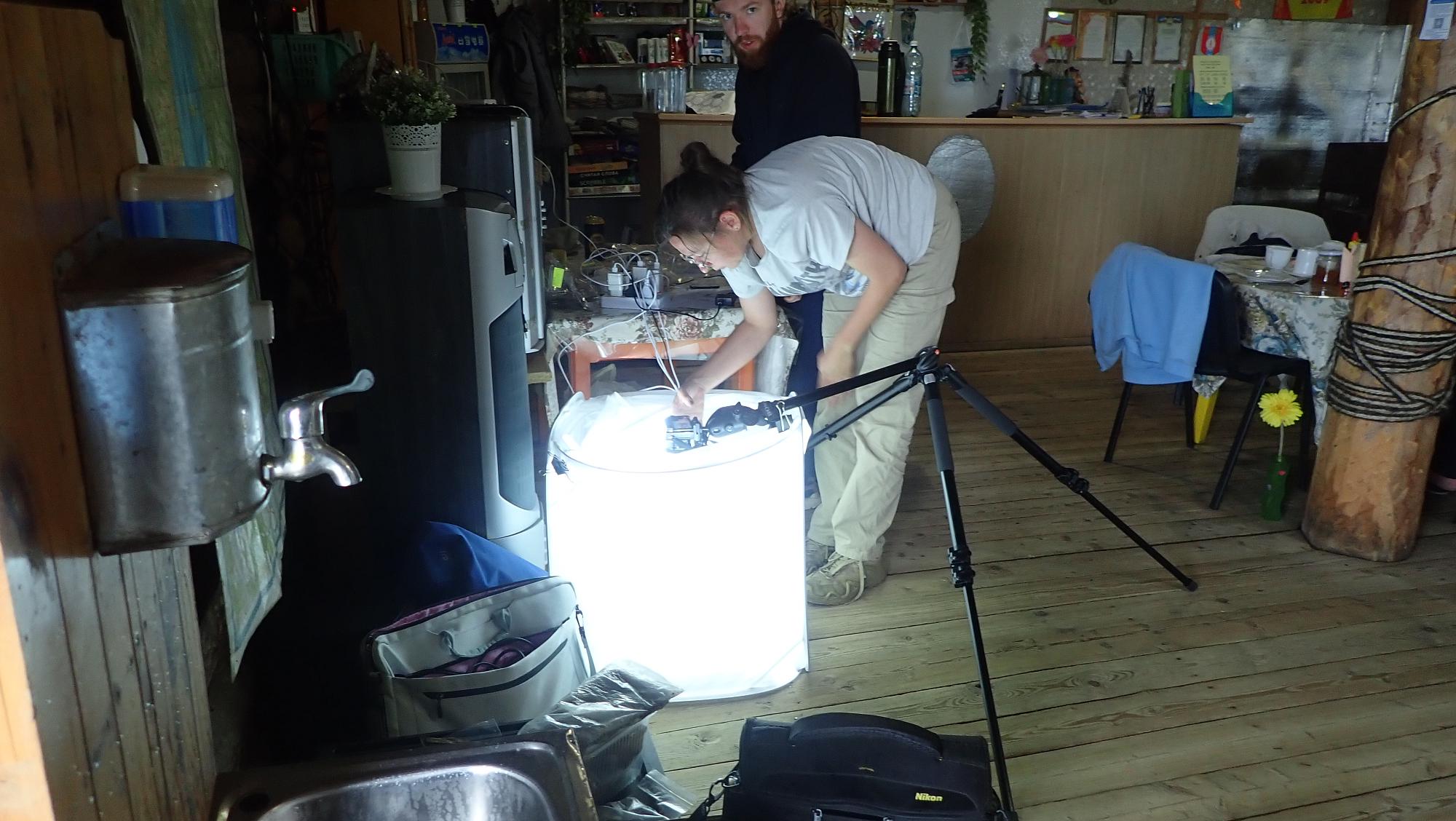
Professor Kharinskii said the three-year project is now complete. The team will continue to study the artifacts and compare them with finds from nearby regions. The results will be published in a detailed report and a joint Russian-Mongolian book.