INRTU’s Siberian School of Geosciences Successfully Completes Fieldwork in Bodaibo District of the Angara Region
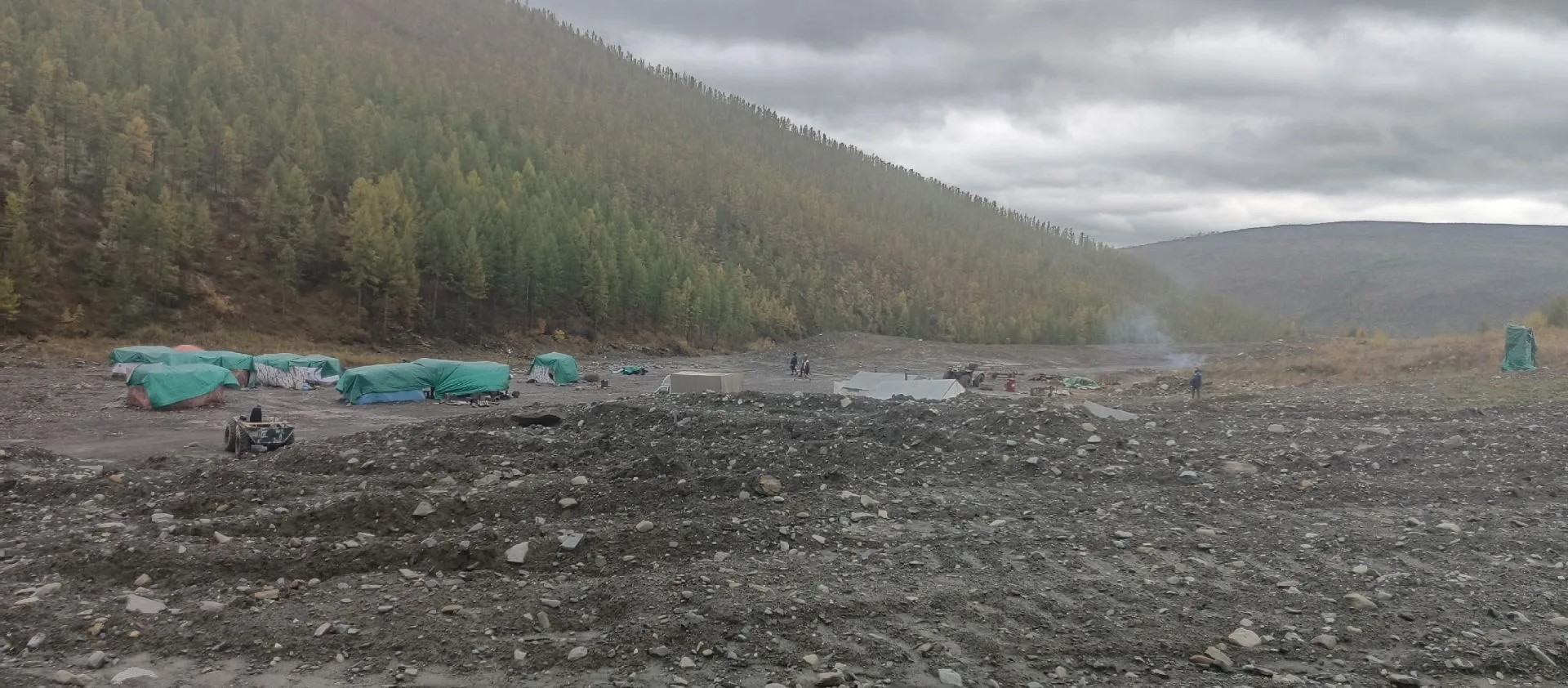
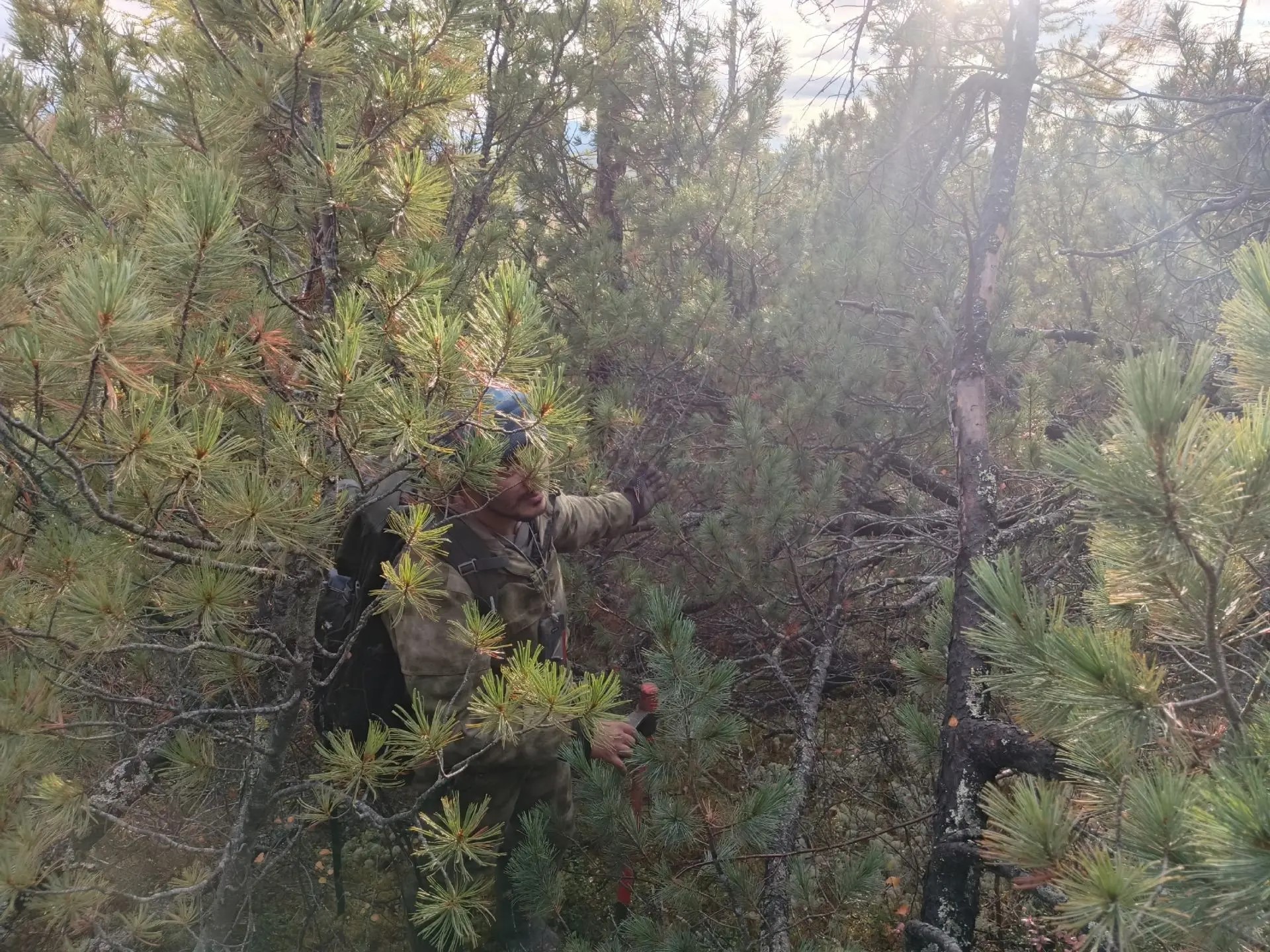
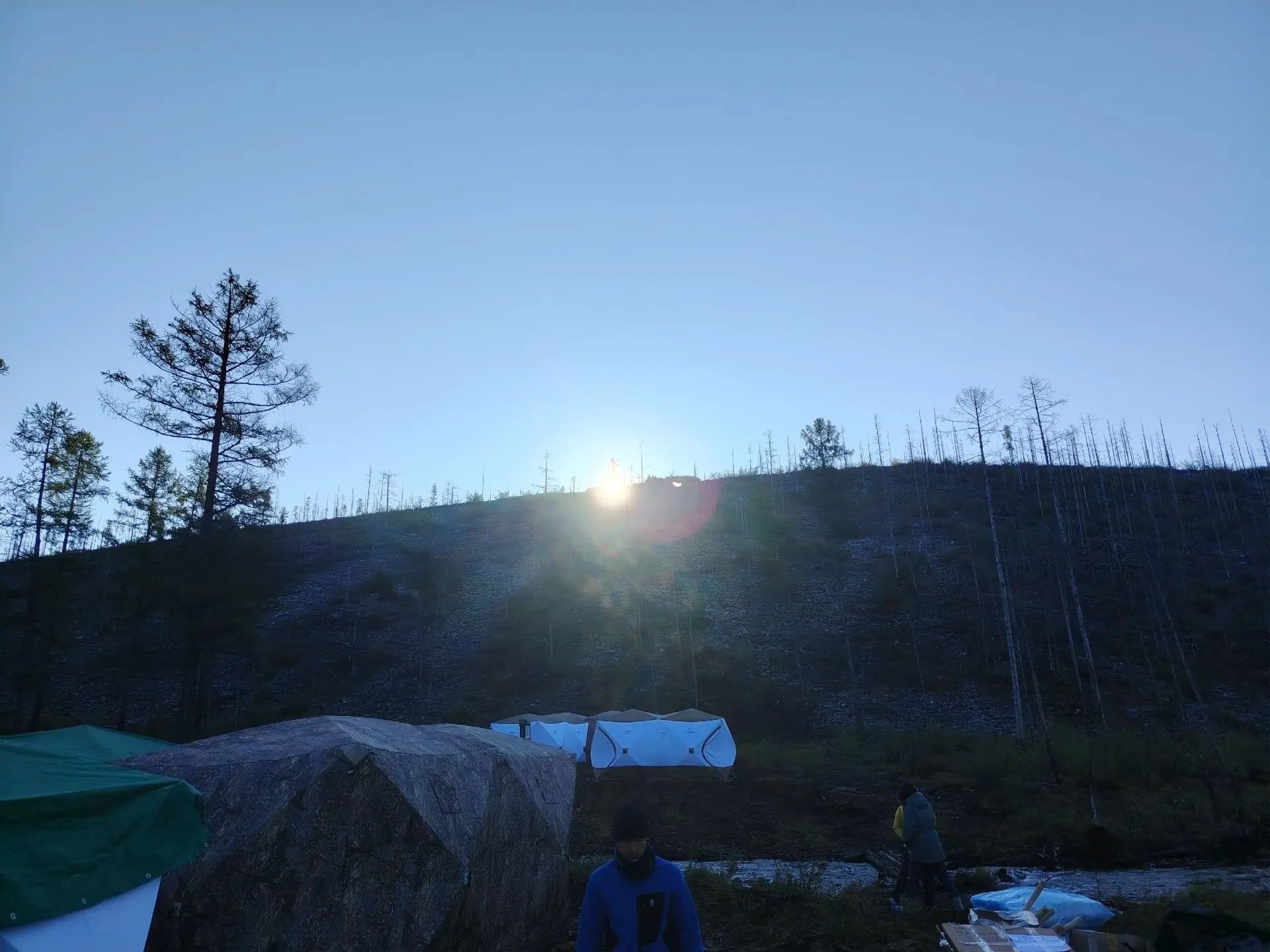
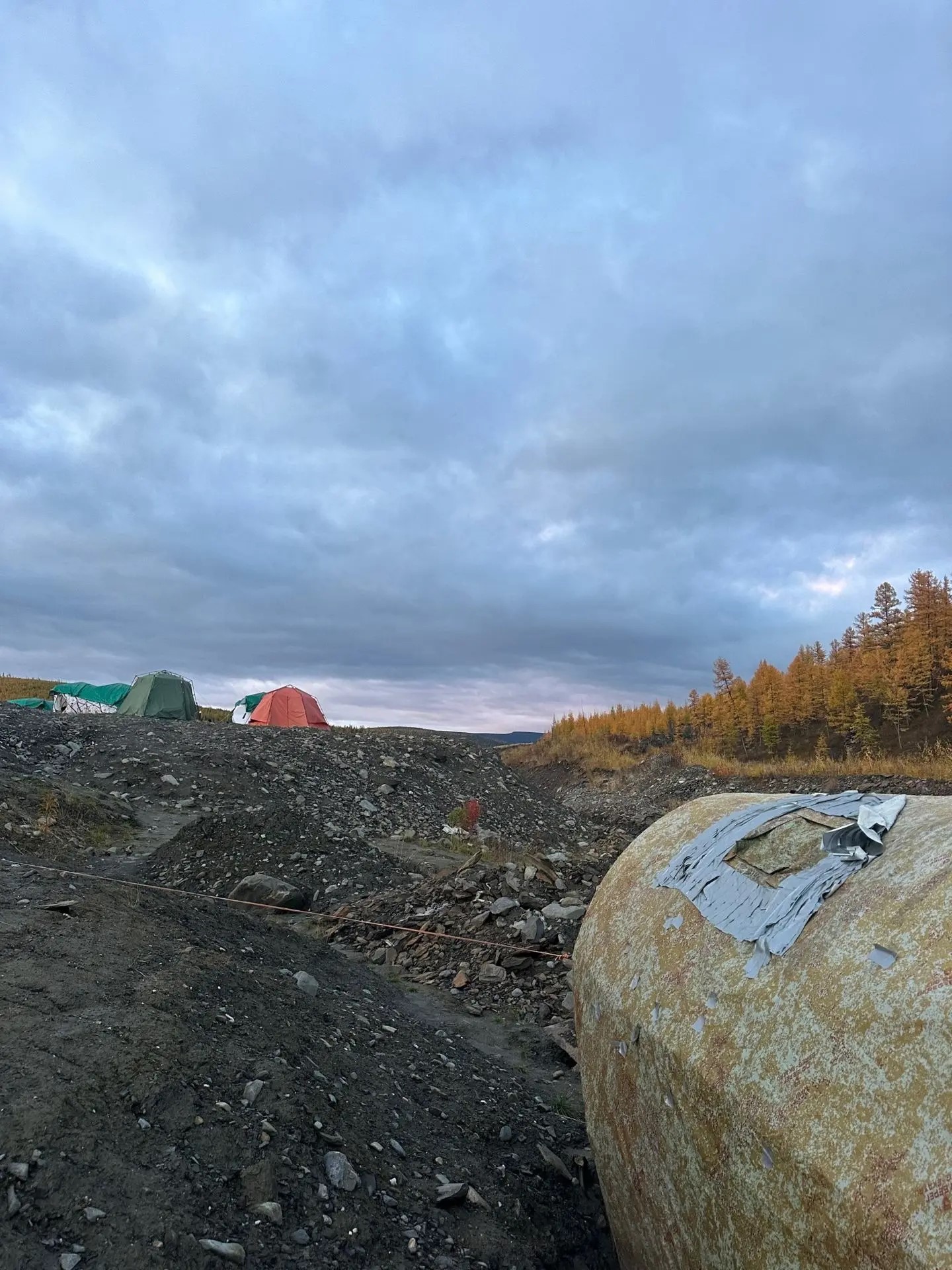
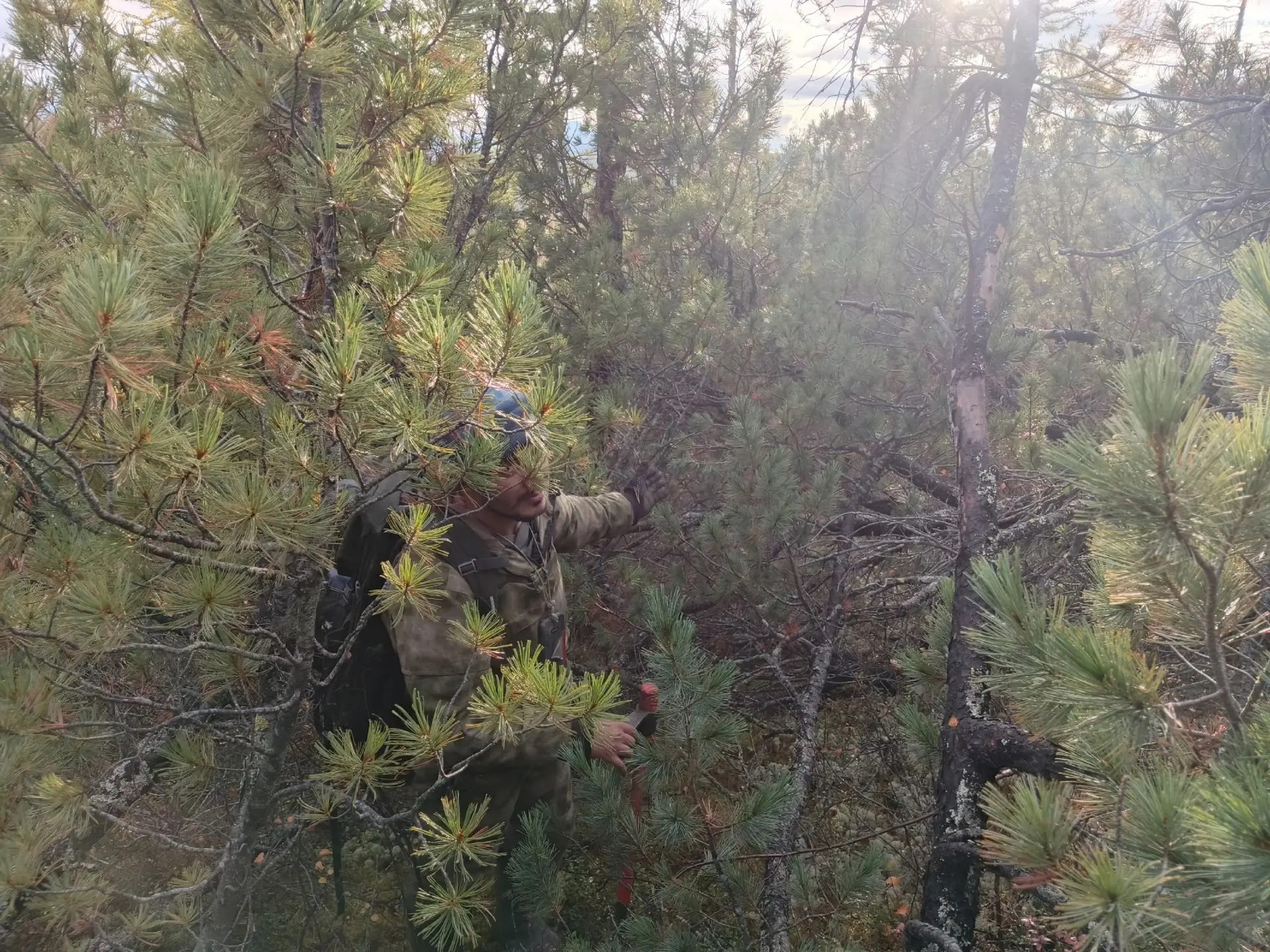
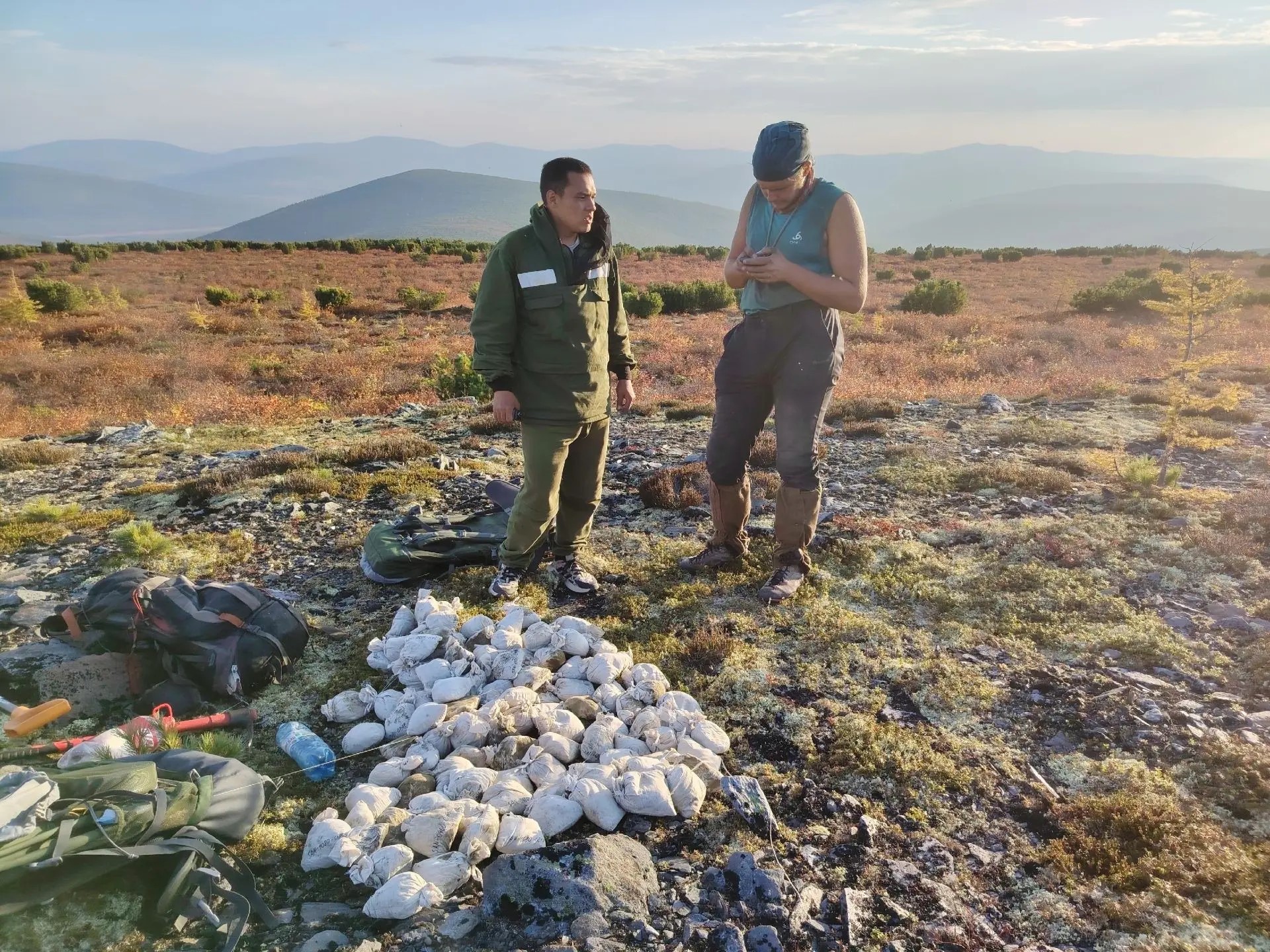
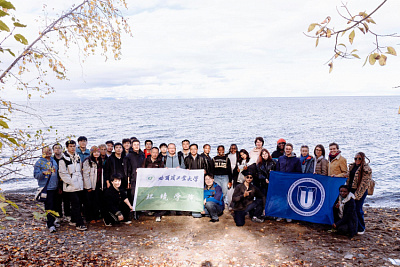
INRTU's Siberian School of Geosciences (SSG), a participant in the Priority 2030 federal academic leadership program, has successfully completed the field phase of geological prospecting in the Bodaibo District of the Angara region. Students from their first to fourth year, along with graduates, conducted lithogeochemical surveys about 30 kilometers from the settlement of Artemovsky. The clay samples collected will be studied at the School’s chemical-analytical laboratory.
The field party was led by Andrey Sumkin, a postgraduate student and engineer at the hydrogeology laboratory. For him, it was the first time he had organized and led a full field trip from departure to return to Irkutsk. According to him, 21 people took part in the expedition, all of whom were studying Earth sciences. Senior students helped the newcomers, while INRTU graduates with extensive field experience mentored the newcomers when situations became challenging.

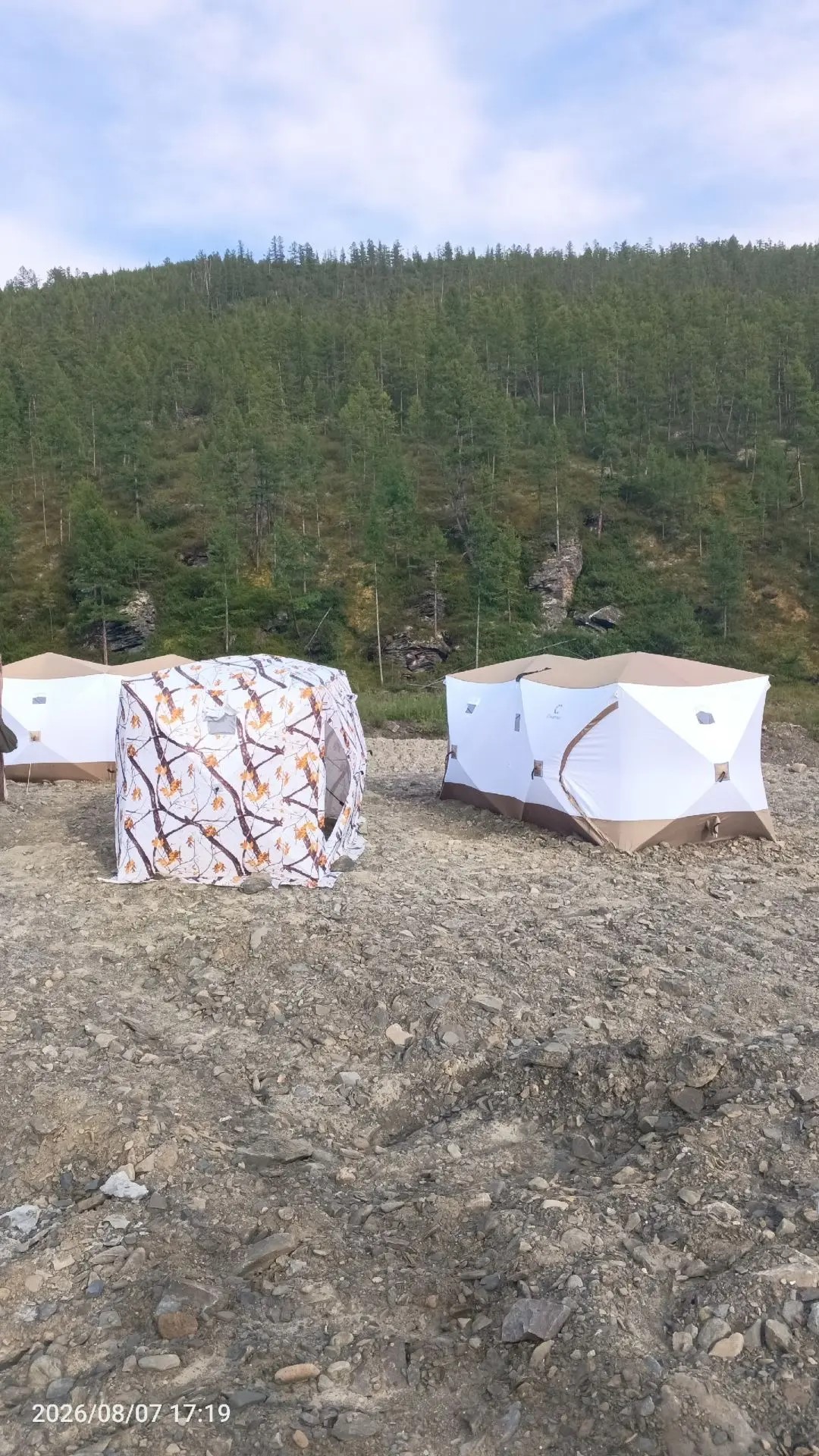
“Fieldwork is especially valuable for students: on site, they develop an understanding of the methodology. During the desk-based stage, it becomes clear why the data looks the way it does. In the Bodaibo District, students sharpened their professional skills: sampling, working with equipment, navigating the terrain, and keeping route records and documentation. They also learned to work autonomously in the field and make quick decisions. Equally important are the personal qualities developed in the field, such as responsibility, mutual support, and stress resilience. When you are far from civilization, in a tent, with limited communication, you begin to value your teammates’ support and understand that the overall result depends on everyone involved. It is a life lesson that builds character and helps you become a true professional,” noted Andrey Sumkin.
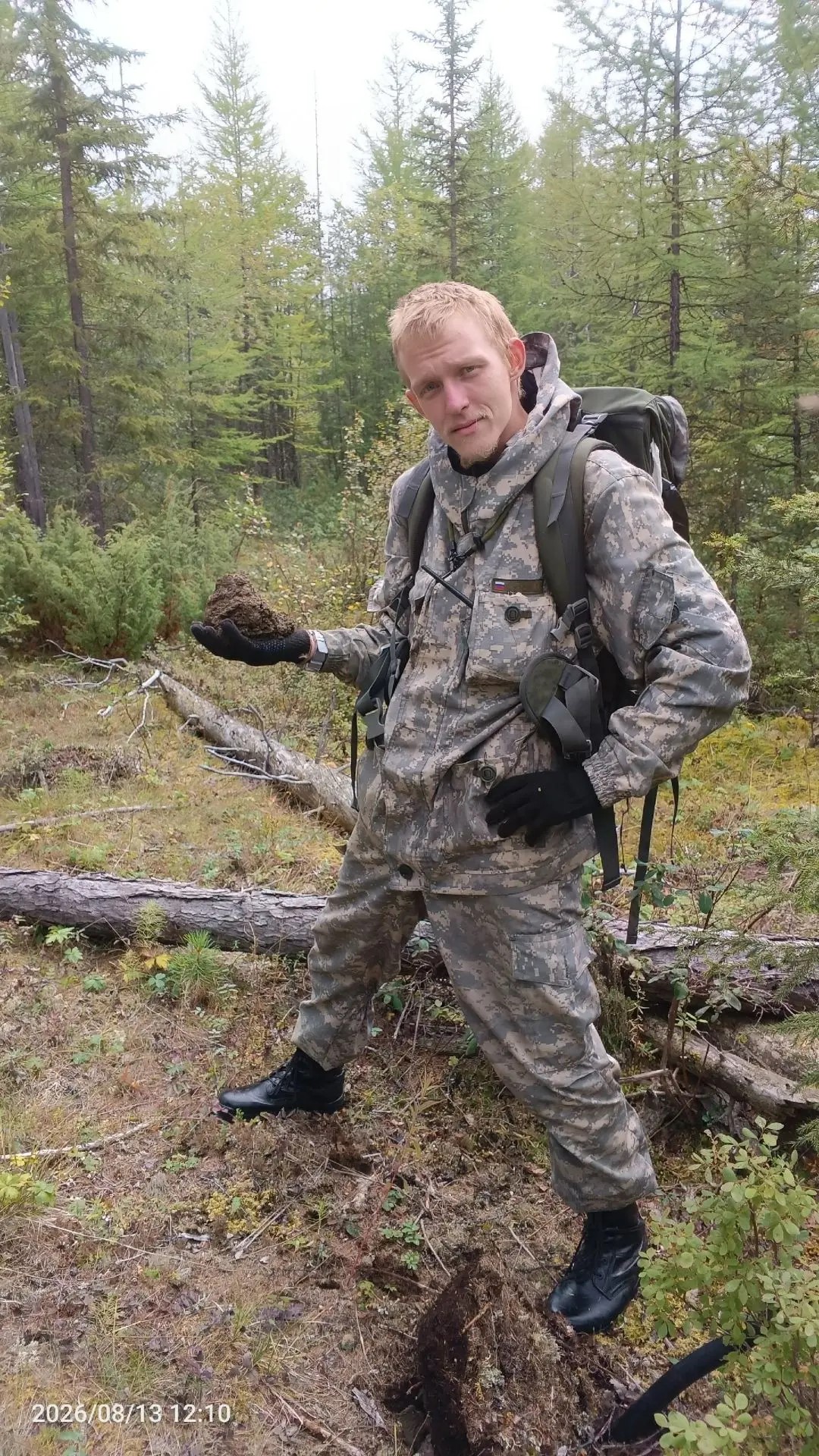
The INRTU team worked according to standard methodology, using a shovel, pickaxe, and sample bag, maintaining consistency, precision, and care so that the samples were not contaminated and provided a true picture.
Currently, the sample preparation stage is underway: samples are being dried, quartered (reduced by quartering), and ground. The analysis will be carried out at the chemical-analytical laboratory. Once the testing is completed, the plan is to interpret the data, build geochemical maps, and identify patterns. This is the desk-based stage, which requires careful processing and interpretation.
Photos provided by Andrey Sumkin