INRTU Opens Up a World: student Danil Starodubov shares his experience of studying in Indonesia
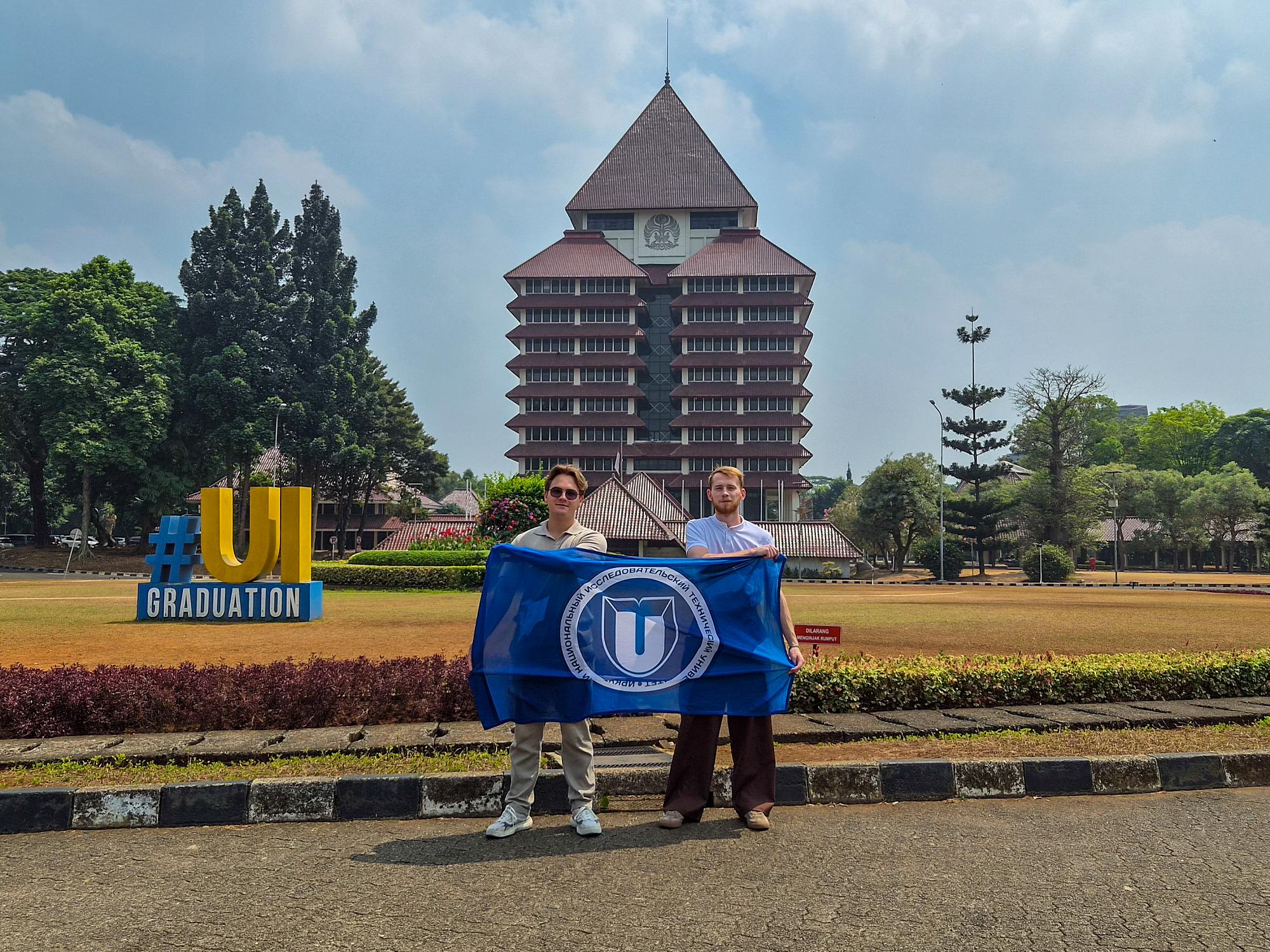
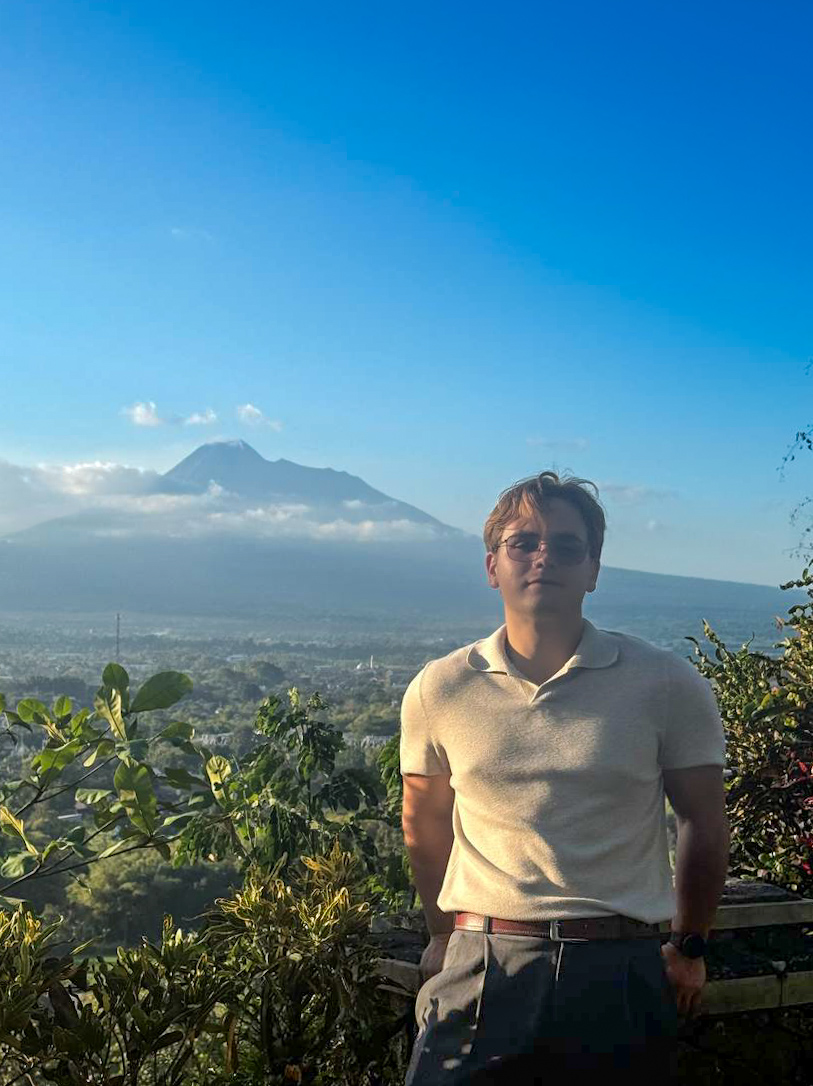
Danil Starodubov, a third year student of INRTU, majoring in the Bachelor’s program “Metallurgy of Non-Ferrous, Rare and Noble Metals” is undergoing an exchange study program at a prestigious Asian university – the University of Indonesia (Universitas Indonesia, UI). The semester-long international academic mobility allowed the student to immerse himself in an English-language educational environment within an international team.
To participate in the internship, candidates must go through a multi-stage selection. Among INRTU’s main requirements for future participants there are an academic performance of at least 4.0 points without any academic debts and foreign language proficiency at a minimum B2 level. Language skills are checked during an internal test consisting of a written part and a speaking test. After successfully confirming language competencies, the student prepares a package of documents, including recommendation letters and other materials those are necessary for application to the host university.
The financial terms of program involve substantial support. The host party completely exempts the exchange participant fr om tuition fees and, in some cases, provides a lump sum payment. For its part, INRTU offers the opportunity to compensate for round-trip travel expenses. This payment is not provided automatically: the university runs an annual internal competition, based on which it allocates a limited number of quotas to cover travel costs.
The academic process at UI has its own specifics and is largely focused on an independent work. The program is taught entirely in English. Students are not assigned to a specific intake. In different courses, classes may be held with completely new people, who may also be studying in different courses.

"The education system here is radically different from the one I’m used to at INRTU. Most courses have only one class per week, and the greater part of course materials are mastered independently. There are no typical seminars: in classes we receive a list of questions from the professor, analyze difficult points, and then complete assignments in groups after classes. Interaction with teachers is built on the autonomy principles – it is assumed that the students first tries to solve the problem on their own, but if necessary, they can always approach the professor after the lecture and get a personal consultation," Danil says.
As for research activities, it’s not that easy to get involved in them within the short-term internship. However, there are separate student and academic communities, wh ere you can get acquainted with research groups and join their projects. Danil also drew attention to the credit system.
"The grading system is also noticeably different: the final score is formed gradually throughout the semester. It is influenced by homework assignments, group projects, weekly quizzes and the midterm examinations. Such a cumulative system better reflects the real work throughout the entire period of study, rather than just the result of the final exam," the student emphasizes.
Immersion in the new environment goes hand in hand with active sociocultural adaptation. Although the Indonesian language (Bahasa Indonesia) is not required for studying, Danil tries to use basic local words in everyday life to make it easier to adapt to the local context.
"The local language isn’t required for everyday life and studying, but I try to use simple Indonesian words as a sign of respect for the local culture. Teachers and classmates react very warmly when they see that an international student is sincerely interested in their country – even a small vocabulary helps to instantly get in touch with anyone and feel more included in the local environment," Danil shares.
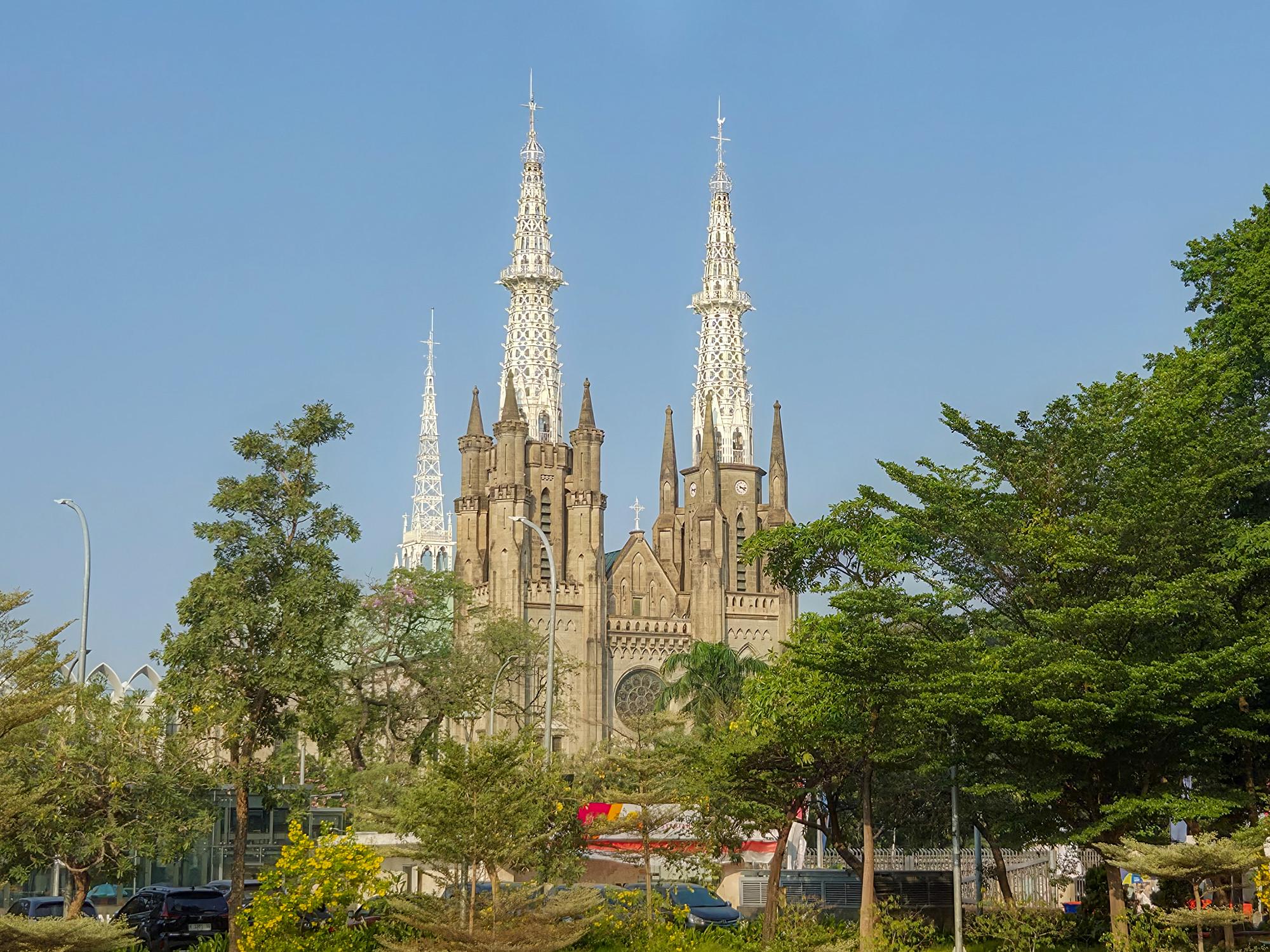
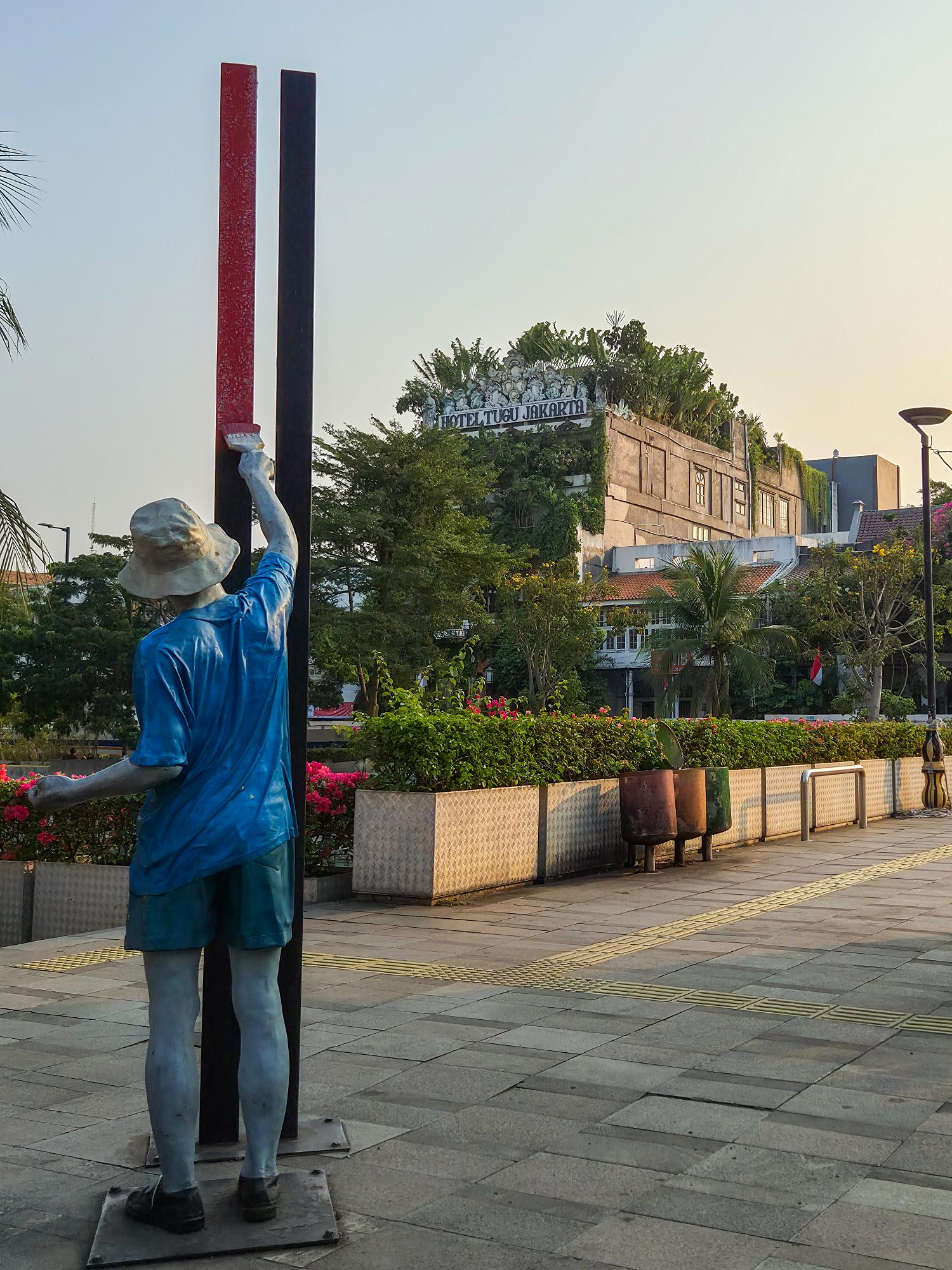
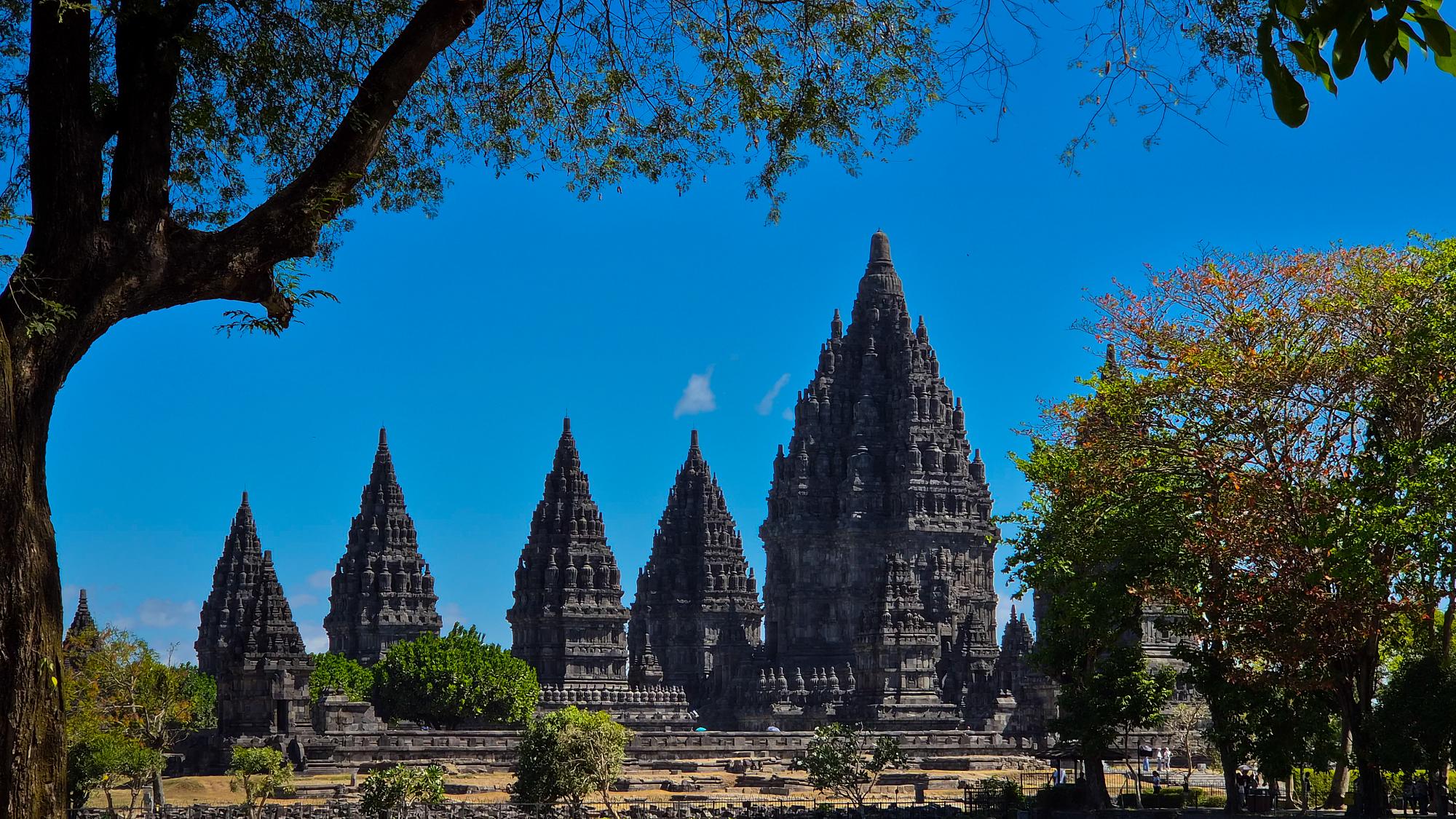
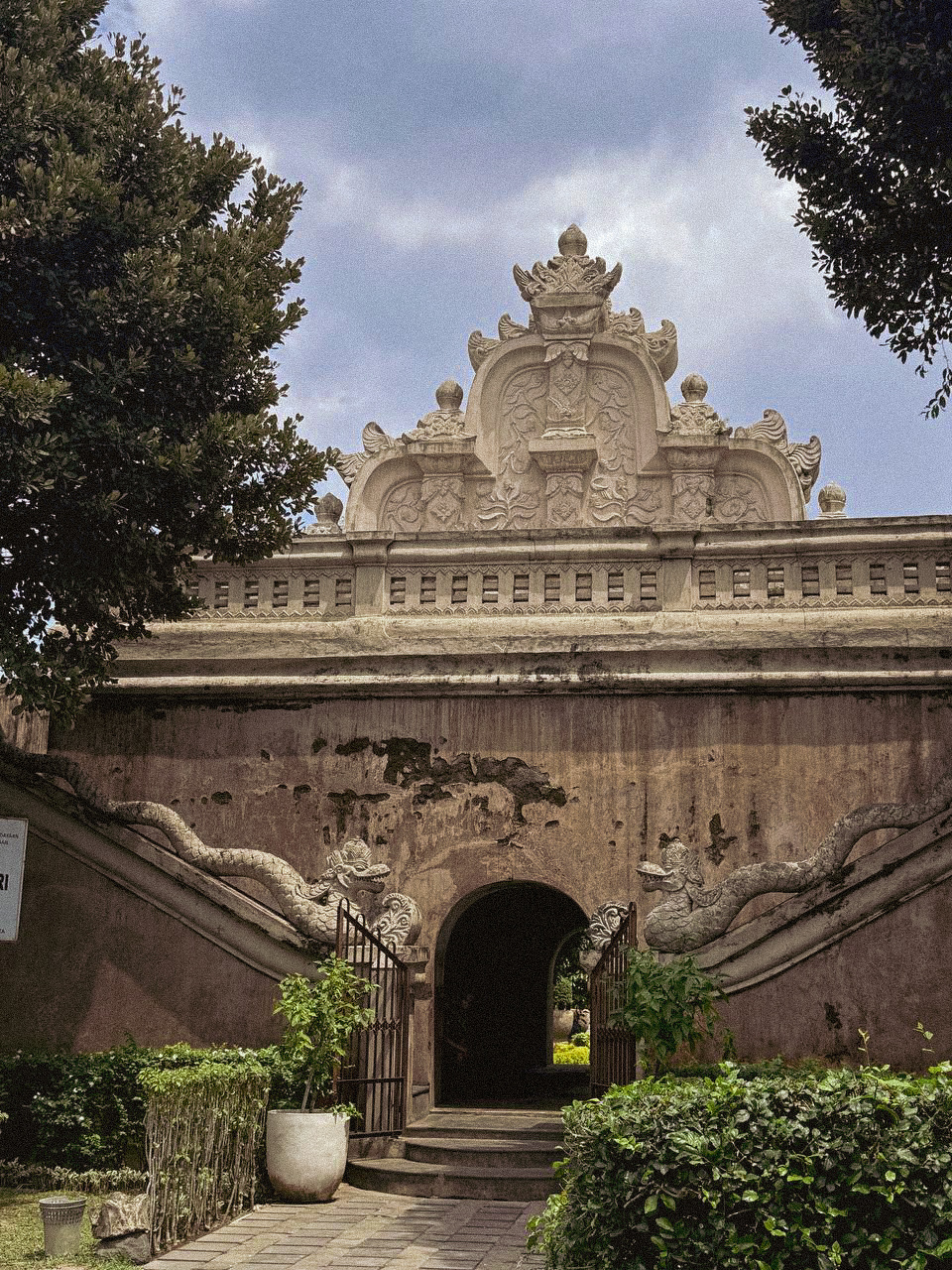
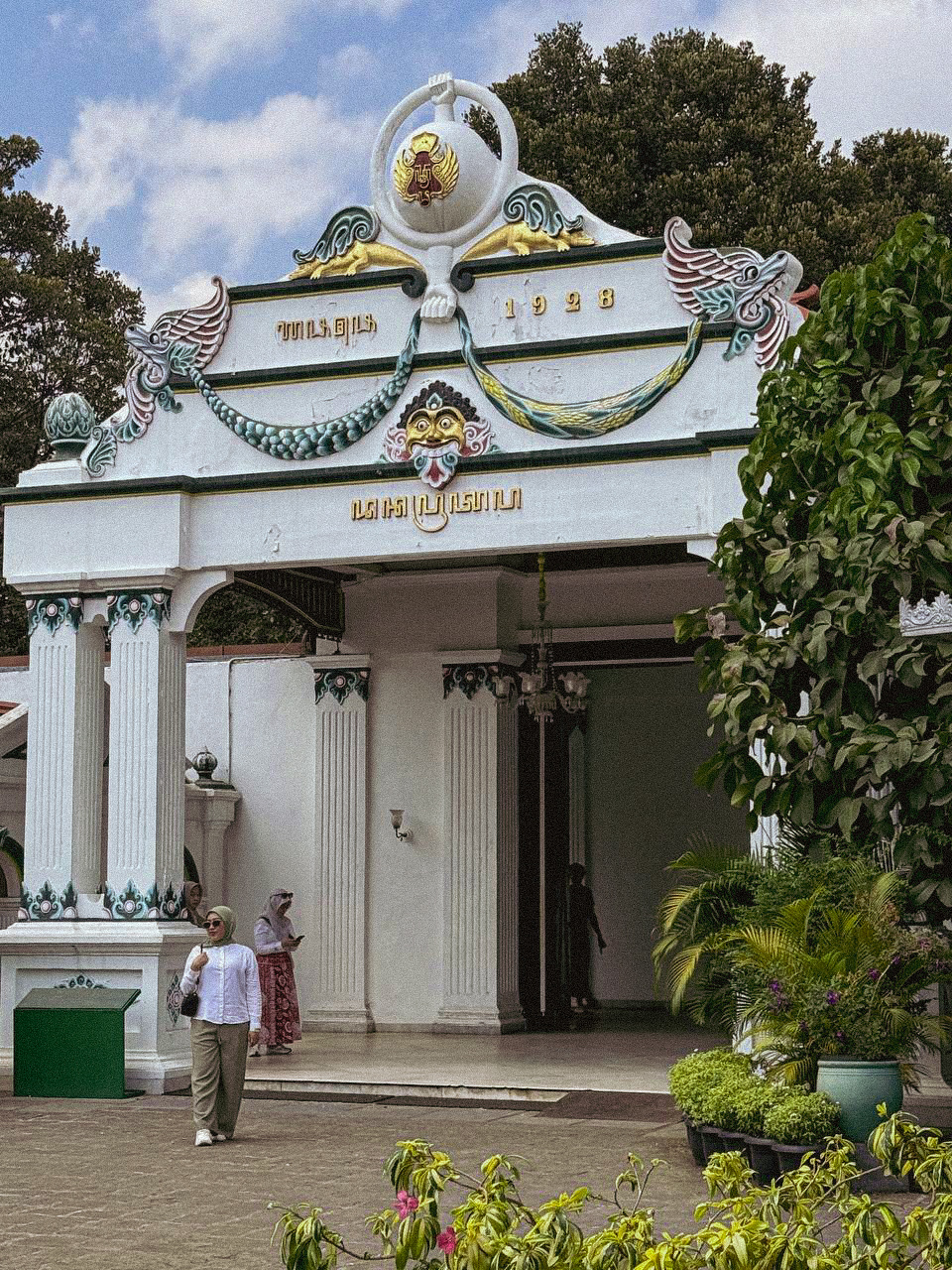
Discovering Jakarta brought the student a lot of vivid impressions. The equatorial metropolis surprises with its contrasts in architecture, its special urban rhythm, its climate and its unusual national cuisine with an abundance of spices, which turns every trip to a local café into a unique gastronomic experience. The Indonesians themselves, including the university community, show genuine interest and friendliness toward foreigners.
"The main and the most valuable skill I have gained here, besides the academic knowledge, is international communication. In just a month, I managed to talk with students from more than thirty countries around the world, which incredibly broadens my horizons. Moreover, professional training in an international group made my English improve much faster," Danil notes.
A successful academic mobility experience is important both for students’ the personal development and for the strategic strengthening of the university's educational programs. Exchange programs allow you to integrate the best international educational approaches into the educational process of INRTU and also increase the global competitiveness of graduates.
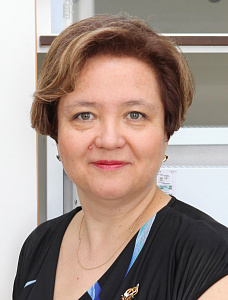
"The participation of our students in exchange programs at leading Asian research and educational centers is strategically important for the future metallurgical engineers. Direct exposure to the international technological standards and foreign academic models allows students to form a global professional outlook, which today is critically necessary for working in the high-tech industry, including the metallurgical industry," Nina Nemchinova, the Head of the Department of Metallurgy of Non-Ferrous Metals metals at INRTU, comments.