INRTU-Developed Technology to Boost Quality and Quality Efficiency in Producing Parts for Superjet
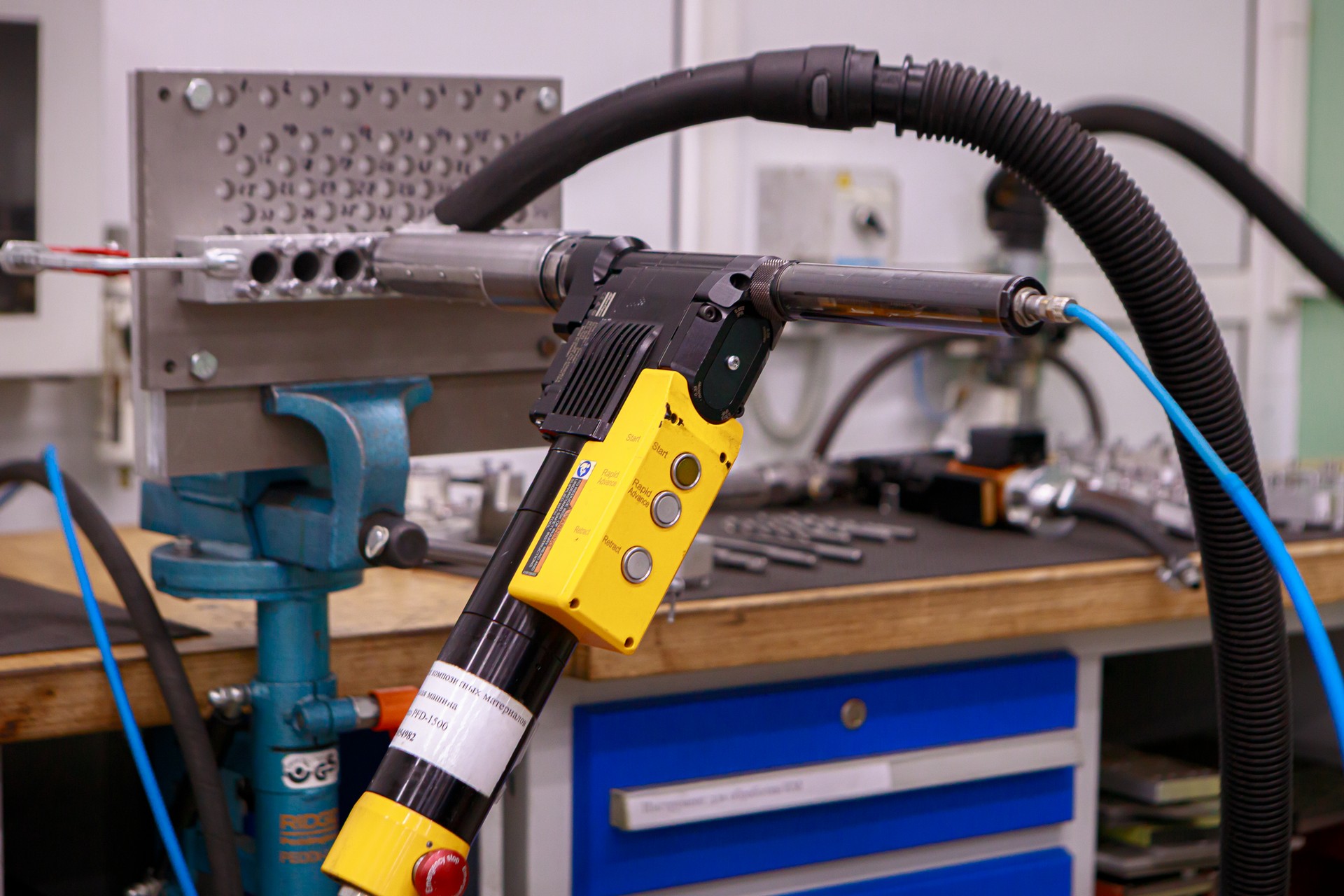
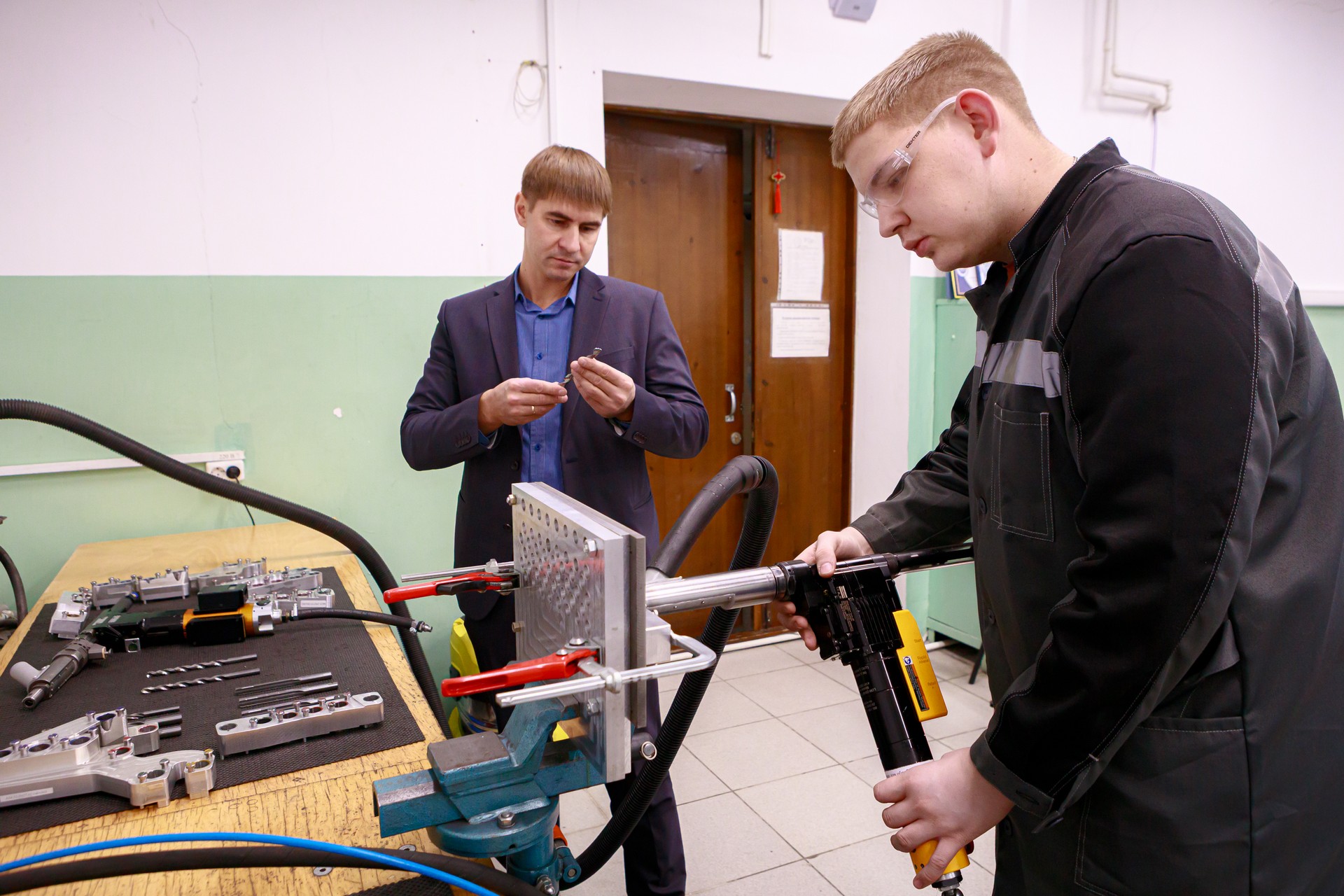
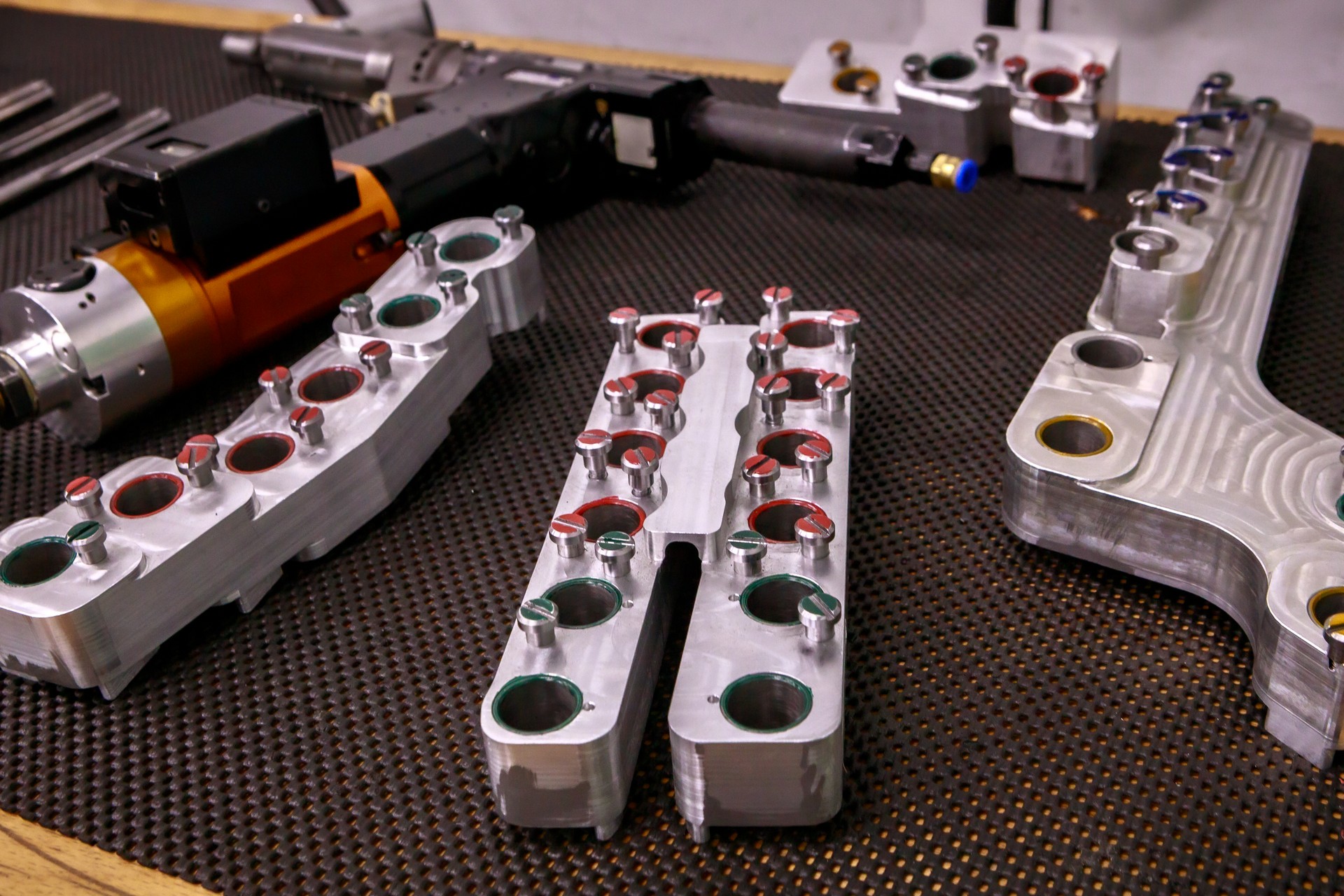
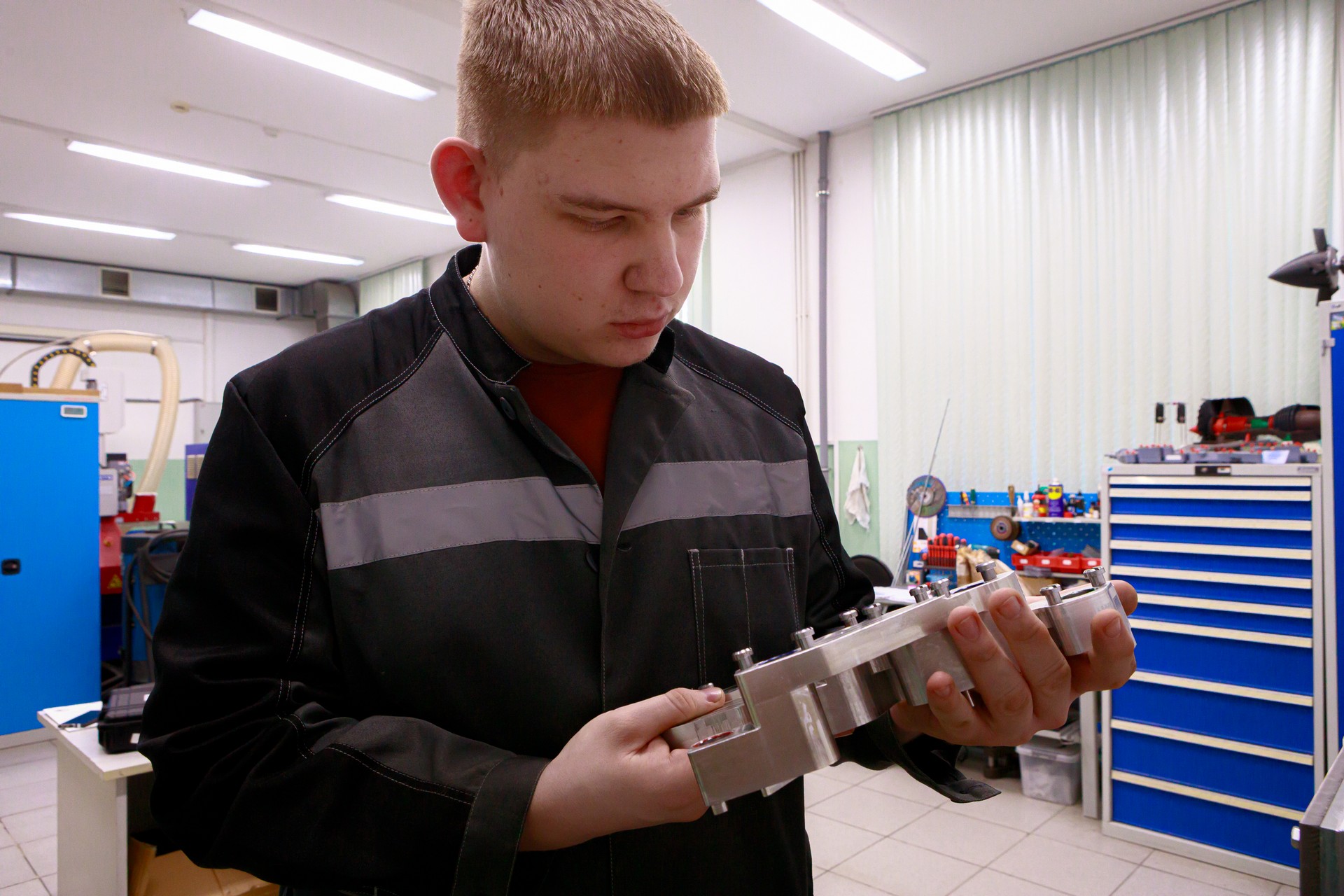
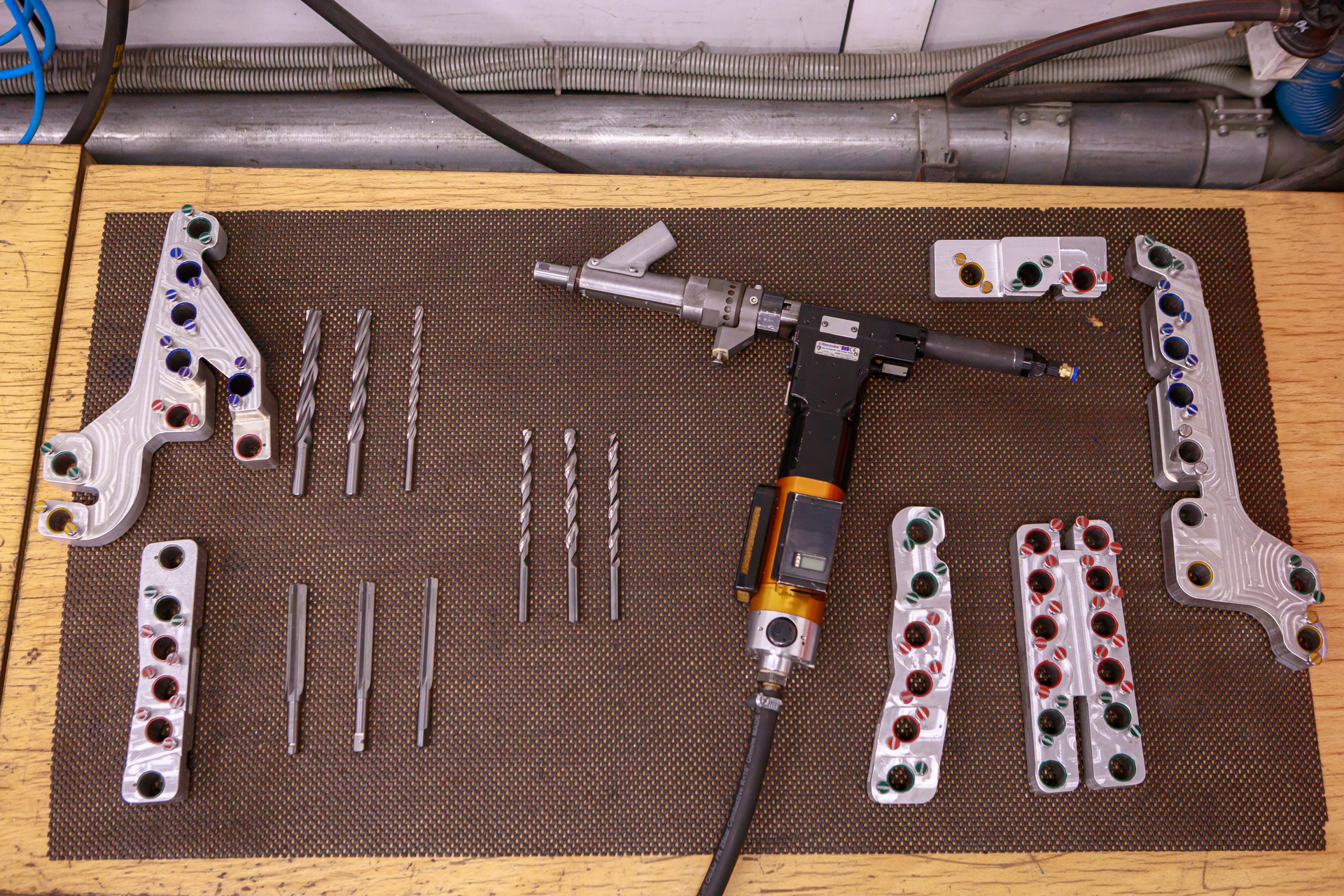
INRTU has completed the second stage of work on developing a technology and special cutting tools for machining (drilling) holes in mixed stacks of titanium and aluminum alloys. The main practical objective is to improve the quality and efficiency of drilling at aircraft manufacturing plants. This is particularly relevant as the Russian aircraft industry, including PJSC Yakovlev, moves to serial production of passenger airliners such as the Superjet New and MC-21.
The work is being carried out on commission from PJSC Yakovlev at the laboratory “Digital Technologies for Manufacturing Products from Polymer Composite Materials”, established under the Priority 2030 federal program. The team is led by Yuriy Ivanov, Candidate of Technical Sciences.
Also involved in the work are lead executor Nikolai Chashchin, researcher and head of the 3D printing section Anton Sturov, training officer Evgeny Semenov, junior researcher Victoria Ivanova, and research assistant and master’s student Ivan Shekunov.
Drilling holes in mixed stacks is a complex process: titanium requires low cutting speeds, while aluminum requires high ones, so a narrow range of compromise settings must be found. The Irkutsk scientists are optimizing tool geometry and cutting parameters to ensure high tool life, productivity, and hole accuracy. As practice shows, the range of favorable parameters is very narrow, but it can be identified through research.
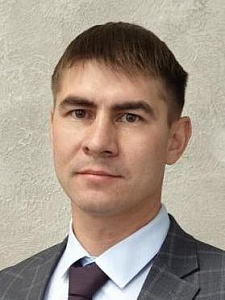
“During the first stage, we studied the accessibility of structural elements of the RRJ-95NEW-100, and we developed a set of special purpose tooling for hard-to-reach areas of the airframe. At the second stage, the developed methodology and tool were validated on prototypes under laboratory conditions. This resulted in high-precision holes,” said Yuriy Ivanov.
The final stage – pilot industrial testing at the production site of the Komsomolsk-on-Amur Aviation Plant named after Yuri Gagarin - is scheduled for 2027.
Photos provided by the INRTU Press Service