INRTU Baikal Hospitality School Chefs and Consulate General of China taught Irkutsk residents Cooking Mooncakes
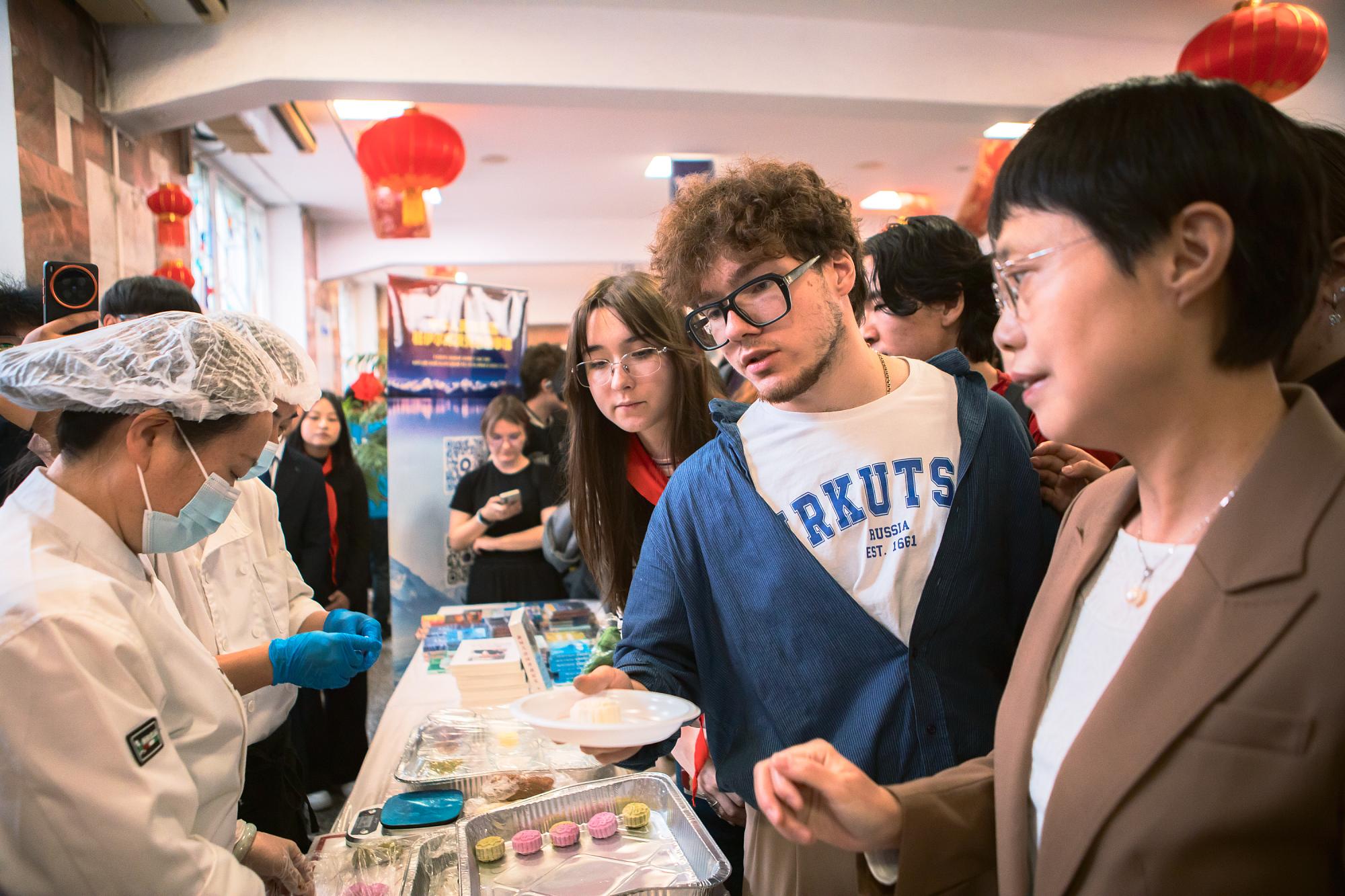
INRTU held a master class on making mooncakes - a Chinese traditional autumn treat. NRTU Baikal Hospitality School Chefs Consulate General of China in Irkutsk supported the project. The cooking master class became one of the highlights of the festival "On the Shores of Lake Baikal".
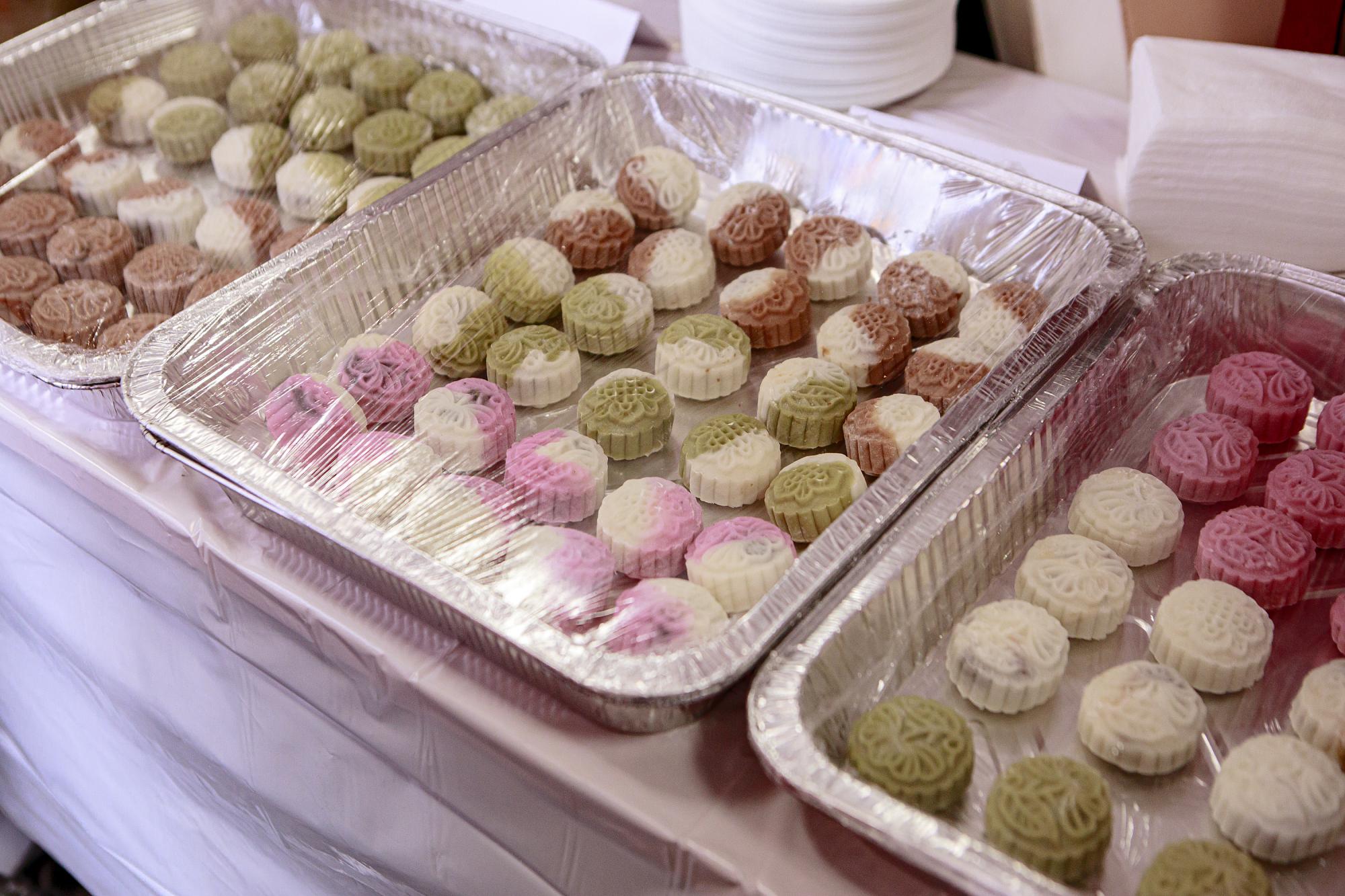
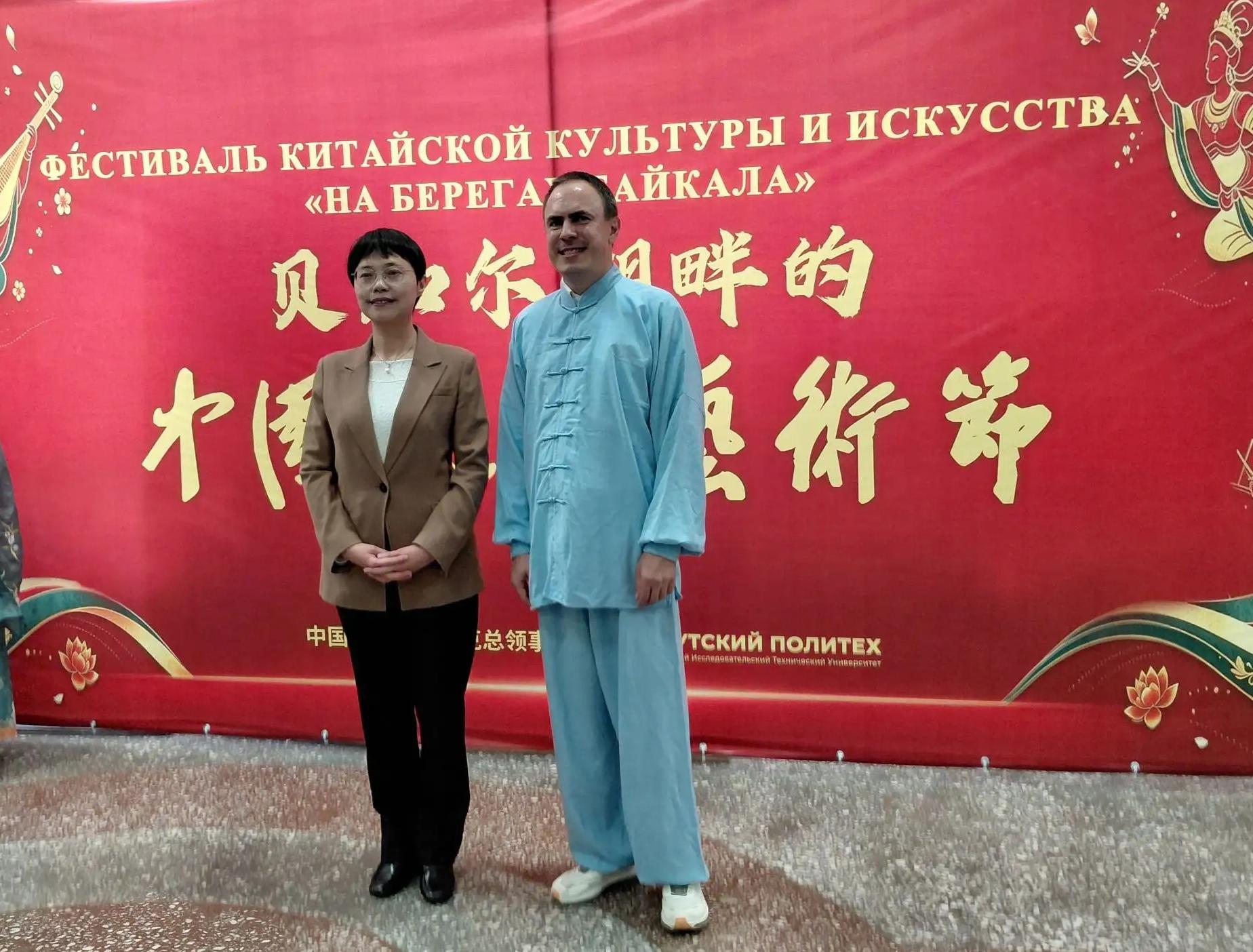
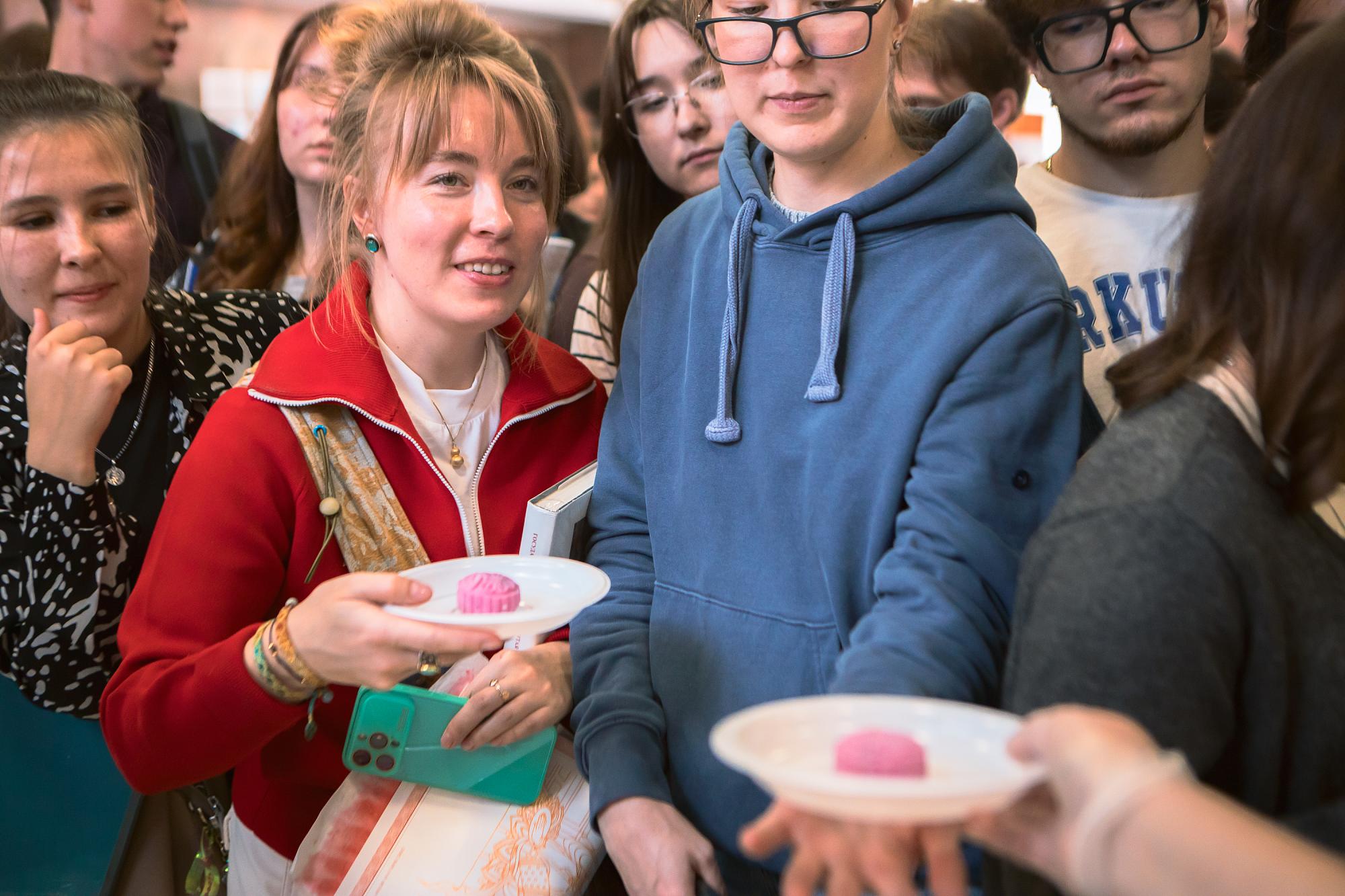
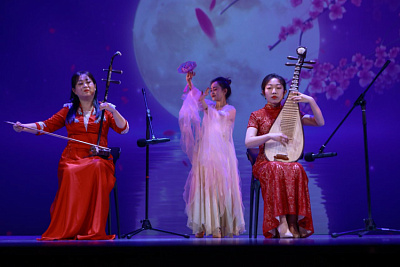
The Festival of Chinese Culture and Art was held at INRTU on October 15-16. The main program included film showings, acquaintance with folk crafts, tea ceremonies, as well as stage performances. A master class on cooking mooncakes was held as part of the festival for the first time. Mooncakes, also known as yuebing, are round sweets with fillings, serving as the main symbol of the Mid-Autumn Festival (Zhong Qiu Jie) in China. These cakes, beautifully packed and decorated with hieroglyphs or traditional ornaments are given to loved ones as gifts.
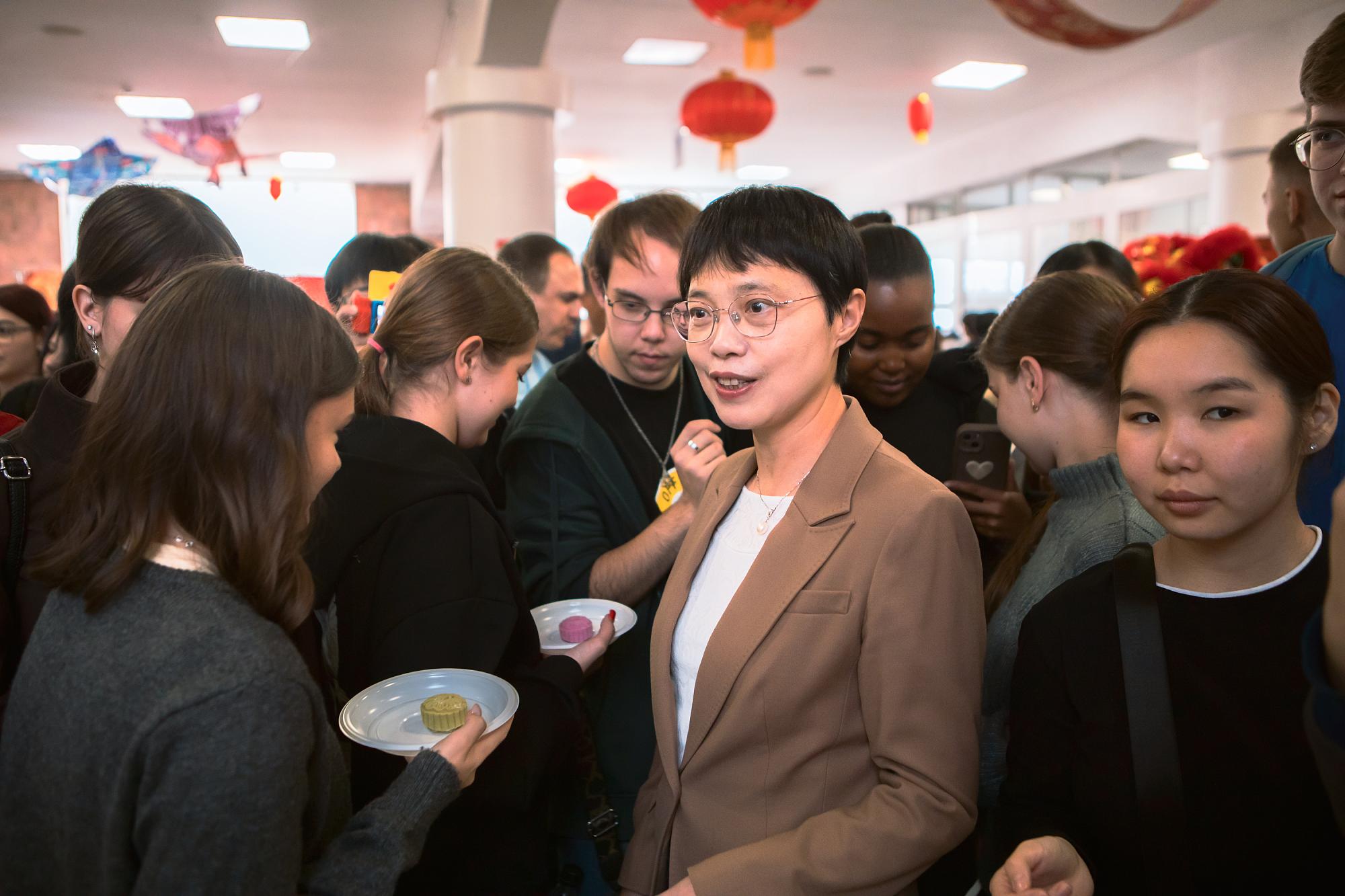
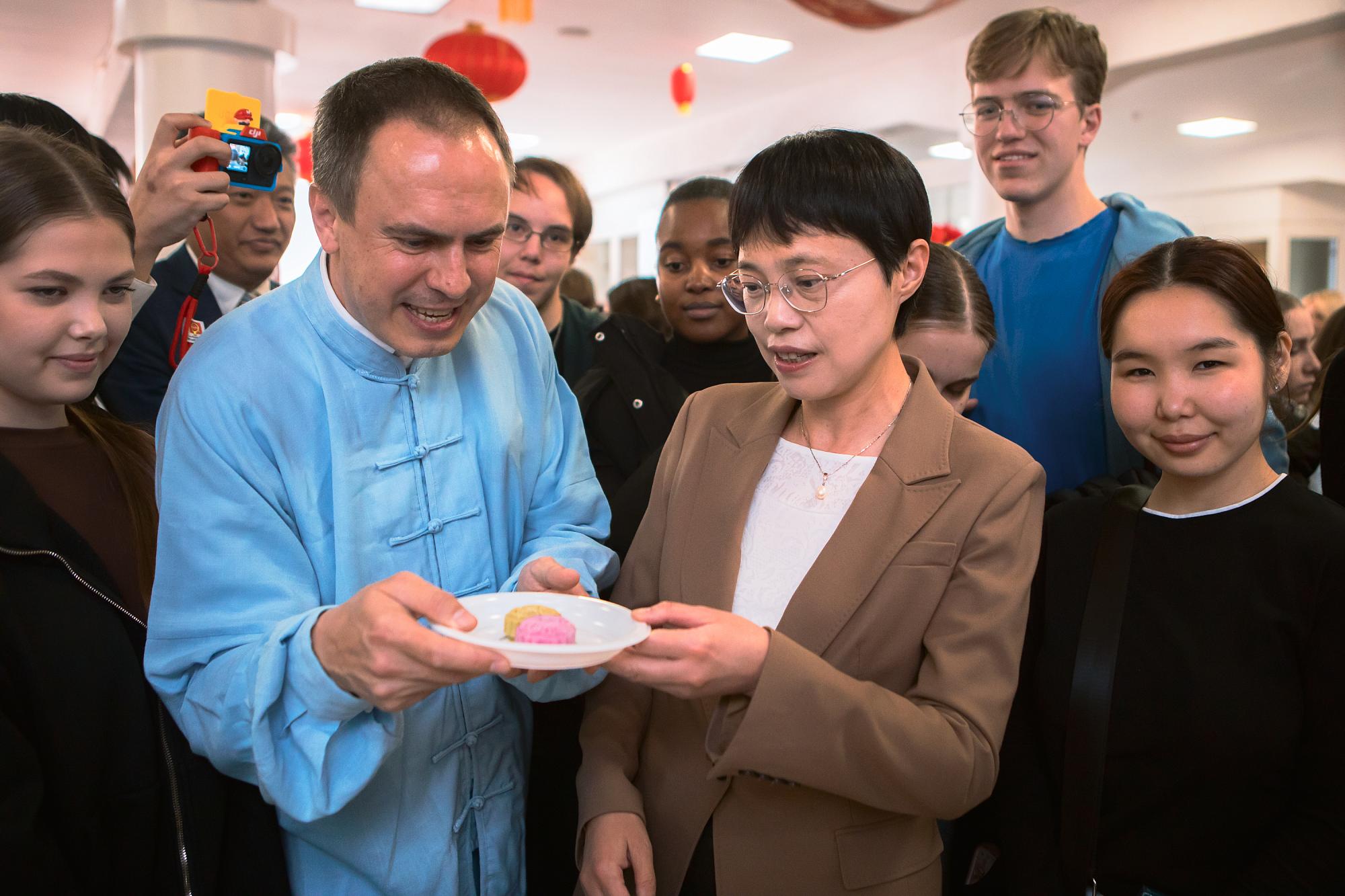
The master class was attended by Ms. Liu Yu, the Consul General of China in Irkutsk. She described cultural exchanges as a bridge connecting nations and highlighted the festival at INRTU as an excellent opportunity to strengthen friendship between the youth of both two countries. The Consulate General is delighted to introduce Russians to the culinary traditions of China.
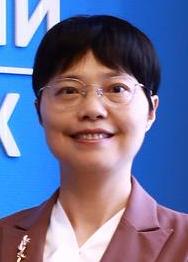
"In China, it is a tradition to share mooncakes with the family, and the people of our countries have truly become like relatives.
That is why, we organized a master class on cooking this wonderful dessert at your university," Ms. Liu Yu noted.
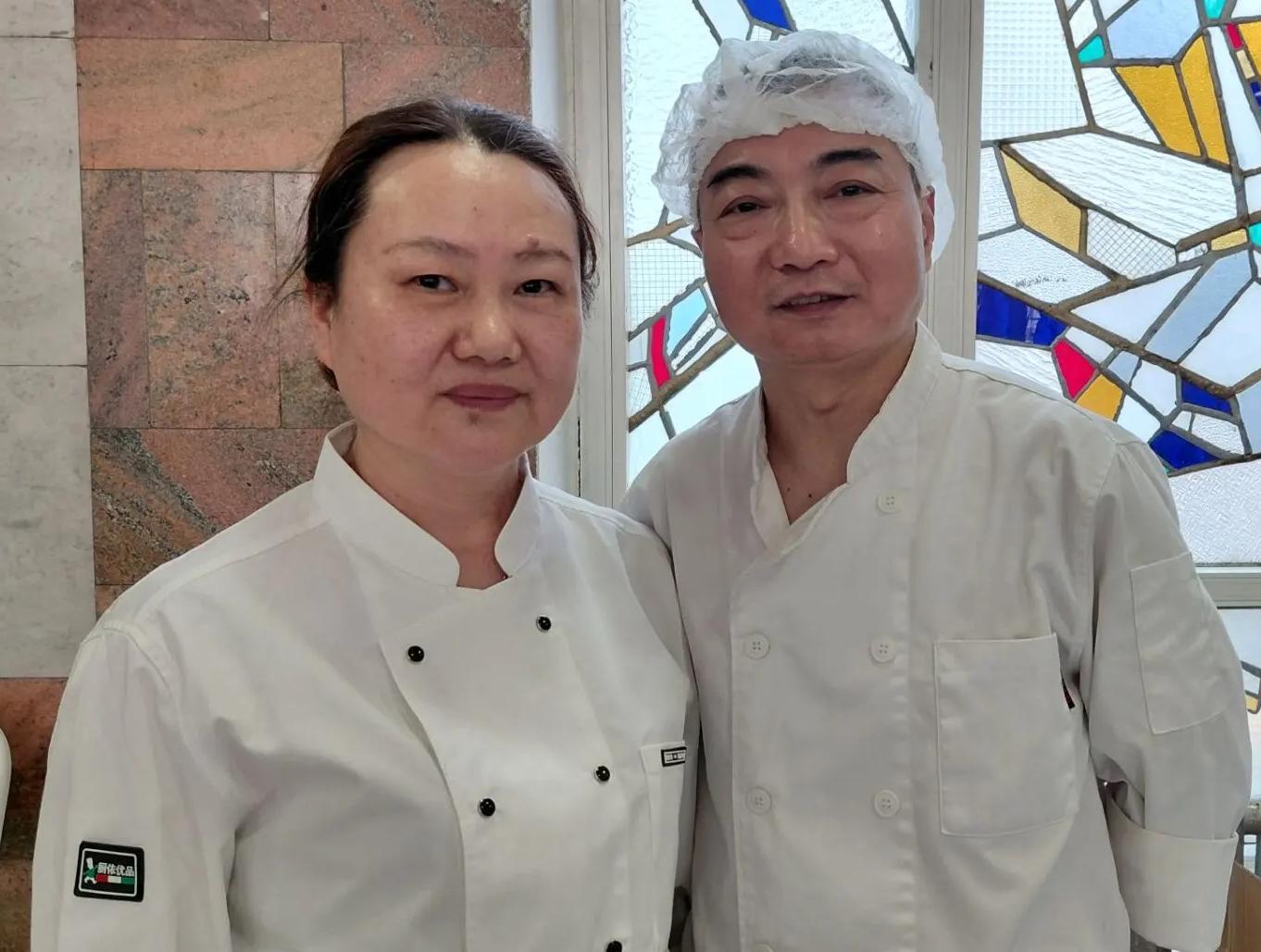
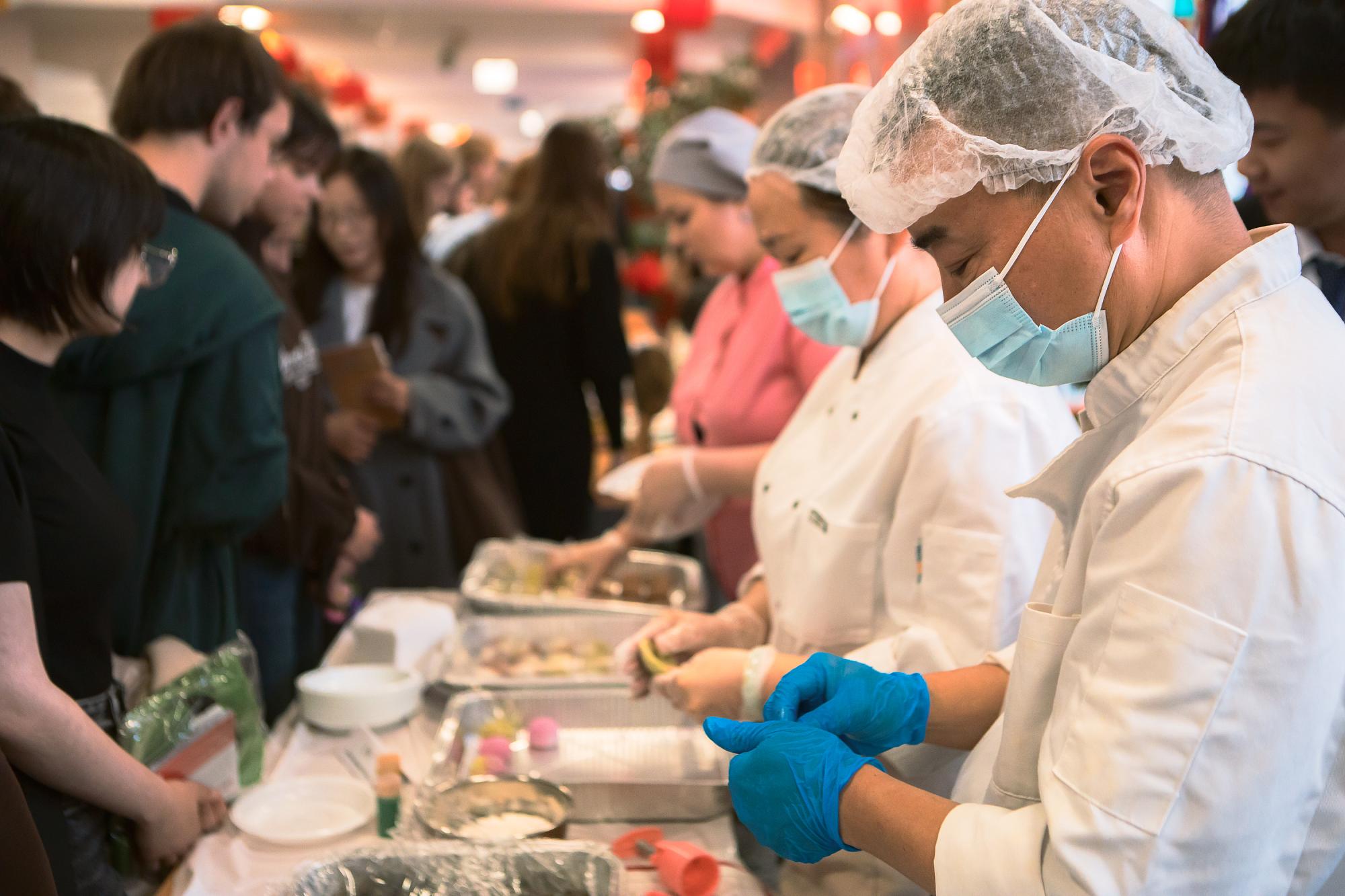
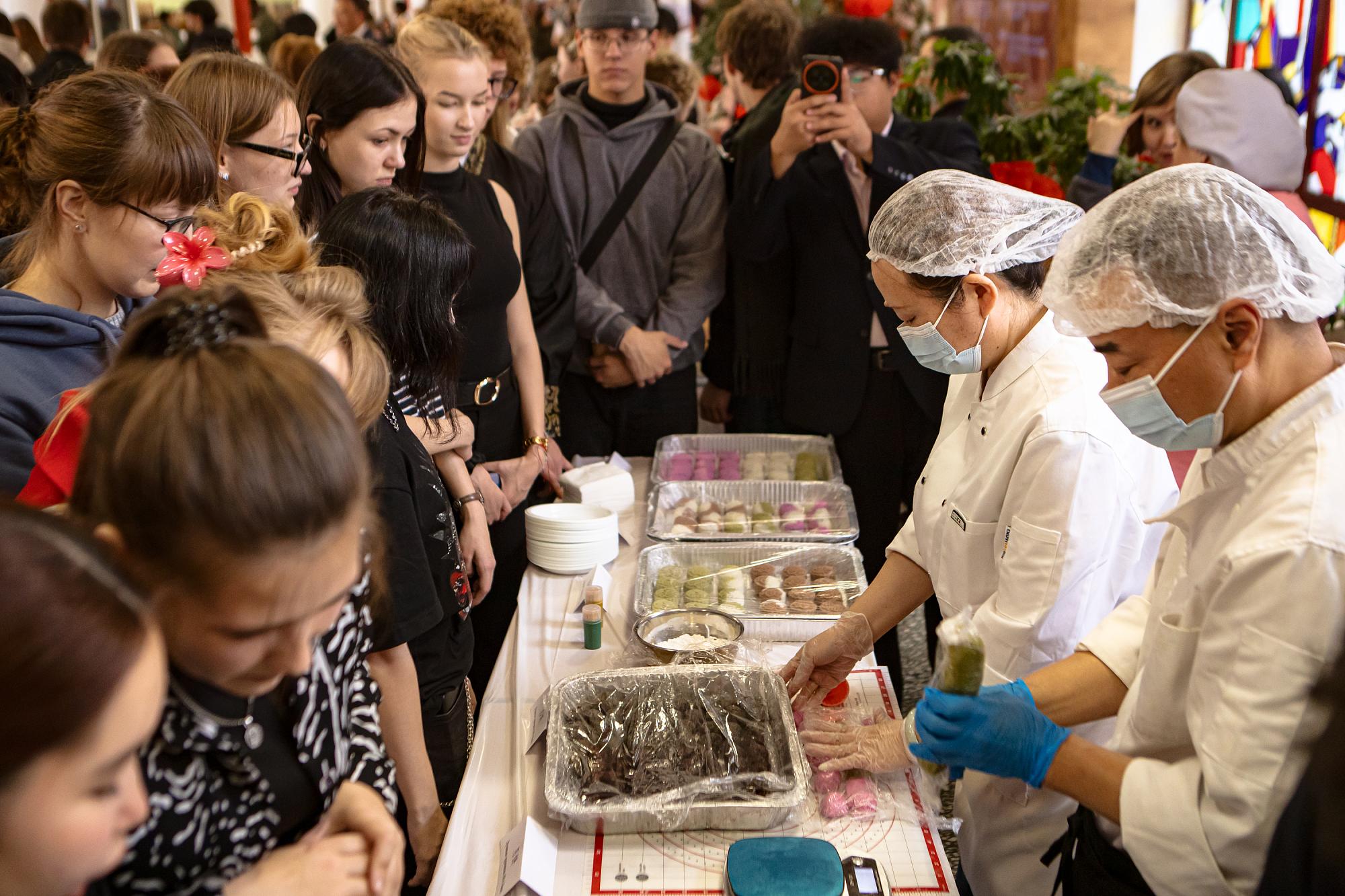
The master class was led by Chen Yong and Yang Hayang, chefs from the Consulate General of China in Irkutsk. They noted that the recipe included red bean, sesame and peanut pastes, which are the most popular fillings in China. The chefs assured that with a little practice, Russian students can easily cook such cakes at home.
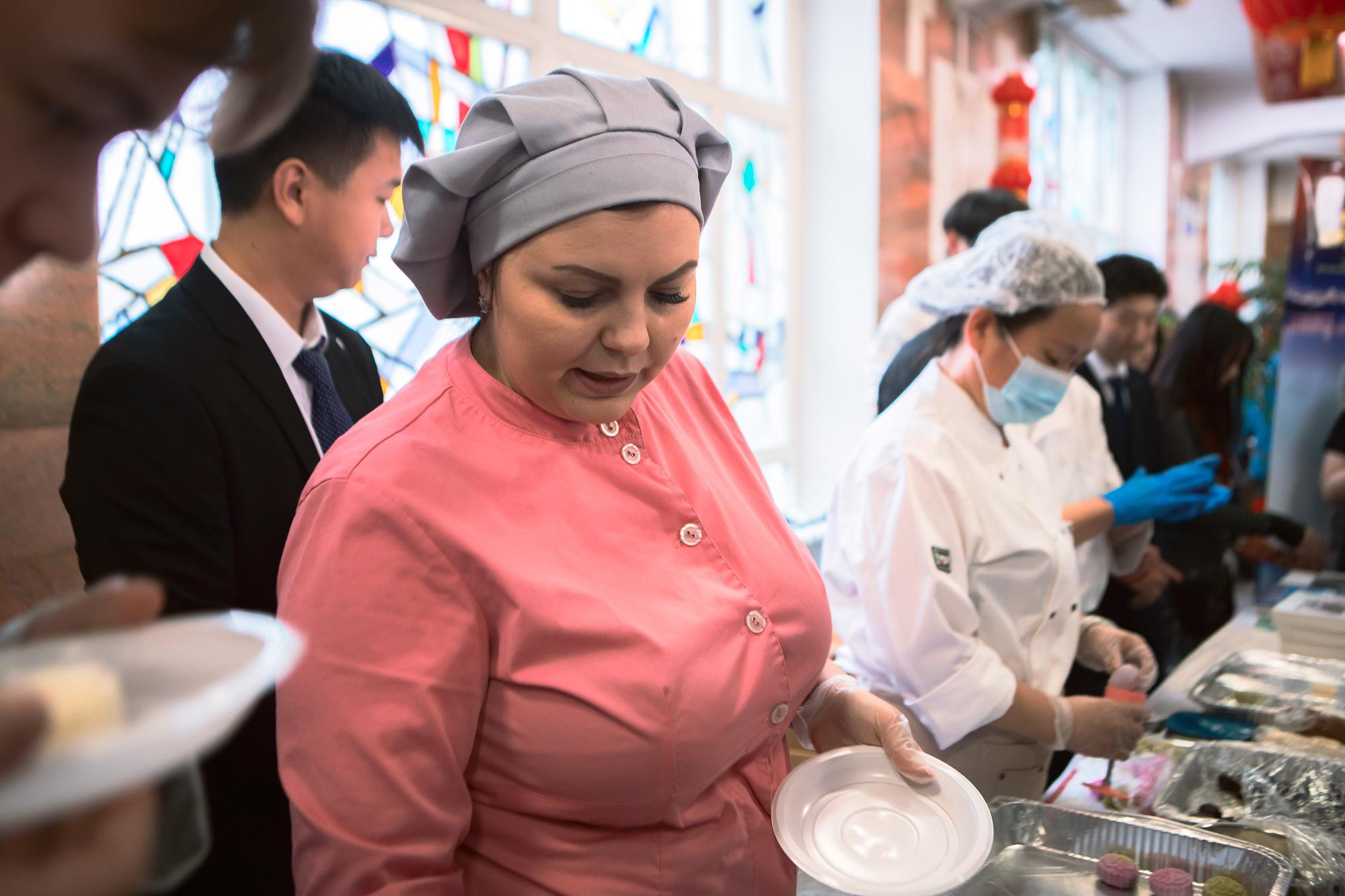
Alongside the Chinese chefs, Alena Eshchenko, deputy director of the Food Factory and the Baikal Hospitality School teacher, treated the festival visitors to Chinese sweets. Having previously learned how to cook "Squirrel Fish" from her Chinese colleagues, she was now shown how to make a dense steamed rice dough and prepare traditional fillings for yuebings. The cooking process involves rolling out the dough, adding the filling and shaping them using a special mold. Due to the fact that the dough is already steamed, there is no need to bake the product in the oven.
Alena Eshchenko plans to use a similar technology to come up with a recipe for syrniki for the INRTU cafeterias. One of the best options is to bake them in the oven, relying on the yuebing visuals.
Alena's proposal was appreciated by the guest of the festival, IT student Dmitry Tsydendambayev:
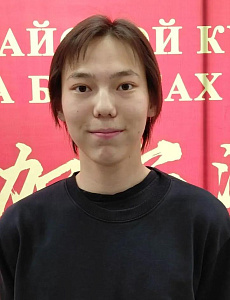
"The taste of gingerbread is unusual; I especially liked it with sesame. The idea of yuebing syrniki sounds curious. I'd like to try them with chocolate and beans fillings, as well as vanilla flavored."
Nikita Pavlov, a third-year student from INRTU and a future sinologist, said that the festival reminded him of his internship experience in China:
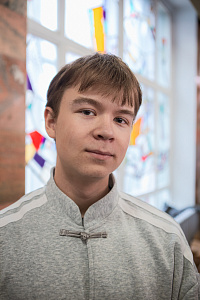
"This is my second time attending the festival, and once again, I thoroughly enjoyed the entire experience. I bet that mooncakes could gain popularity at INRTU.
INRTU is a popular choice for many students from China, while more and more students of our own students are choosing to study there on exchange."
According to Stepan Bykov, the Vice-Rector for International Affairs of INRTU, national cuisine is often a key to understanding another country’s cultural nuances.

"China's culinary culture is one of the most outstanding in the world and it is well-known here in Irkutsk. However, not everyone is familiar with China’s traditional festive dishes. For example, just as we boil and paint eggs for Easter, make dressed herring and an Olivier salad for the New Year, China has its own special food dedicated to celebrations.
I first tried mooncakes three years ago on during a business trip to Jilin Province and I found them delicious. Now that the chefs from the Consulate General and the Baikal Hospitality School have prepared this traditional dessert together, we can see exactly how the mutual enrichment of cultures takes place," Stepan Bykov said.
The Baikal Hospitality School of INRTU has a strong track record of working with China. Not only does the school arrange international internships for Siberia’s top chefs in China, but in 2026, INRTU also teamed up with the Manchurian Institute of the Russian Language to launch a joint culinary workshop.