Siberian School of Geosciences’ Aurum First Research Yacht Wins 100-Mile Race of Heroes on Lake Baikal
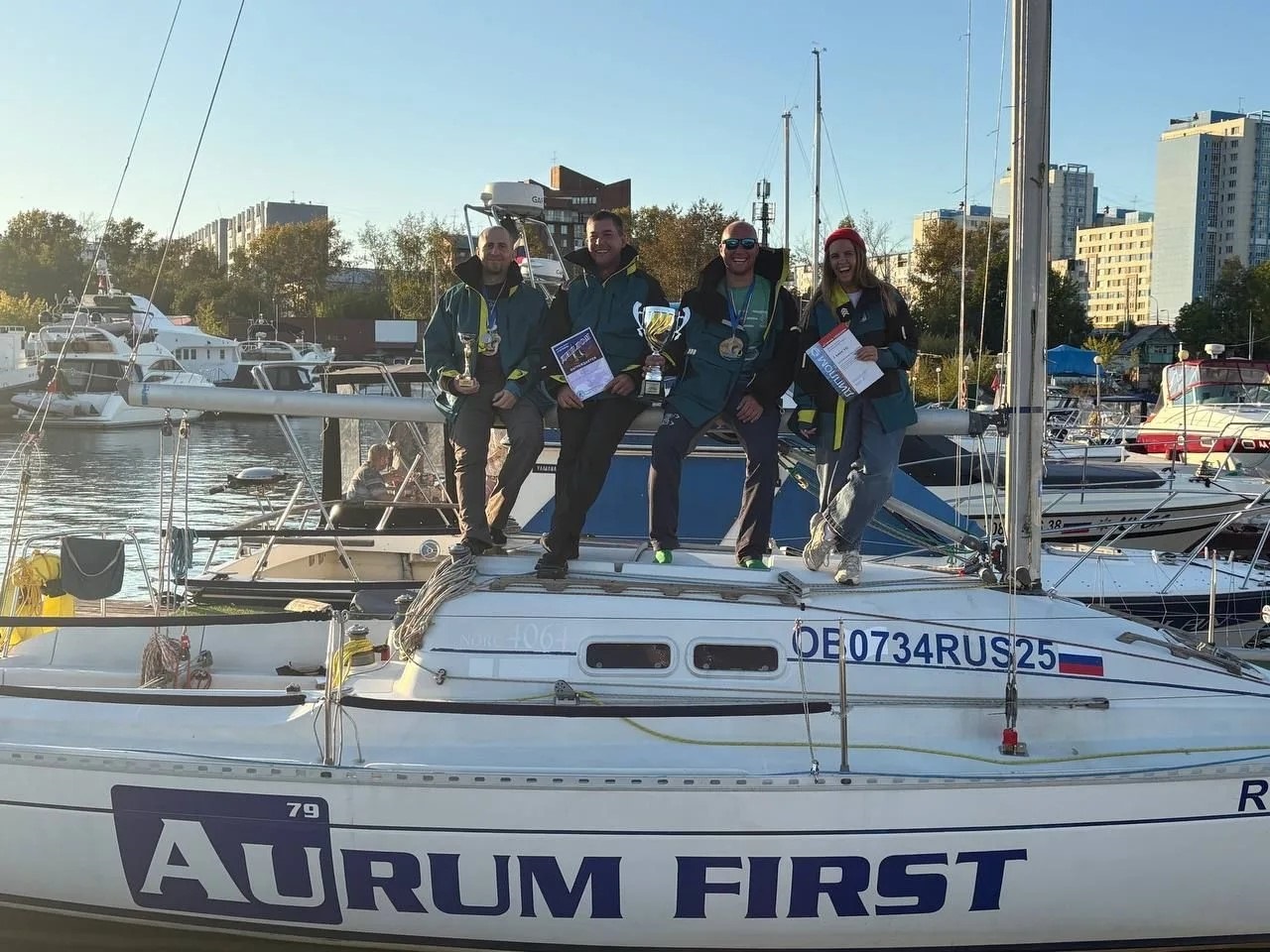
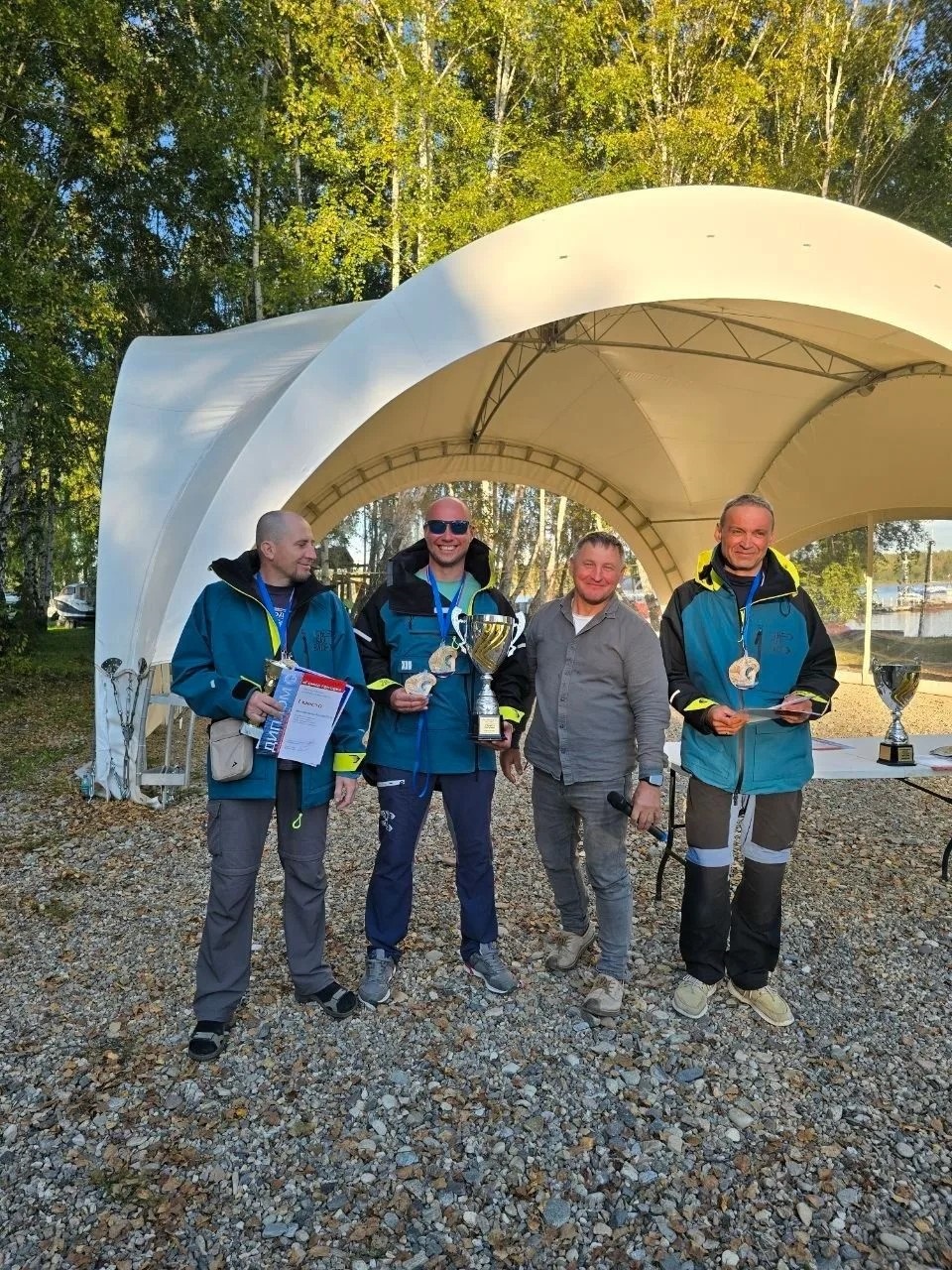
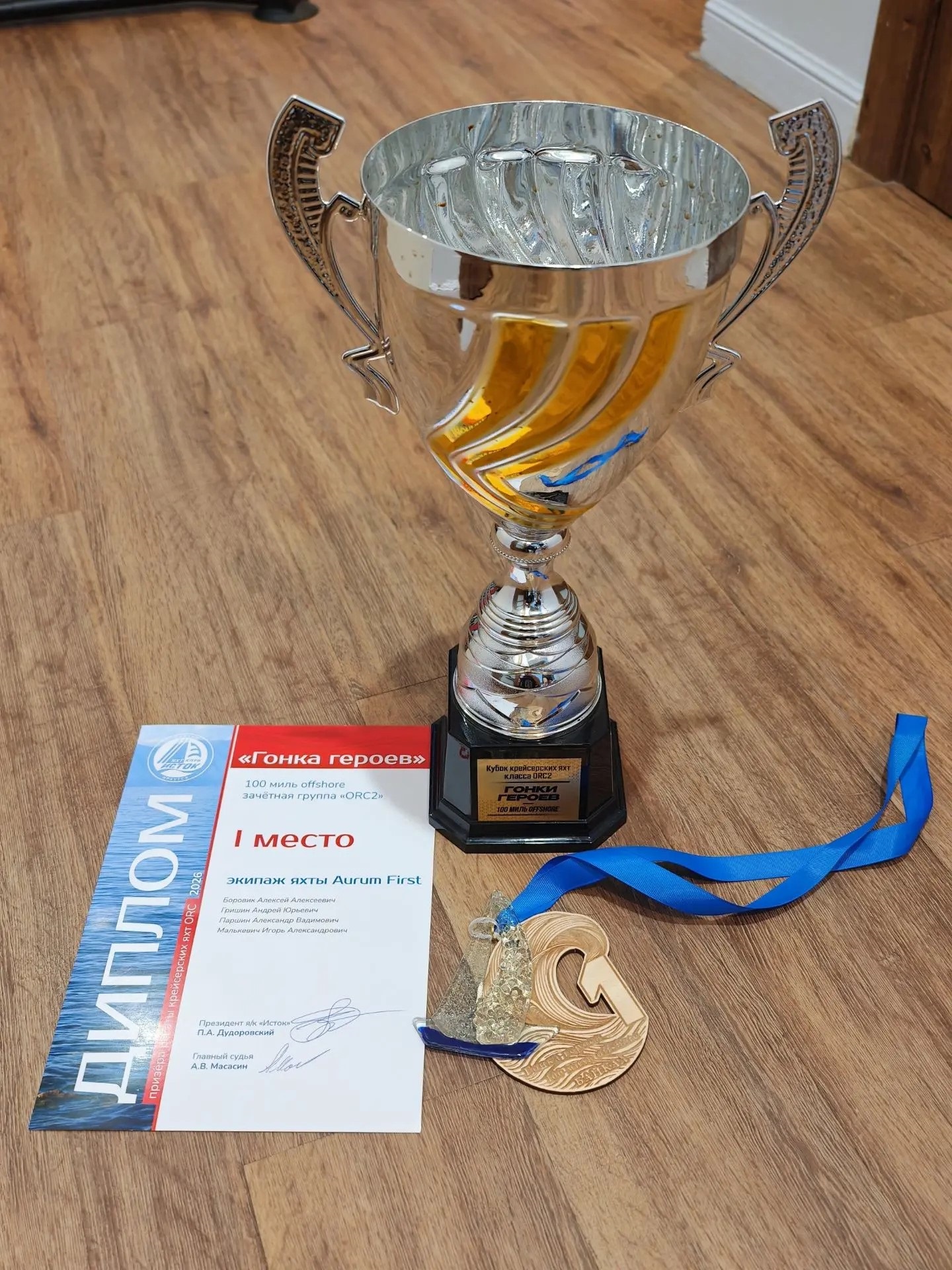
Aurum First, the yacht used by the Siberian School of Geosciences for environmental and hydrogeochemical research on the Angara River and Lake Baikal, has won the Baikal region’s toughest and longest regatta, the 100-mile Race of Heroes. The crew completed the course in 26 hours, winning the ORC2 challenge trophy along with medals, certificates and prizes. The sailors were also put forward for Russia’s Second Sports Category qualification.
Eleven teams competed in the official standings, while several other yachts sailed outside the classification. Nine crews representing the ORC1 and ORC2 classes made it to the finish. The last yacht to complete the race spent more than 30 hours on the course.
Aurum First was sailed in the interregional offshore race across southern Lake Baikal by a four-person crew whose members are regularly involved in the Siberian School of Geosciences’ marine projects, including instructors from the Navigation School and skippers of yachts used for environmental research and international programs on the Angara and Lake Baikal. The crew comprised Aurum First skipper and INRTU Vice-Rector for Geology, Earth and Environmental Sciences Alexander Parshin; Sirius skipper and Chairman of the Irkutsk Region Sailing Federation Alexey Borovik; Veya skipper and Federation Council member Andrey Grishin; and Igor Malkevich, a member of the Aurum First team in the Irkutsk Cup races.

“From the outset, I believed Aurum First was well suited to the conditions of the Irkutsk Reservoir and Lake Baikal, with their steep waves and frequent shifts between dead calm and storm-force winds. That was precisely why we chose this yacht from all the options available. And it has proved capable of competing in many situations with newer, larger, purpose-built Performance-class racing yachts. I think it handles rough seas and strong winds particularly well, while also performing strongly on certain points of sail when there is almost no wind.
A good yacht also makes it easier to bring together a great crew. In a race this long, sporting qualifications alone are not enough: the crew’s resilience and experience matter just as much as the boat. It is always tempting to ease off and get some sleep instead of freezing, battling the wind and waves and squeezing every last bit of speed out of the yacht, or, at the other extreme, spending seven hours straight trying to catch the slightest breath of wind in a dead calm. This victory came down equally to a first-rate crew and a very good boat,”
Alexander Parshin said.
This year, the Aurum First team is aiming for several more major victories, including the At the Source and Velvet Autumn regattas and the Irkutsk Cup. Following the August round of the Irkutsk Cup, the team moved into first place in the ORC2 division.
“We hope that several more Siberian School of Geosciences staff and students will pass their exams with the State Inspectorate for Small Vessels in September. That will make it easier to run our monitoring expeditions and will also give us more people who can join the racing crews. We have several more sampling trips planned for September, including expeditions involving our international colleagues and newly enrolled students.
The Siberian School of Geosciences’ annual student autumn regatta is tentatively scheduled for September 18 to mark the end of the field season and coincide with the gathering of the School’s field teams. This time, student crews will have the chance to compete against one another,”
Alexander Parshin added.