Installation Begins in Irkutsk on Large-Scale “Birth of Light” Mosaic Created by INRTU Artists
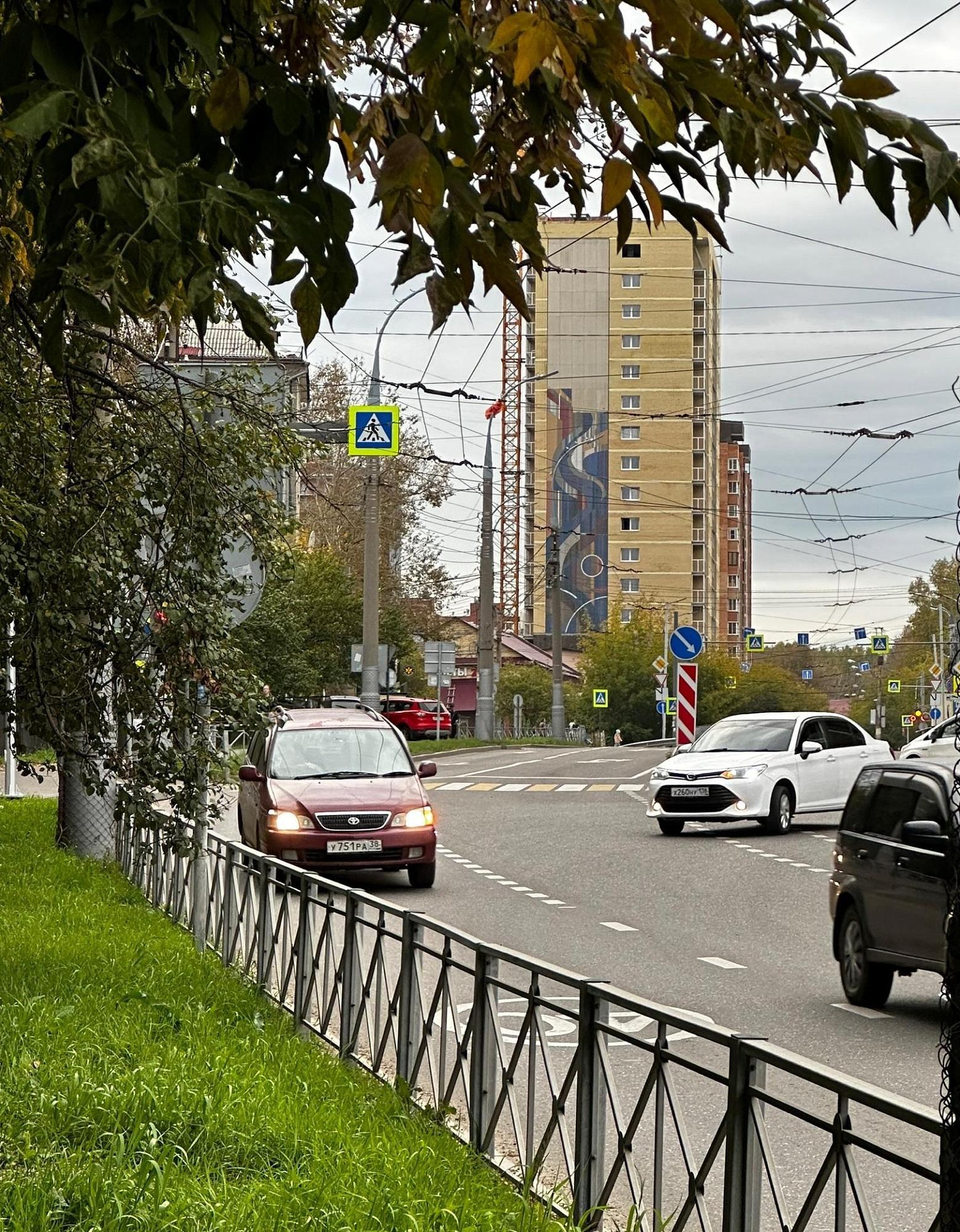
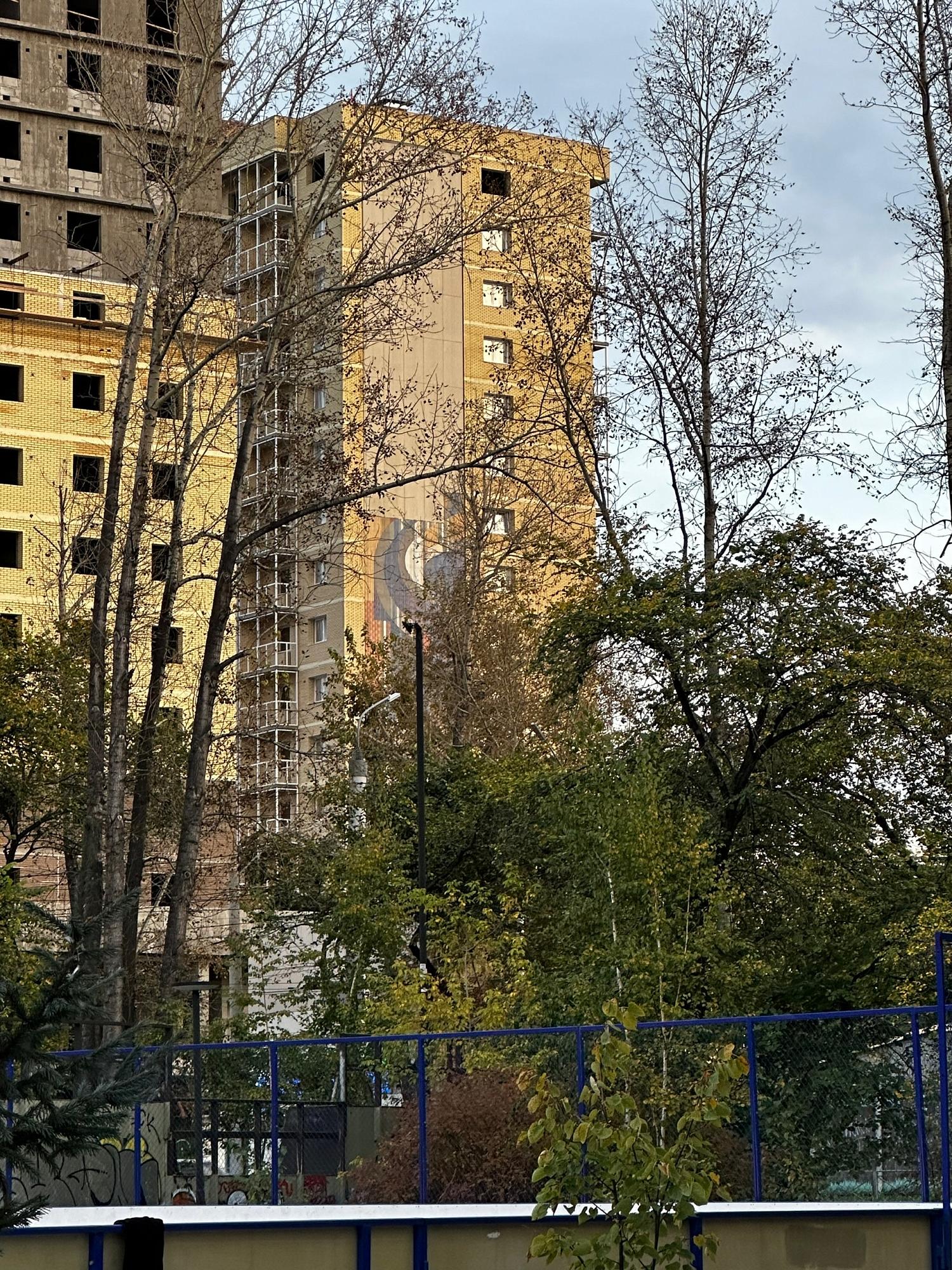
Installation has begun in Irkutsk on a large-scale mosaic created by INRTU staff and graduates. The artwork, titled “Birth of Light,” will adorn the façade of a new 17-story residential building near Yakobi Bay.
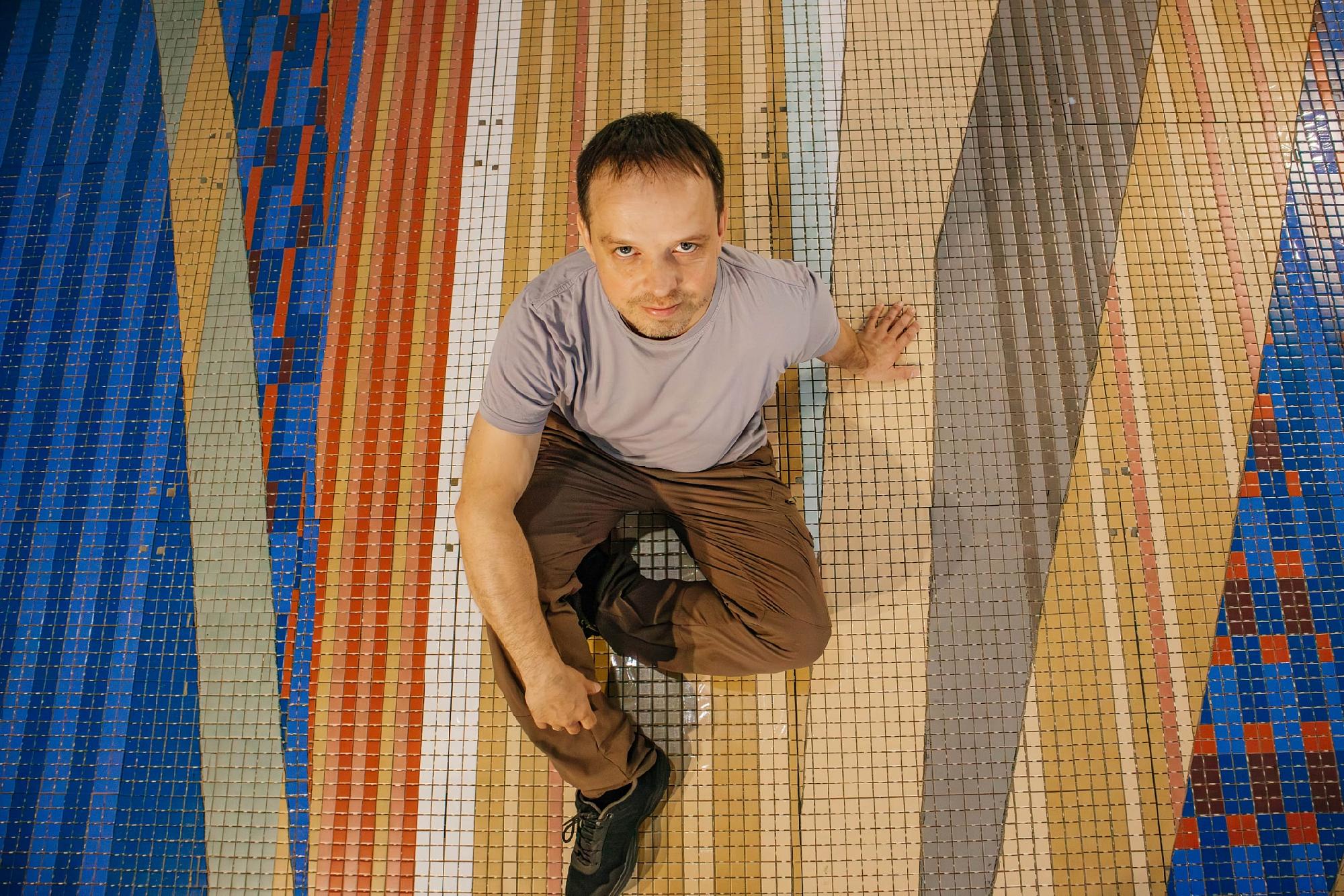
The concept was developed by Dmitrii Dorokhin, Professor and Head of the Department of Monumental and Decorative Painting and Design named after V.G. Smagin.
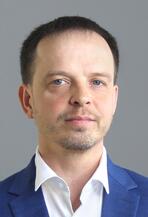
“The moment has finally come when the design becomes part of the architecture. All 240 square meters of the ‘Birth of Light’ mosaic are gradually taking their place on the building.
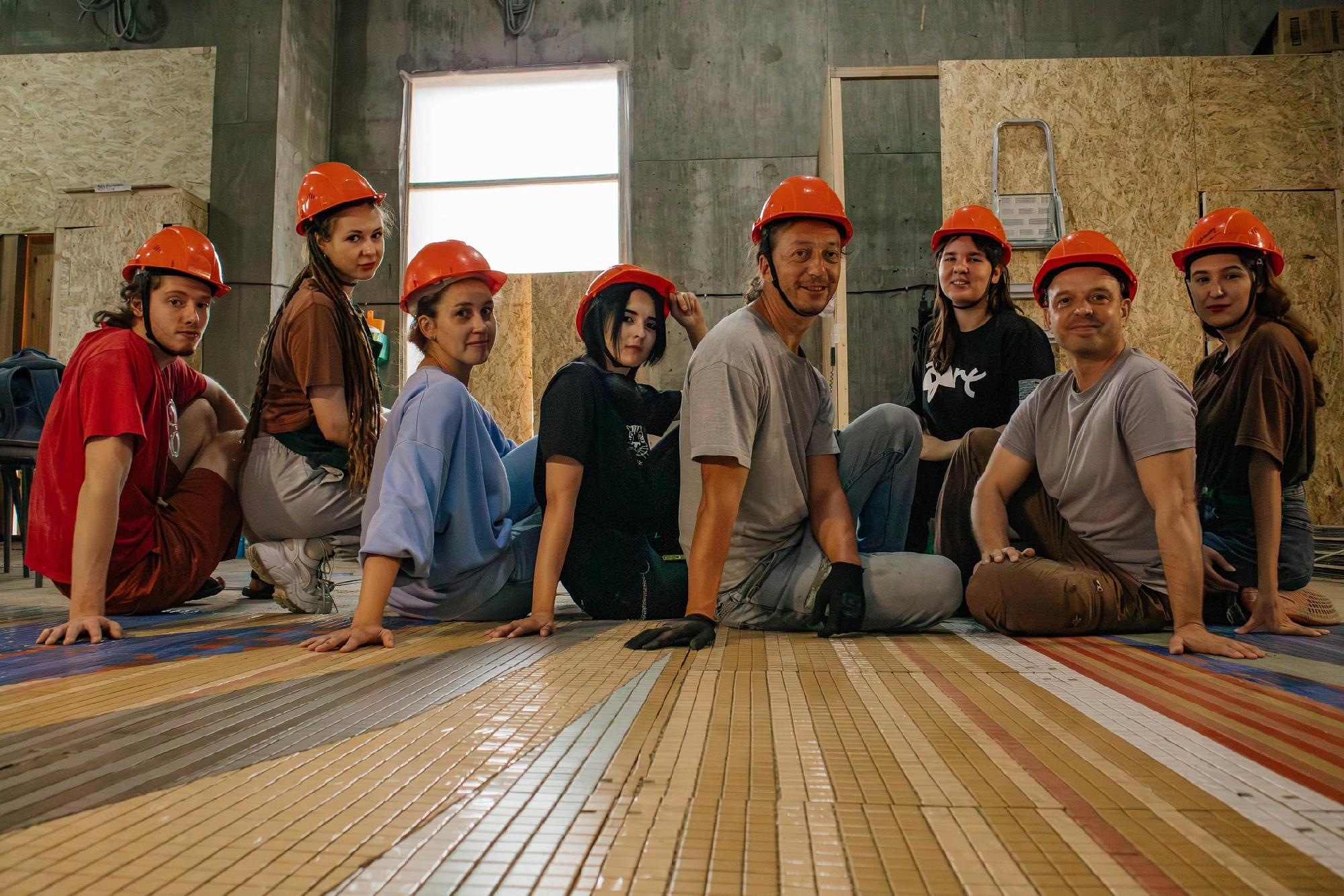
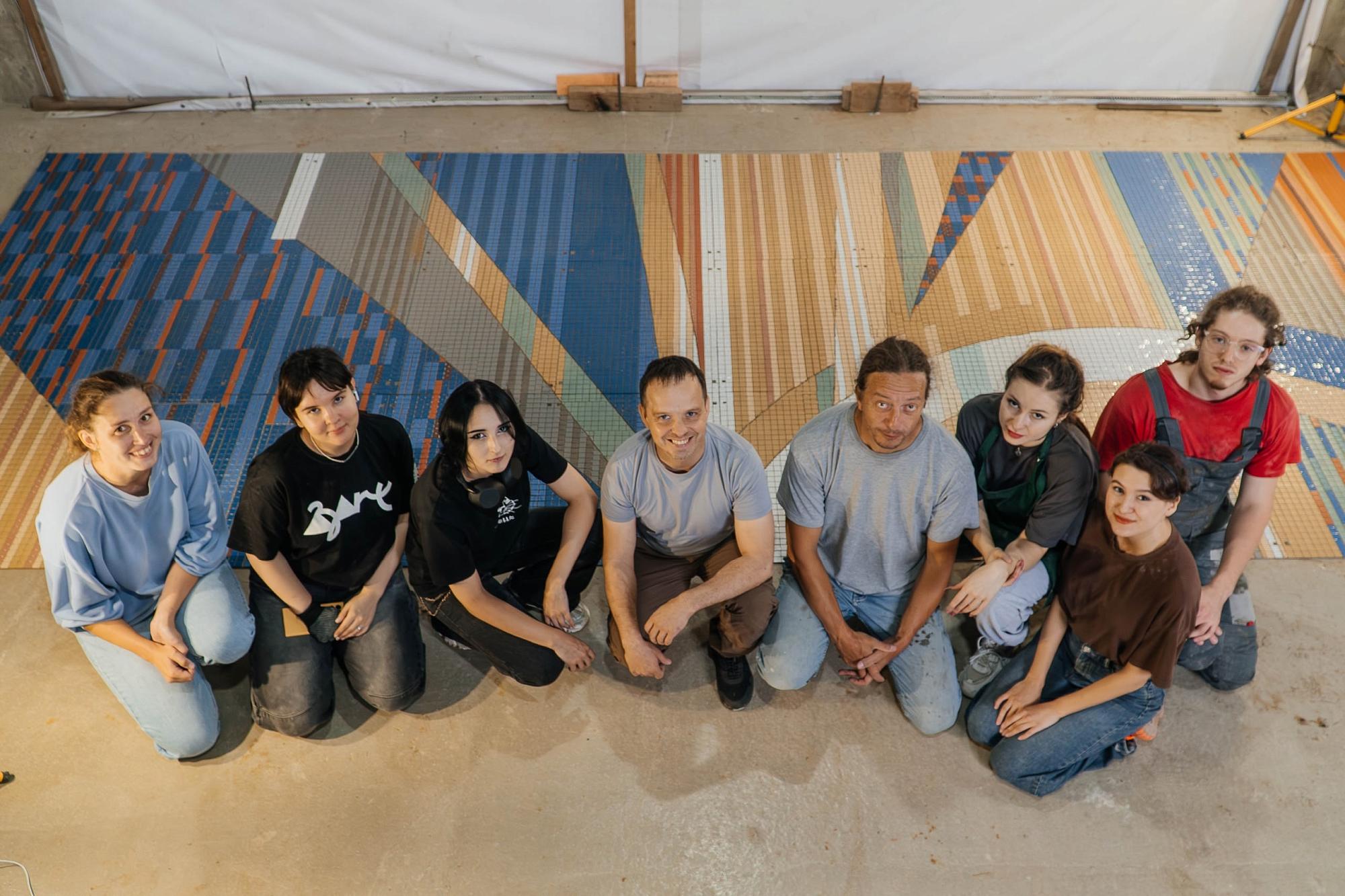
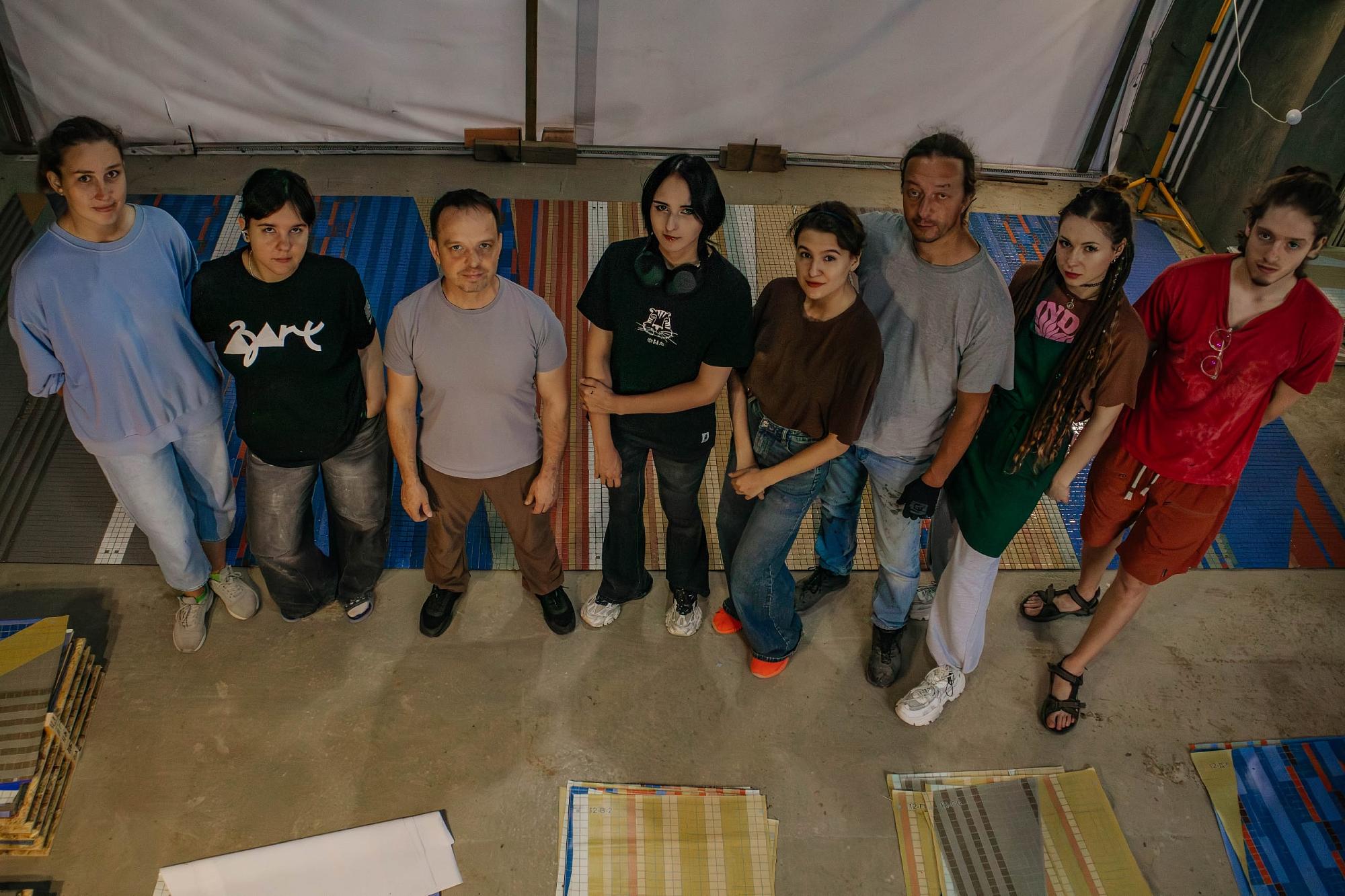
At the studio, a team of young and experienced artists, including graduates of our department specializing in monumental art, assembled it piece by piece like a giant puzzle. Now the installers are bringing the entire composition together on site, while I oversee the work to ensure the original artistic vision is preserved. When you see the first rays of sunlight fall across the mosaic, you realize that all the effort was worth it,”
Dmitrii Dorokhin said.
The design, development of the initial concept and refinement of the production technique took about a year. According to Dorokhin, the work was conceived on several levels of meaning:
“The most immediate and accessible interpretation is connected with the identity of our region. At the bottom, darker circular elements form a symbolic image of Lake Baikal. Above them, a linear structure represents the Angara River. Then comes the sun, sending out rays and illuminating everything around it. The real sun rises directly behind the building.
Another layer is scientific. Here, light represents the energy generated by water passing through the hydroelectric power station at the dam and ultimately being converted into electricity. The area is associated with the renowned scientist Boris Semyonovich Yakobi, internationally known as Moritz von Jacobi, after whom the nearby street and beach were named”.
The work also treats light as an all-encompassing concept, while another, deeper layer refers to metaphysical ideas. Dorokhin explained that the mosaic was deliberately built around universal themes so that it could remain relevant to different generations for many years to come:
“Unlike Soviet monumental art, my work is less declarative. It invites viewers to take part in interpreting the piece and to discover meanings of their own. The strong vertical movement of the composition, for example, draws the viewer upward, toward loftier ideas and thoughts”.
The golden ratio also played a role in shaping the composition and determining the layout of the mosaic. Once the design was complete, detailed technical documentation was prepared, including a full-scale drawing. Dorokhin marked out every individual tessera on cardboard, each mosaic piece measuring 3 by 3 centimeters. Altogether, the panel contains more than 250,000 pieces.
Speaking about artistic continuity, Dorokhin said that “Birth of Light” can be seen as a continuation of the Soviet school of monumental art and of the approaches and principles established by the department’s founder, Vitaly Georgievich Smagin. As an example, he cited Smagin’s 1989 mosaic “Rhythms of Baikal” on the façade of the Limnological Institute, Siberian Branch of the Russian Academy of Sciences, in Irkutsk.
Dmitrii Dorokhin thanked his colleagues for their contribution to the “Birth of Light” mosaic:
“Through an enormous amount of intensive work, we managed to complete this huge project, 40 meters high and 6 meters wide, in a relatively short time. Thanks to the artistic school and traditions established by our teacher, Vitaly Georgievich Smagin, we were able to carry out the entire project to a very high standard.”
The carefully chosen colors and thousands of tiny tesserae are now coming together to form a single monumental artwork. Once installation is complete, the mosaic will be visible even from the Academic Bridge.