INRTU Vice-Rector Stepan Bykov Takes Part in Beijing Conference “New Era China-Russia Youth Dialogue”
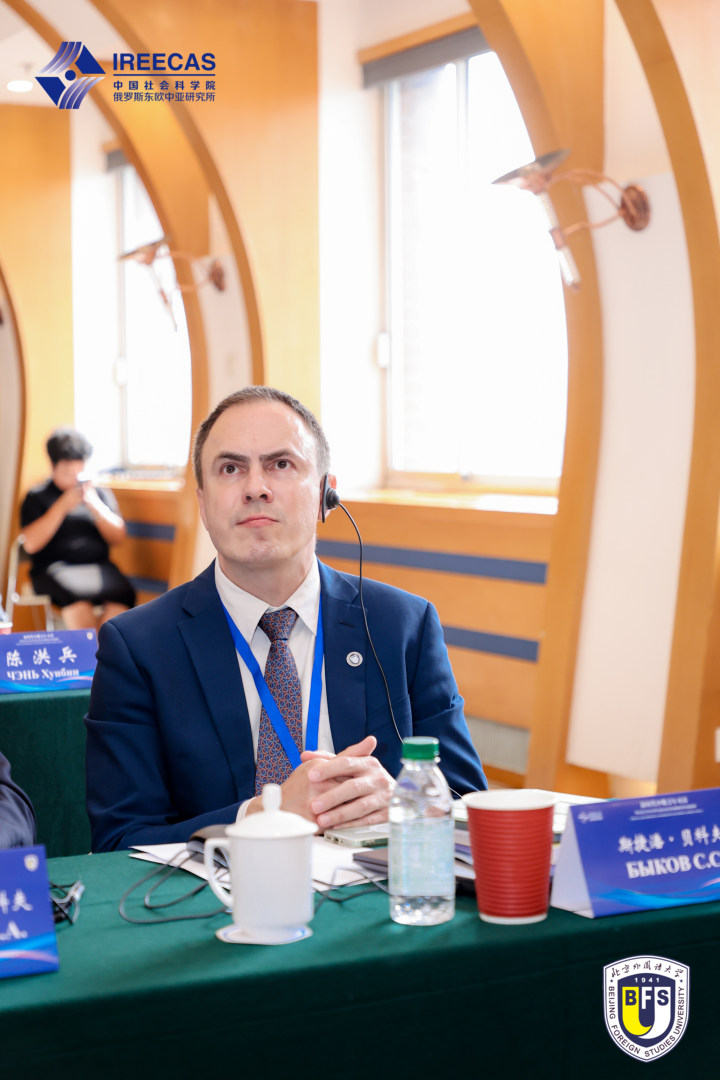
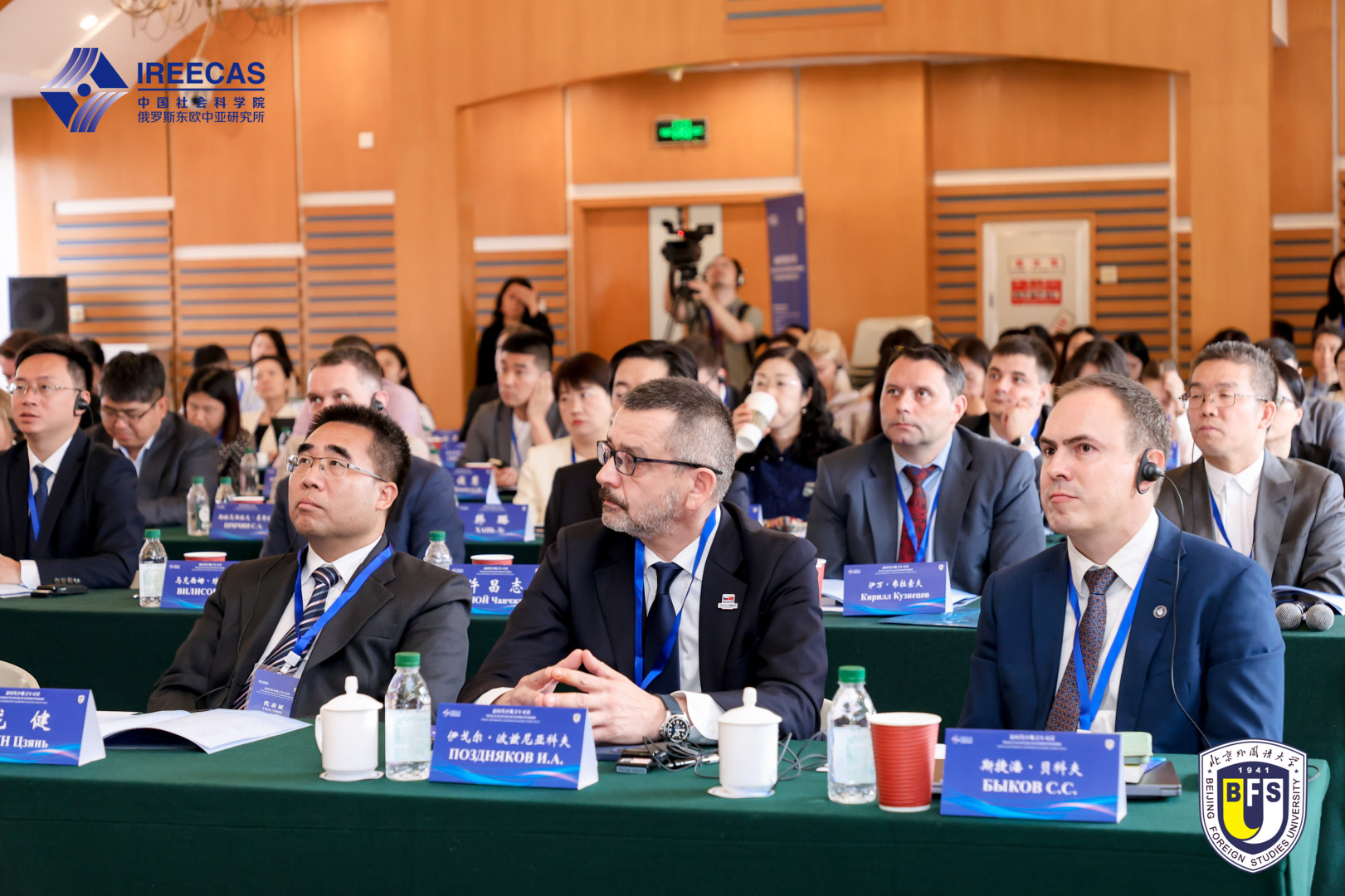
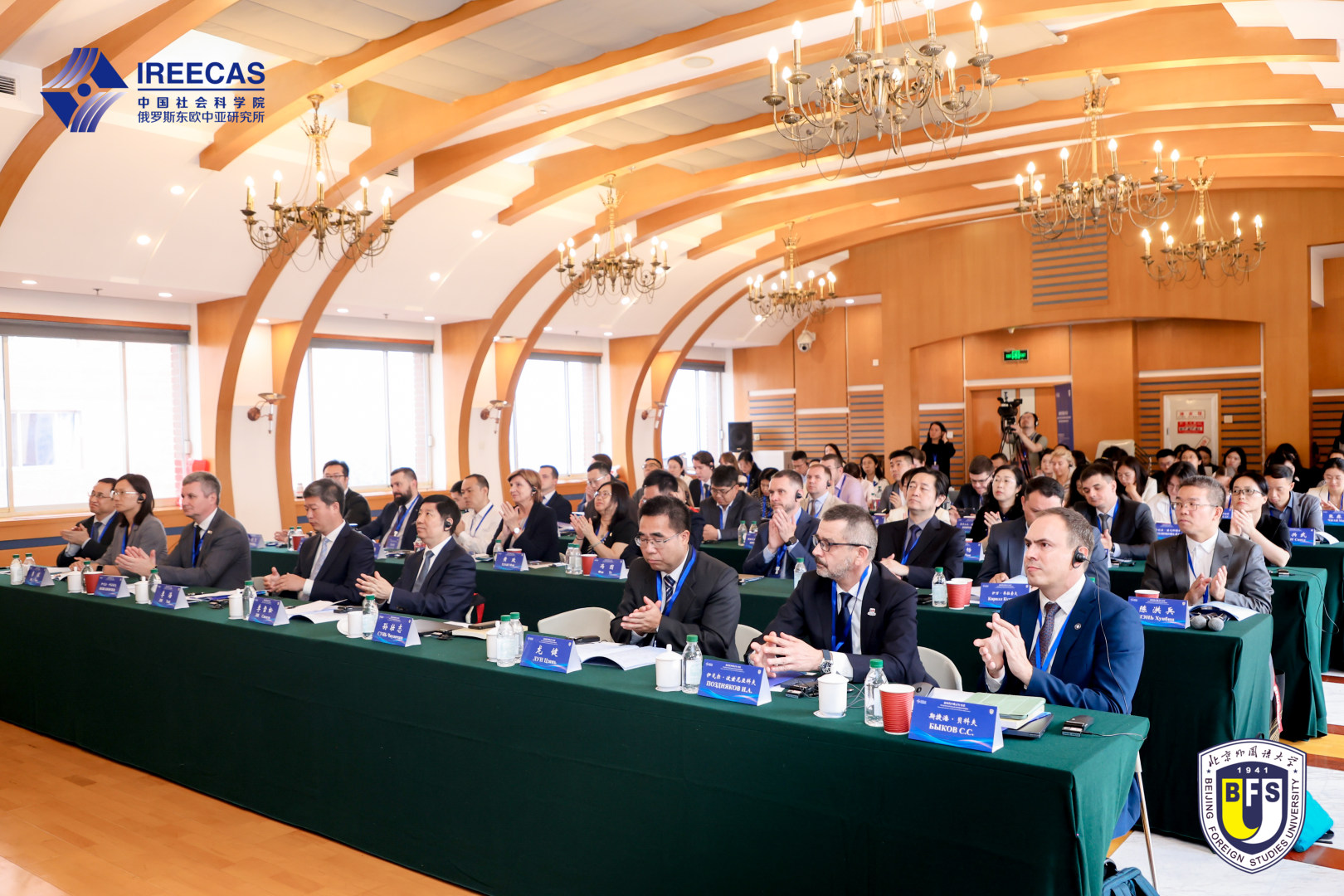
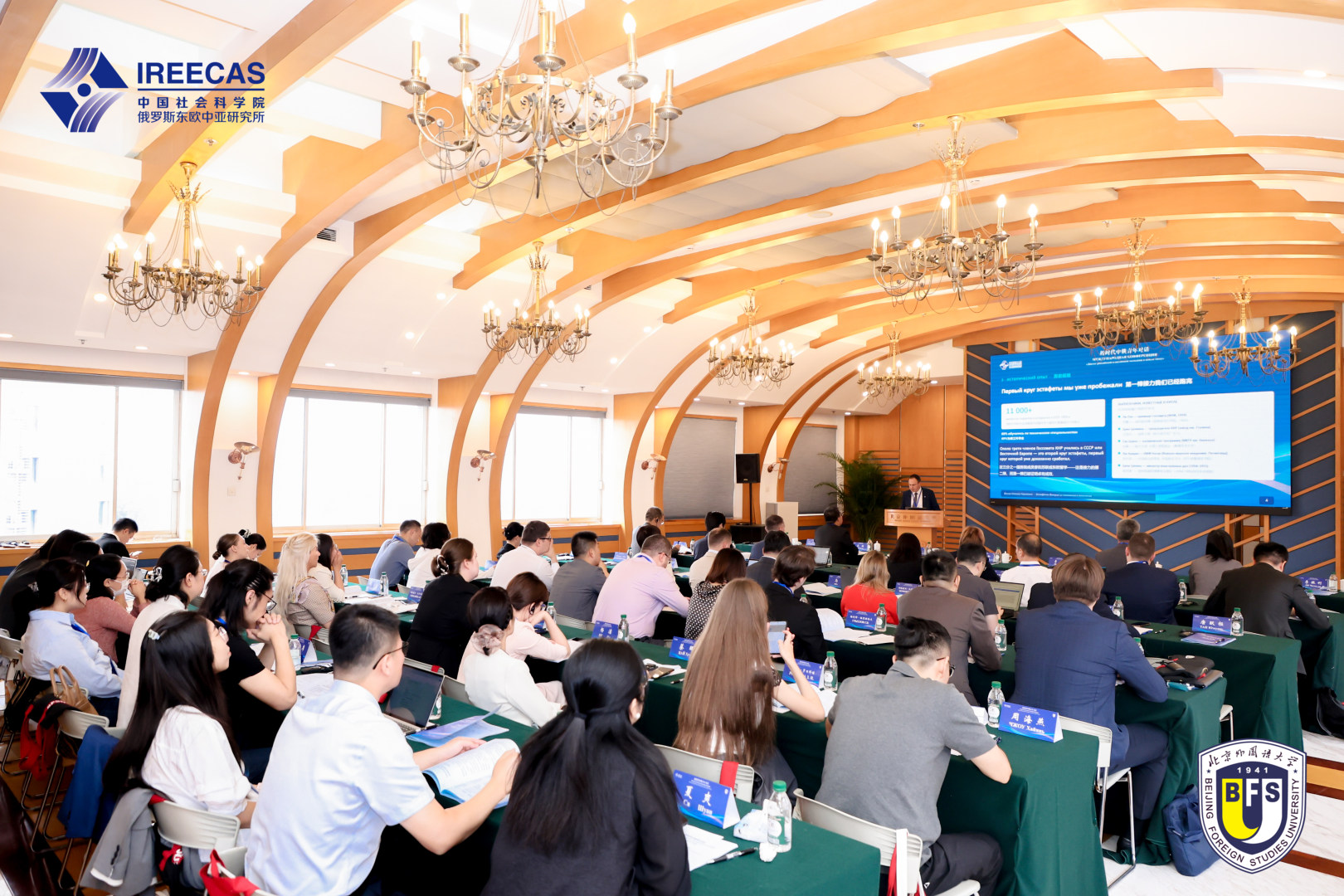
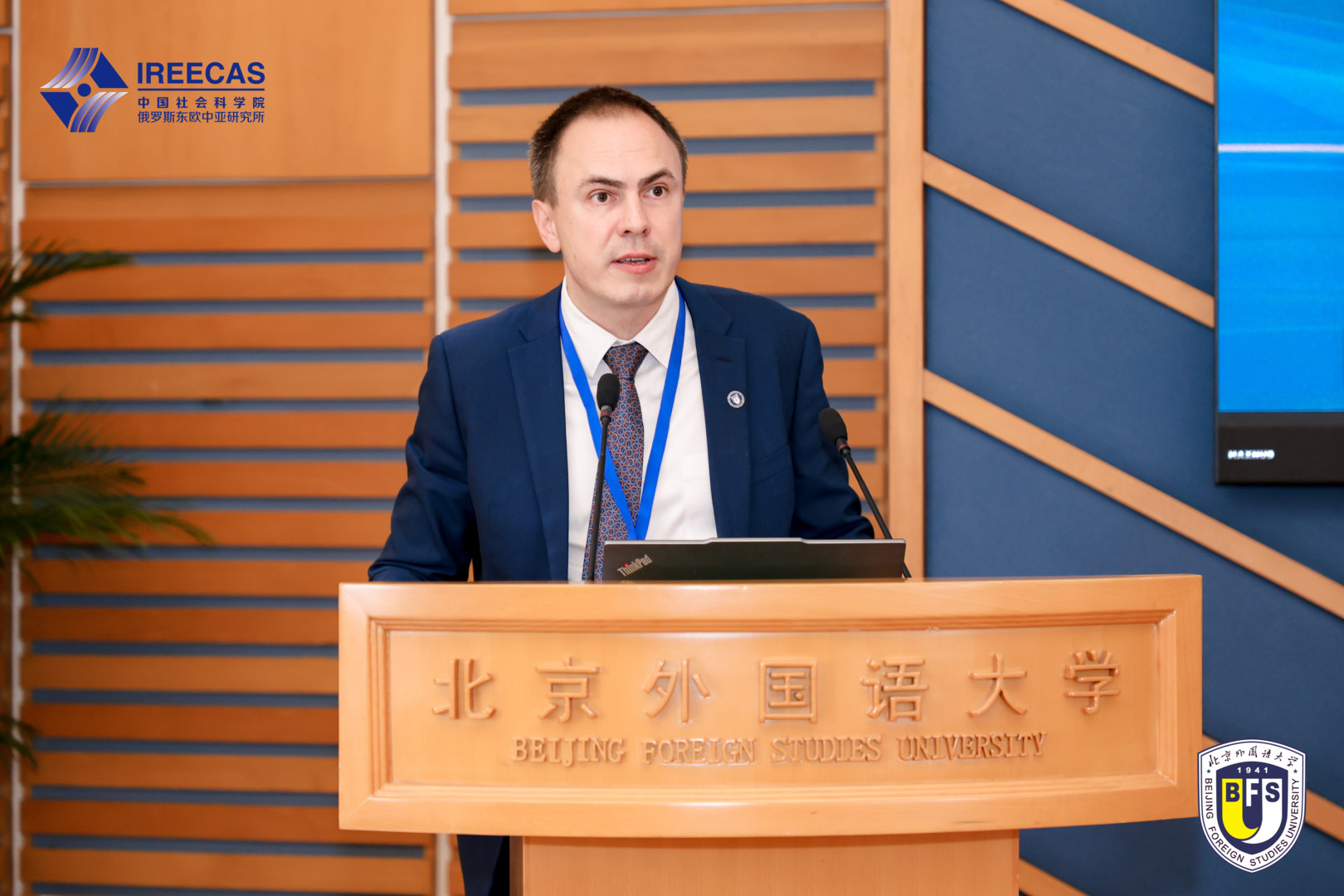
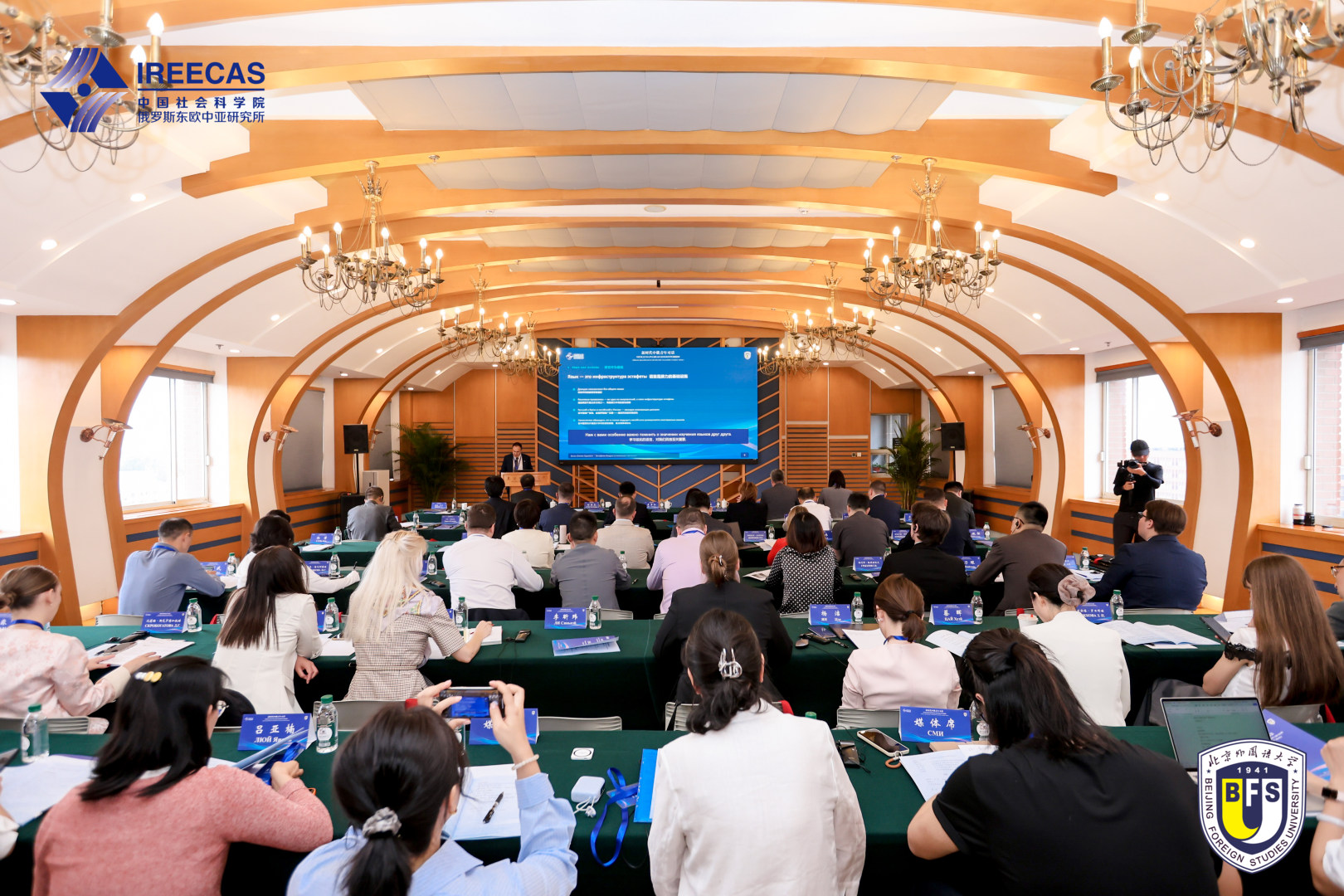
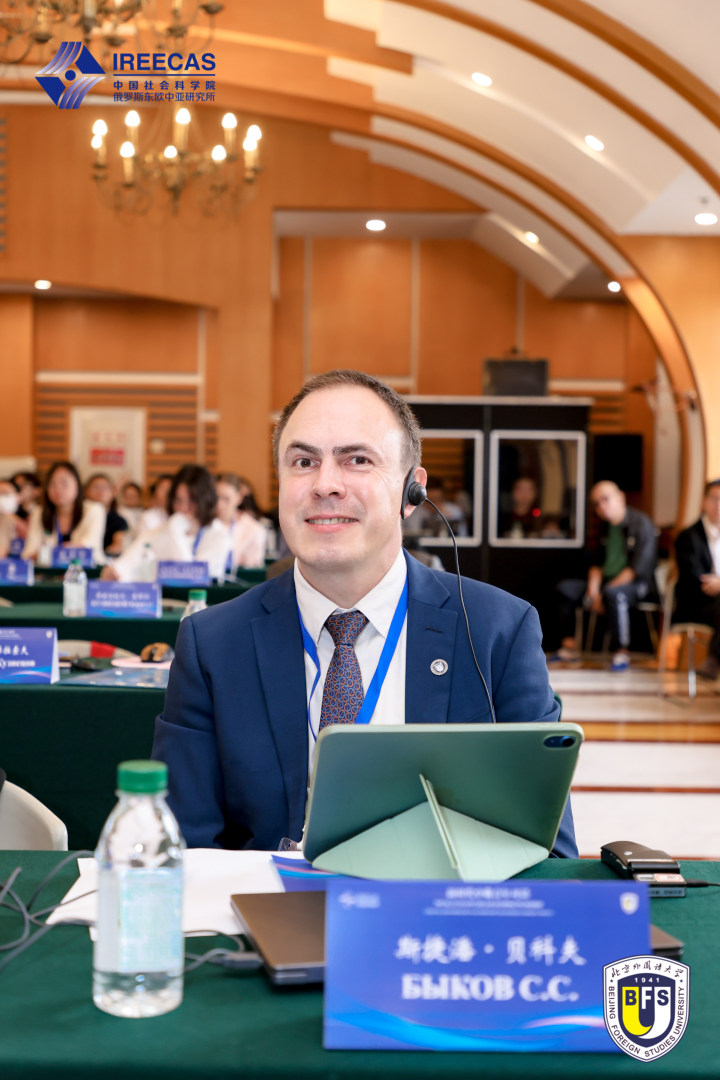
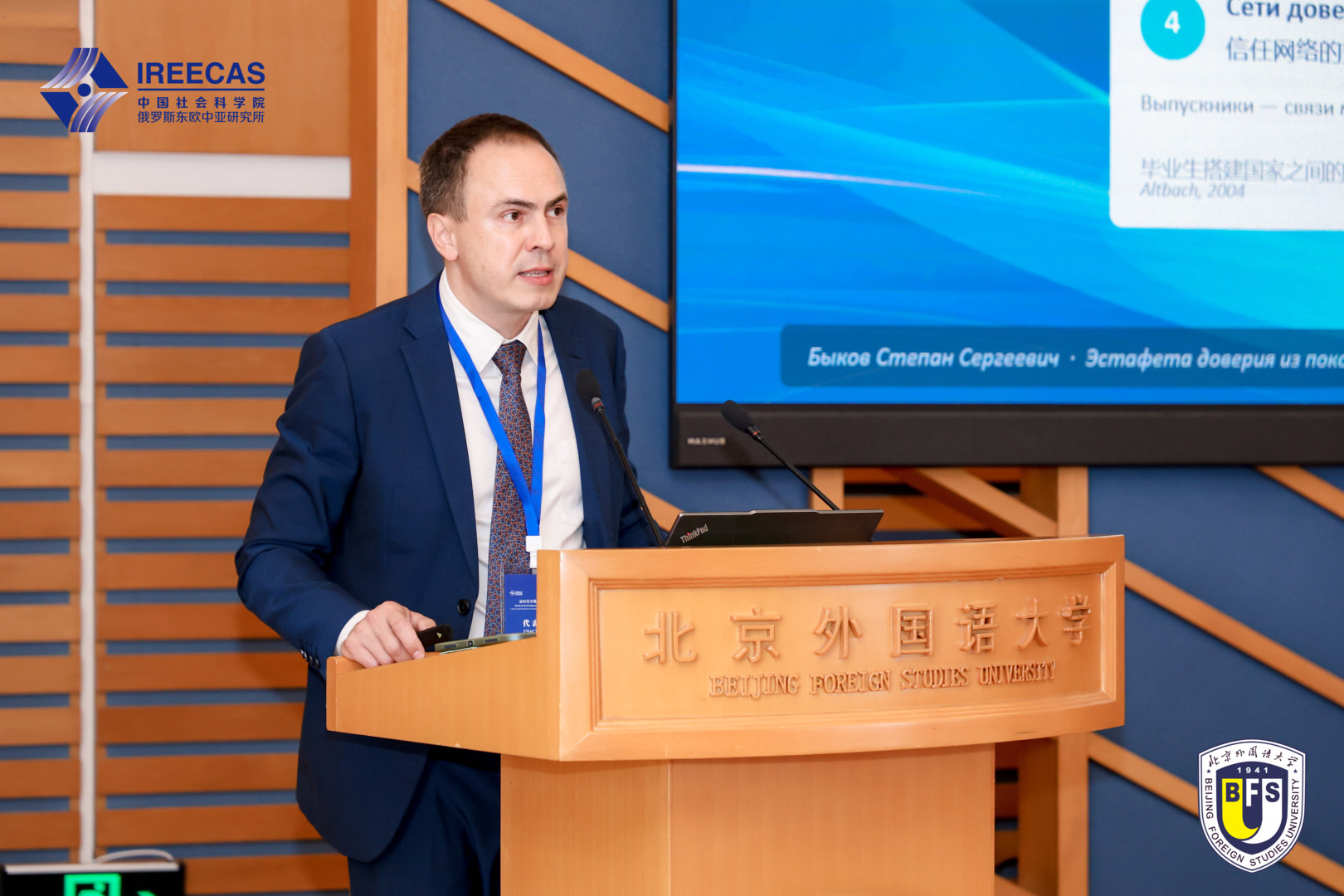
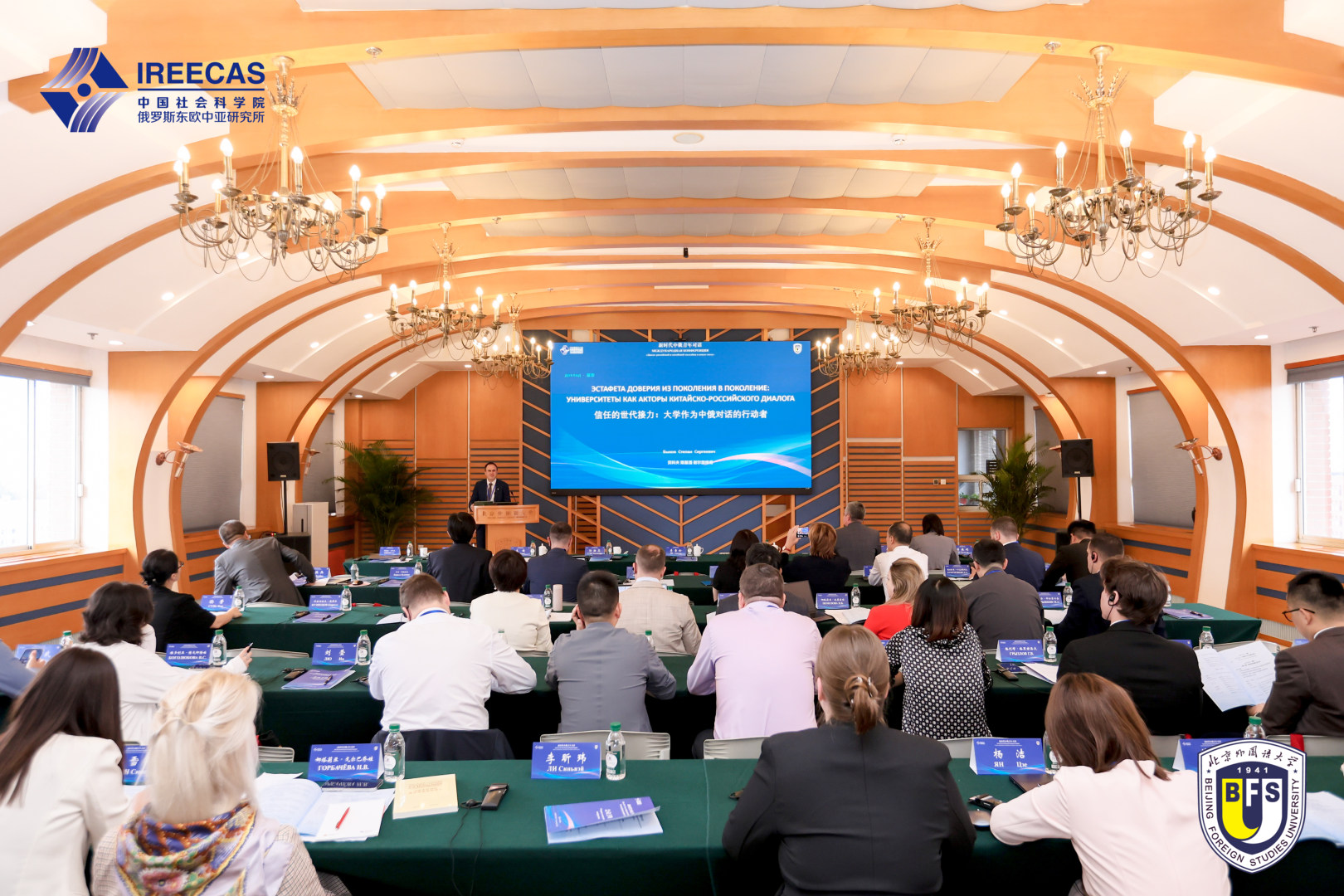
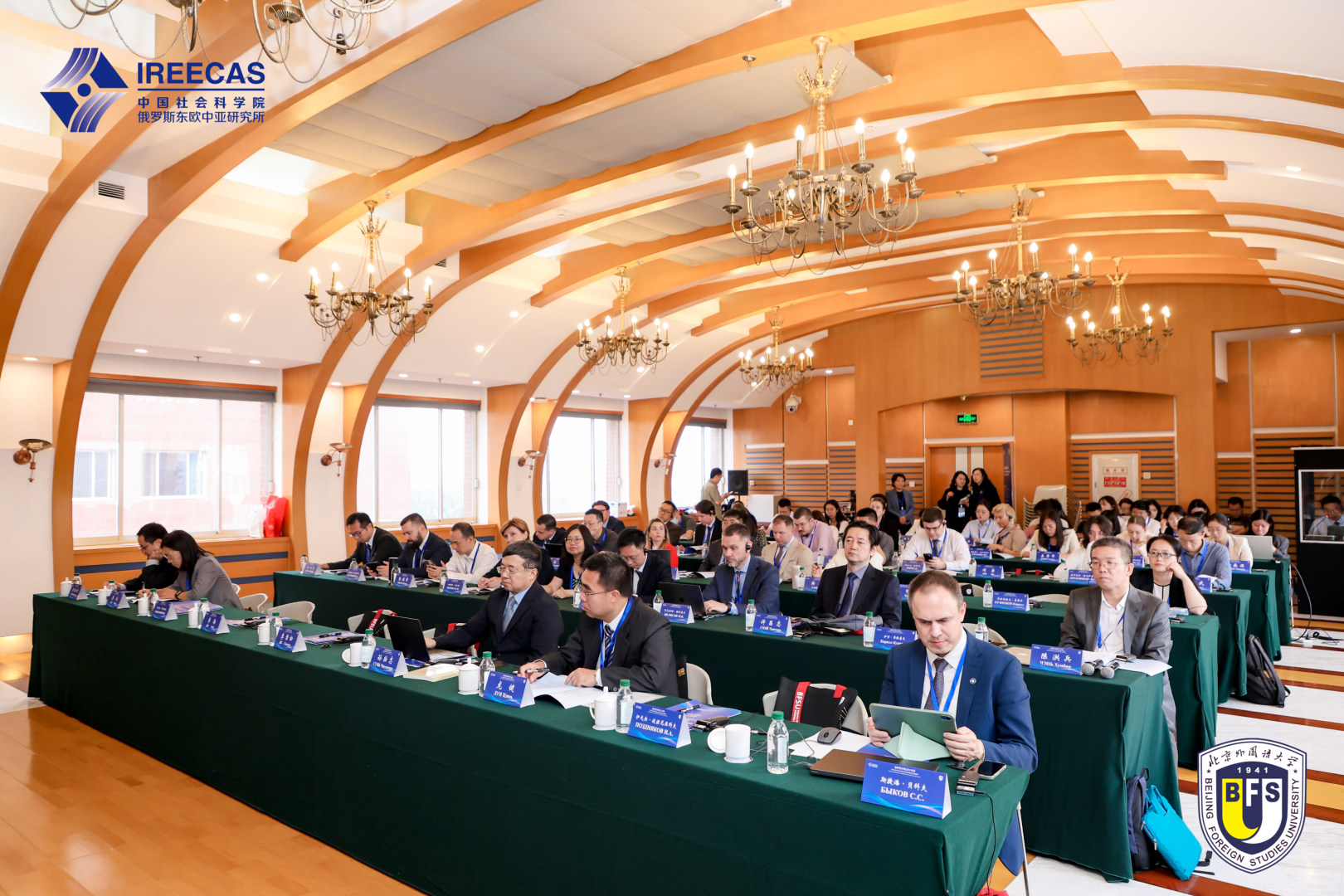
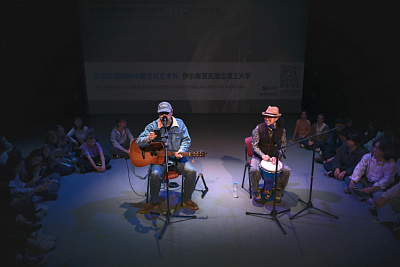
Stepan Bykov, INRTU Vice-Rector for International Affairs, gave a presentation at the international conference “New Era China-Russia Youth Dialogue” in Beijing. The academic forum brought together a wide range of experts and scholars fr om research centers and universities in China and Russia.
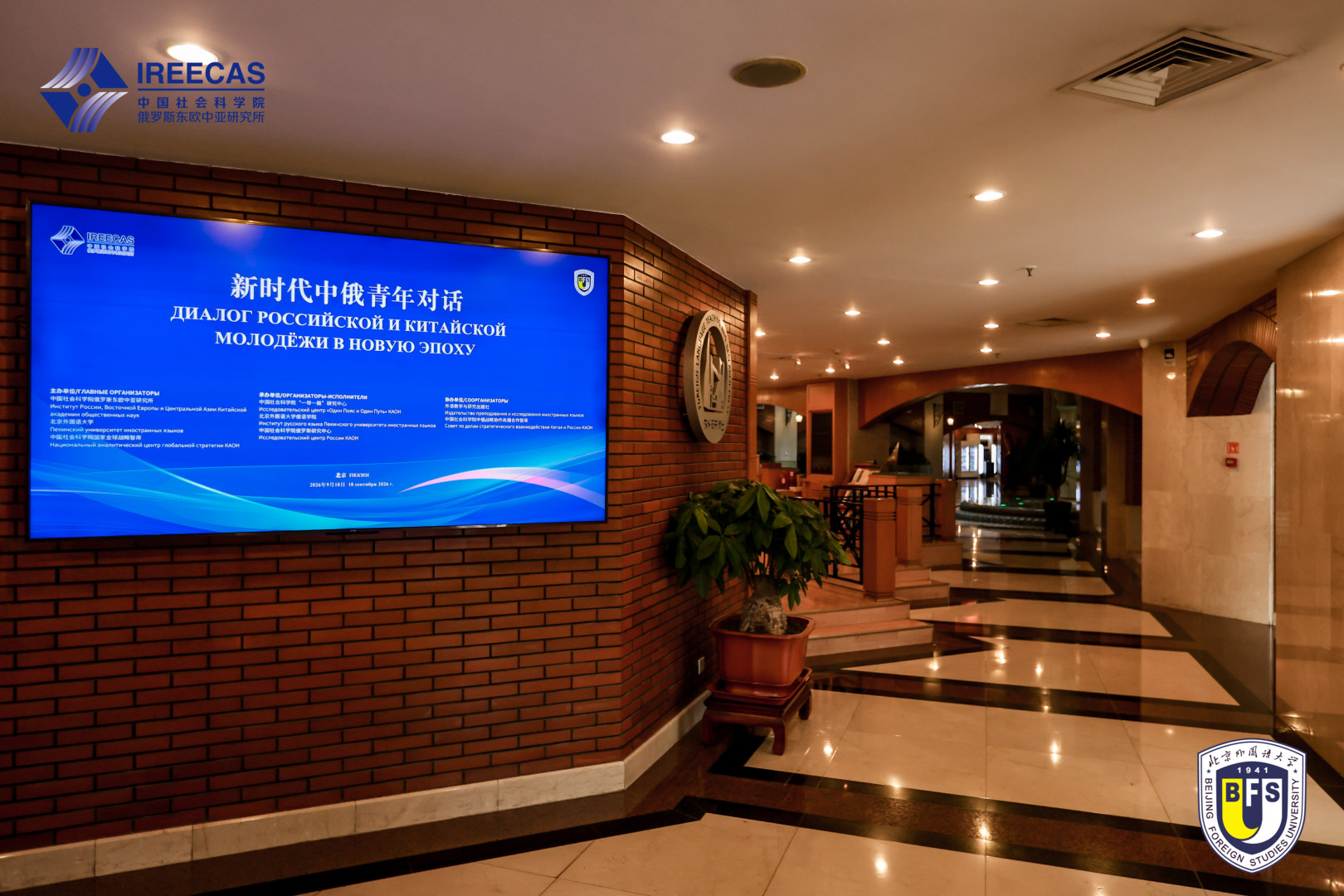
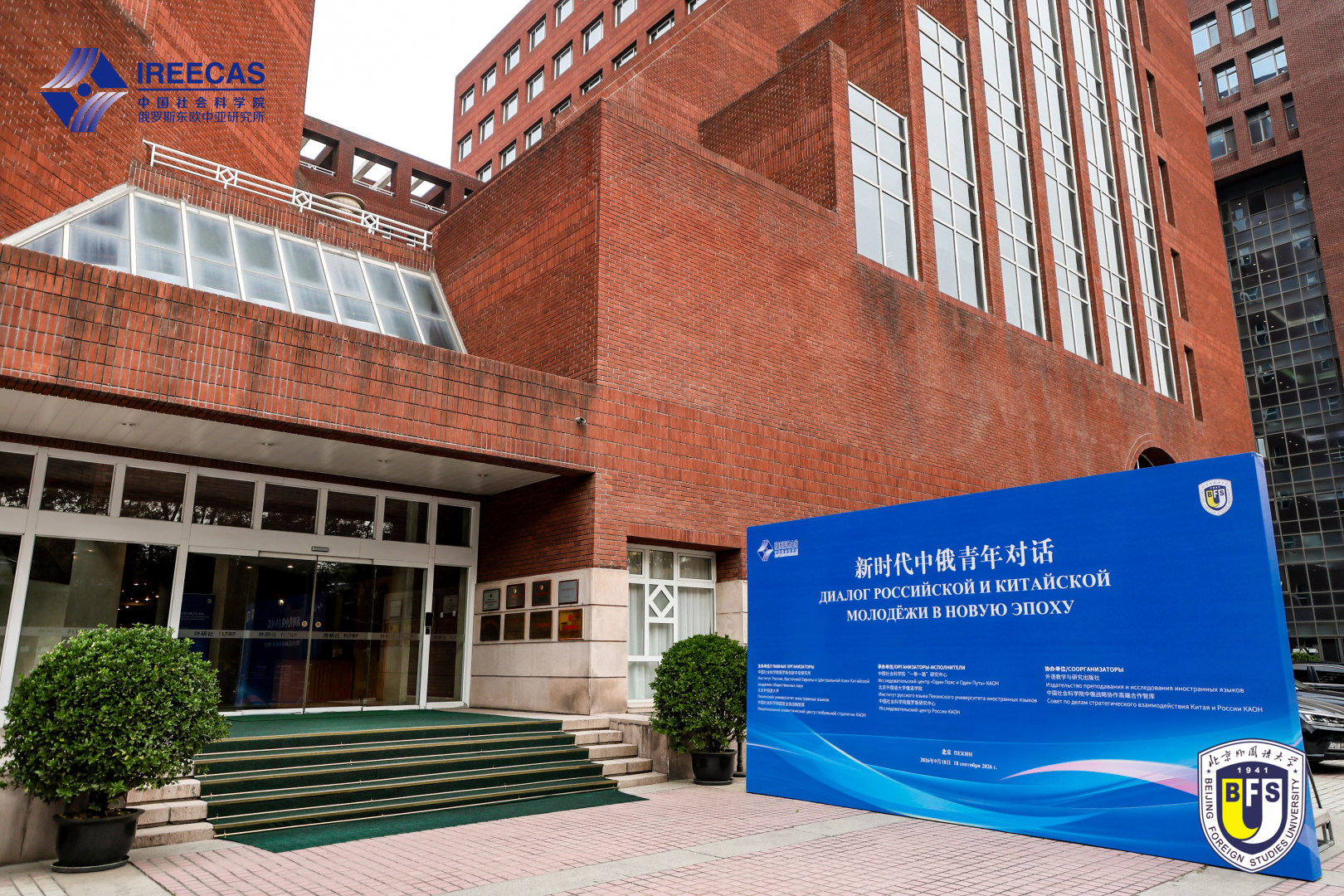
The conference took place on September 18. It was co-organized by several institutes of the Chinese Academy of Social Sciences and Beijing Foreign Studies University. Participants discussed the role of young people in building strategic trust, practical cooperation and humanitarian ties between the two countries. Experts believe that expanding youth exchanges and educational programs helps strengthen mutual trust and pass on the value of friendship to new generations.
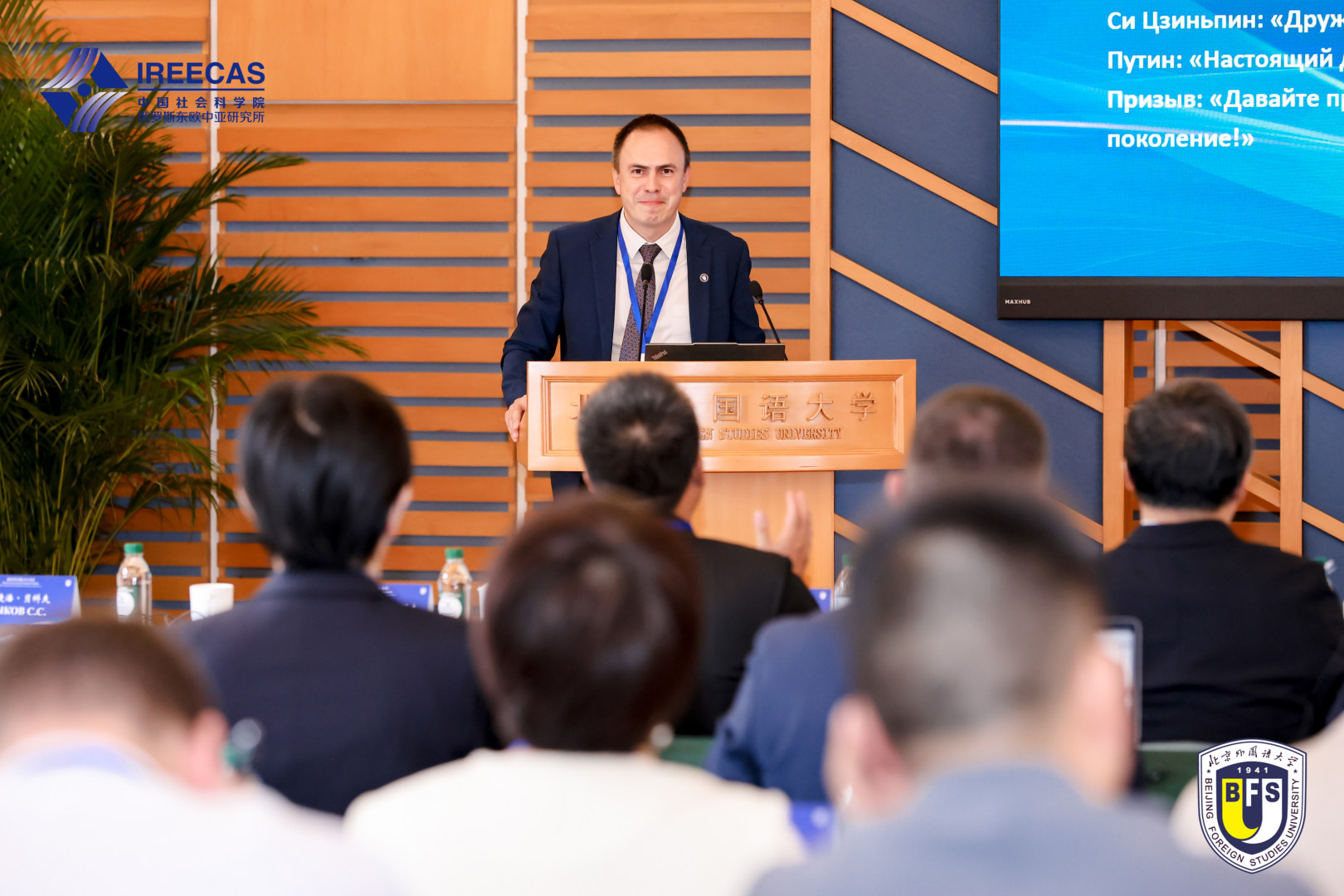
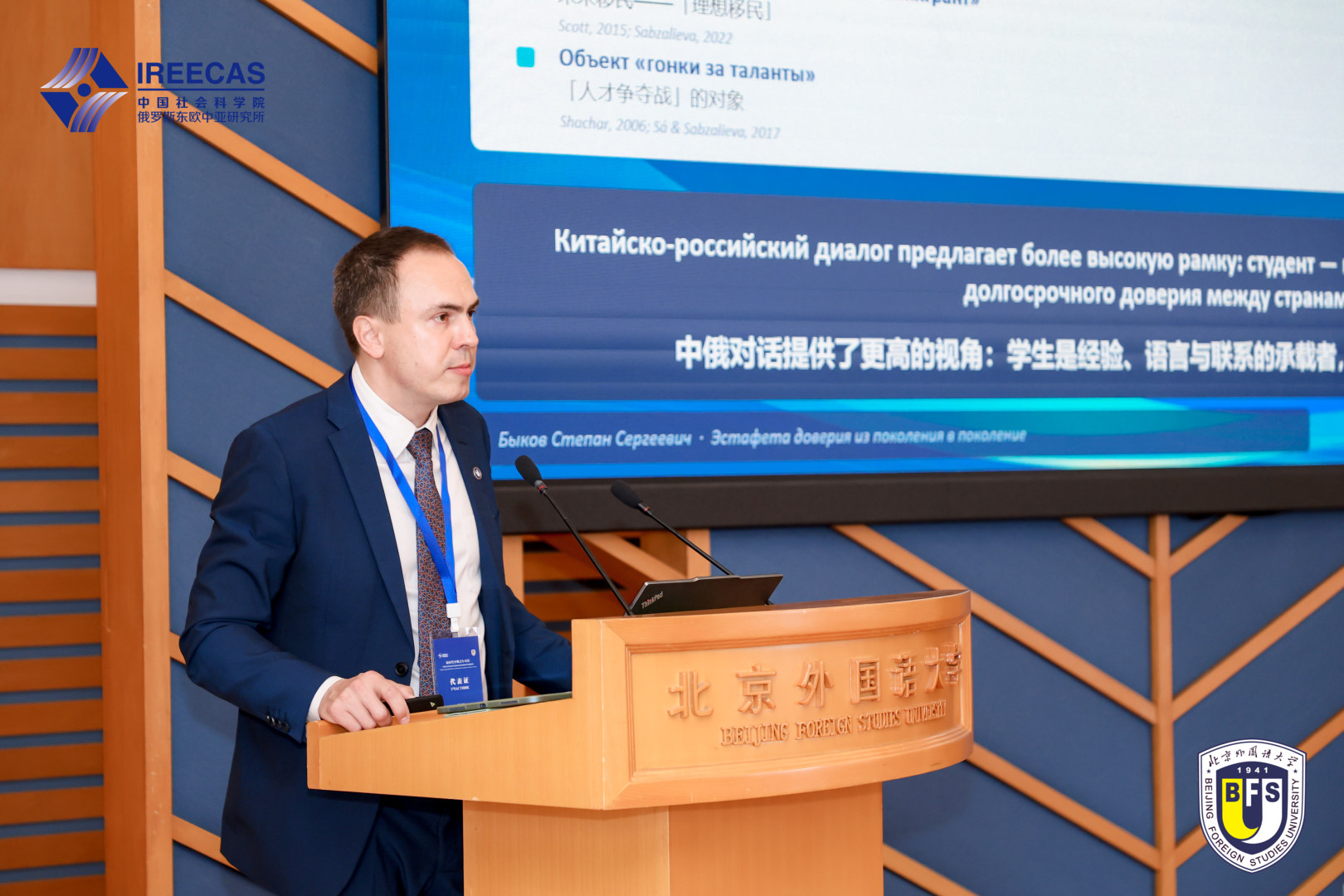
Stepan Bykov presented a report titled “Passing the Baton of Trust from Generation to Generation: Universities as Actors in the Chinese-Russian Dialogue”. He showed that in Russia-China relations, universities and their graduates have played a vital role in connecting the two countries for many years.
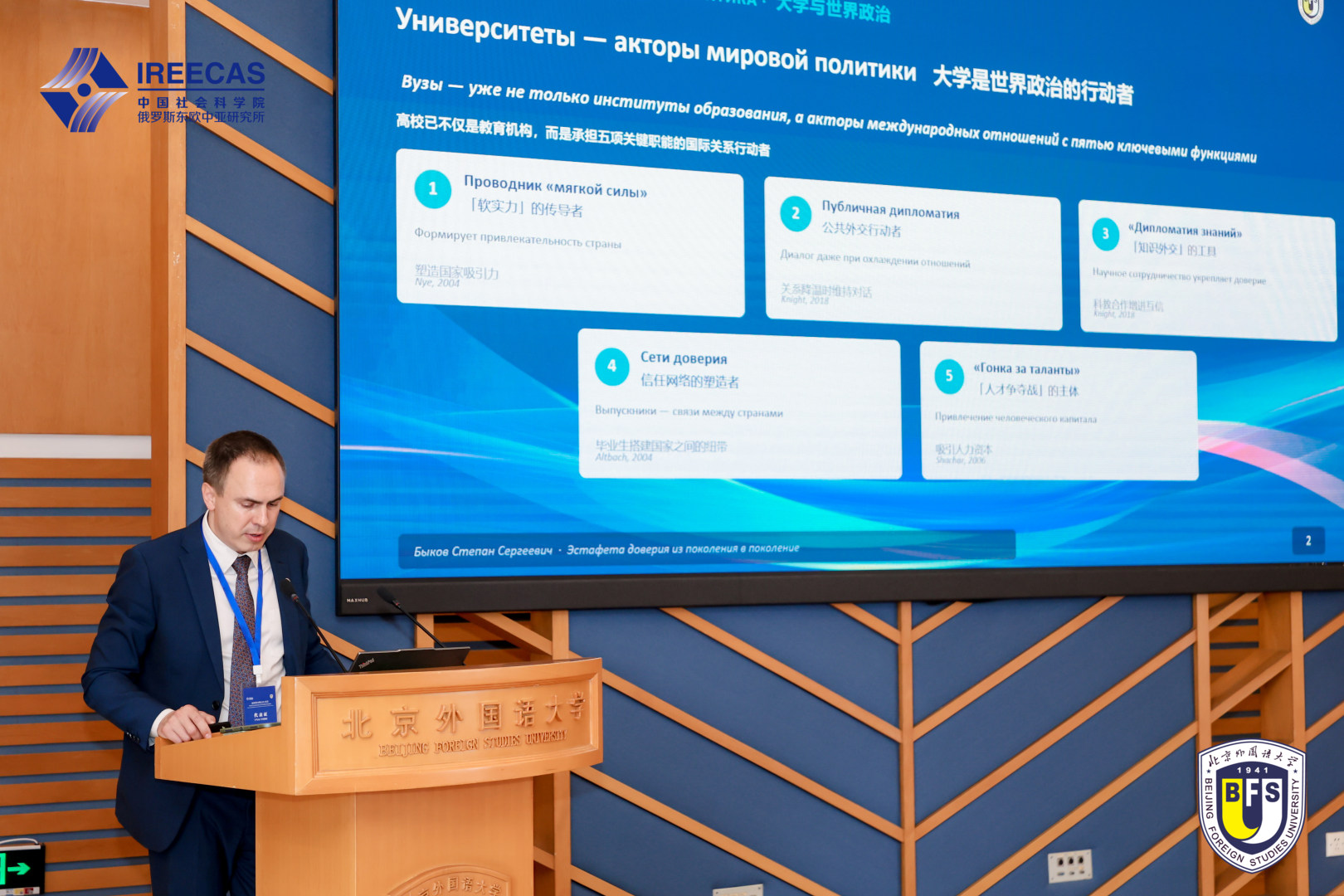
“Over the past ten years, scholars have reached an important conclusion: universities are no longer just places wh ere students study. They now also take part in international relations. Recent research shows they have five main functions in world politics. First, universities help a country enhance a country’s international image. Second, they keep dialogue between countries going even when official relations cool. Third, universities develop scientific and educational cooperation, which strengthens trust between countries. Fourth, they create networks of trust: their graduates become enduring links between countries. Finally, fifth, universities take part in the competition for talented people. Countries offer scholarships, simplified visa procedures and the right to stay after graduation. These measures are designed to attract and retain the best students. Universities are key players in this competition,” said the INRTU Vice-Rector.
Stepan Bykov noted that different countries view the same student through different lenses. He concluded that the relay of trust from generation to generation is not merely a metaphor but a proven mechanism that has worked for many years. According to him, today this relay needs strategic planning.
“Officially, people talk about ‘strategic partnership’, but the student exchange numbers look unequal at first. About 60,000 Chinese students study in Russia, while about 21,000 Russian students study in China. It may seem like a disproportion, but it is not an imbalance. It simply reflects a different dimension of the same process. In per capita terms, Russia sends three times as many students to China as China sends to Russia. The issue is different. The task is not to equalize the numbers, but to make the movement truly mutual – so that both sides engage deeply with each other’s world and send their most talented people”.
The Vice-Rector for International Affairs called language a key element of the process:
“It is especially symbolic that we are discussing these issues while a leading Chinese foreign language university is the main organizer of the event. It is especially important to learn each other‘s languages”.
Understanding how language helps build trust, Stepan Bykov began learning Chinese a year and a half ago. He finished his report to the conference participants in Chinese.
Photo courtesy of the organizers