INRTU Hosts the III International Russian-Mongolian Forum “Media Studies: Culture, Art, Communication”
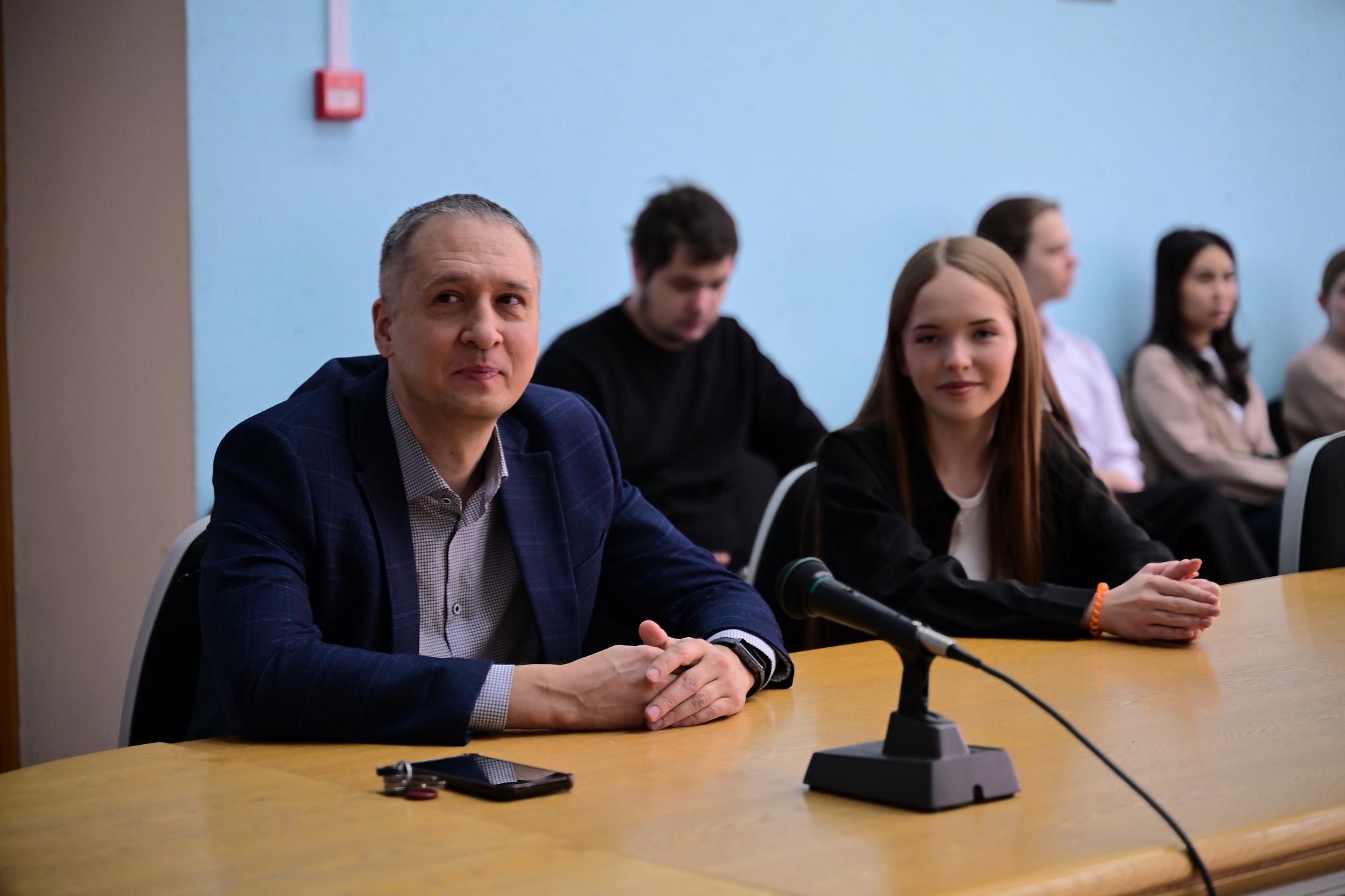
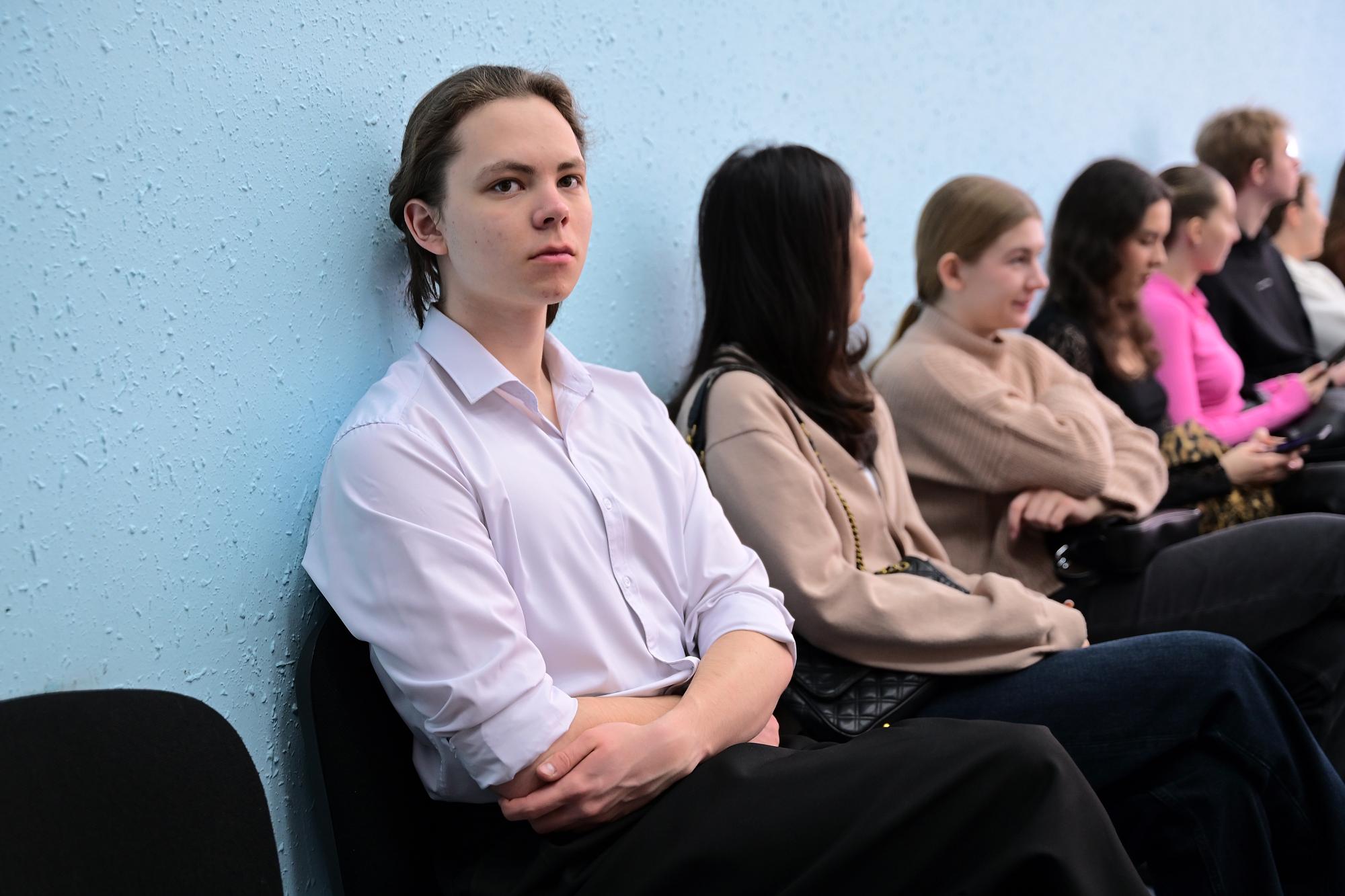
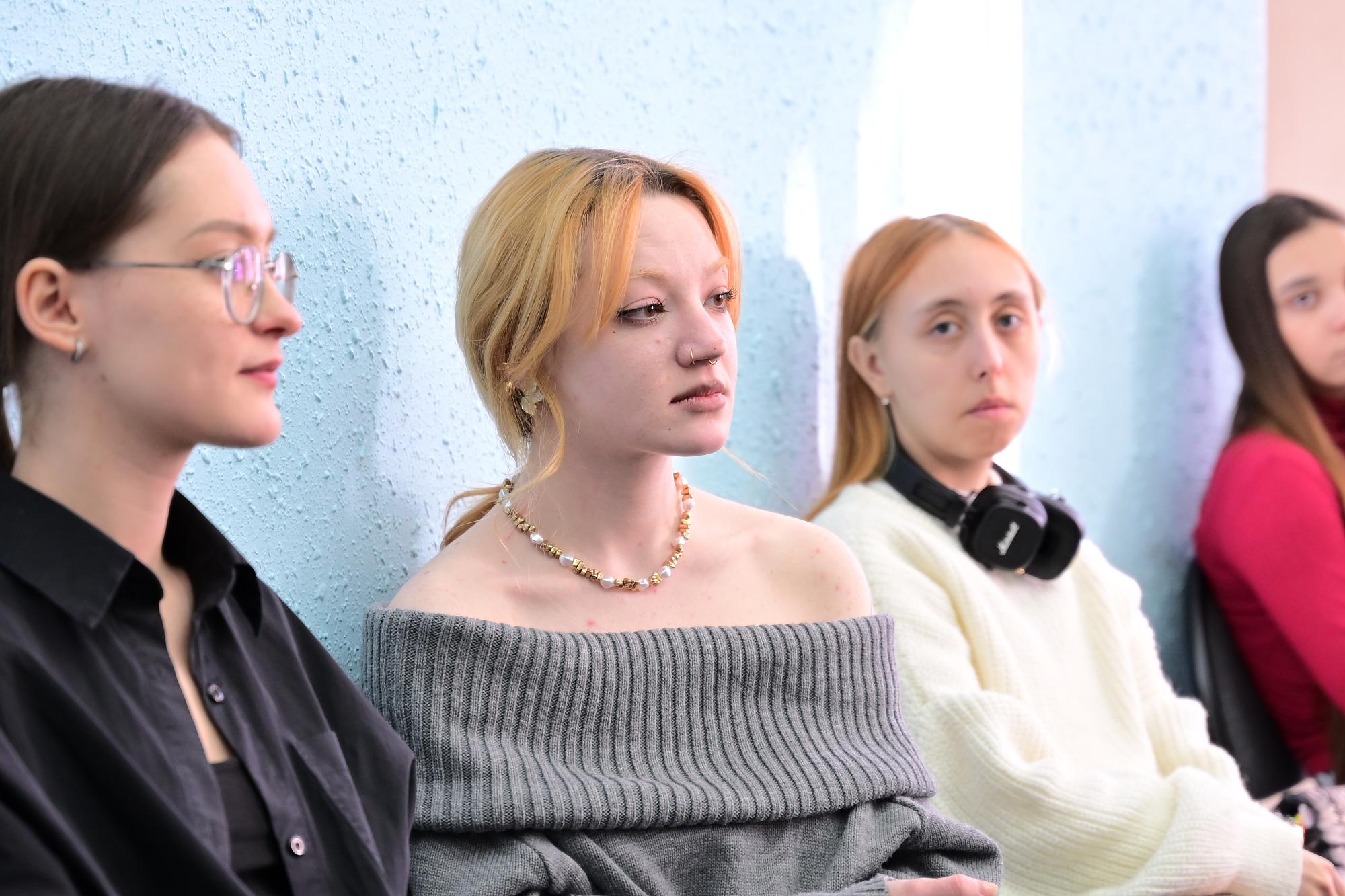
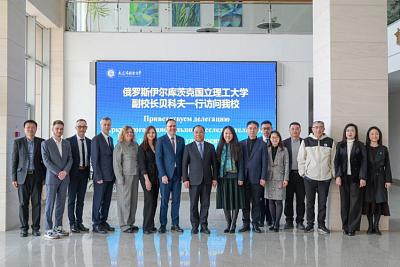
INRTU hosted the III International Russian-Mongolian Forum “Media Studies: Culture, Art, Communication”. The event brought together over 200 attendees, including educators, media researchers and postgraduates from various regions, such as Chita, Saint Petersburg, Donetsk, as well as representatives from Belarus and Mongolia.
The event was organized by the Department of Advertising and Journalism at INRTU and the School of Broadcasting and Media of the Mongolian National University of Arts and Culture in Ulaanbaatar, Mongolia.
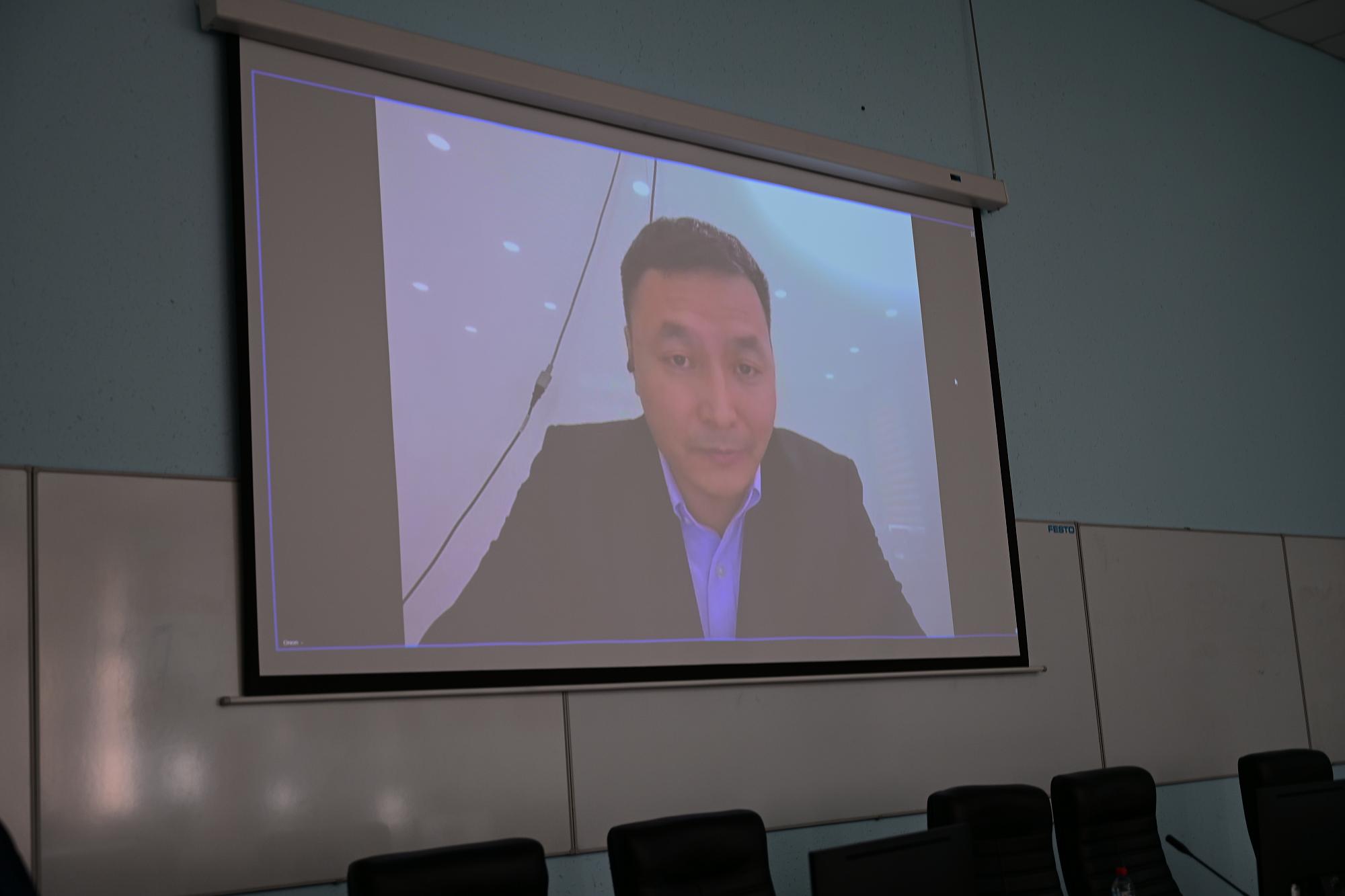
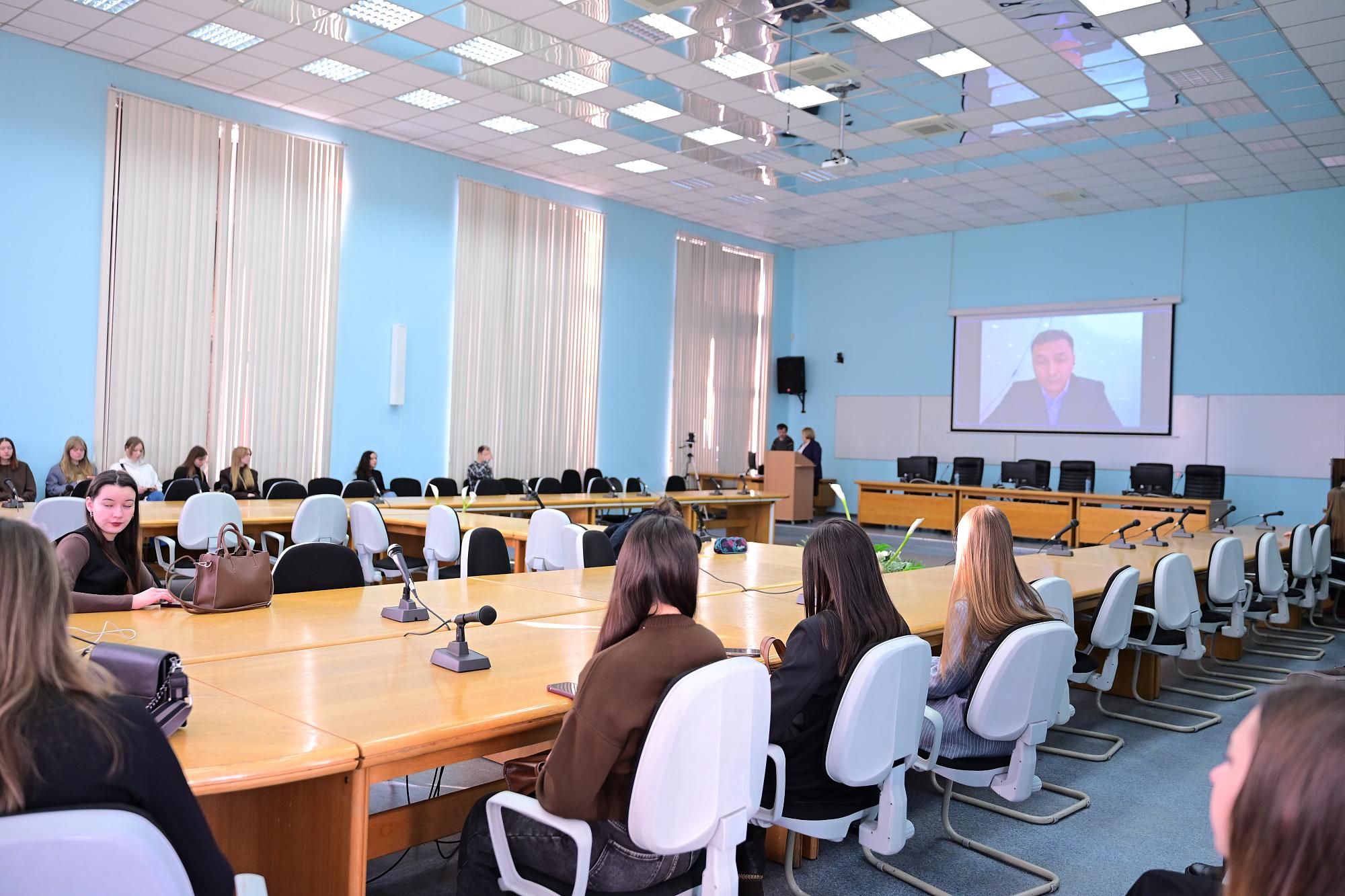
In a video address, Enkhbaatar Mijiddorj, Head of School of Broadcasting and Media at the Mongolian National University of Arts and Culture, said that previous forums had showcased a wide range of topics and activities, and that the research presented at the event serves as a valuable resource for media scholars.
“The forum topics cover a broad span of cultural studies. This diversity demonstrates the audience’s keen interest. The number of participants from our region is growing. This year, 82 reports were submitted. We look forward to further cooperation”.
Sergei Zakharov, Deputy Director for Foreign Affairs at the INRTU School of Economics, Management and Law, highlighted the development of scientific research at INRTU and the rapid progress of information technologies and communications in Mongolia:

“At the School of Economics, Management and Law, at least three departments are involved in joint Russian-Mongolian research: Department of Advertising and Journalism, Department of History and Philosophy, and Department of Economics and Digital Business Technology. I believe that the conference reports are relevant not only now, but will remain significant in the future. Observing the participants, I wish them high-impact publications and productive work”.
According to Iuliia Vairakh, Head of the Department of Advertising and Journalism, preparing for the forum took several months. A distinguishing feature of this third Russian-Mongolian forum was the number of works presented by young researchers, which reflects the contemporary agenda.
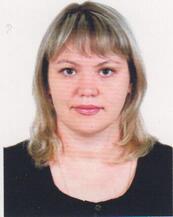
“Developing the forum program was extremely interesting because we saw a spectrum of media research from Mongolian, Russian, and Belarusian perspectives.
The forum addresses a serious challenge because textbooks do not reflect all the changes occurring in foreign journalism, and such dialogue can provide the information people are looking for. I am confident that everyone participating in our conference will gain a new scientific impulse in developing their research,”
said Iuliia Vairakh.
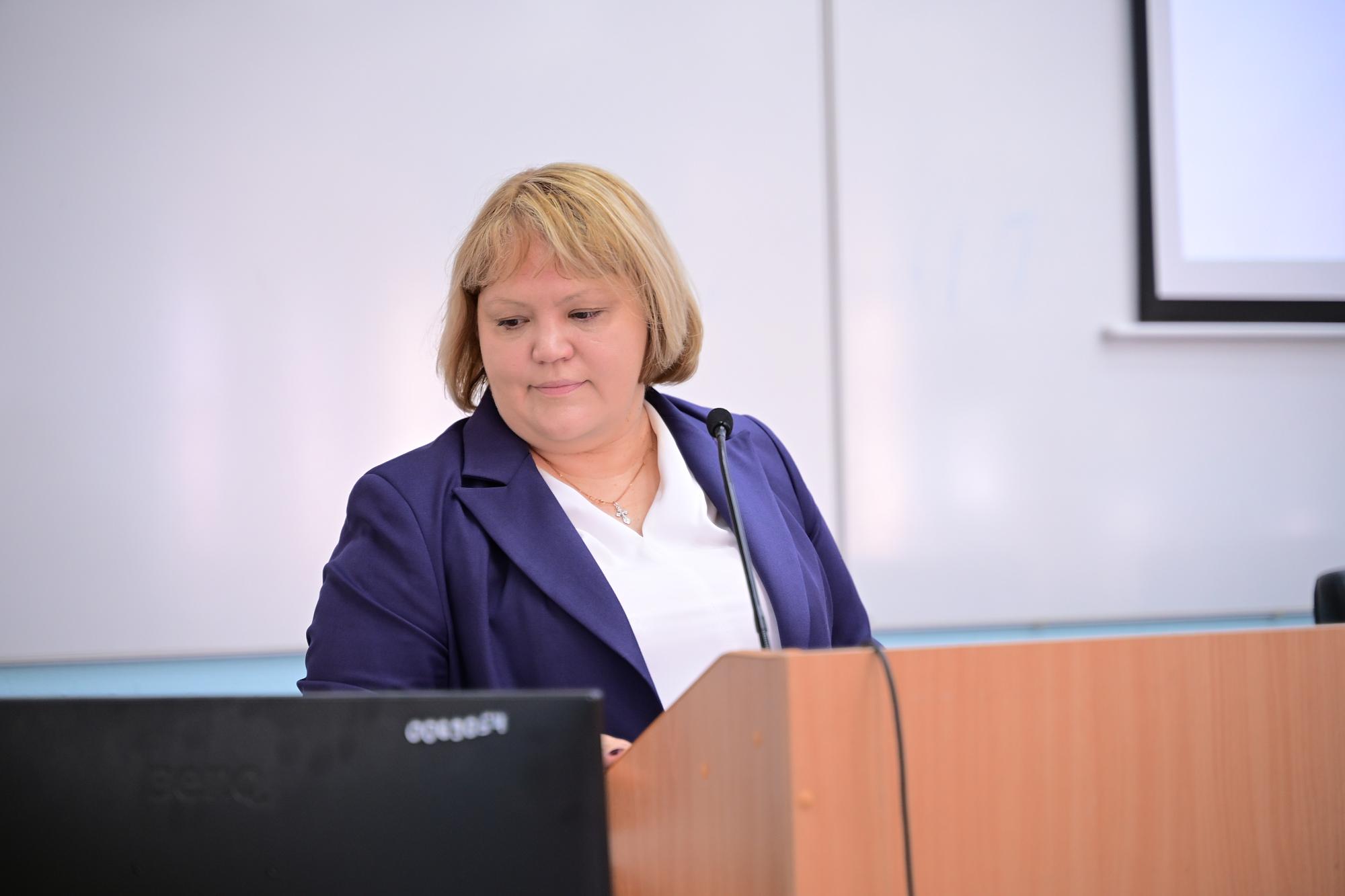
Associate Professor Olga Belskaya presented a report on genres of photojournalism using the regional media outlet “IFO-Photo” as an example.
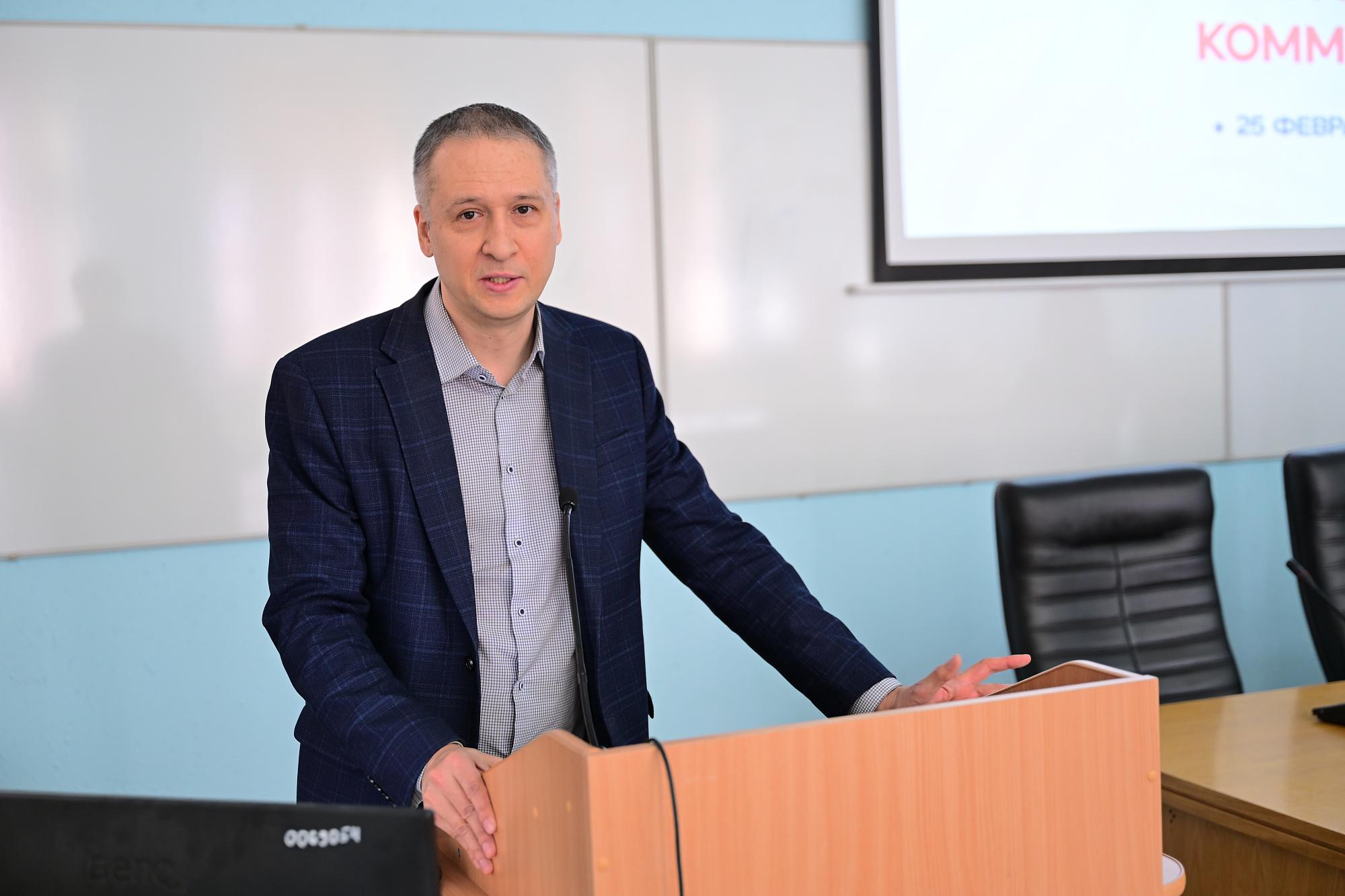
Iuliia Vairakh delivered a report titled “Ways of Objectifying the Category of Accuracy in Media Discourse”. With the widespread dissemination and monitoring of information, as well as the increase in disinformation and other manipulation techniques, the issue of objectivity and truthfulness in media content has become particularly acute.
The department head emphasized that modern media culture shows a disproportionate increase in subjective, evaluative, and aggressive elements in the presentation of material. Referring to research by RBC from September 4, 2025, the presenter noted that respondents believe the highest concentration of false information is found on social networks (37%) and messaging apps (24%).
It is worth noting that the II Russian-Mongolian forum explored the extensive field of media through documentary cinema and interpretations of works of art.