INRTU Green Technologies at BIEC 2026: Water and Air Monitoring Portals, Eco-Assistant and Construction Innovations
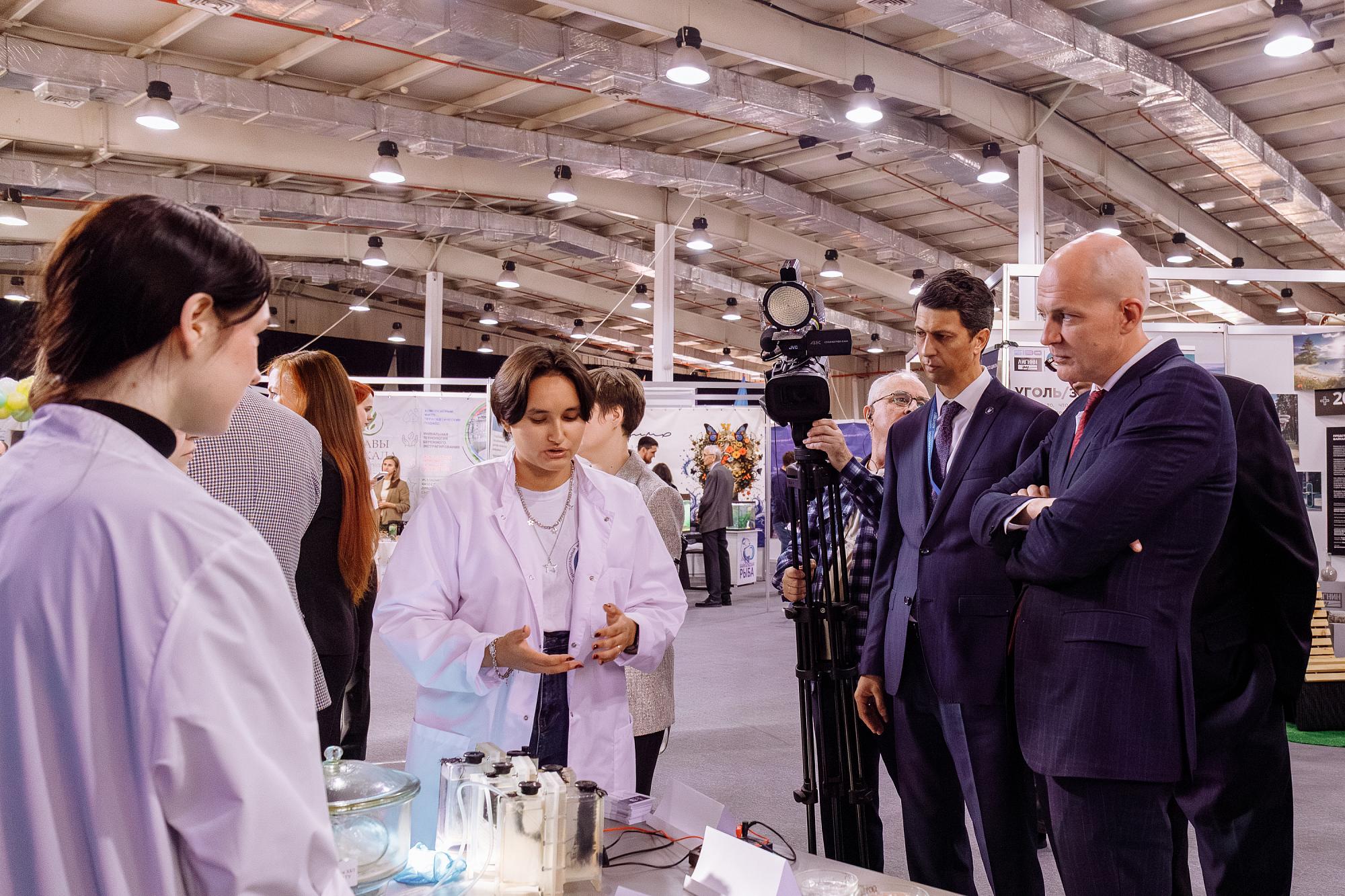
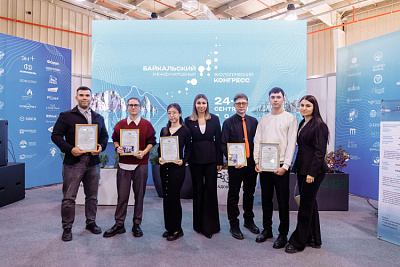
INRTU presented the largest exhibition at the Green Technologies showcase during the Baikal International Ecological Congress (BIEC) 2026. Across 10 stands, the INRTU team showcased innovations in road construction, geoecology, and pulp and paper waste processing, along with environmental research from colleagues at Harbin Institute of Technology.
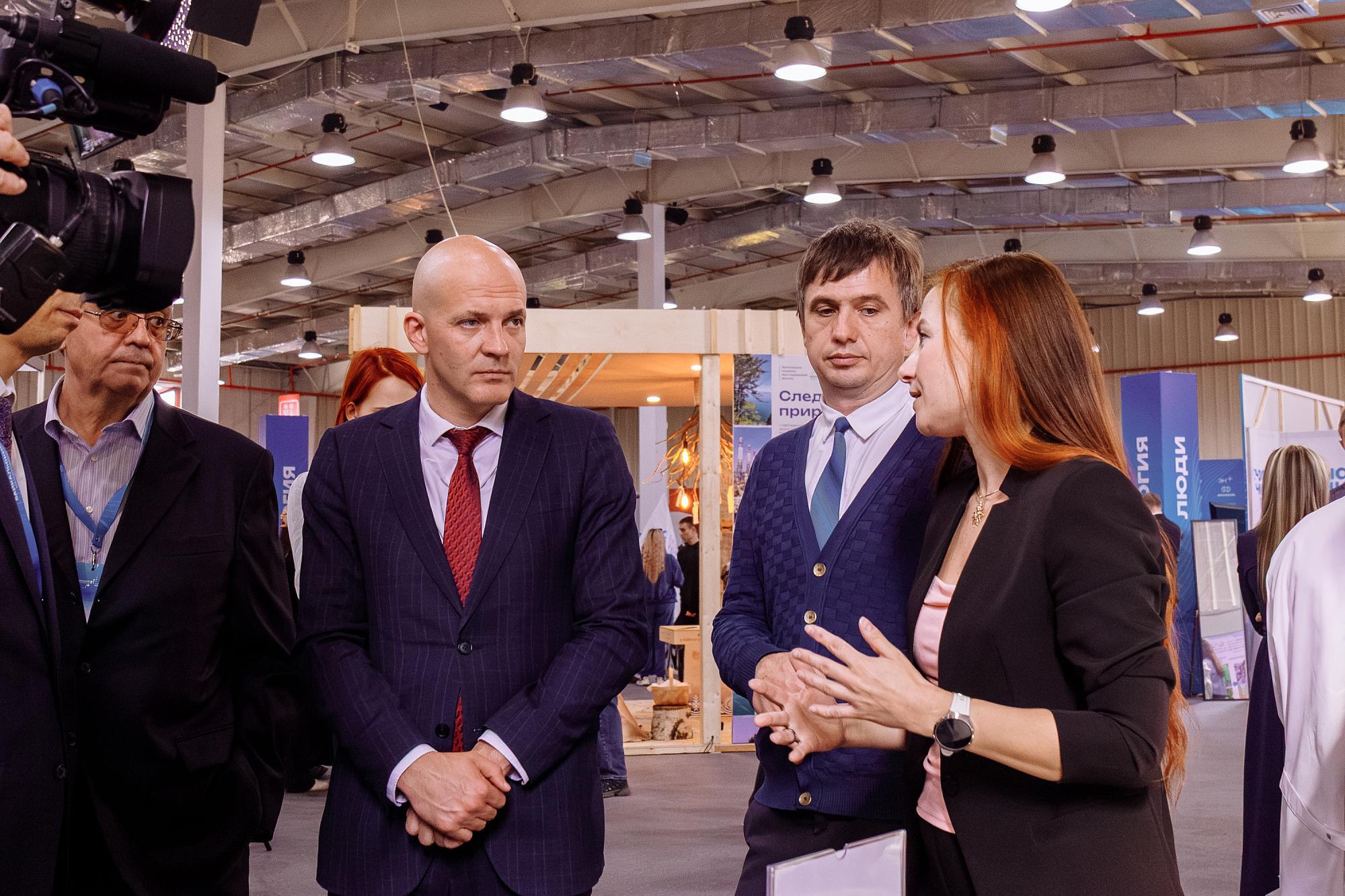
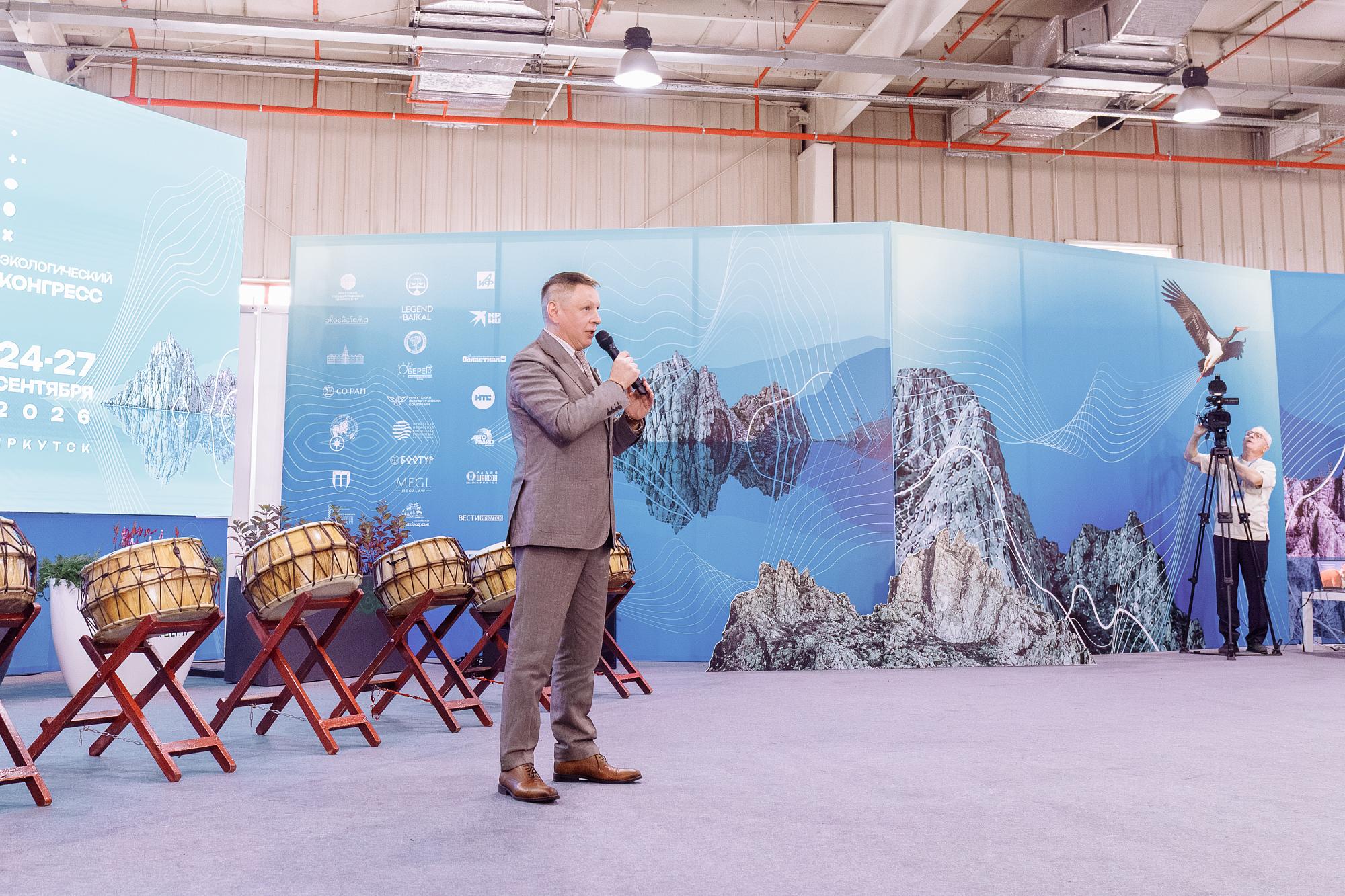
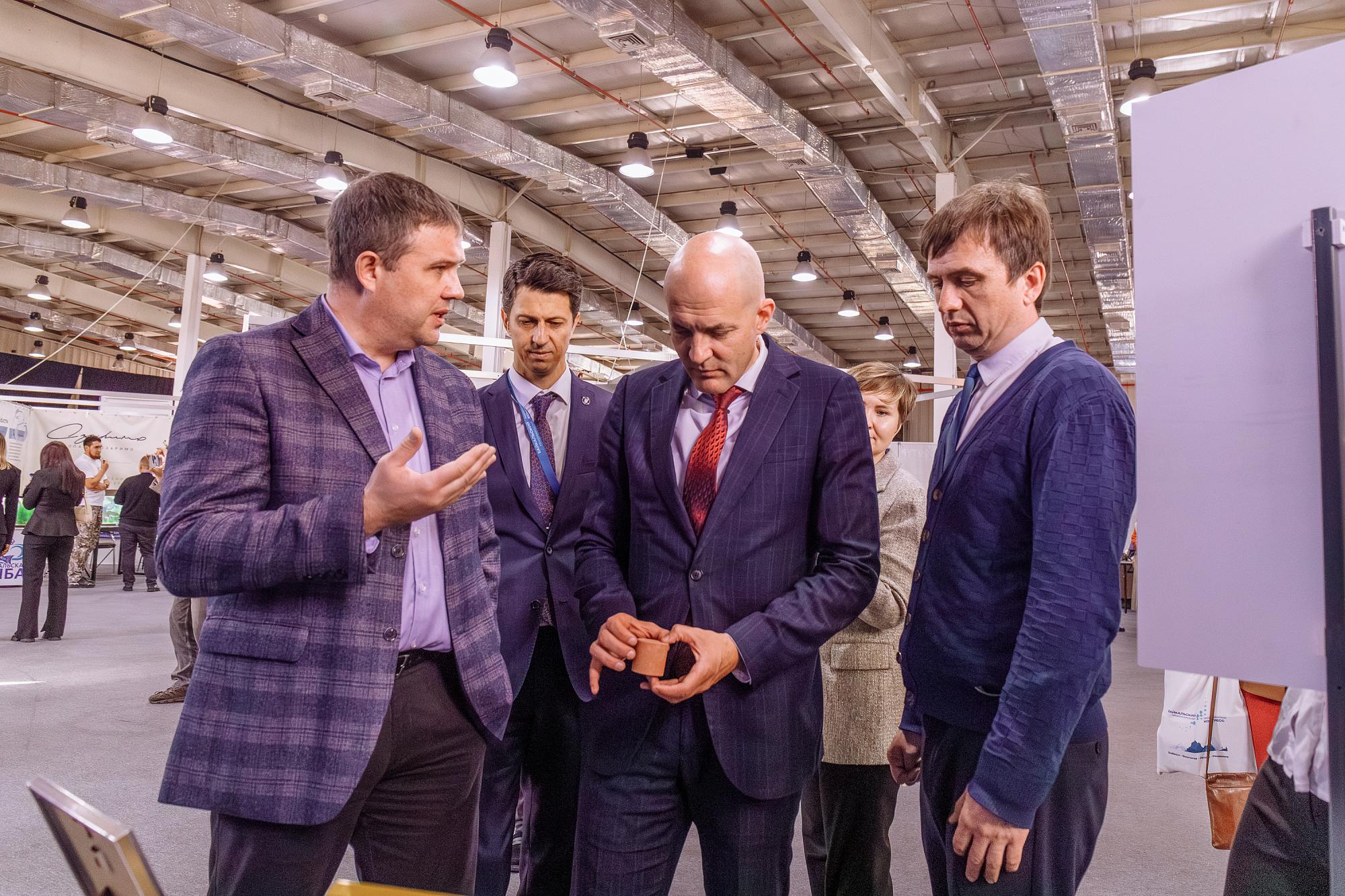
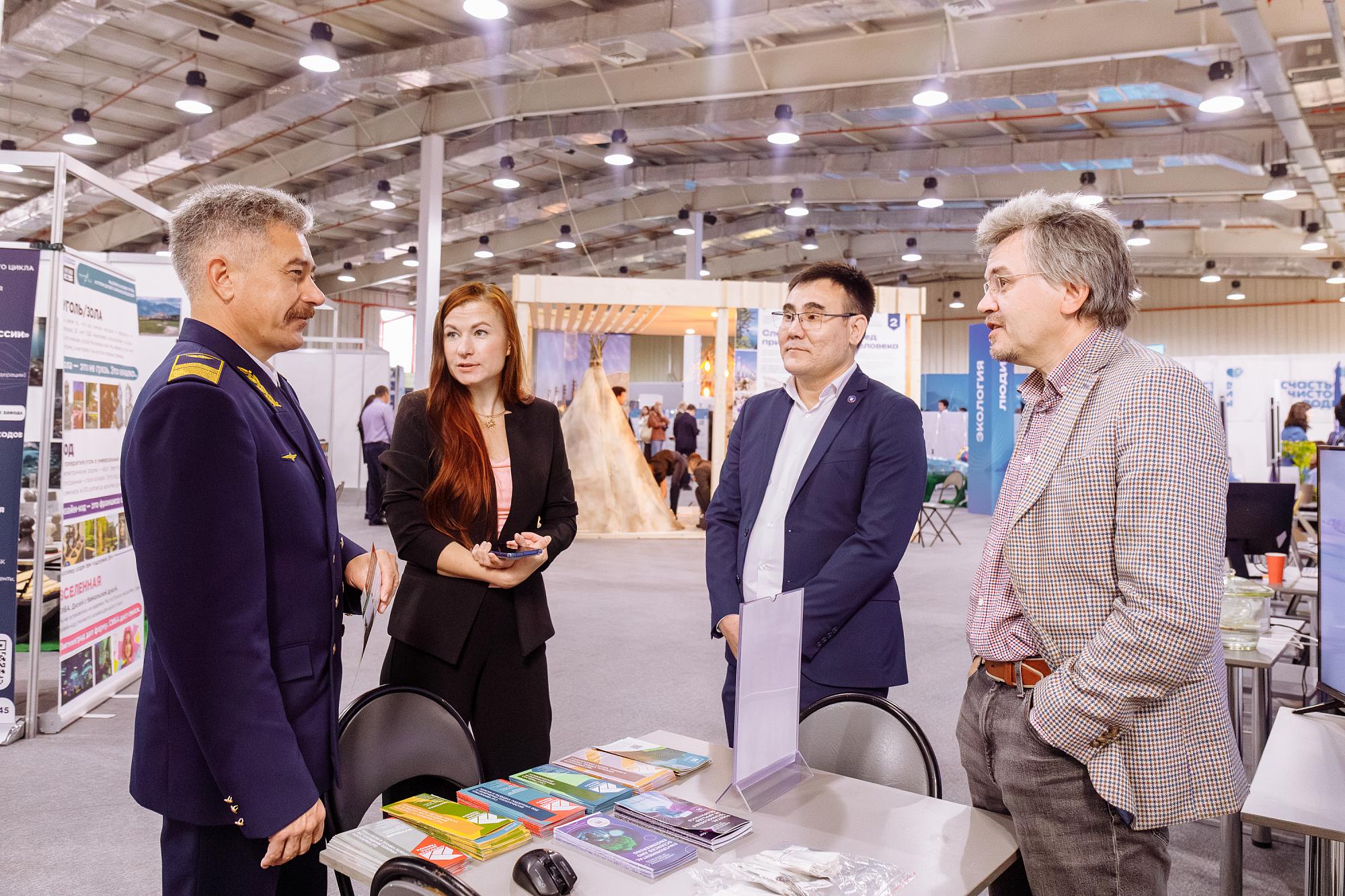
The project brought together 60 exhibitors from Irkutsk, Krasnoyarsk, Tomsk, and the Republic of Belarus. INRTU Rector Mikhail Korniakov officially opened the exhibition at SibExpoCenter, emphasizing the importance of the exhibition for the university:
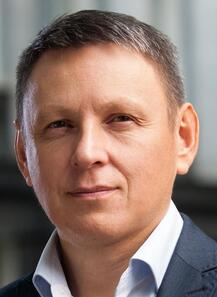
“We face challenging tasks. On one hand, protecting Lake Baikal, and on the other, ensuring the social and economic development of the region. The green industry presented at this exhibition makes this possible. It is important that our young people are taking part in developing and presenting these technologies,” Mikhail Korniakov emphasized.
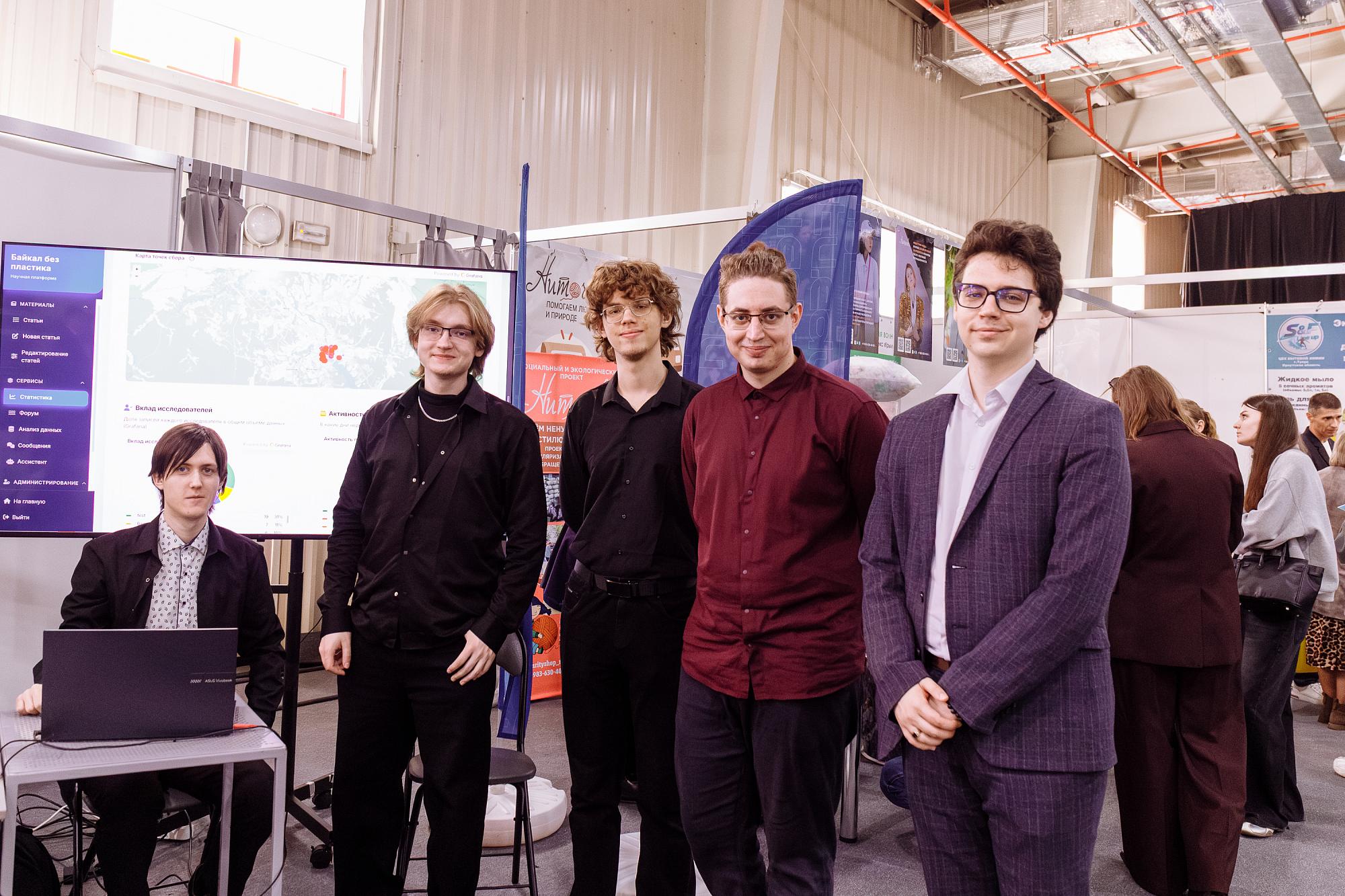
Olga Kachor, Head of the Department of Geoecology, presented the digital projects of the Siberian School of Geosciences. She introduced guests to a geoportal on air quality in the Angara region, containing data from snow sample analysis. The portal was developed by postgraduate student Ziyoviddin Ikramov, while students conducted the sampling. She also spoke about a website with information on water conditions across the entire Irkutsk Reservoir and the Angara River. What makes the portal unique is that scientists collected water samples for eco-hydrochemical research during “sea” expeditions aboard the School’s yacht.
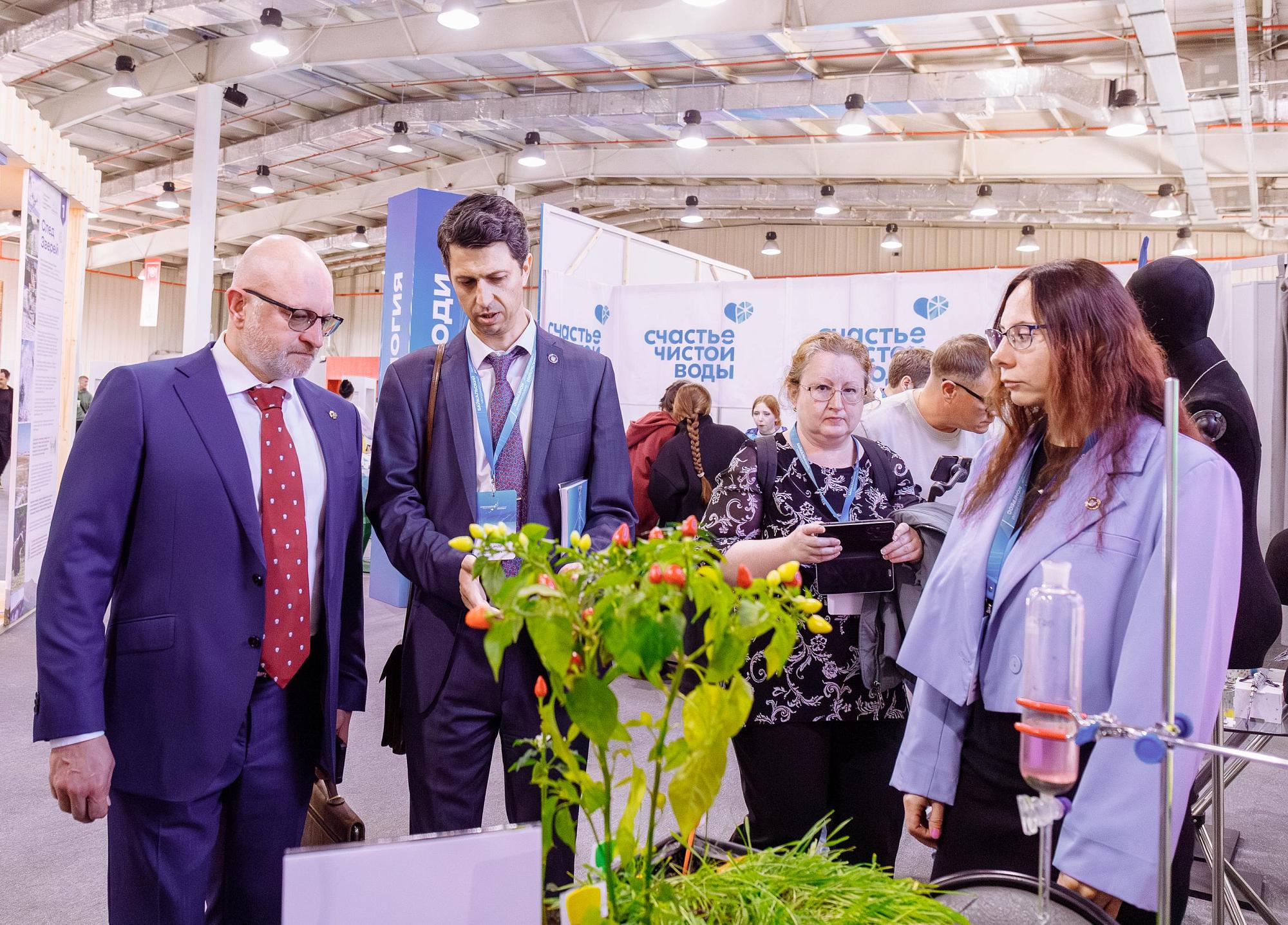
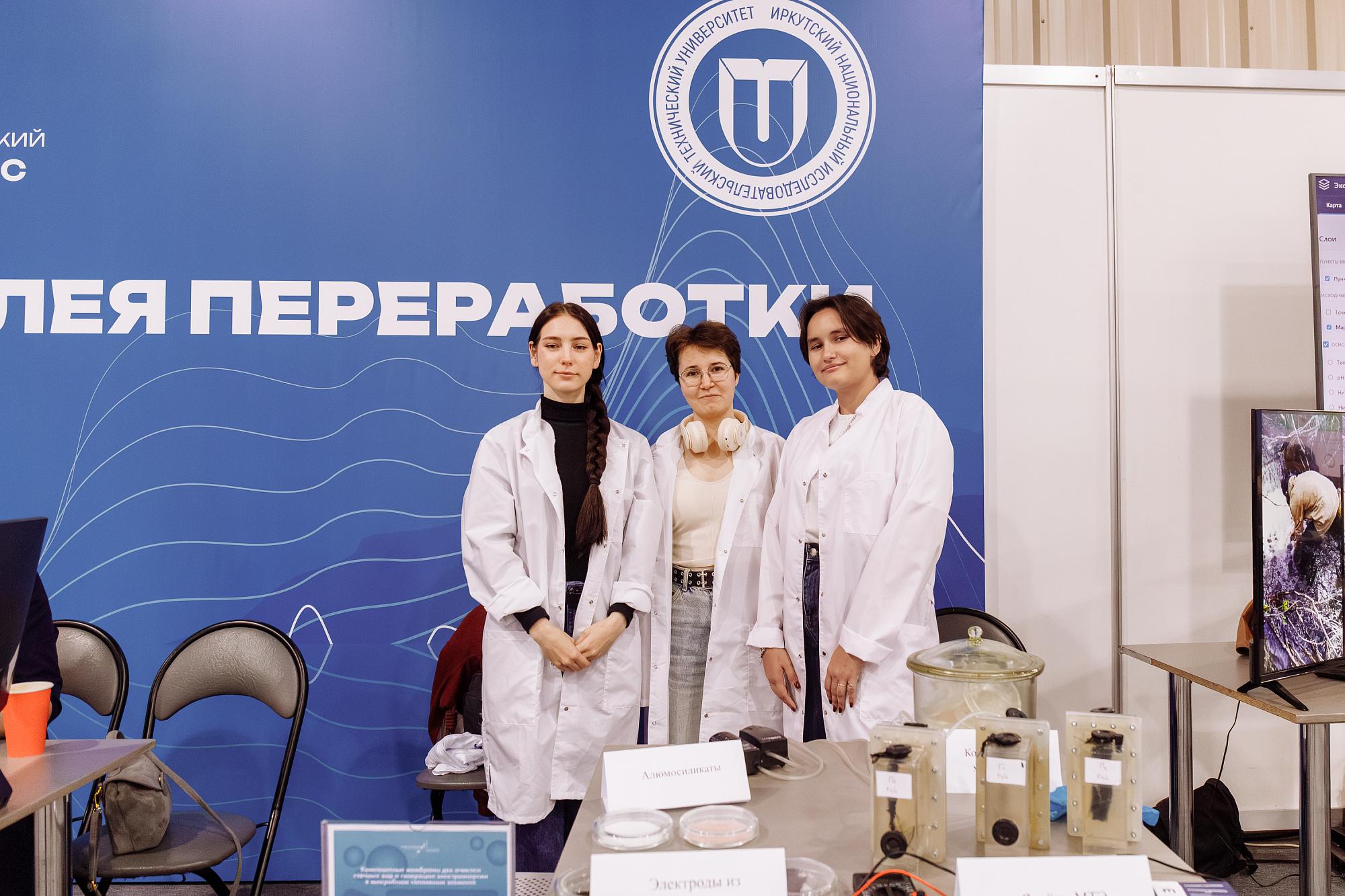
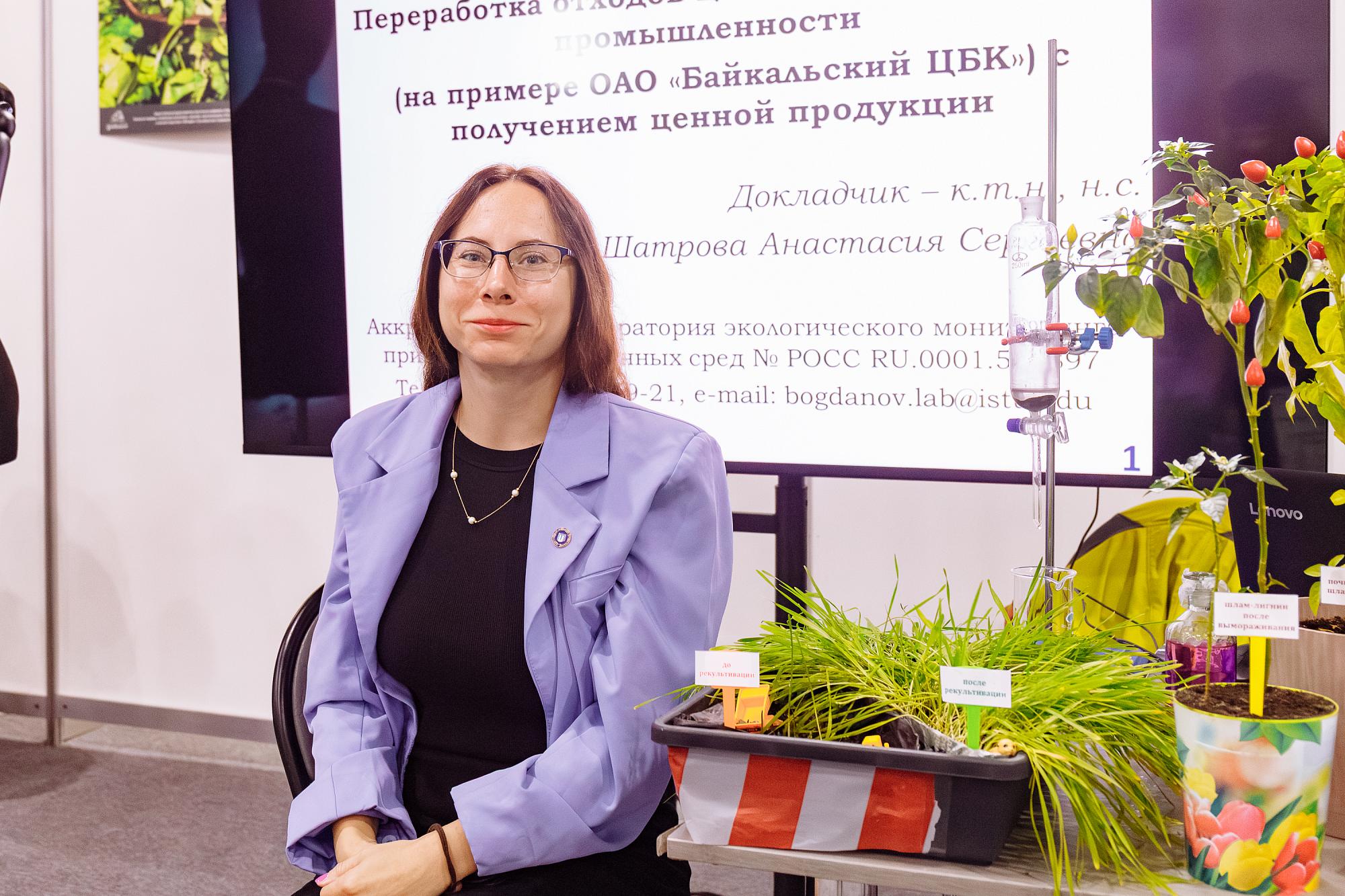
A pepper bush and grass grown in soil reclaimed by INRTU researchers drew particular interest from guests. The project was presented by Anastasia Shatrova, a senior researcher at the Laboratory of Environmental Monitoring of Natural and Technogenic Environments. She and her colleagues developed a sorbent from freeze-thawed sludge-lignin from the Baikal Pulp and Paper Plant and ash from burning wood fuel. This soil binds heavy metals in the ground and prevents them from penetrating plant roots.

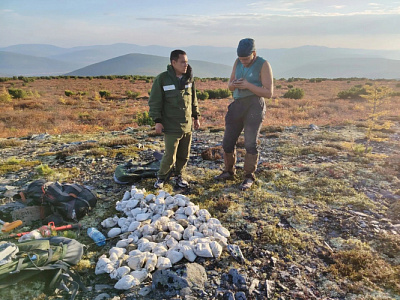
“Under a Russian Science Foundation (RSF) grant, this summer we collected samples at the industrial site of the former Vostsibelement battery plant in Svirsk. Master’s student Evgeny Bakeev was actively involved and was entrusted with sampling and data processing. Our development can be used in urban landscaping, agriculture, and the reclamation of disturbed lands,” said Anastasia Shatrova.
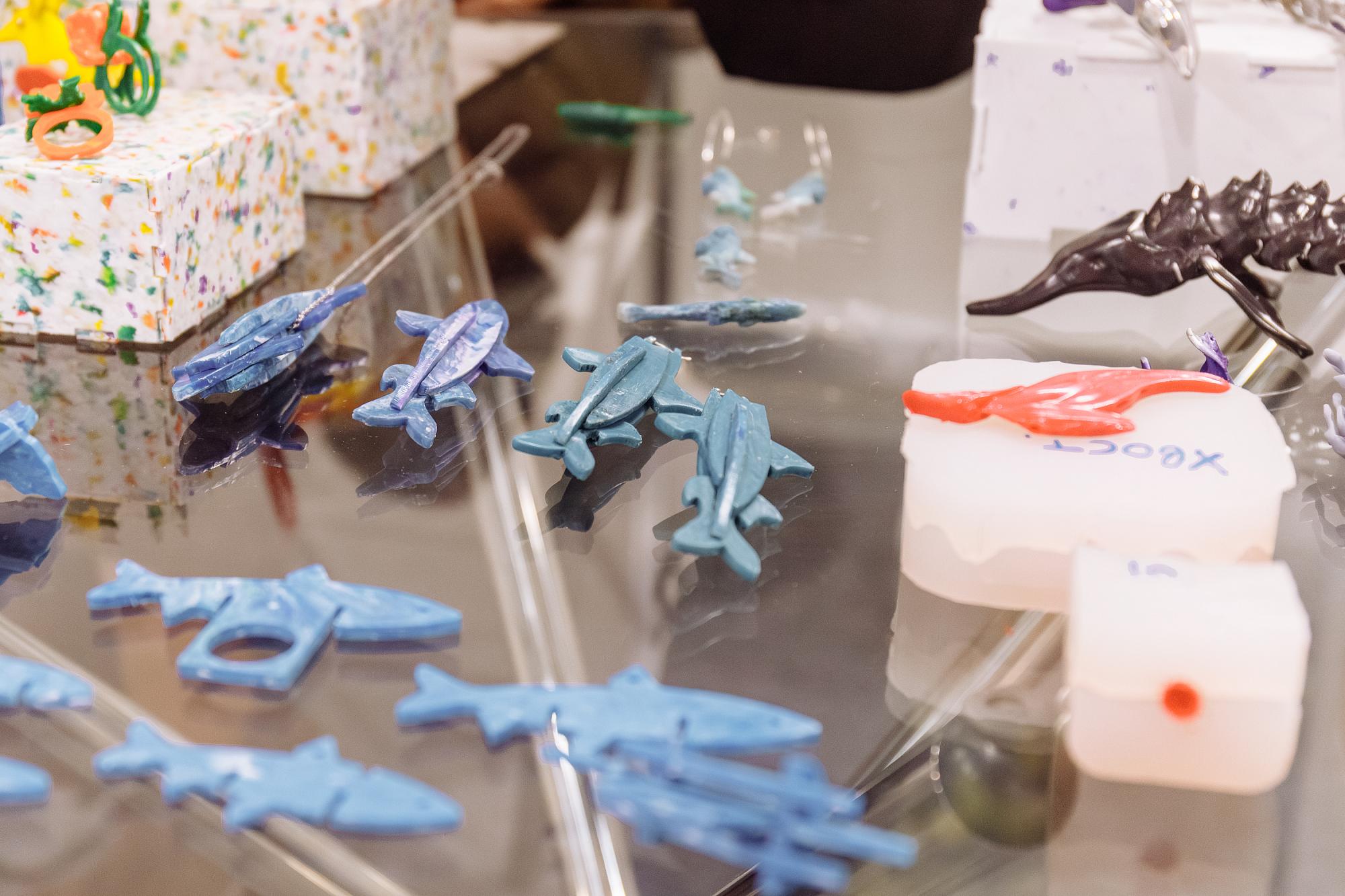
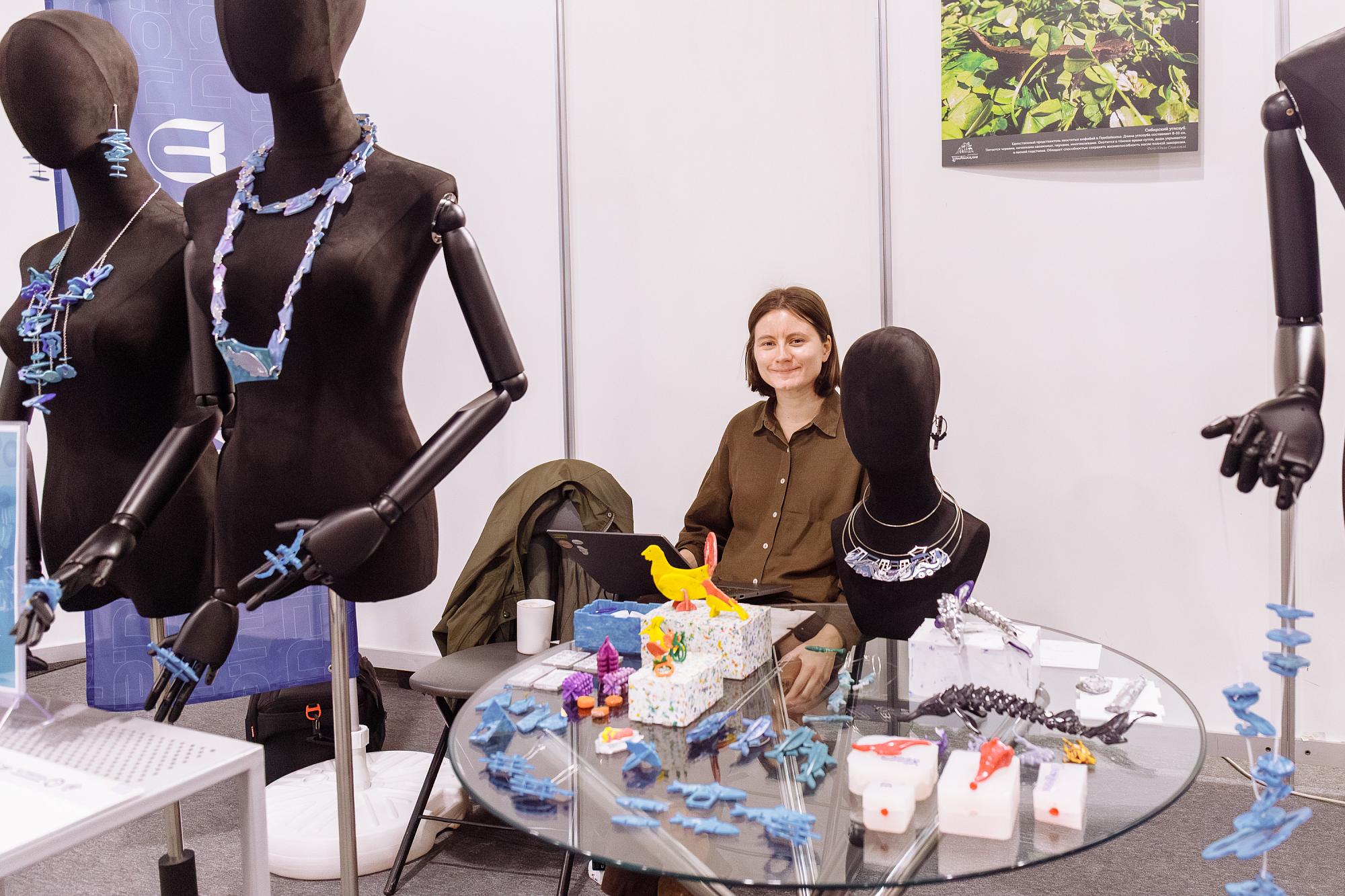
The exhibits from the Department of Jewelry Design and Technology also followed environmental trends – costume jewelry made from recycled plastic and aluminum. INRTU designers came up with earrings and rings shaped like omul, ear cuffs stylized to resemble the epischura (an endemic Baikal crustacean). Students made the jewelry with support from the Rekapp and RE.FABRIKA workshops.
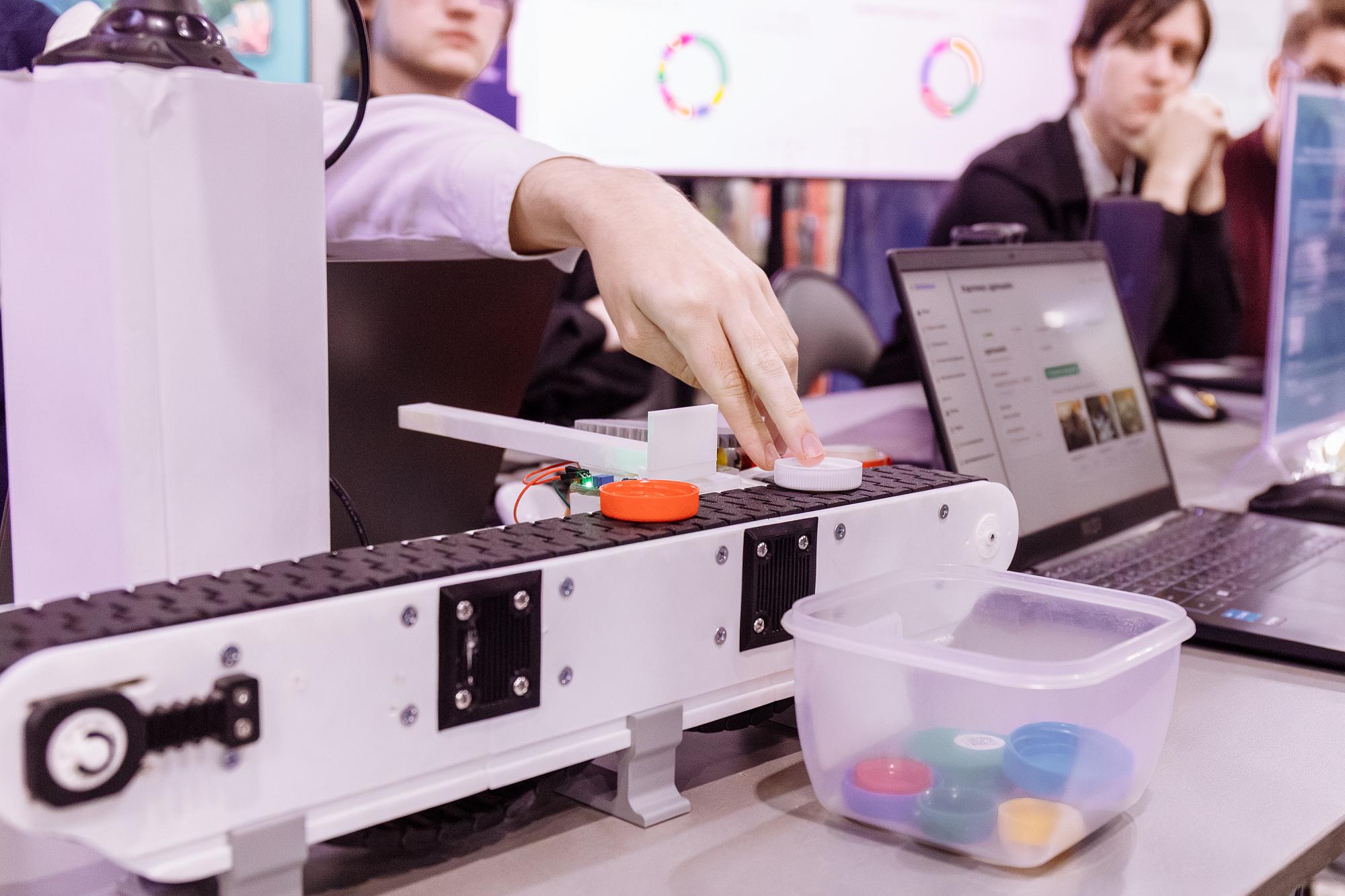
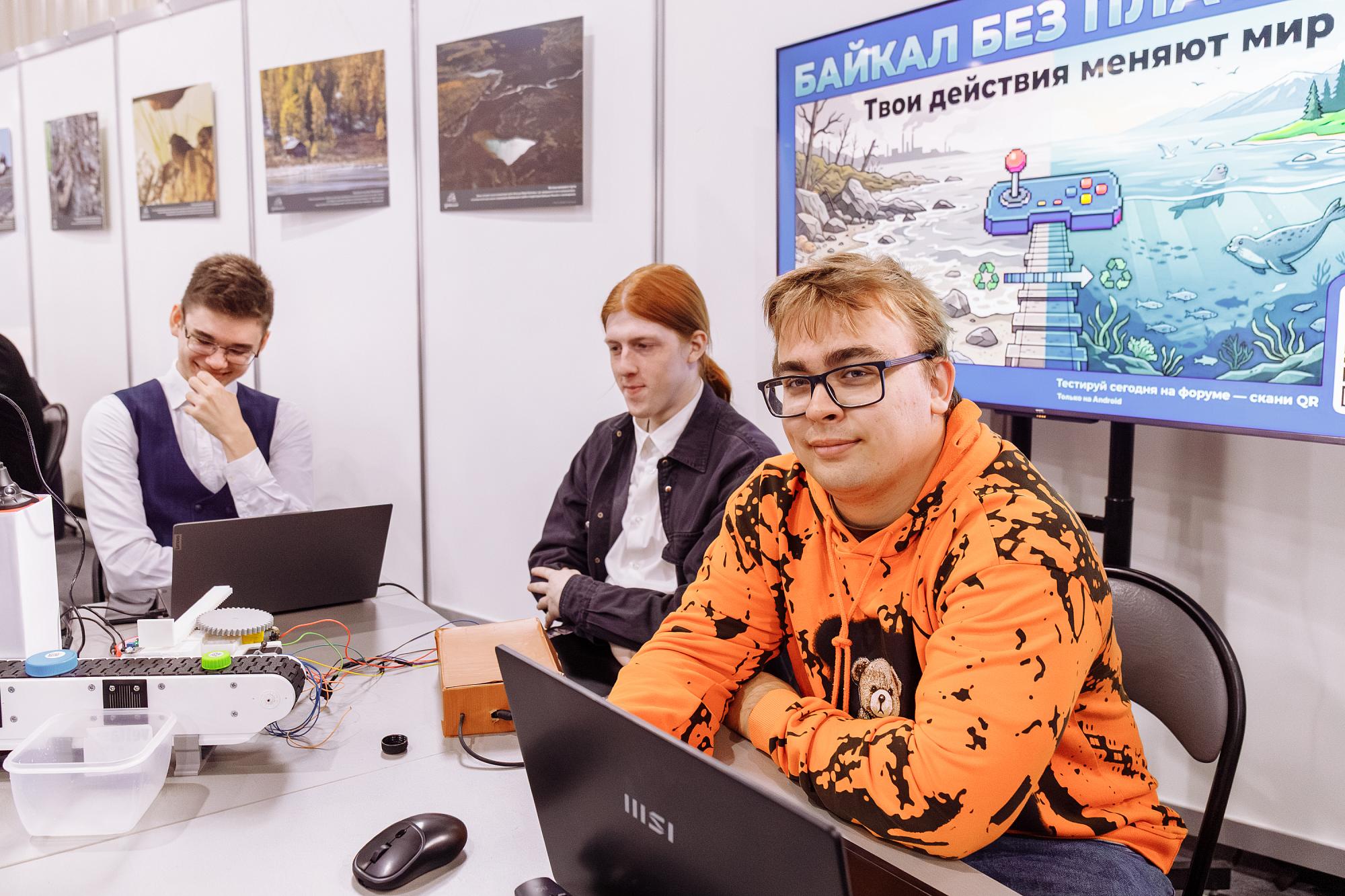
The Baikal AI Center presented three products: an eco-assistant for a regional museum, a game platform called “Baikal Without Plastic,” and a production line that sorts plastic by color and type.
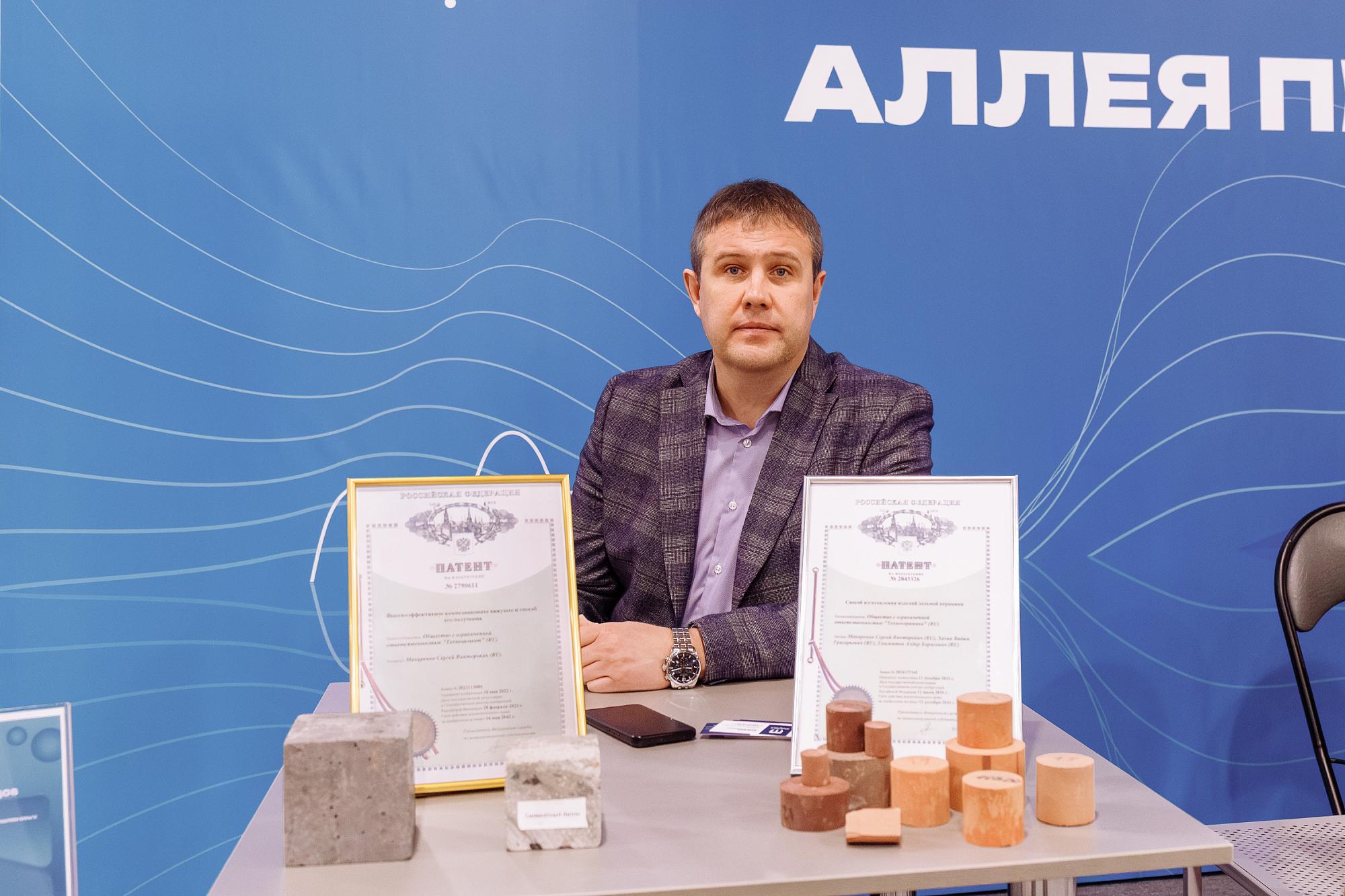
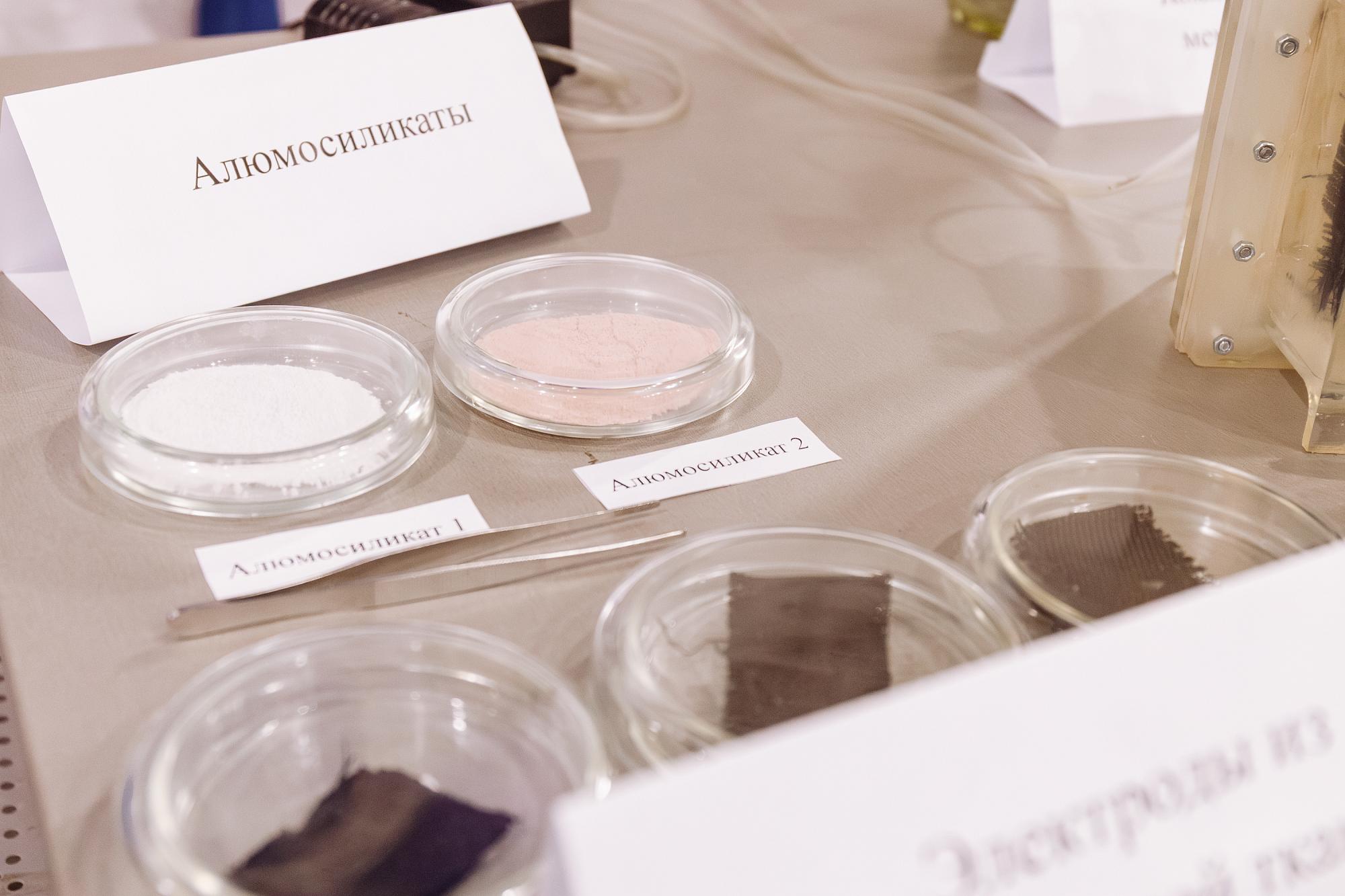
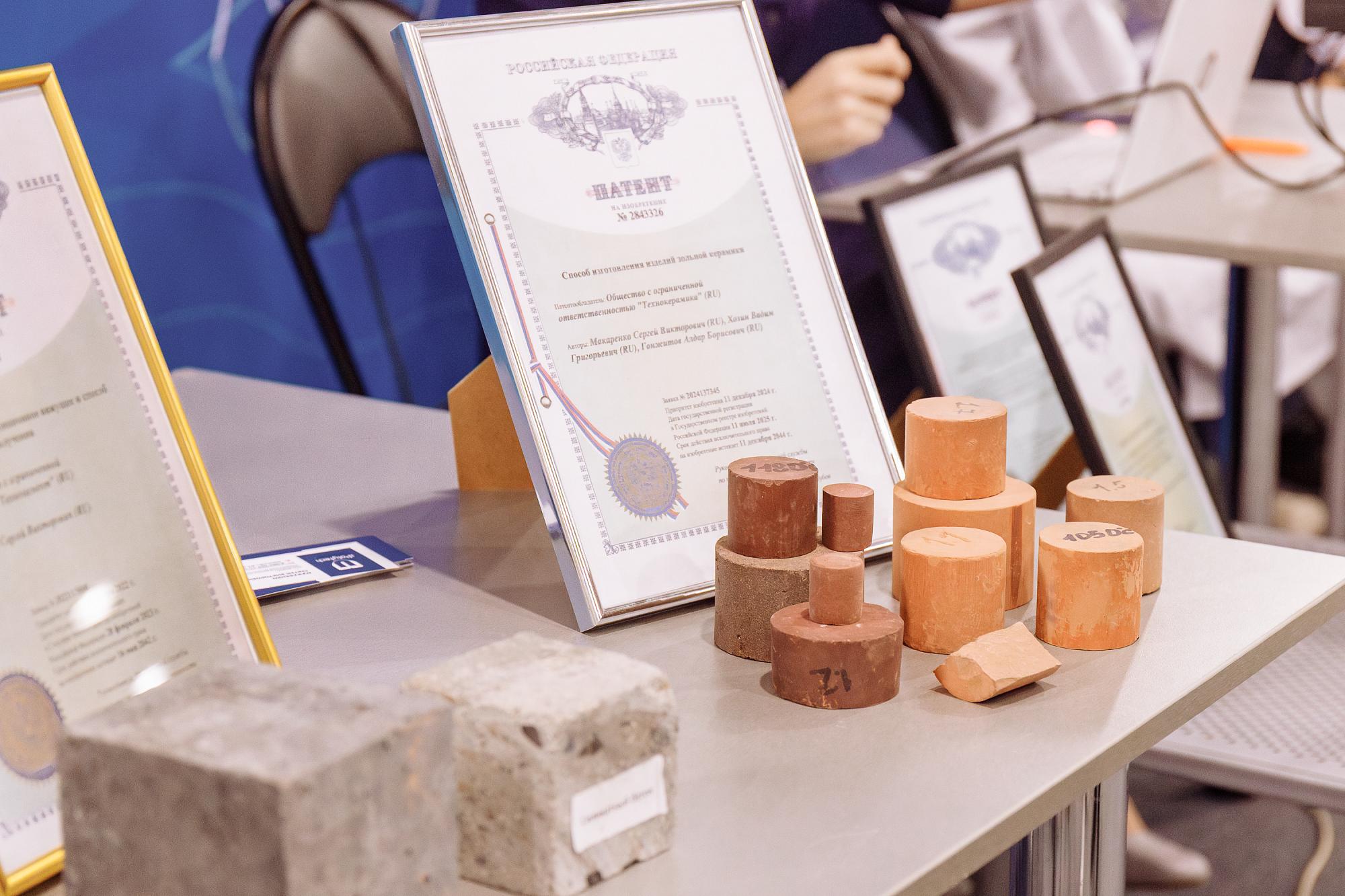
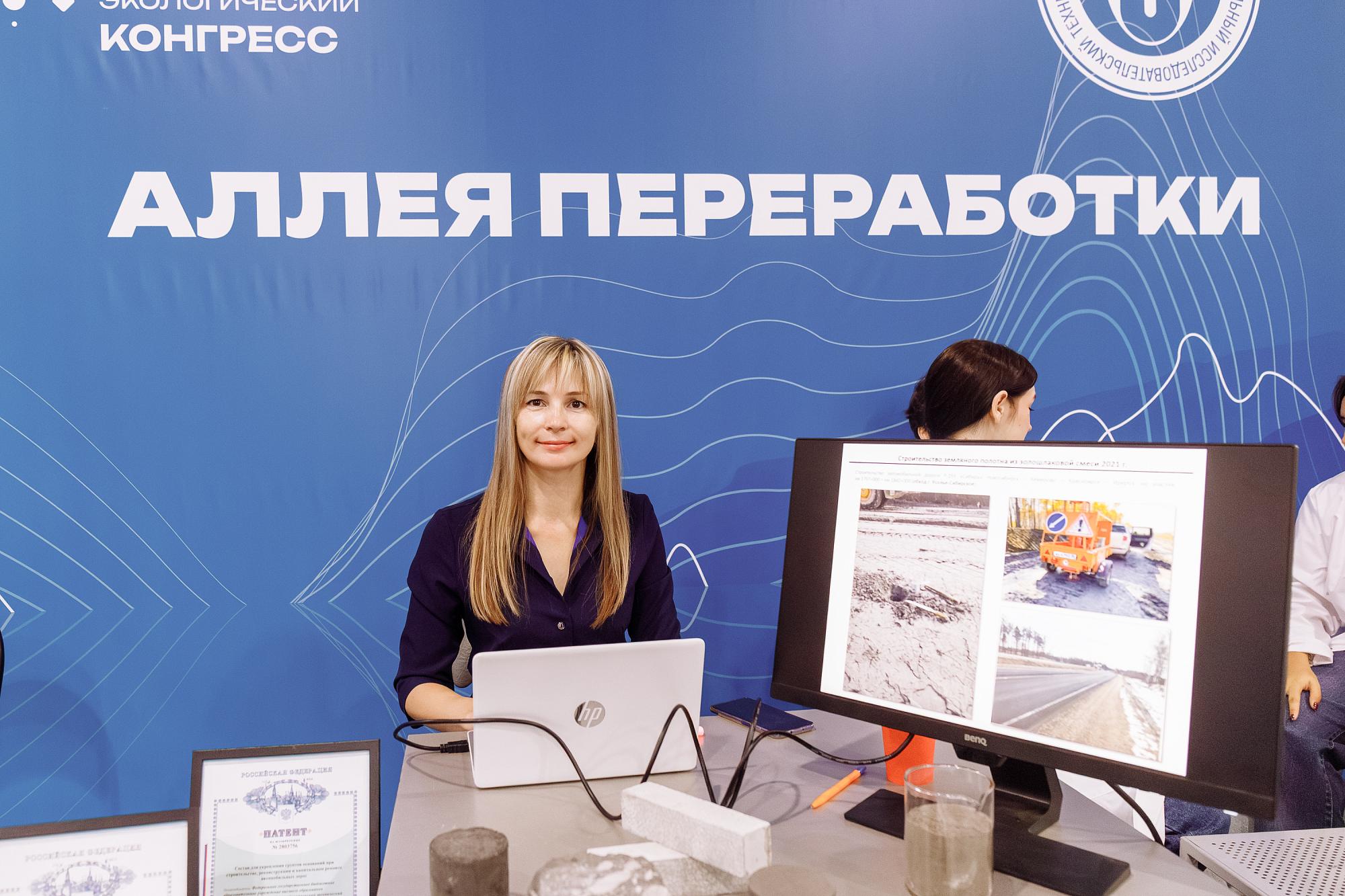
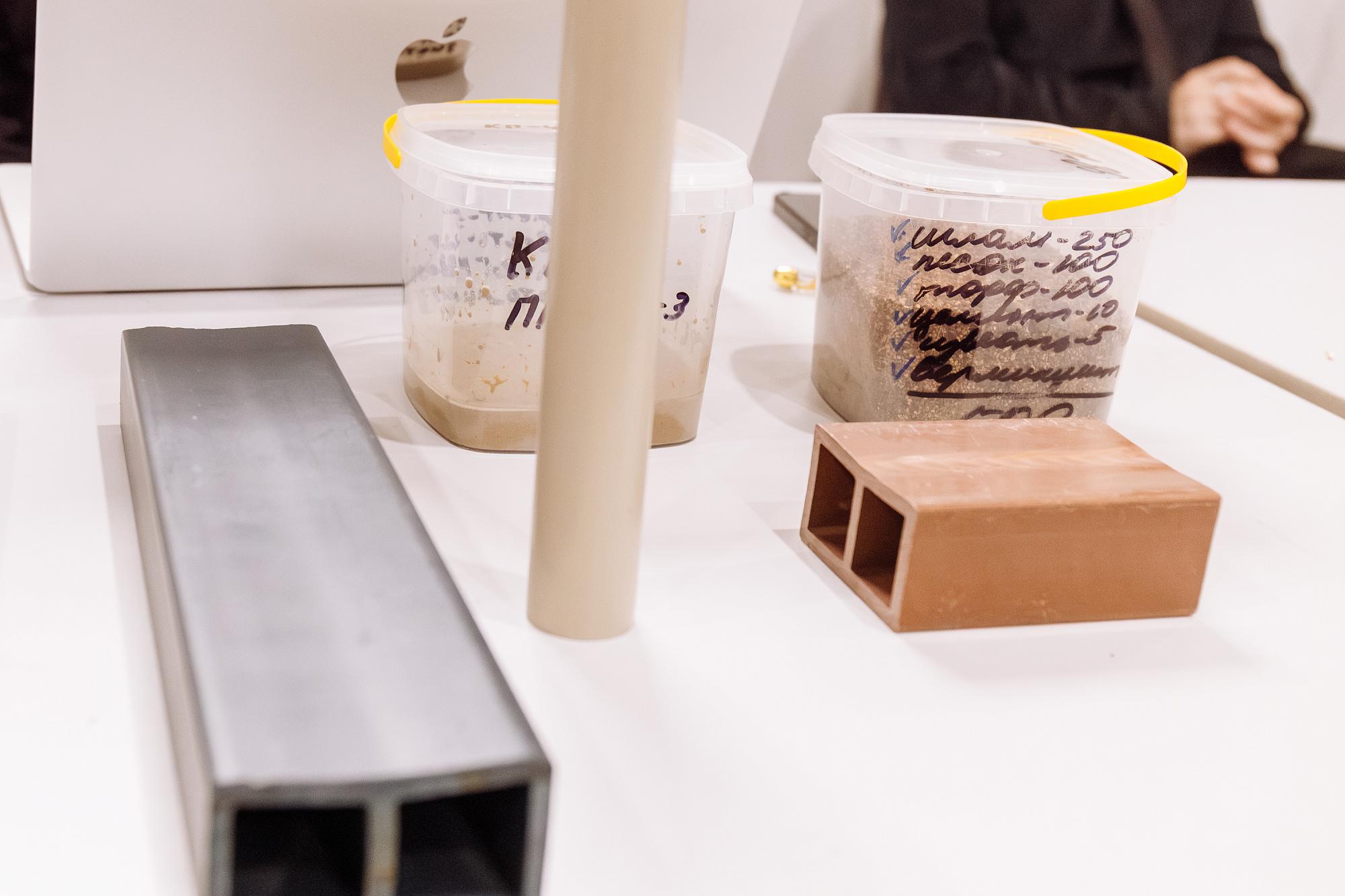
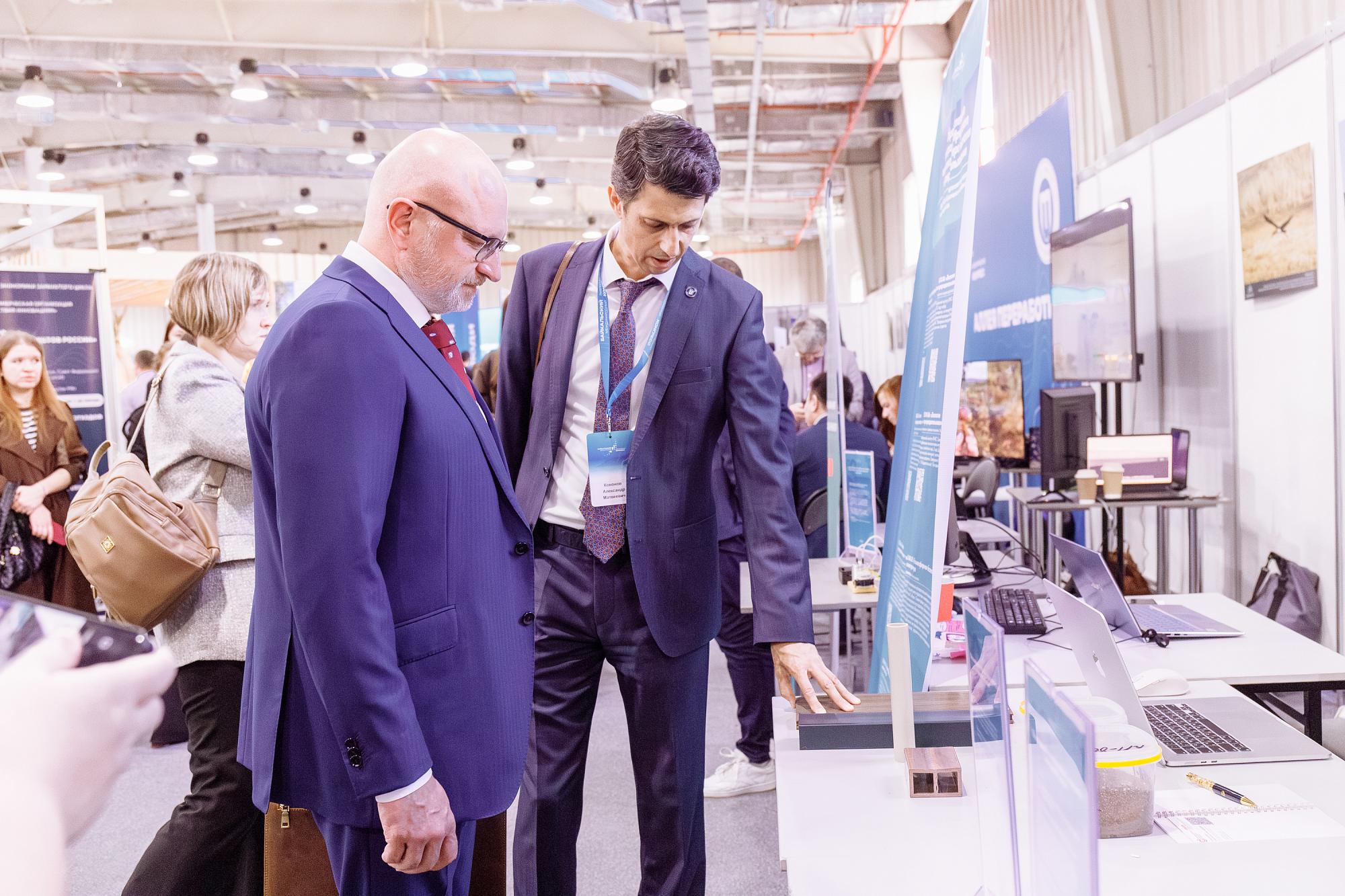
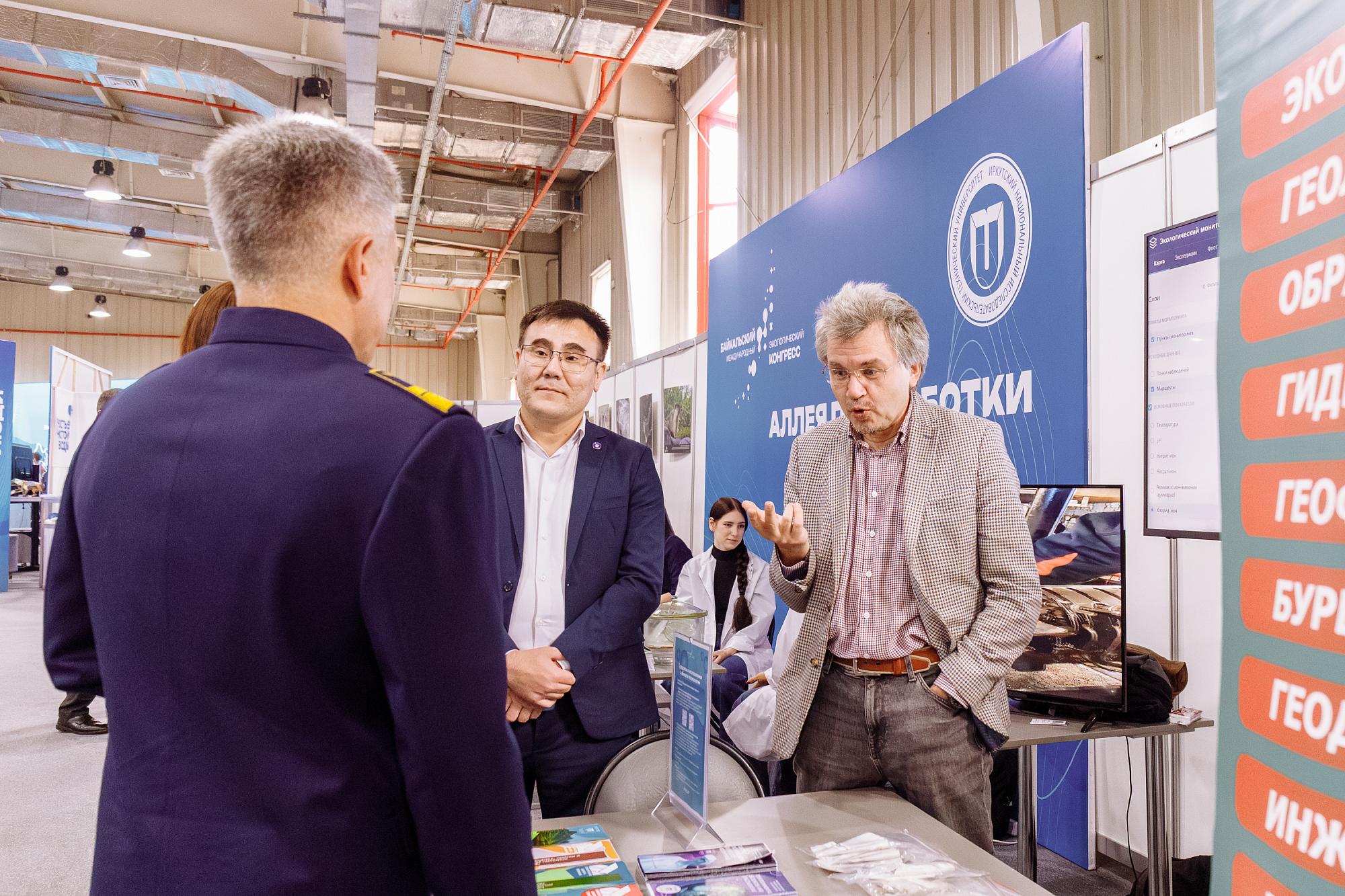
A separate INRTU block was the “Recycling Alley,” featuring inexpensive and eco-friendly building materials based on ash-slag mixtures: samples of ash ceramics, composite cement-free concretes, and cement binders. Associate Professor Sergei Makarenko, founder of Tekhnotsement, is a co-author of the patented developments.
The Department of Highways displayed ash-slag mixtures reinforced with lime and Portland cement, and inorganic binders made from fluorogypsum and thermal power plant ash. INRTU’s technology for using technogenic waste had previously been applied in building an experimental section of the “Sibir” highway.
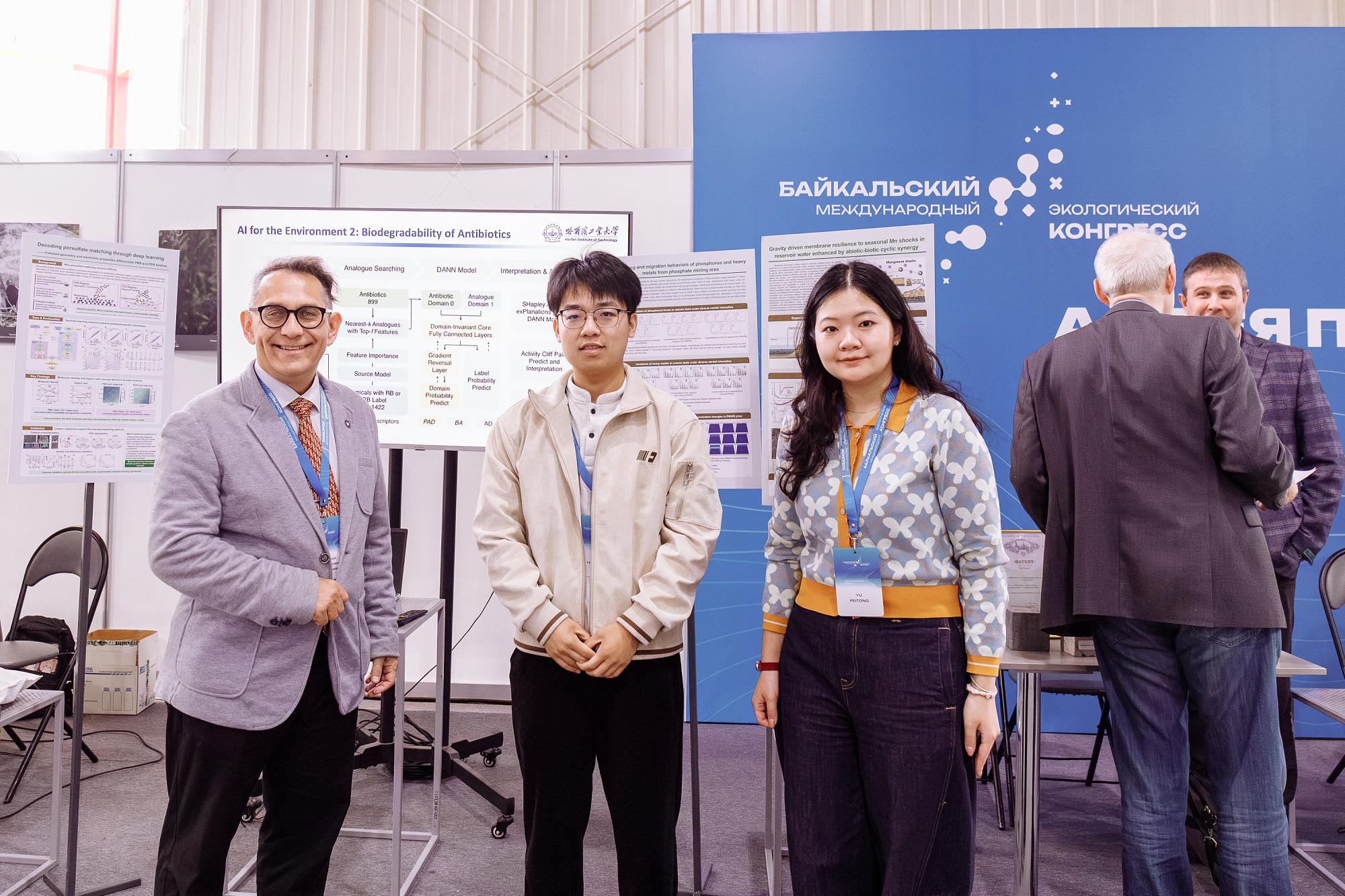
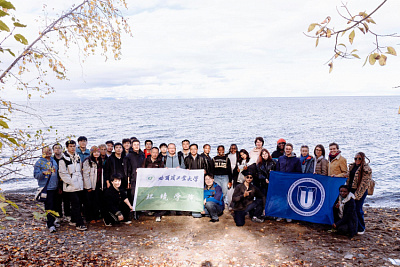
One stand was dedicated to research by partners from Harbin Institute of Technology: videos and posters on solid waste, the aquatic environment, and the use of AI in nature conservation. The materials were authored by postgraduate students from the School of Environment at Harbin Institute of Technology.
INRTU also presented composite membranes for wastewater treatment and power generation in a microbial fuel cell, as well as a hardware-software system for assessing anthropogenic load in a tourist area.
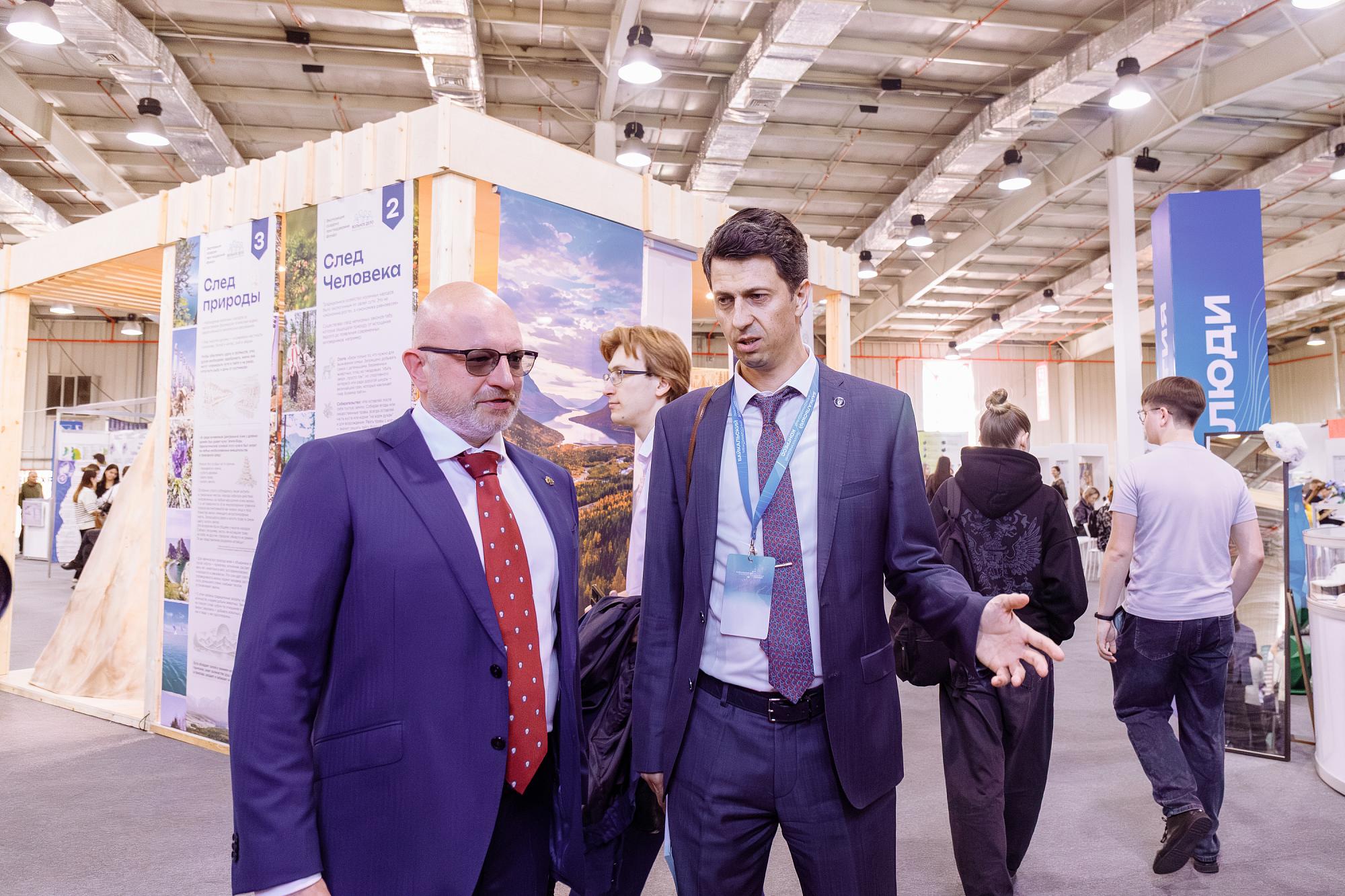
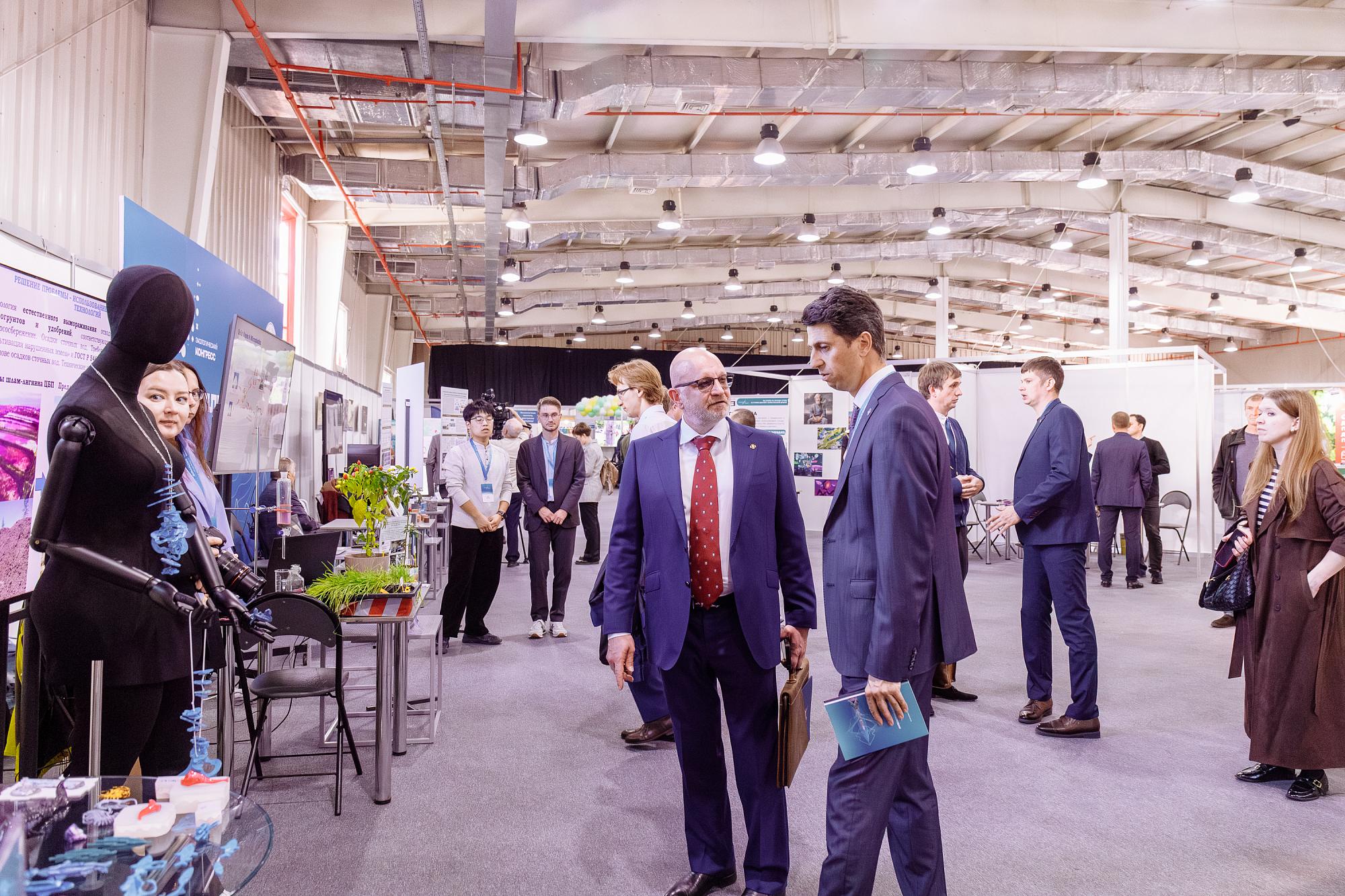
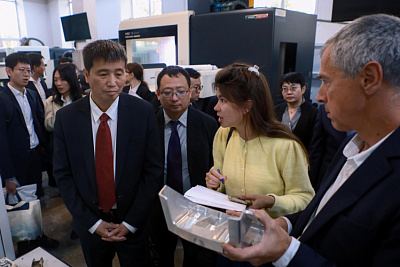
On the opening day, September 24, the exhibition was visited by Alexander Anchugin, Deputy Chairman of the Government of the Irkutsk Region, and Sergey Kladov, Vice Mayor of Irkutsk.
According to Alexander Anchugin, INRTU’s developments are backed by a strong scientific base. At the same time, they reflect the most urgent problems of the Angara region that require rapid solutions:
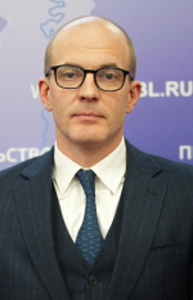
“It is encouraging that all the research has a concrete and practical focus. The university is concentrated on the urgent problems of our region. And this is the foundation for further successful progress,” said Alexander Anchugin.
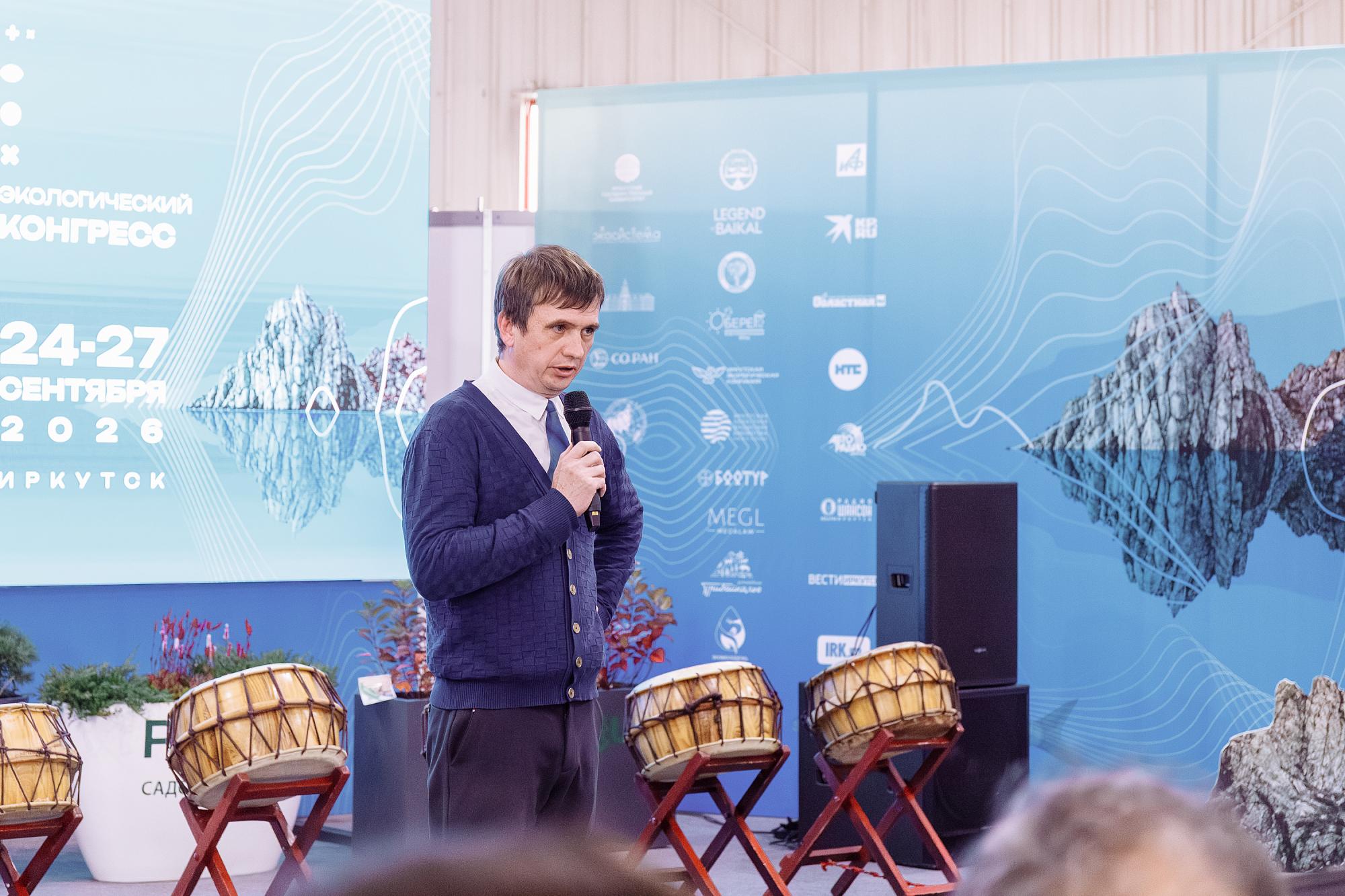
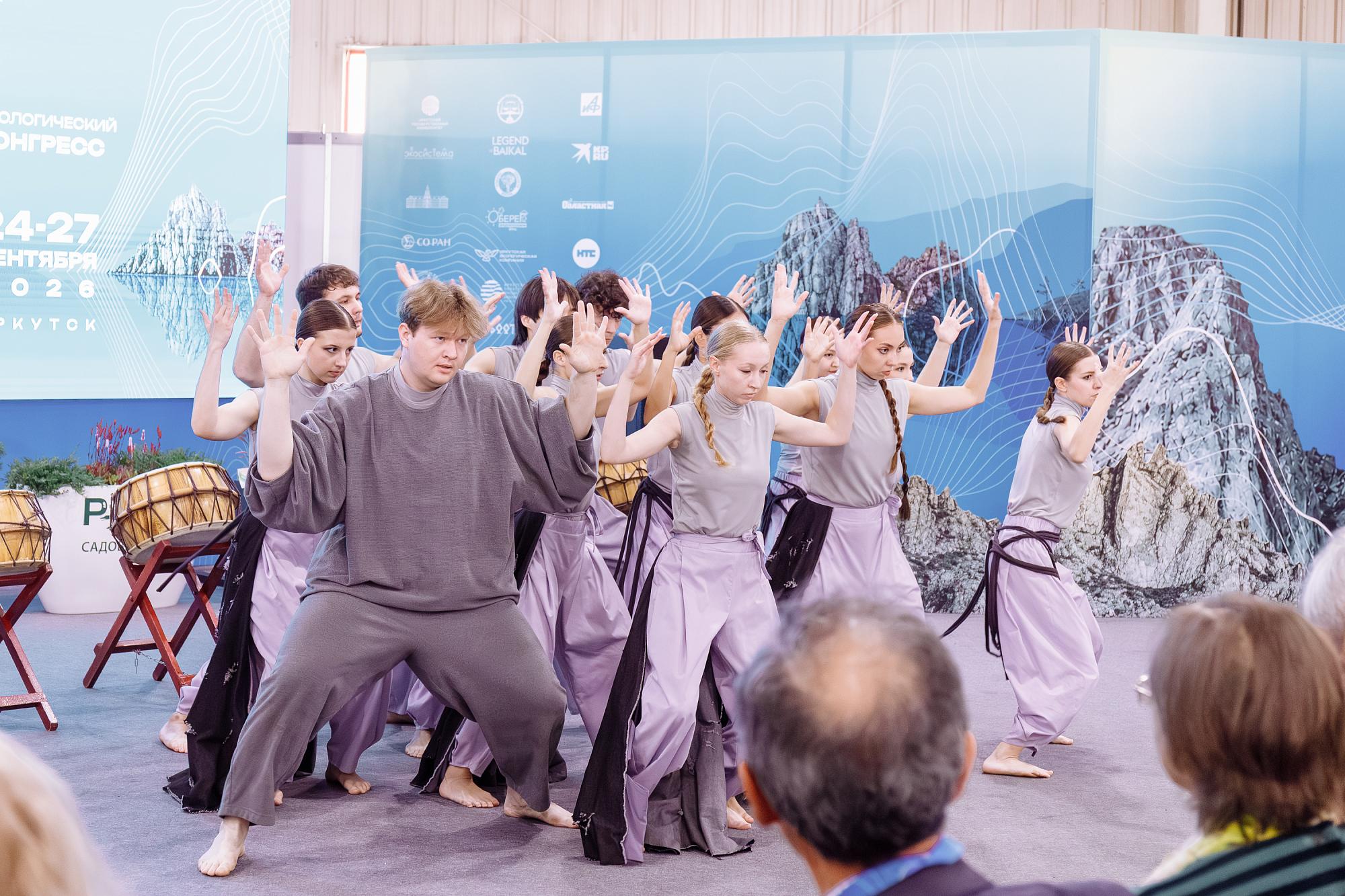
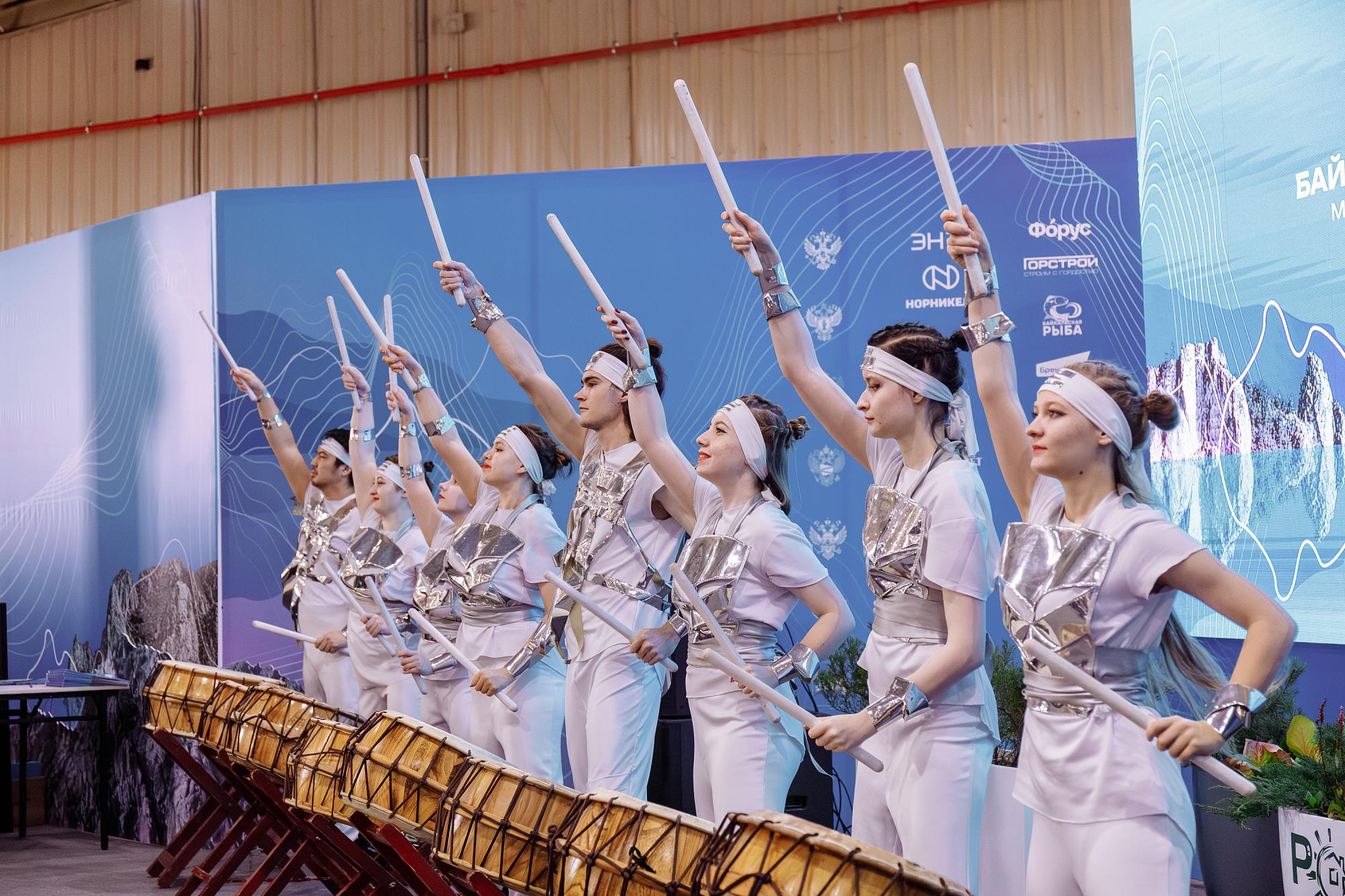
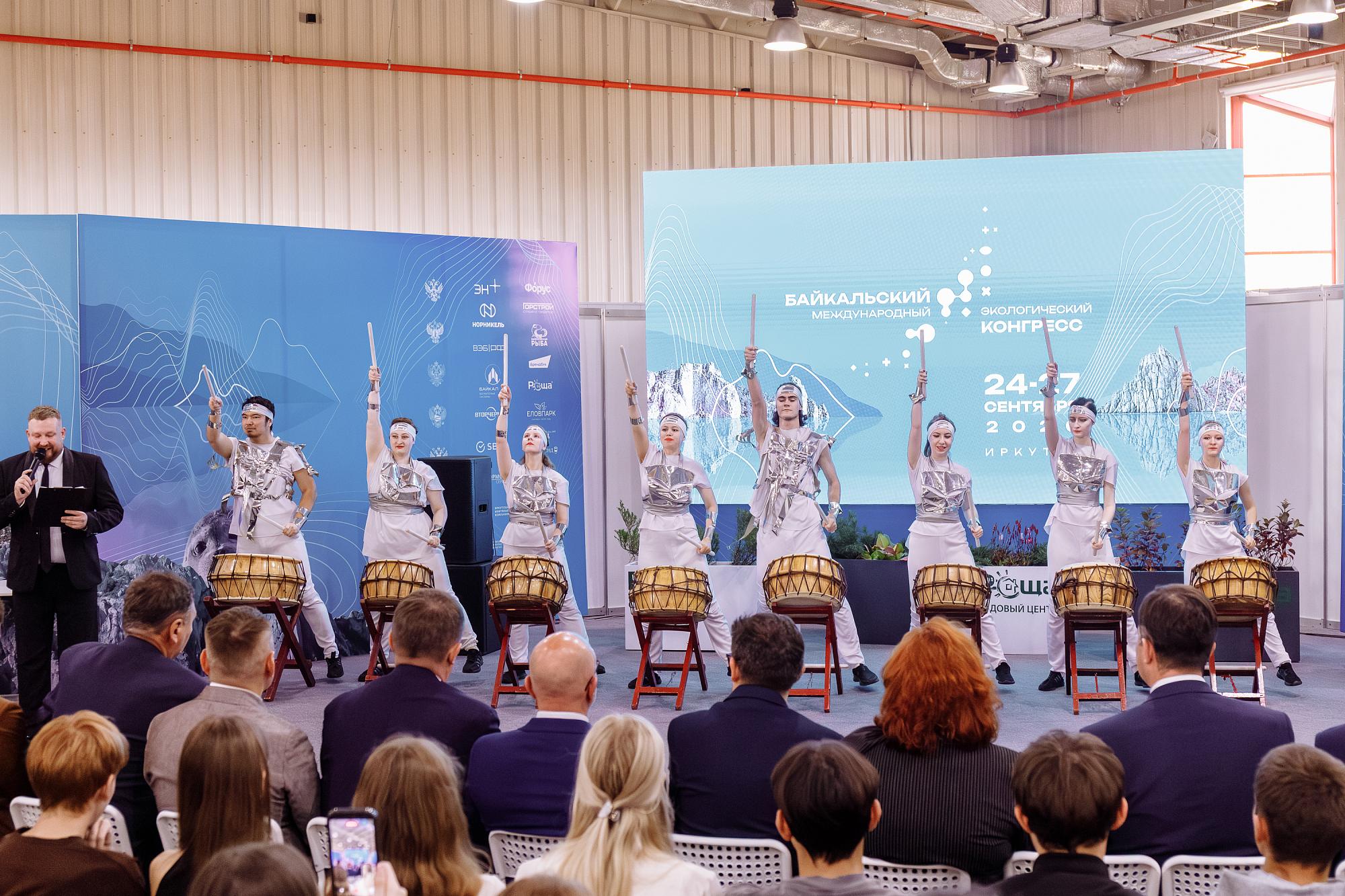
The opening ceremony was adorned by performances by INRTU’s EthnoBit ethnic percussion studio and Shagi contemporary dance school.
Photos by Mila Milostivaya