INRTU Archaeologists and Geologists Join Chinese Colleagues to Study Lakes and Caves of Priolkhonie
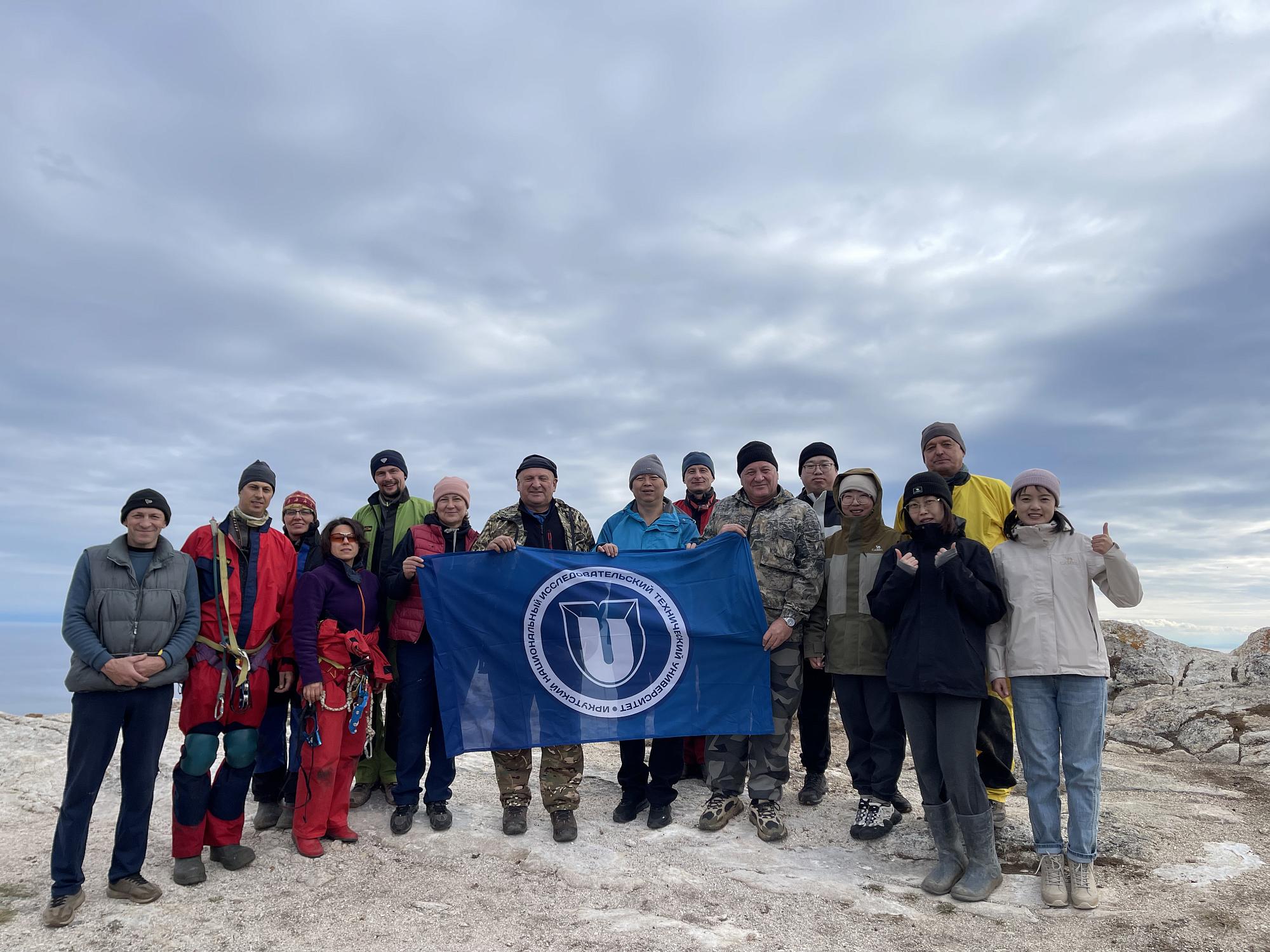
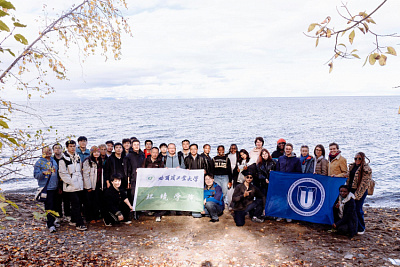
Archaeologists and geologists fr om INRTU, together with scientists from Xian and Lanzhou, carried out an expedition in the Olkhonsky District. They examined local lakes, fortified settlements and burial grounds, and descended into caves. The trip marked the start of a major international project to study paleoclimate and the lives of ancient people in the Baikal region.
INRTU's cooperation with colleagues from Xian and Lanzhou began last winter. At that time, Professor Artur Kharinskii, visited China and gave lectures at universities and an academic institute.
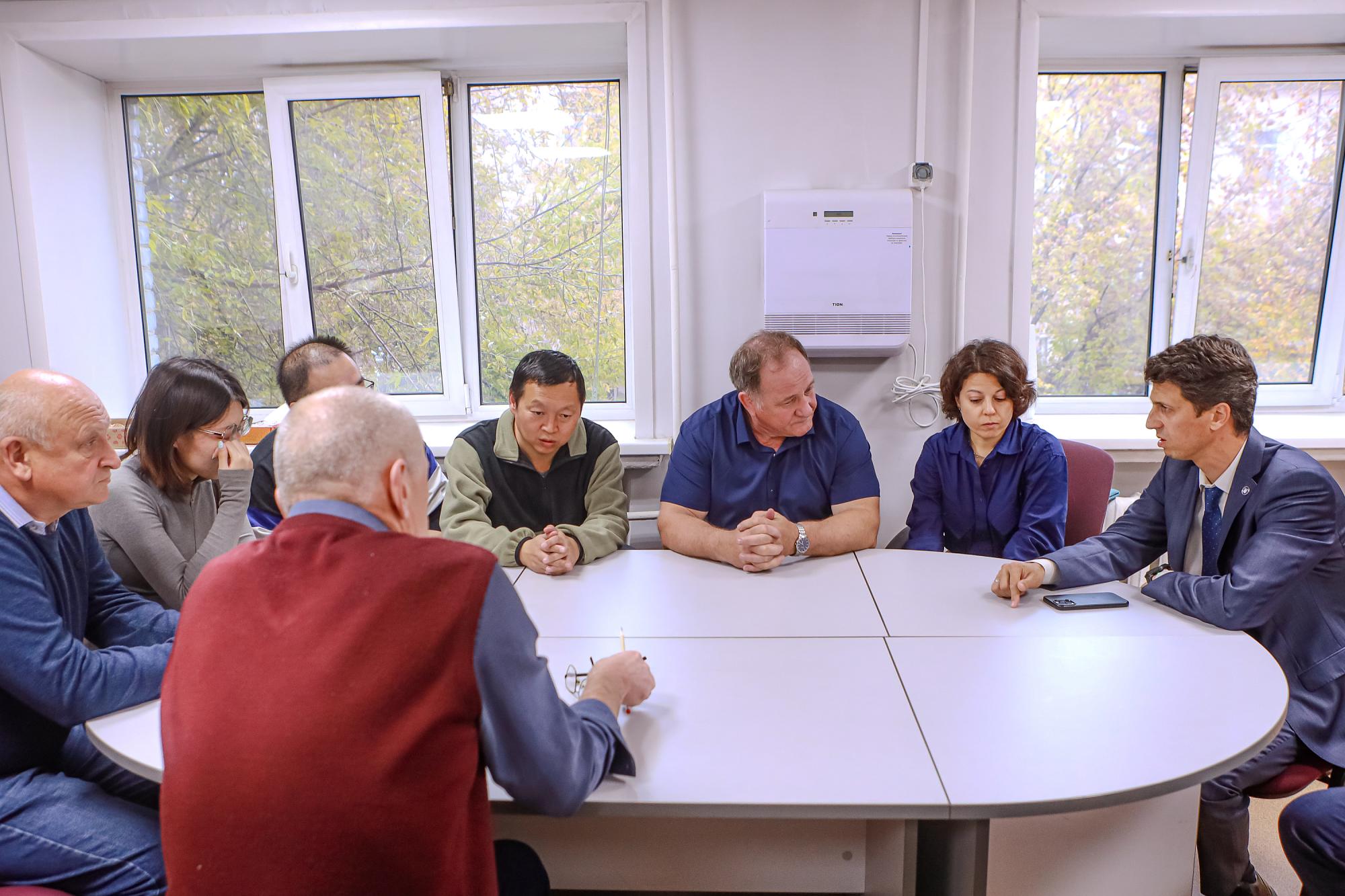
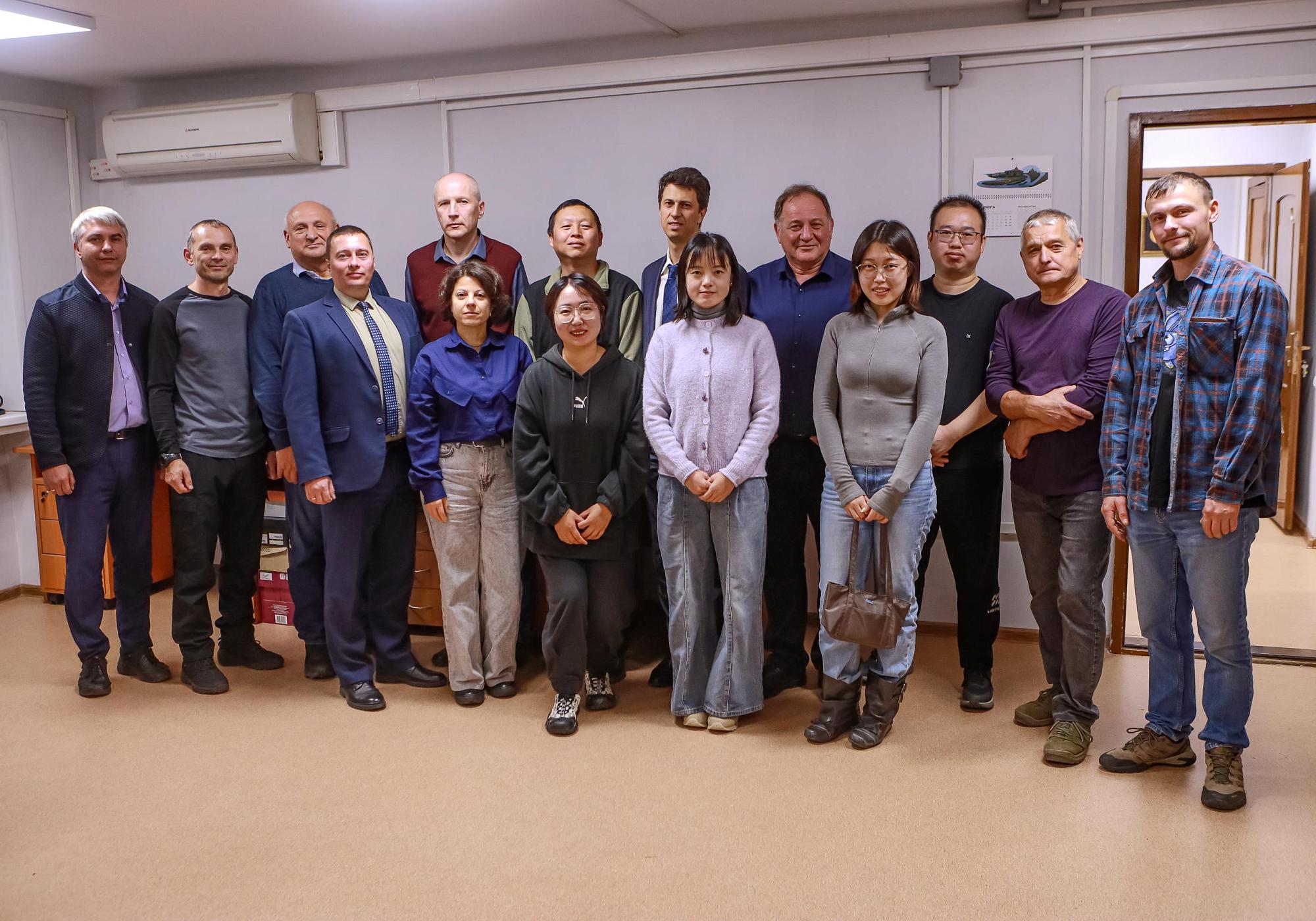
In autumn, the foreign colleagues paid a return visit. The delegation from China included Professor Dong Guanghui and Associate Professor Zhao Jiaju from the Institute of Earth Environment, Chinese Academy of Sciences (Xian), and postgraduate students Yan Ziyun and Lu Yunxiu from Lanzhou University. They stayed in the Angara region from September 28 to October 7, attending a seminar at INRTU on global climate change. They then traveled with the INRTU team, which was accompanied by speleologists from Irkutsk, to the Olkhonsky District to sel ect the most interesting sites for future detailed research.
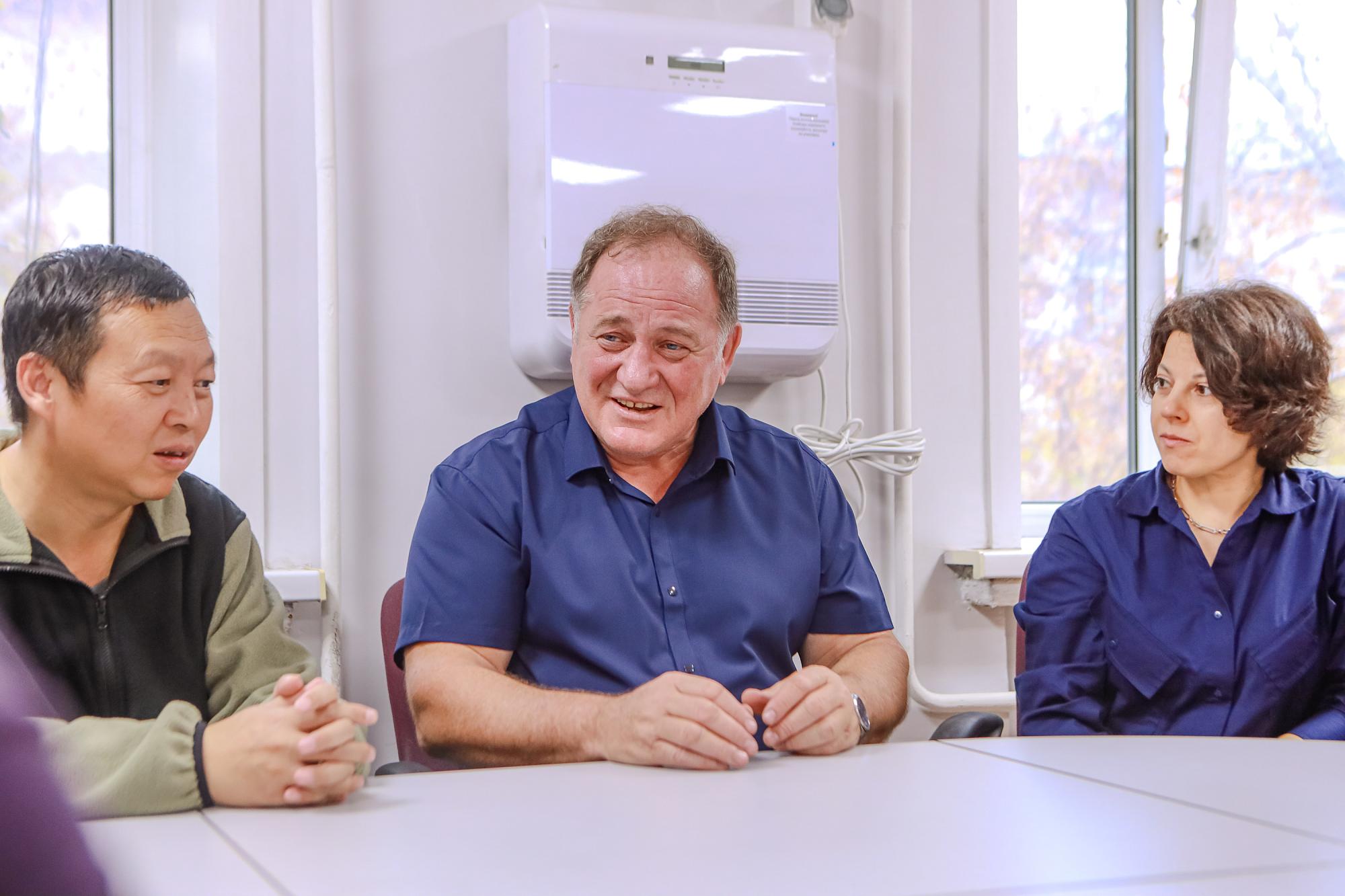
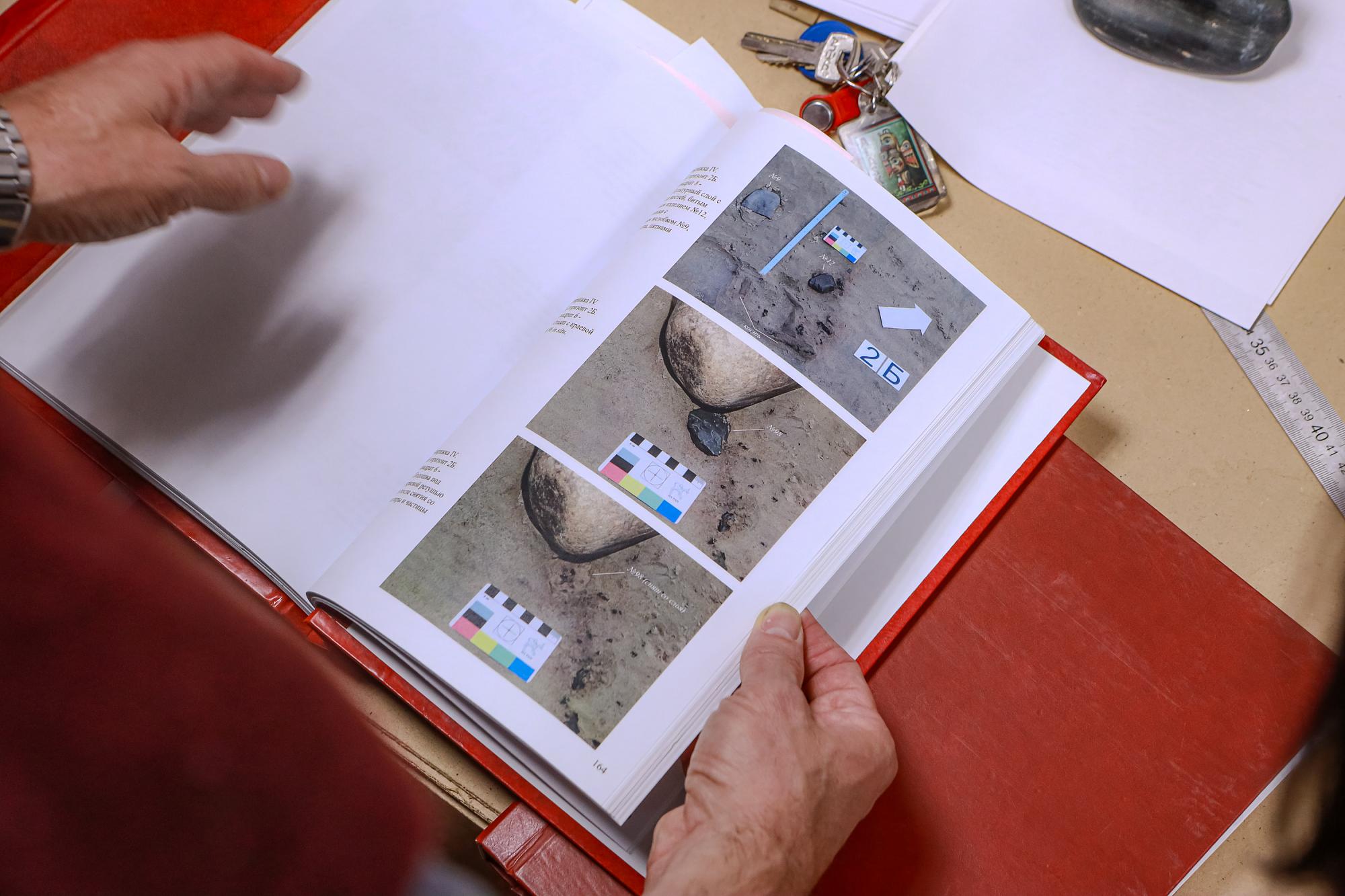
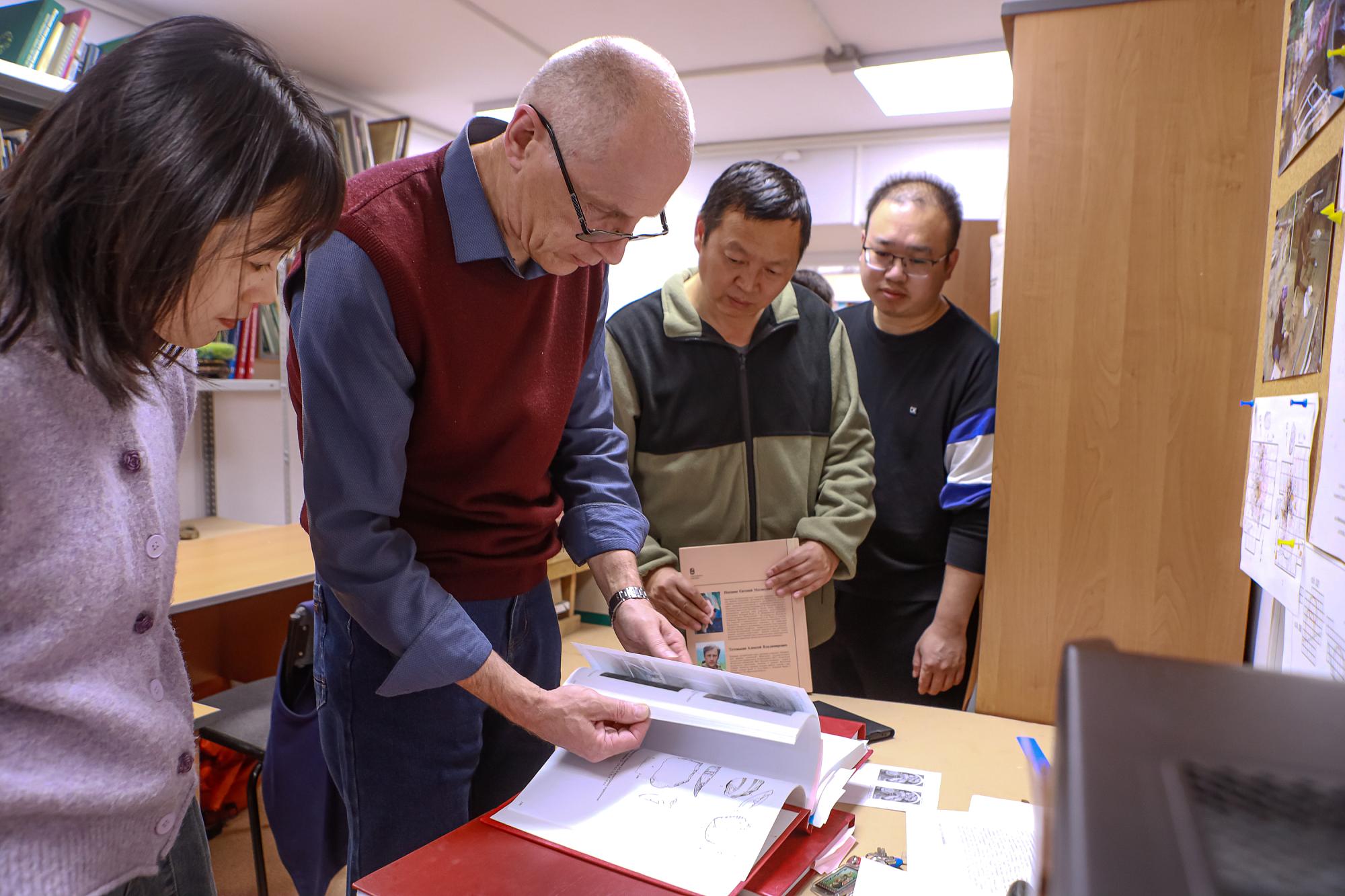
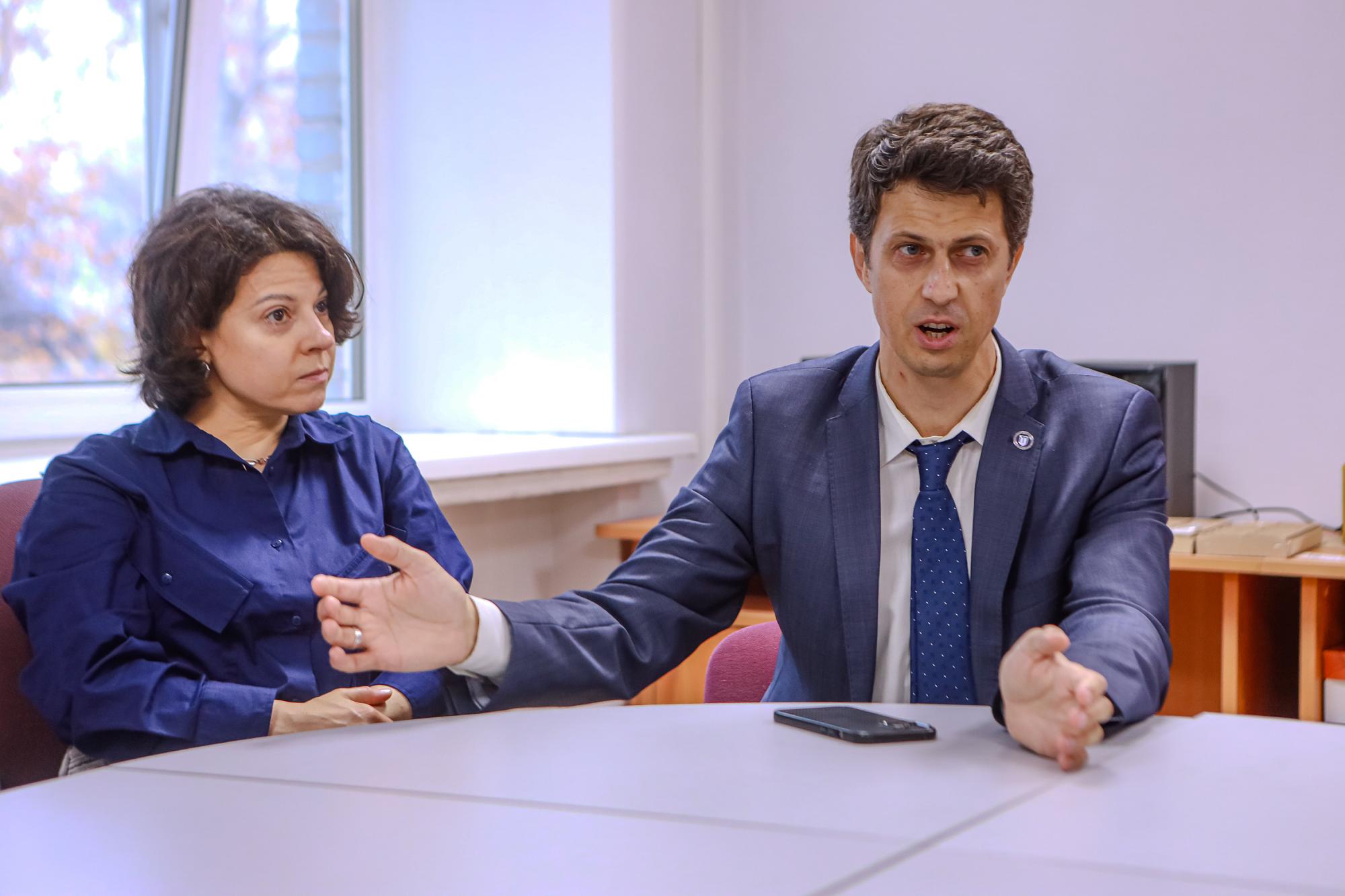
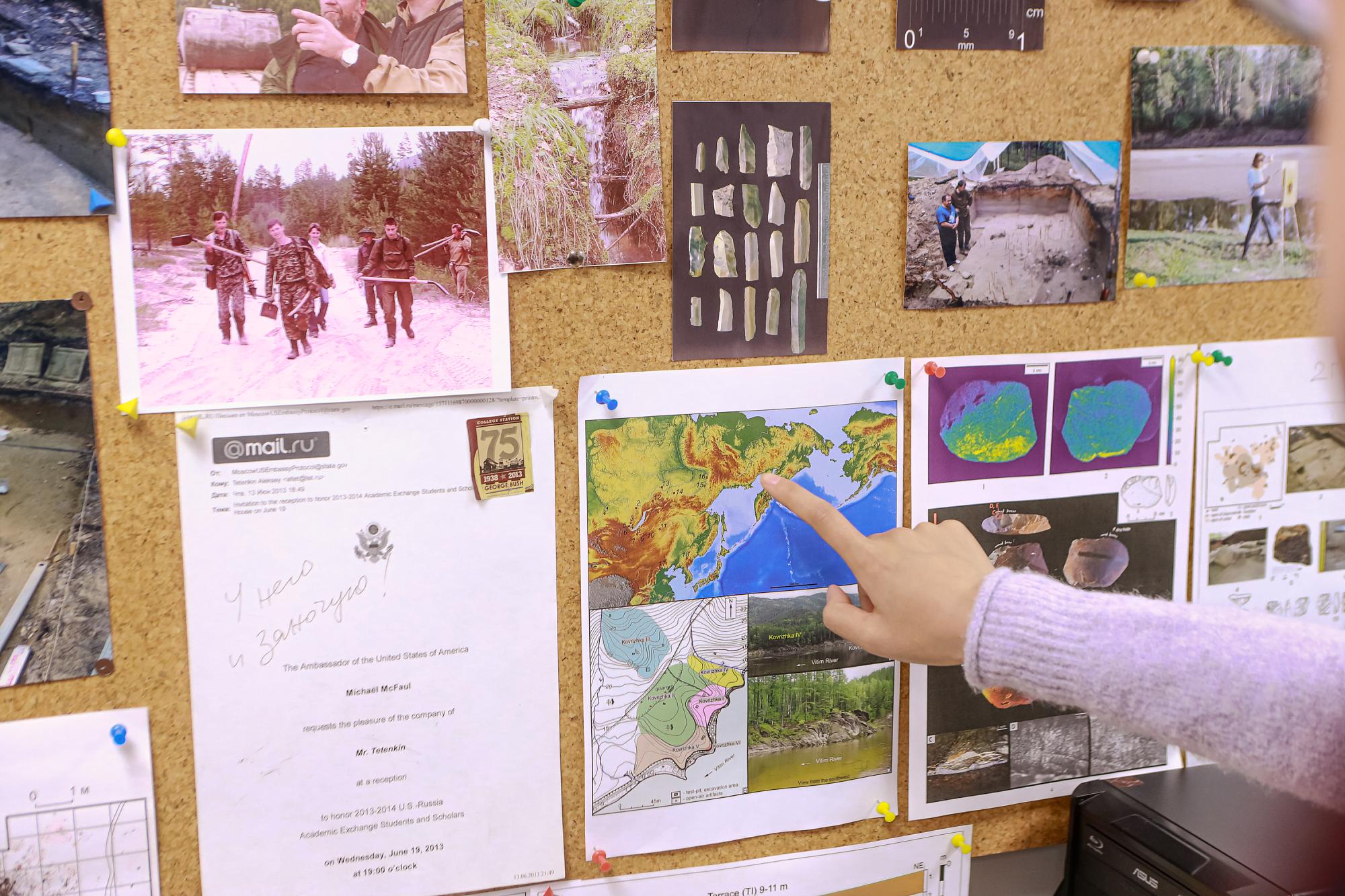
The expedition participants discussed the results of the trip and plans for further cooperation on October 6 at the Research Laboratory of Archaeology, Paleoecology and Systems of Life of the Peoples of Northern Asia.
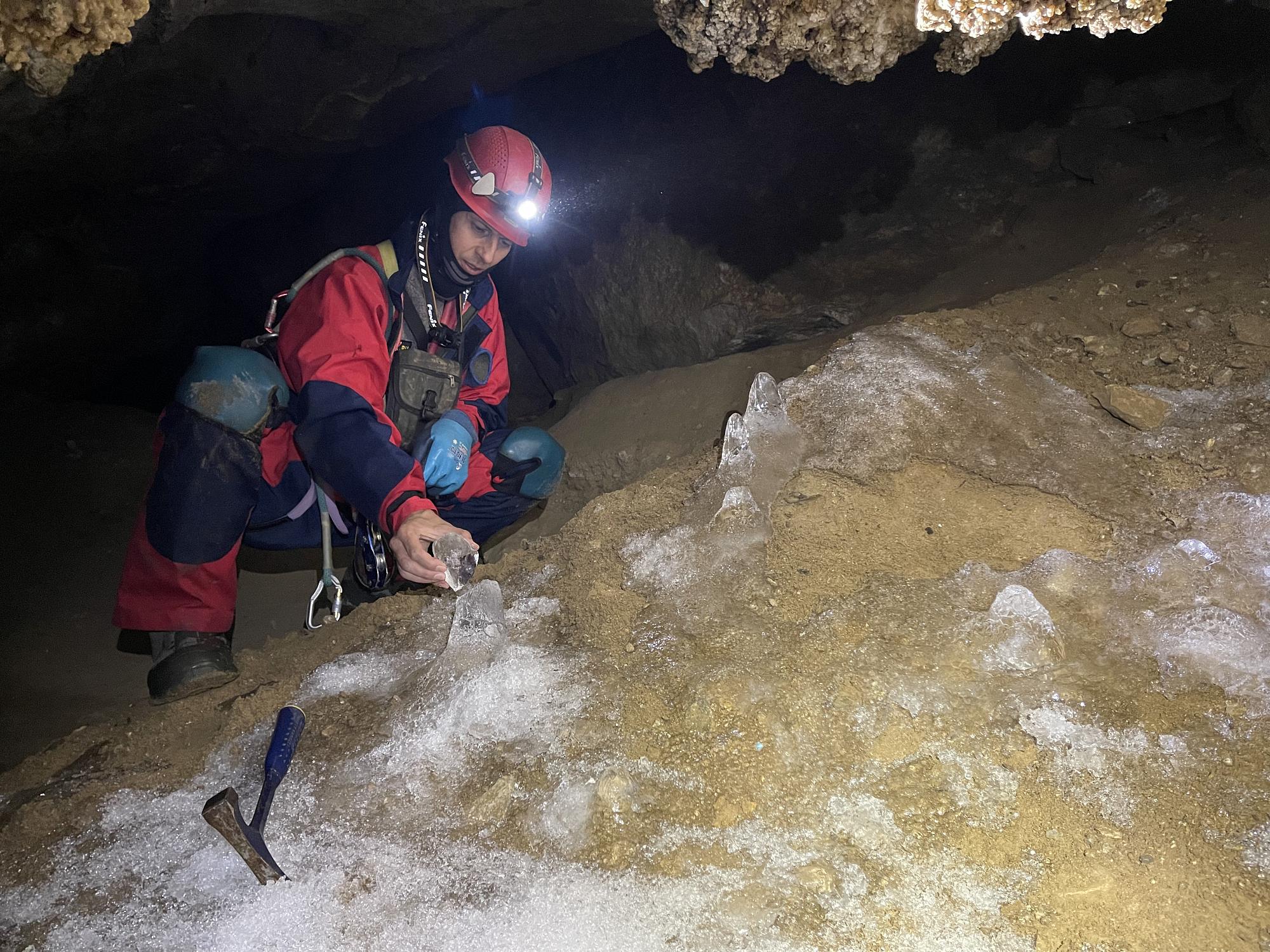
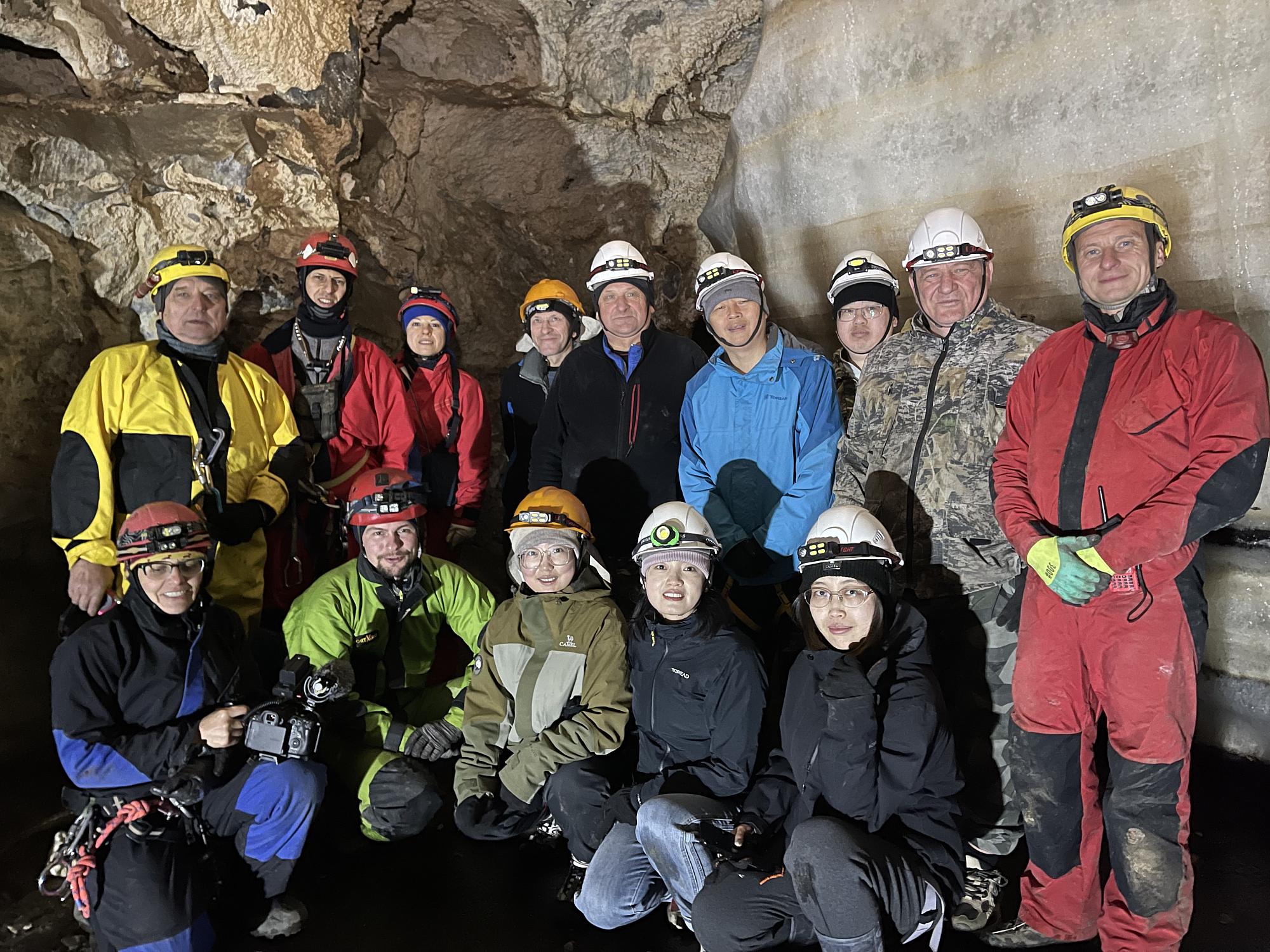
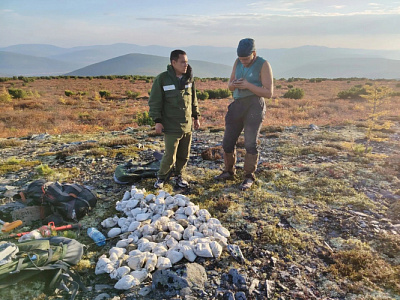
According to Artur Kharinskii, Head of the Laboratory, one of the first stops on the journey was a marble quarry in Buguldeika. The group then headed to the Tazheran Steppe, wh ere they saw rock outcrops known as the “Valley of Spirits”. A separate goal of the trip was to explore local lakes and descend into caves, including the Bolshaya and Malaya Baidinskaya caves and the Mechta cave.
After reaching the western coast of the Maloe More strait, the scientists examined petroglyphs in the Sarma Gorge, visited the Orso and Aya 7 fortified sanctuaries, and sites of ancient metallurgy. Then the team visited Olkhon Island.

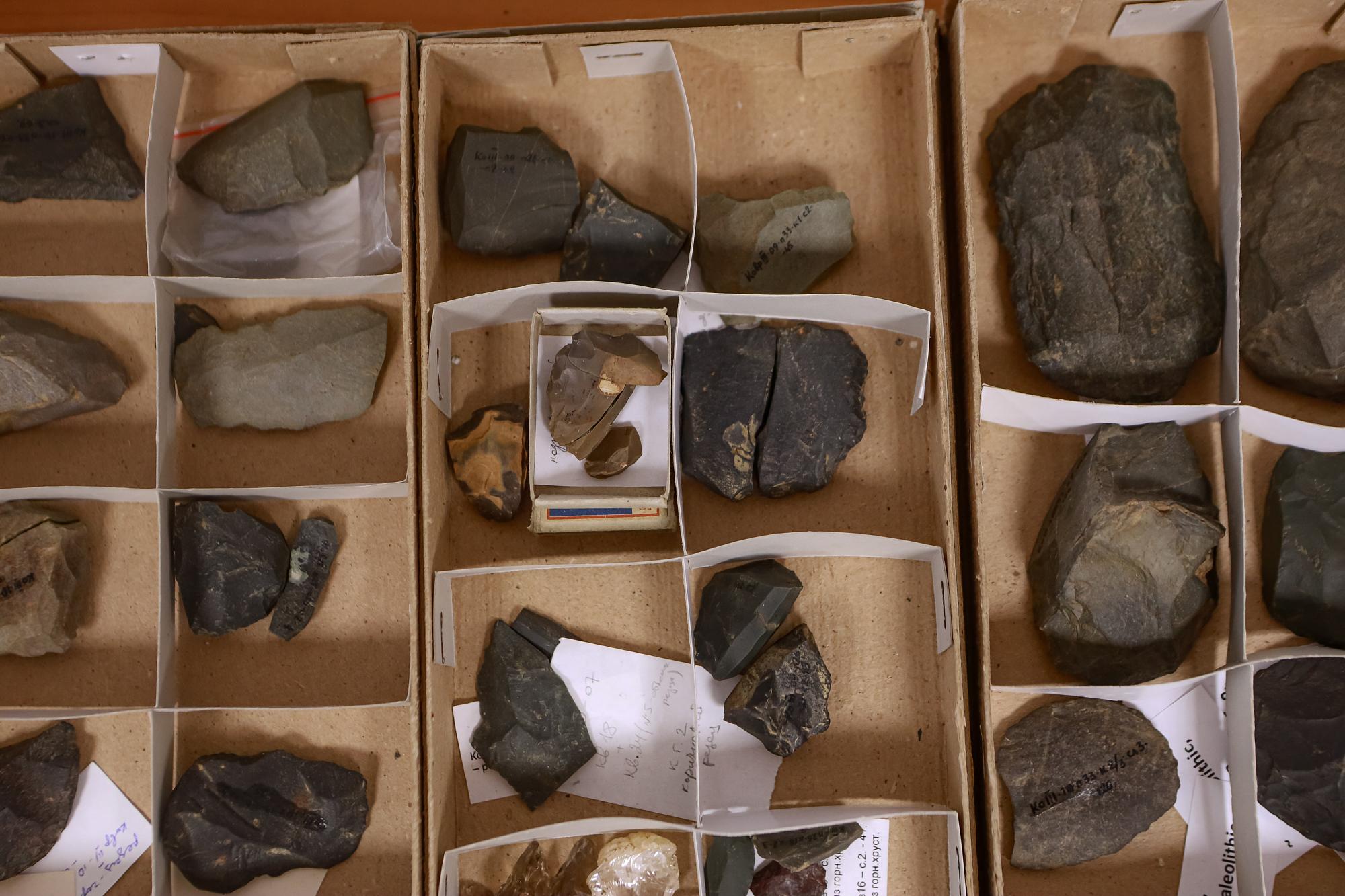
“We have agreed in principle that our Chinese colleagues will return here in March 2027. Together with us, they will go to the Olkhonsky District to collect muddy cores from the salt lake Kholbo and lakes Elga and Mukhu-Nur on Olkhon. Studying the samples will allow us to build a record of bottom sediment accumulation. Our Chinese colleagues are also interested in excavations at the Bolshaya Baidinskaya cave in the Tazheran Steppe. We plan to go there in August,” said Artur Kharinskii.

Professor Dong Guanghui is primarily interested in conducting joint research in the Lake Baikal coastal area and the Transbaikal region. In his view, studying natural sites and analyzing samples will help reconstruct the paleoclimate and trace possible contacts between ancient inhabitants of Siberia and China.
Yan Ziyun, a postgraduate student at Lanzhou University, specializes in geological surveys. She came to Russia for the second time, having previously visited the Minusinsk Basin. Thanks to the expedition to Priolkhonie, she saw scenic locations of geological interest.

“I plan to publish the research results in journals and also write popular science articles about Siberia for a broad audience,” noted Yan Ziyun.
The expedition participants also encountered many unique geological features – a geyserite plateau, Miocene deposits in Tagai Bay, the Borsoy iron ore quarry, and rock outcrops known as the "Dragon's Teeth," among others. This tour was led by Sergey Snopkov, a geophysicist and associate professor at the Siberian School of Geosciences.
Alexander Osintsev, Chairman of the Speleology Section of the Irkutsk Regional Branch of the Russian Geographical Society, and Aleksandr Kononov, a hydrogeologist and INRTU Vice-Rector for Research, were responsible for the cave descents.
Alexander Osintsev emphasized that over millions of years, caves have accumulated a vast archive of information. Cave deposits (stalagmites, stalactites, clays, secondary flowstone formations) are well preserved because they were not exposed to wind, sun, or precipitation.
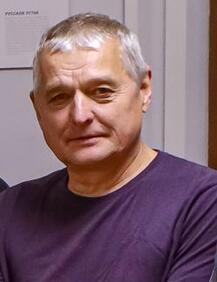
“A cave can tell us about many things. For example, when studying a stalagmite, we remember that it grew fr om carbonates when there was water in the cave. That means there was a favorable temperature in Siberia during that period. And low temperatures and glaciation could have halted the growth of stalagmites,” said the speleologist.
Summing up, Vice-Rector Aleksandr Kononov noted that the international project is particularly interesting because it is multidisciplinary: archaeologists, geologists, speleologists, limnologists, and paleoecologists have come together within a single project:
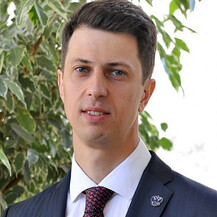
“Of course, we often encounter archaeological sites in caves, but previously we had no joint projects or topics for study. By cooperating with our Chinese colleagues, we will gain access to expensive work on unique equipment and significantly expand the geography of our research. We plan to implement a major project and cooperate for at least five years”.
According to Aleksandr Kononov, the scientists' task is to link climate change with ongoing processes in the geological environment, including those in permafrost:
“Climate is one of the most powerful drivers affecting social processes: favorable historical periods of interglacials, threats and hardships during cooling periods affected wh ere humans lived and what they did. By studying this as a whole, we can understand how the environment and humans have transformed”.
Photos provided by the INRTU Press Service