Aleksandr Kononov Presents INRTU as a Mining Education Hub at SCO Conference
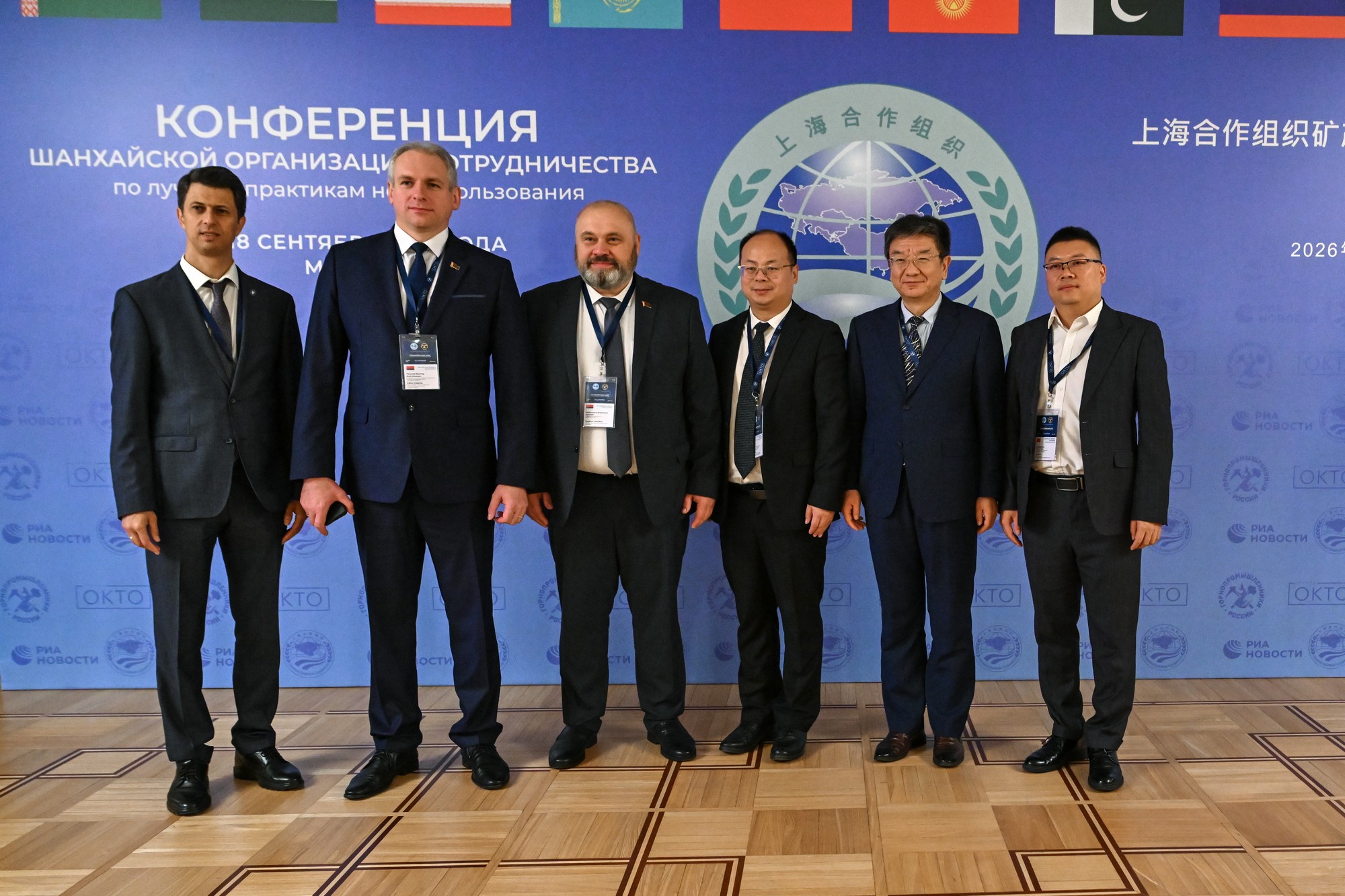
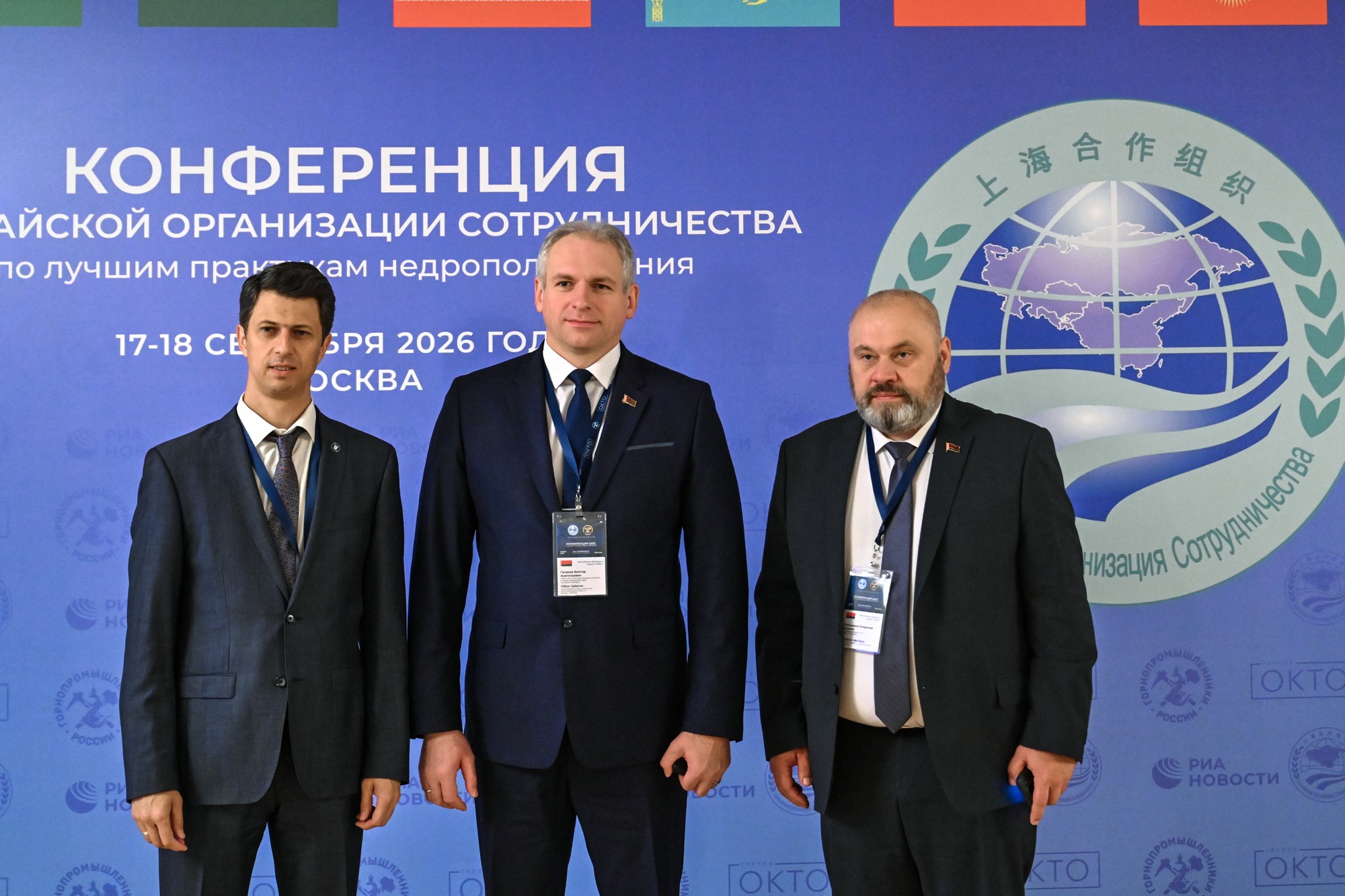
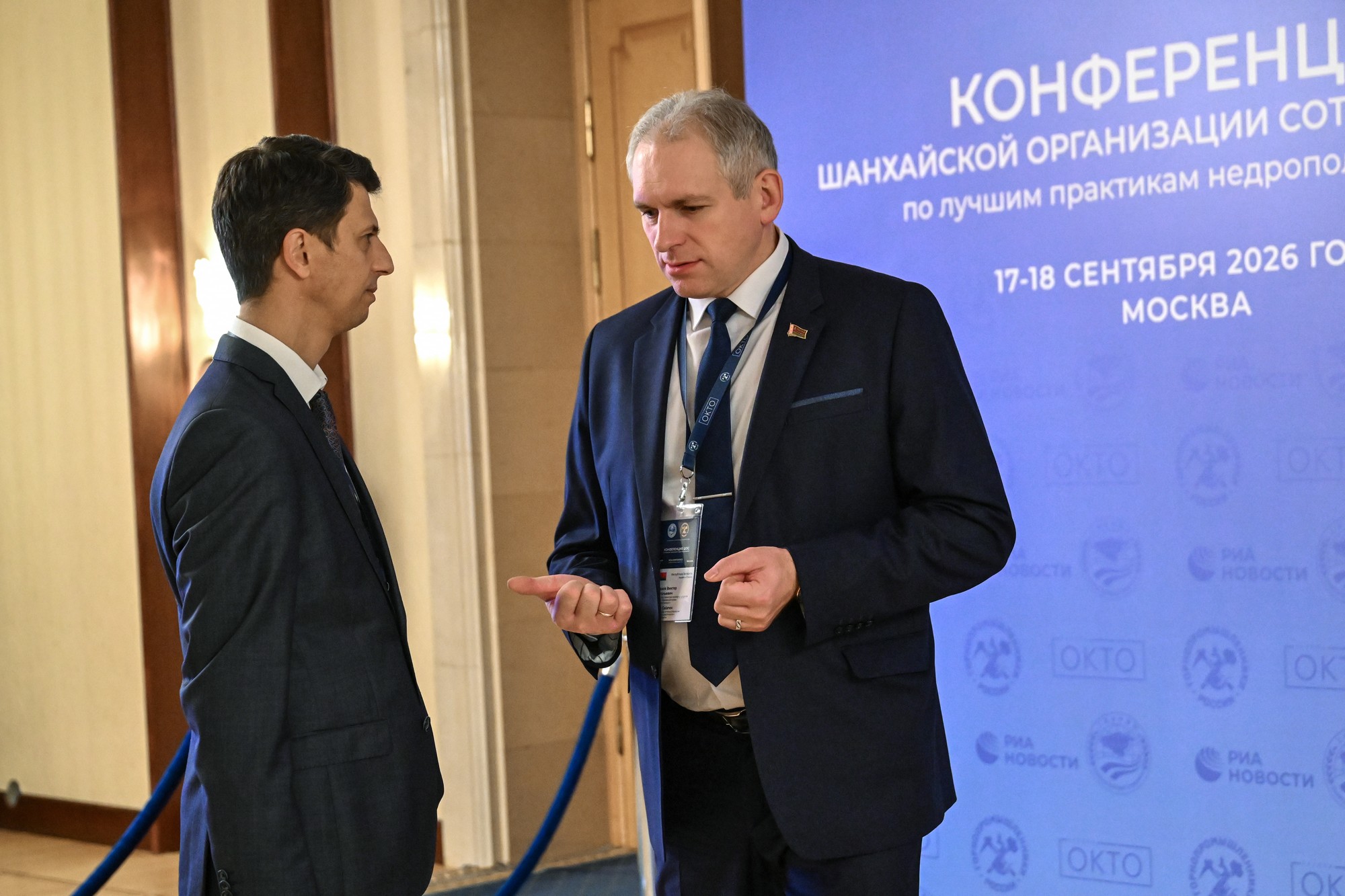
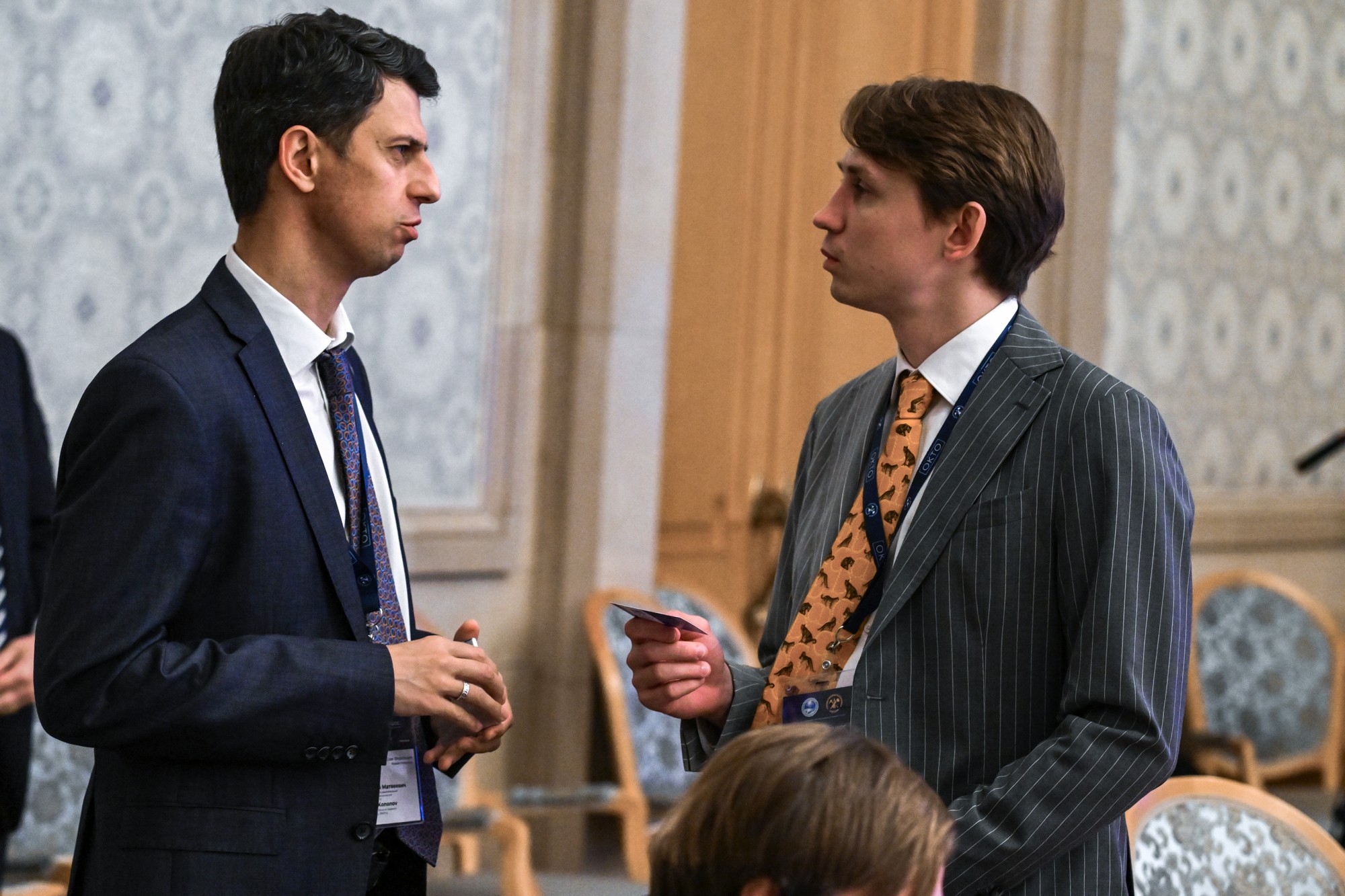
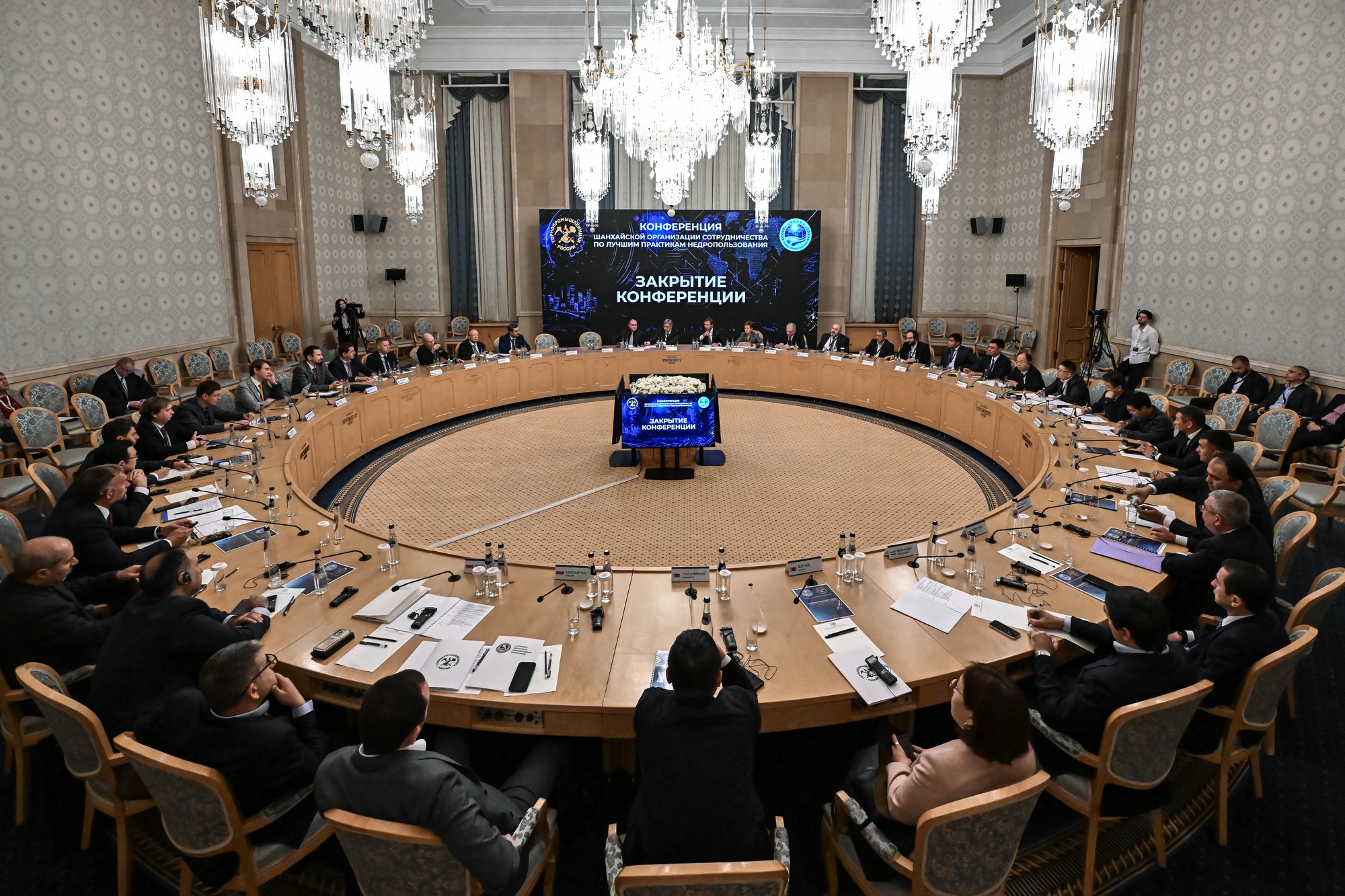
On 17–18 September, Moscow hosted the international conference “Best Practices in Subsoil Use: Resource Base, Development Potential and Efficiency of Use” under the auspices of the Shanghai Cooperation Organisation (SCO) and the Supreme Mining Council of the Russian Mining Industry Association. INRTU was represented at the forum by Vice-Rector for Research Aleksandr Kononov.
The conference aimed to create a platform for cooperation among SCO member states and partners, facilitate the exchange of expertise and best practices in subsoil use, and explore new formats for collaboration on complex mining projects and the development and deployment of advanced technologies for extracting and processing solid mineral resources, with a particular focus on gold, polymetallic ores and rare-earth metals.
The agenda covered key issues shaping the global mining industry, from strategic challenges and emerging trends to investment mechanisms and advanced technological solutions for mineral exploration, extraction and processing. The conference brought together representatives of SCO member states, Armenia and Mongolia, executives from mining companies and investment and financial institutions, members of the academic and research communities, and representatives of the SCO Secretariat.
SCO Secretary-General Nurlan Yermekbayev addressed the participants by video. He highlighted the considerable natural-resource, scientific, technological and industrial potential of the Organisation’s member states and stressed the importance of harnessing it to strengthen industrial cooperation, attract investment and introduce modern technologies. Particular attention was paid to deep processing of raw materials and cooperation in the field of critical minerals.
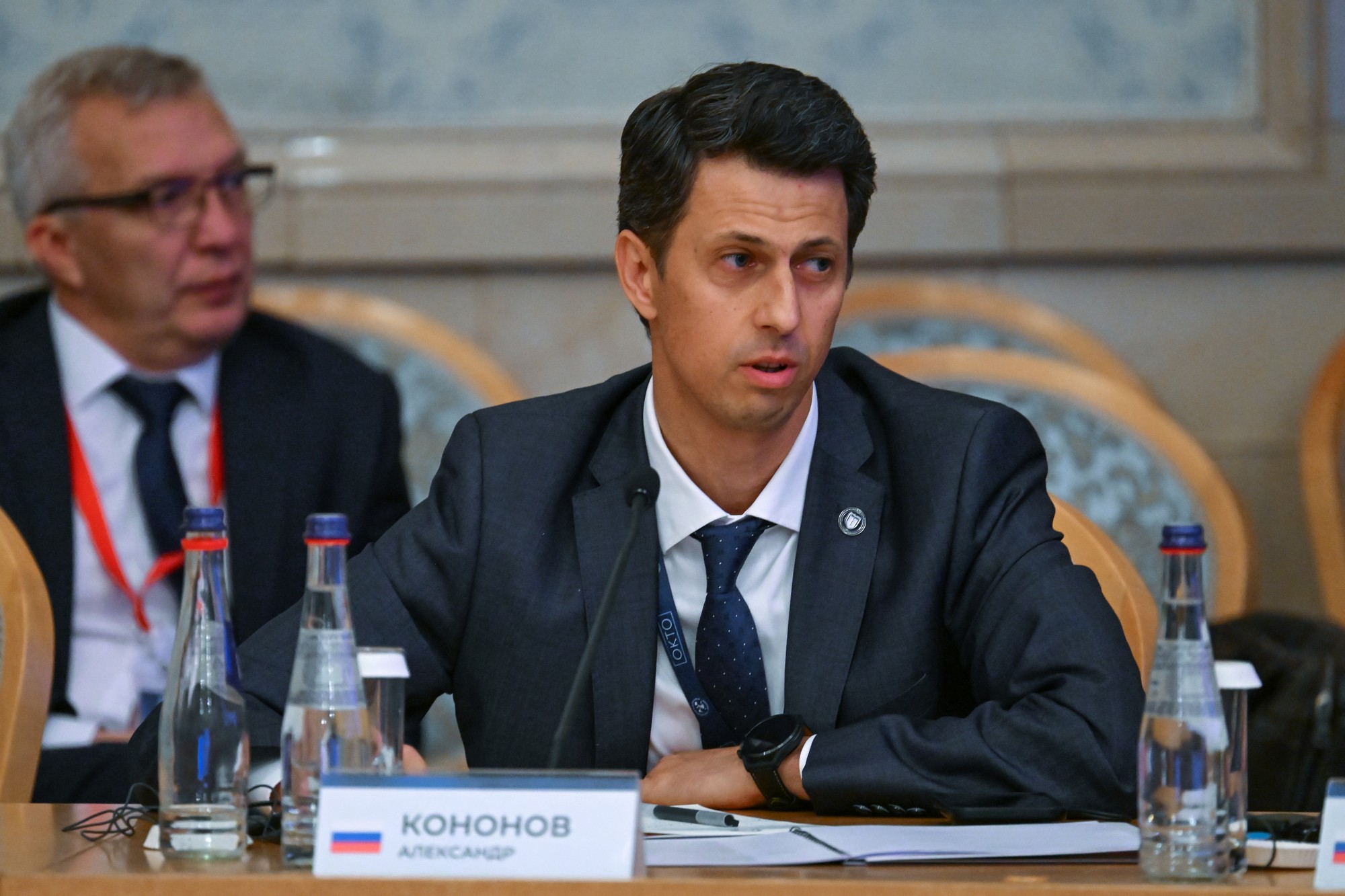
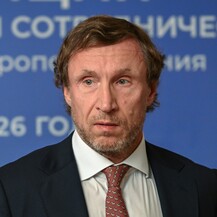
INRTU Vice-Rector for Research Aleksandr Kononov presented the university as an international hub for mining education focused on cooperation with SCO member states and African countries.
According to Kononov, the industry is facing rising demand for critical minerals, particularly lithium, while supply remains constrained. Mining companies increasingly have to build their business models around hard-to-process ores while operating with limited water and energy resources. Digital transformation and workforce development are becoming central to meeting these challenges, with skilled professionals possessing the right knowledge, expertise and technological competencies emerging as a company’s most valuable asset.
INRTU is helping both Russian and international partners address these challenges. The university has effectively developed into a full-fledged geoscience corporation, with a growing community of students and young researchers who combine engineering expertise with substantial hands-on experience in industry projects. INRTU also provides full-cycle solutions, from geology and mineral processing to land reclamation.
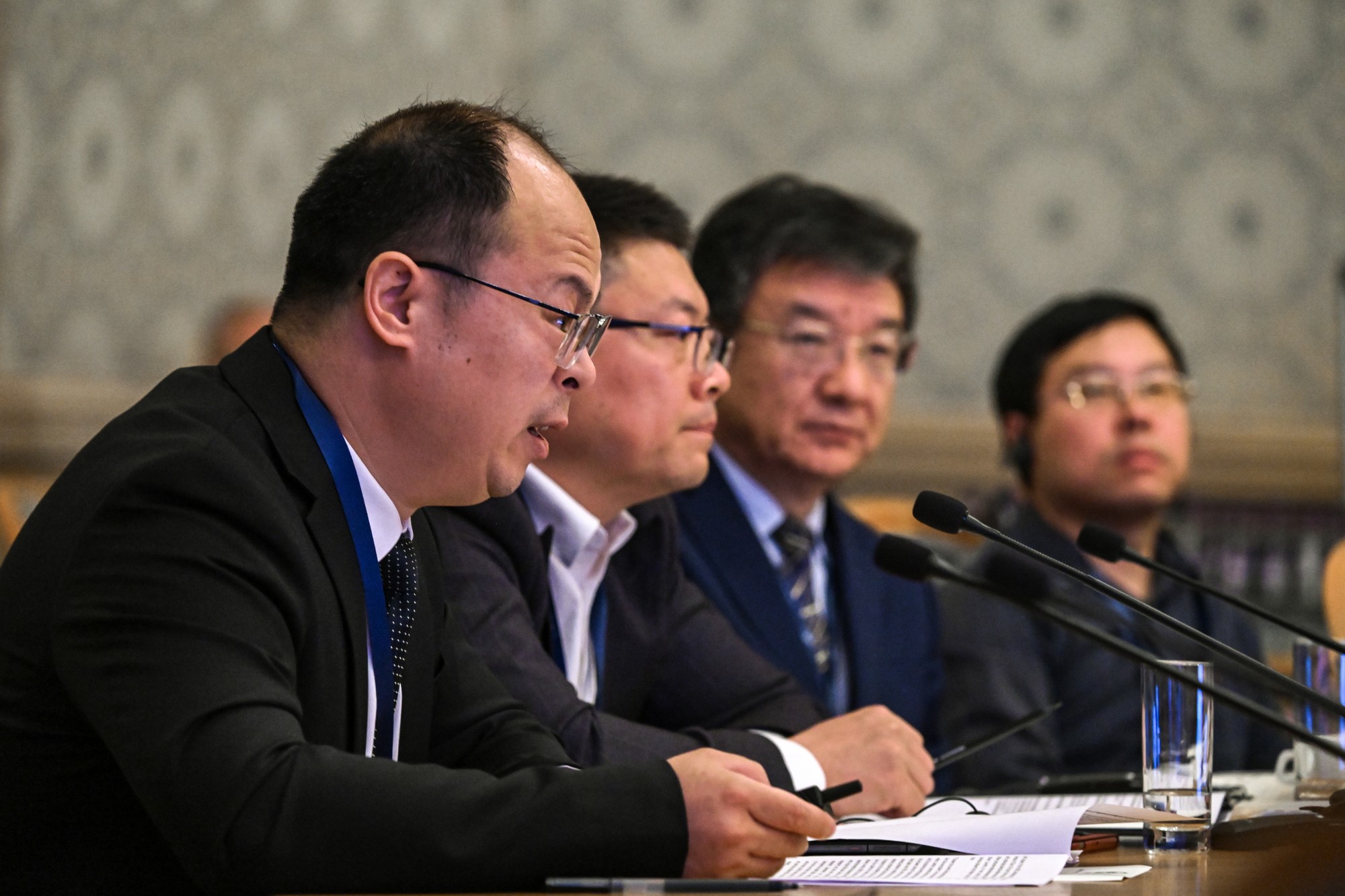
A substantial part of Kononov’s presentation focused on the results of INRTU’s international partnerships. The university has 156 partner universities worldwide, including 75 in SCO countries. Cooperation is particularly extensive with Chinese universities, with 100 agreements and more than ten joint academic programmes, including the English-taught master’s programme “Ecology and Green Technologies” with Harbin Institute of Technology. INRTU is also working with the Inner Mongolia University of Science and Technology in Baotou on technologies for processing rare-earth mineral resources.
In India, INRTU works with the Centre for Technology and Innovation of the Indian Institute of Technology Guwahati and AORVIS. At their invitation, the Siberian School of Geosciences carried out engineering-geological and geo-environmental surveys near water bodies and railway infrastructure. The project produced 2D and 3D materials for assessing the risks of mudflows, landslides, rockfalls and flooding.
Together with colleagues from Mongolia, an SCO observer state, INRTU researchers are conducting archaeological and cultural studies in the Lake Khuvsgul region. Mongolia is also of particular scientific interest for reconstructing the stages of permafrost formation and developing monitoring systems to forecast future geocryological changes.
In conclusion, Aleksandr Kononov noted that INRTU has substantial research capacity and a strong reputation across industry. The university is ready to expand cooperation with universities and companies in SCO member states while further strengthening its established ties with Russia’s mining sector.
“Conference participants proposed creating a cooperation platform focused on concrete initiatives and collaboration through mirror projects bringing business, science and education together.
As a strategic partner of OKTO Group, INRTU sees opportunities for joint projects in workforce training, research and development in industrial digitalisation and automation, as well as integrated solutions designed to improve mining safety, increase mineral recovery efficiency and promote the responsible use of resources.
The conference itself proved to be an effective platform for direct dialogue, helping participants expand their business networks and identify new partners across the SCO region. Much of the discussion focused on modern technologies and workforce development. This is one of the most important priorities for the industry, a clear demand from the business community and an opportunity for universities to become active participants in this dialogue,”
Aleksandr Kononov emphasised.
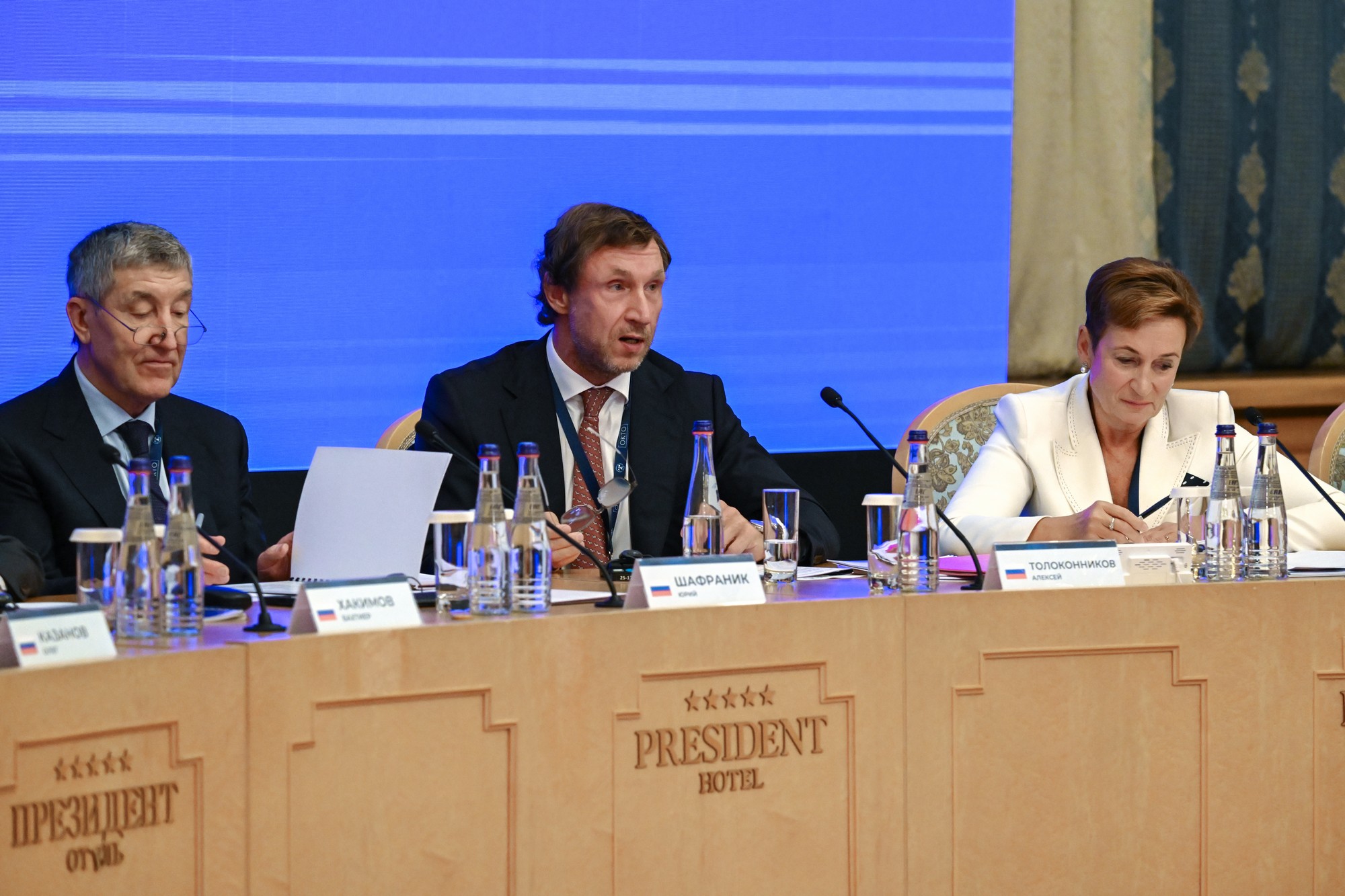
Closing the conference, Alexei Tolokonnikov, Chairman of the Supreme Mining Council’s Commission for International Cooperation and Chairman of the Board of Directors of OKTO Group, summed up the two days of discussions. He stressed that the conference had achieved its principal objective by strengthening channels of international communication within the mining industry among SCO member states, partners and observers at every level. It also laid the groundwork for making SCO mining-sector events a regular fixture.
“The SCO+ community, which now comprises 27 countries, holds a significant share of the world’s natural resources, particularly rare and critical minerals. The participants agreed that the key challenges today are shortages of qualified personnel, a persistent lack of modern technological competencies and the fact that technological sovereignty cannot be achieved by any country acting alone,”
Alexei Tolokonnikov said in his closing remarks.