

Stories from Abroad
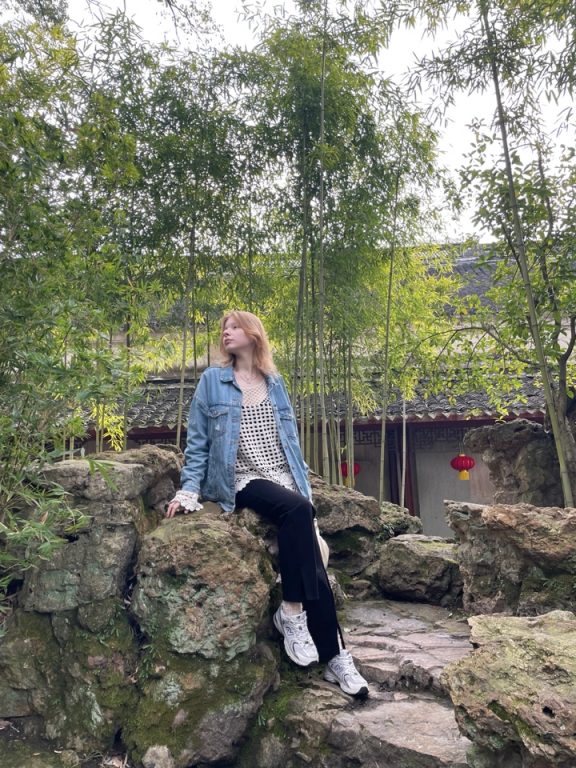
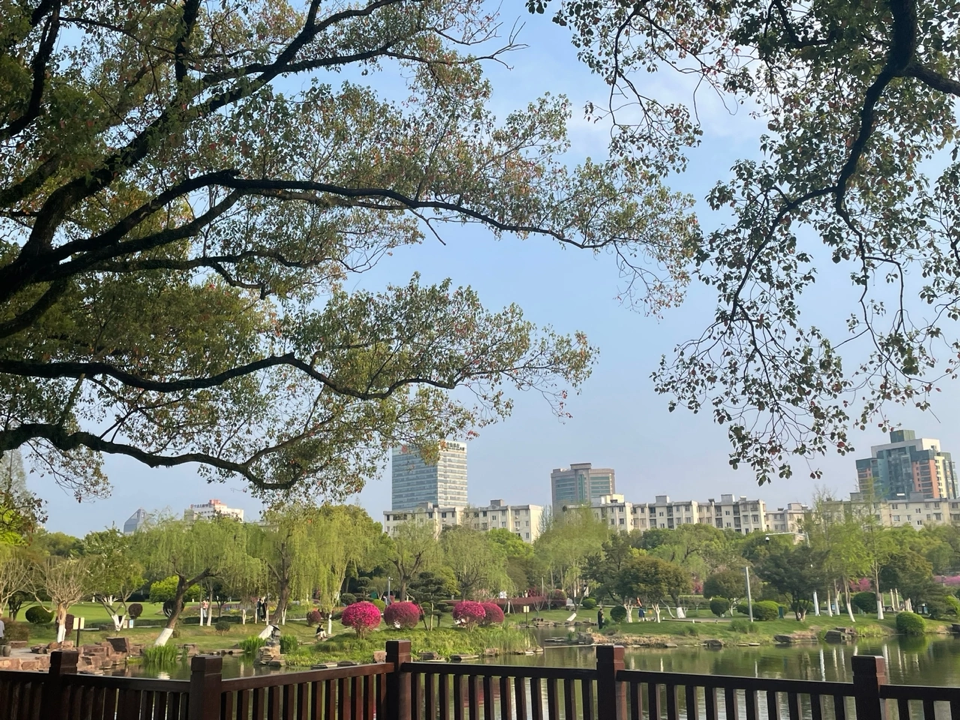
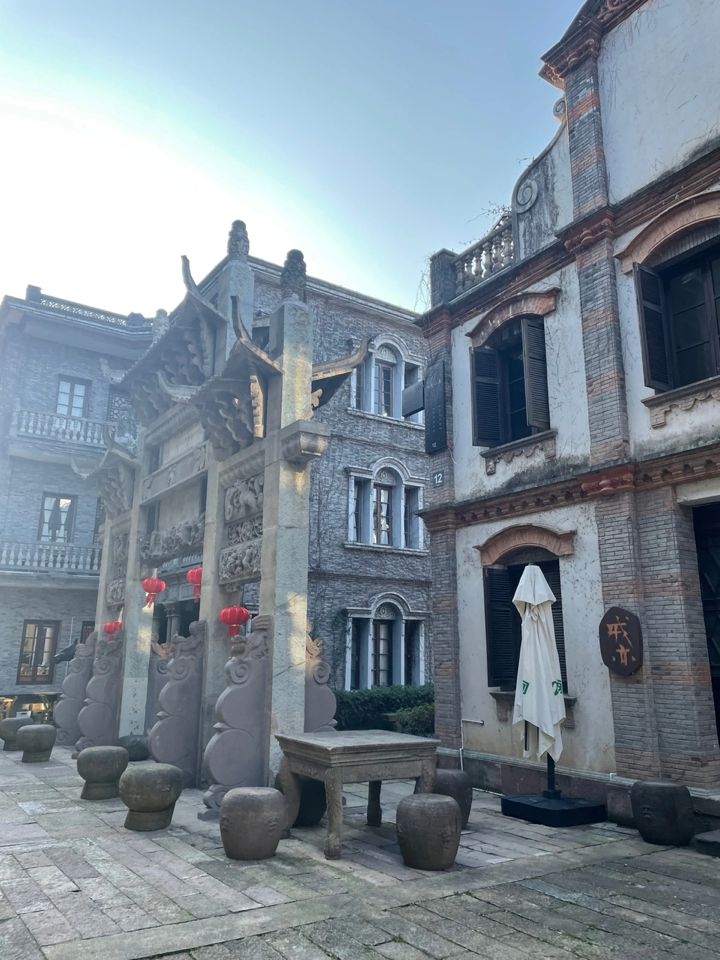

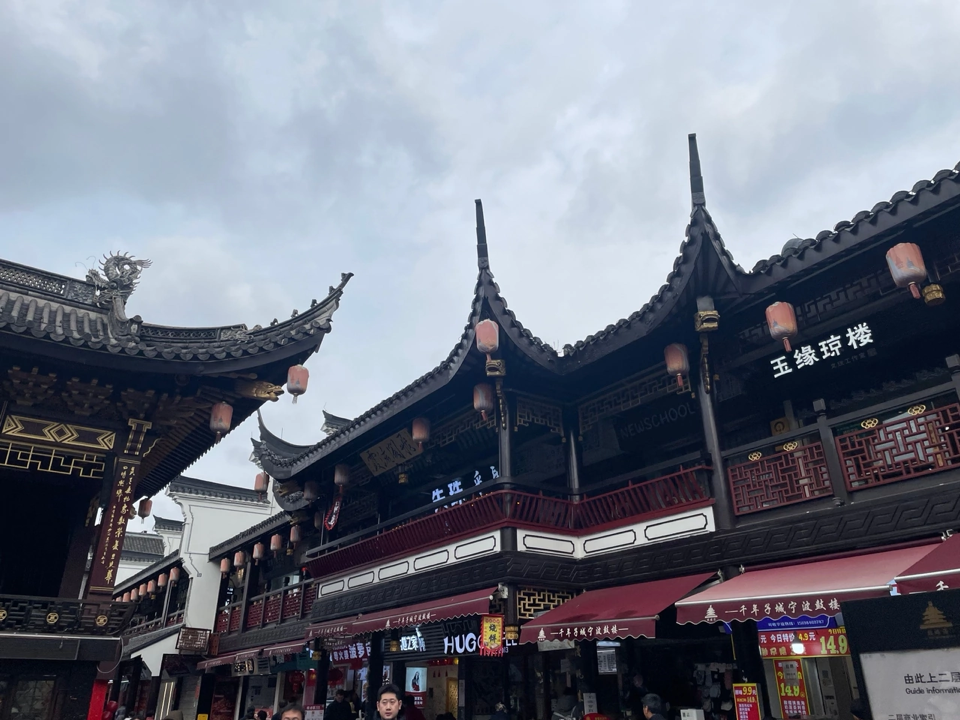

The impressions are positive, new acquaintances, moreover, in other languages is a very valuable experience. I believe that my English level has improved, and I also continued to study Chinese at the host university. I think this internship has shown me new ways of learning, and interesting solutions for working on projects in the future.
What difficulties did you have during the preparation stages for the internship? What tips and recommendations can you give to future participants of the academic mobility program?
Difficulties were with the correctness of filling out the papers for applying to the university. I advise you to make a clear list of the necessary documents.
Describe the visa application process. Your advice for future participants of the academic mobility program.
Obtaining a visa was very easy, the main thing is to have the entire package of documents that are filled out correctly and meet the requirements presented on the embassy's website.
What difficulties did you have upon arrival at the host foreign organization? Your advice to future participants of the academic mobility program.
The financial issue is one of the most pressing when traveling to China. He should be one of the first to be dealt with. Also, in the cold seasons it is very easy to get sick here, you can buy herbal medicines on campus, something more serious is available only by prescription, depending on your immunity, take medicines for 1-2 cycles of the disease
Specify your expenses related to participation in an internship abroad (visa costs, cost of flight / travel to the place of internship, registration fees/ taxes/ deposits in the host organization, policy / medical services, if used, public transport, meals, accommodation. Your recommendations for cutting costs.
The visa is 2,500 rubles.
Round-trip flight – 25,000 rubles. Train to the destination city (round trip) - 17,000 rubles.
Medical insurance and contributions – 2,140 yuan (1,000 of which is a deposit for the hostel)
The dormitory is 1,500 yuan per a month
Meals (on campus) – from 40 yuan per day
Travel – 2 yuan (bus); 4 yuan (metro).
Cellular connection – 100 yuan for 4 months (45-50 GB)
The recommendations: make a SIM card as soon as possible and buy what you need in online stores.
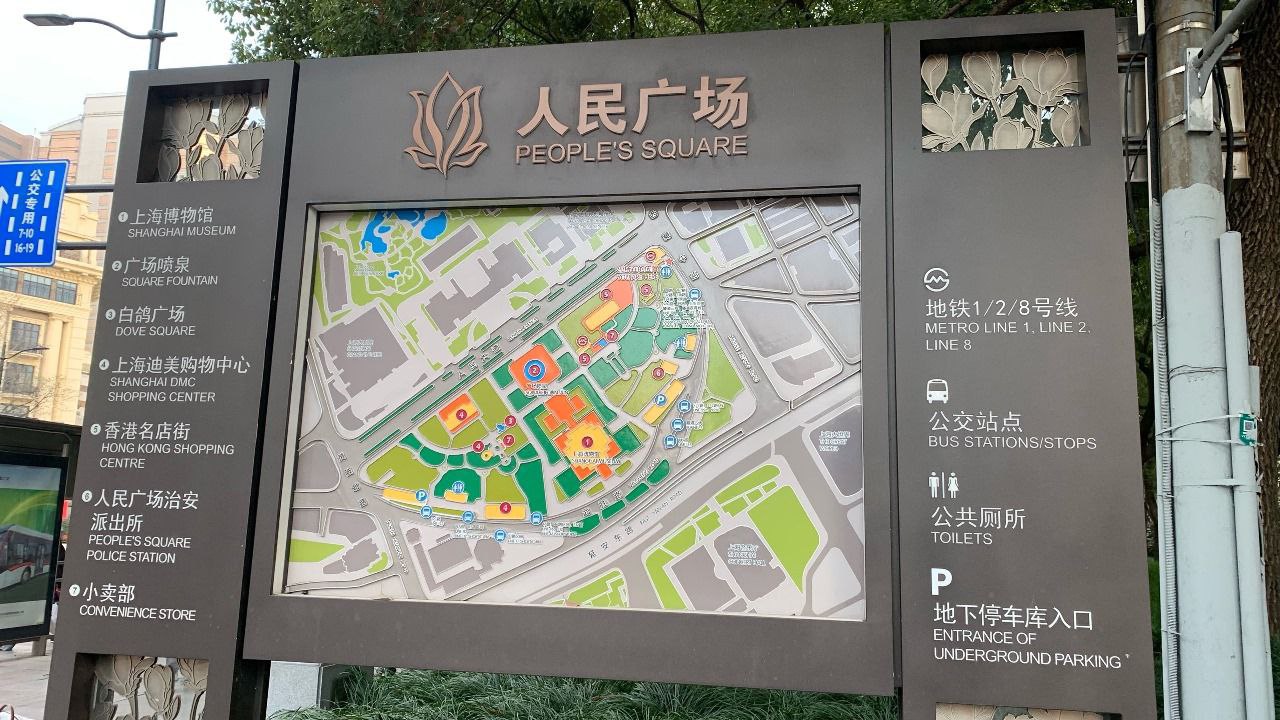
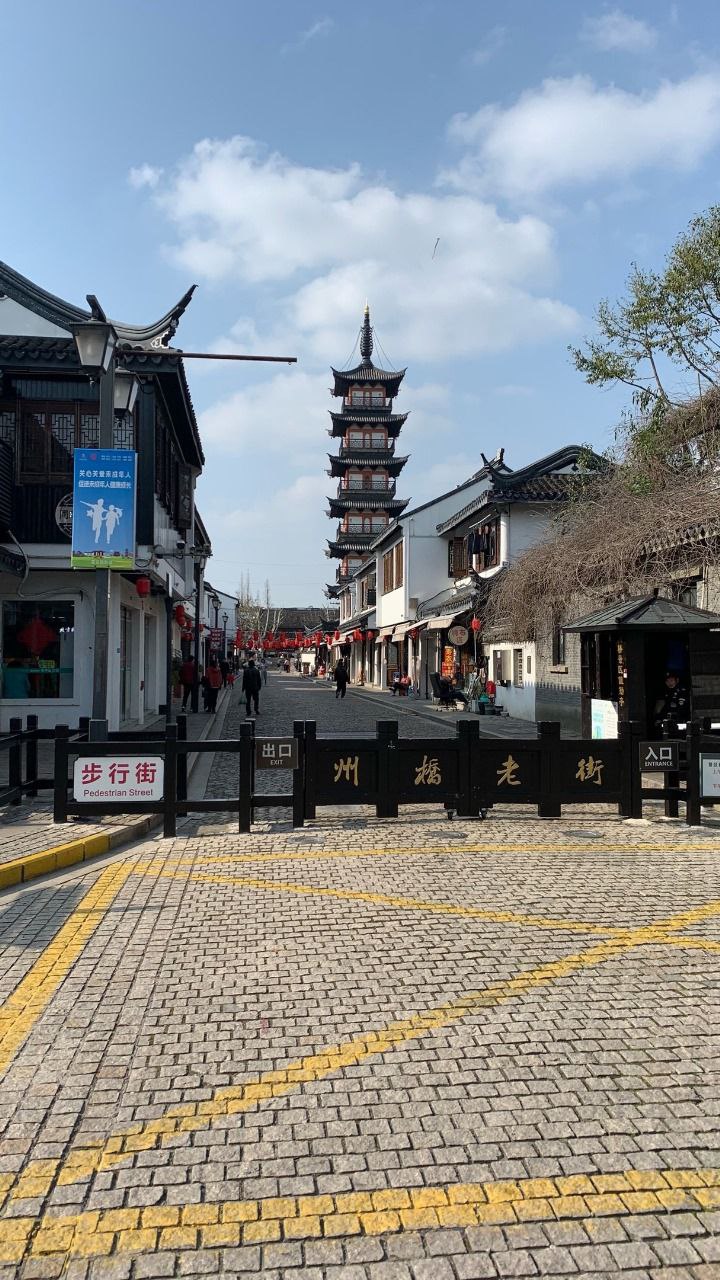
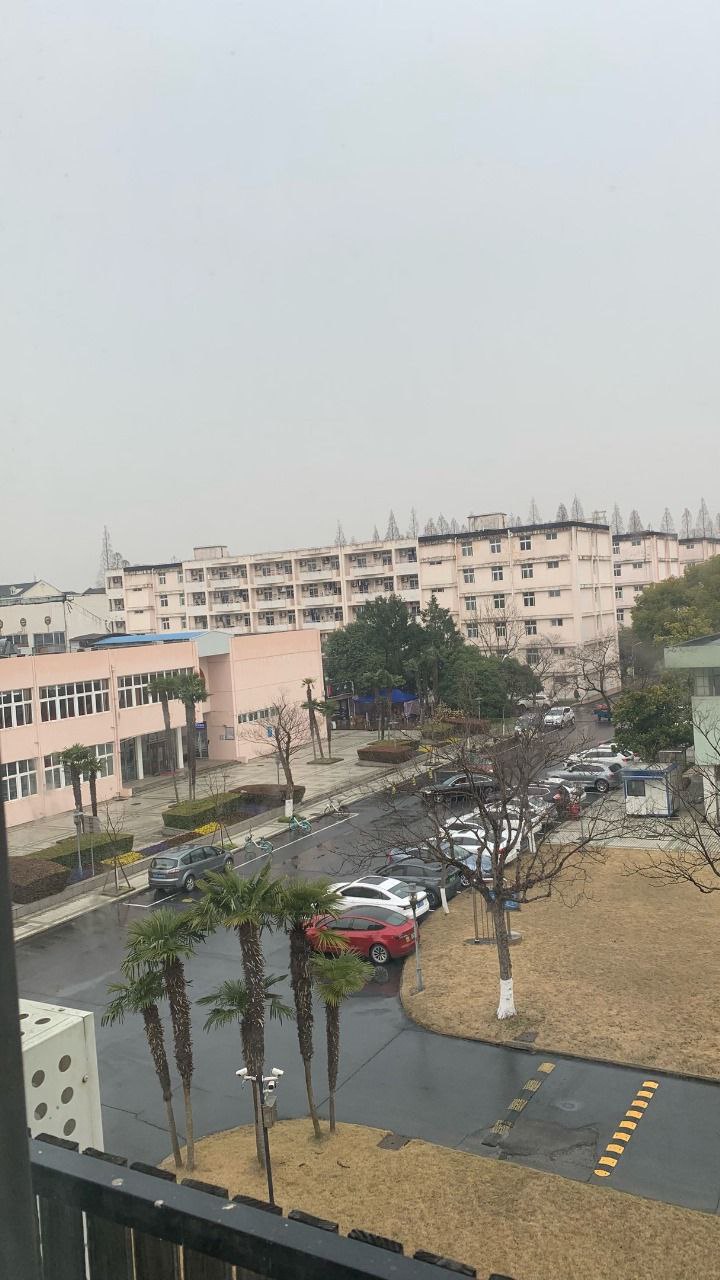
My impressions of my internship at Shanghai University are extremely positive. During this time I learnt both spoken and written Chinese, deepened my knowledge of cross-cultural communication and gained valuable experience of living in an Eastern country. It has greatly improved my understanding of the culture and mentality of people in Eastern countries. By attending classes, I was able to look at education and learning from a different perspective, which broadened my horizons and promoted independence. In the curriculum, I have successfully studied Chinese language, Chinese history, cross-cultural management, scientific English and project activities.
What difficulties did you have at the stages of preparation for the internship? What tips and recommendations can you give to future participants of the academic mobility program?
I had problems with the hostel: there was no information about its availability for a long time. I advise you to find out in advance about the availability of places in the hostel and eviction deadlines.
The processing times vary greatly, so I advise you to start the process well in advance, as sometimes it can take several weeks to check your documents.
Make sure you have health insurance, otherwise you will not be accepted.
Describe the process of obtaining a visa. Your advice for future participants of the academic mobility program.
First you need to register on the website, submit documents and wait for approval. It is better to do it in advance.
After that, the university will send you an Admission notice and links to the Chinese visa website. Following the instructions, you need to download and fill out the required document format for your visa.
Then, together with your passport, completed visa document and Admission notice you need to go to the Chinese Consulate to obtain your visa. There you will also need to pay for your visa (usually payment is made at the nearest bank whose address you will be given), so it is recommended to have cash with you.
What difficulties did you encounter upon arrival at the host foreign organization? Your advice to future participants of the academic mobility program.
Culture shock may occur in the first few days. It is recommended to prepare yourself mentally for this. It is also helpful to know at least a little Chinese, as even in Shanghai many people do not understand English, which can cause some difficulties.
Shanghai University will assign you a student supervisor and a faculty supervisor who speak English and can help you with the paperwork. In case of questions, you should contact them.
Many social networks do not work in China, so it is worth preparing for this in advance.
In major cities in China, almost no one uses cash or physical bank cards. Alipay and WeChat are used everywhere, to which you can link a bank card (Russian cards will not work).
Many Russian bank cards do not work in China, even with the UnionPay system. It is recommended to check which cards are accepted in China and make several cards from different Russian banks, as they can be blocked at any time. Keep in mind that the maximum allowed cash currency when entering China without declaration is 20,000 RMB.
Specify your expenses related to participation in an internship abroad (visa costs, cost of flight / travel to the place of internship, registration fees / taxes / deposits in the host organization, policy / medical services, if used, public transport, meals, accommodation. Your tips for cutting costs.
The cost of the visa was about 4,000 RUR, insurance was about 4,000 RUR, the flight to Beijing was about 20,000 RUR, and the flight from Beijing to Shanghai was about 6,000 RUR (using Alipay).
Accommodation, not including meals, depends on the type of room, but averages about 40 RMB per day. One meal in a cafe costs about 23 yuan. To save money, it is better to choose a quadruple room and cook by yourself, buying only groceries.
The underground fare depends on the distance, averaging about 5 yuan. Given the size of Shanghai, the underground will be the main way of travelling. A bus fare costs about 3 yuan, and buses are mostly used for short journeys. Taxis in Shanghai are expensive, with a minimum fare of 70 yuan and an average of 100 yuan. It is recommended to use taxis only in case of emergency and on arrival/departure.




Impressions are positive, a lot of valuable and new experience, my English level has grown a lot, thanks to the practice in live communication, new knowledge in the field of my design specialty, learning a new side, how design is perceived in other countries of the world, I learned how other people work and create new things. In general, this experience has strongly inspired me for new ideas, for further aspiration to develop in my direction.
What difficulties did you face during the stages of preparation for the internship? What tips and recommendations can you give to future participants of the academic mobility program?
Difficulties arose a little, only with filling out the documents, but if you take a responsible attitude to the preparation everything will go well.
Describe the process of obtaining a visa. Your advice for future participants of the academic mobility program.
Obtaining a visa is not a difficult stage at all, the main thing is to have a full package of documents and apply in time to make the visa by the deadline.
What difficulties were encountered upon arrival at the host foreign organization? Your advice to future participants of the academic mobility program.
Difficulties arose with currency exchange, because in China all places use Alipay, and in Russia to put money on Alipay is quite difficult, it is better to think in advance how to solve the issue of money. Also prepare in advance for weather conditions and take the necessary things with you.
Indicate your expenses related to your participation in a foreign internship (visa costs, cost of flight/travel to the place of internship, registration fees/taxes/deposit in the host organization, policy/medical services, if used, public transport, food, accommodation. Your tips on how to cut costs.
Visa - 2,500 p.
Flight (round trip)- 32,000p. Train to the city of destination (round trip) - 17 000r.
Health insurance and fees - 2140 yuan (1000 yuan of which is a deposit for the hostel).
Dormitory - 1500 yuan per month
Meals (on campus) - from 40 yuan per day
Travel - 2 yuan (bus); 4 yuan (subway).
Cell phone service - 100 yuan for 4 months
Tip: Get a Chinese SIM card and figure out online shopping.
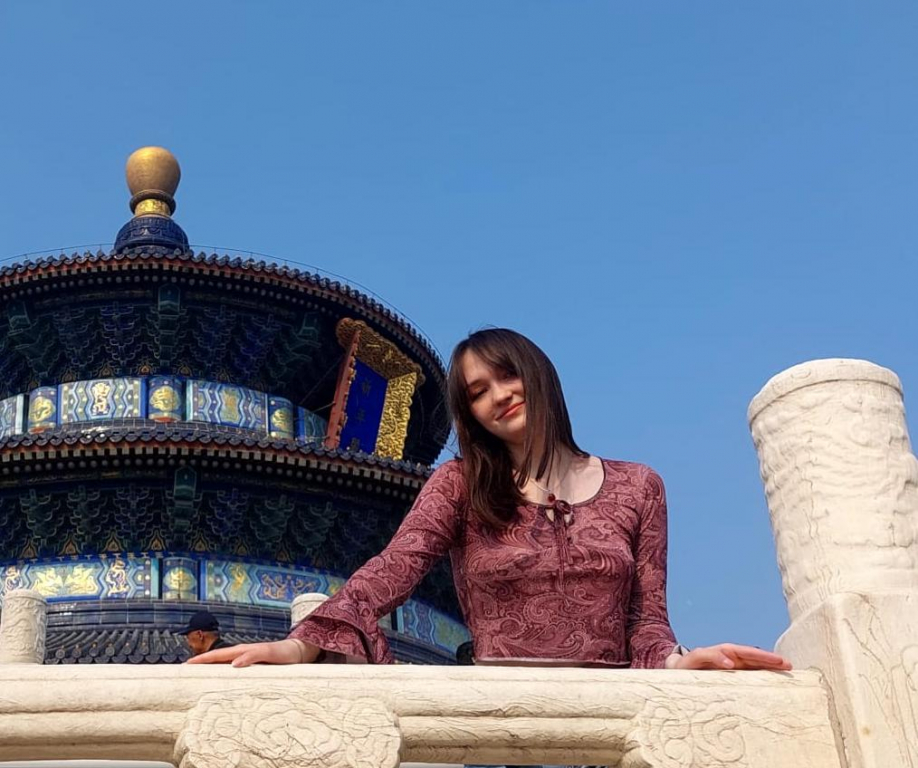



My trip was amazing! It was such an incredible experience to live in another country. I loved the university, the classes, the campus, and my free time. The university organized tons of activities to help us get used to campus life. My internship gave me more practice with English. Studying was harder because the professors didn't speak Russian, so I had to figure out how to communicate in English. Good language practice! We learned about Chinese culture, their values, and traditions.
This trip showed me that I'm not very good at planning my time. I had so many places I wanted to visit, but I needed to coordinate them with school in Beijing and Irkutsk. It wasn't easy, but I was still super inspired by the learning environment and being part of the big, crazy student life in Beijing. I got used to the pace after a while. It took me a month to adjust (I think that's a bit long, but it's what happened), and then it was all positive emotions!
It was really hard living with two Malaysian girls. Getting used to another culture, being patient and respectful, finding compromises, and understanding other people was a whole challenge for me. Even though I come from a family with three kids, I wasn't tough enough for my roommates in China. I think it was good experience though. I adjusted my habits and how I communicate about everyday things. I'm still in touch with one of the girls!
I remember how clearly the city blossomed, transformed, and filled with colors in just one or two weeks. I was so surprised, like something out of a fairytale: boom, summer arrived. Everything blooms so quickly in China, it really shocked and delighted me.
What difficulties did you have at the stages of preparation for the internship? What tips and recommendations can you give to future participants of the academic mobility program?
Writing my motivation letter was tough. I'd definitely recommend getting everything done ahead of time so you don't have to stress at the last minute. Everything went smoothly for me at this stage, I didn't have any problems at all. The staff of the International Exhange Office INRTU were always available, which was really helpful in making me confident about my application.
Describe the process of obtaining a visa. Your advice for future participants of the academic mobility program.
It's not a complicated process, you can get it done in 2-3 trips to the visa center. The first time you bring all your documents, the second time you bring anything you forgot. After the third visit, you get your visa. The staff are friendly, they helped me with a few things. Again, the staff at the International Exchange Office INRTU were a huge help: they answered my questions quickly, helped me gather documents and with the application.
What difficulties did you encounter upon arrival at the host foreign organization? Your advice to future participants of the academic mobility program.
Communication was a challenge. I'd advise being patient with everyone in China, both staff and citizens, as it's hard for them to understand foreigners even with a translator. The staff at the university might spend a long time discussing your issue, asking a lot of clarifying questions, but ultimately not be able to help. I recommend learning some basic phrases before you arrive, it really helps you integrate into society. Exchange money and transfer it to your bank account beforehand. It's better to take care of financial matters before you arrive so you don't have to stress. I already had Alipay, so I didn't exchange cash or ask anyone to pay for anything for me initially.
Specify your expenses related to participation in an internship abroad (visa costs, cost of flight / travel to the place of internship, registration fees / taxes / deposits in the host organization, policy / medical services, if used, public transport, meals, accommodation. Your tips for cutting costs.
The round-trip flight cost me 50,000.
Tip: it's better to buy a second piece of luggage on the return flight, rather than increasing the size of your luggage. There are a lot of things, they won't all fit in one bag for sure.
Transportation was organized by the university, a big thank you to them for that, the buses were clean and comfortable. It probably cost about 40 yuan.
Transport: the cheapest way to travel is by subway, sometimes it's faster than a taxi. The cost depends on the distance and the number of stations. On average, the cost to the center is 8 yuan one way. I would also recommend that you use bicycles for rent (from 1.5 yuan for 15 minutes) with caution, as the app doesn't work well, often freezes, and the bicycles themselves are sometimes broken, even though they charge you right away. But bicycles are a great alternative to scooters!!
Taxis are the same price as in Irkutsk.
Accommodation: you need to pay 100 yuan for the keys to a room in a dormitory with 2 or 4 people in the room. Wifi is 10 yuan per month (good connection) Insurance is 400 yuan for 4 months + 300 yuan for a sim card for half a year or so. A pretty good deal for students. The internet on the sim card isn't very good, I usually used the wifi.
Medical services:
I had one tooth treated in a private clinic in the mall. An X-ray is 300 yuan, a filling is also about 300 yuan.
Insurance didn't cover anything for me personally. The process is quite long and complicated. Without knowing Chinese, it's unlikely you'll be able to get through a medical institution. Insurance only allows you to undergo medical examinations in state hospitals, but they couldn't even register me there and said in general that they were only for citizens and foreigners could only go to private hospitals. In general, the call center didn't help me either, you can only try to go through insurance with someone who knows Chinese well. Medicine is expensive compared to Irkutsk. I didn't understand their pricing policy at all.
Food: prices are like in Irkutsk. But for students there's a very profitable and delicious option on campus. Many people are not friendly to Chinese food, but I loved everything)) There's a wide selection of fruits, I think we all got enough vitamins for a year ahead!

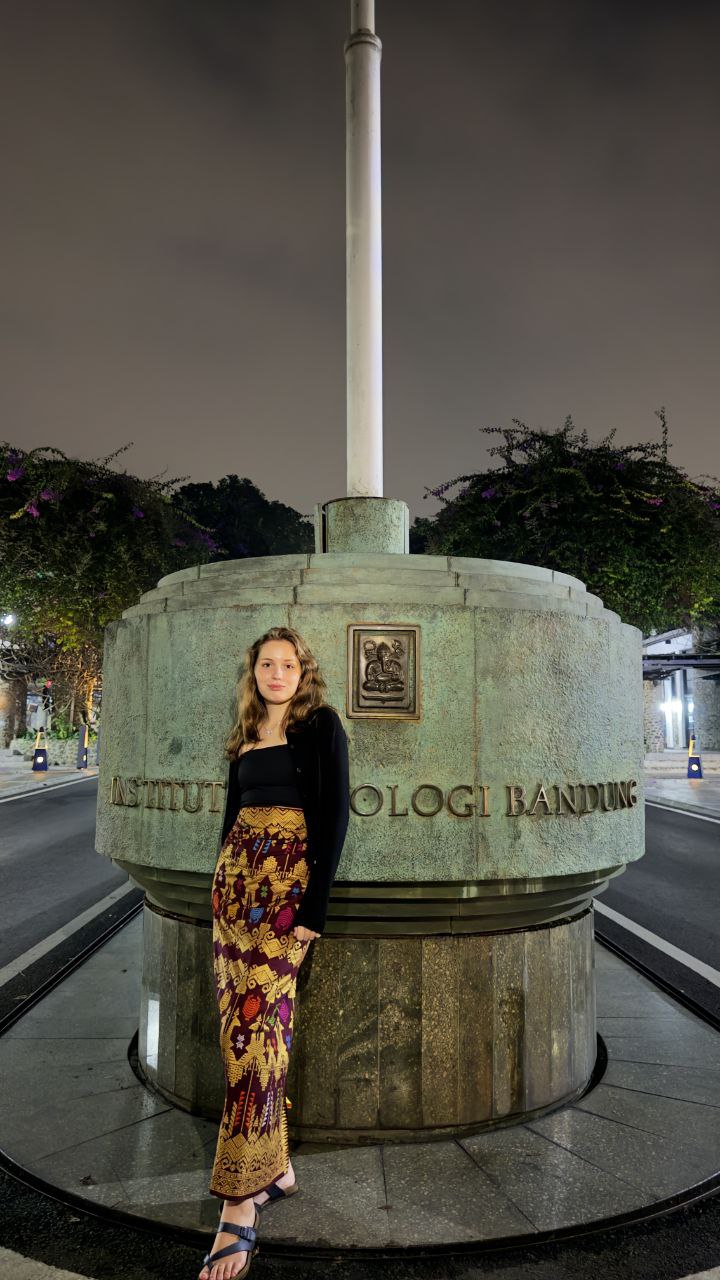

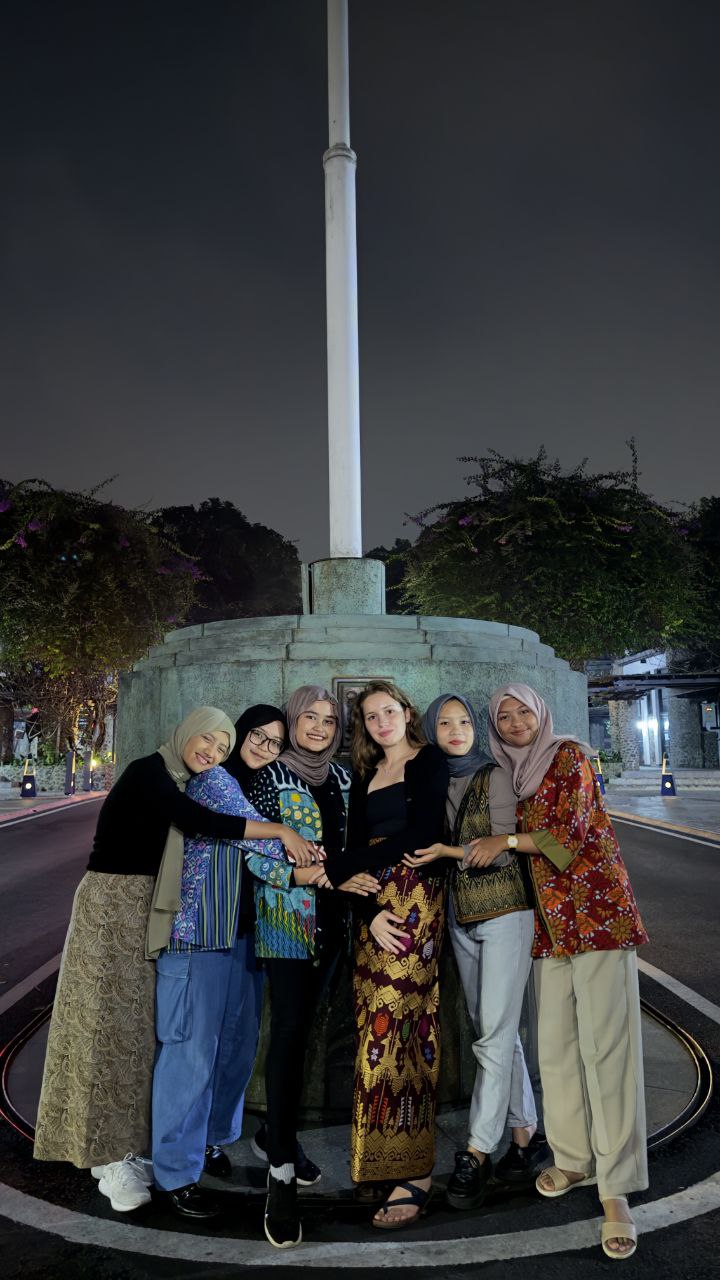
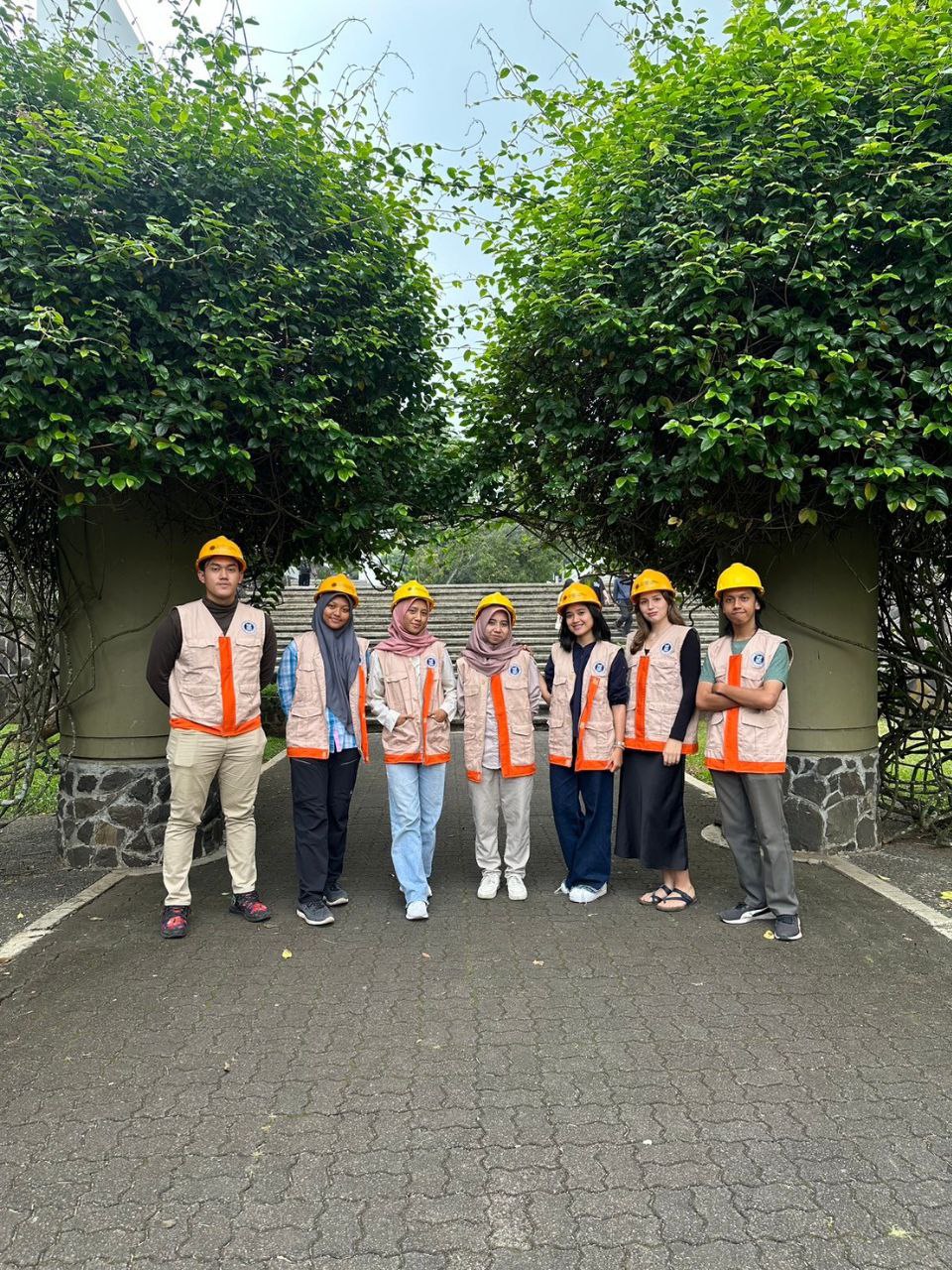


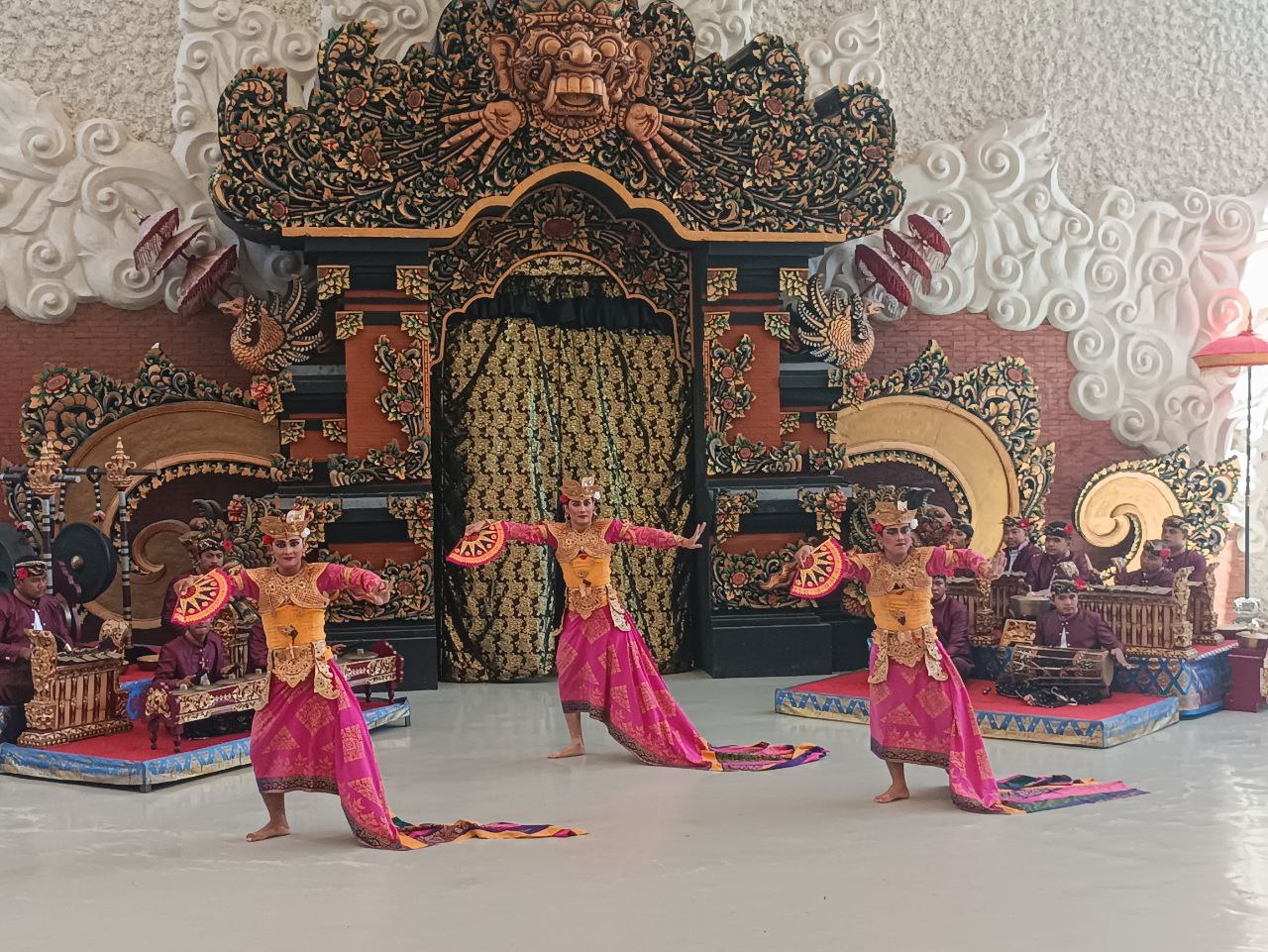
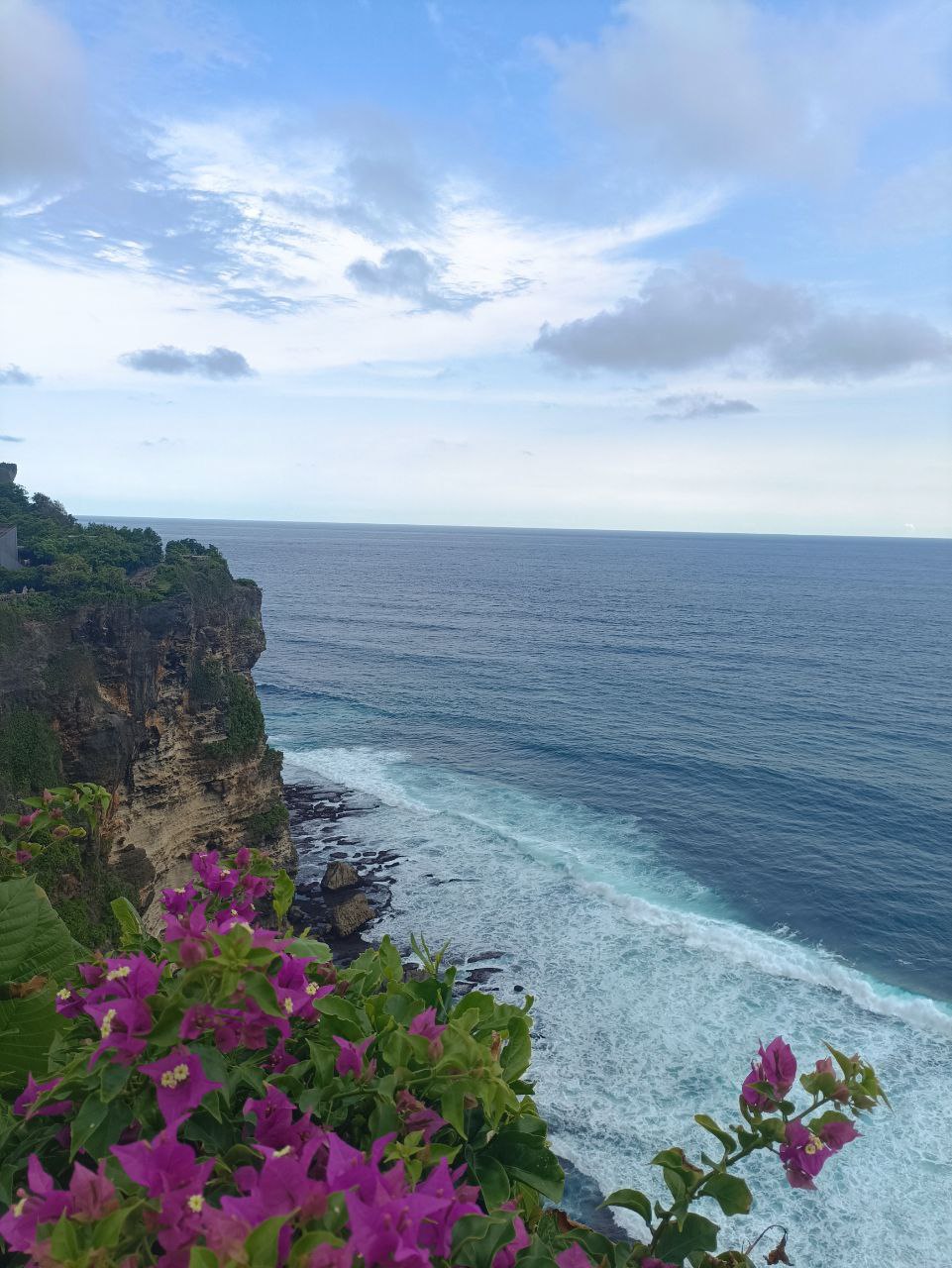


My name is Daria Subbotina, I am a student at IRNTU. In the fourth year of my studies, I took part in an international exchange program at the Bandung Institute of Technology in Indonesia. There I studied a new field of engineering geodesy and geomatics. The learning process was significantly different fr om what I was used to, and it was very intense and exciting.
As part of the program, I gained a lot of new knowledge and skills. In addition to the traditional lectures, there were many practical classes and interesting projects. I especially remember the field work that allowed me to apply theoretical knowledge in practice. Studying at the Bandung Institute of Technology gave me a unique experience and expanded my professional horizons.
My time in Indonesia was filled with many fascinating and unforgettable moments. I spent time with new friends, traveling and studying Indonesian culture. Indonesians will always remain one of the most hospitable and friendly people for me. There was always an atmosphere of unity and mutual understanding on campus. It was interesting to learn about the history, religions and holidays of this country. A unique experience for me was to try their national cuisine, which was very different fr om Russian. Once I even managed to get into the kitchen of a cafe, wh ere they taught me how to cook one of my favorite dishes.
Indonesia is also famous for its beautiful nature. One of the memorable trips was a trip to the neighboring town of Ciwiday, wh ere I was able to enjoy the views of coffee and tea plantations. On Pramuka Island, we conducted field work twice and collected data for our Hydrography class. It was a pleasure to relax in Bali during the holidays, enjoy the beauty of the Indian Ocean and join the unique culture. I also visited many local attractions such as temples and museums, which allowed me to better understand and appreciate Indonesia's rich cultural heritage. In general, this trip helped me not only to deepen my professional knowledge, but also to broaden my horizons by getting to know this beautiful country.
