Mongolian Students of INRTU Learned About the History and National Symbols of Russia
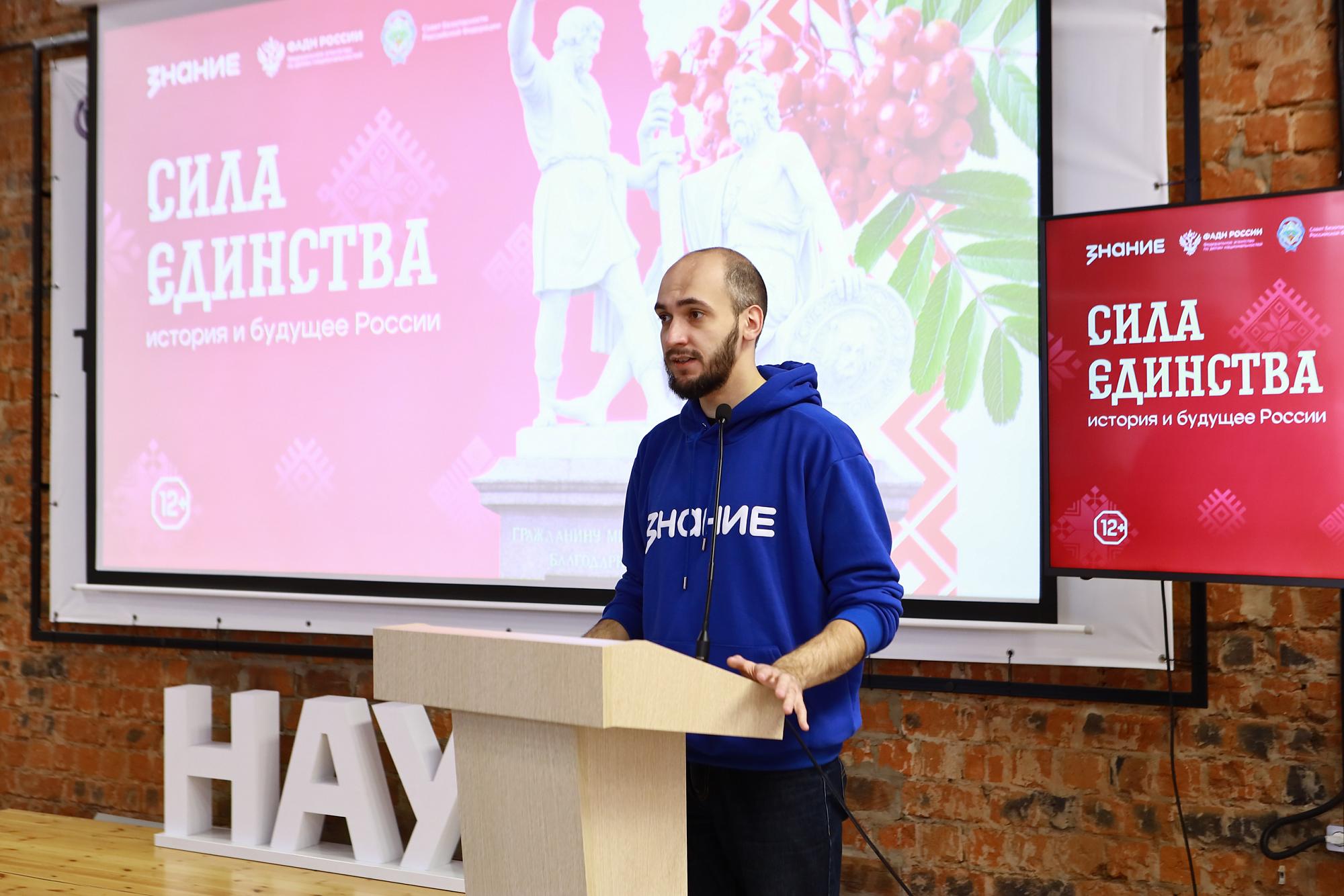
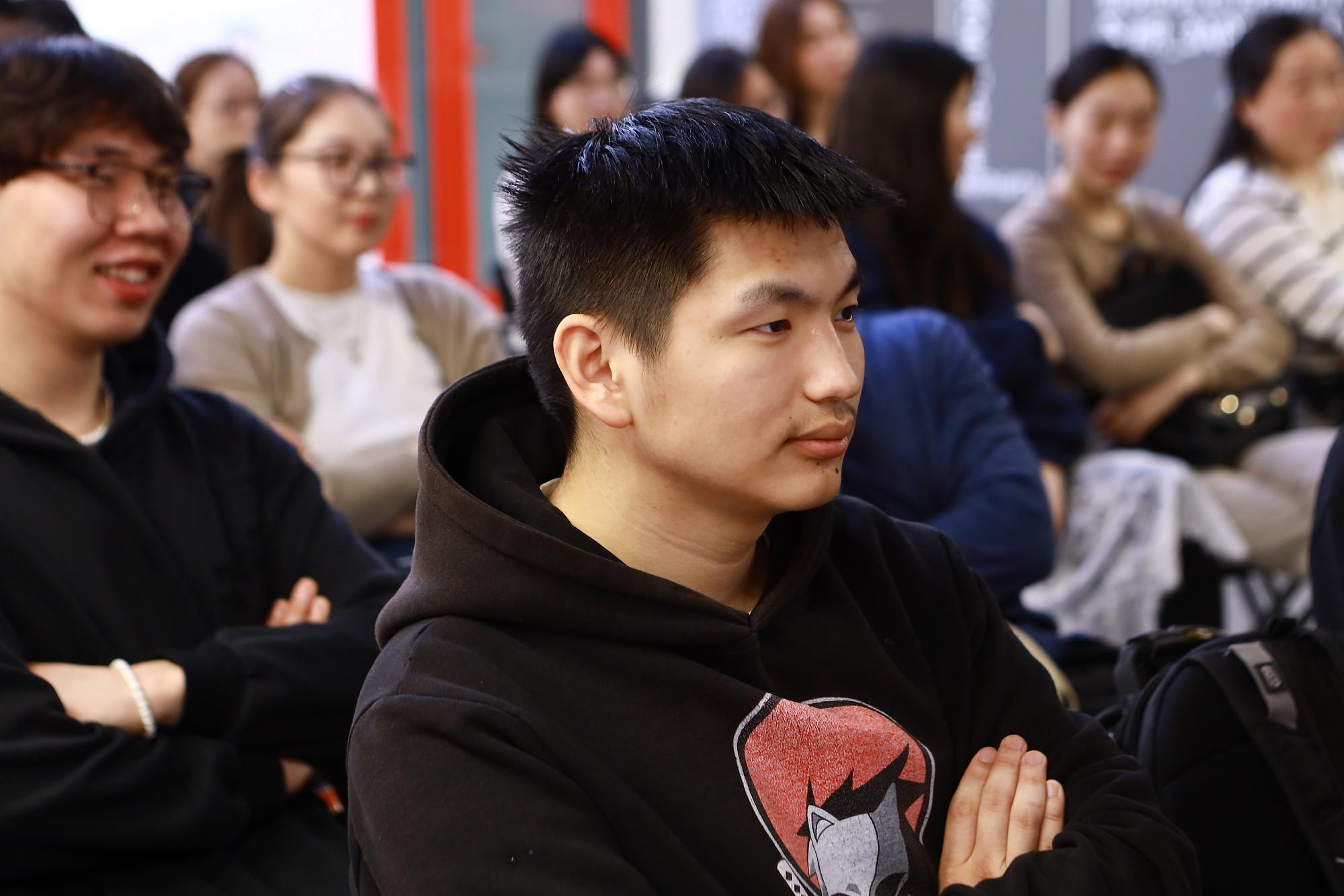
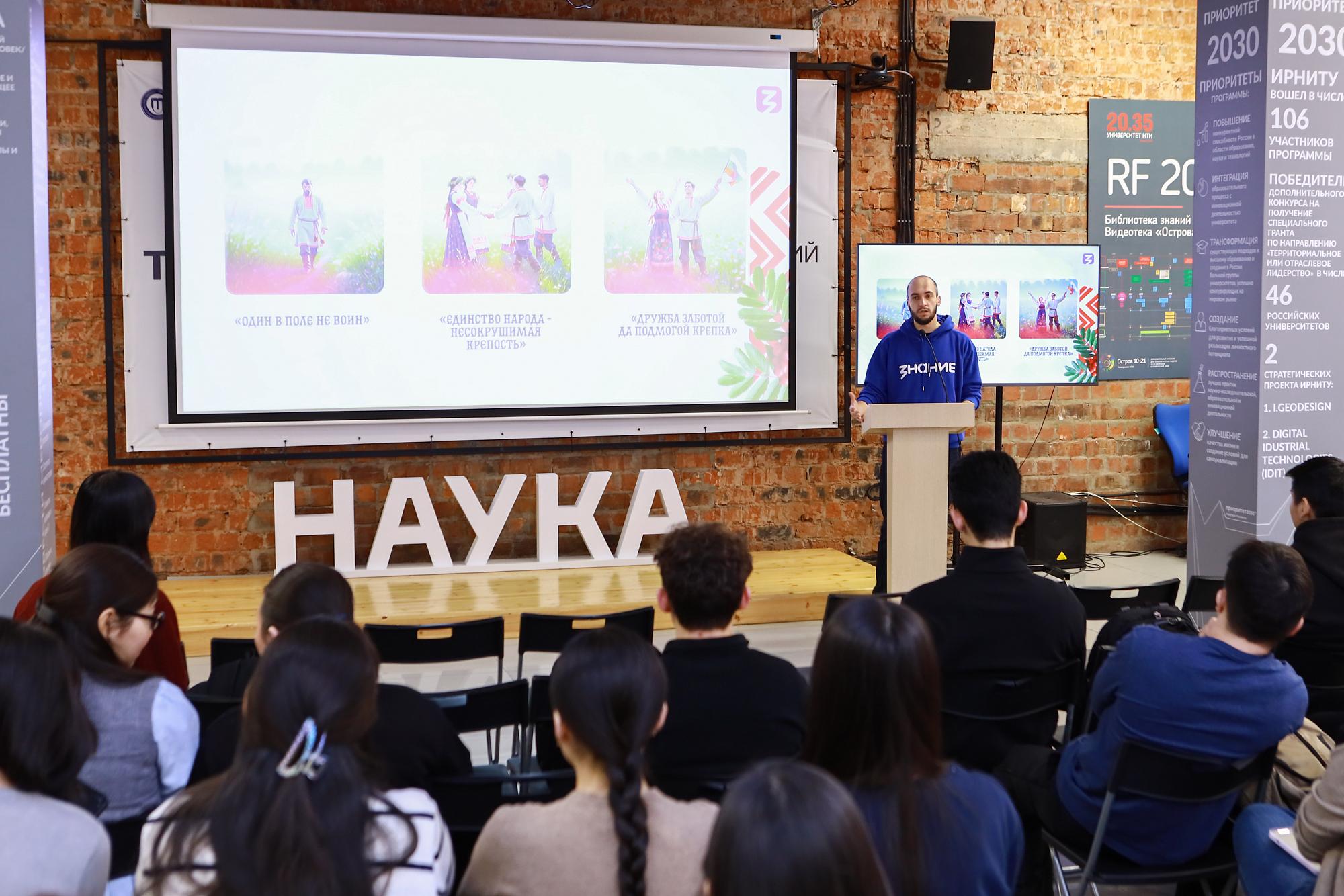
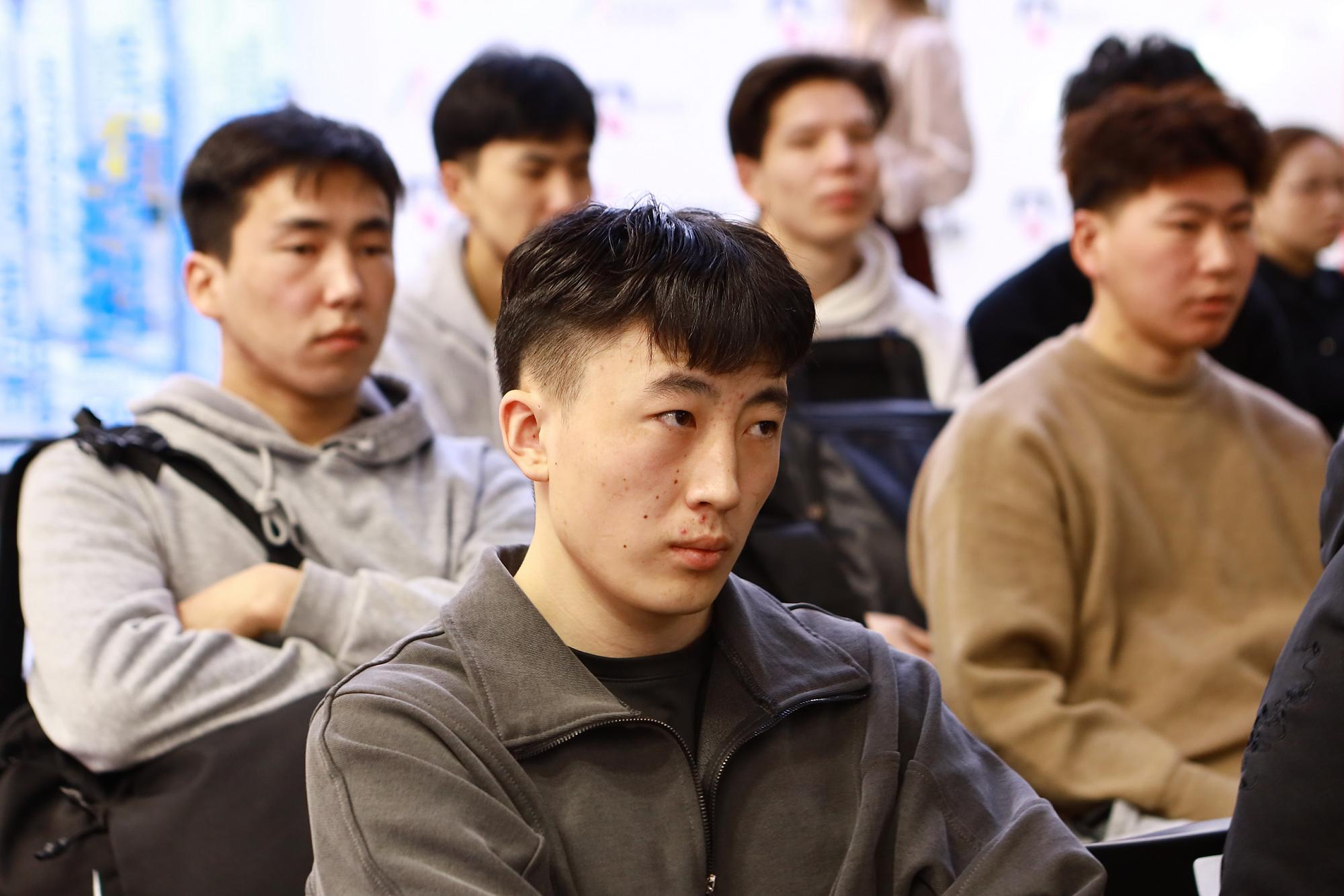
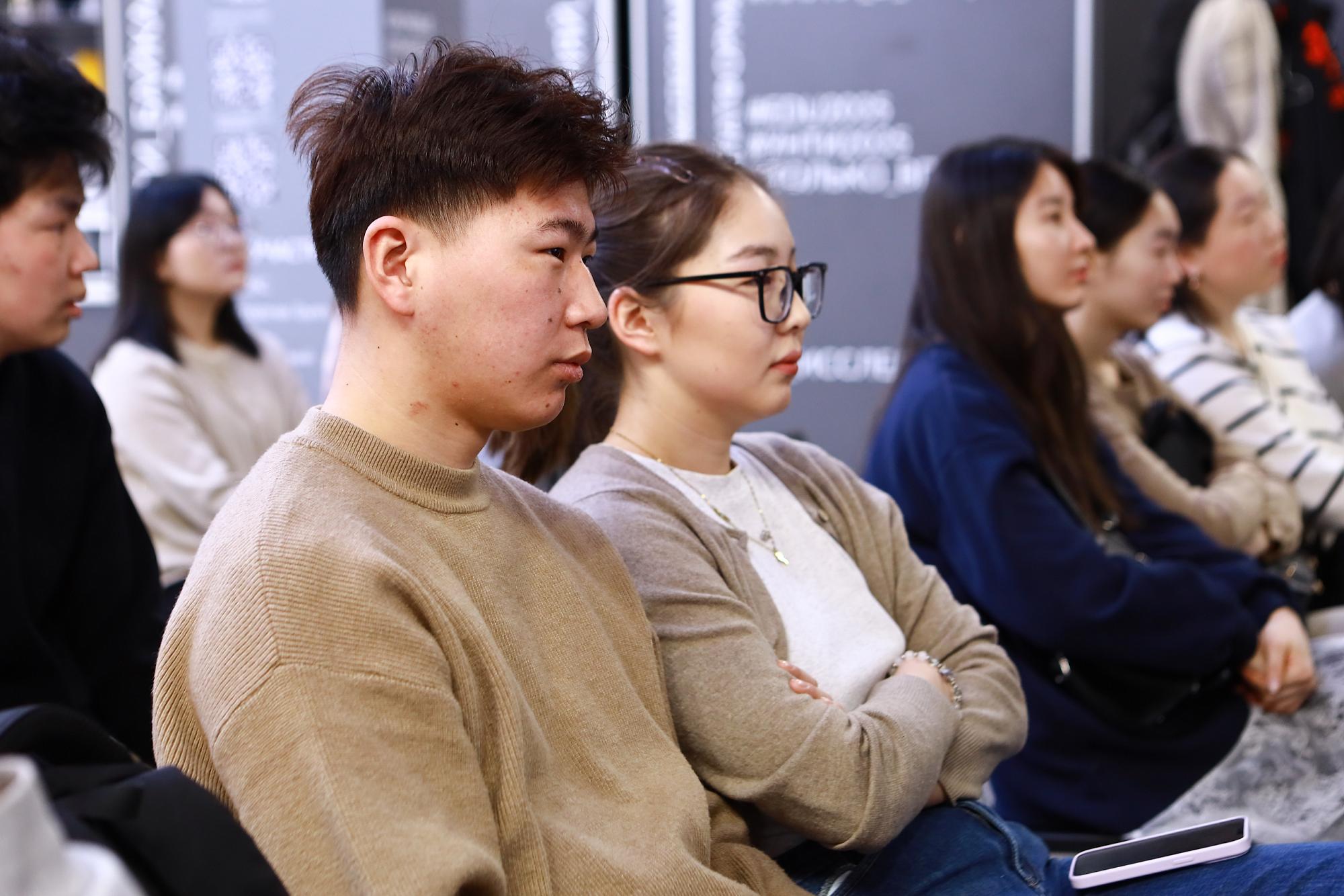
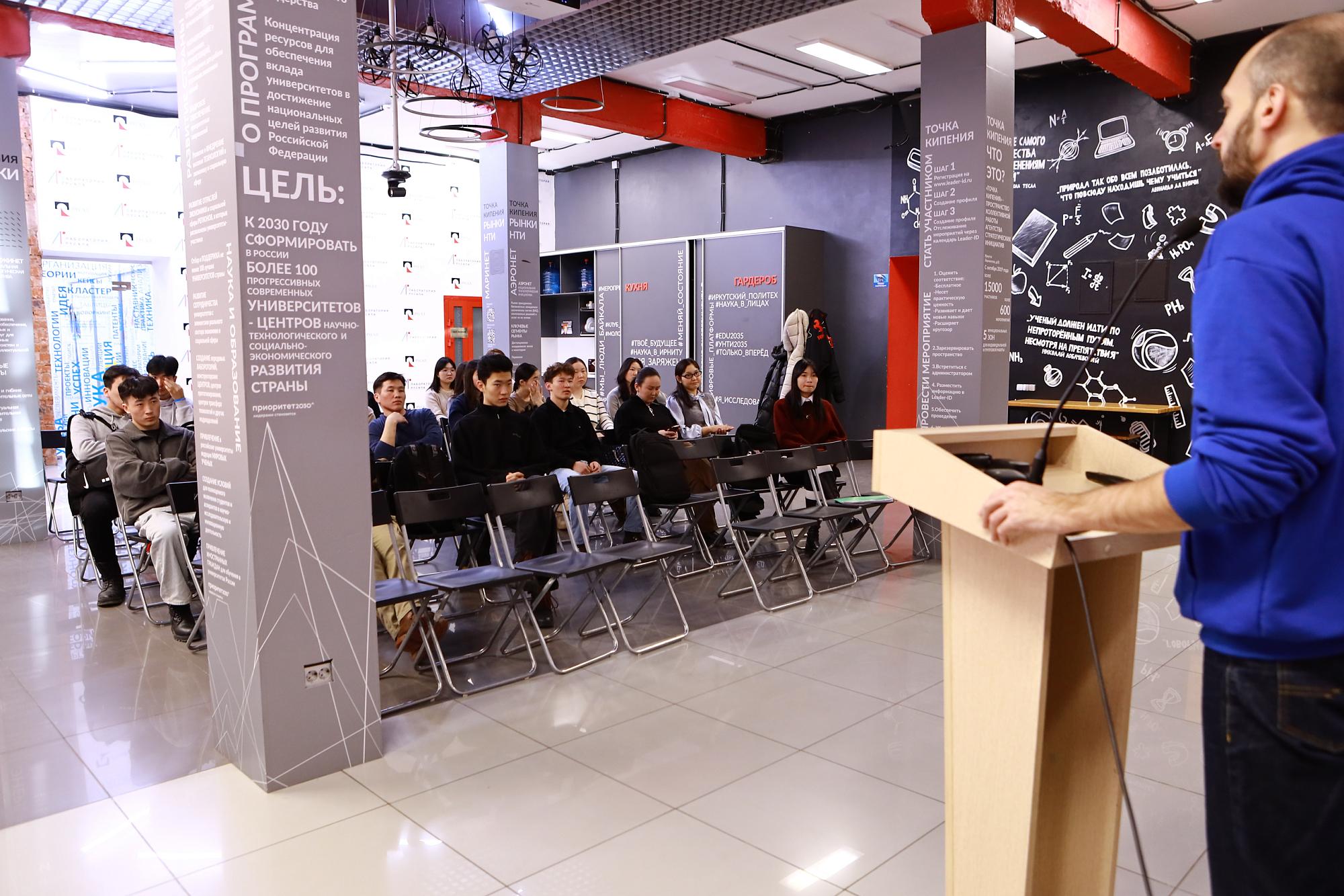
On February 12, a lecture for foreign students was held at the INRTU Tochka Kipeniya, organized with the support of the "Znanie" Society. Students learned about the history and national symbols of Russia.
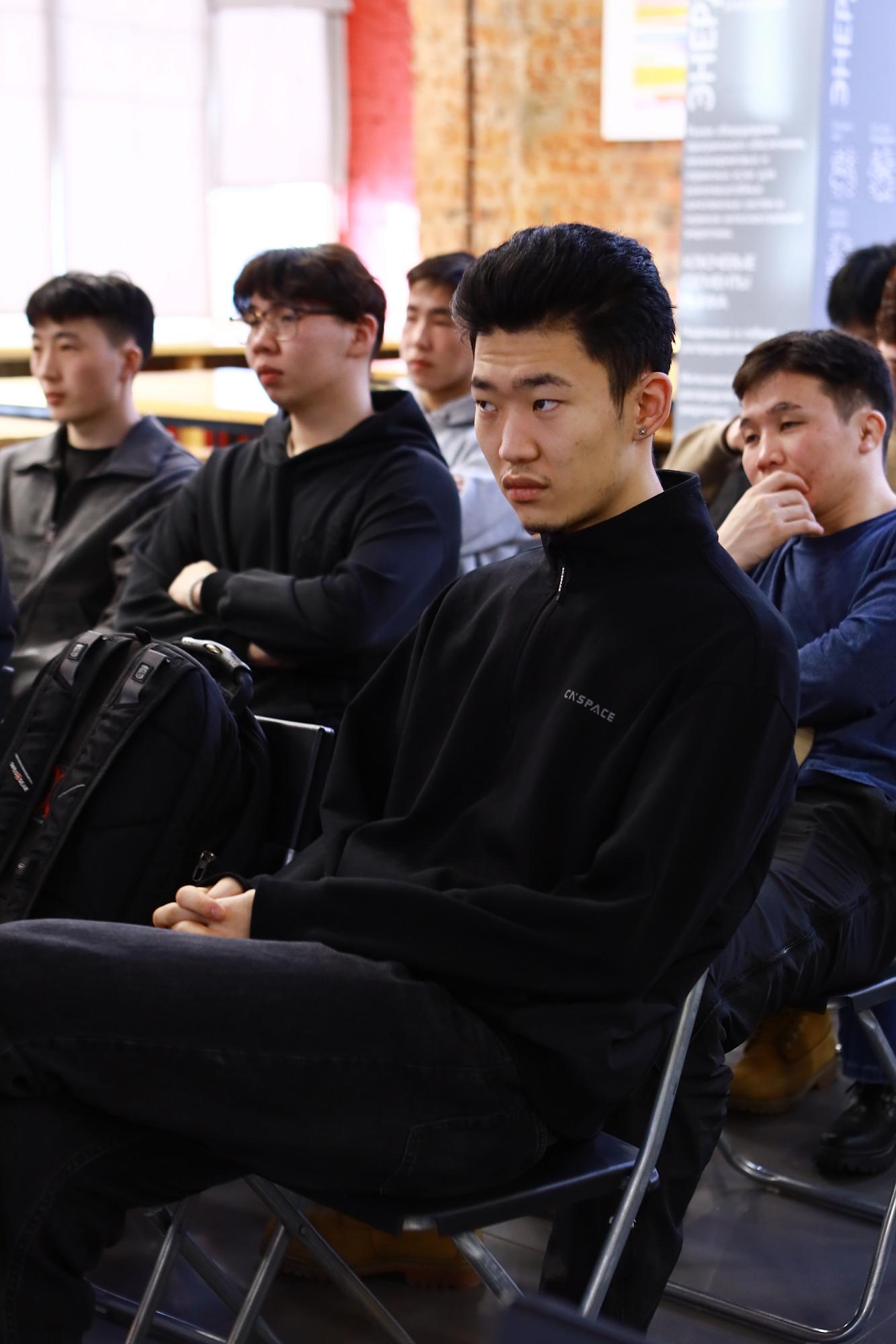
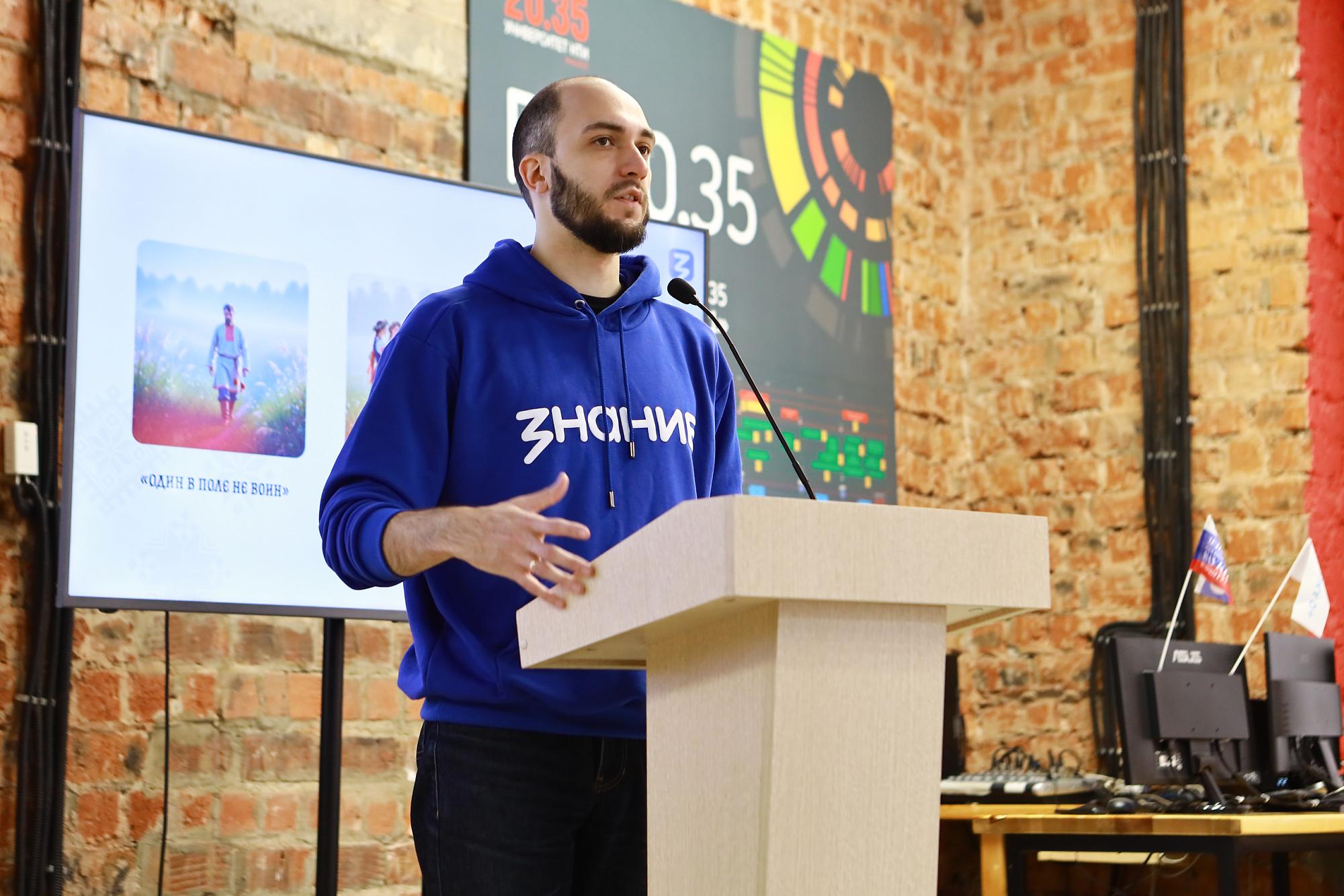
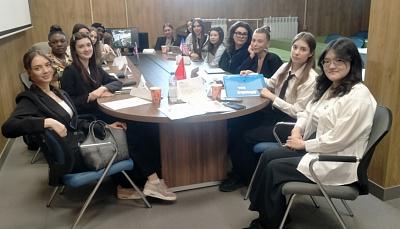
The educational event was made possible by a collaboration between the International Services Center, International Office of INRTU, and the “Znanie” Society team. The meeting was attended by students, many of whom are studying energy engineering under special programs supported by the company En+. Last Thursday, Ilya Podkovenko, a representative of the Znanie Society in Irkutsk, historian, and writer, spoke to the students. He introduced the audience to the history and values of the Russian people and explained the significance of the national coat of arms, flag, and anthem.
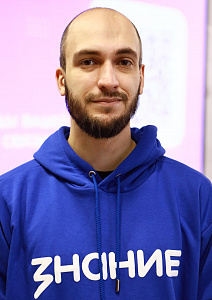
"I tried to make the lecture understandable and interesting for foreigners by diversifying the presentation with interactive elements. I separately cited facts concerning Mongolia's assistance to the Soviet Union during the during World War II, known in Russia as the Great Patriotic War. Tons of wool, meat, and other foodstuffs were delivered to our country from Mongolia. Russia remembers and appreciates this brotherly support," said Ilya Podkovenko.
At the beginning of the meeting, he walked the audience through the key stages of the formation of Russian statehood, covering the period from ancient Rus' to the present day. The idea of national unity was revealed through portraits of historical figures. The lecturer spoke about Prince Dmitry Pozharsky and the merchant Kuzma Minin, who united peasants, nobles, and Cossacks in the fight against the Polish invaders. The audience also learned about the exploits of the soldiers who repelled the French invasion in 1812 and the German invasion in the 1940s.
"There have been two Patriotic Wars in Russian history: the war against Napoleon and the Great Patriotic War. Victory is the common heritage of our people, sealed with blood, labor, and human solidarity. It is known that during the war against the German invaders, 25 million citizens of the Soviet Union perished, more than 50% of whom were civilians. All the union republics united to fight fascism. This historical connection is a moral guide for the future, shaping civic identity and patriotism," the historian noted.
Today, more than 190 ethnic groups live in Russia, creating a unified cultural and scientific space. The Russian language serves as a bridge—a universal key to mutual understanding between them.
Ilya Podkovenko also shared some interesting facts about the history of the country's state symbols. For example, the tricolor flag was not always as we know it today. In 1858, Alexander II approved a flag with black, gold, and white stripes. During the Soviet era, the country's flag was red with a hammer and sickle.
At the end of the meeting, the lecturer explained the significance of Russian heraldry. For example, the coat of arms of Irkutsk features a Babr holding a sable in its mouth. In ancient times, the Babr was the name for a tiger. The coat of arms of Shuya is adorned with a bar of soap, a reference to the region's historical role in soap making. The symbol of Zheleznogorsk in the Krasnoyarsk Region is a bear tearing apart an atomic nucleus with its paws. This imagery represents the union of natural power and science.
The meeting was of interest to first-year student Batbataar Nandyn-Erdene from the city of Erdenet. She admits that thanks to the lecture, she has broadened her understanding of Russia, which she first gained in childhood and during history classes.

"It was interesting to hear about how the colors of the flag and the lyrics of the Russian anthem changed, and which tsars ruled the country. I was surprised to learn about the large-scale assistance provided by Mongolia to the USSR during the war with Germany. I asked myself, 'Why don't I know about this, since it's also part of my country's history?' Now I plan to fill in the gaps using the internet and books," shared Batbataar Nandyn-Erdene.
It should be noted that this is not the first-time lecturers from the “Znanie” Society have spoken to international students at INRTU. In the summer of 2025, as part of the "Discover Russia with Znanie" project, Irkutsk-based teacher Gleb Druzhinin met with INRTU students. He told them about the diversity of cultural traditions and national holidays in Russia, and also introduced them to the biographies of prominent Russian scientists.