INRTU Siberian School of Geosciences Becomes International Eco-geological Center
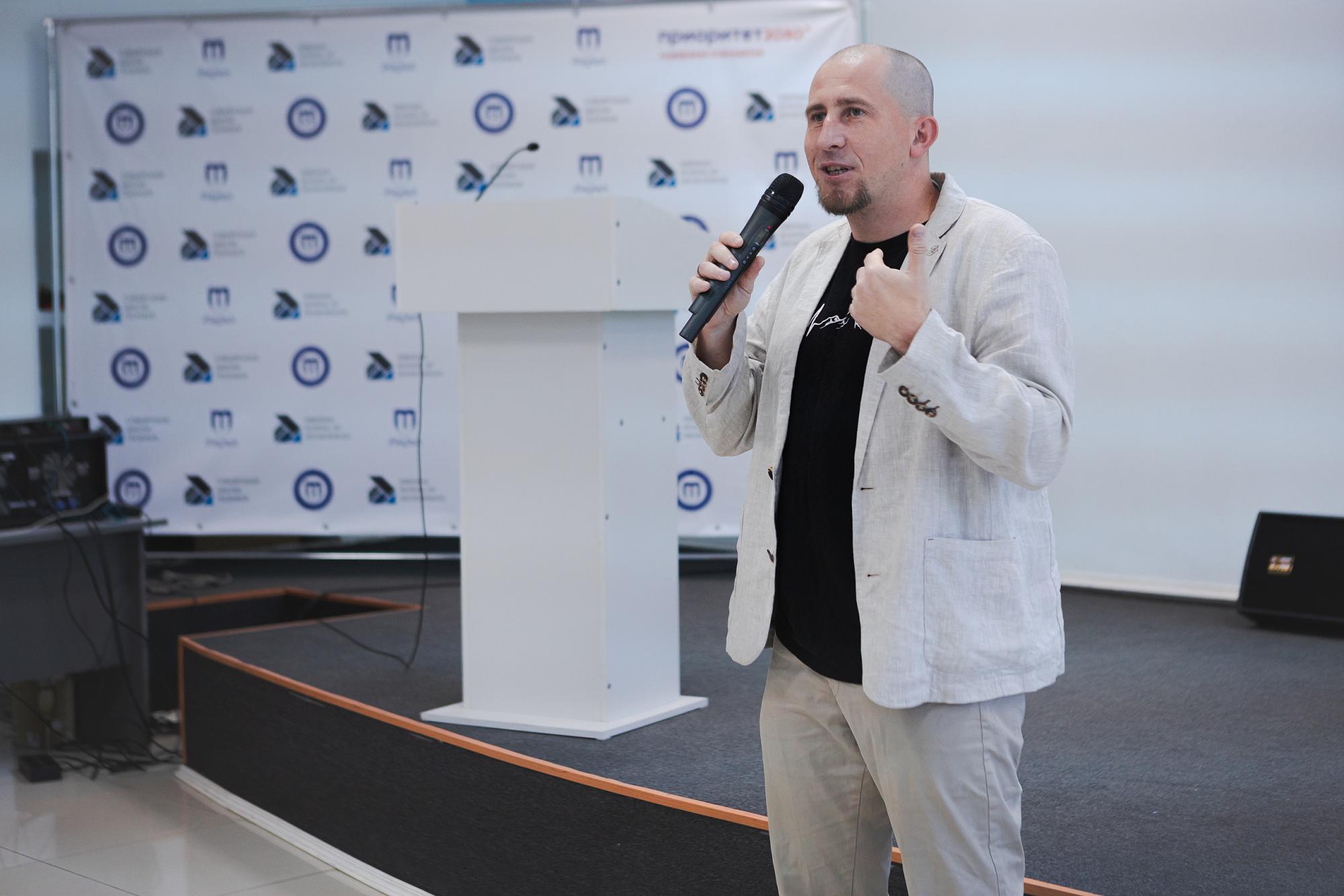
The Siberian School of Geosciences (SSG) is becoming an international ecological-geological centre through comprehensive research in China, India and Mongolia, Alexander Parshin, Vice-Rector for Geology, Earth and Environmental Sciences, said at a meeting of the university’s Scientific and Technical Council.
The federal “Priority 2030” initiative has been extended to 2036. After rebooting its development program, INRTU has concentrated on advancing three strategic projects. Through the SSG project, the university is transforming into an international centre offering comprehensive solutions for developing the mineral resource base and protecting the environment. The Siberian School of Geosciences, led by Alexander Parshin, is driving the project.
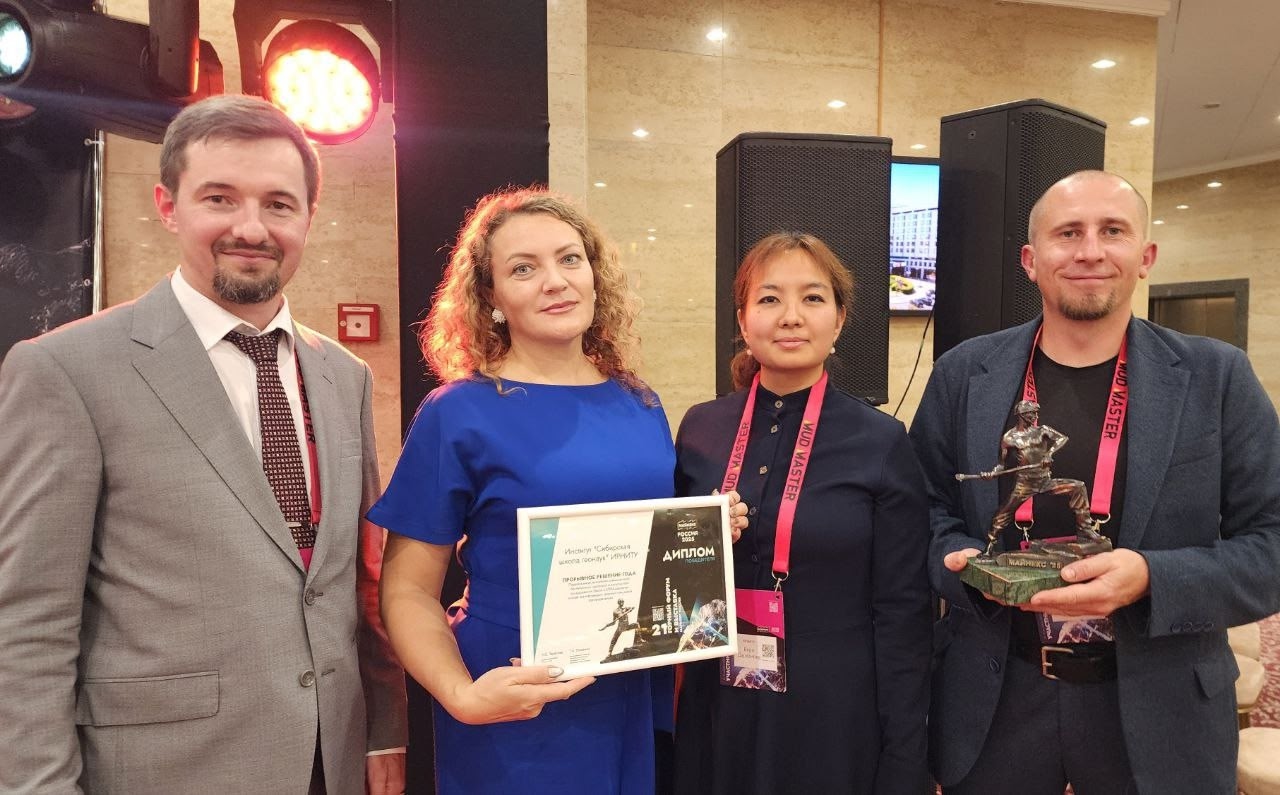
SSG is actively conducting scientific research and geological prospecting for clients in Russia and abroad. In 2025, the commercial program focused on improving profitability and minimizing risks. As a result, the Siberian School of Geosciences secured contracts worth over 230 million rubles. The majority of this funding comes from collaboration with GV Gold’s Irkutsk and Yakutsk business units, companies of the OKTO investment and financial group, and the Bituy-Zun company.
Over 50 students took part in fieldwork in 2025. A competition has already been announced for 20 permanent positions for first- and second-year students, who will be involved in geo-informational forecasting projects commissioned by mining companies in the Republic of Buryatia, the Republic of Sakha (Yakutia) and Zabaykalsky Krai. They will create GIS projects to speed up the discovery of mineral resources. Involving first-year students in such complex projects has been made possible by transforming the core curricula “Information Technologies” and “Introduction into Professional Activities”. About ten talented students will have the opportunity to assist academic staff.
Alexander Parshin emphasized that the SSG is positioning itself as an international school. In line with this, three international projects were implemented abroad this year, and two more were carried out for the economies of Ethiopia and Nigeria using remotely obtained data. This showcased the demand for and competitiveness of the new technologies in global markets and demonstrated their readiness for export.
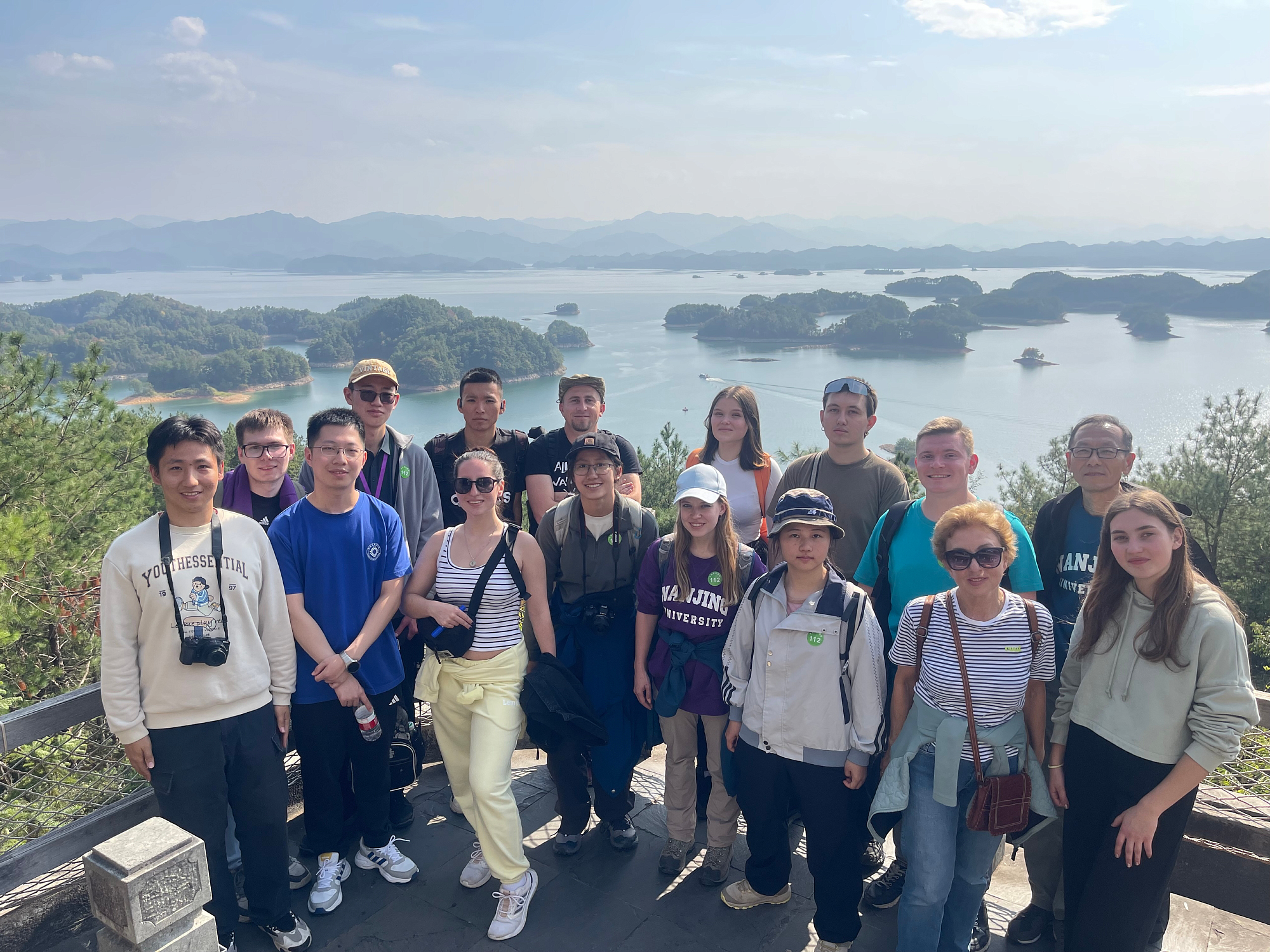
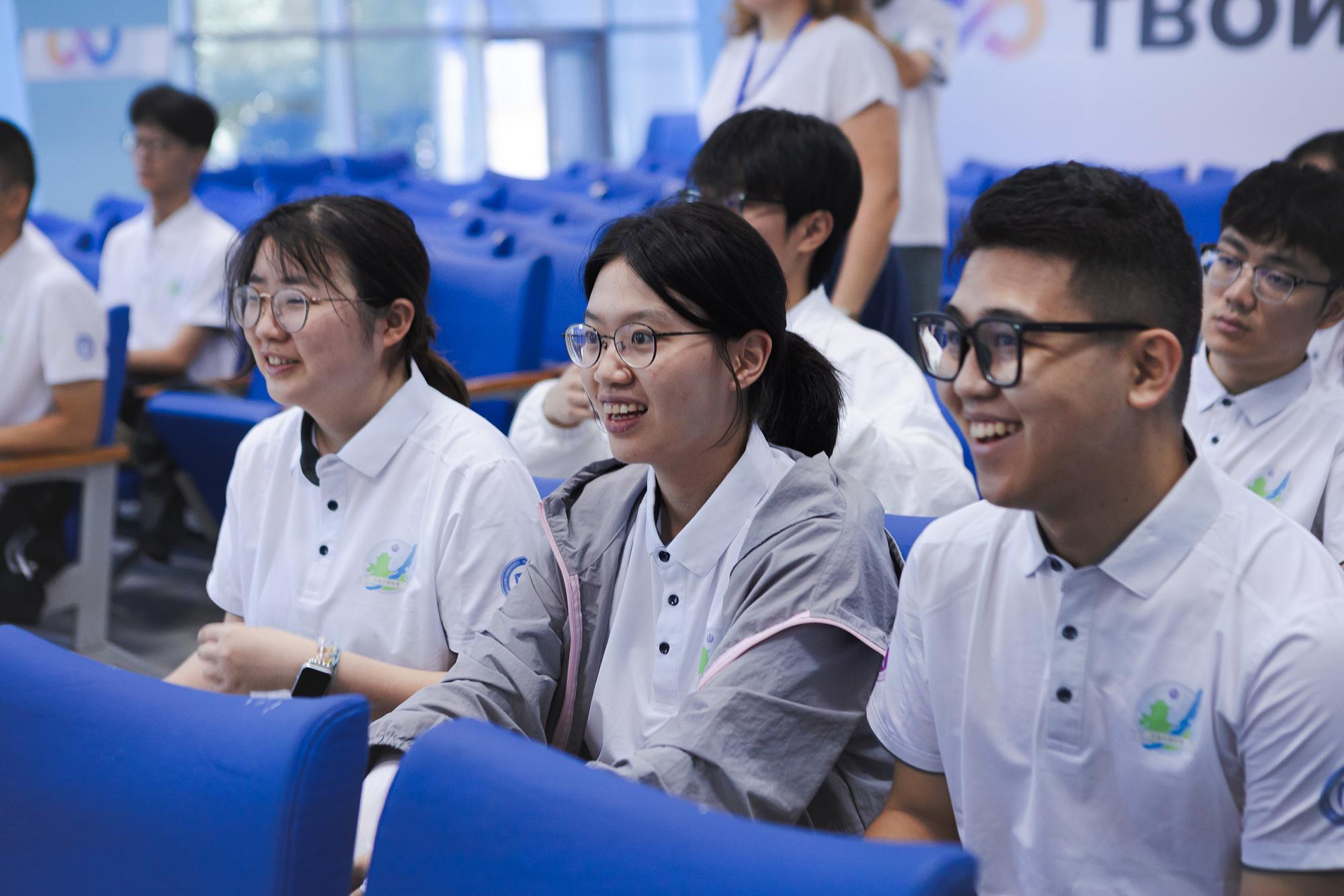
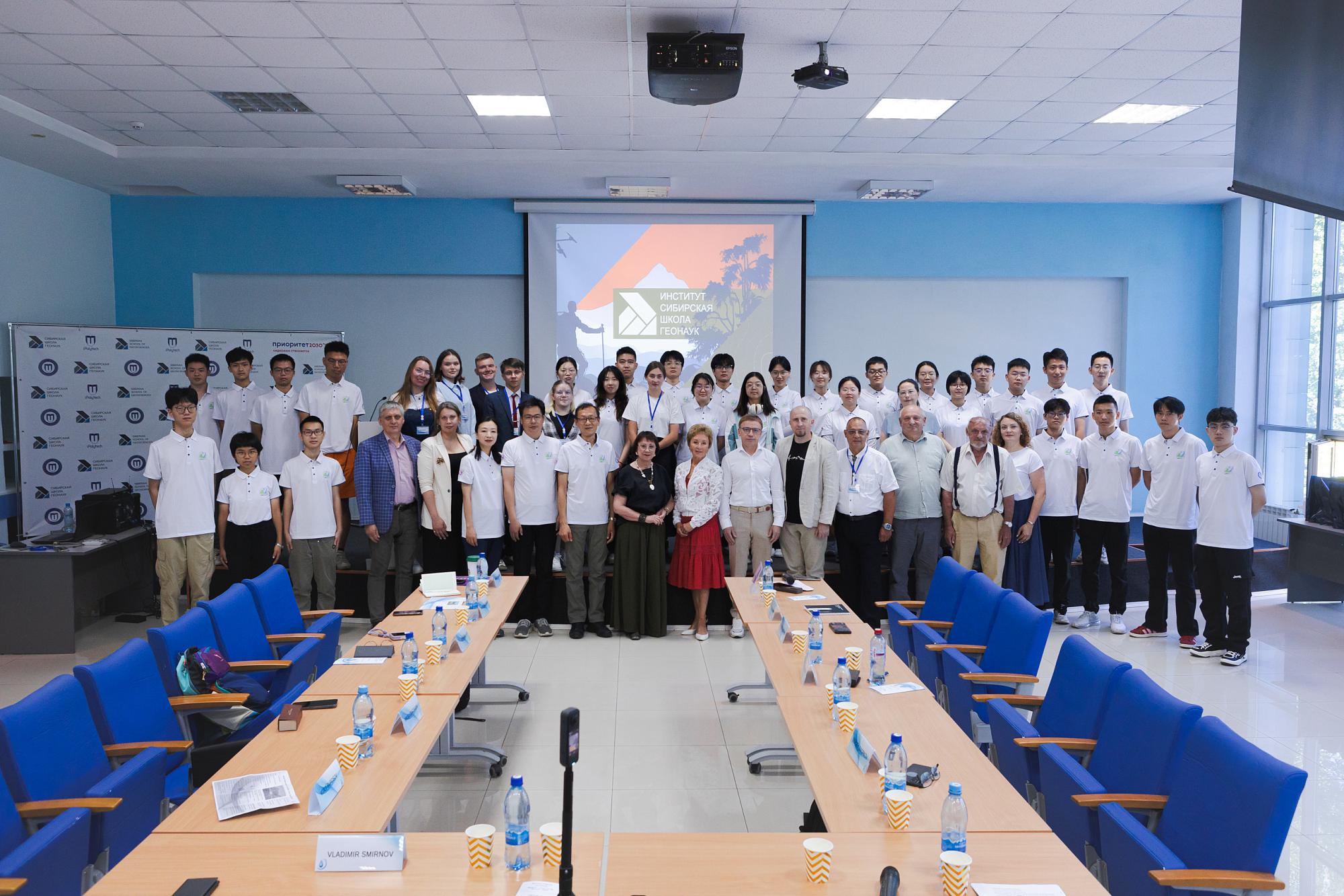
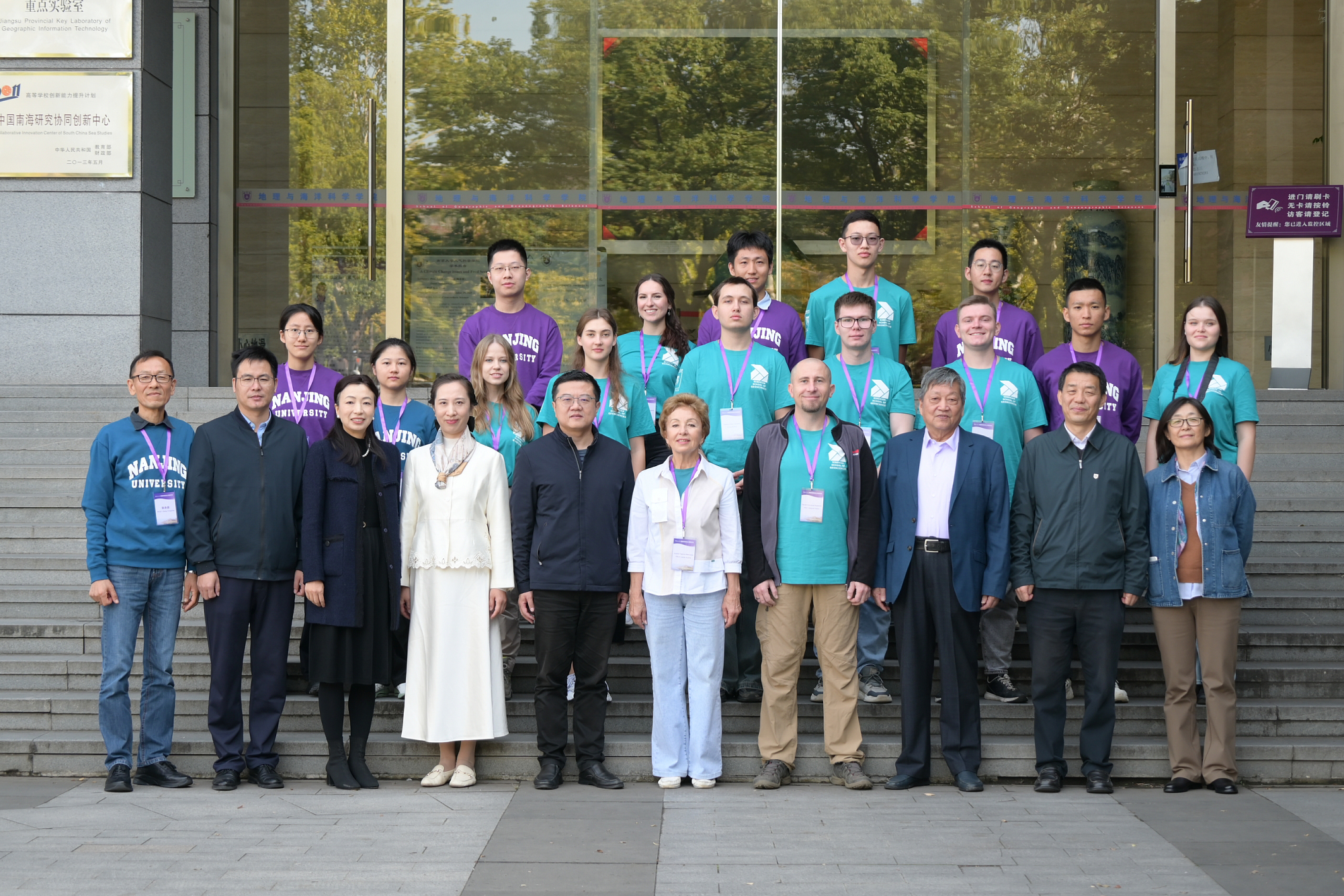
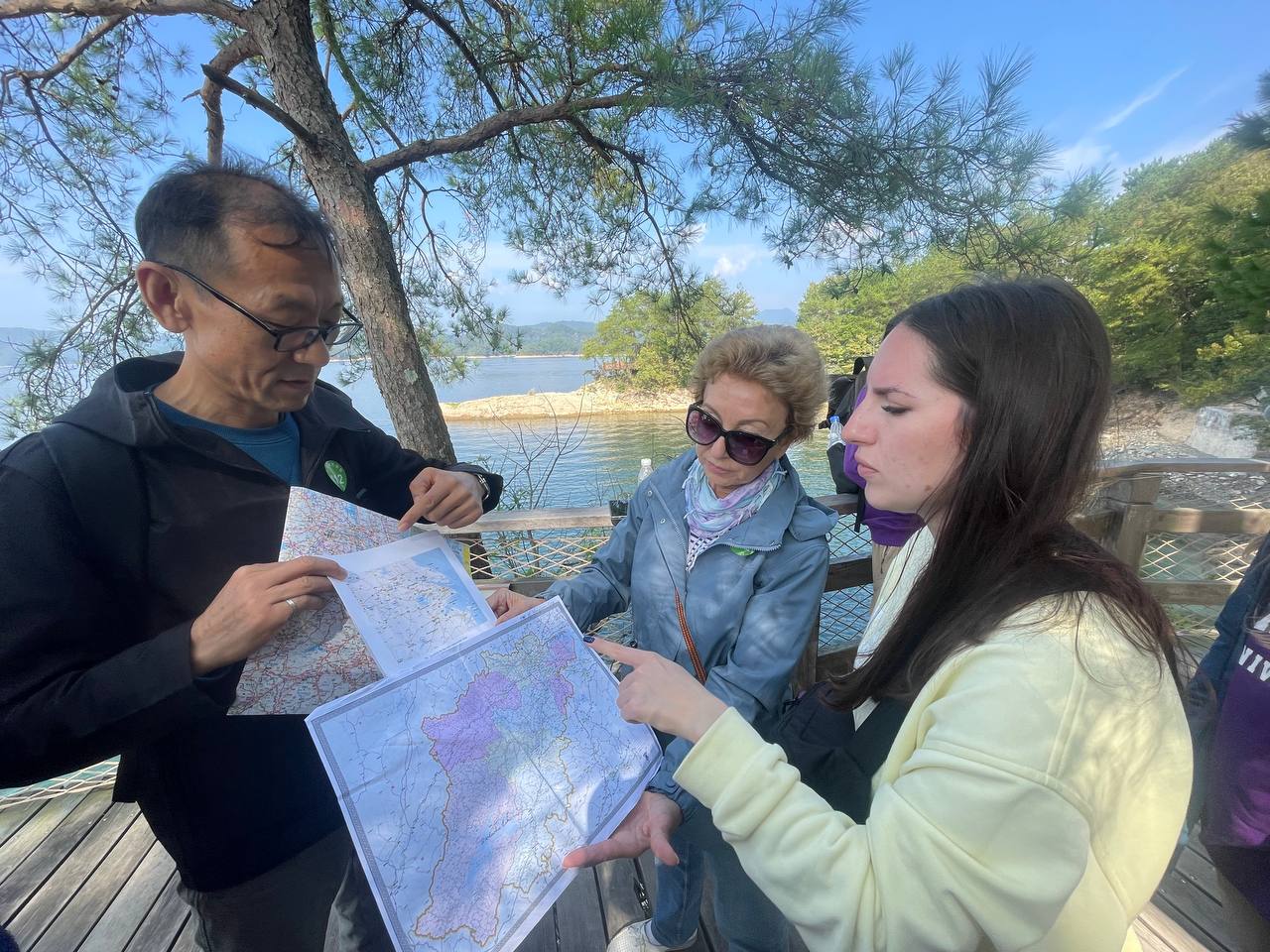
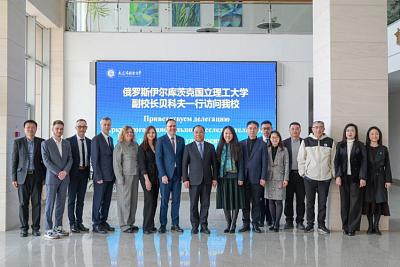
A significant achievement for the institute was the research project “Baikal-Yangtze”, which brought together INRTU and Nanjing University. It involves joint student expeditions to the Lake Baikal region and to southeast China. During these trips, students from both countries spend several weeks studying terrestrial and aquatic ecosystems, collecting samples and later analyzing them in laboratories to prepare joint publications and reports. In 2025, three articles based on last year’s data were published, four more are in progress, and six reports were presented at scientific conferences. Professors from INRTU and Nanjing University are developing the research plan for 2026.
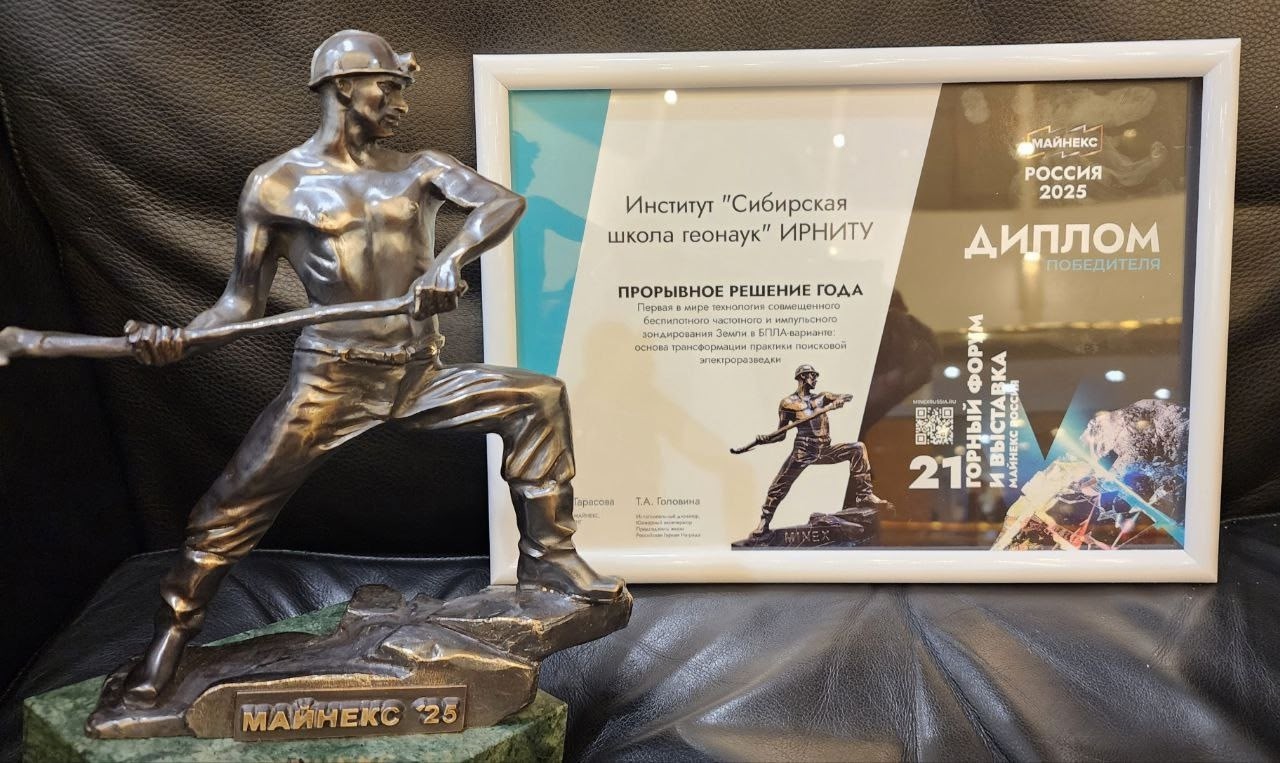
Also, over the past year work was carried out to ensure geo-ecological and geotechnical safety in Indian state of Assam and to conduct geo-archaeological research in Mongolia. In these countries, the Siberian School of Geosciences team used new robotic systems to conduct comprehensive studies of the Earth’s surface and subsurface – in India to detect potential landslides, and in Mongolia to help archaeologists find the tomb of the Hunnu state’s founder, Chanyu Modu.
It should be noted that the School trains geologists and hydrogeologists, drillers, geophysicists, and IT and GIS specialists in both Russian and English. In 2025, the SSG began transforming its educational programs. For example,first and second-year students continuously carry out research in geoecology, immersing themselves in project-based activities. In the first year they study air quality using snow-geochemical surveys and create a database of the variability of snow cover chemistry to minimize the environmental risks of mining and geological projects. For this, during the winter break students bring samples from their home regions to Irkutsk and also study the Irkutsk Region.

“Our enhanced foundational training is producing excellent results that have clearly manifested in this year’s performance of commercial geological operations. For example, the profitability of commercial lithogeochemical work involving students has risen from 0% to 35%, far above the industry average”,
Alexander Parshin noted.
In addition, the SSG has had success in working with prospective students. The first intake has been enrolled in the English-taught Bachelor’s degree program “Information Technologies in Earth and Environmental Sciences”. Plans are underway to launch English-taught Master’s degree programs in applied geophysics and environmental engineering.
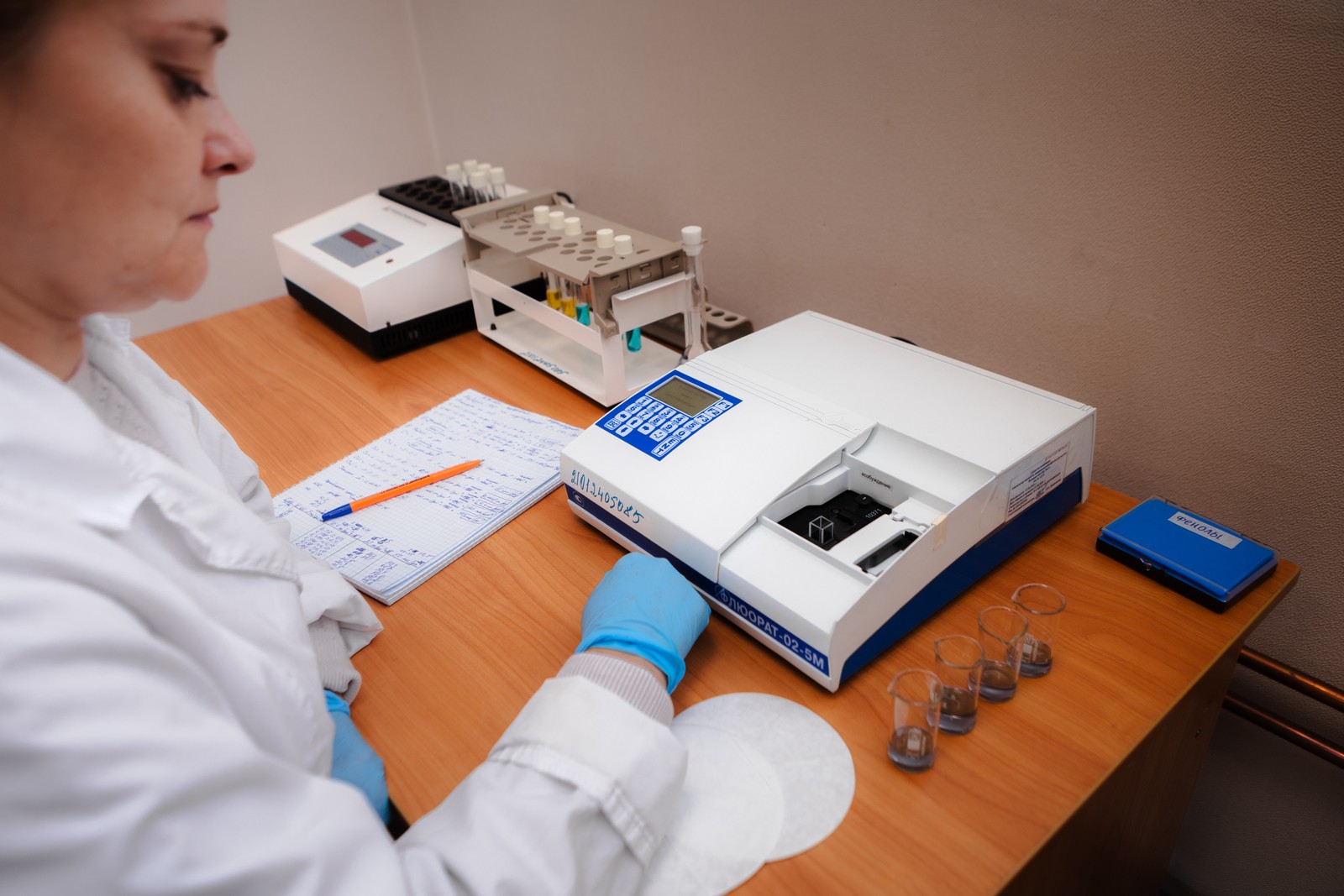
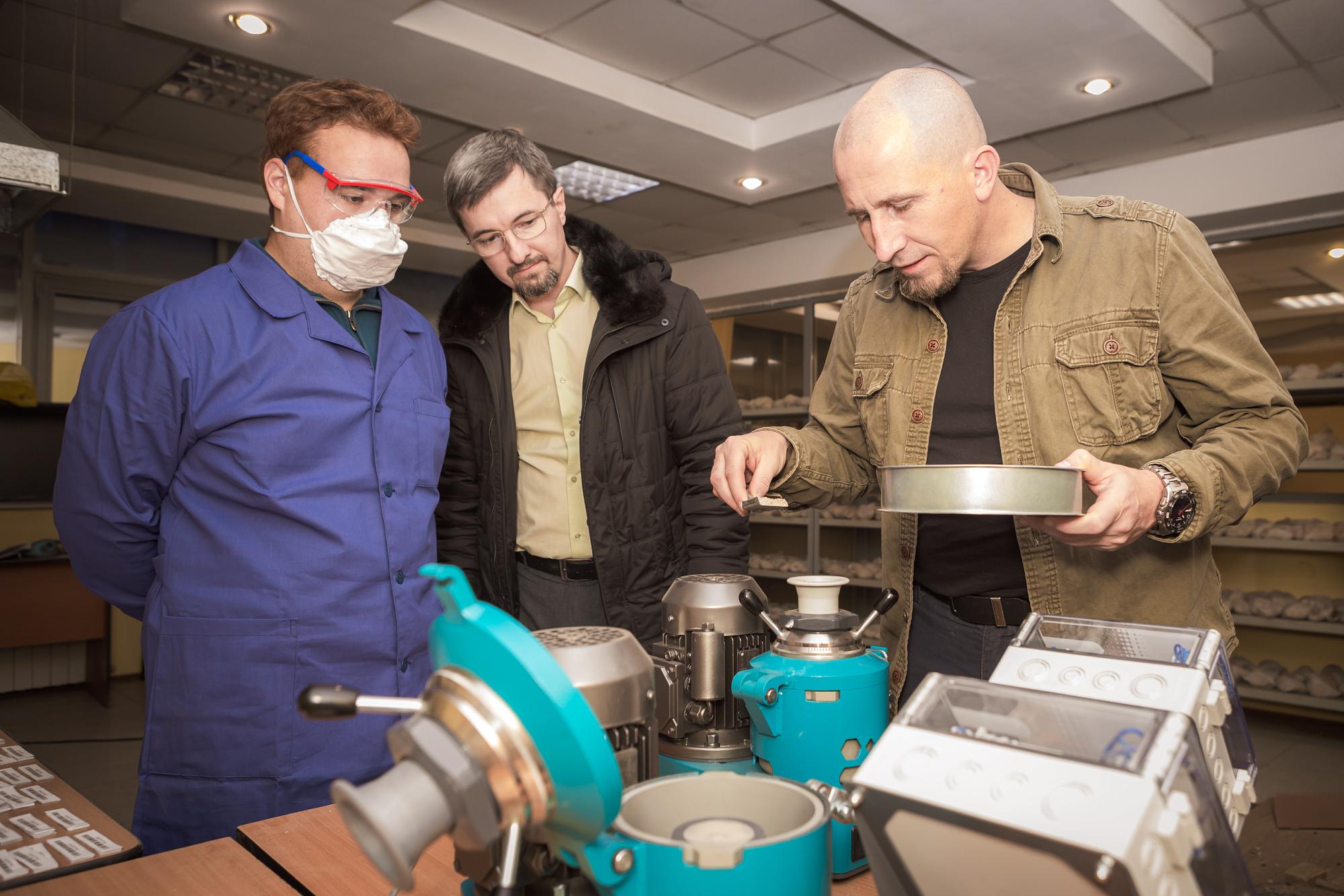
The Vice-Rector also mentioned the development of the SSG’s laboratory and technical base. In the School’s Chemical and Analytical Laboratory, a sample preparation workshop for core and channel samples and a natural water analysis sector have been established.
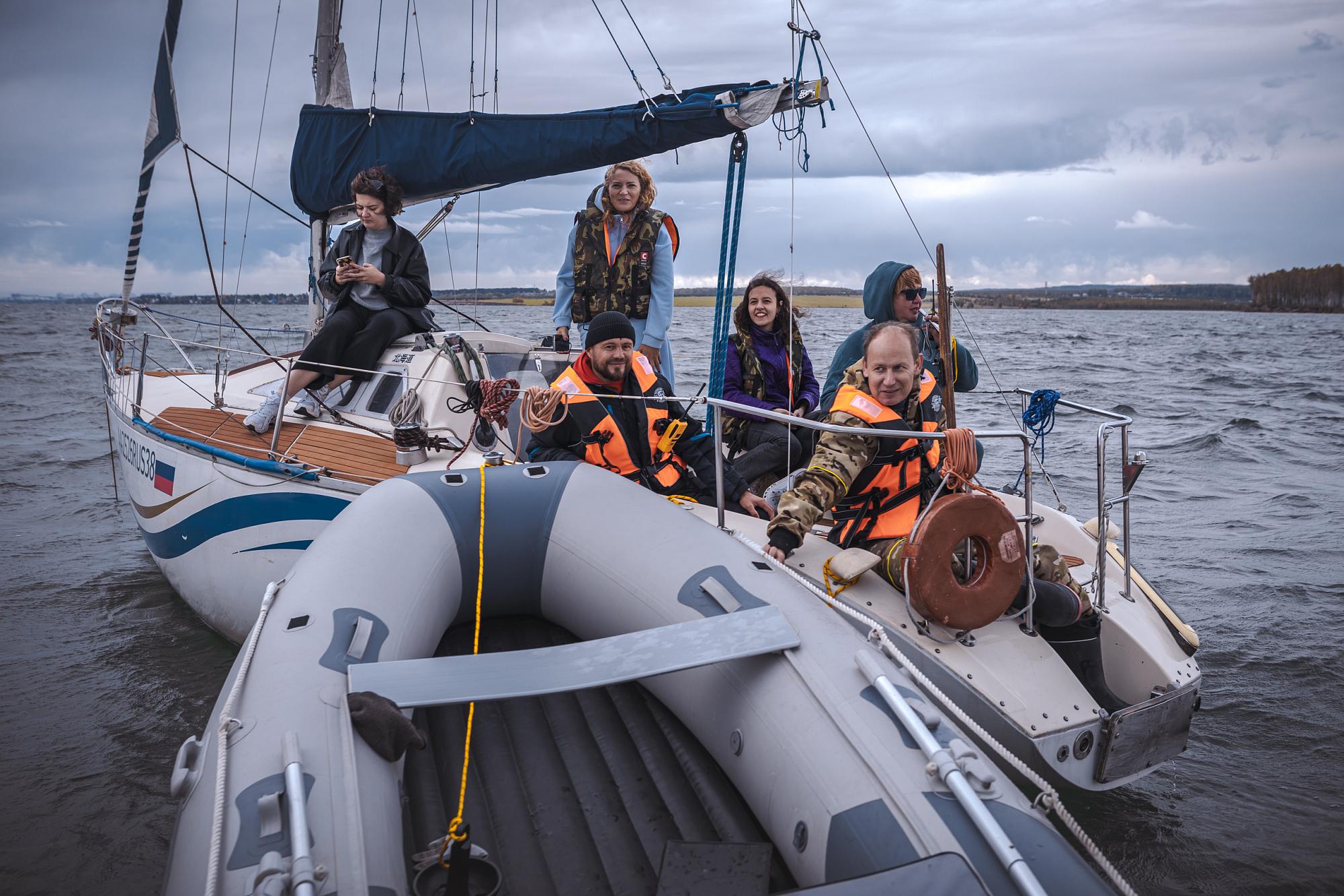
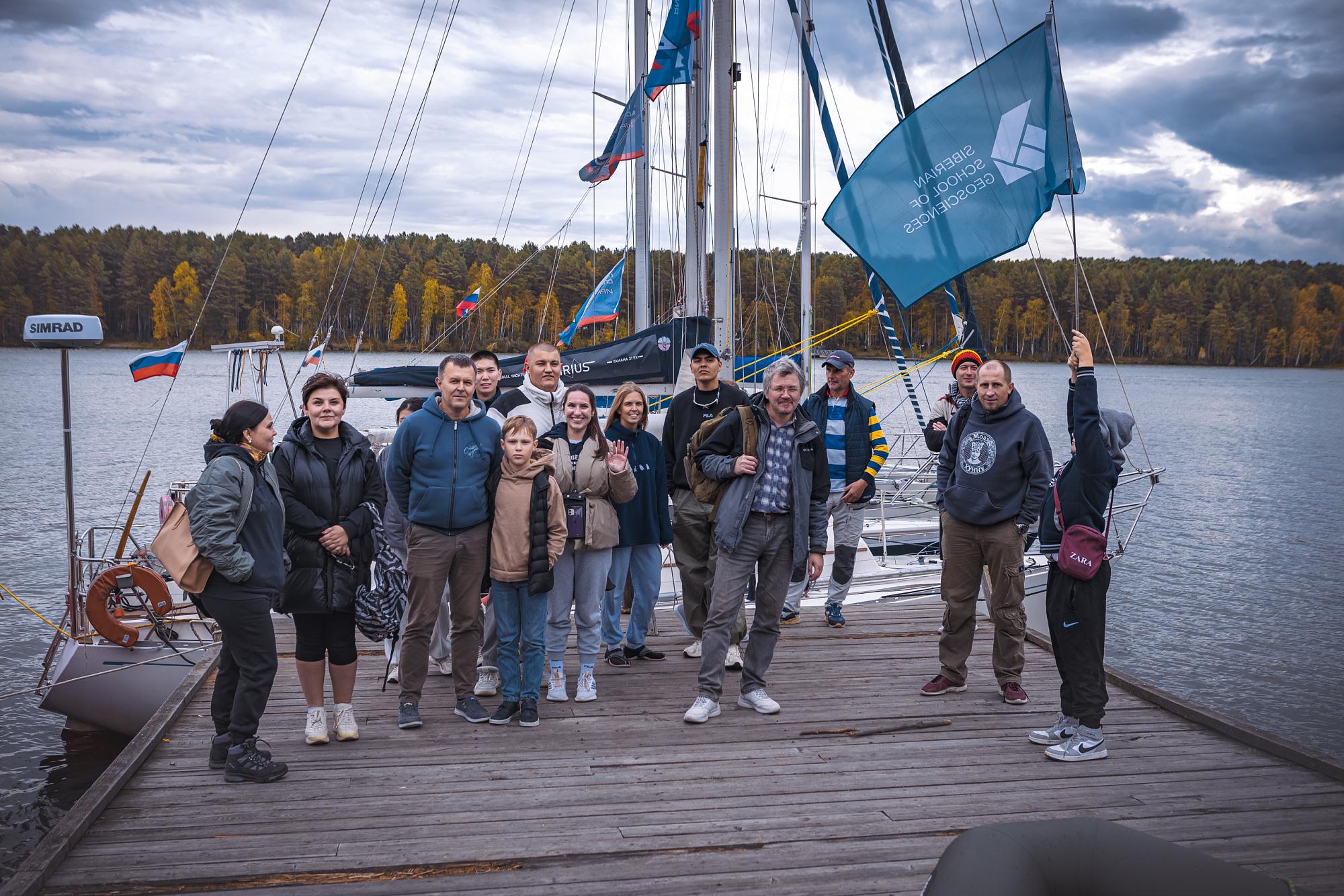
The report also noted the creation of the “Baikal Student Sailing League” consortium and the launch of a program to train students for marine research under the INRTU Navigation School. This initiative is a reimagining and revival of the historical tradition of the Irkutsk Higher Engineering School in preparing geoscience specialists for Siberian and Far Eastern exploration programs, a tradition previously upheld by INRTU’s predecessor, the Irkutsk Navigation School.