INRTU Has Increased Share of International Students to 11% in 2025
In 2025, Irkutsk National Research Technical University (INRTU) significantly boosted its internationalization efforts by increasing its share of foreign students, hosting international events, and launching joint educational programs in energy and ecology with Chinese universities. This was announced by Vice-Rector for Academic Affairs Vladimir Smirnov at a meeting of the university's Scientific and Technical Council on December 12.
The university's development program for 2025-2036 outlines four strategic goals, one of which is internationalization. This is seen as a key factor for global competitiveness and sustainable development, aiming to secure leading positions in engineering sciences. Pursuing this objective, INRTU plans to generate at least 400 million rubles from international activities by 2030. Seventy-five percent of this revenue is expected to come from tuition fees of international students, with the remainder from educational projects and scientific research for foreign partners.
According to Vladimir Smirnov, the university has pursued about ten initiatives this past year to enhance its global engagement. Under the “Internationalization of Research” initiative, it launched an overseas internship program for faculty and postgraduate students. Four participants visited foreign scientific centers and began co-authoring articles with leading international researchers.
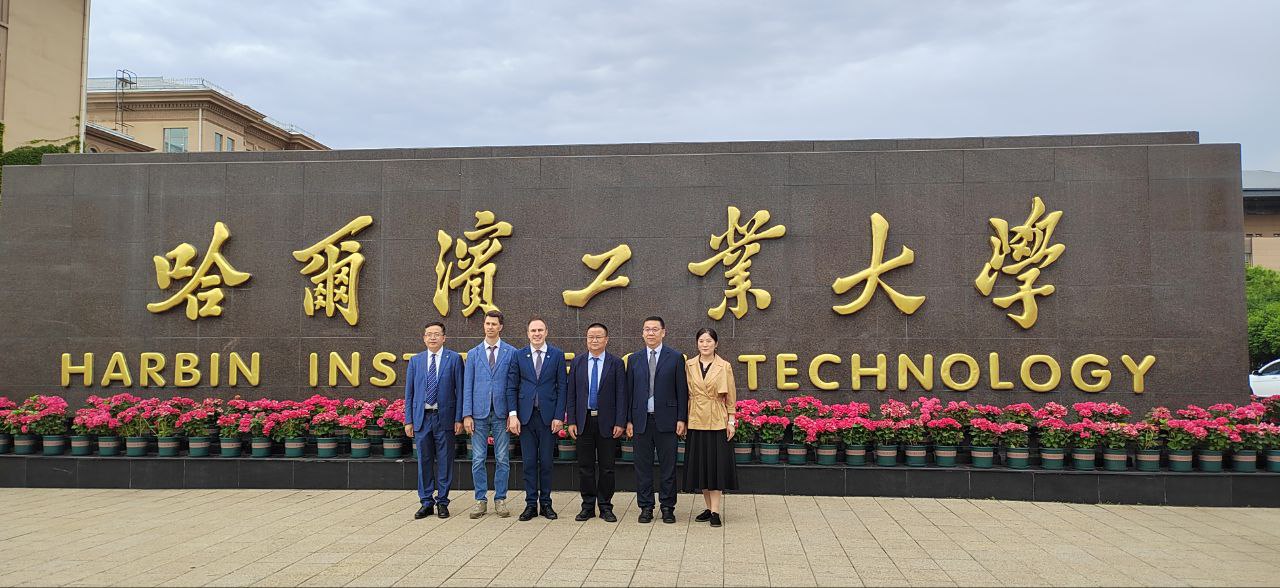
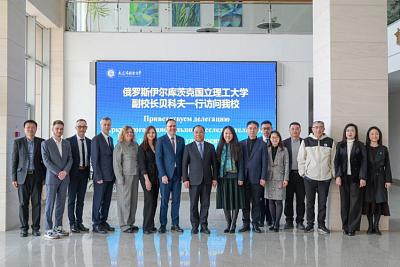
The university also inaugurated two international centers: the International Center for Clean Water with the Harbin Institute of Technology (HIT), and the Chinese-Russian Center for Earth Sciences “Baikal – Silk Road” with the China University of Geosciences and the Institute of the Earth's Crust SB RAS. A Chemoinformatics Consortium was also established with the support of Shenyang University of Chemical Technology (SUCT).
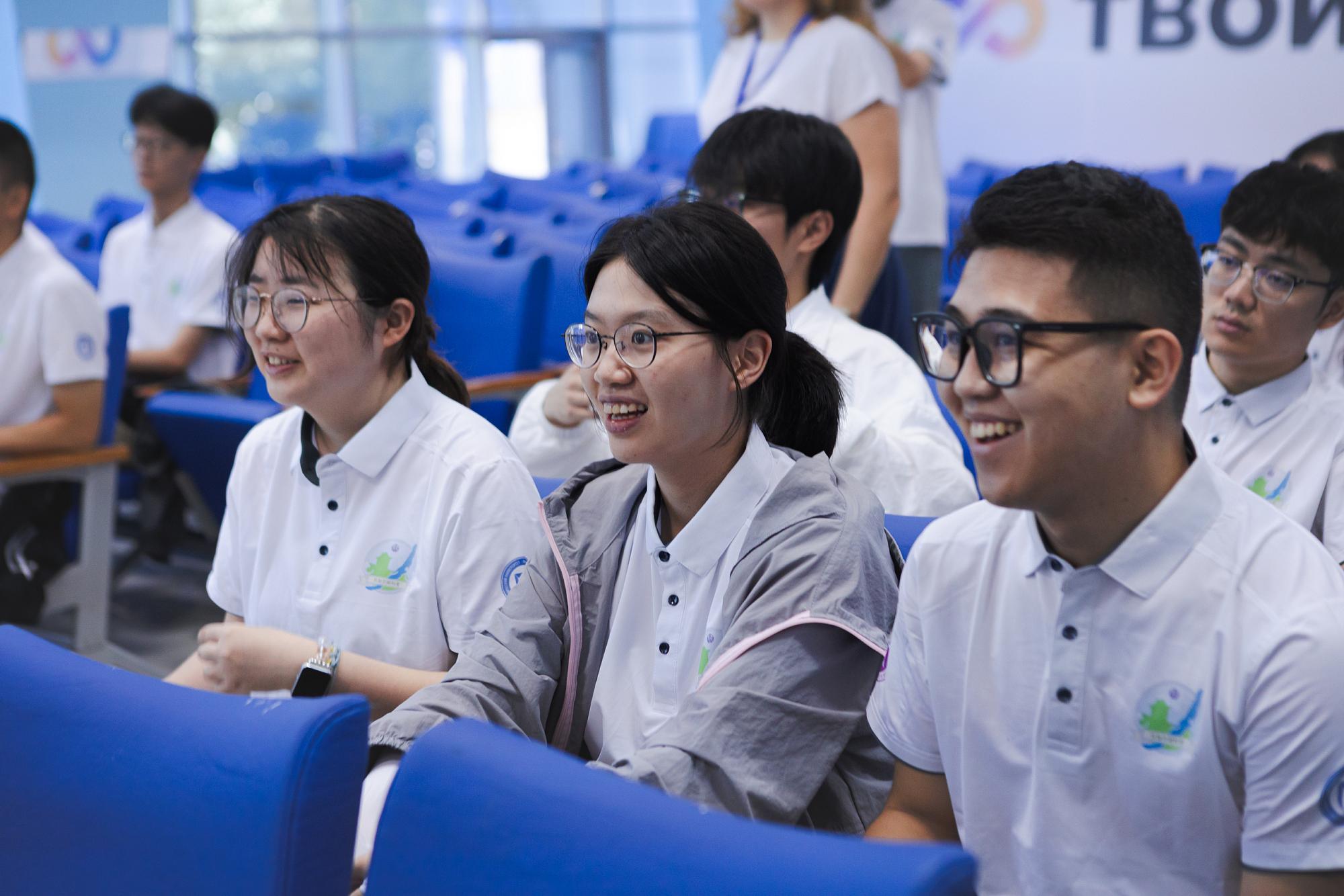
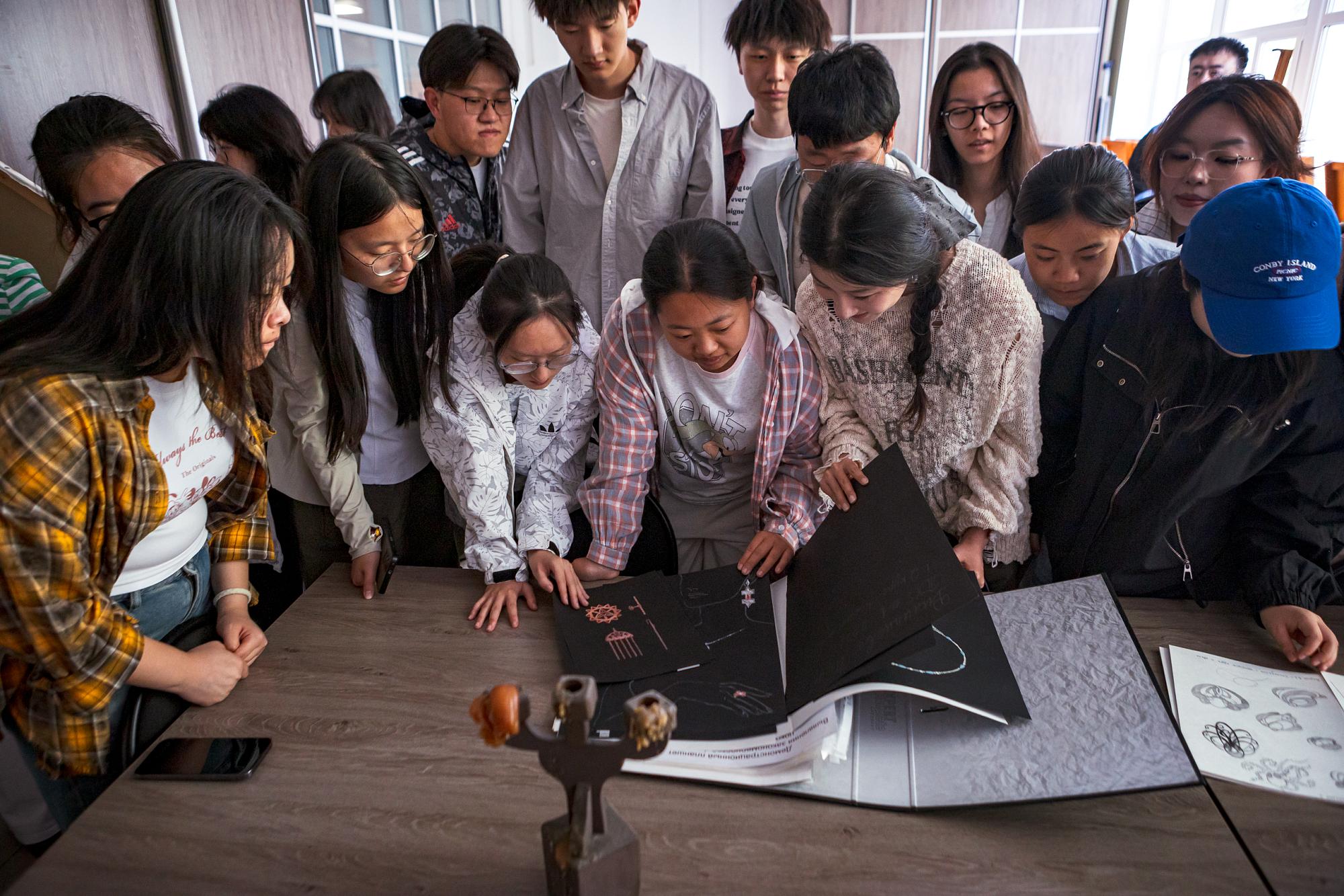
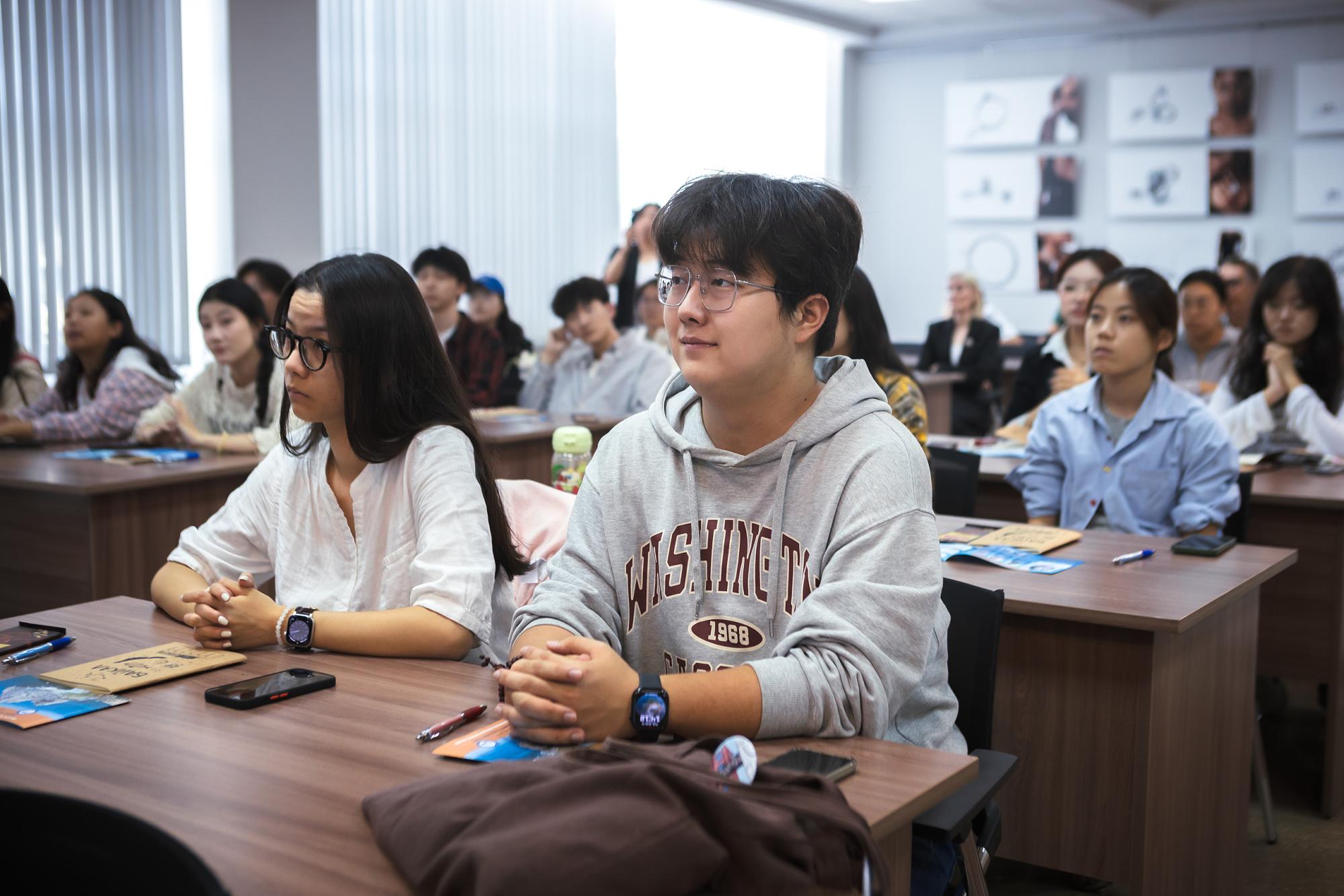
INRTU has achieved significant success in launching international educational programs and attracting foreign applicants. The number of students enrolled in joint degree programs now exceeds 700. New collaborative programs have been established in ecology with HIT and in thermal power engineering with SUCT.
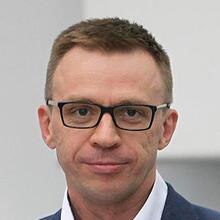
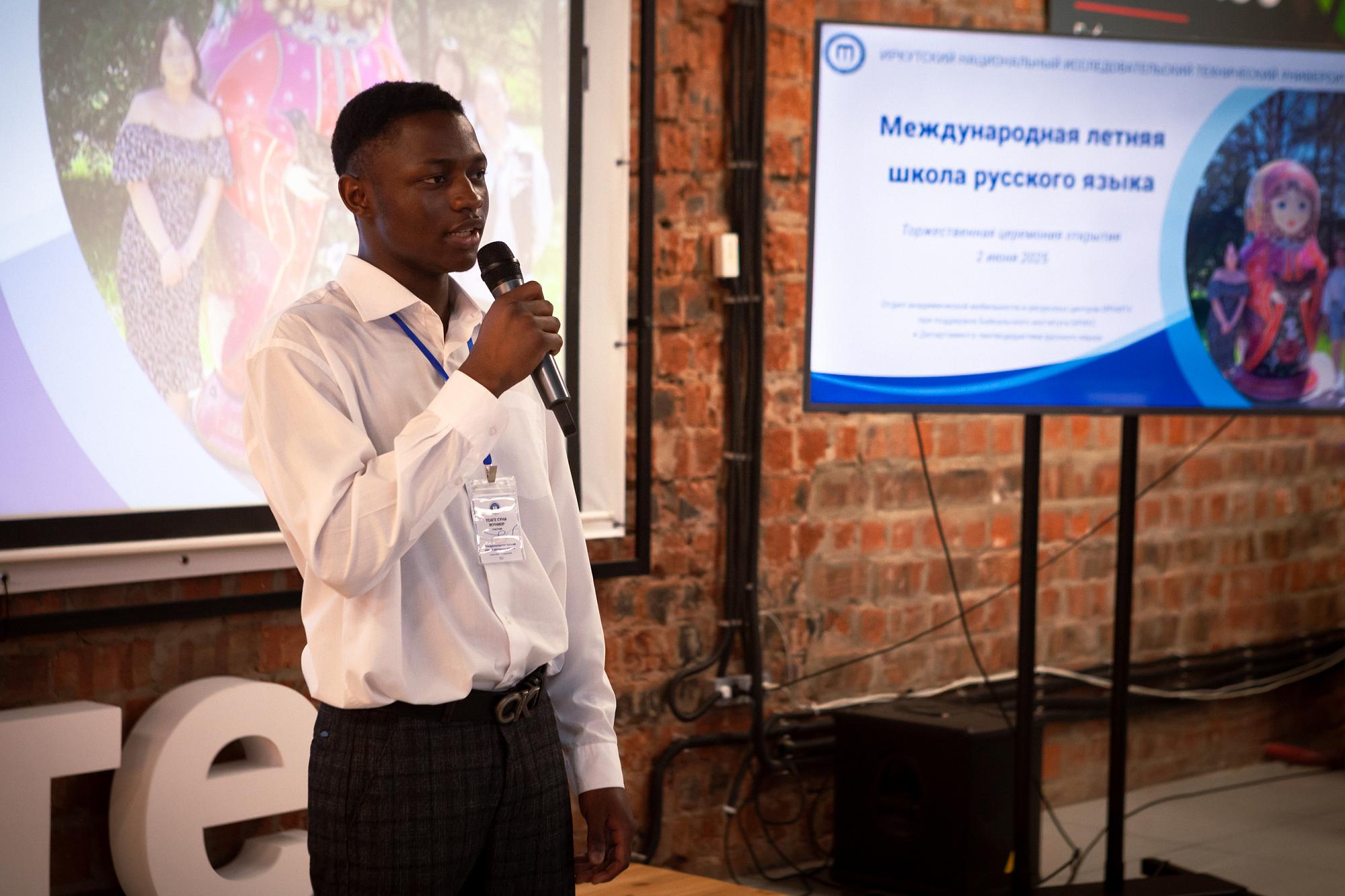
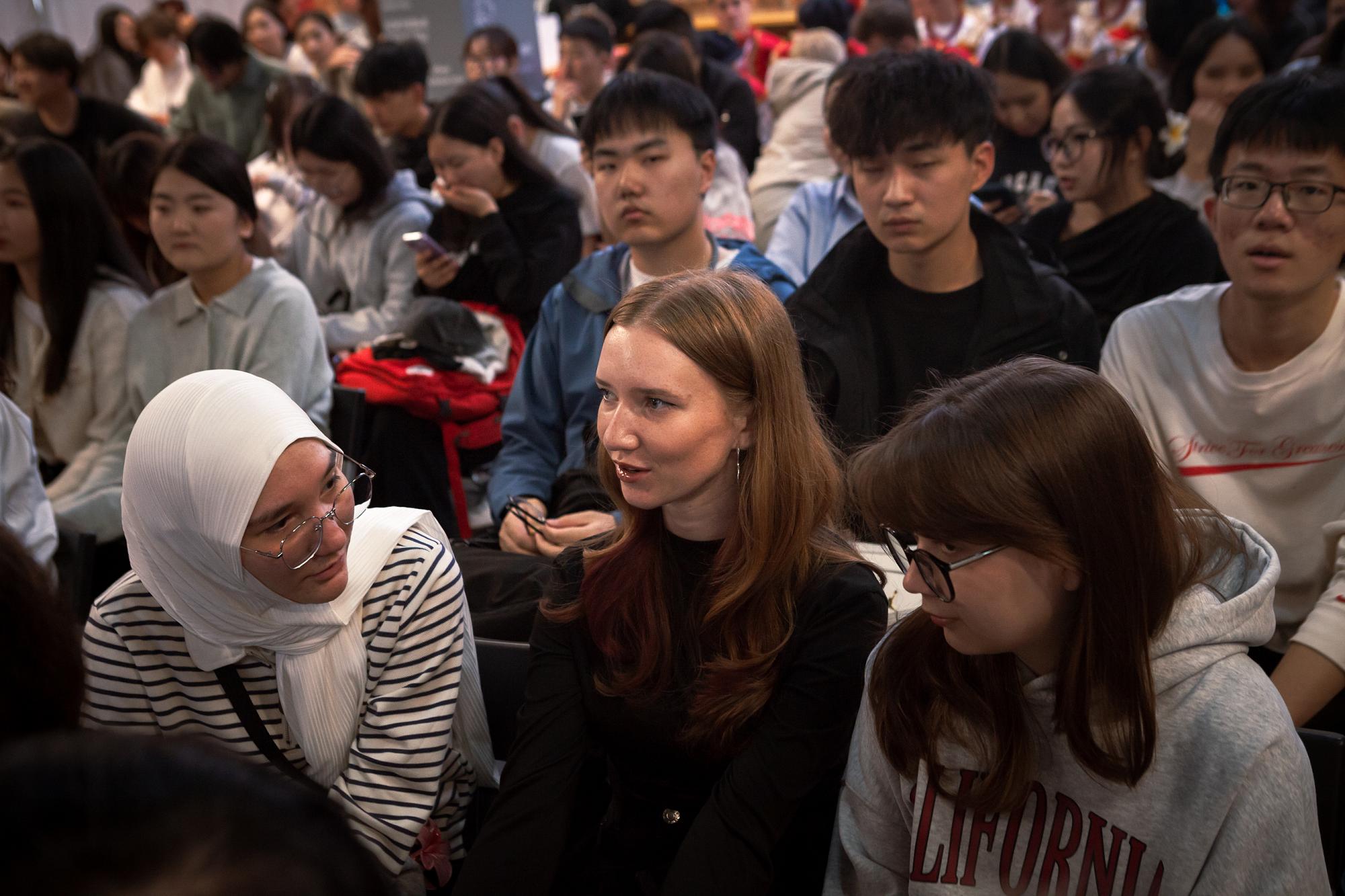
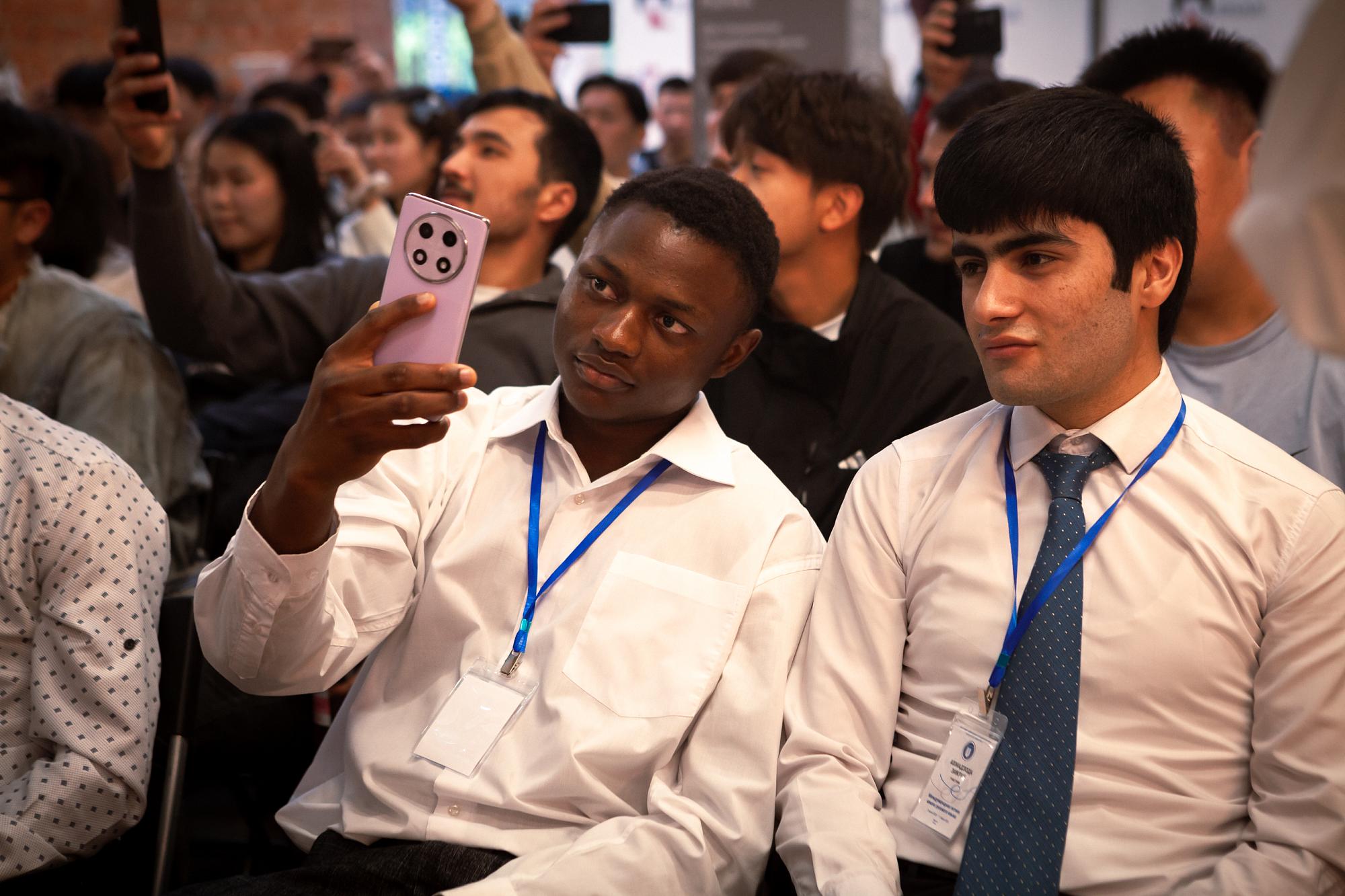
“This year, we have exceeded our target for the share of international students. It now stands at almost 11%,” emphasized Vladimir Smirnov.
During the spring and summer, the Chernorud geoscience training base in the Olkhon region served as a venue for international research and educational projects. The geological training ground hosted the XI All-Russian Seminar on Modern Methods of Prospecting, Exploration, and Subsoil Protection and a Russian-Chinese expedition. In August, Chernorud hosted interns from the China University of Geosciences.
The Vice-Rector separately highlighted the “Study and Work at Lake Baikal” project, designed to retain talented foreign specialists in Russia. The first intake for this program took place in October.
Following its strategic goal, INRTU has organized six major events aimed at boosting its international reputation. The academic mobility program was also relaunched, introducing new selection criteria for candidates seeking overseas internships.
Furthermore, the university has placed a strategic emphasis on recruiting faculty and specialists from abroad. Eight new international staff members joined the team in 2025, bringing the total number of foreign lecturers at INRTU to approximately 30.