INRTU Chemical and Analytical Laboratory of the Siberian School of Geosciences Opens New Water Analysis Sector
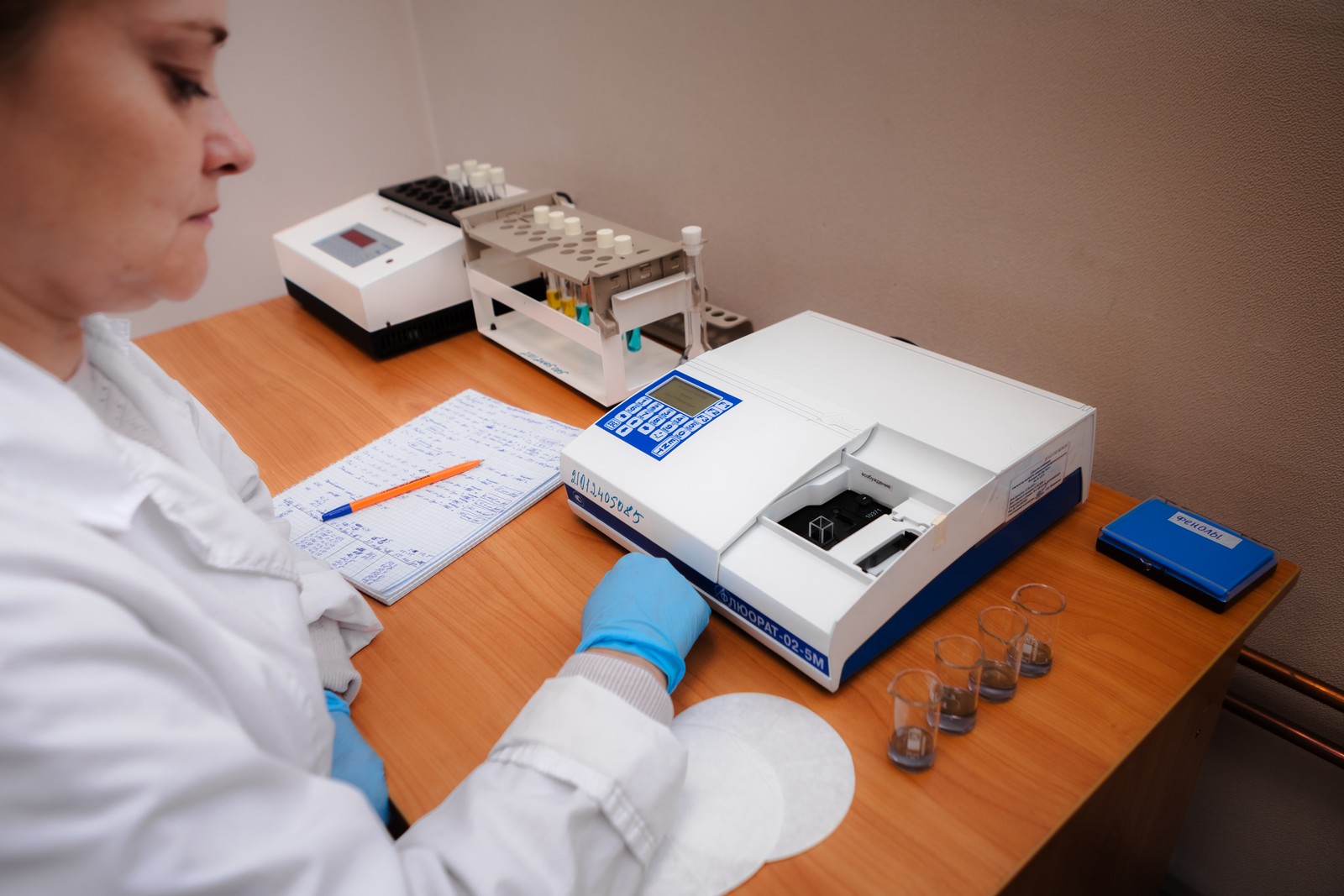
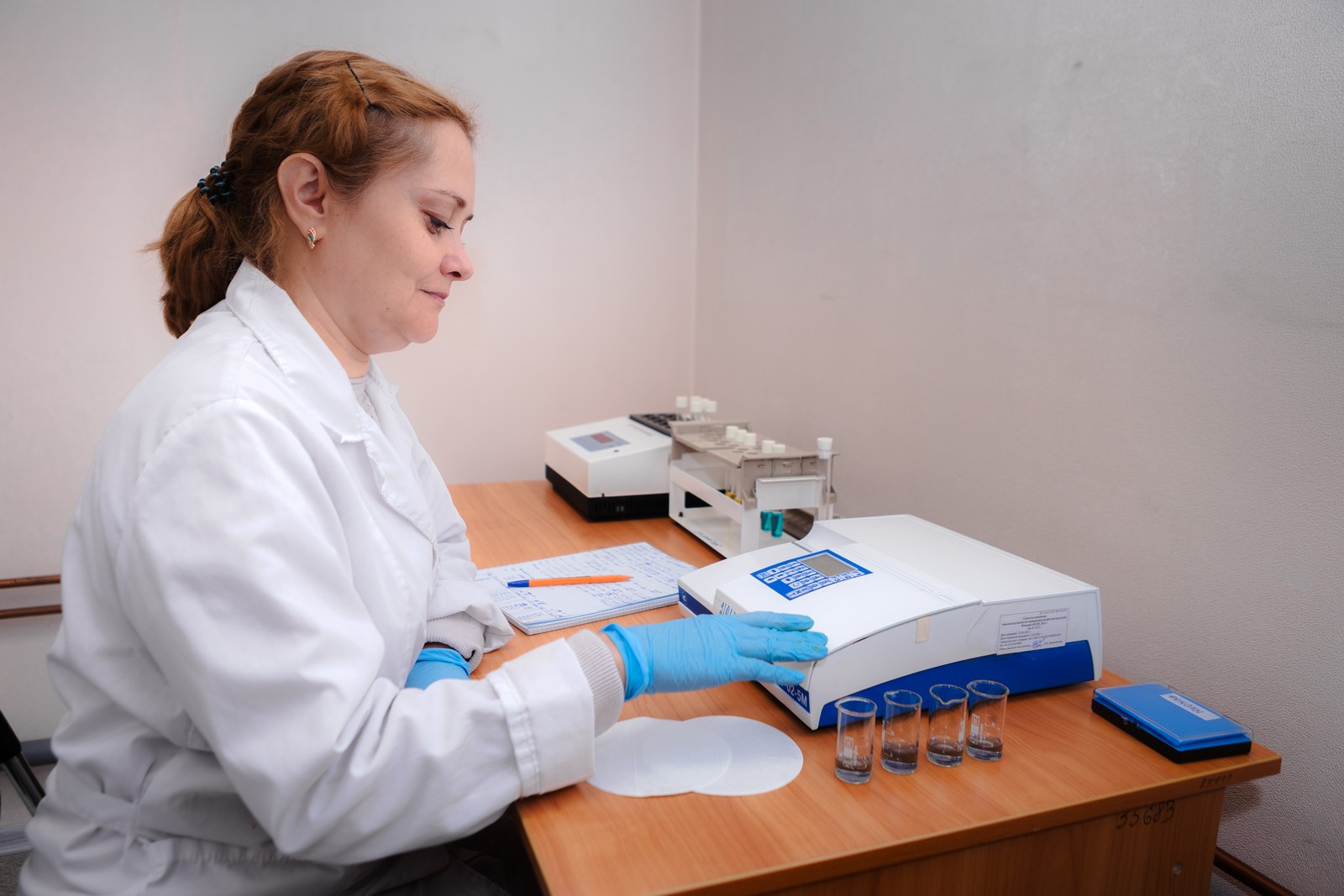
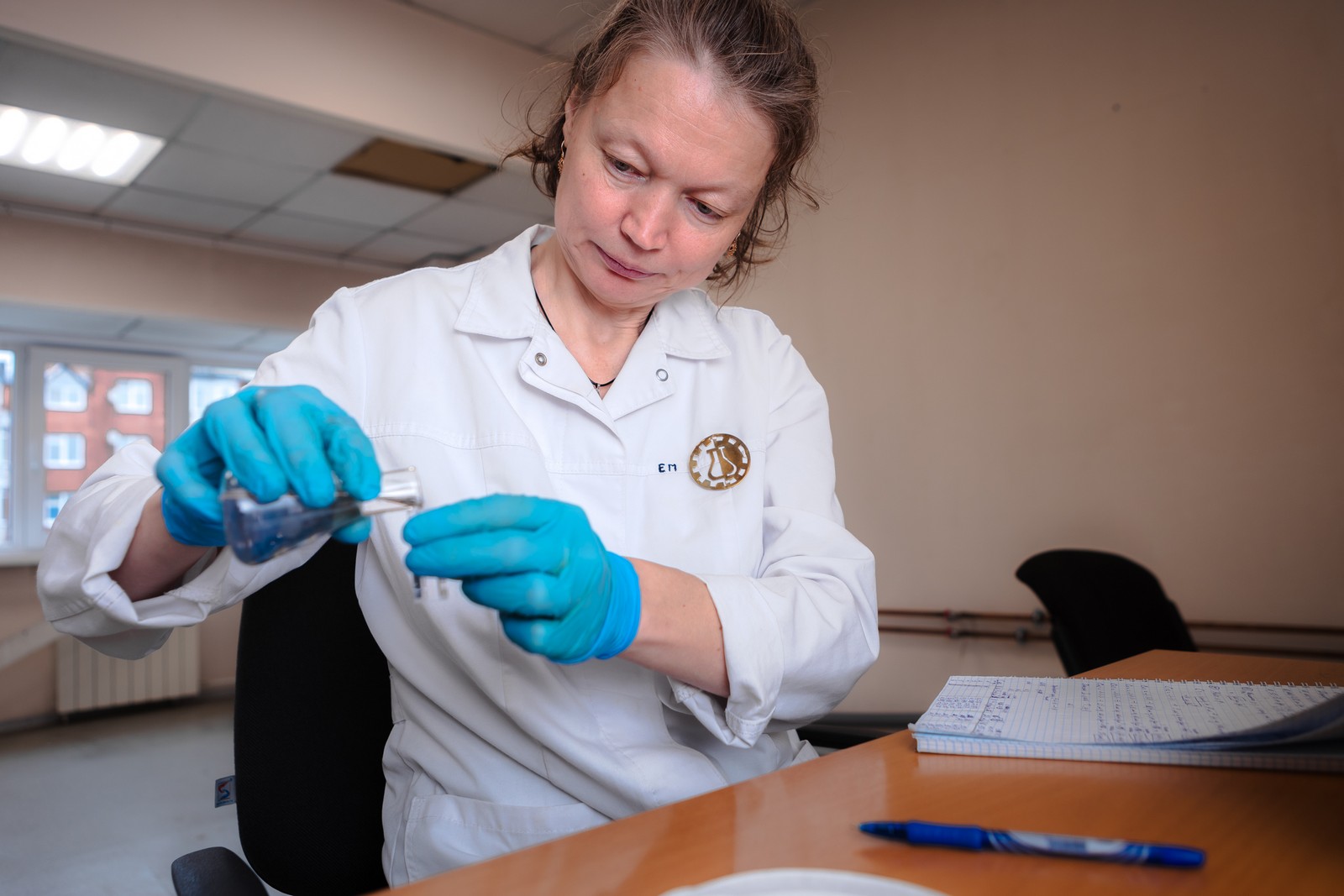
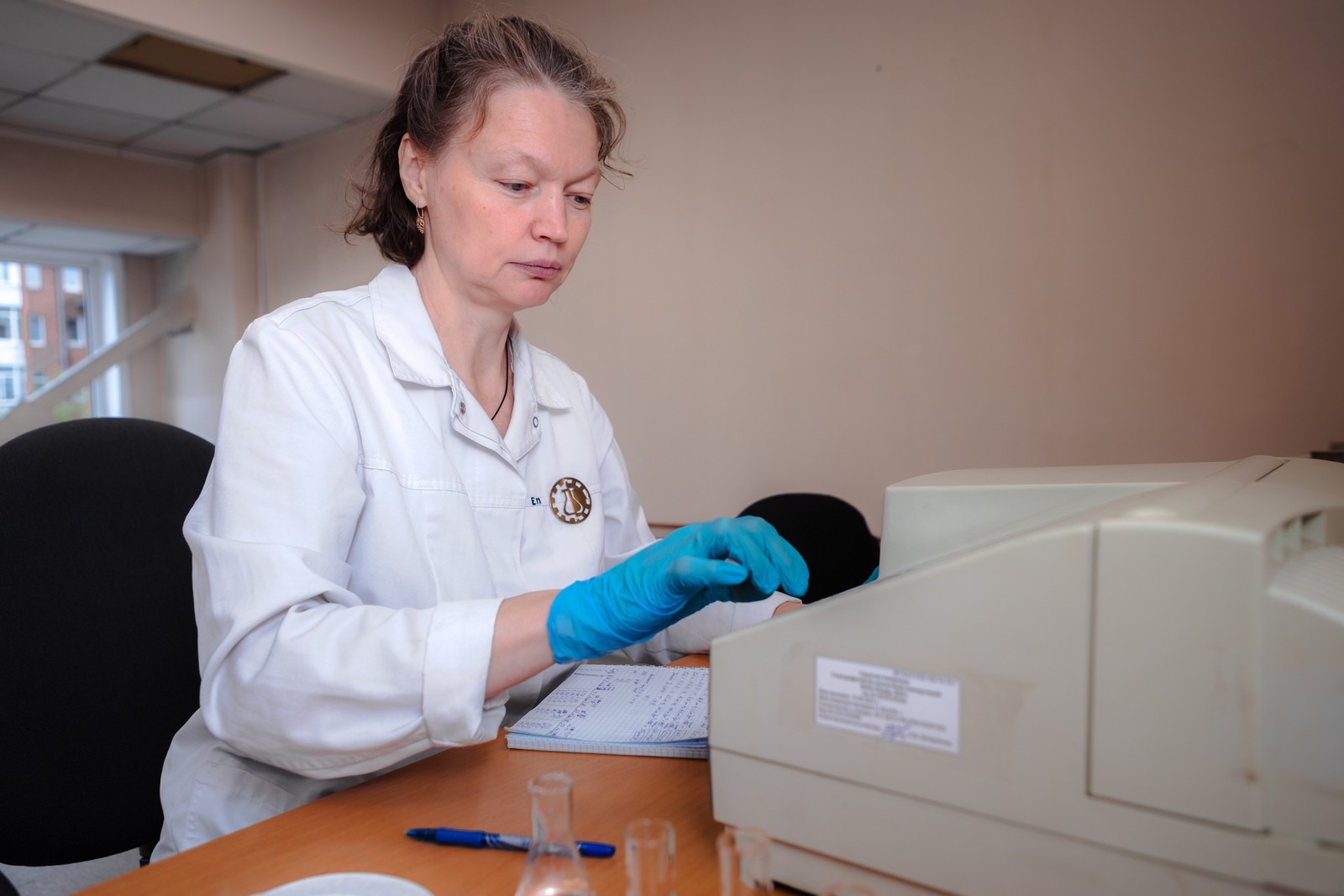
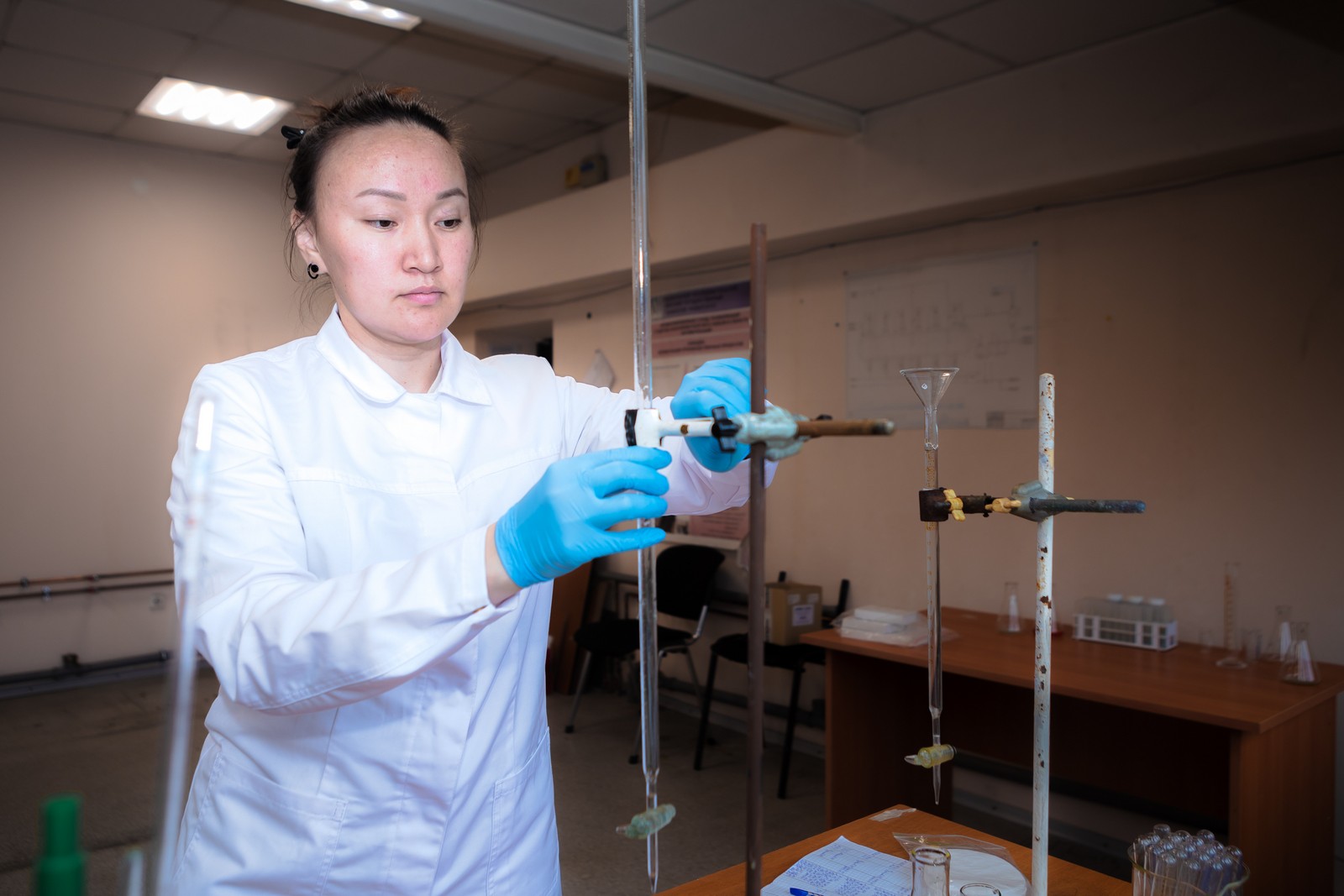
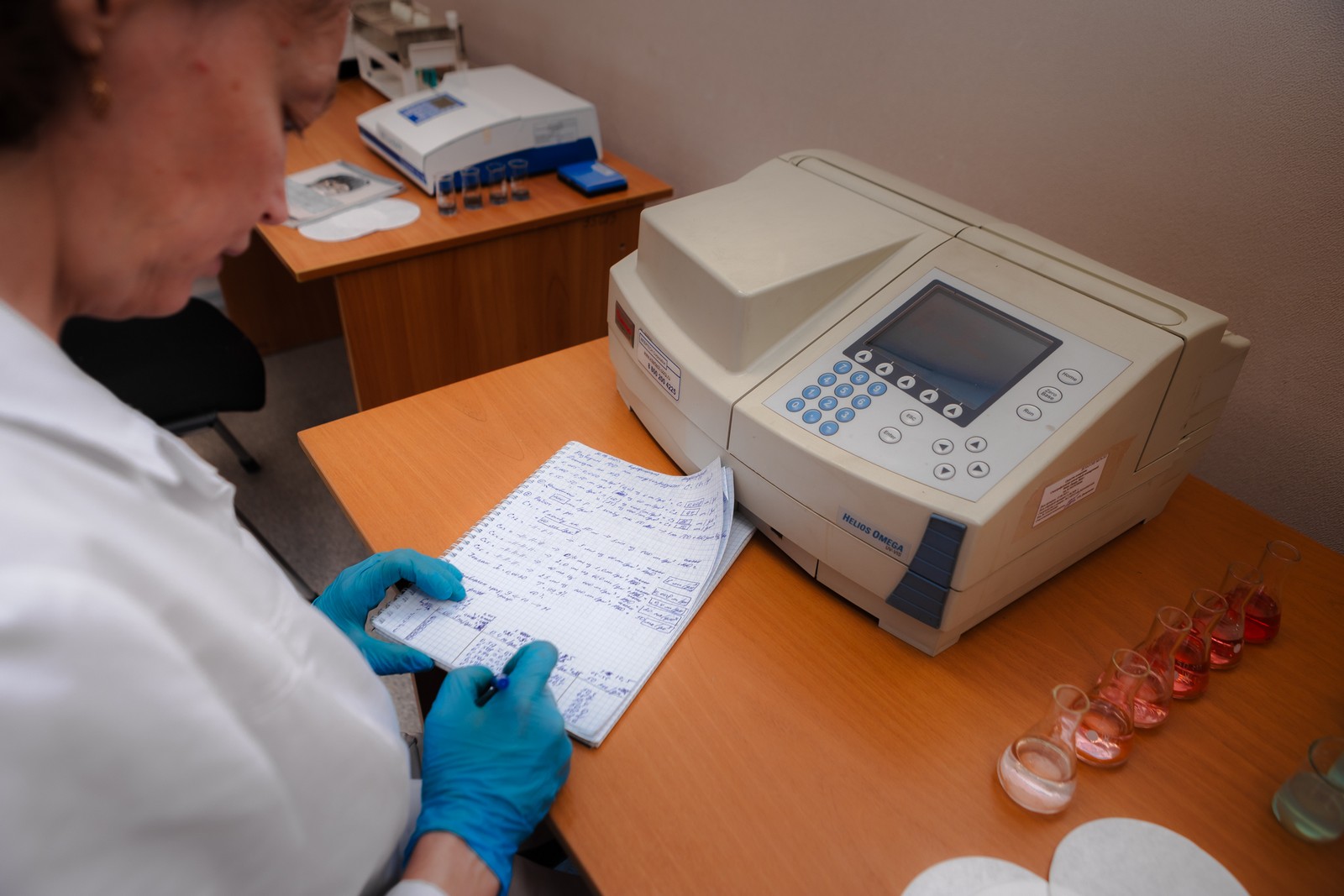
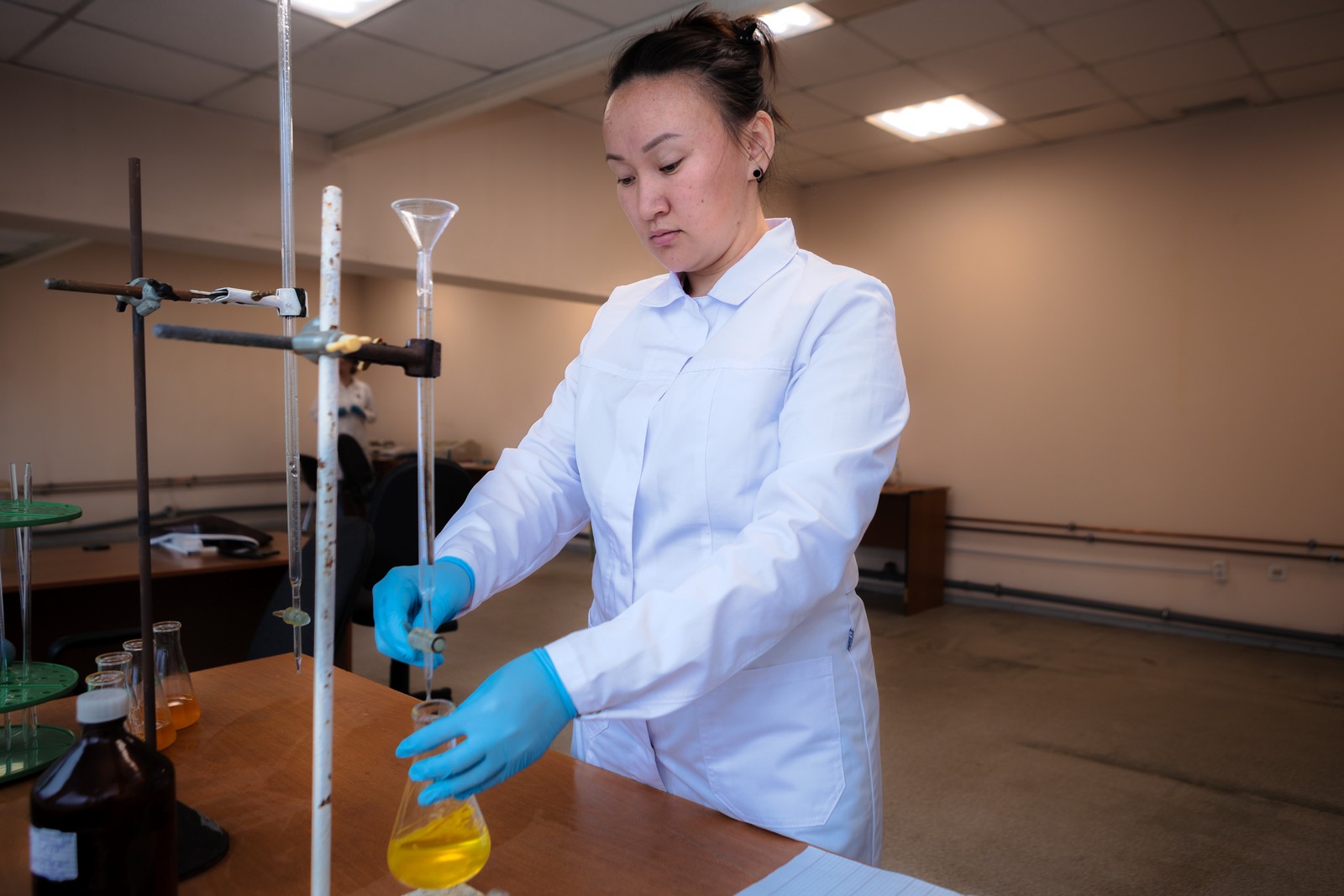
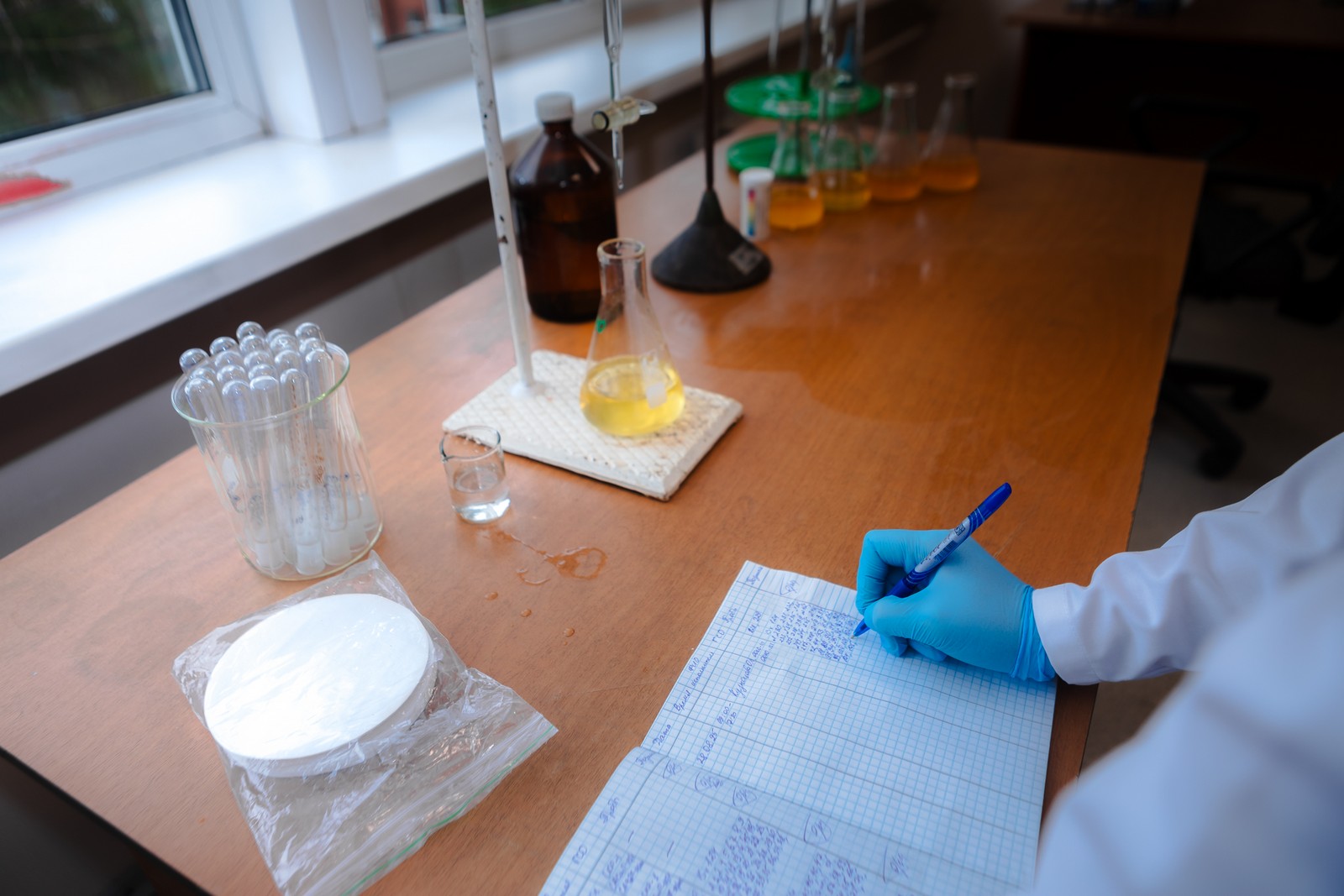
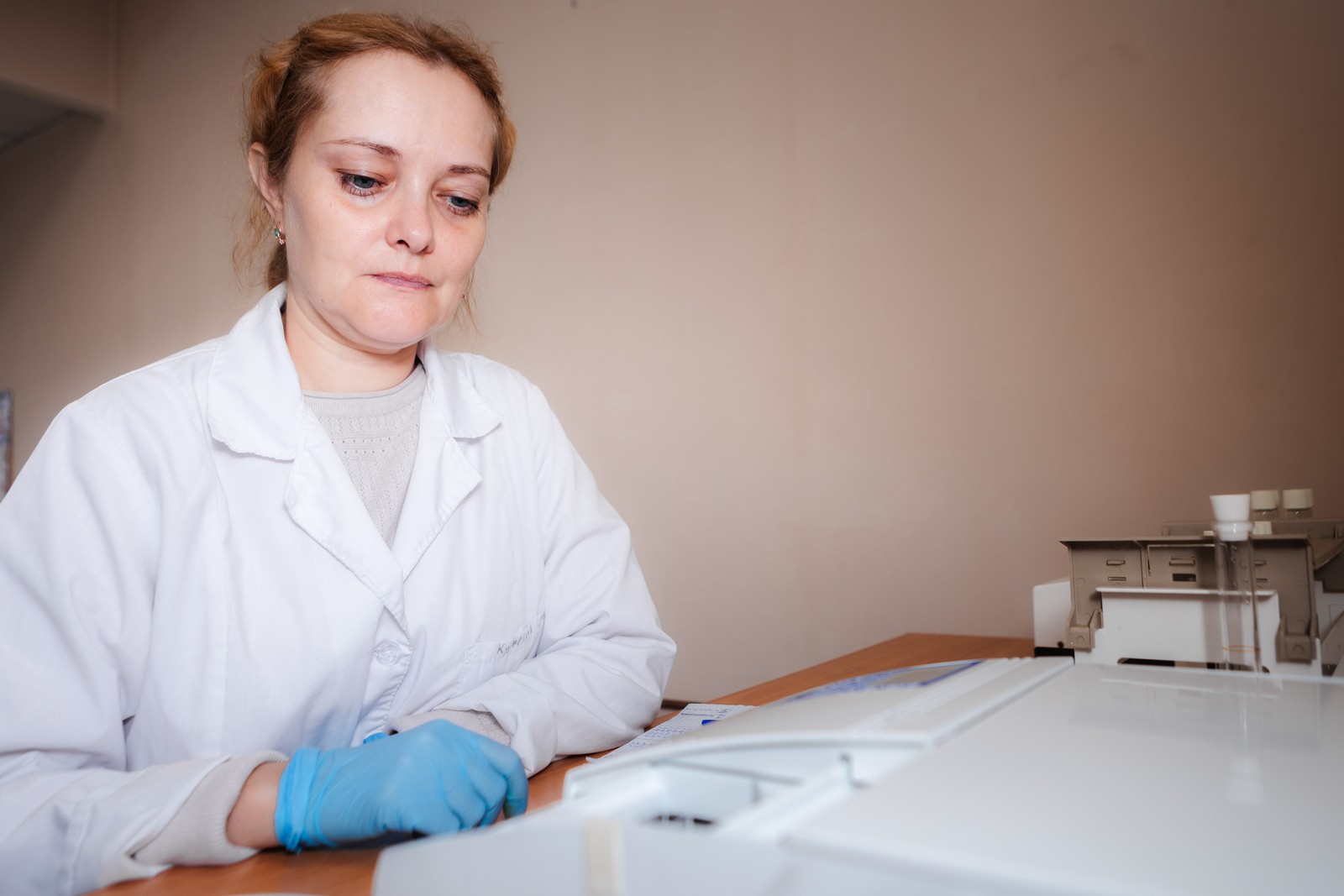
The Chemical and Analytical Laboratory of the Siberian School of Geosciences (SSG) at INRTU has opened a new water analysis sector after expanding its scope of accreditation under ISO/IEC 17025. This development now enables the university’s researchers to determine concentrations of key environmental pollutants, including petroleum products, anionic surfactants, and macro components. The in-house capabilities significantly accelerate and enhance the quality of geo-environmental studies conducted by the institute both in Russia and internationally as part of the Priority 2030 Program.
As recalled by SSG’s scientific supervisor, Alexander Parshin, SSG first entered the chemical and analytical testing market in 2023. The laboratory analyzes rock samples, vegetation, soils, and bottom sediments using X-ray fluorescence, atomic-emission, and atomic-absorption spectrometry. Previously, their main task had been to analyze samples for contents of precious metals and associated elements. To carry out geo-environmental research, the water analysis sector was established.

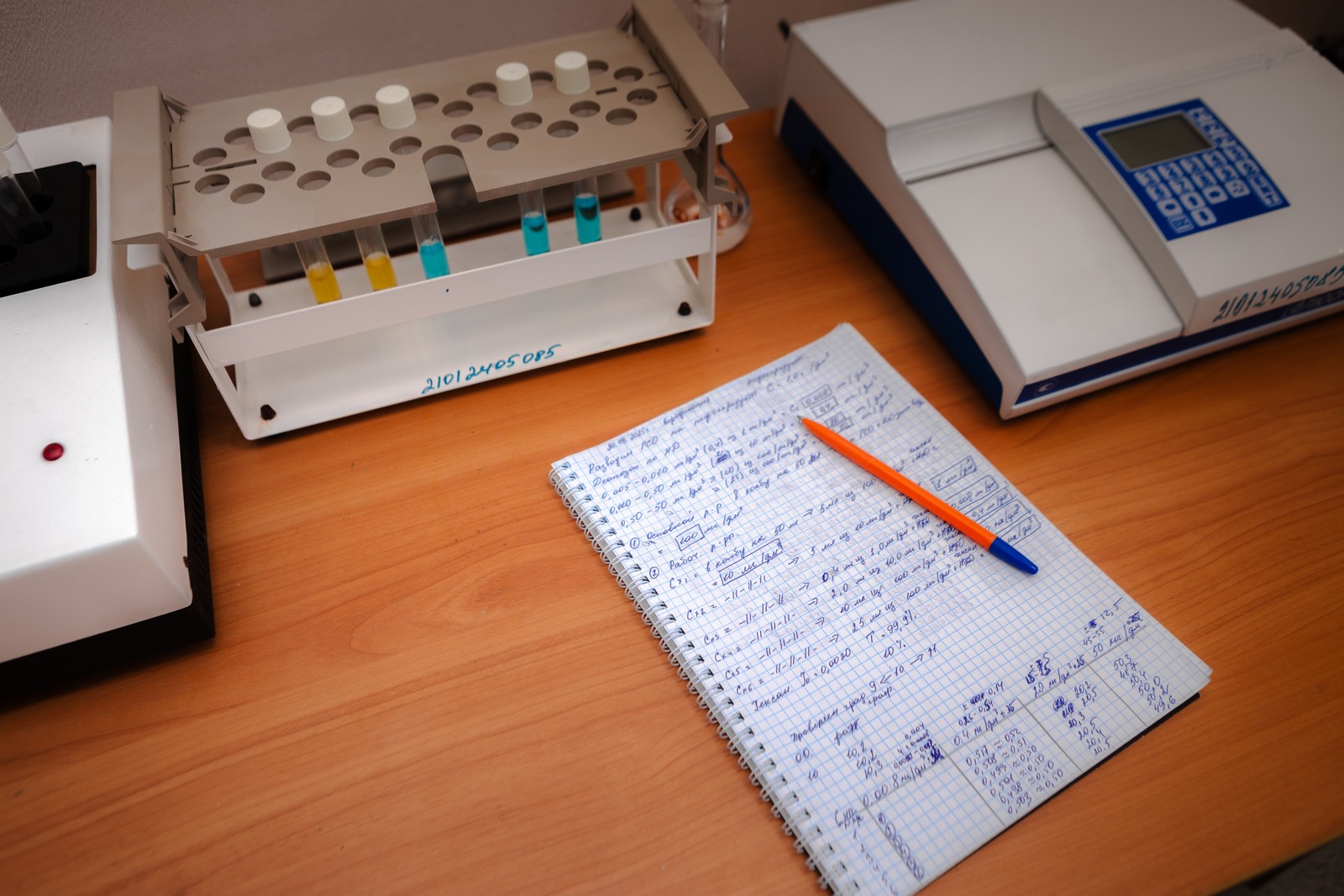
“Previously, we had to outsource work to other laboratories. This slowed down our internally initiated projects and incurred additional financial costs. With the opening of the water sector in our own lab, these issues are resolved. The new space and equipment allow us to handle a large volume of work, and we have introduced widely used photometric and potentiometric methods.
Executing a large number of academic and commercial projects in geo-environmental science is a priority for the Siberian School of Geosciences.
The pride of INRTU – which is featured in the global UI GreenMetric World University Rankings – our institute, and our partner organizations are the ‘Baikal, the Pearl of the World’ and ‘Yangtze, The Main Artery of Eastern China’ programs. These are renowned programs that stand apart from typical international academic tourism because they're grounded in professional chemical-analytical, petrophysical and structural research. Every year we obtain significant new scientific data and publish relevant articles,”
Alexander Parshin noted.
In summer, the new unit analyzed water samples collected by participants of a joint expedition of INRTU and Nanjing University to Lake Baikal. Professors and students brought back about 100 samples from the lake's waters. By studying this material, they determined the hydrogeochemical background of Baikal's southern and central basins, a number of its tributary rivers, lakes, and their underground feeding sources, assessing the extent of anthropogenic influence.
In the autumn, scientists conducted similar research using water samples from the Yangtze River basin. This work is essential for obtaining new scientific data. Students gained hands-on experience in assessing the impact of geological and anthropogenic factors on the hydrogeochemical state of the world's unique ecosystems.
Photo by Arseny Chekmarev