INRTU Baikal Hospitality School Builds a “Gastronomic Bridge” with China
The Baikal Hospitality School of INRTU is strengthening the tourism and gastronomic brands of the Irkutsk region. This is demonstrated by its cooperation with the Manchurian Institute of the Russian Language, which includes culinary internships, master classes, and roundtable discussions.
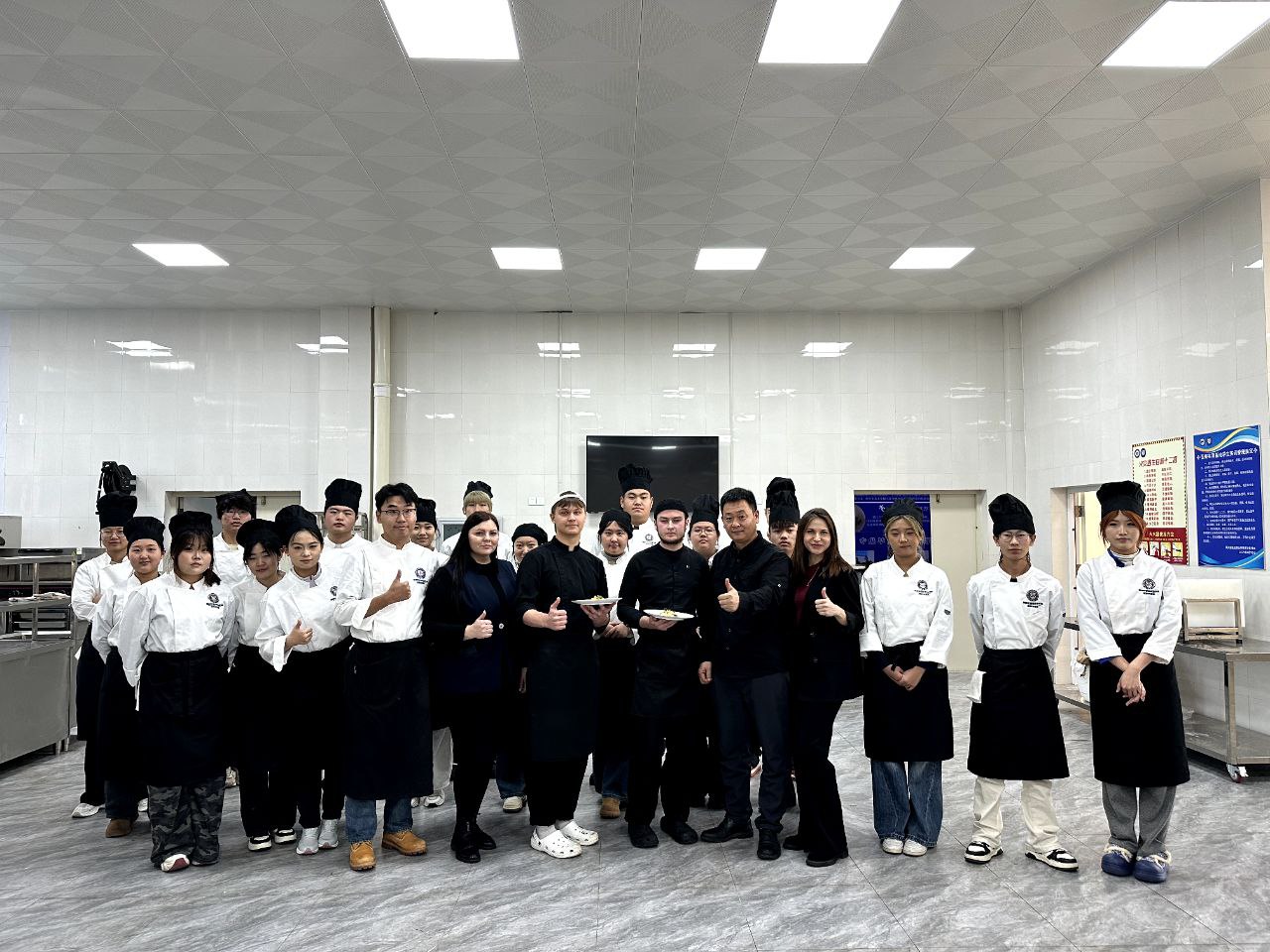
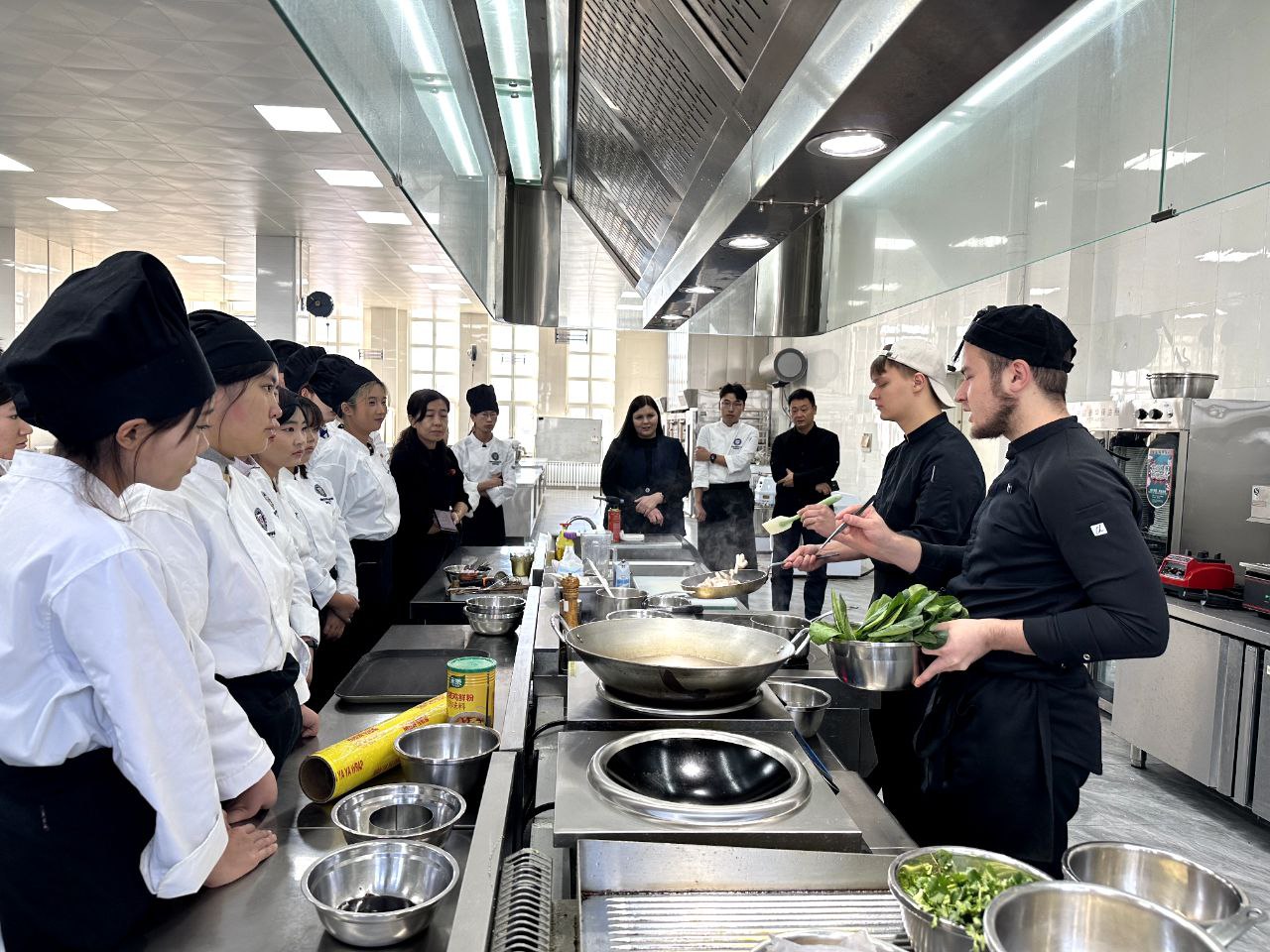
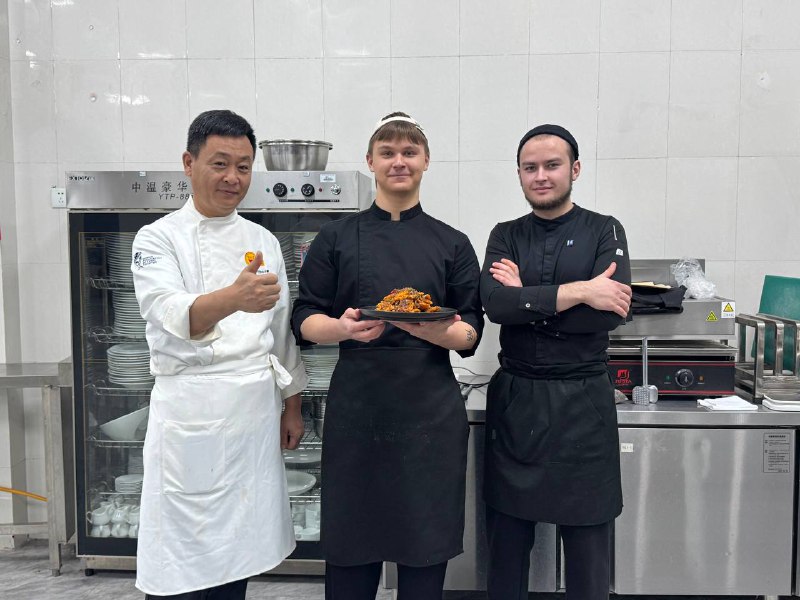
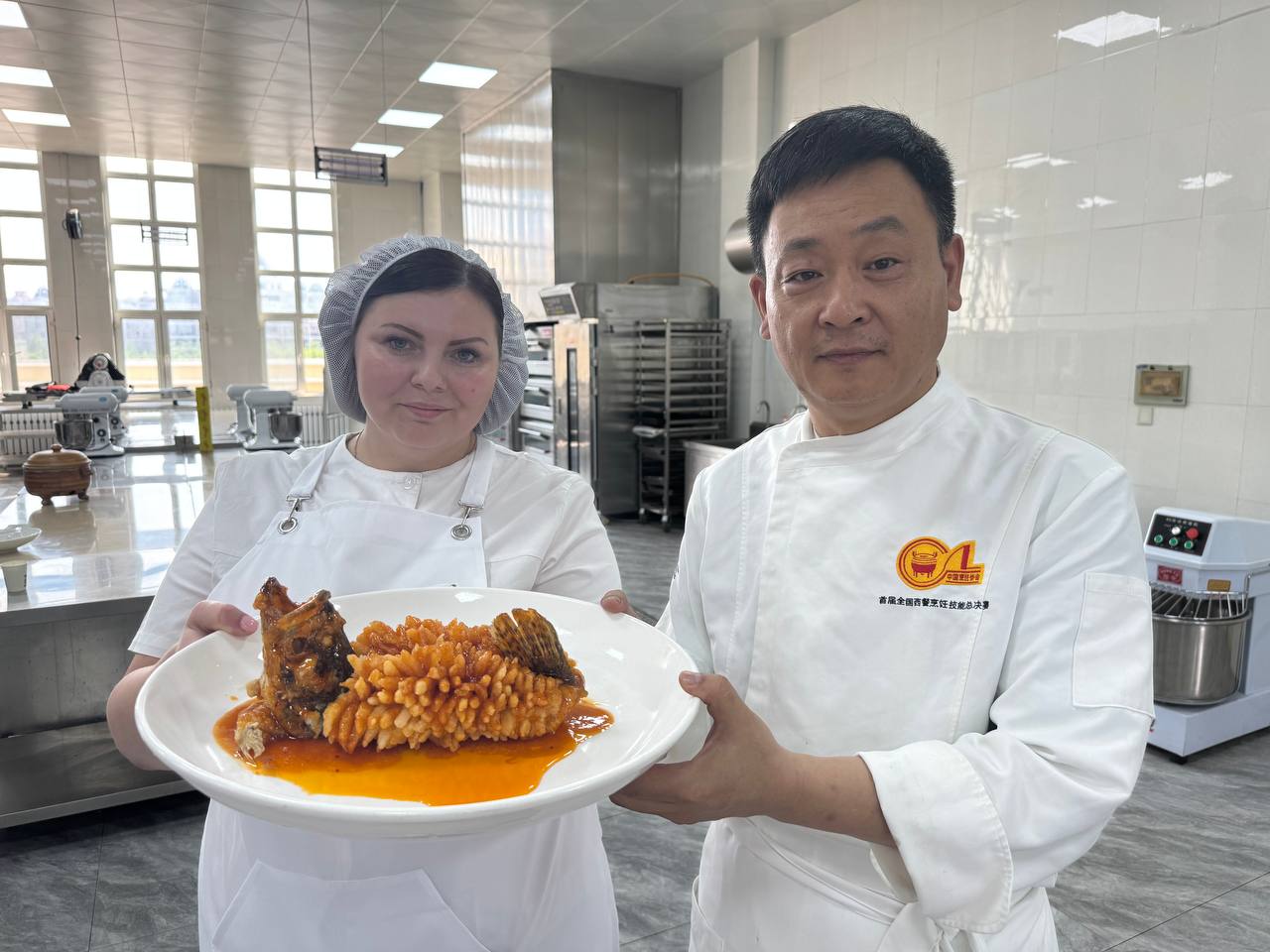
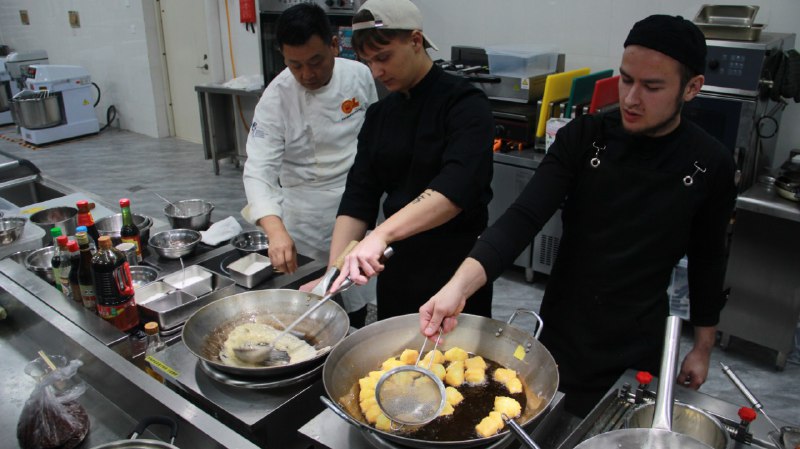
Fr om November 13 to 20, Manchurian Institute of the Russian Language hosted a culinary internship for Nikita Aleksandrov, a chef from the “Lamu” restaurant, and Evgeny Dorozhkov, a student from the Irkutsk College of Food Service. The trip was organized by the Baikal Hospitality School of INRTU. The chefs learned to cook and serve more than ten dishes, comparing the culinary traditions of southern and northern Chinese provinces. The culinary secrets were shared by Li Fuhan, President of the Manzhouli Association of Public Catering Enterprises.
The Irkutsk delegation also shared their expertise with Chinese colleagues and students. They conducted master classes on Russian cuisine, highlighting dishes based on authentic Siberian ingredients such as pine nuts and linden syrup infused with pine needles. The Chinese partners responded warmly to Siberia’s cultural heritage. Thus, this gastronomic exchange became a significant step in developing cultural ties between Russia and China.
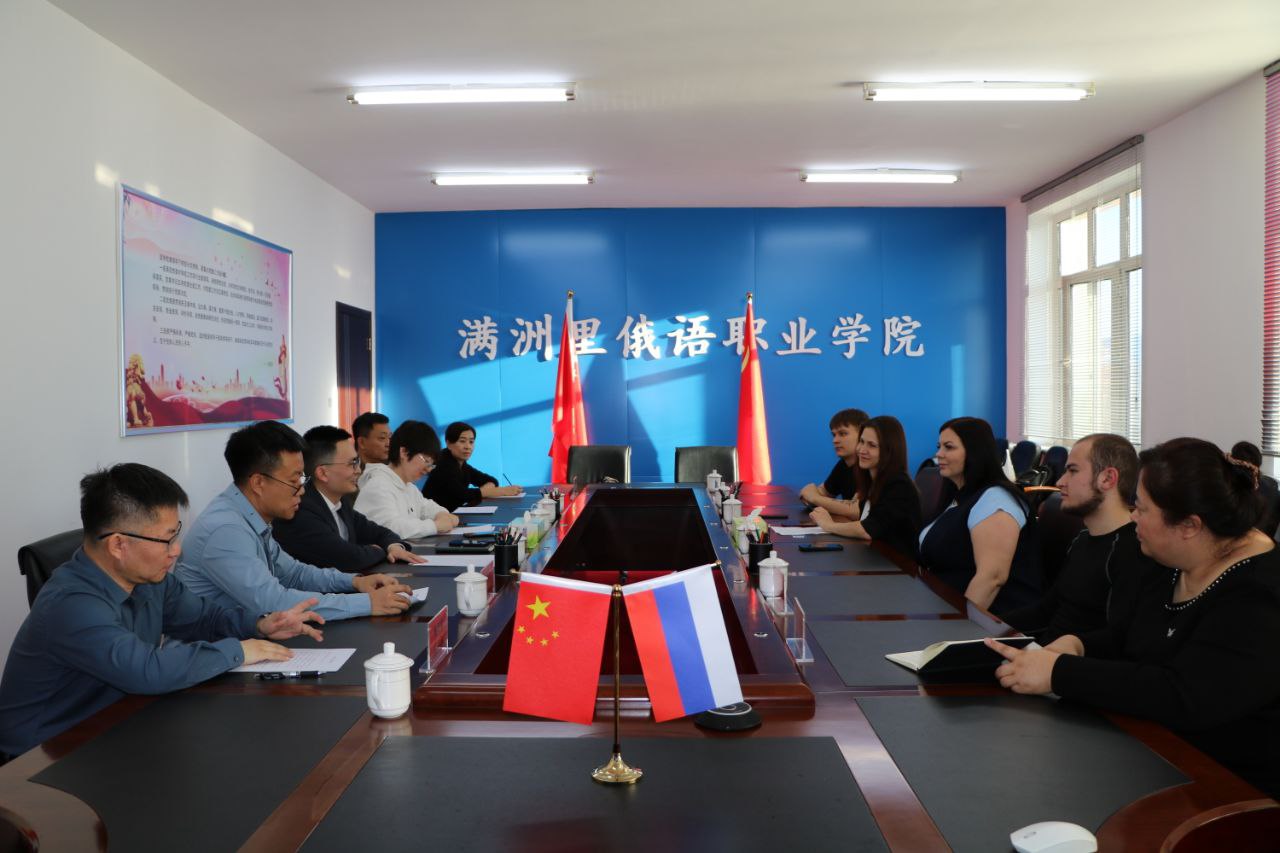
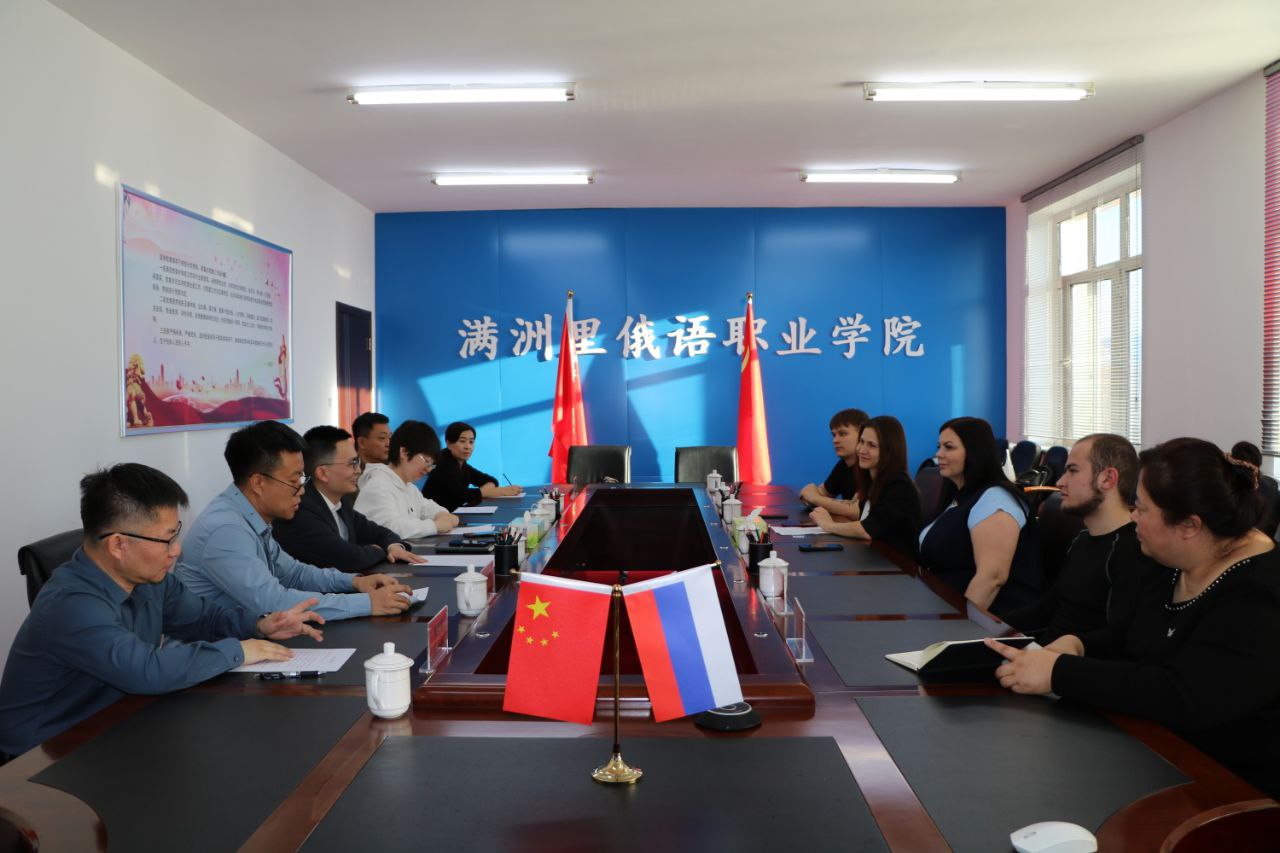
Anna Melenteva, Head of the International Affairs Department, shared her reflections on the internship. She coordinated the delegation's work, held business meetings, and maintained contacts with the administration and the international department of the Manchurian Institute of the Russian Language.
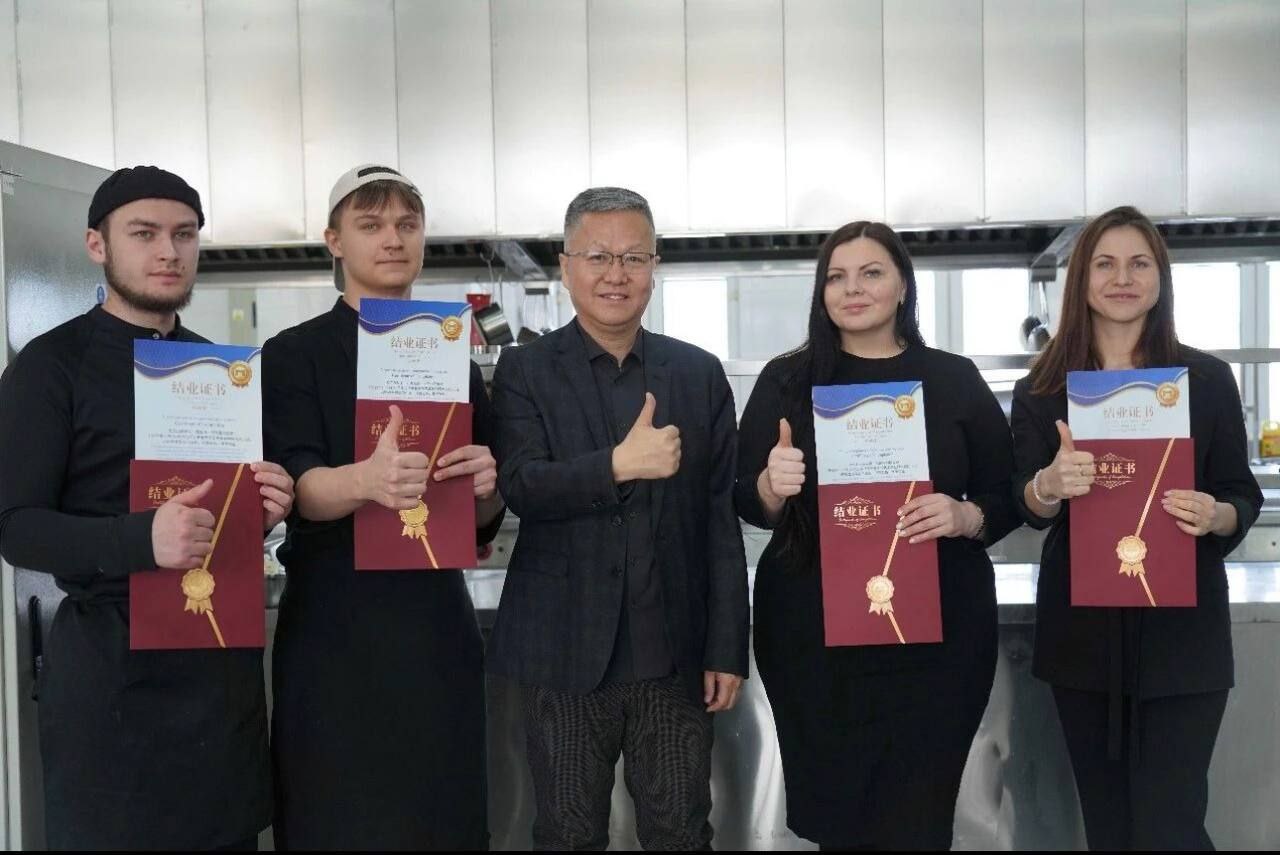
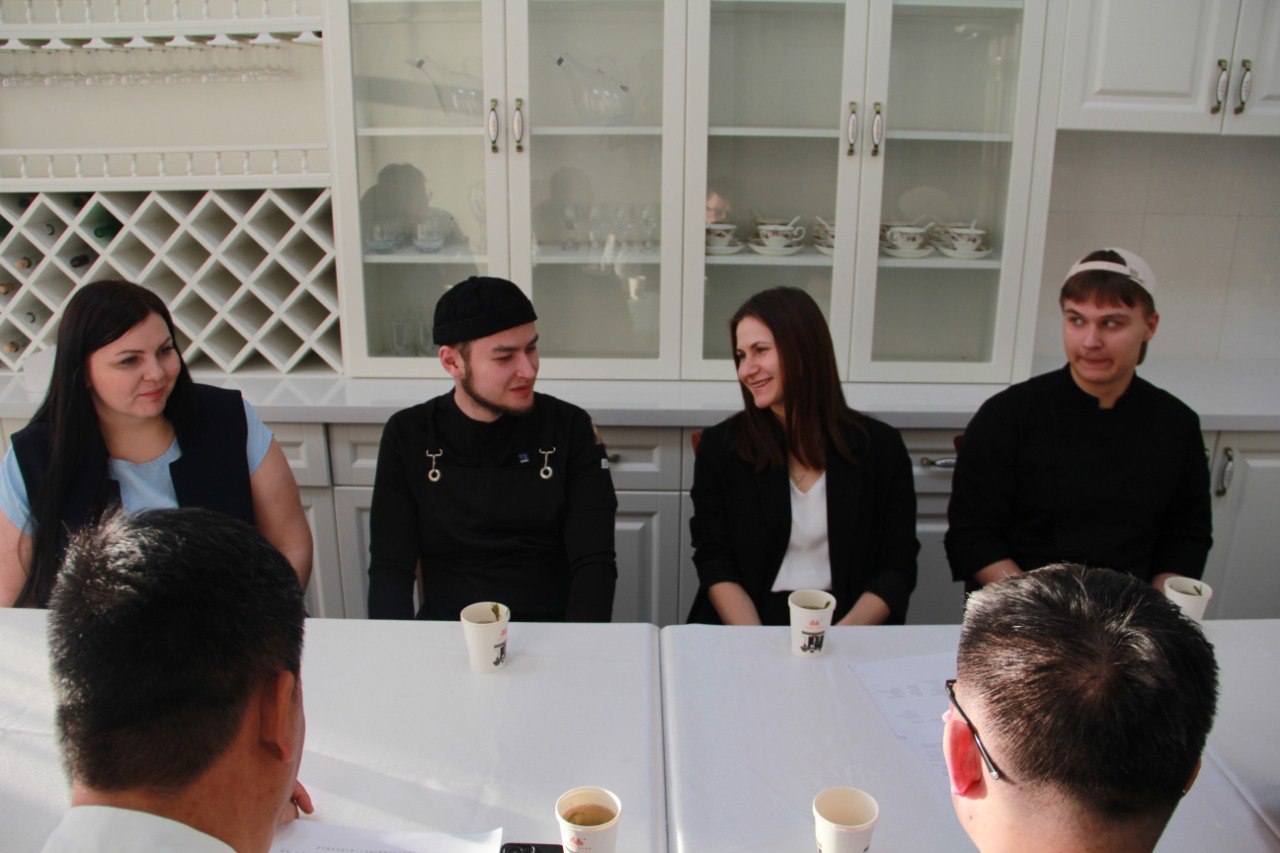
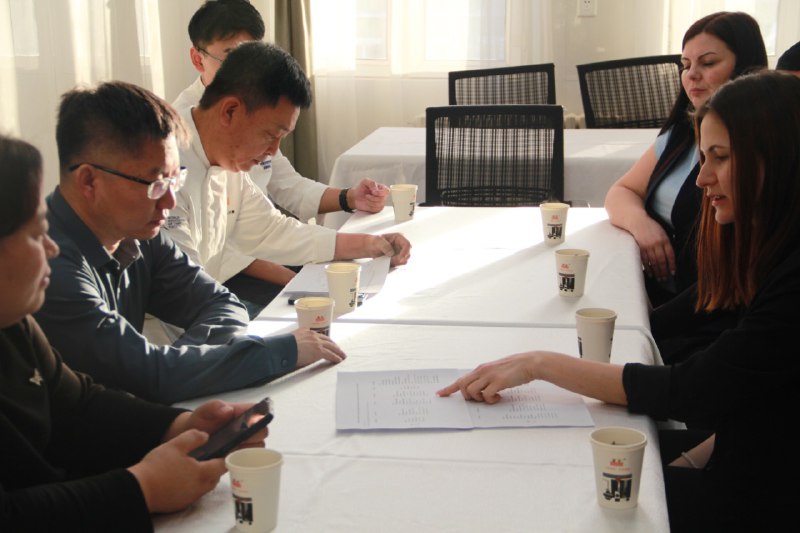
Specifically, Anna Melenteva met with the institute’s leadership to discuss plans for strengthening cooperation in education and academic exchanges for teachers and students. She also participated in a roundtable wh ere the interns were awarded certificates.
According to Anna Melenteva, such initiatives go far beyond standard culinary internships. They help strengthen relations between countries, as cuisine is a universal language that everyone understands.

“Nikita and Evgeny did not just exchange recipes and techniques with Chinese colleagues. They also built strong personal connections, immersed themselves in China’s cultural environment, and served as genuine ambassadors of Siberian and Russian cuisine.
The internship at the Manchurian Institute of the Russian Language clearly demonstrated that our university is a modern, internationally oriented institution that trains highly sought-after professionals for the hospitality industry. Such a project showcases the university's versatility, strengthening the brand of Irkutsk National Research Technical University on the international stage,”
said Anna Melenteva.
Alena Eshchenko, a teacher at the Baikal Hospitality School and head of the bakery at the INRTU Catering Centre, considers the trip to China a major step in her professional development. Recall that in July, during her initial visit to the institute, she cooked Chinese and Russian dishes in a collaborative “four-hands” style. This time, Alena Eshchenko acted as a mentor to the students, guiding them and helping to purchase ingredients. She notes that she learned to make flavors brighter by harmoniously blending soy sauce and rice vinegar:

“We learned to prepare the popular ‘Guobaorou’ with rice vinegar, which gives the meat a more authentic taste. There’s a chance that sweet-and-sour pork and chicken will be added on the menu of the university cafe ‘Buuzy Vuza’”.
According to Ivan Gustelev, founder of the Baikal Hospitality School, international cooperation in gastronomy opens new prospects for tourism development and cultural exchange:

“The School continues to strengthen the position of Siberian cuisine, creating a strong foundation for future gastronomic projects. We can speak about the beginning of a new stage in the culinary relations between our two countries. This is especially relevant now that China has introduced a trial visa-free regime for Russians, and now there is a reciprocal gesture from the Russian Federation. Tourist flows are likely to increase. In this situation, we are becoming that very bridge connecting two great cultures”.
INRTU and the Manchurian Institute of the Russian Language began close cooperation starting in the summer of 2025. Staff from the Baikal Hospitality School visited the Tourism Faculty and the European Cuisine Laboratory, participated in master classes, and held negotiations with restaurant and hotel management. During that trip, an agreement was also reached to invite institute teachers to the Baikal Hospitality School to train Irkutsk chefs in the intricacies of Chinese cuisine.
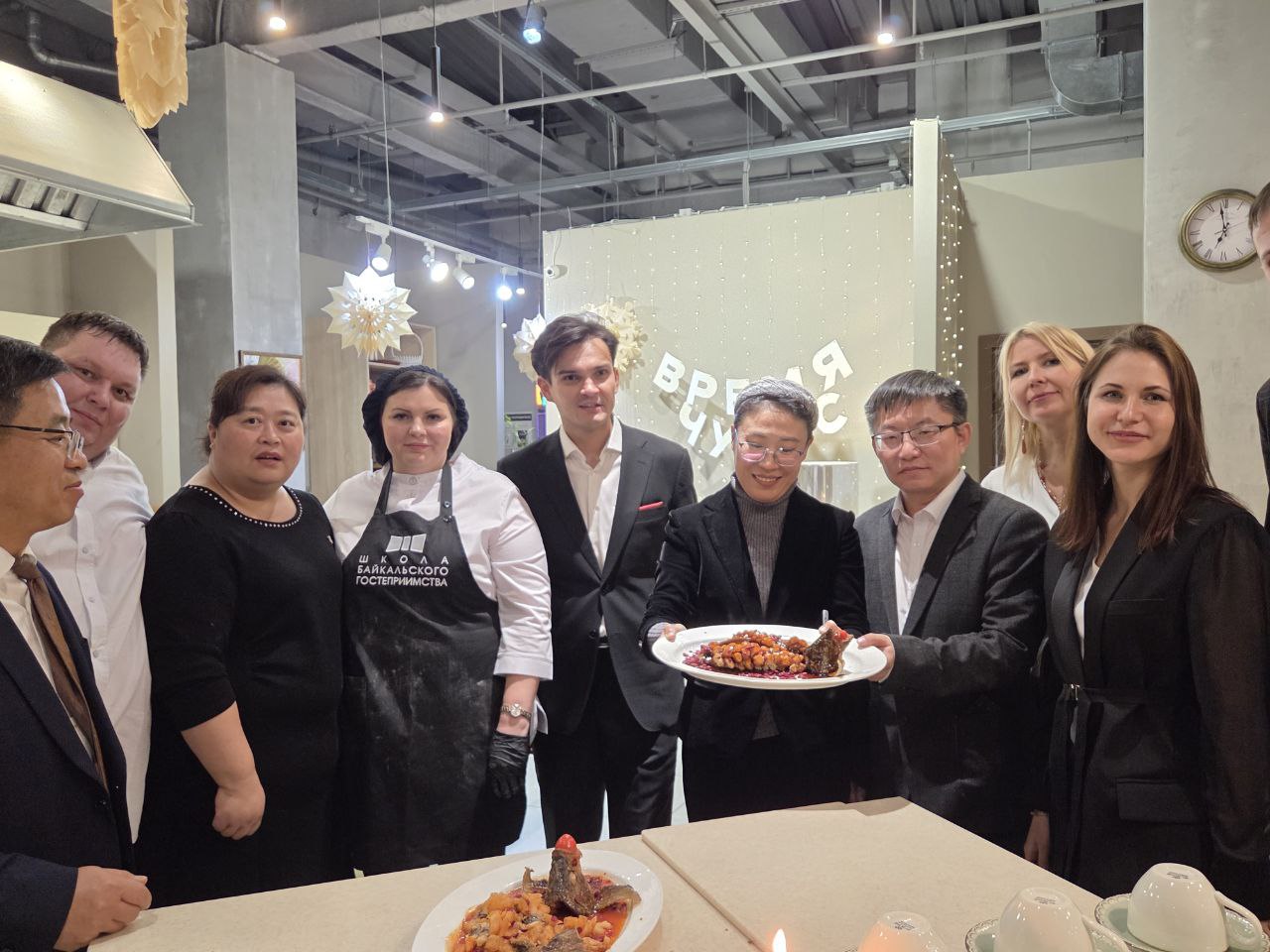
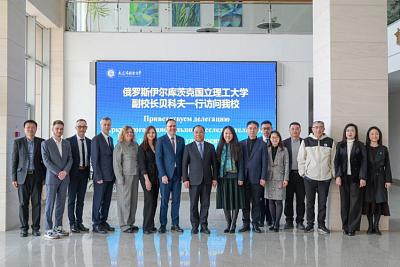
In early November, a delegation from the Manchurian Institute of the Russian Language visited INRTU, discussing prospects for cooperation in education and hospitality with the polytechnic's leadership. During the visit, the idea of creating a Russian-Chinese chefs’ association was proposed. Specifically for the guests, the School then conducted master classes on Chinese and Siberian cuisines at the “Anetti” studio.