INRTU and The National University of Malaysia Plan to Develop Academic Cooperation and Student Exchange Programs
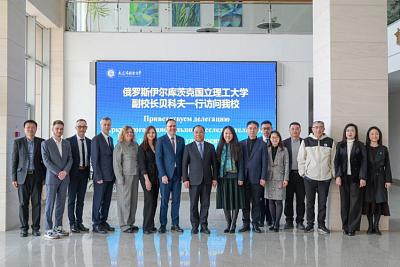
Vice-Rector for Geology, Earth and Environmental Sciences at INRTU, Alexander Parshin, and Head of the Department of Ore Geology at the Siberian School of Geosciences, Ivan Goryachev, have initiated academic cooperation with The National University of Malaysia (UKM – Universiti Kebangsaan Malaysia). Both universities share a strong commitment to studying and protecting the unique geo-ecosystems of the world.
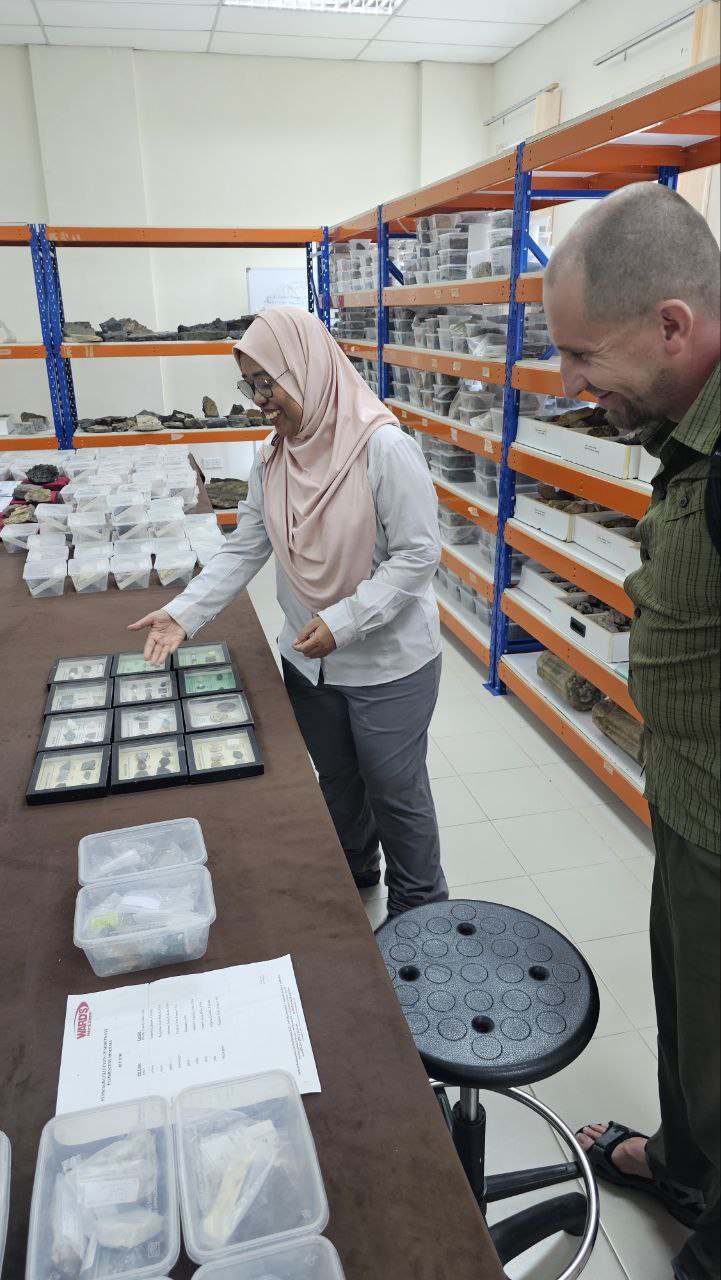
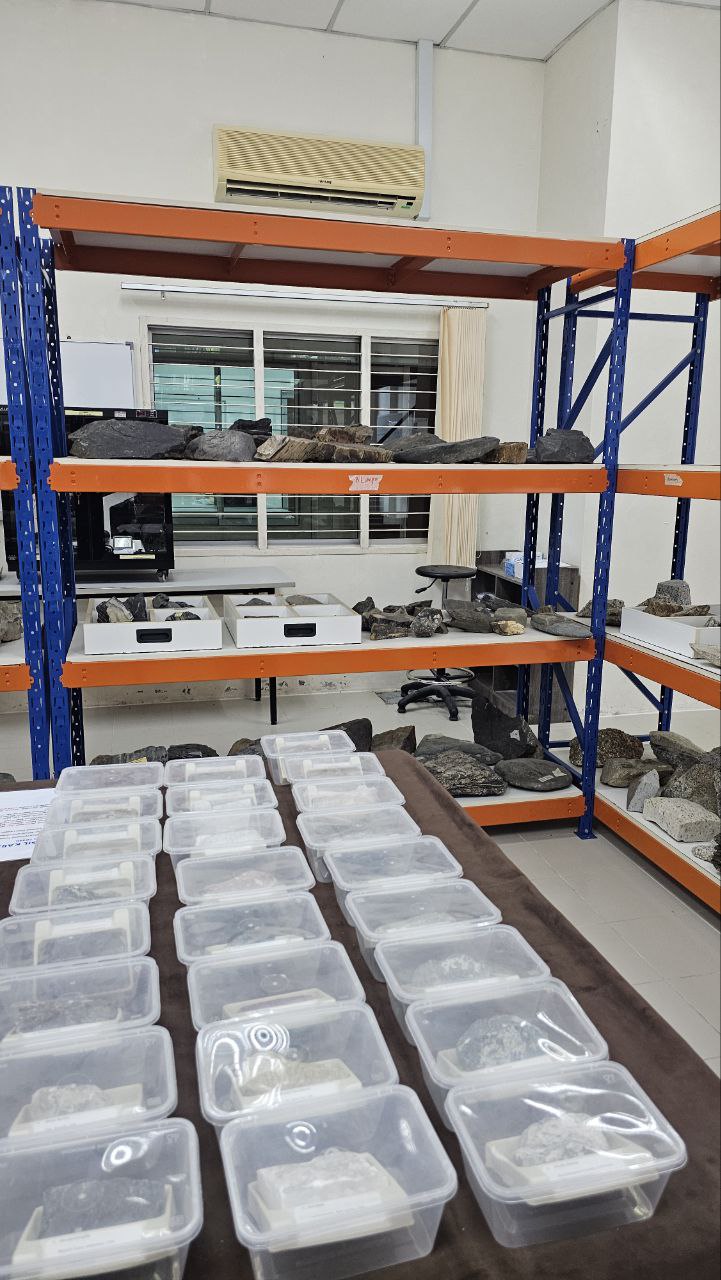
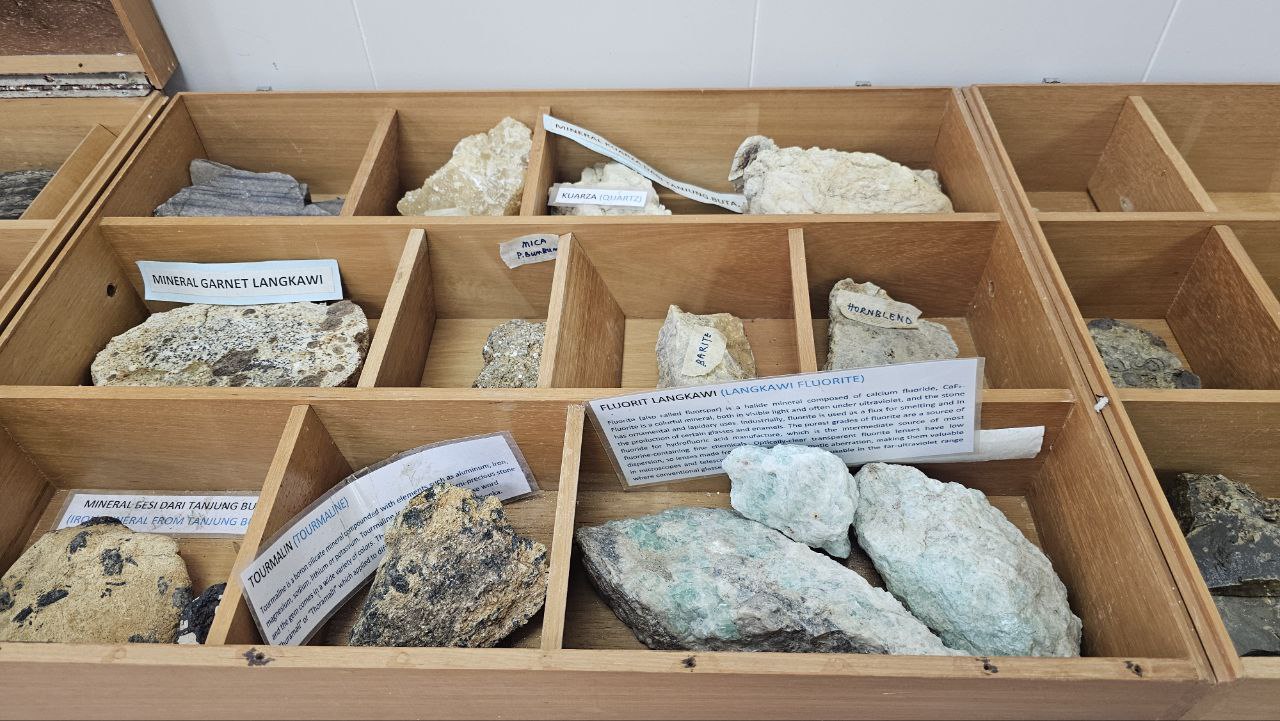
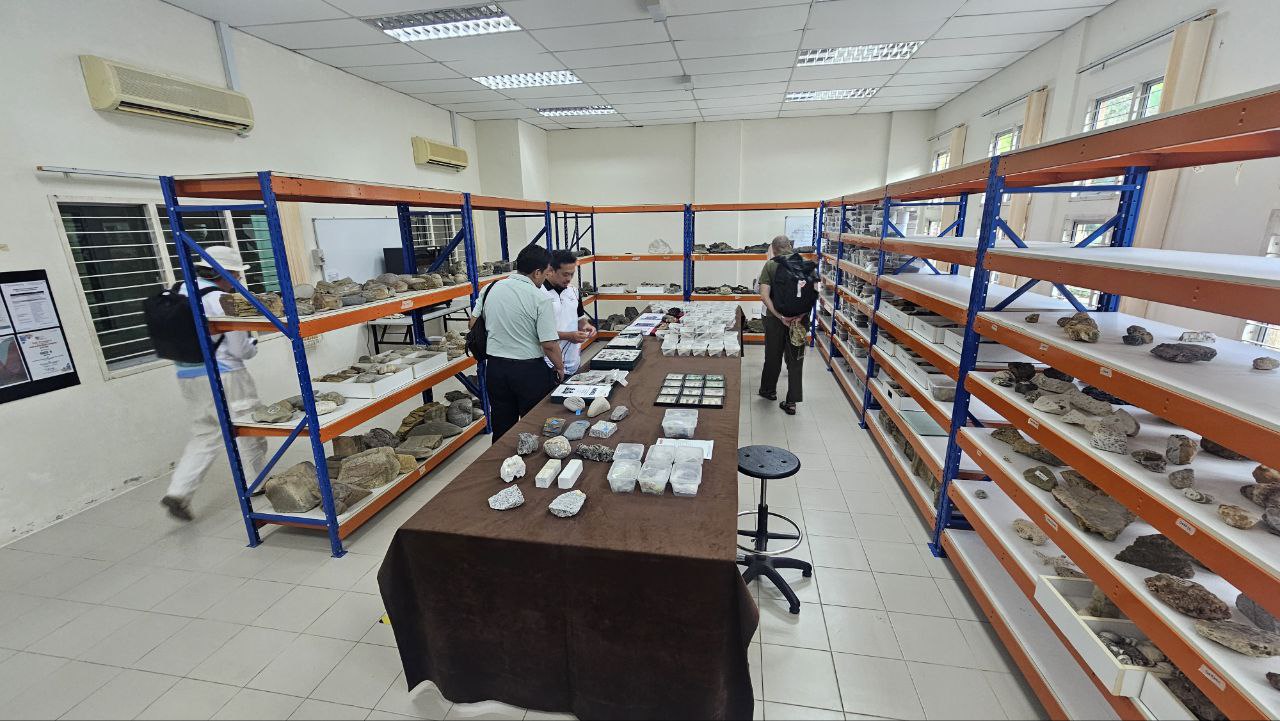
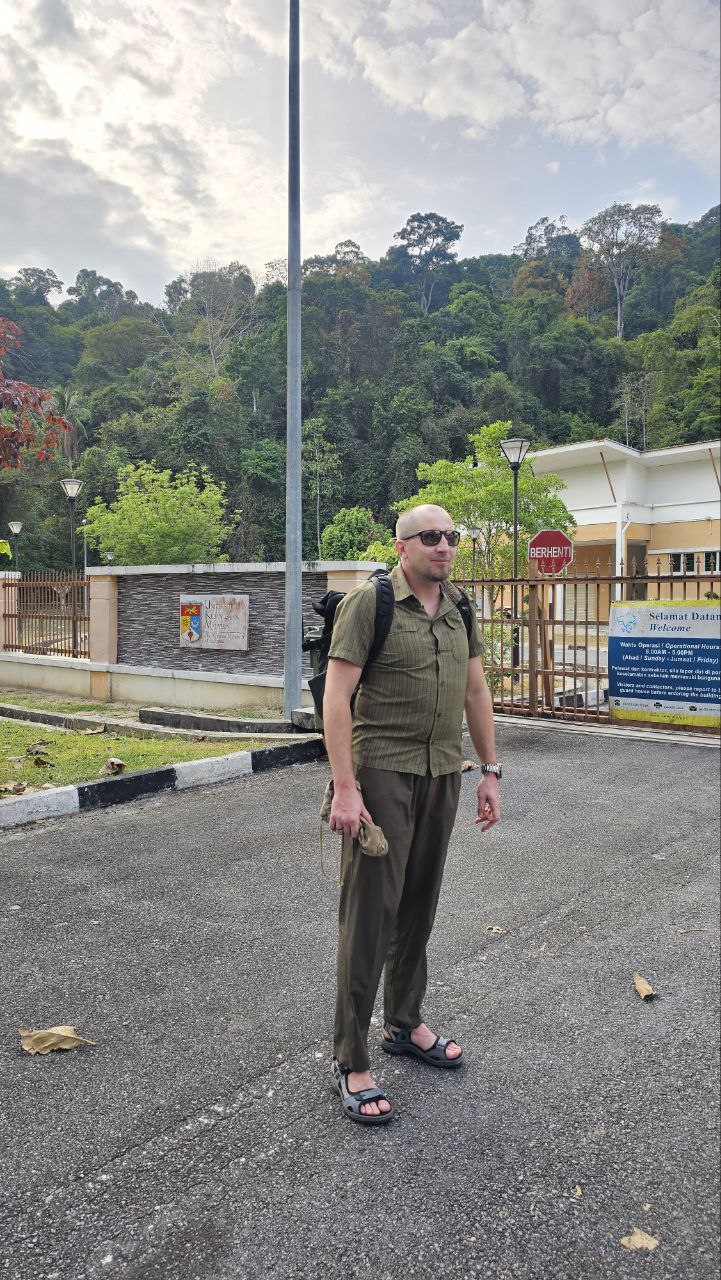
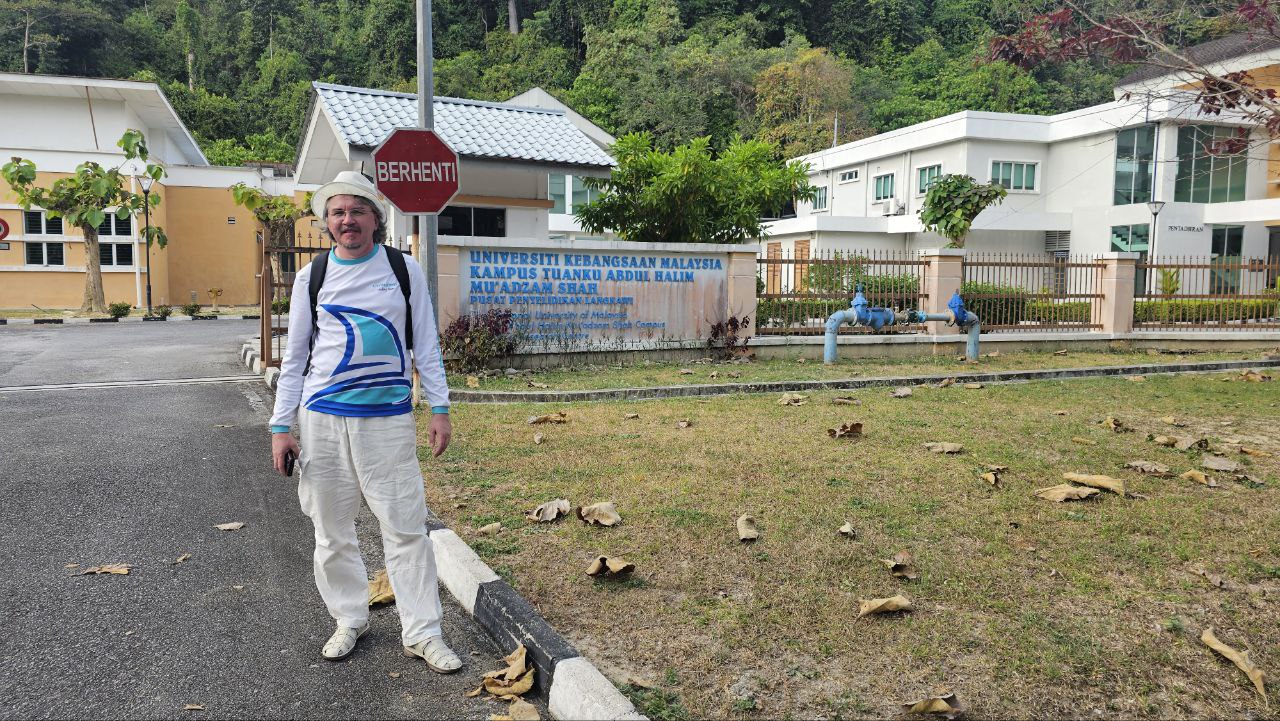
In January, INRTU representatives Alexander Parshin and Ivan Goryachev visited the Research Centre of The National University of Malaysia on the Langkawi archipelago. The National University of Malaysia includes the Geopark Research Centre (Pusat Penyelidikan Geotaman – PPG) formerly known as Langkawi Research Centre (Pusat Penyelidikan Langkawi – PPL), which runs active research and academic projects linked to Malaysia’s various geoparks.
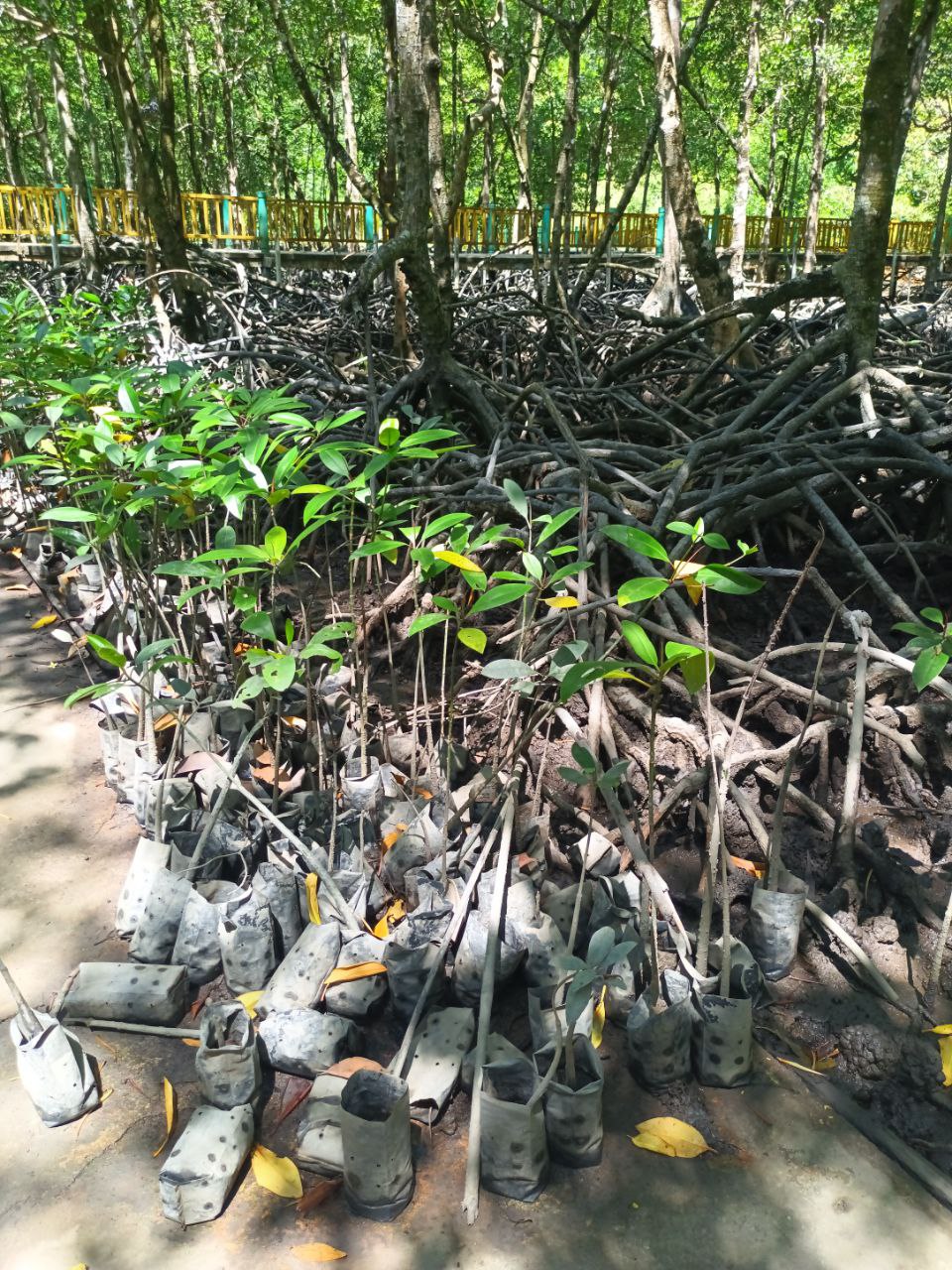
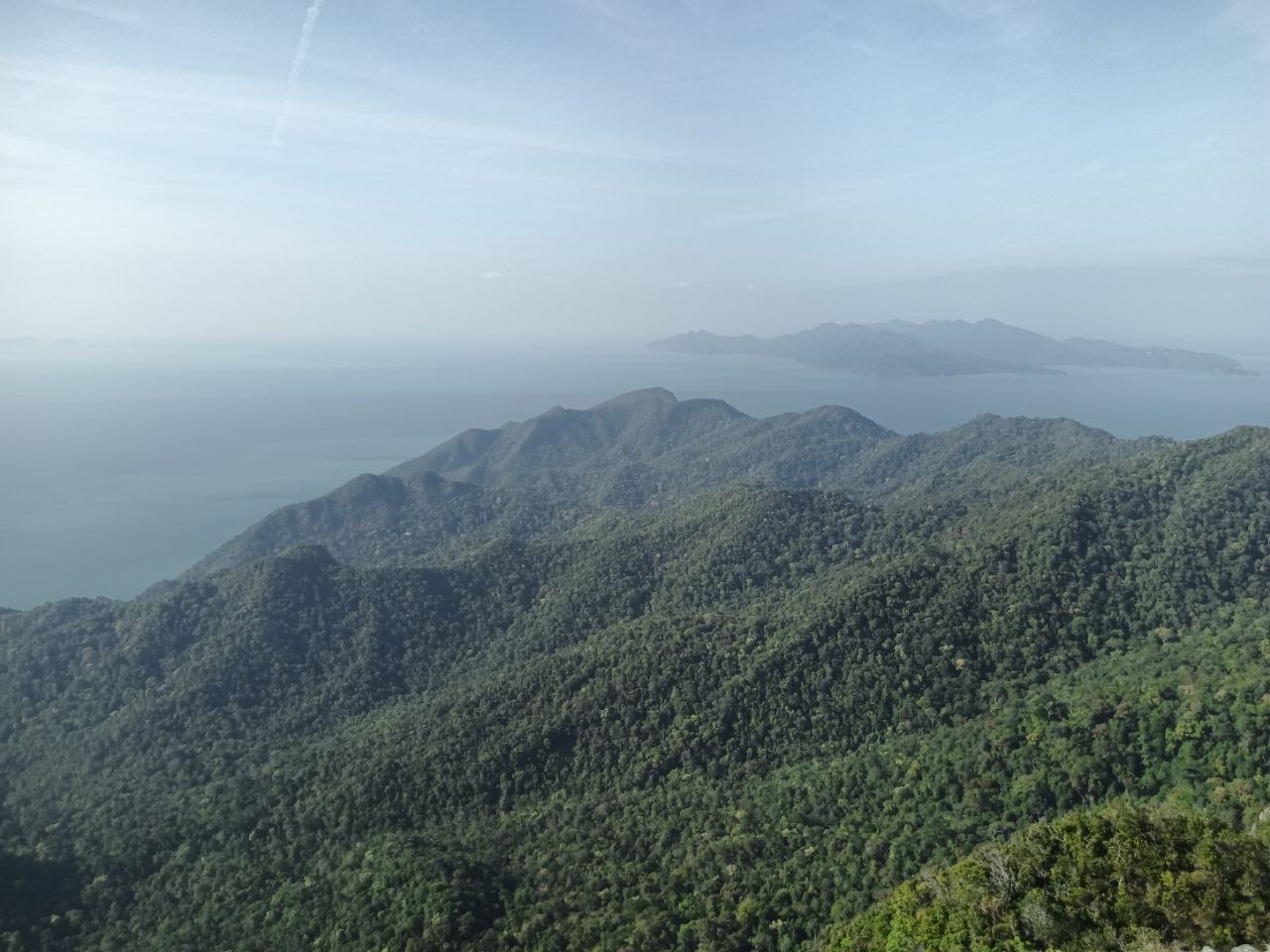
Located on Langkawi Island, the Geopark Research Centre (PPG – Pusat Penyelidikan Geotaman) offers a natural laboratory for studying tropical ecosystems and marine environments. Research there focuses on preserving natural and cultural heritage and developing geotourism that supports the wellbeing of local communities.
The shared focus of the Russian and Malaysian universities on studying and conserving unique global geo-ecosystems is seen as a key foundation for mutually beneficial cooperation. The Russian side has already sent The National University of Malaysia information about INRTU and the Siberian School of Geosciences, including details on educational programs, international student research projects like “Baikal, the Pearl of the World” and summer schools and field practices based at Chernorud.
The unique geology of the Lake Baikal region supports the launch of this partnership with The National University of Malaysia. Both universities have scientific bases in two UNESCO World Natural Heritage sites with markedly different environments, and their academic strengths complement each other. The Malaysian university boasts strong schools in biology, geology, and marine sciences, while INRTU’s advantages lie in geophysics, environmental geochemistry, and robotic systems for geo-research.
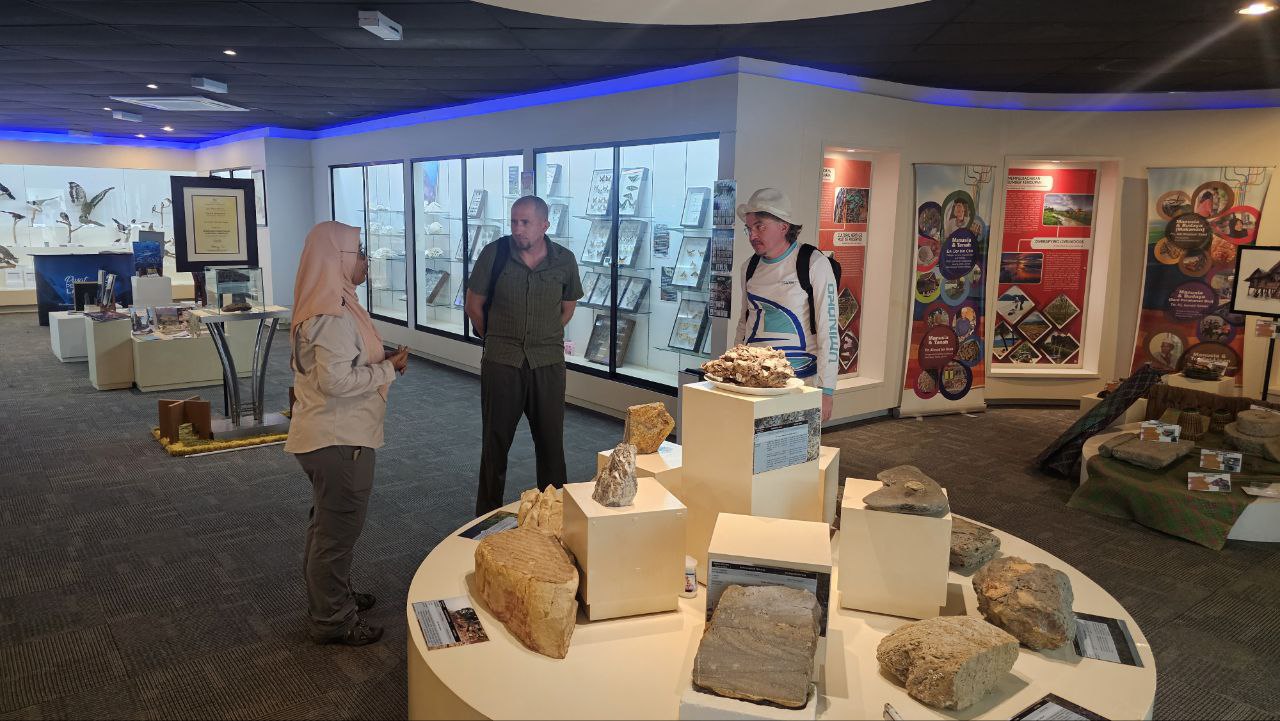
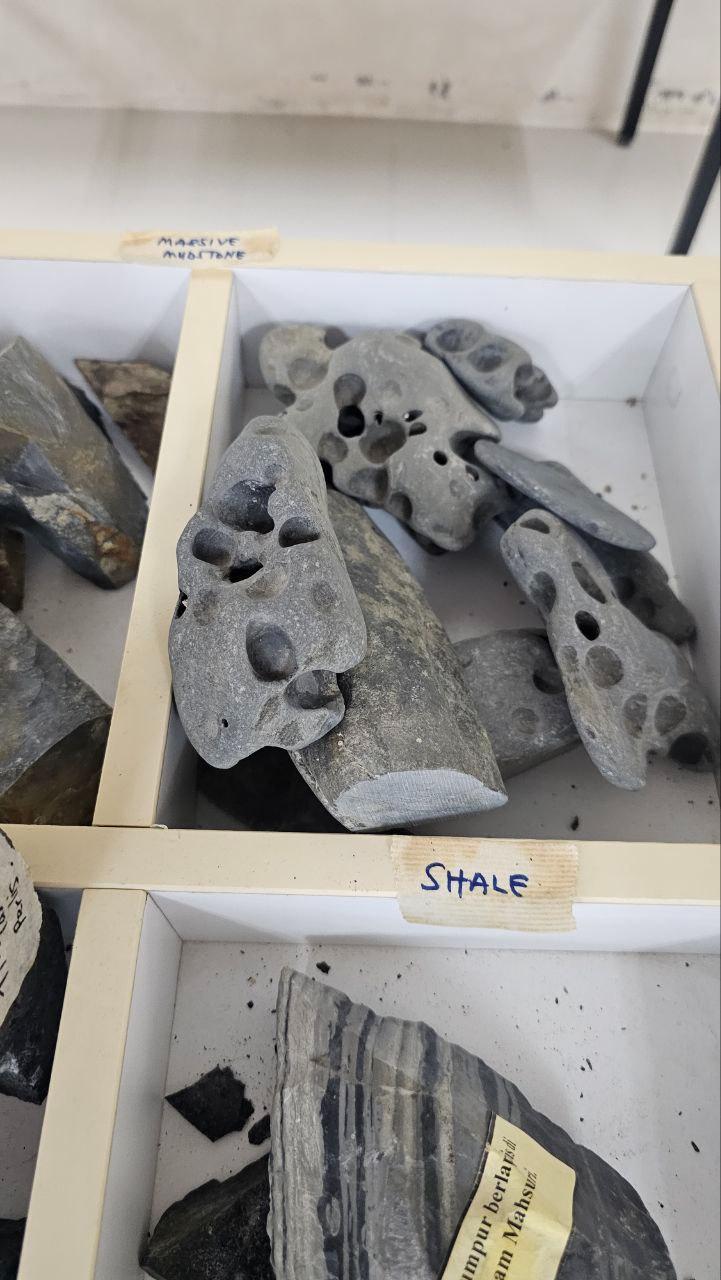
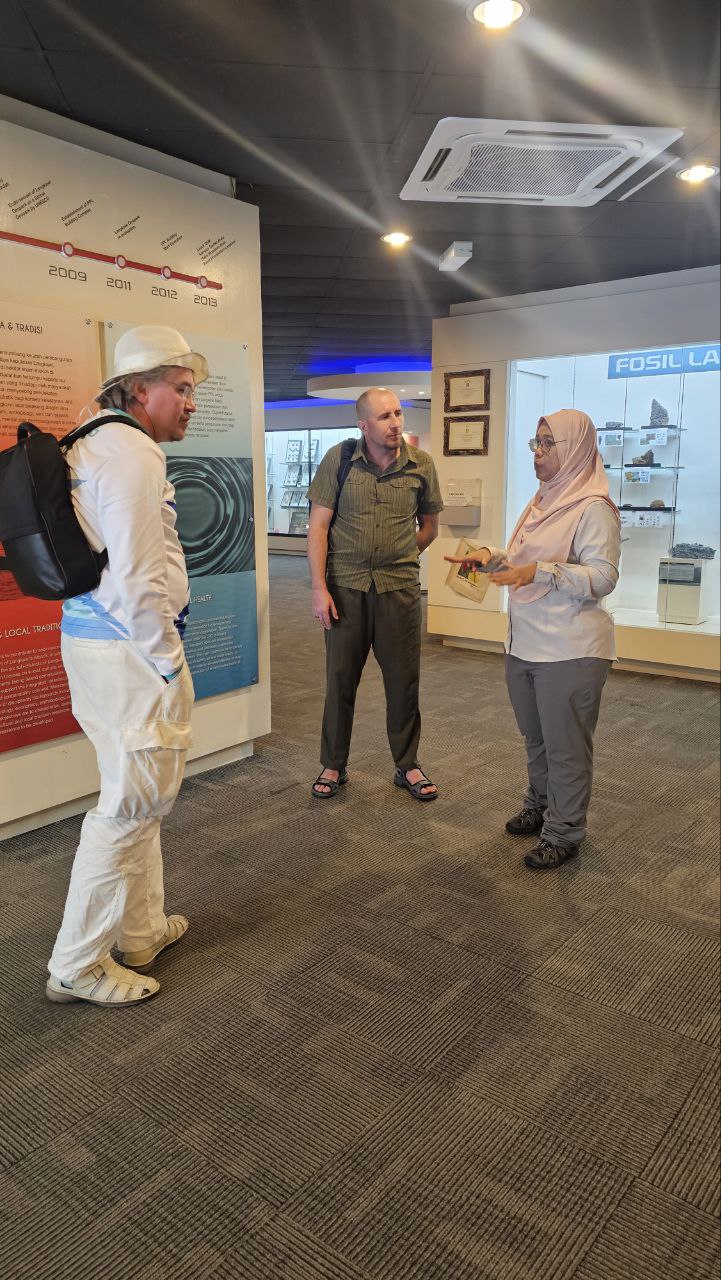
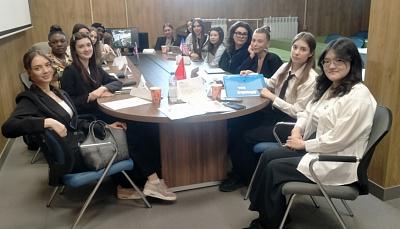
Dr. Juliana Senawi, Head of PPG UKM, guided a tour of the Research Centre and described UKM’s scientific programs conducted on Langkawi and in other geoparks.
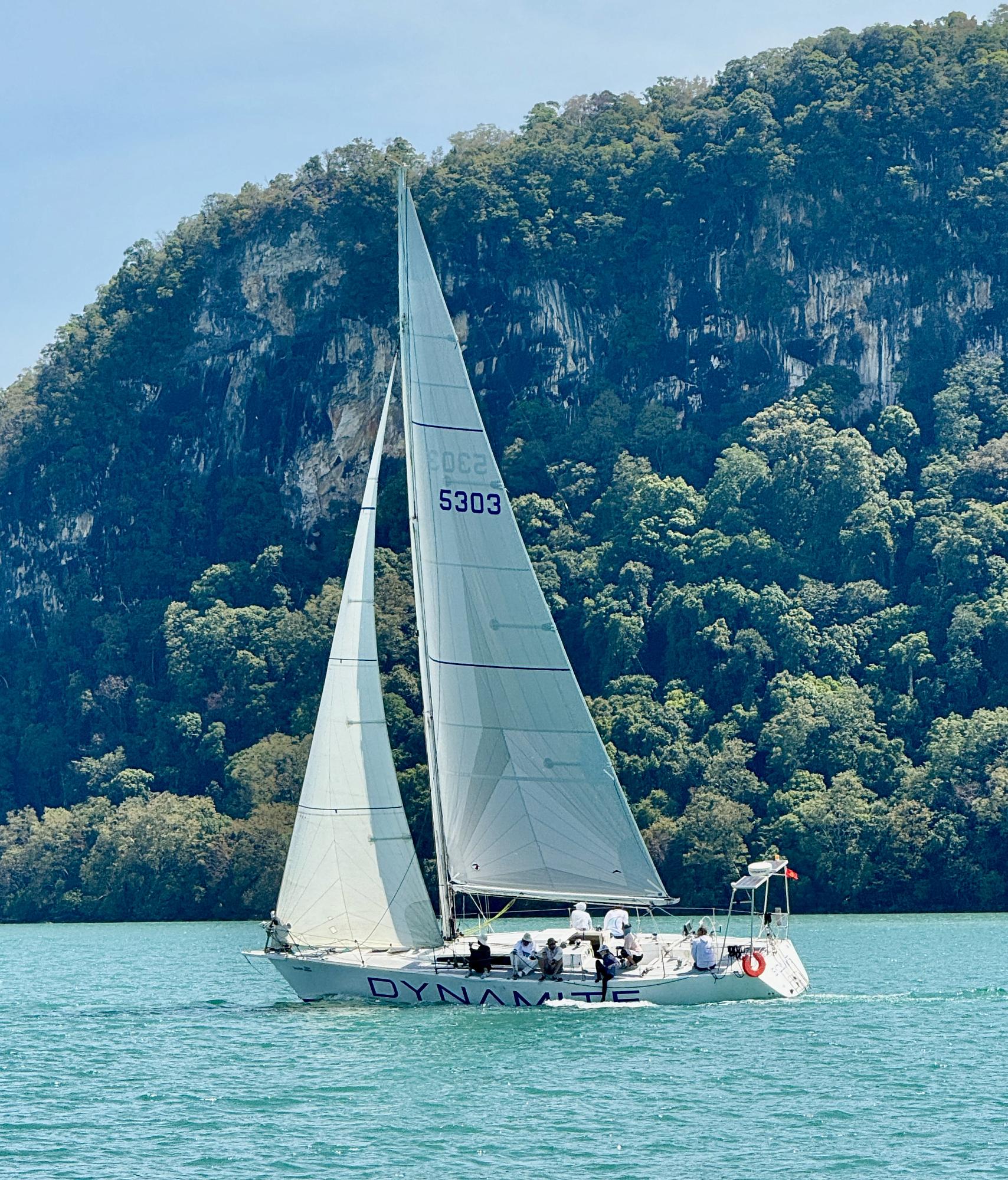
The parties discussed and agreed on the potential for student academic exchange programs and joint educational and research expeditions focused on studying and protecting the unique geo-ecosystems of both countries. Geo-ecological training forms the foundation of all geological specialties at the Siberian School of Geosciences, where students build both research and professional competencies. Additionally, INRTU students can now operate on marine sites using cruising yachts, greatly simplifying the logistics of conducting research anywhere in the world, including the Langkawi archipelago.
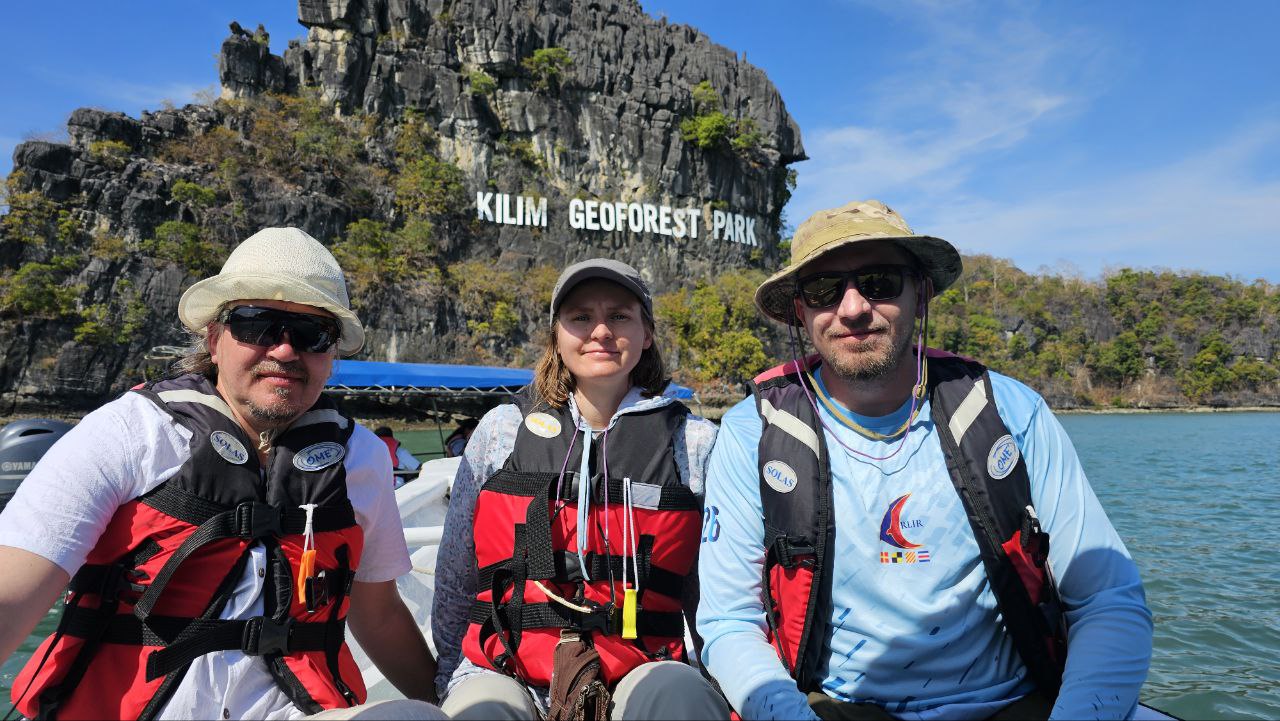
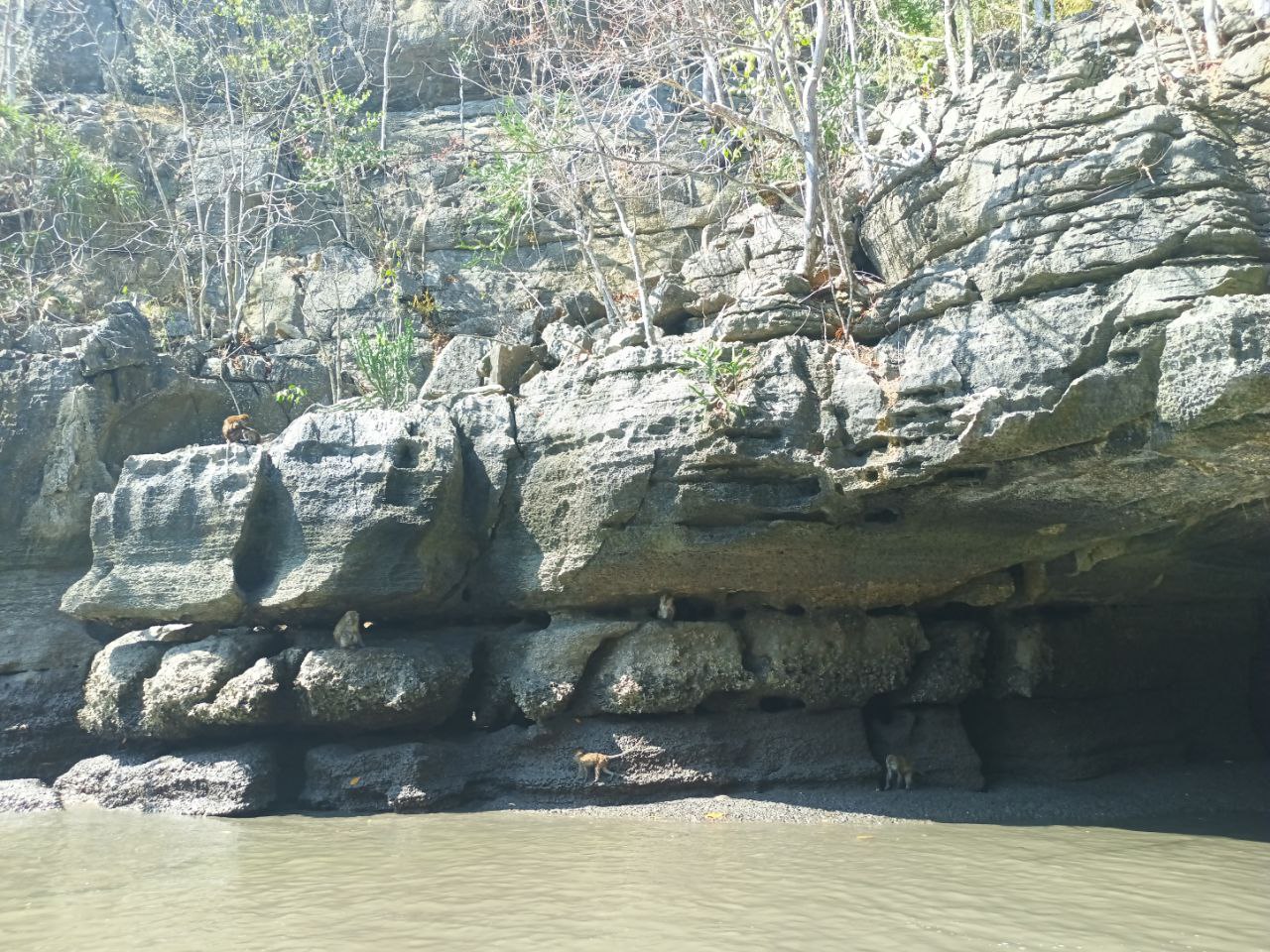
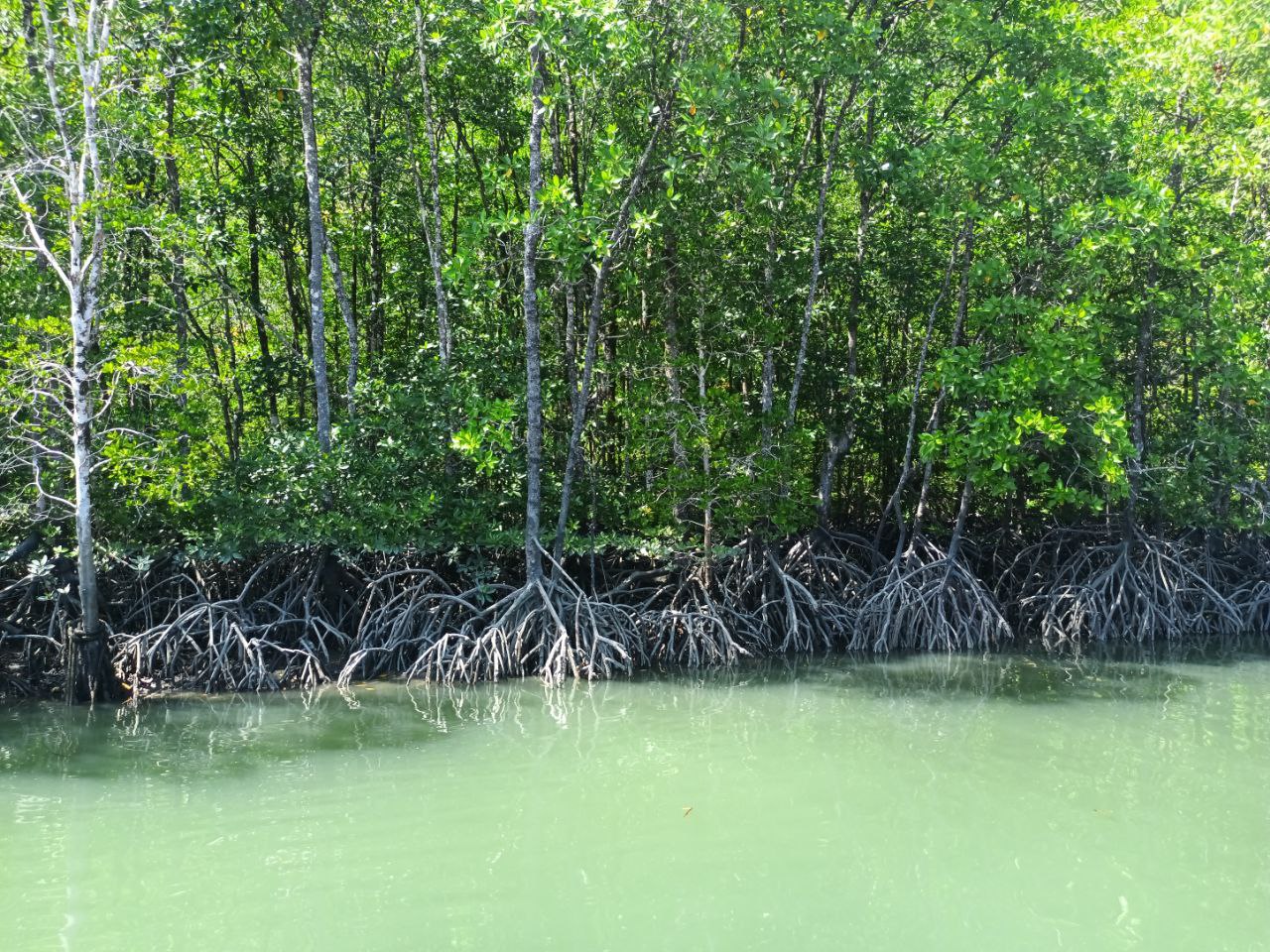
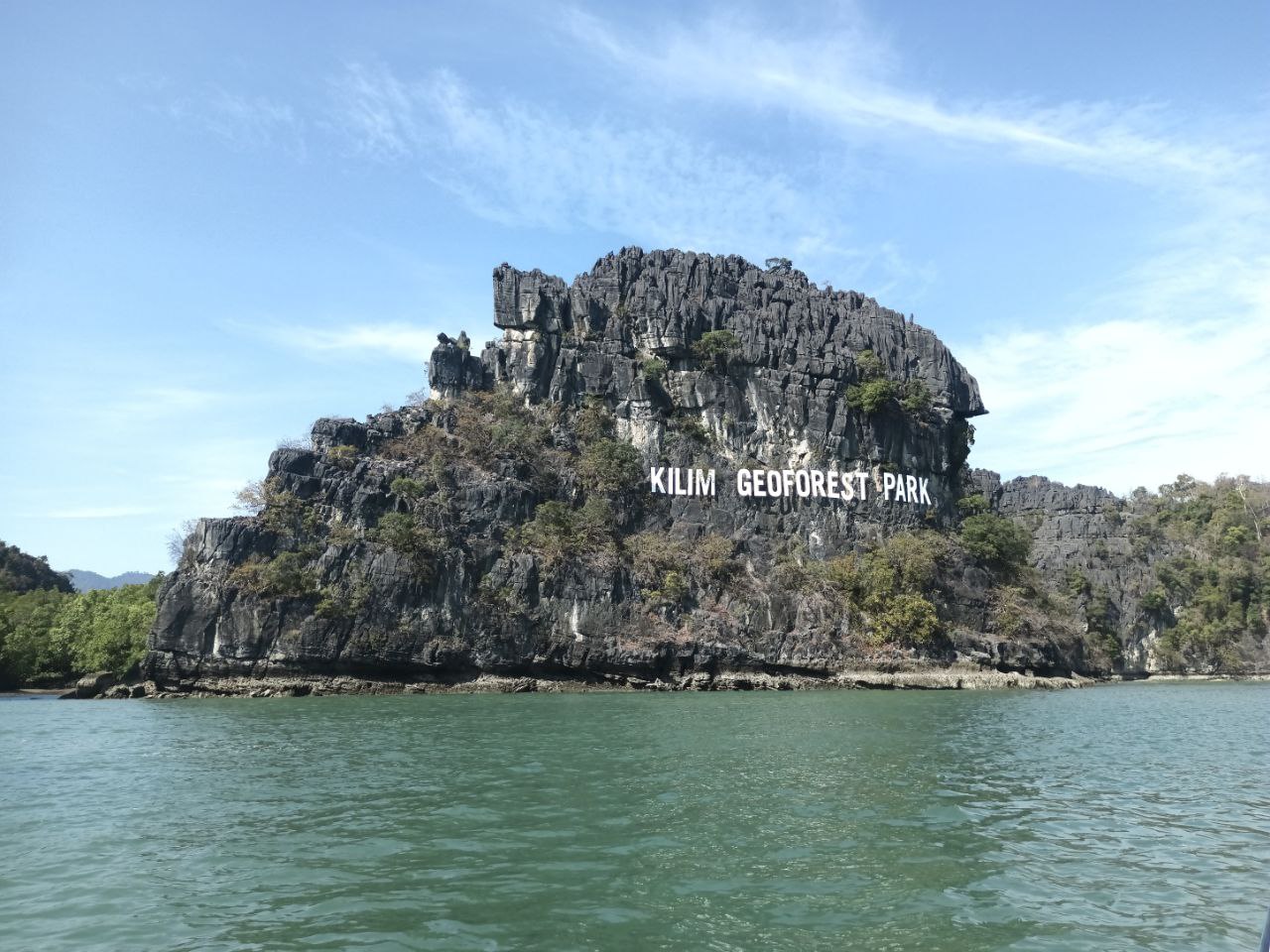
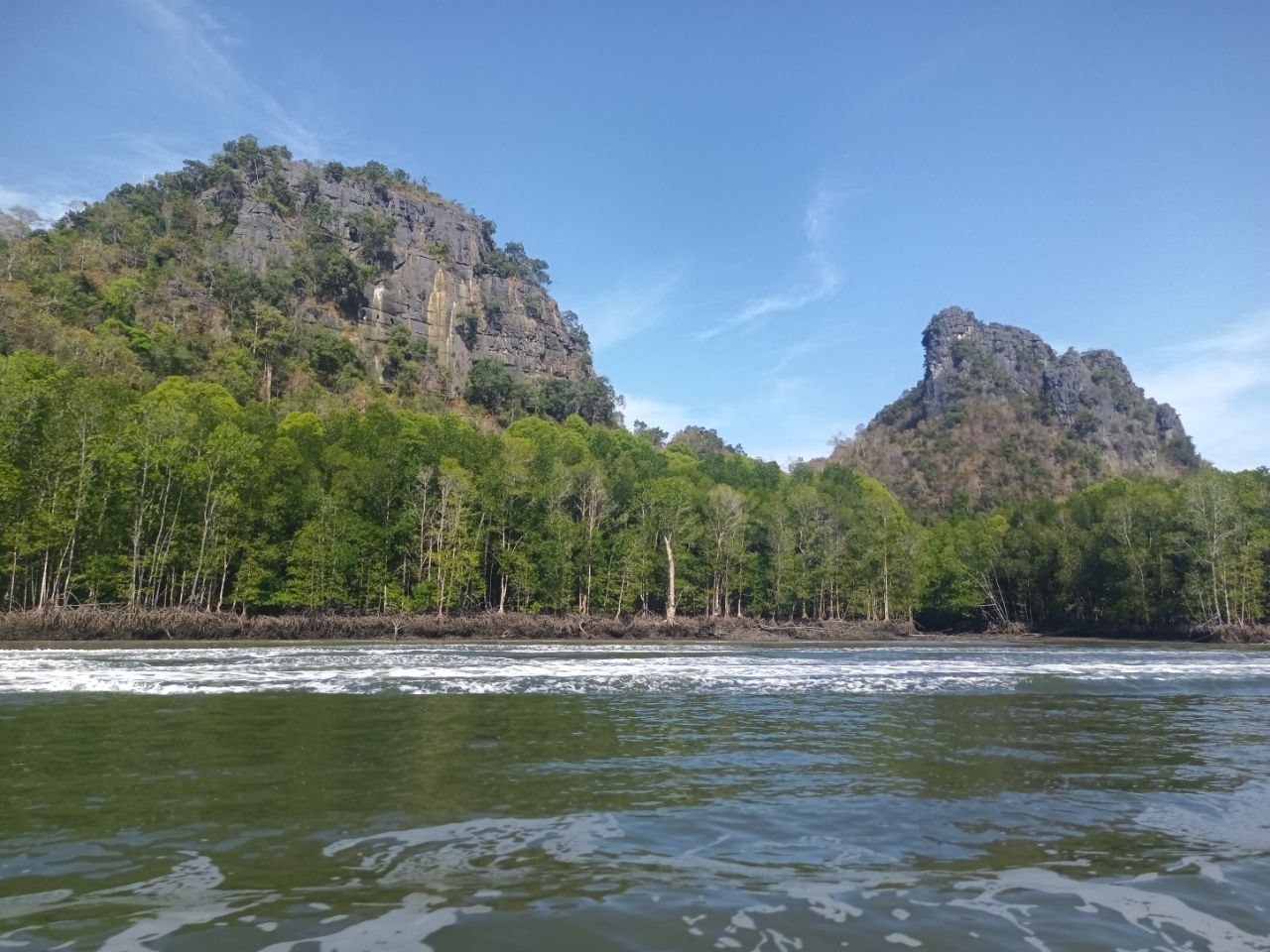
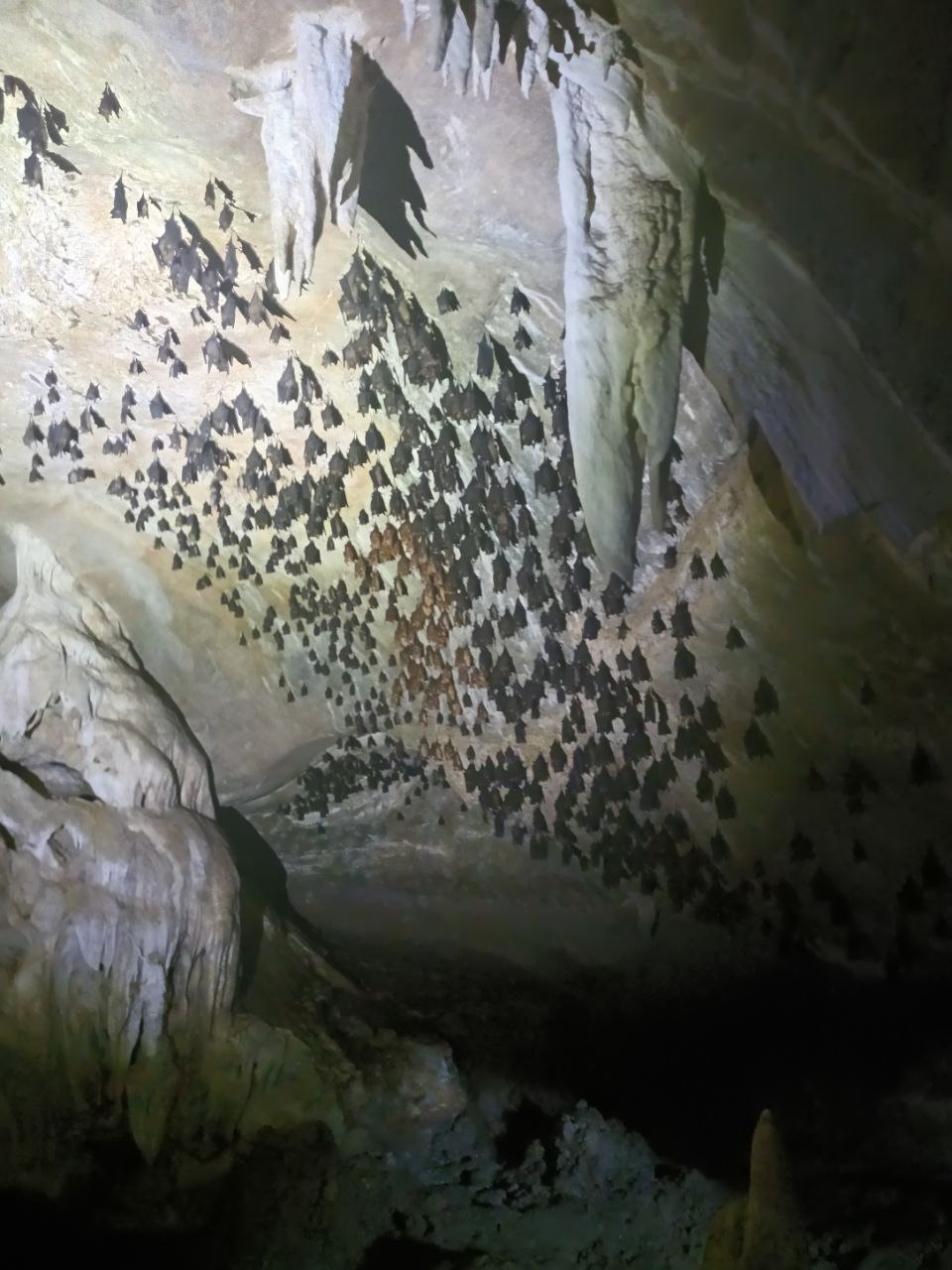
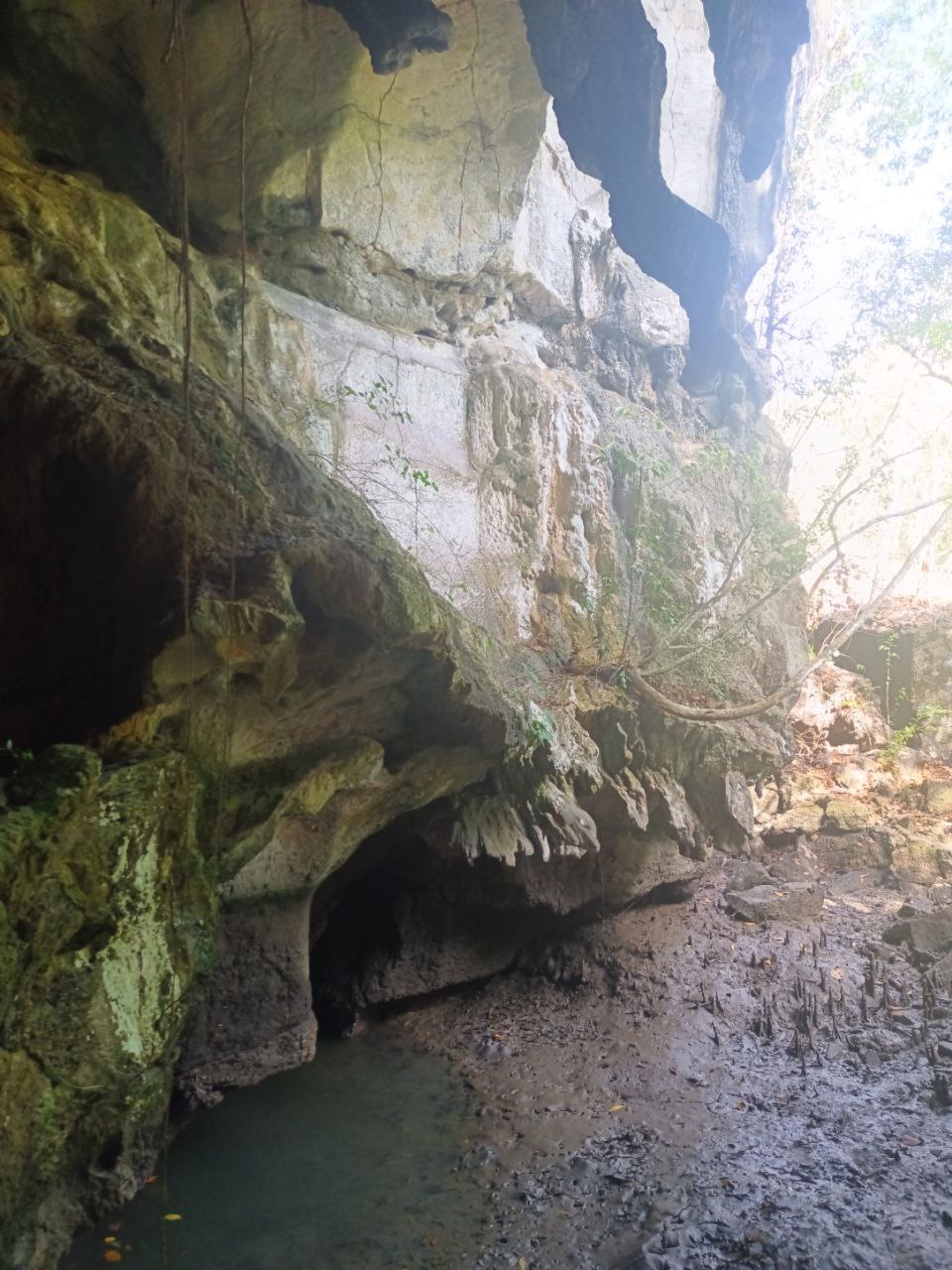
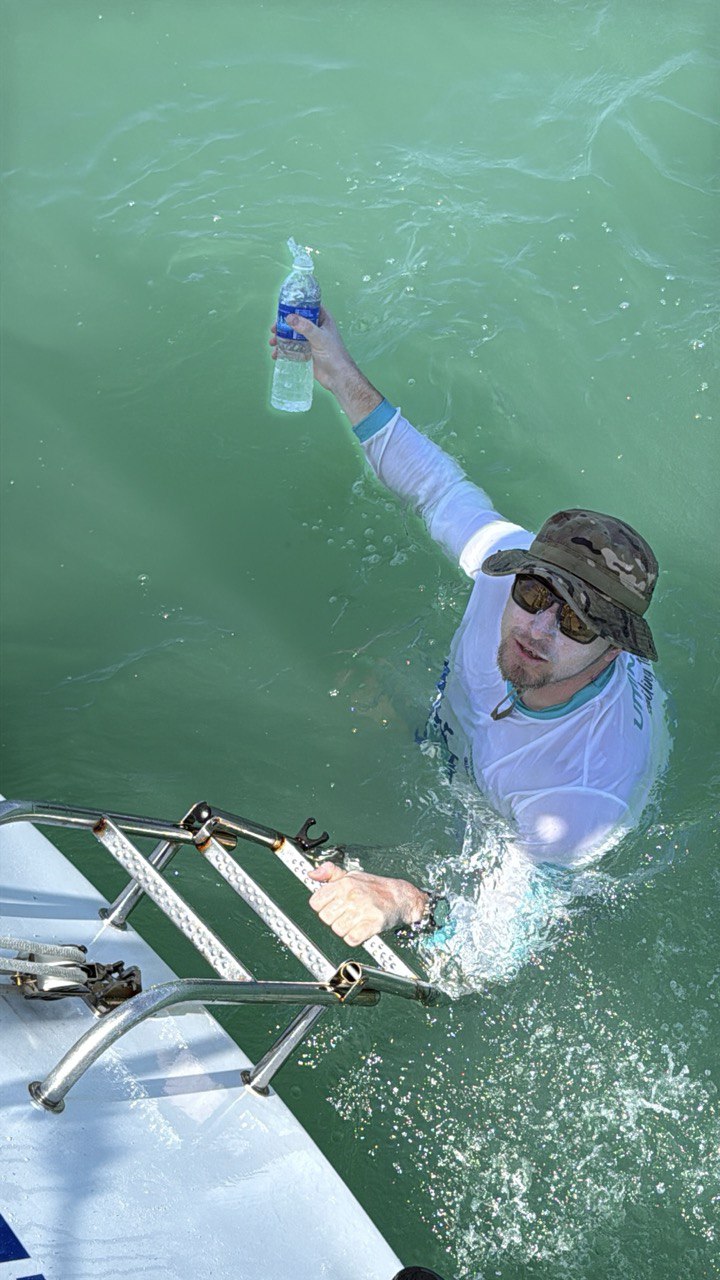
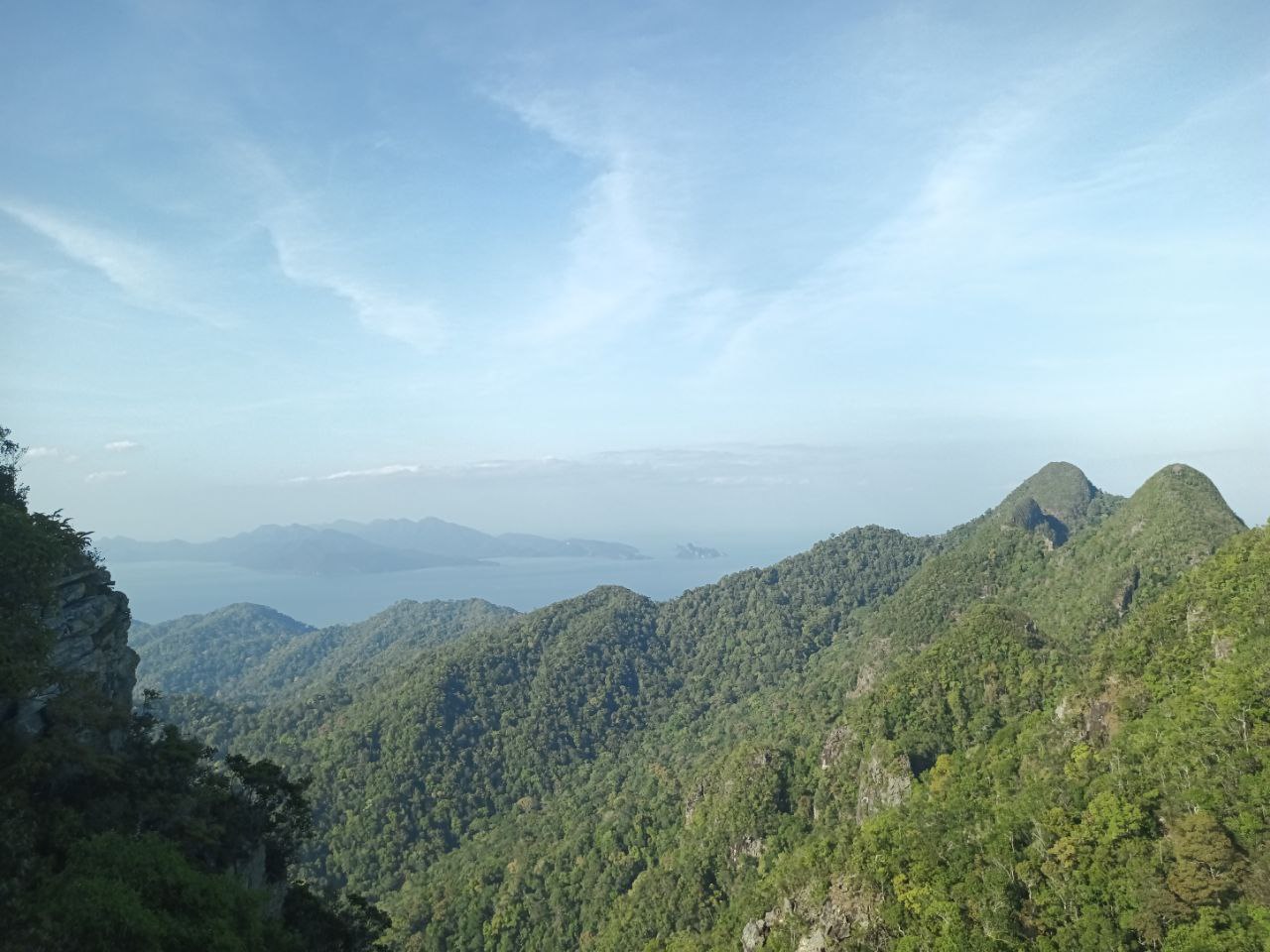
In addition to touring the PPG campus, Alexander Parshin and Ivan Goryachev had the opportunity to visit the island’s geoparks and carry out pilot geo-ecological research on the archipelago’s marine waters, the results of which could form the basis for joint publications and international grant applications.

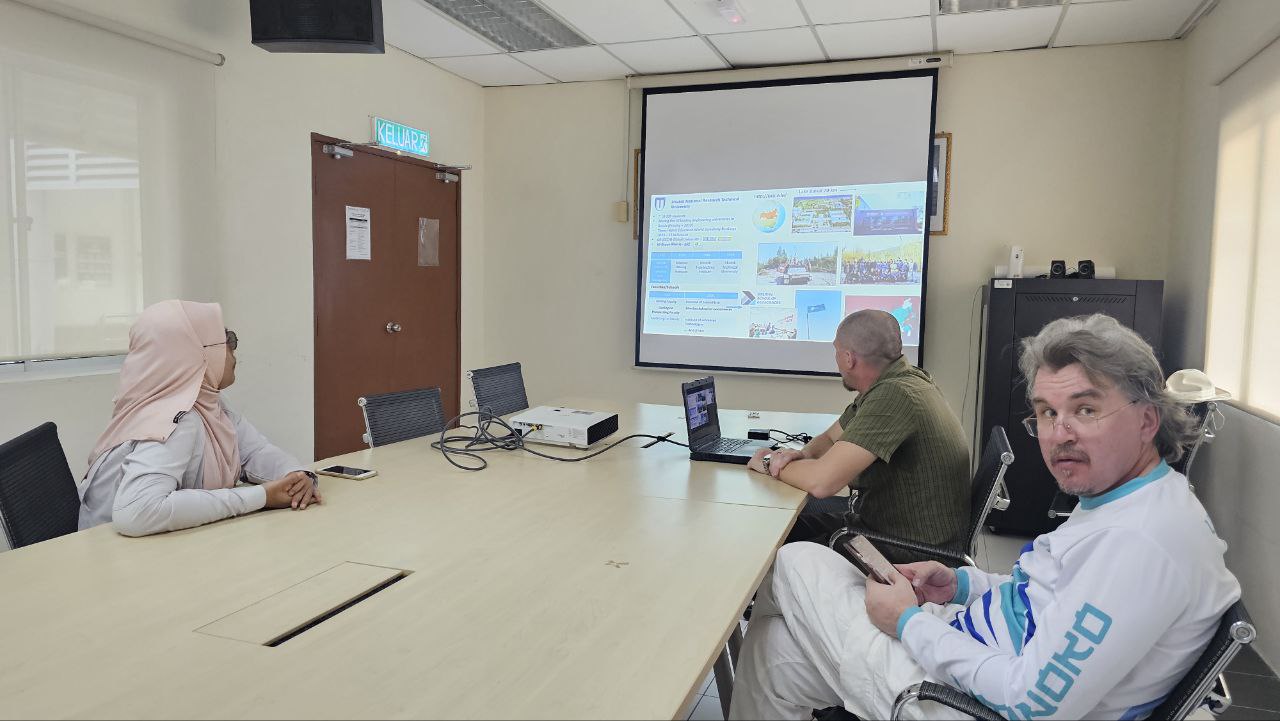
“Our visit was highly successful and substantive, and now continues in an online format. We are convinced of mutual interest in broad cooperation and hope to launch a joint program by the end of the year.
It was also valuable to test a potential student case of engaging with a UNESCO Global Geopark and assess the feasibility of conducting eco-hydro-geochemical research similar to the Baikal-Yangtze program. Even more, we used a sailing yacht for marine research — just as we teach our students at the Navigation School. Our students and professors need to understand that international marine expeditions in tropical seas and oceans are now an integral part of their comprehensive professional training,”
said Alexander Parshin.
Ivan Goryachev commented on the relevance and importance of the cooperation for the educational activities of the Siberian School of Geosciences at INRTU:
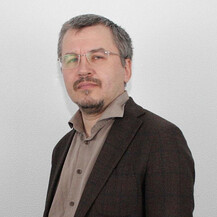
“I teach General Geology in English to students in our new English-taught Bachelor’s degree program, Information Technologies in Earth and Environmental Sciences. In my work I strive to broaden students’ understanding beyond the local environment. Travel and observation of geological phenomena in drastically different natural settings, especially in the tropics, open their eyes to processes not found in our region.
For a geologist it is critically important not only to know but to vividly visualize studied objects in their natural environments, in a variety of geographic contexts. This allows for a holistic and deep understanding of geological processes and structures relevant anywhere on Earth”.
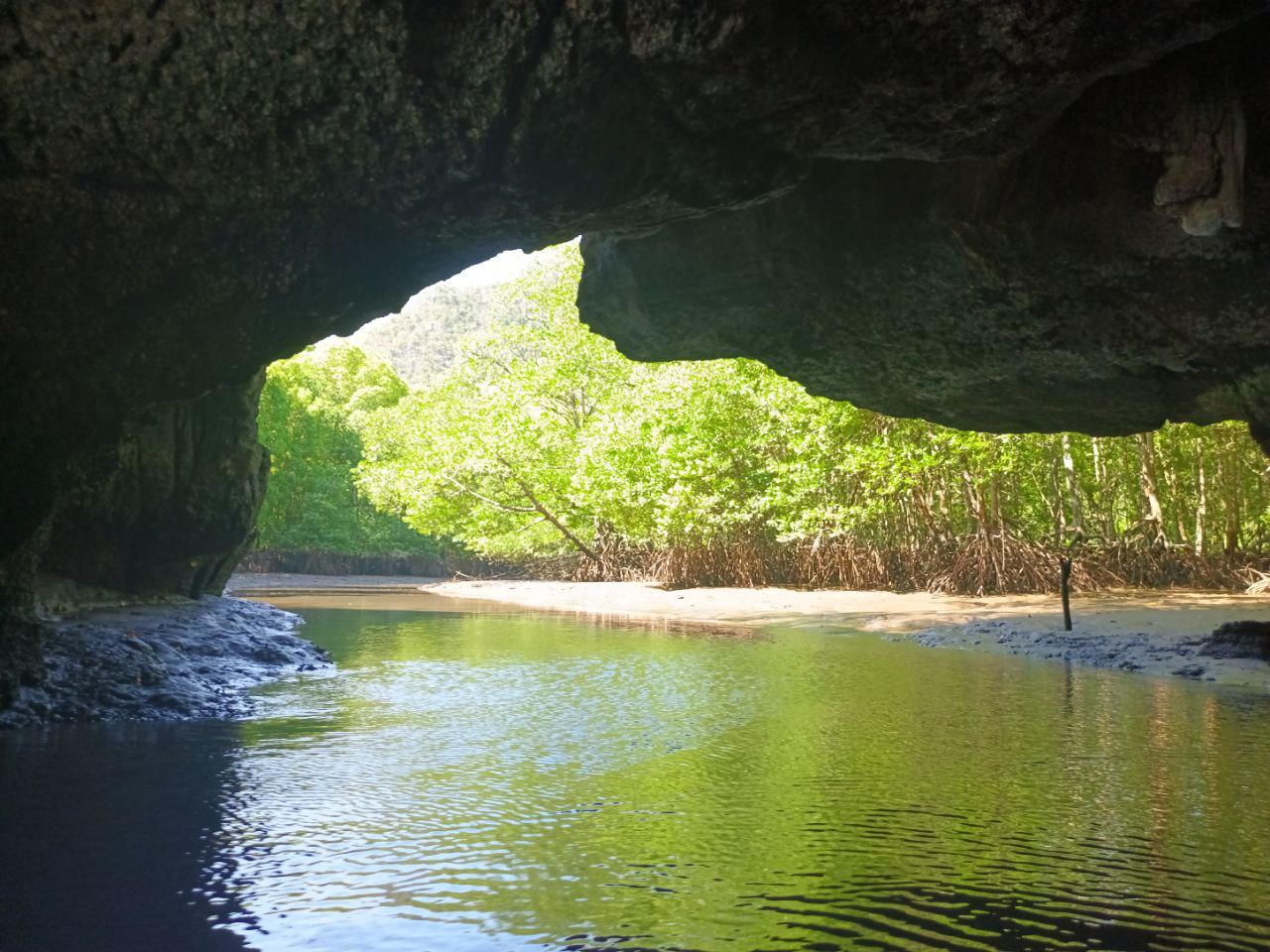
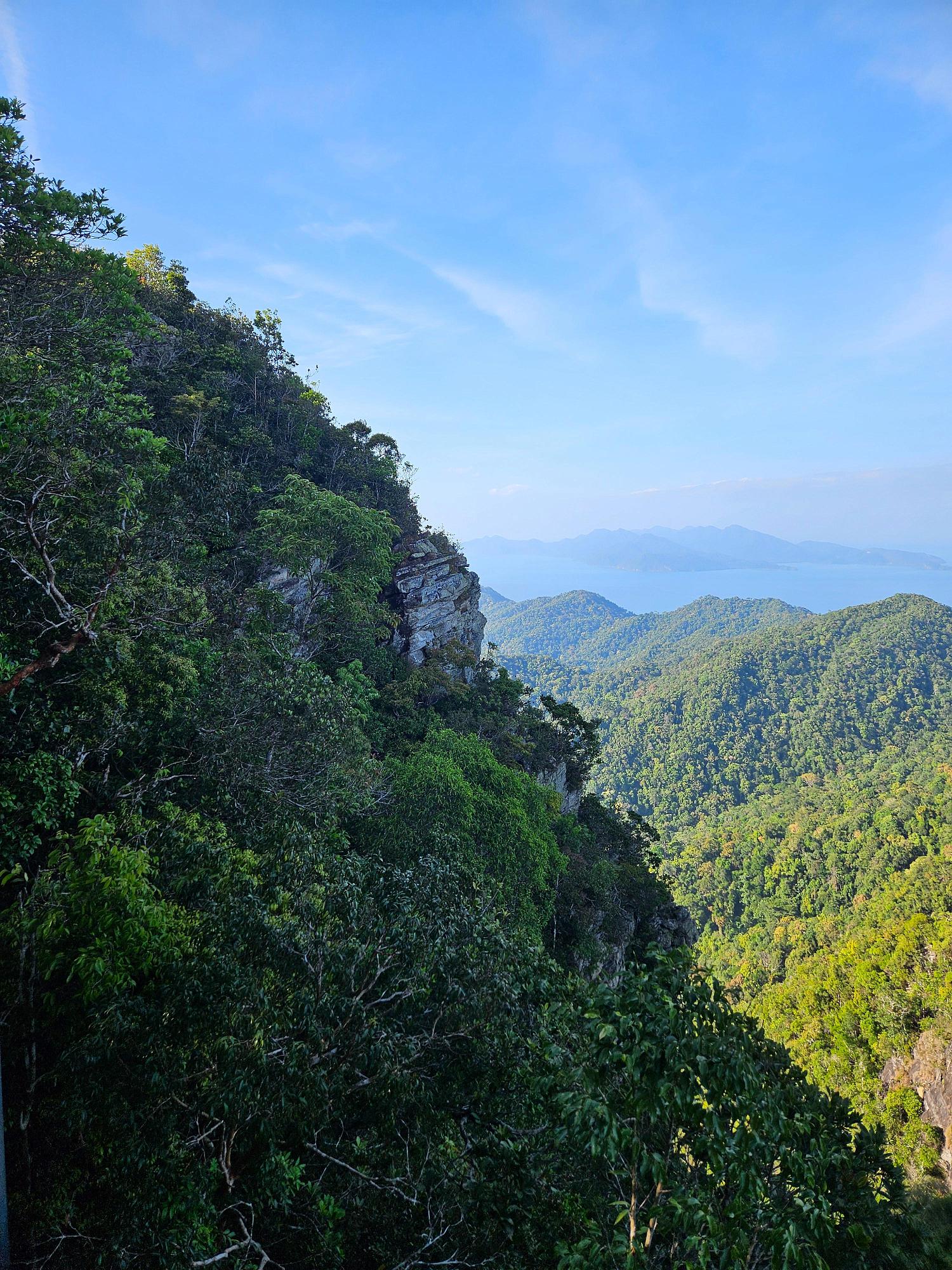
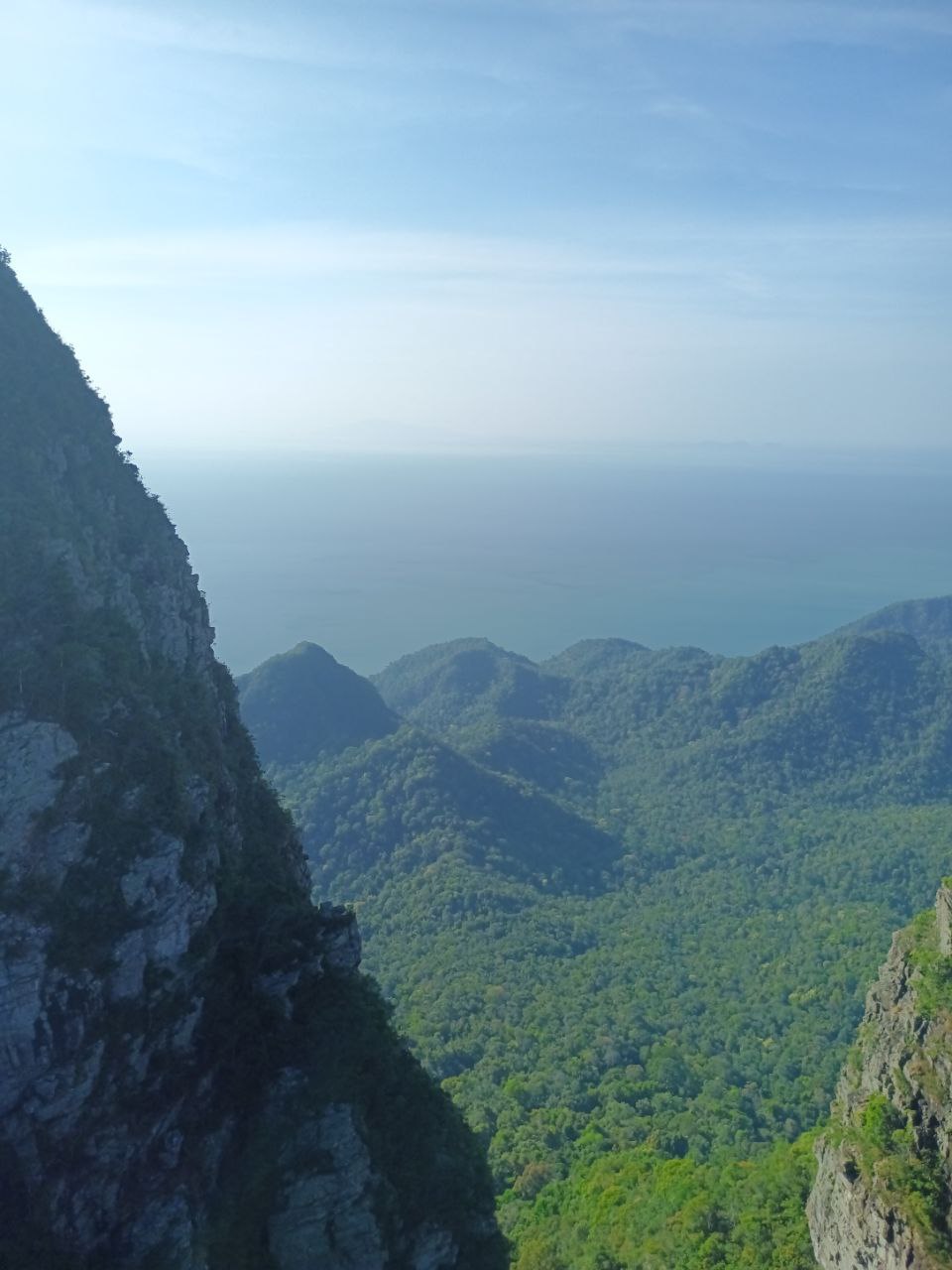
Langkawi Island was designated a UNESCO Global Geopark in 2007, becoming the first UNESCO geopark in Southeast Asia. It includes four key parks: Machinchang Cambrian Geoforest Park, Kilim Karst Geoforest Park, Dayang Bunting Marble Geoforest Park, and Kubang Badak BioGeo Trail, known for their mangroves, tropical forests, caves, and karst formations. Cambrian rock formations over 550 million years old have been found on the island. The jewel of the Globa; Geopark is the Dayang Bunting Marble Geoforest Park, featuring a collapsed cave with a freshwater lake surrounded by dense tropical forest. Marble formations nearly 300 million years old also draw geological researchers.