INRTU and Nanjing University – Organizers of the Yangtze River Valley Expedition – Investigated UNESCO World Heritage Sites
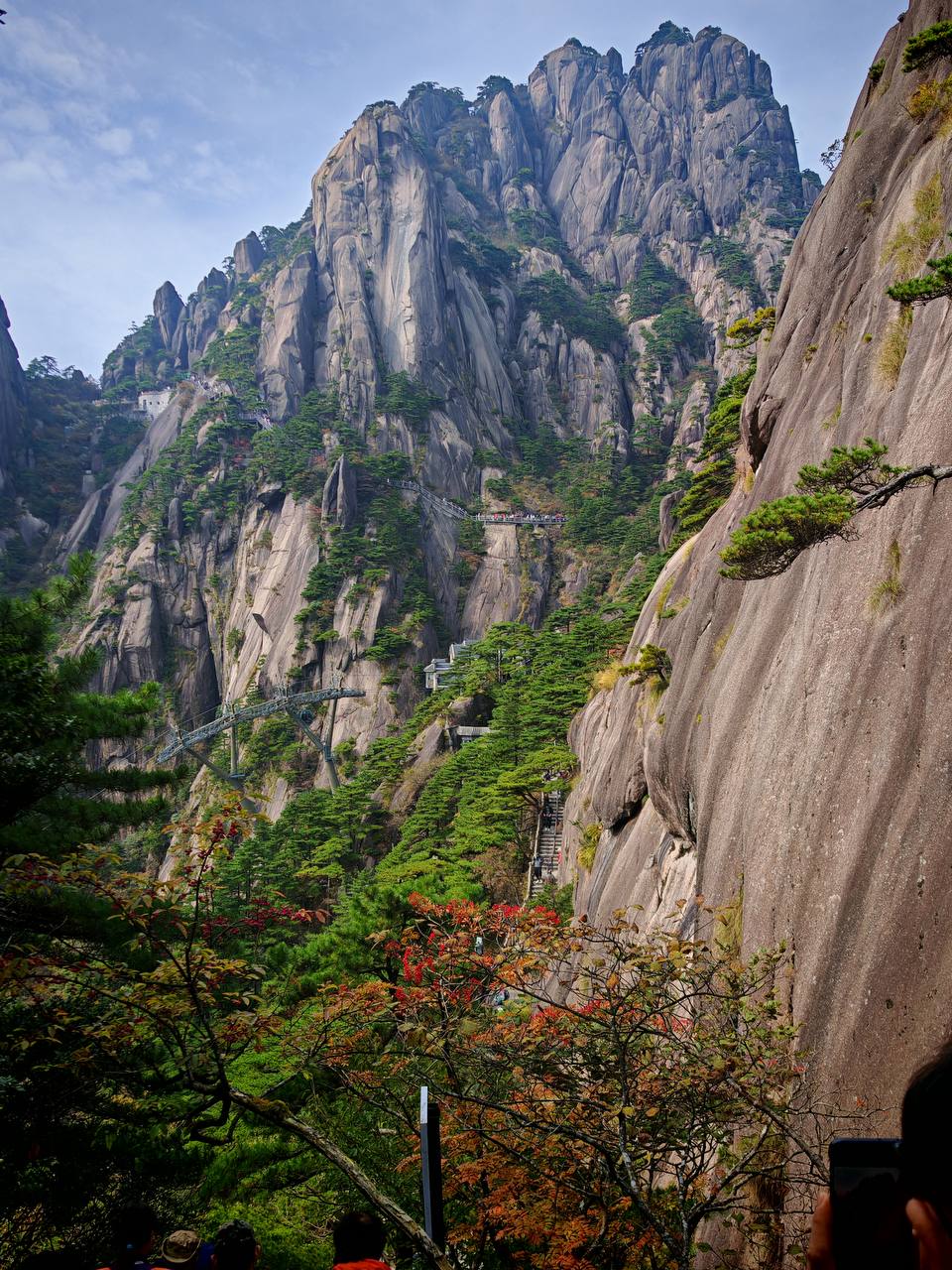
Irkutsk National Research Technical University (INRTU) and Nanjing University have conducted a traditional Russian-Chinese expedition to study the Yangtze River Valley. The participants investigated unique natural areas, including UNESCO World Heritage sites and wetlands listed under the Ramsar Convention. The international expedition was carried out as part of the Priority 2030 program.
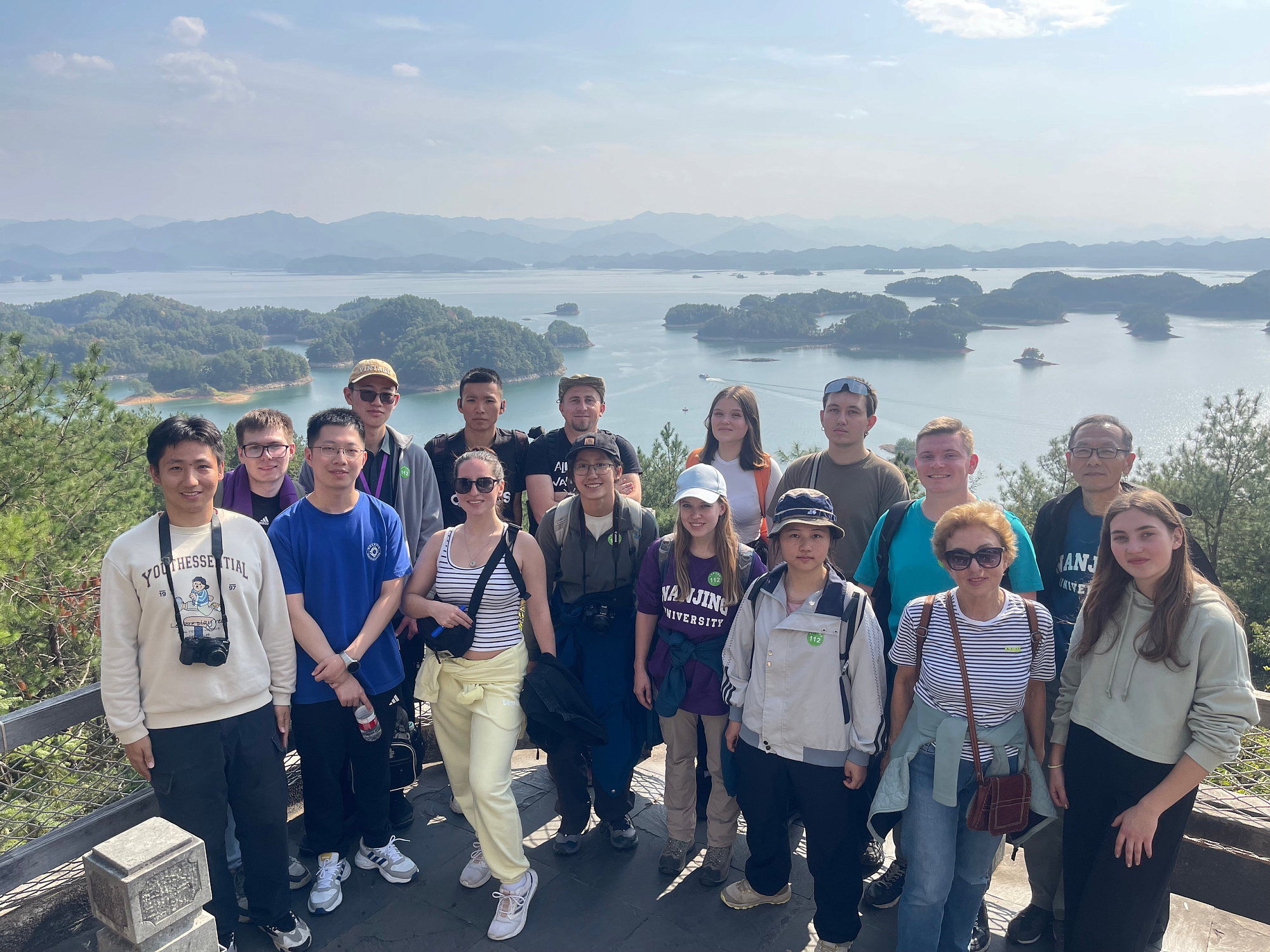
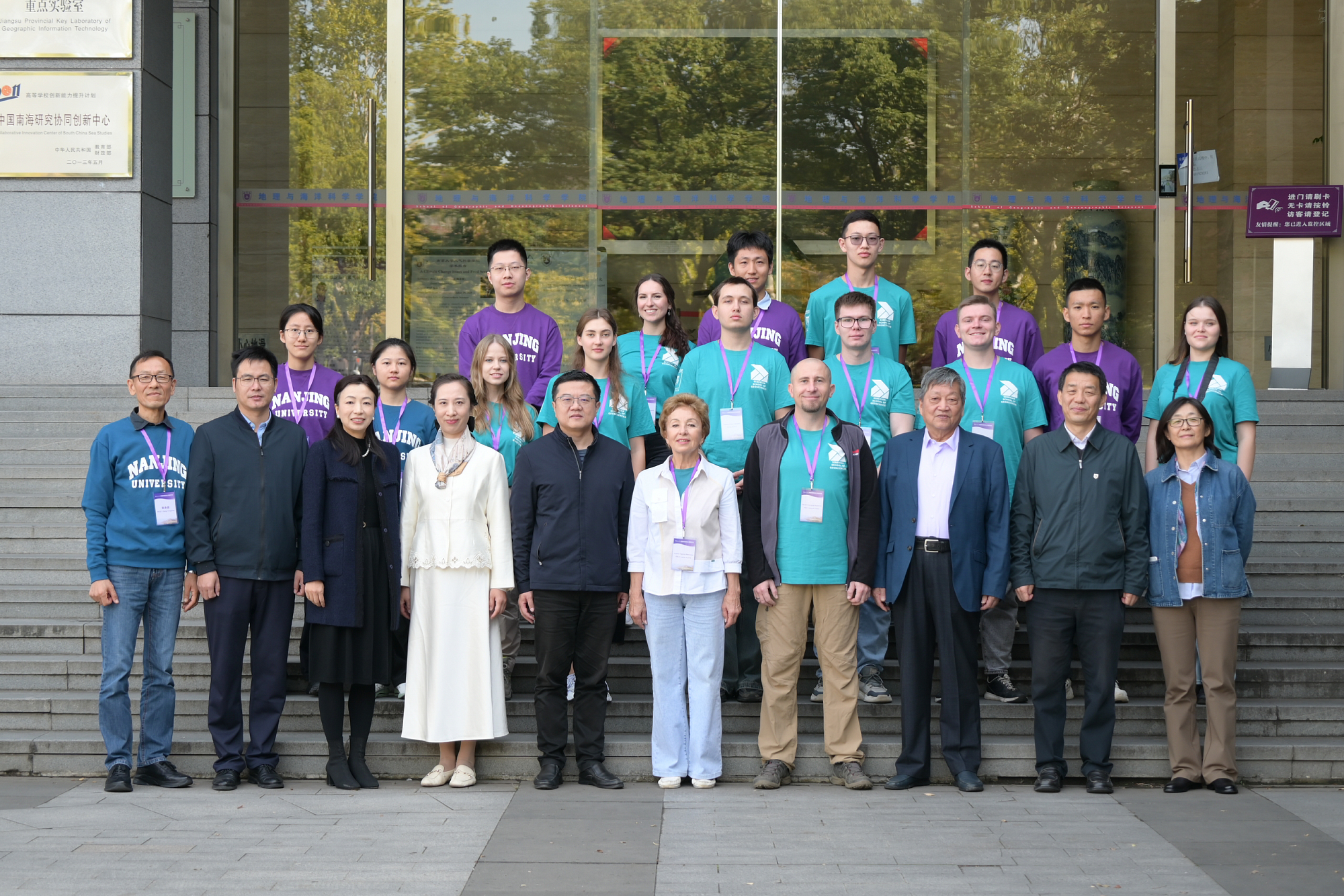
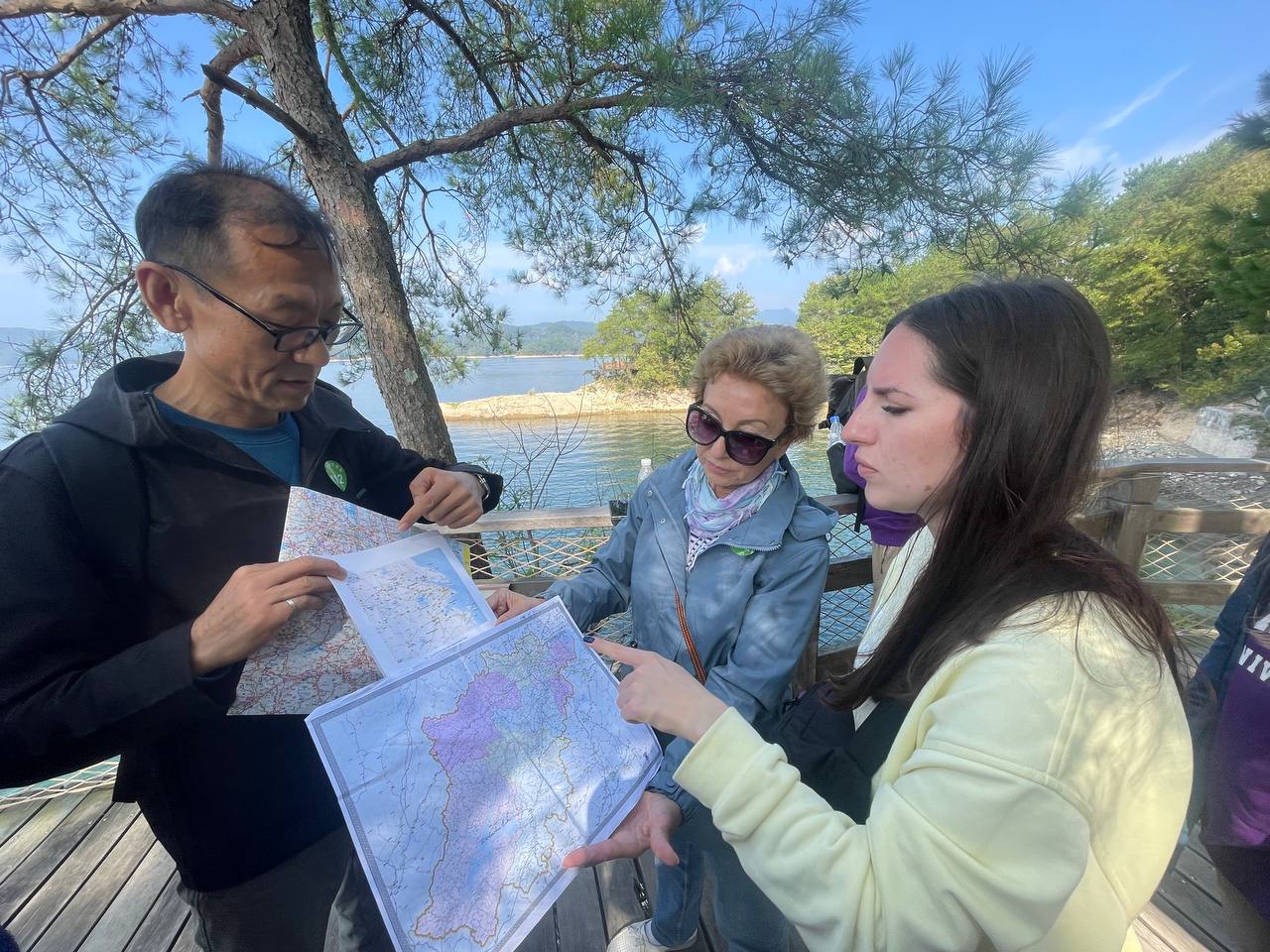
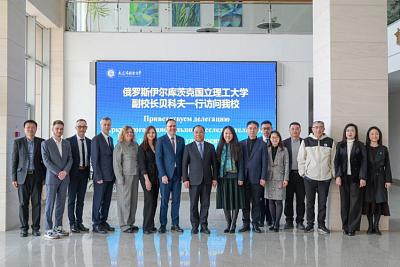
A group of 15 students was accompanied by Larisa Auzina, Head of the Hydrogeology Laboratory at the Siberian School of Geosciences, INRTU Vice-Rector for Geology, Earth and Environmental Sciences Alexander Parshin (the Russian lead), and Professor Zhang Yongzhan from the School of Geography and Ocean Science at Nanjing University (the Chinese lead).
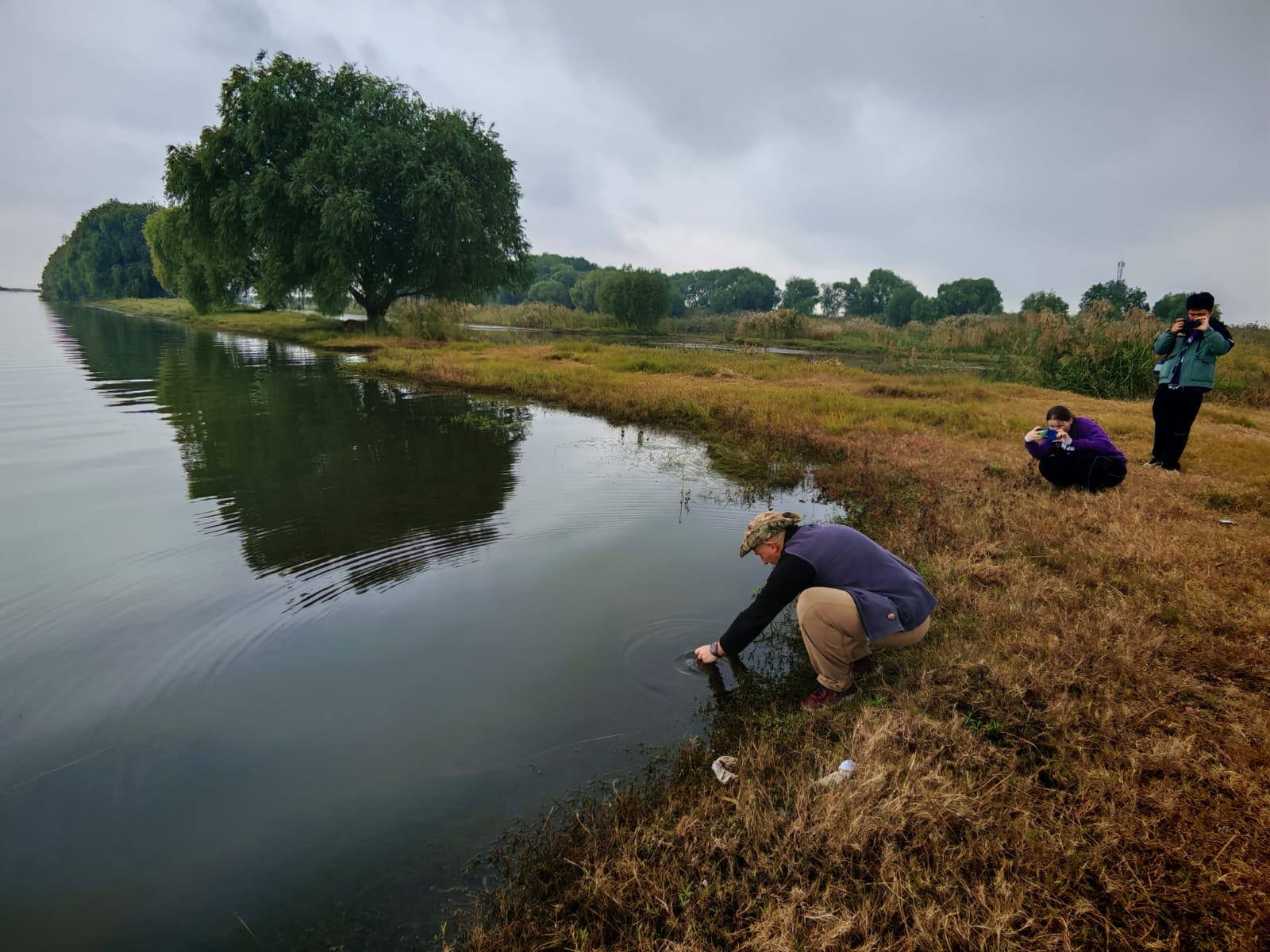
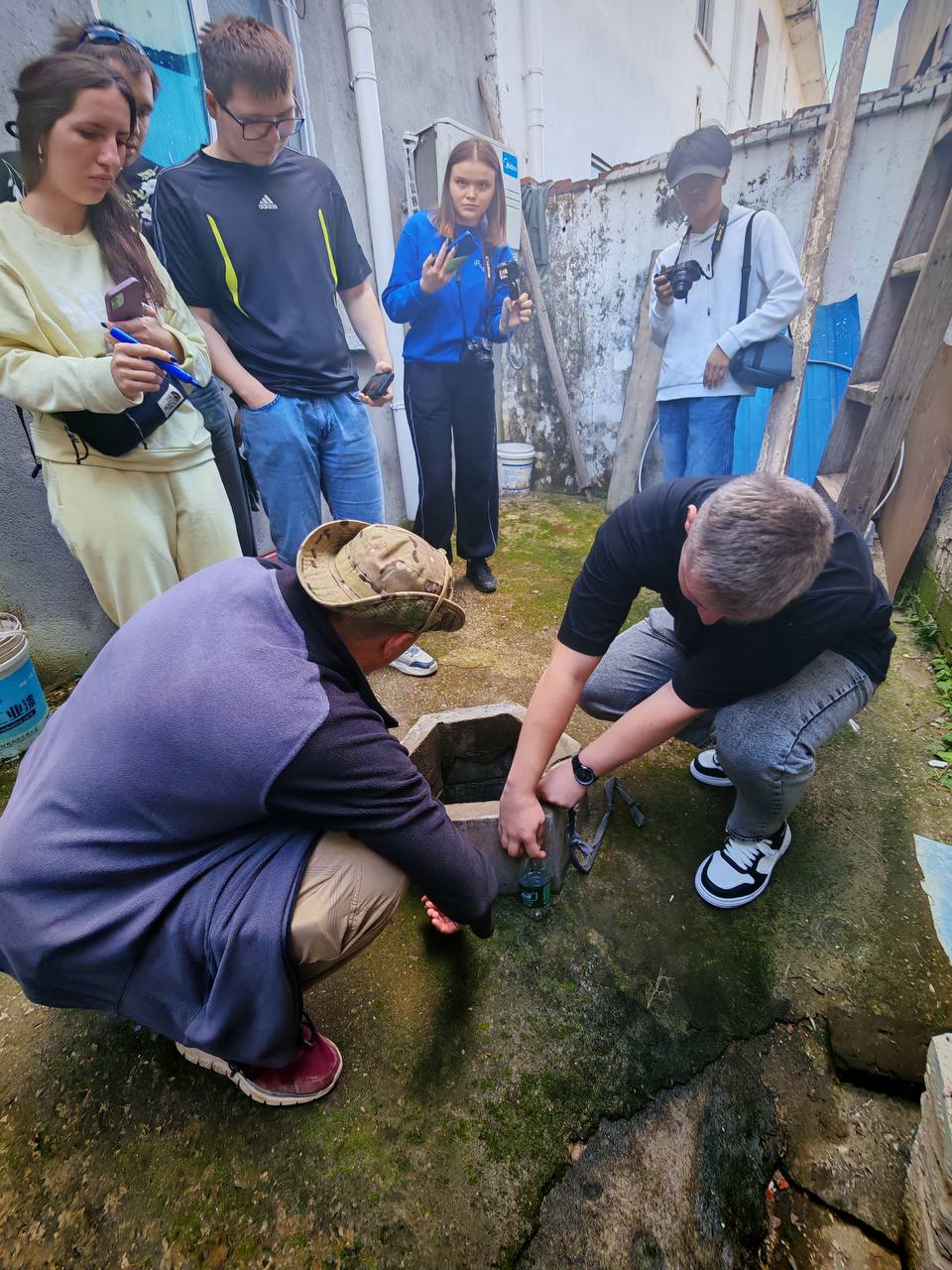
The expedition’s goal was to study endogenous and exogenous processes of natural and human-induced origin, surface and underground waters, and the changes in their chemical composition over time. The participants were interested in the state of the ecosystem within urban areas of the Yangtze River valley, a tectonically active subduction zone of the South China Craton. The total route length was 2,194 km. Students and faculty recorded data at 37 observation sites and collected 32 water samples.

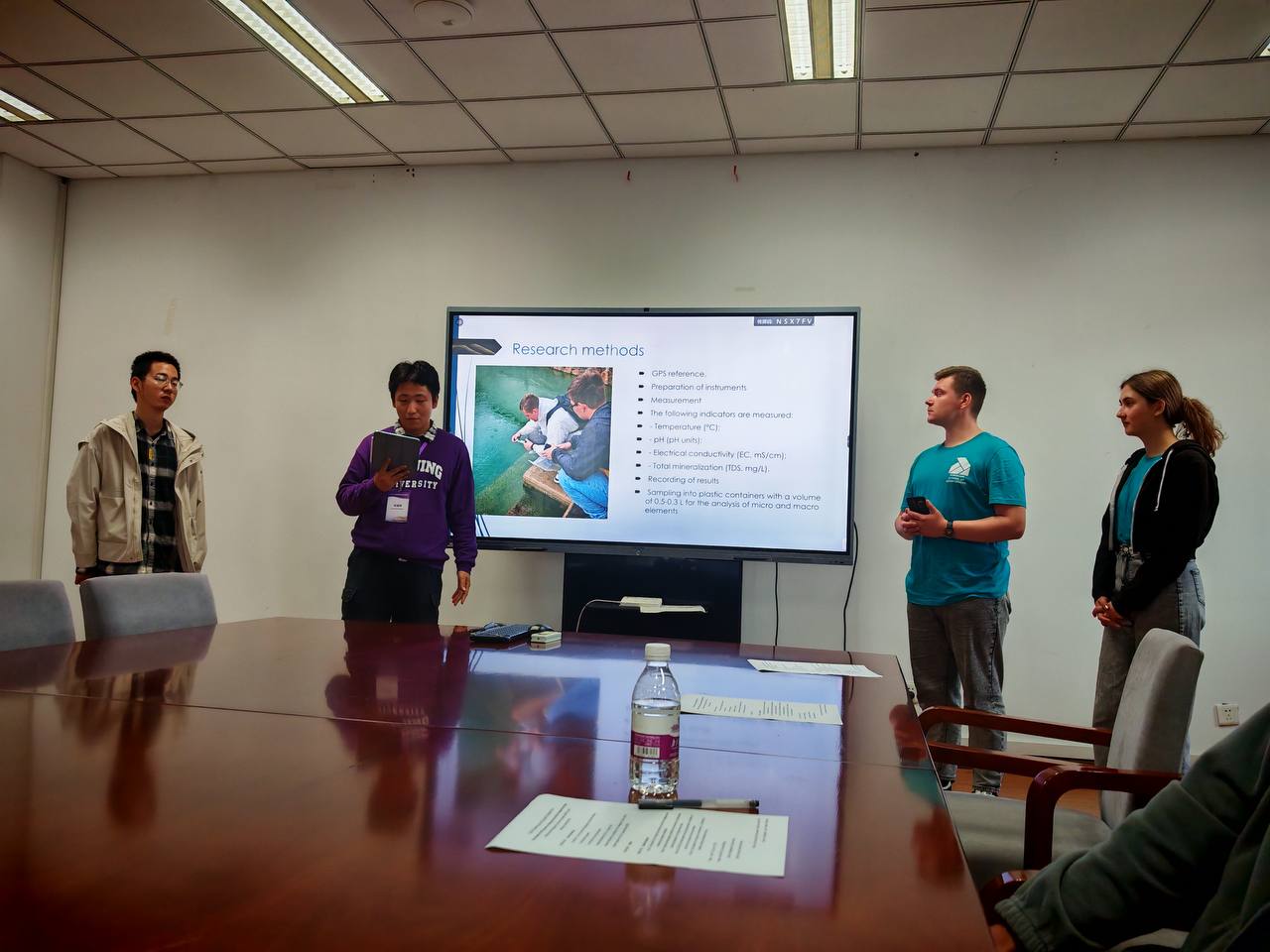
“The expedition ‘Yangtze – The Main Artery of Eastern China’ helps students develop international communication skills and improve their English proficiency. The students gain motivation to participate in the research and industrial projects of the Siberian School of Geosciences. Studying unique geosystems often gives young researchers new perspectives on well-known sites.
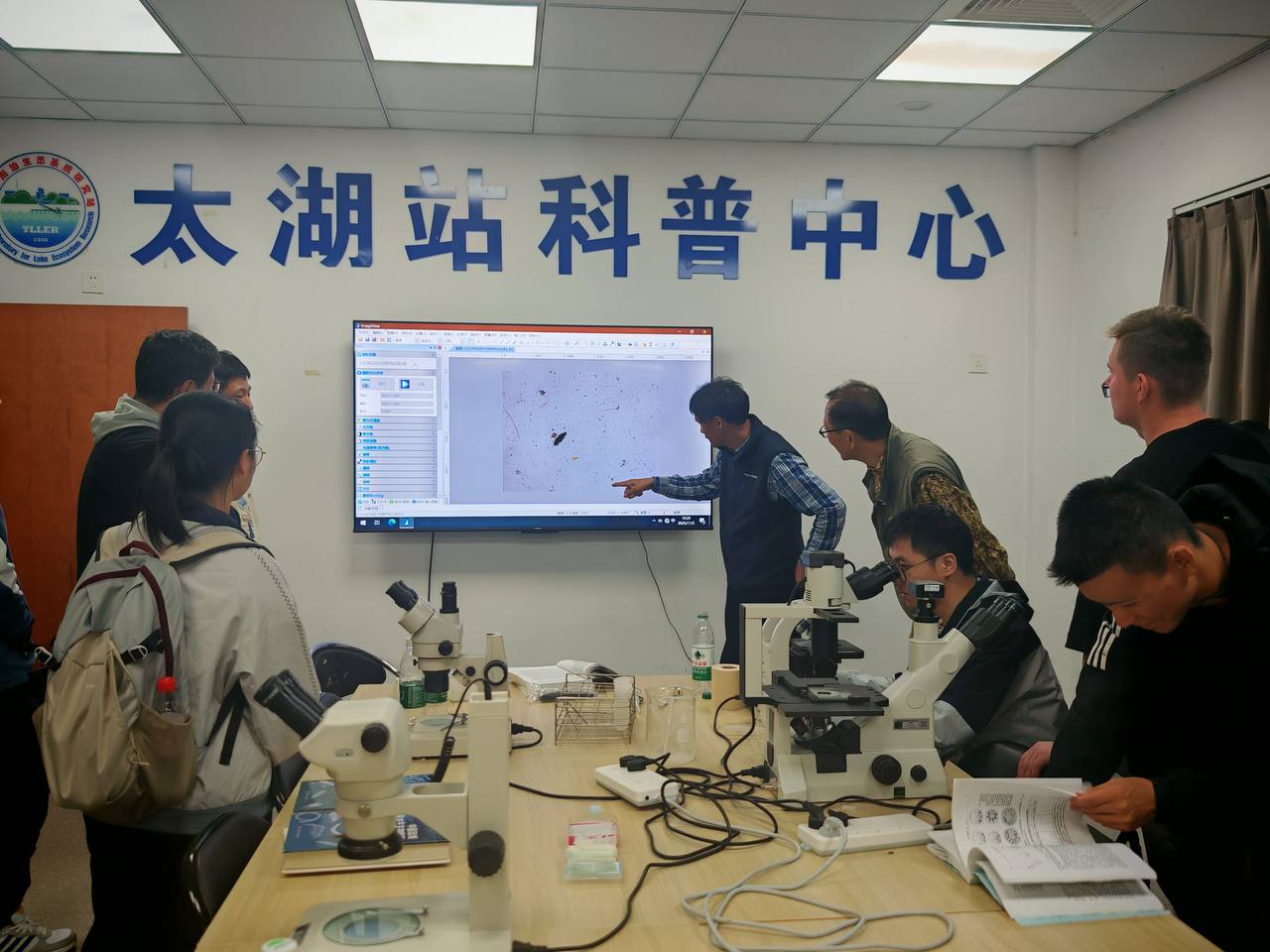
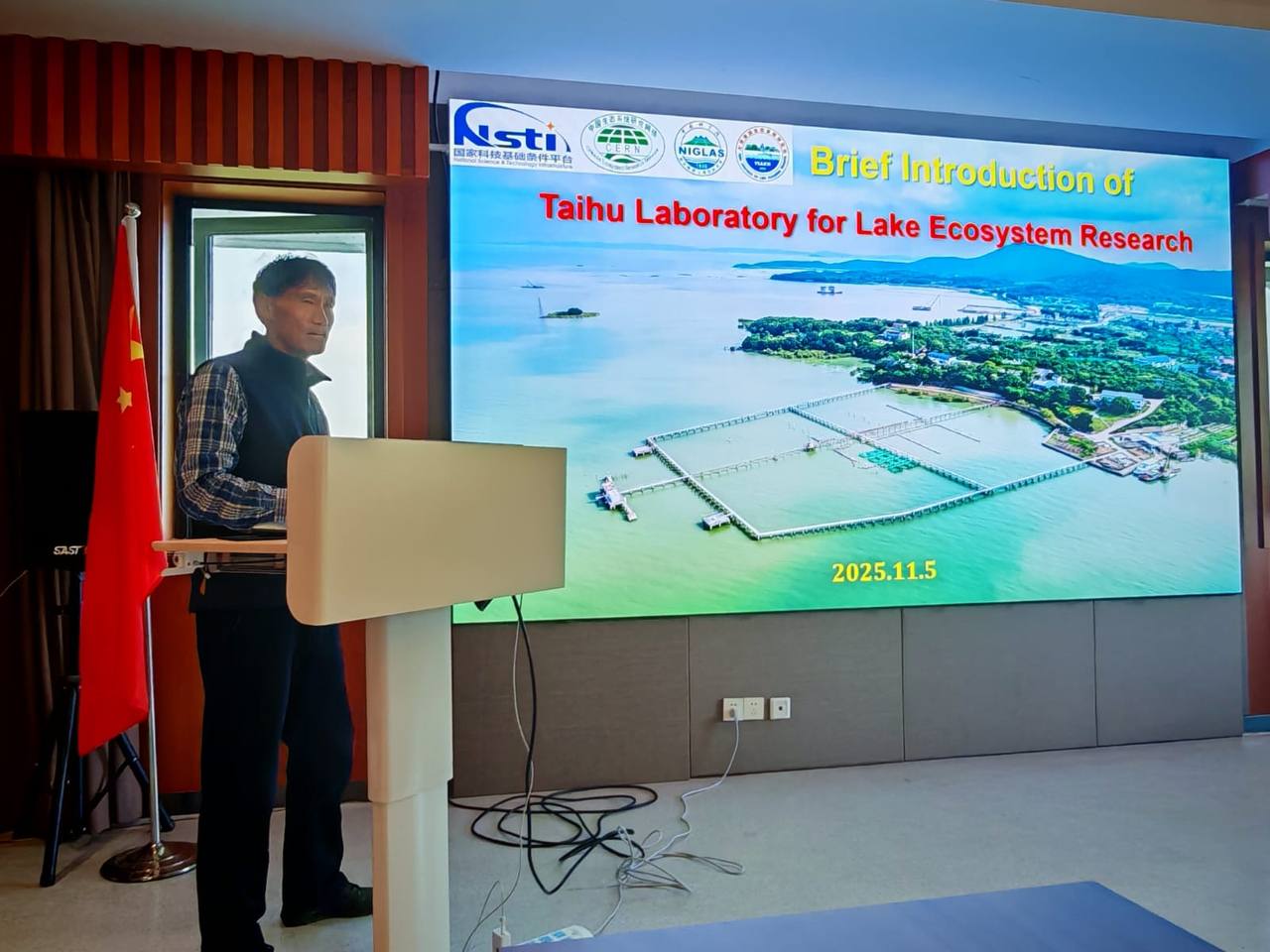
Our students became familiar with the laboratory facilities of the School of Geography and Ocean Science at Nanjing University, as well as the equipment and key monitoring instruments and stations. One of these stations is operated by the Chinese Academy of Sciences and is located on Lake Taihu, a major source of drinking water.
The second station, Qianzhou, on the northern outskirts of Wuxi city, is designed to monitor the groundwater level, which dropped sharply due to unsustainable water supply. This has led to ground subsidence and deformation of the railway track on the Shanghai-Beijing section. Researchers are working to restore the hydrogeological situation,”
noted Larisa Auzina.
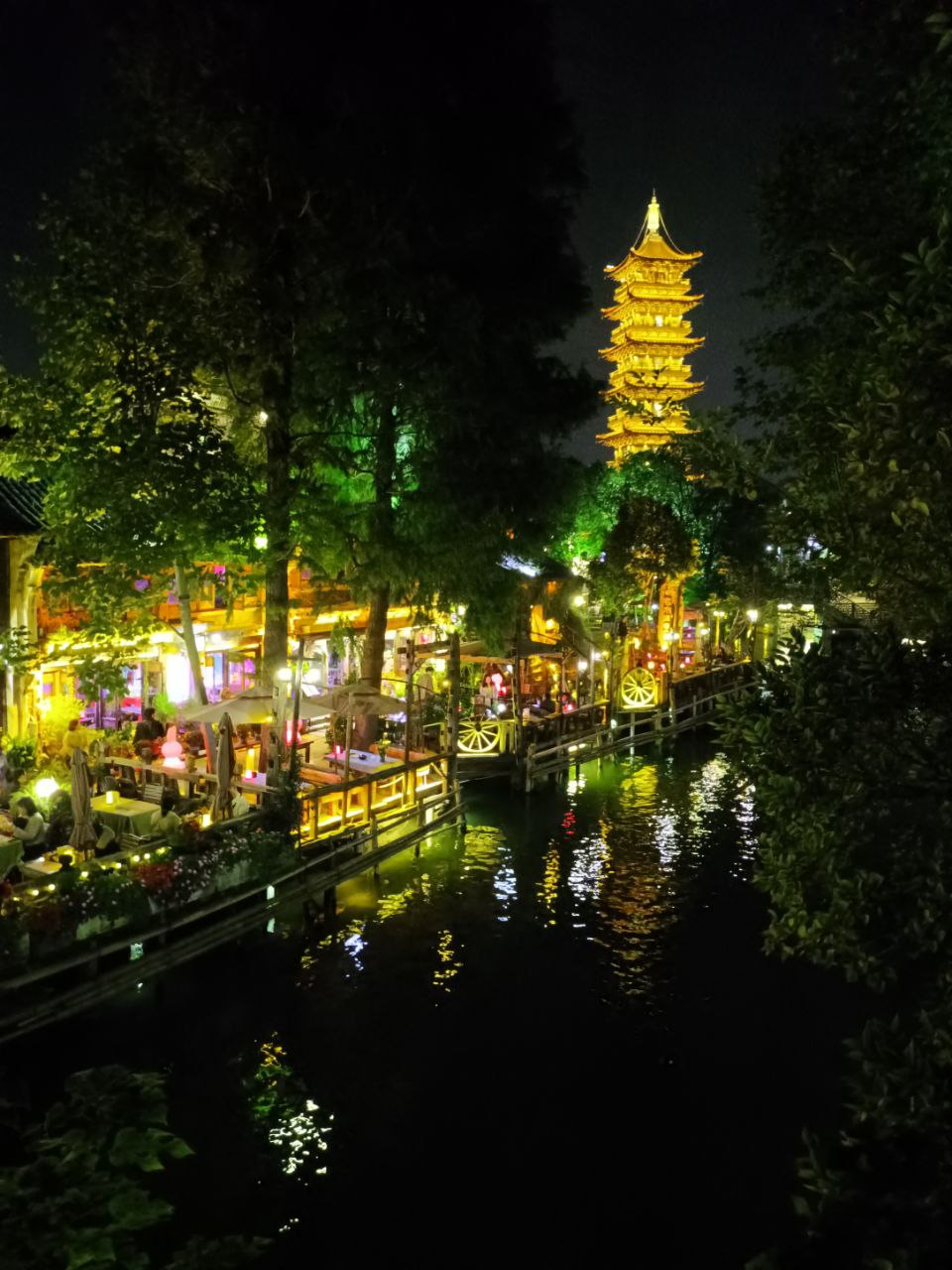
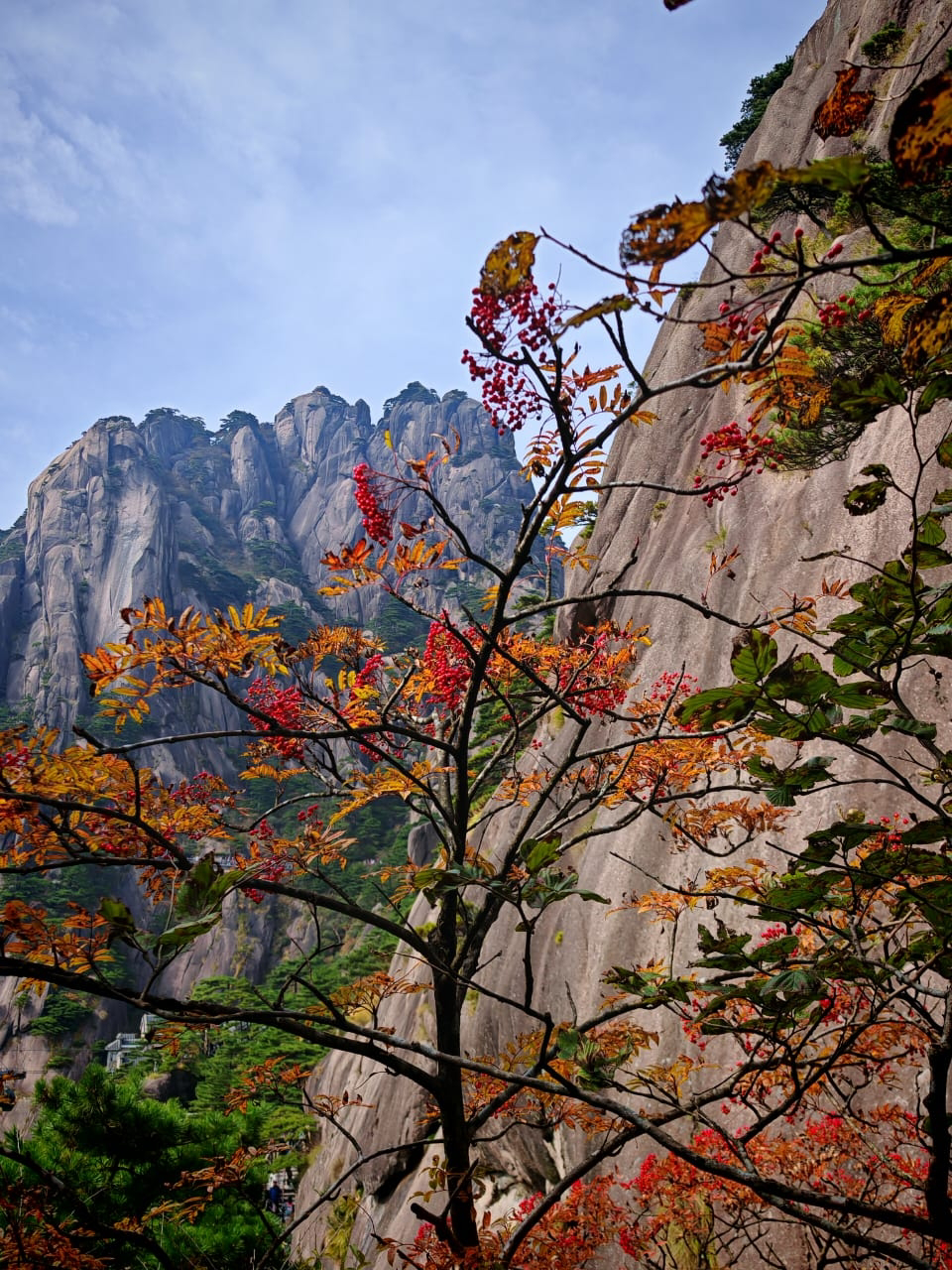
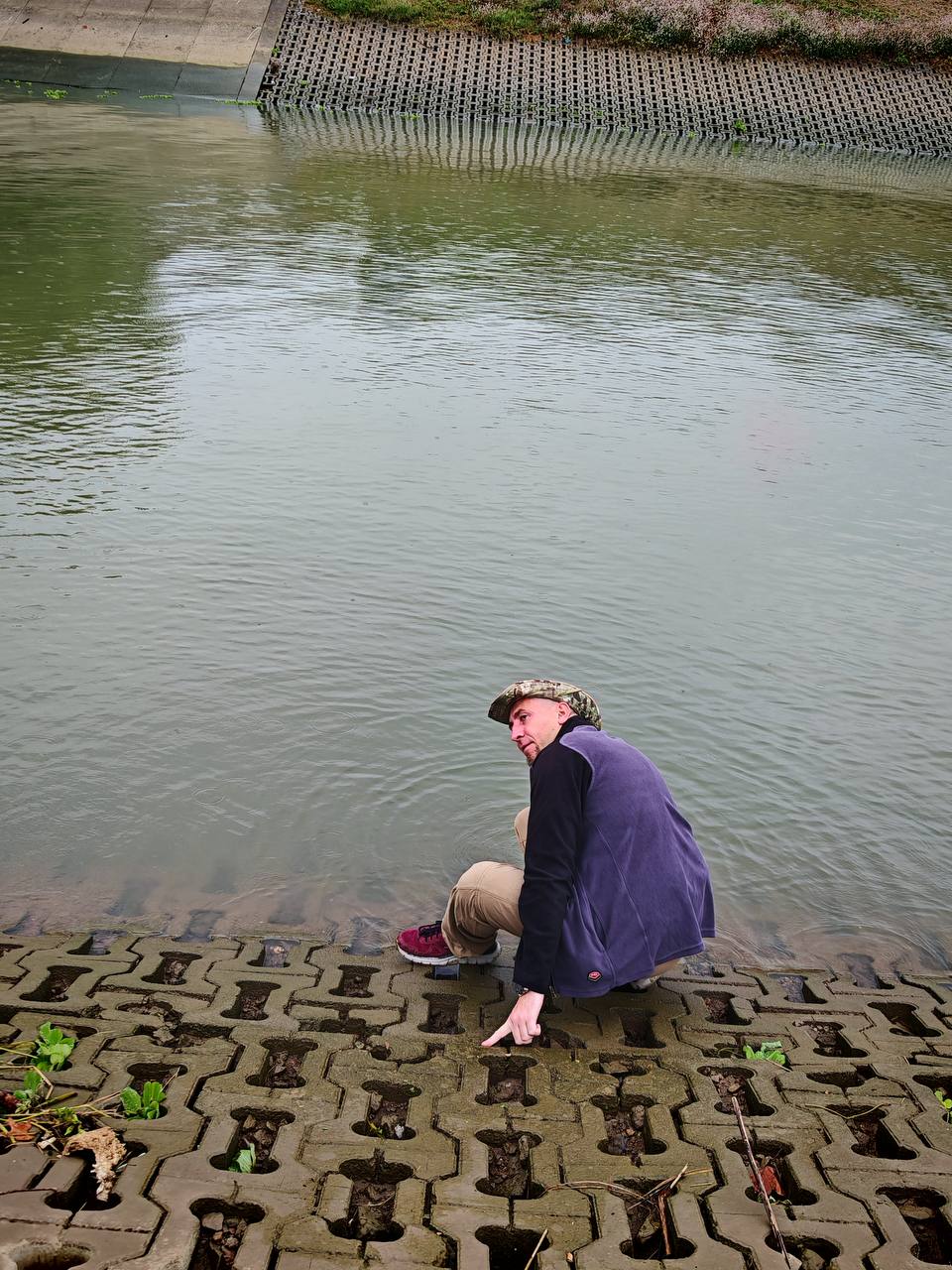
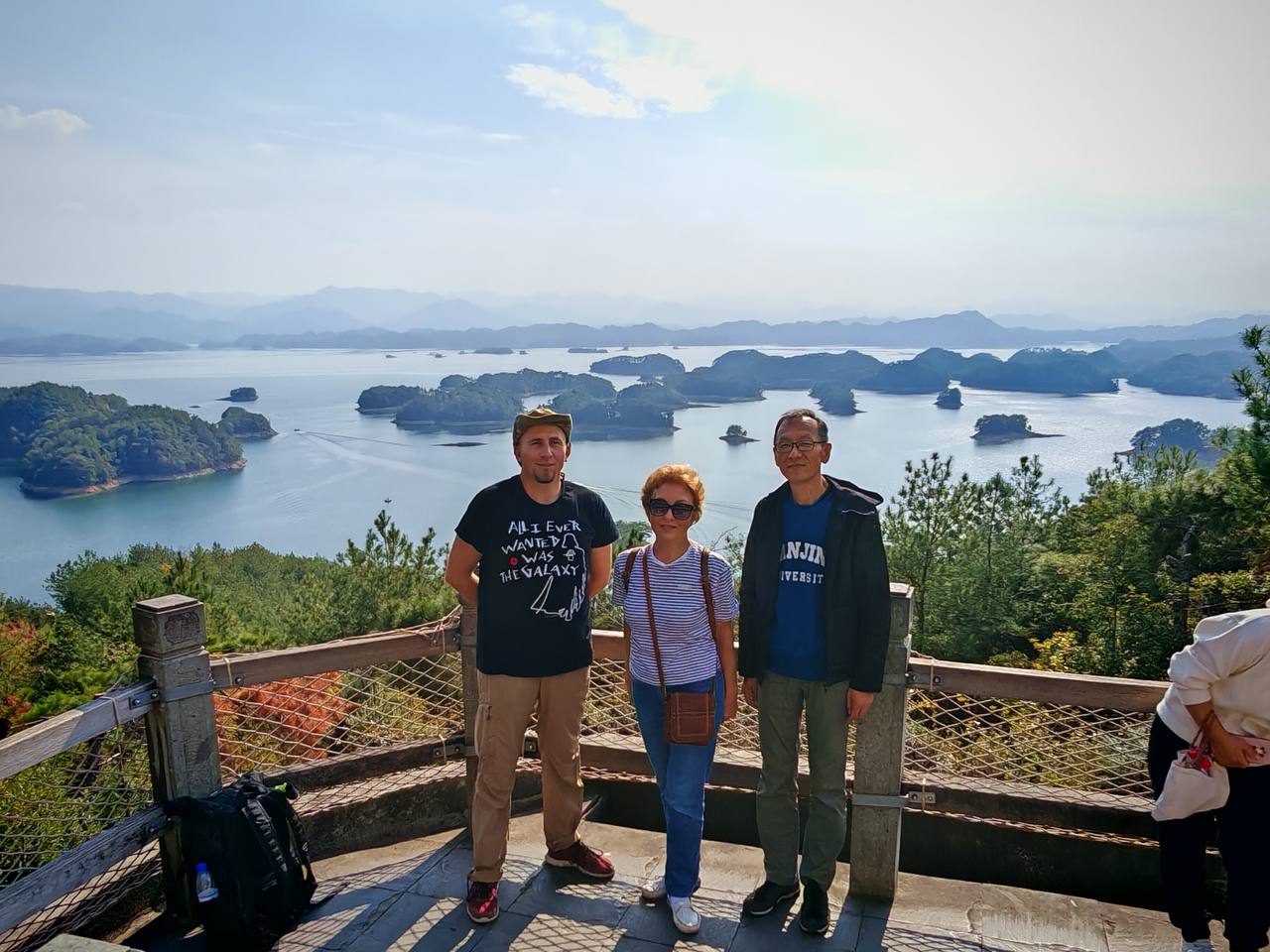
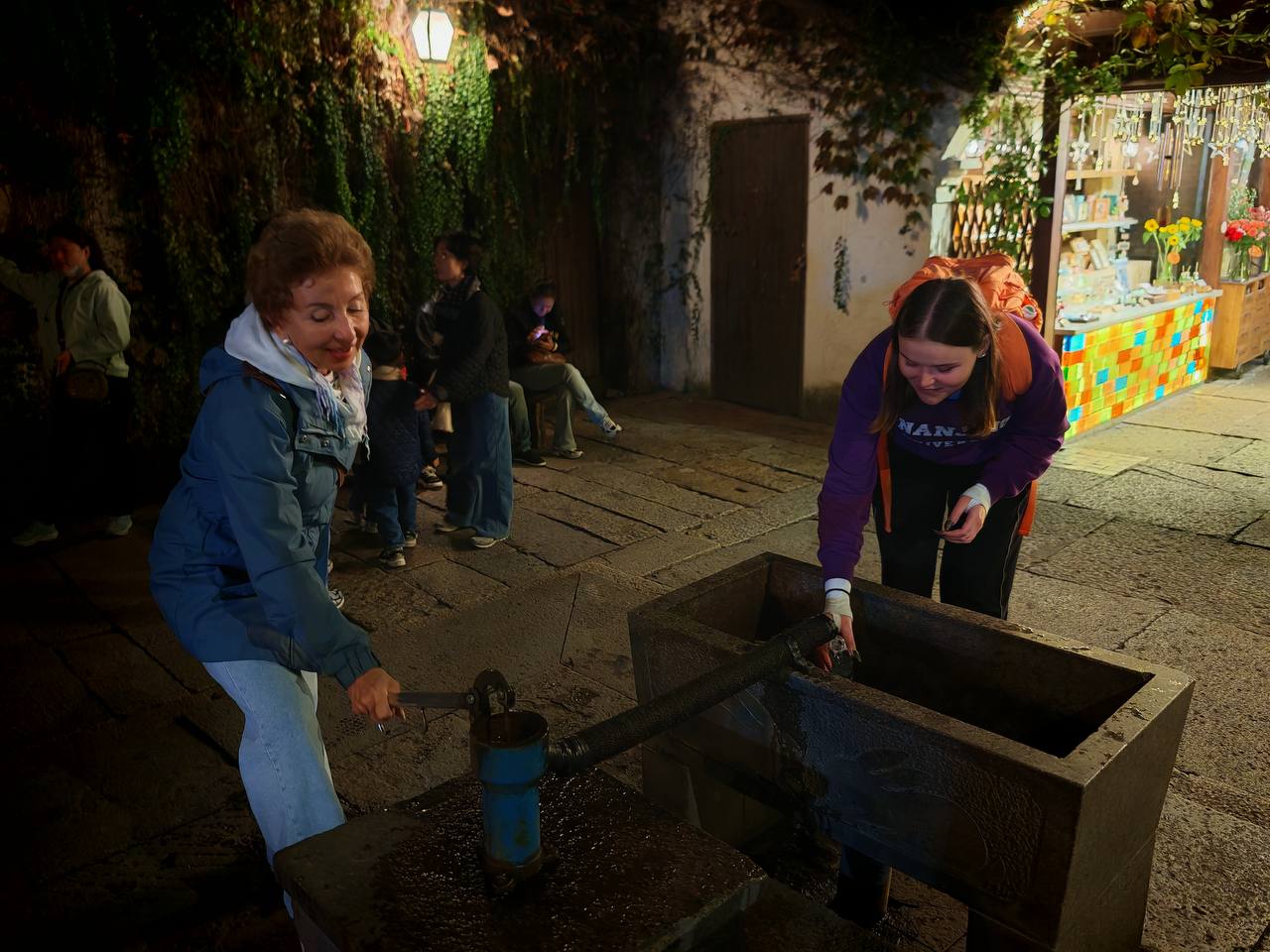
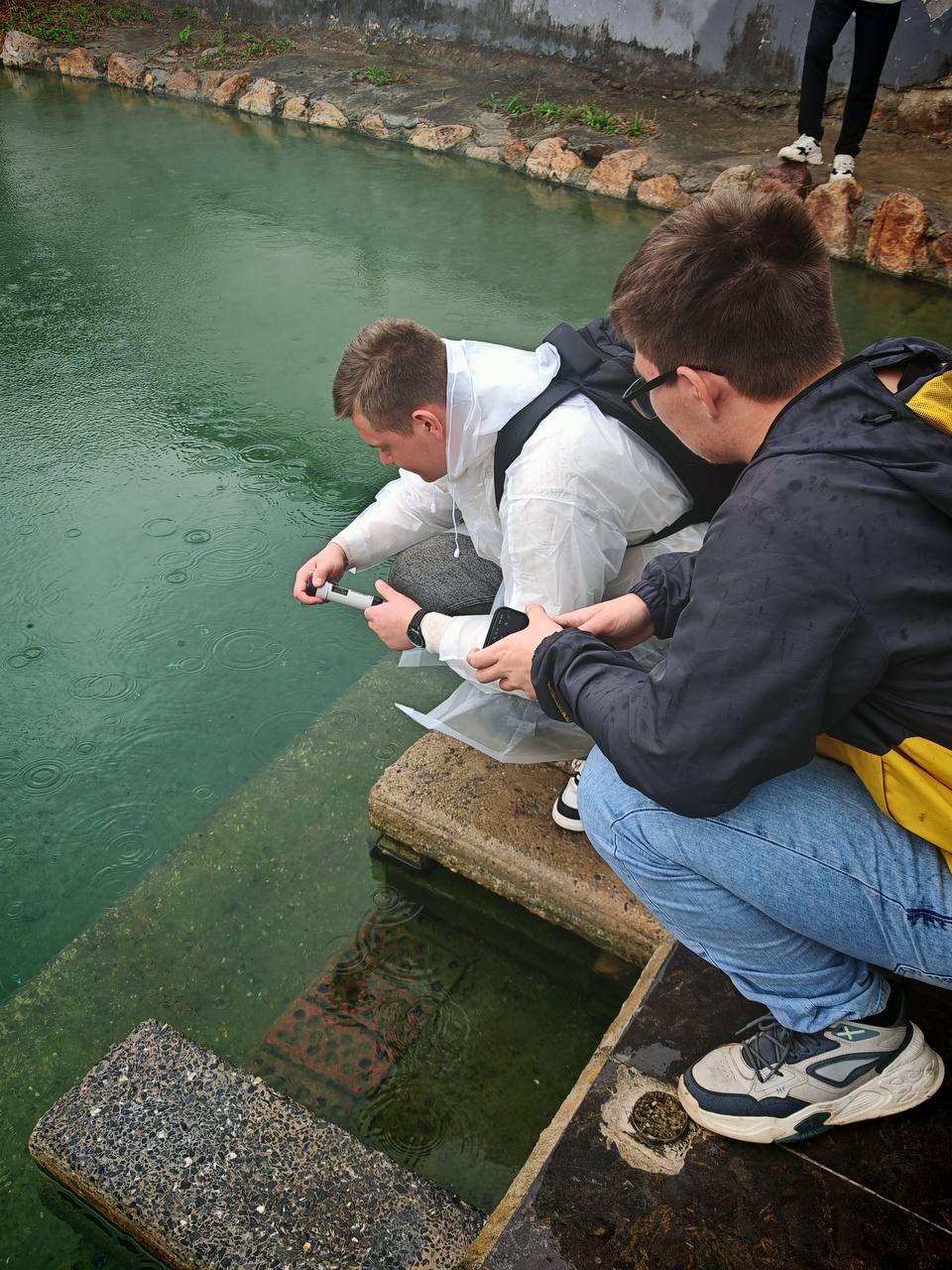
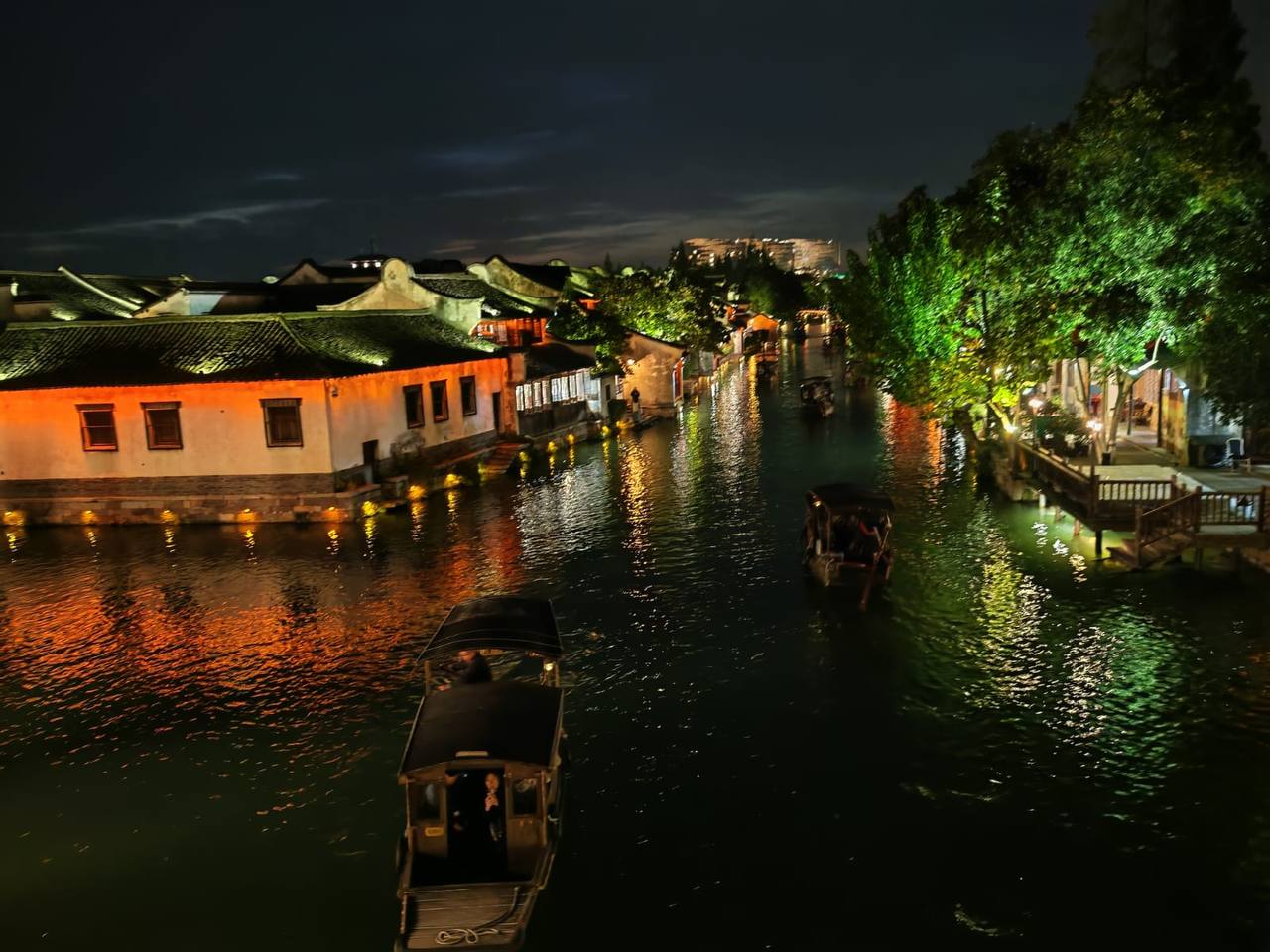
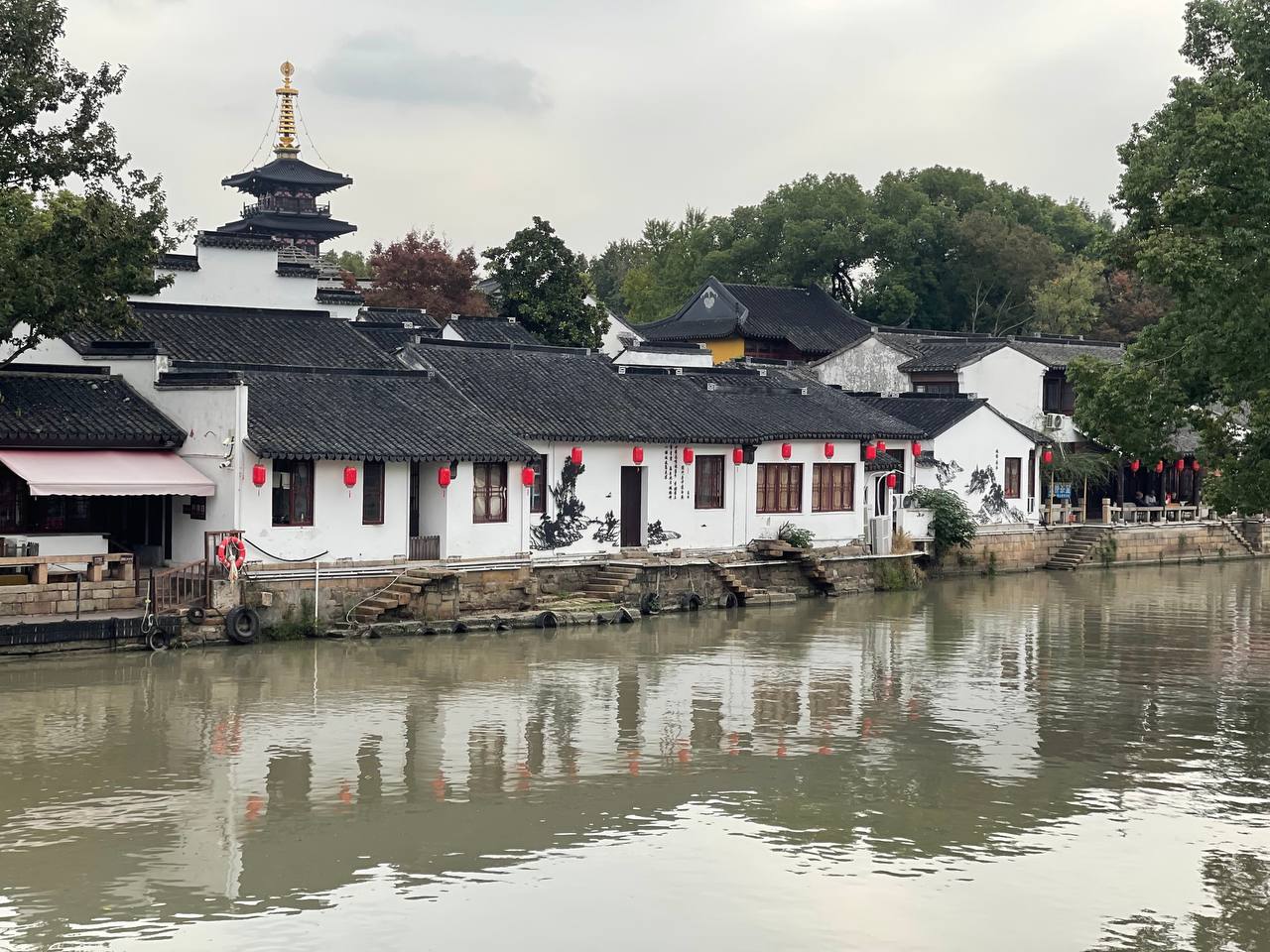
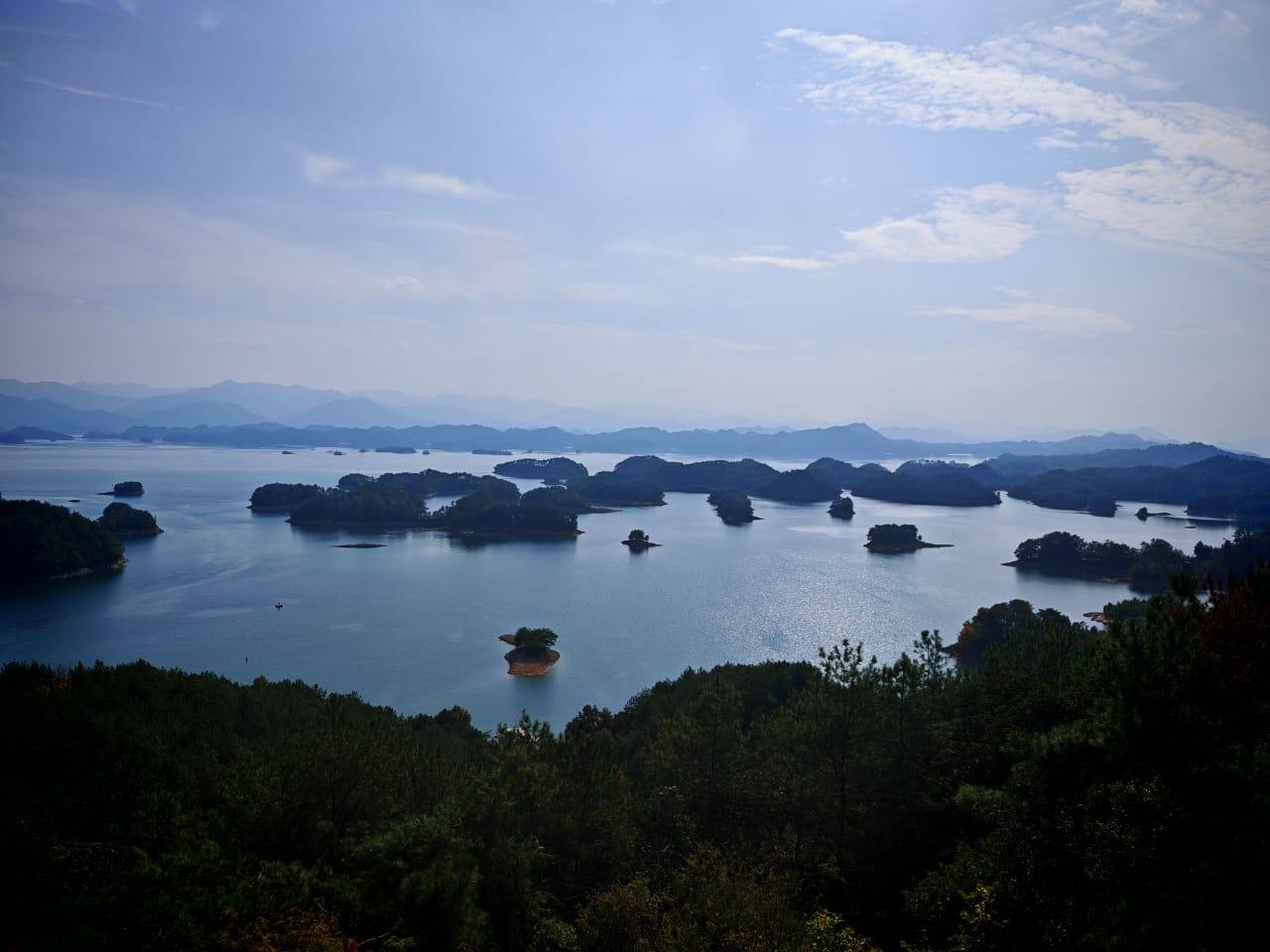
The expedition followed a tight schedule. The team from INRTU and Nanjing University studied the geological, hydrogeological, and ecological-geochemical features of more than 10 locations using portable research equipment. The participants visited the artificial Qiandao Lake (“Thousand Islands Lake”), the Xin'anjiang and Fuchunjiang rivers. They traveled along the Grand Canal, which connects the Yangtze and Huanghe Rivers, and visited the city of Suzhou (“Eastern Venice”), crisscrossed by a network of canals with historic buildings and traditional gardens.
Rapid on-site water analysis conducted along the routes made it possible to record changes in its chemical composition on the way from Qiandao Lake to Hangzhou city.
The findings will be presented in reports, at the “Igoshin Readings” and “Geosciences” conferences, and published in the journal “Earth Sciences and Subsoil Use”. The researchers will also develop programs for the upcoming 2026 expeditions “Baikal, The Pearl of the World” and “Yangtze, The Main Artery of Eastern China”.